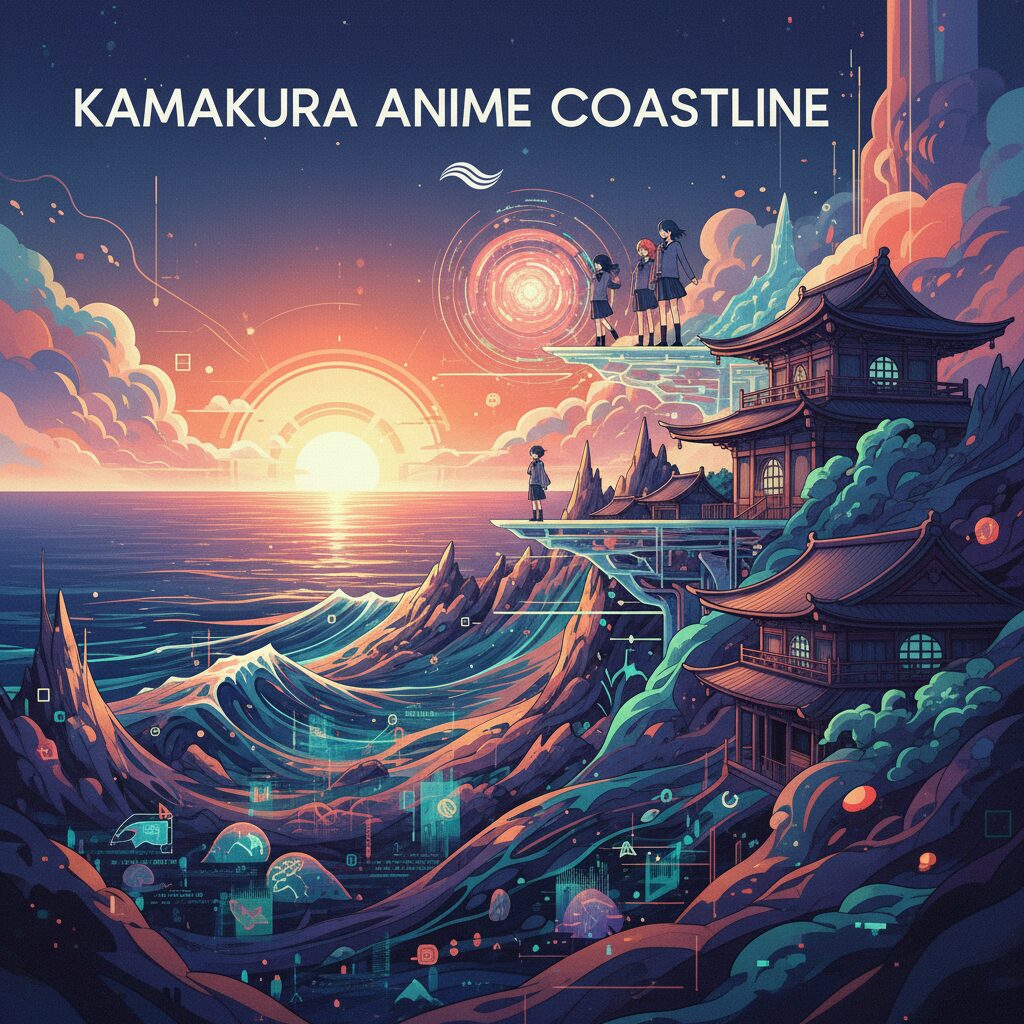
There’s a certain kind of magic that happens when a place you’ve only seen in fiction springs to life before your eyes. It’s a jolt, a spark of recognition that bridges the gap between a beloved story and the solid ground beneath your feet. For millions, that jolt happens at a small railway crossing on the coast of Japan, in a town called Kamakura. Here, the salty Pacific air mixes with the electric hum of a passing train and the palpable energy of a thousand high-school basketball dreams. This is the heartland of Slam Dunk, the legendary manga and anime series that defined a generation. More than just a setting, Kamakura is a character in the story—its sun-drenched beaches, its iconic green train, and its laid-back coastal vibe are woven into the very fabric of Hanamichi Sakuragi’s journey from delinquent to basketball star. Visiting Kamakura isn’t just a trip; it’s a pilgrimage. It’s a chance to stand where your heroes stood, to feel the same sea breeze, and to hear the same rhythmic clatter of the train that marked the beginning of so many of their adventures. It’s a journey back to the roaring passion of Shohoku High, set against the timeless backdrop of one of Japan’s most historically significant and beautiful coastal towns. This is where the world of anime and the real world don’t just meet—they perform a perfect, exhilarating slam dunk.
Embracing the same sense of wonder, many travelers also find inspiration in exploring living scenery that vividly transforms beloved stories into palpable reality.
The Sound of the Ocean, The Roar of the Crowd
The Crossing of a Lifetime
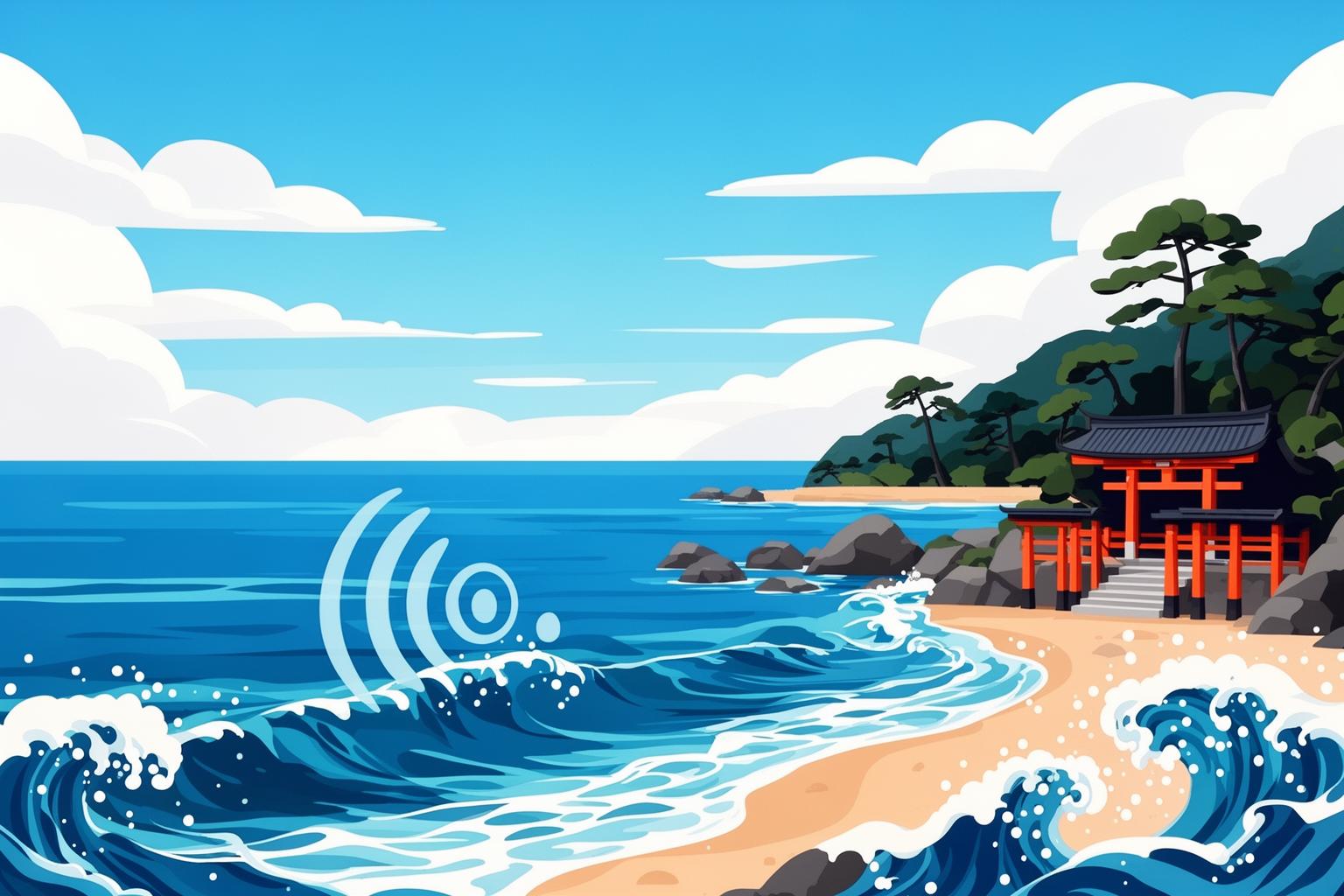
You catch sight of it even before you fully arrive. A gentle slope descends toward the sea, railroad tracks cross the road, and beyond them lies the vast, shimmering blue of Sagami Bay. This is the place. The Kamakurakōkōmae Station railroad crossing, immortalized in the opening sequence of the Slam Dunk anime. There’s an almost sacred hush among the gathered crowd, a silent understanding shared between strangers from around the world. They’ve all come for the same reason. Cameras and phones in hand, they wait for the distinct ding-ding-ding of the crossing alarm. And then it sounds. A charming retro two-car green and cream train, the Enoden, glides into view, momentarily blocking the ocean vista. In that brief moment, as the train passes and the brilliant blue sea reappears, you’re not just a tourist. You become Haruko Akagi, waiting with a hopeful smile, or one of the Shohoku High team members heading to another grueling practice. The scene is so perfectly preserved, so unchanged, that it feels like stepping right into a single, flawless cel of animation. The air itself seems to hum with the energy of countless fans who’ve stood on this very spot, their hearts full of nostalgia. The atmosphere is a unique mix of quiet pilgrimage and buzzing excitement. You’ll see fans carefully trying to match the exact camera angle from the anime opening, a shared ritual that bonds everyone present. A friendly tip for first-time visitors: this is an active road and railway. Please be mindful of traffic and the local residents who use this route daily. The perfect shot is worth the wait, but safety and respect are the true priorities on any pilgrimage. The best moments often come in the brief pauses between trains, when you can just stand, listen to the waves crashing on Shichirigahama beach below, and let the experience sink in. It’s powerful, poignant, and utterly unforgettable.
The Real Ryonan High
Just a short, scenic walk uphill from that famous crossing sits Kamakura High School. While you can’t enter the grounds, its exterior is instantly recognizable to any fan as the real-life inspiration for Ryonan High School, the formidable rival led by the stoic prodigy Akira Sendoh. Standing outside its gates, gazing out at the same panoramic ocean view the characters saw daily, adds another layer of reality to the world of Slam Dunk. You can almost picture the intense one-on-one battles between Sakuragi and Fukuda on its courts or hear Sendoh’s calm, confident dribbling as he practices by the sea. The school isn’t just a building; it’s a silent tribute to the spirit of rivalry, respect, and relentless pursuit of greatness that defines the series. It reminds us that these epic stories were rooted in a real, tangible place—a place where ordinary high school students live, study, and dream. The walk itself is part of the experience, offering breathtaking views of the Shonan coastline and Enoshima Island in the distance, a perfect setting to reflect on the enduring legacy of the story.
Riding the Legendary Enoden Line
The Enoshima Electric Railway, affectionately known as Enoden, is more than just transportation; it’s the heartbeat of the Shonan coast and a central part of the Slam Dunk pilgrimage. This quaint little train line has been chugging along the coastline for over a century, offering one of the most scenic rides in all of Japan. Boarding Enoden at either Kamakura Station or Fujisawa Station feels like embarking on a new chapter of your travel journey. The train glides with a gentle, rhythmic sway, making the route a charming adventure. At times, it threads through narrow residential streets, so close to the houses you could almost reach out and touch them. Then suddenly, it emerges onto the coastline, where the carriage fills with brilliant sunlight reflecting off the Pacific Ocean. The stretch between Shichirigahama and Kamakurakōkōmae is pure enchantment: to the right, the sparkling sea extends to the horizon, dotted with surfers riding the waves; to the left, the lush green hills of Kamakura rise steeply. This is the very journey the Shohoku team took countless times—a commute that served as the backdrop for their talks, rivalries, and deepening friendships. For the best experience, get an Enoden 1-Day Pass, called the “Noriorikun.” This ticket lets you hop on and off at will, granting you the freedom to explore every captivating stop along the route. You can visit the Great Buddha at Hase, browse for souvenirs in Enoshima, or simply relax on a quiet beach. Each station offers its own distinct charm, and the train becomes your reliable companion on a day of coastal discovery, bridging the gap between anime fantasy and the stunning reality of the Shonan region.
Beyond the Court: Kamakura’s Ancient Heart
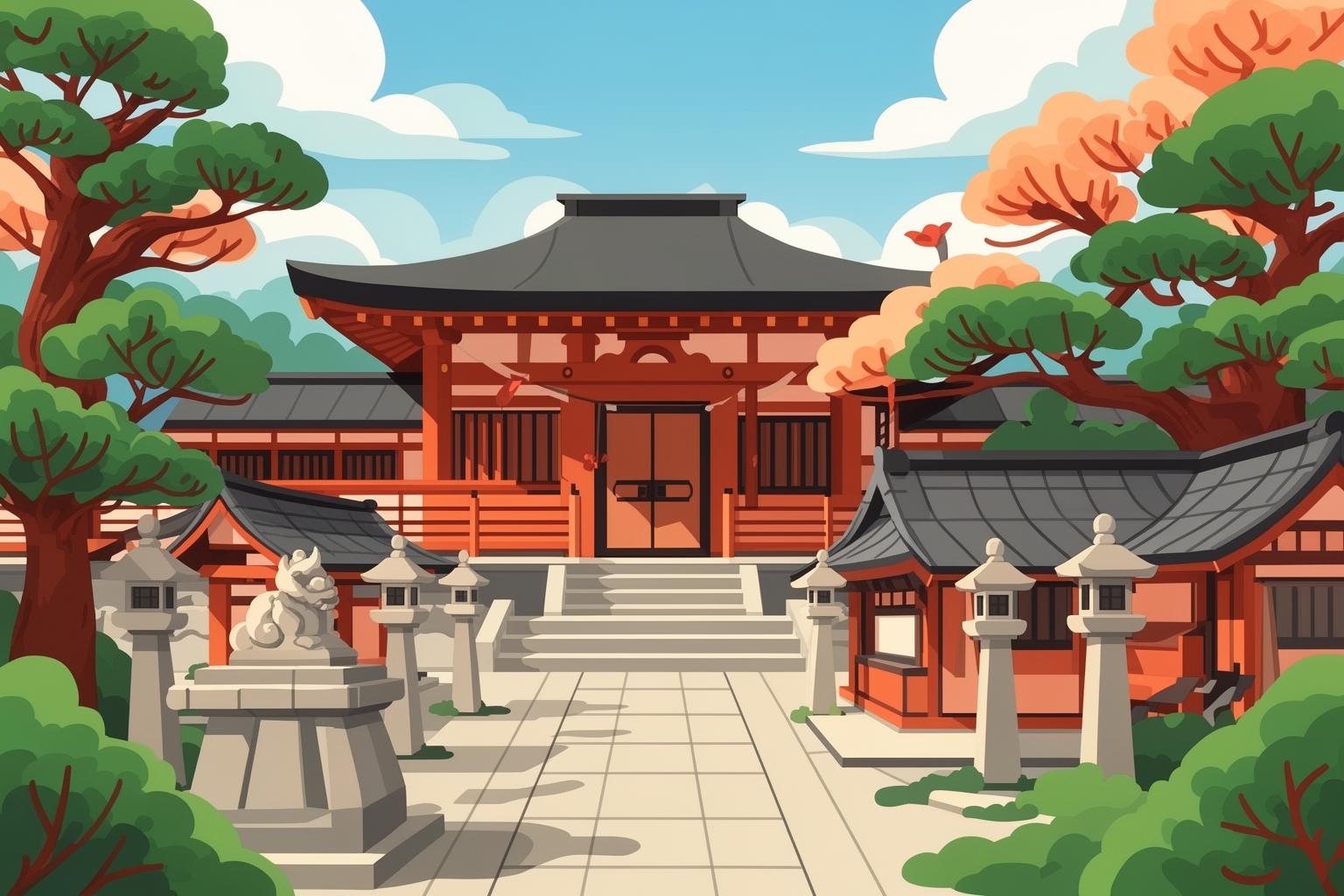
While the siren call of Slam Dunk may draw you here, it is Kamakura’s rich and resonant history that will compel you to stay. Long before becoming an anime pilgrimage site, this city served as Japan’s political center, housing the Kamakura Shogunate from 1185 to 1333. This heritage is deeply embedded in the landscape through magnificent temples, tranquil shrines, and one of the most iconic statues worldwide. A visit feels incomplete without paying respects to these ancient protectors of the city.
The Great Buddha of Kotoku-in
A brief walk or a single Enoden stop from the coast at Hase Station brings you face to face with true grandeur. The Kamakura Daibutsu, or Great Buddha, is a massive bronze statue of Amida Buddha that has quietly stood exposed to the elements since the 15th century, after the temple hall that once housed it was destroyed by a tsunami. This place exudes a profound sense of peace and permanence. Standing before the 13.35-meter-tall statue inspires awe. The craftsmanship is exquisite, and the Buddha’s serene expression seems to hush the entire precinct. For a modest fee, visitors can enter the hollow interior of the statue, a rare opportunity to appreciate the monumental scale and engineering of this national treasure. It offers a space for quiet reflection, serving as a powerful contrast to the lively excitement of the anime landmarks, and reminding visitors of the deep history that anchors this coastal town.
The Verdant Slopes of Hasedera Temple
Also situated in the Hase area, Hasedera Temple is a stunning complex built into the incline of a wooded hill. The journey through its grounds is an experience in itself. As you climb the stone steps, you pass through a beautiful Japanese garden featuring a koi pond, and encounter rows of Jizo statues, small figures honoring the souls of children. The main hall at the summit houses a magnificent eleven-headed wooden statue of Kannon, the goddess of mercy, one of Japan’s largest wooden sculptures. But the real reward for making the climb is the observation deck, which offers a sweeping panoramic view of Kamakura city, Yuigahama Beach, and the sparkling bay beyond. The view is especially breathtaking during the rainy season in June, when thousands of hydrangeas in more than 40 varieties bloom in a vibrant display across the temple’s slopes. It is a place of striking beauty, where nature and spirituality merge in perfect harmony.
The Path to Tsurugaoka Hachimangu
At the heart of Kamakura lies its most important Shinto shrine, Tsurugaoka Hachimangu. The approach to the shrine is a grand experience, beginning at the waterfront and leading up a broad, long path known as Wakamiya-oji, famously lined with cherry trees. Along the way, you pass through a series of enormous torii gates, building a sense of anticipation. The shrine complex is expansive and lively, dedicated to Hachiman, the patron deity of the Minamoto clan and samurai in general. The main hall sits atop a wide stone staircase, offering a commanding view down the main approach and over the city. The grounds also include two picturesque ponds, the Genpei Ponds, which bloom with lotus flowers in summer. Tsurugaoka Hachimangu is more than a historical landmark; it is the spiritual heart of the city, hosting festivals, weddings, and daily prayers. It connects visitors to the samurai era and the founding of Kamakura, providing a rich historical backdrop to your modern pilgrimage.
A Taste of the Shonan Coast
Exploring Kamakura is a sensory adventure, and that definitely includes the sense of taste. The area is renowned for its fresh seafood, and no trip is complete without savoring the local culinary specialties. As a food enthusiast, I found the flavors of Kamakura to be just as unforgettable as its sights. The undeniable highlight of the local cuisine is shirasu, tiny young whitebait or sardines caught from Sagami Bay. It’s served in a variety of ways, but the classic dish is shirasu-don, a simple yet delicious bowl of steaming rice topped with a generous heap of these delicate fish. You can enjoy them boiled (kamaage shirasu) or, for the more adventurous, raw (nama shirasu). The raw version is a real delight, available only when the day’s catch is fresh, providing a clean, subtly sweet taste of the sea. Many coastal restaurants and those on nearby Enoshima Island specialize in this dish, often accompanied by breathtaking ocean views. For a truly satisfying meal, seek out a seaside diner, order a shirasu-don set, and savor it while watching the waves roll by. Beyond seafood, Kamakura’s main shopping street, Komachi-dori, leading up to the main shrine, is a haven for snack lovers. The street buzzes with small shops offering everything from sweet potato croquettes and freshly grilled rice crackers (senbei) to indulgent crepes and purple sweet potato soft-serve ice cream. One of my favorite discoveries was a shop selling dango (sweet rice dumplings) glazed with a sweet and savory soy sauce, grilled right before your eyes. The aroma alone is enough to draw you in. Sampling a variety of snacks while strolling down the lively street is an essential part of the Kamakura experience. It’s a place where you can nourish your pilgrimage with delicious bites, each one a small taste of the local culture and coastal bounty.
Practical Plays for a Perfect Day
Exploring Kamakura is part of the adventure, and a bit of planning can greatly enhance your anime pilgrimage, making it smooth and rewarding. The most common route for visitors is from Tokyo. You can take the JR Yokosuka Line directly from major stations such as Tokyo Station or Shinagawa, reaching Kamakura Station in about an hour. Alternatively, the JR Shonan-Shinjuku Line provides a direct connection from Shinjuku and Shibuya. Upon arriving at Kamakura Station, your first step should be to locate the Enoden line platform. It’s a separate, smaller station adjacent to the main JR station and serves as your gateway to the coastal sights. As noted, the “Noriorikun” 1-Day Pass is essential. It’s highly cost-effective and offers the freedom to explore at your own pace without repeatedly buying individual tickets. The best time to visit usually depends on your interests. Weekdays are much less crowded than weekends and public holidays, especially at the famous Slam Dunk crossing. For the perfect, tourist-free photo, the early morning on a weekday is your best option. Seasonally, spring showcases cherry blossoms along the main shrine approach. Early summer brings vibrant hydrangeas at Hasedera and other temples. Summer is the peak season, with lively beach culture and plenty of sunshine, while autumn offers pleasant weather and beautiful foliage in the temple gardens. When you’re at the Kamakurakōkōmae crossing, keep in mind it’s a cherished spot but also part of a quiet residential area. Be respectful: don’t stand in the middle of the road, watch for cars, and keep noise to a minimum. The local community is used to daily fans visiting, and showing respect helps preserve this special place for everyone to enjoy for years to come. Lastly, wear your most comfortable walking shoes. Kamakura is best explored on foot. From sandy beaches to stone steps of ancient temples, you’ll be doing a lot of walking and will want to stay comfortable as you soak in every incredible moment.
More Than a Memory
As the day comes to a close and the sun begins to sink toward the horizon, casting a warm, golden light over the Shonan coast, a deep sense of satisfaction settles in. Leaving Kamakura feels less like an ending and more like the conclusion of a perfect story arc. You arrived searching for a scene from an anime, a single frame of nostalgia, but you depart with so much more. You leave with the taste of salty air on your lips, the faint rumble of the Enoden train echoing in your ears, and the tranquil image of the Great Buddha imprinted in your mind. You leave with a newfound appreciation for a town that effortlessly blends its pop-culture fame with a rich, centuries-old history. Standing on the beach, watching the last surfers paddle in as Enoshima Island becomes a silhouette against the twilight sky, you recognize the magic of this place. It’s not just about reliving Slam Dunk. It’s about understanding why this setting was chosen—its beauty, its energy, and its timeless charm. It’s a place that sparks stories, whether about a high-school basketball team chasing a championship or a traveler from afar discovering a connection to a world they once thought purely imaginary. Your pilgrimage may be over, but the memories, like the series that brought you here, are bound to become classics.