
There’s a unique magic that happens when the world of fiction bleeds into our own. It’s a subtle but powerful current, a feeling that washes over you when you stand in a place you’ve only ever seen on a screen and find that it’s real, breathing, and tangibly present. For millions around the globe, that feeling crystallizes at the top of a simple, unassuming staircase in a quiet corner of Tokyo. This isn’t just any staircase; it is the emotional epicenter of Makoto Shinkai’s breathtaking animated masterpiece, Your Name (Kimi no Na wa). This is the place where timelines converge, where two souls, separated by distance and memory, finally, miraculously, find each other. Nestled in the residential neighborhood of Yotsuya, a world away from the neon glow of nearby Shinjuku, these steps lead up to the local Suga Shrine. They have become a modern pilgrimage site, a destination for dreamers, romantics, and anime fans who travel across the world to stand where Taki and Mitsuha had their heart-stopping reunion. This journey isn’t just about recreating a famous scene for a photograph; it’s about connecting with the powerful emotions of the film—longing, hope, and the invisible threads that tie us together. It’s about discovering that the quiet, everyday beauty of Tokyo is just as captivating as the city’s futuristic skyline. Prepare to step into the frame and experience a story that feels more real than ever before.
To fully immerse yourself in this pilgrimage, consider exploring more of the real-world locations from ‘Your Name’ that bring the film’s magic to life.
The Pull of a Red Thread: Stepping onto Sacred Ground
The Journey Begins: From Urban Hustle to Whispering Alleyways
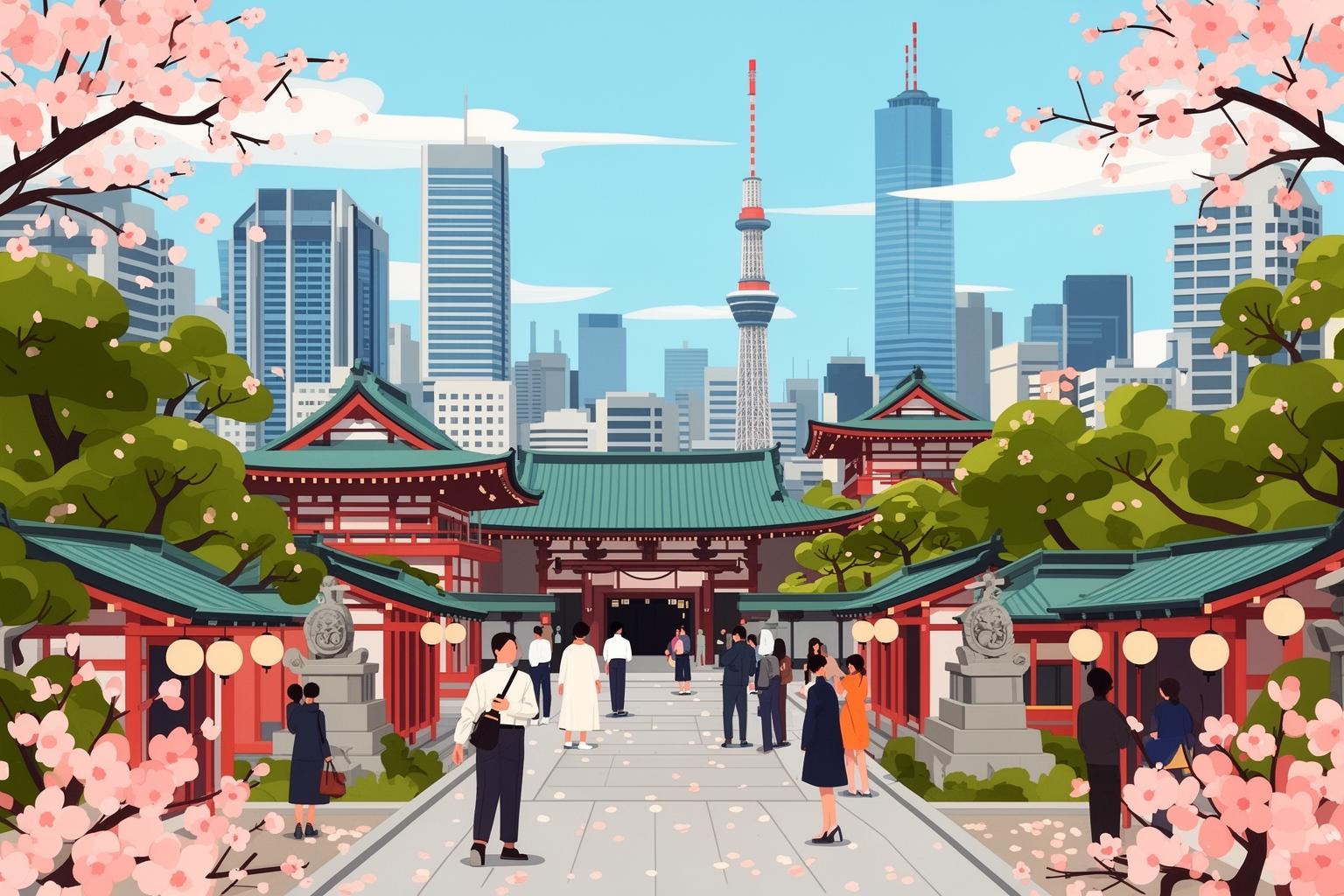
Your pilgrimage starts the instant you step off the train. Whether arriving at Yotsuya Station on the JR Chuo Line or the Tokyo Metro Marunouchi Line, or perhaps at the slightly nearer Yotsuya-sanchome Station, the change is immediate and tangible. One moment, you’re swept up in the rhythmic, organized chaos of Tokyo’s transit system—a flow of humanity moving through ticket gates and ascending escalators. The next, you emerge into the open air, and the city’s character begins to shift. Yotsuya isn’t a tourist hotspot. It lacks Shibuya’s giant screens or Ginza’s high-fashion boutiques. Instead, it offers something subtler and, arguably, more profound: a window into Tokyo’s everyday life. The walk from the station is a vital part of the experience, a slow unwinding that prepares you for discovery. As you follow your map app, you’ll leave the wide, multi-lane roads behind, winding into a network of narrow residential streets. The soundscape transforms. The roar of traffic fades to a distant murmur, replaced by the chime of a bicycle bell, children’s chatter from a nearby school, or the rustle of leaves in the carefully tended potted plants lining modest doorways. This is the Tokyo that Shinkai so tenderly depicts in his films—a city of quiet corners, overhead power lines weaving intricate patterns against the sky, and an overwhelming sense of place. You’ll pass small family-run shops, softly glowing vending machines on street corners, and apartment buildings with laundry fluttering on balconies. It’s in these unpretentious details that the world of Your Name feels most vivid. Anticipation builds with every turn; each quiet lane pulls you deeper into the neighborhood’s embrace, away from the city’s rush and closer to the heart of the story.
The First Glimpse: When Fiction Meets Reality
And then, it happens. You make your final turn, and there it is. The view is so uncannily familiar it can genuinely take your breath away. The gentle incline, the concrete steps, and most strikingly, the vibrant red handrails on either side. It’s a moment of delightful cognitive dissonance as your mind reconciles the animated image etched into your memory with the solid, three-dimensional reality before you. Depending on the time of day, the light changes, but the feeling remains universal. In the soft morning sun, the scene is quiet and serene, peaceful enough to feel like your own private discovery. In the late afternoon, as the sun dips, the entire area is bathed in a warm, golden glow—the film’s famed kataware-doki, or “magic hour.” This is when the atmosphere thickens with cinematic potential, and you can almost hear the film’s soaring soundtrack swell in your mind. From the bottom looking up, the staircase seems to rise into the sky, framed by lush greenery. From the top looking down, you get the iconic view from the movie’s poster: the steps descending into the city, with the distinctive silhouette of the NTT Docomo Yoyogi Building visible in the distance, just as it was for Taki. This marks the climax of your physical journey. Standing here, you’re no longer just a spectator; you become a participant, sharing space with characters who momentarily feel impossibly real. The impulse to snap a photo is immediate and strong, but pause first. Breathe in the air, soak in the stillness, and let the deep sense of connection to the story wash over you. This stairway is a bridge—not just between two sides of a street, but between imagination and reality.
More Than a Movie Set: The Spirit of Suga Shrine
A Guardian in the City: Exploring Suga Jinja
At the top of the well-known staircase, your journey leads you into the tranquil grounds of Suga Shrine (Suga Jinja). It’s important to remember that long before this spot became an international destination for anime enthusiasts, it has been, and still is, a vital spiritual hub for the local community. The shrine’s history spans centuries, serving as a place for worship, celebration, and quiet reflection for Yotsuya residents. Passing through the stone torii gate at the entrance feels like stepping into another realm. The city’s noise fades away entirely, replaced by an atmosphere of peace and reverence. Although the grounds are neither vast nor extravagant, they are beautiful and meticulously cared for. You’ll notice the main shrine hall, a charming wooden building where visitors come to offer prayers. Nearby, the shrine office is where you can purchase charms and fortunes. Take a moment to appreciate the details: the stern yet protective komainu (lion-dog) statues guarding the entrance, the delicate carvings on the buildings, and the large, sacred shimenawa ropes made of rice straw that mark a consecrated space. Visiting Suga Shrine enriches your pilgrimage with deep cultural and historical significance. It’s a reminder that the magical aspects of Your Name, such as Mitsuha’s role as a shrine maiden and the emphasis on tradition and ritual, are rooted in the living, breathing essence of Japanese culture. This shrine is not just a backdrop but a wellspring of the story’s profound spiritual power.
Rituals and Reverence: How to Visit Respectfully
Since this is an active place of worship, it’s essential to approach your visit with respect. Taking part in the simple rituals can enhance your experience and show your appreciation. Near the entrance, you’ll find a temizuya, a water pavilion used for purification. The etiquette is graceful and meaningful. First, scoop water with the ladle in your right hand. Pour some water over your left hand to cleanse it. Then switch the ladle to your left hand and pour water over your right hand. Return the ladle to your right hand, cup your left hand, and pour a small amount of water into it. Use this water to rinse your mouth, being careful not to swallow or drink directly from the ladle. Spit the water discreetly onto the ground beside the drain. Finally, hold the ladle vertically so that the remaining water runs down the handle, cleansing it for the next visitor. When you reach the main hall to pray, the customary ritual is to bow twice, clap your hands twice, offer a silent prayer, and then bow once more. You don’t need to be a Shinto follower to perform these gestures; they are signs of respect toward the deities and the sacred space. By taking a few mindful moments to observe and participate, you transform from a casual tourist into a respectful guest, honoring the shrine’s history and sanctity.
Whispers on the Wind: Ema Plaques and Omikuji Fortunes
Two of the most captivating aspects of visiting any shrine are the ema and omikuji. Ema are small wooden plaques on which visitors write their wishes or prayers. These are then hung on designated racks, entrusting the shrine’s deities with the requests. At Suga Shrine, you’ll encounter a heartwarming scene: alongside wishes for health, success in exams, and love, many ema feature beautiful, hand-drawn images of Taki and Mitsuha. Fans from across the globe leave these artistic tributes, weaving their personal hopes with the story they cherish. It’s a touching, living testament to the film’s worldwide impact. For a small donation, you can buy your own blank ema and add your wish to the collection. Another beloved custom is the omikuji, or paper fortunes. For around a hundred yen, you receive a small folded slip revealing your luck in various areas of life, from health to business. Drawing a great blessing (dai-kichi) is thrilling, but even a less favorable fortune comes with its own ritual. If you get a bad fortune, it’s customary to tie the paper strip onto a designated tree branch or wire on the shrine grounds, symbolically leaving behind bad luck. This act of release is as meaningful as the joy of receiving good fortune.
The Soul of the City: Exploring the Yotsuya Neighborhood
A Slice of Authentic Tokyo Life
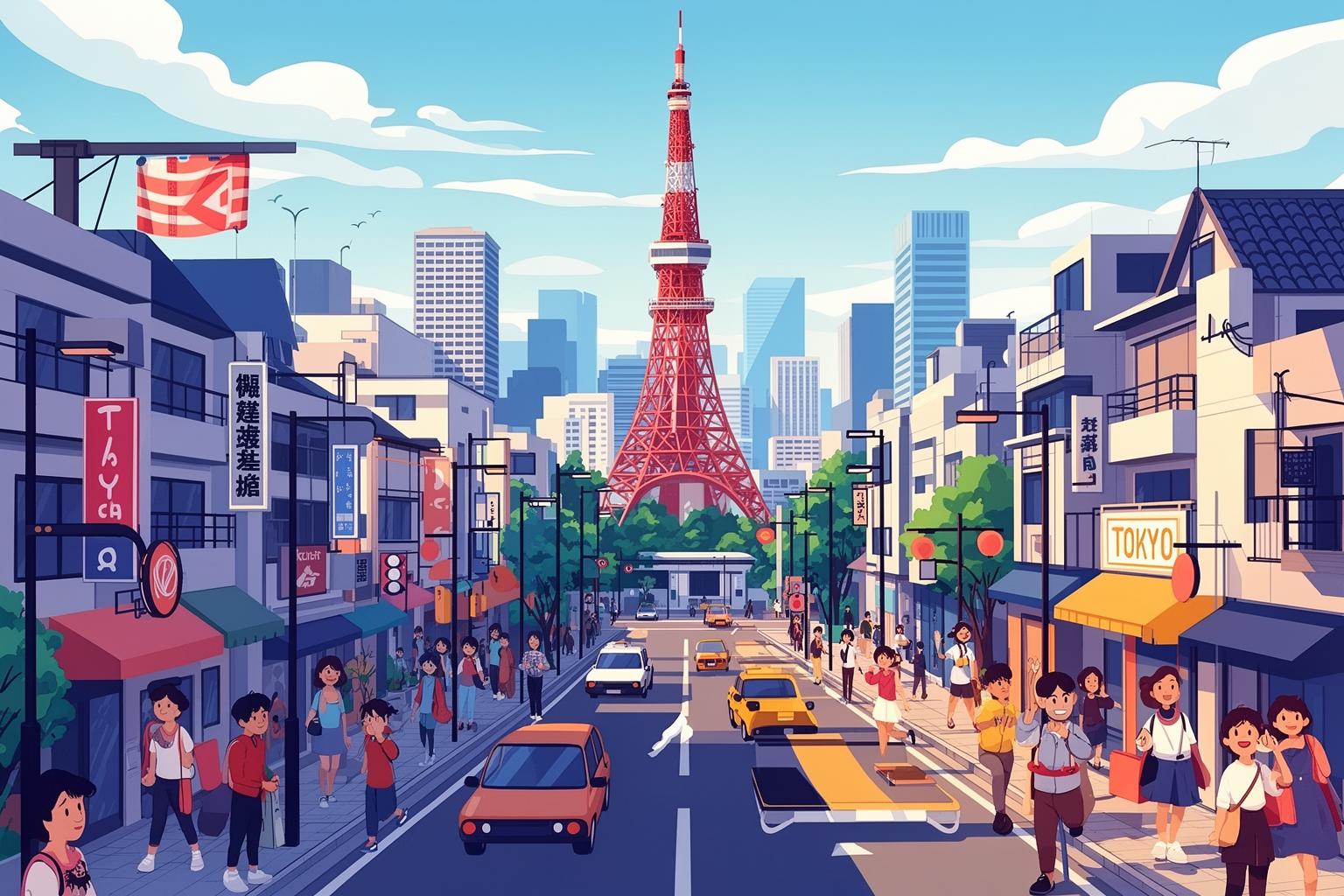
After soaking in the magic of the staircase and the tranquility of the shrine, try to resist the urge to immediately jump back on the train. The true charm of Yotsuya reveals itself when you allow yourself to wander aimlessly. This is a neighborhood where people live, work, and go about their daily lives. Exploring its streets feels like drawing back a curtain on the real Tokyo. Stroll down the narrow side streets, or roji, and take in the small details. Notice the perfectly pruned bonsai trees outside doorways, the variety of decorative tiles on houses, and the quiet neighborhood parks where elderly residents might be playing Go or parents watching their children play. You might come across a small, specialized shop that has been run by the same family for generations—whether a tofu maker, a rice cracker bakery, or a traditional tatami mat weaver. These establishments are the heartbeat of the community. Unlike more commercialized areas, Yotsuya doesn’t shout for your attention. It whispers, rewarding patient and observant visitors with a deep sense of place. It offers a chance to see the city not as a collection of landmarks but as a mosaic of communities, each with a distinct rhythm and character. This exploration serves as the perfect epilogue to your pilgrimage, grounding the film’s fantastical story in the gentle, everyday reality of its setting.
Hidden Gems and Local Flavors
Exploring the local food scene is another great way to connect with the neighborhood. Yotsuya and its surroundings boast a wealth of fantastic, unpretentious eateries catering more to locals than tourists. This is your invitation to be adventurous. Look out for the red lanterns that signal a classic izakaya (Japanese pub), or the steam rising from the doorway of a tiny ramen shop. You might discover a kissaten, a retro-style coffee house with vintage decor and a quiet atmosphere, perfect for curling up with a book and reflecting on your day. These places often enjoy a loyal local following and offer an authentic taste of Japanese comfort food. Don’t be daunted if there’s no English menu; a simple point and smile usually suffice. Sampling a local specialty, whether a bowl of soba noodles, fresh sushi, or a pastry from a neighborhood bakery, enriches your travel experience greatly. It supports the local economy and leaves a sensory memory that lingers long after the photo of the staircase has been shared. Make it your personal mission to find your own hidden gem—a spot that feels like a special discovery in the heart of Tokyo.
The Director’s Eye: Understanding the Shinkai-Verse
The Philosophy of ‘Musubi’
To truly grasp why the Suga Shrine staircase resonates so profoundly, it helps to understand one of the film’s key philosophical ideas: musubi. As Mitsuha’s grandmother describes, musubi is the mystical force that connects everything. It embodies the weaving of threads, the passage of time, and the bonds between people. It symbolizes the intricate, unseen powers that shape our destinies. Placing the film’s climax at an actual Shinto shrine is intentional. Shintoism is a faith deeply grounded in the interconnectedness of nature, spirits, and humanity. The red threads Mitsuha braids and the sacred sake she prepares serve as tangible symbols of musubi. Standing on those stairs means standing at a nexus, where the film’s fictional interpretation of musubi meets the real-world spiritual traditions that inspired it. The staircase itself becomes a physical metaphor for connection—a bridge between the earthly city below and the sacred shrine above, a convergence of two paths. This insight transforms the location from a simple filming site into a place of profound thematic meaning, adding immense depth to your visit.
A Canvas of Light and Longing
Makoto Shinkai is celebrated as a master of atmosphere. His films are known for their stunningly detailed and emotionally charged backgrounds, often inspired by real places. Shinkai’s signature style shows an almost obsessive focus on the interplay of light—sunbeams streaming through leaves, the harsh glare of a train’s headlight, the lens flare from a setting sun—all used to evoke a blend of beauty and melancholy. When you visit the Your Name locations, you are effectively stepping into one of his paintings. You begin to perceive the world through his artistic eye. You notice how light edges the clouds, how the sky’s colors shift at sunset, and how reflections sparkle on wet streets after a rain shower. Exploring the staircase and its surroundings lets you witness the raw scenes that Shinkai shaped into art. You can understand why he selected this particular viewpoint, with its striking composition and ideal position for capturing the vast cityscape. It inspires a deeper appreciation for his craft, revealing that his “fantasy” worlds are carefully crafted from the beauty he discovers in reality. Your journey becomes a lesson in recognizing the extraordinary within the ordinary, just as the director does.
Architecting Your Pilgrimage: A Practical Guide
Navigating the Labyrinth: Access and Transportation
Reaching the Suga Shrine staircase is simple, though there are a few options along the way, each offering a slightly different experience. The most common access points are Yotsuya Station and Yotsuya-sanchome Station. Yotsuya Station is larger and served by both the JR Chuo and Sobu lines, as well as the Tokyo Metro Marunouchi and Namboku lines, making it convenient to reach from major hubs like Shinjuku and Tokyo Station. From there, it’s a pleasant 10 to 15-minute walk, passing parts of Sophia University and through a quiet neighborhood. Yotsuya-sanchome Station, served only by the Tokyo Metro Marunouchi Line, is technically a bit closer, trimming a few minutes off the walk and offering a more residential feel right from the start. A third option, for those wanting a longer walking route, is to start at Shinanomachi Station on the JR Sobu Line. This allows you to visit the pedestrian bridge featured in the film before heading to Yotsuya. While navigation apps are helpful, don’t hesitate to wander off course. The area is laid out in a grid of small streets, and taking an unexpected turn often leads to charming discoveries. Wear comfortable shoes, as what begins as a short walk can easily turn into a several-hour exploration of the neighborhood.
Chasing the ‘Magic Hour’: Timing, Crowds, and Seasons
The timing of your visit can greatly influence your experience. To avoid crowds and capture the best photos, early weekday mornings are ideal. The light is soft, and you’re more likely to have the staircase to yourself, allowing for a peaceful, reflective moment. However, to truly evoke the film’s most iconic scene, aim for late afternoon, about an hour before sunset. This period is known as kataware-doki, or the “magic hour,” when the sky is painted in shades of orange and purple and the city glows with a warm, ethereal light. This time is more popular, so expect to share the space with other fans, but the shared experience of enjoying that beautiful moment together can be part of the appeal. Each season offers a distinct backdrop. Spring brings cherry blossoms nearby—not directly on the stairs, but decorating the surrounding streets beautifully. Summer features lush, vibrant greenery but also heat and humidity, so plan accordingly. Autumn provides crisp air, clear skies, and stunning fall colors in nearby parks like Shinjuku Gyoen. Winter’s low sun and stark light create a dramatic, melancholic atmosphere that is equally striking and poignant.
The Pilgrim’s Code: Etiquette for Fans and Visitors
As the location grows in popularity, being a respectful and mindful visitor has become increasingly important. This is, above all, a residential neighborhood. Locals use the staircase as part of their daily routine, so courtesy is essential. Keep voices low, avoid shouting or playing music from the film, and be patient and efficient when taking photos. Don’t occupy the space for long periods, especially if others are waiting. Stay aware of your surroundings and ensure you’re not blocking the path for residents or car traffic on the narrow street below. Photographing private homes or residents is a serious invasion of privacy and should be avoided entirely. The spirit of this pilgrimage is one of quiet appreciation—the aim is to connect with the story, not disrupt the peace of the community that provides the beautiful setting. A little thoughtfulness goes a long way in preserving this special place for fans to enjoy for years to come.
Expanding the Universe: Other ‘Your Name’ Locations in Tokyo
Your journey into the world of Your Name doesn’t have to stop in Yotsuya. Tokyo is sprinkled with sites that Shinkai meticulously recreated in the film, and setting out to find them is a fantastic way to explore the city. A top destination for any list should be The National Art Center, Tokyo, located in Roppongi. This architecturally impressive building is where Taki worked part-time and went on a date with his coworker, Okudera-senpai. You can visit the very cafe inside, the Brasserie Paul Bocuse Le Musée, and enjoy the view from the same circular balcony. Another significant location is the pedestrian bridge just outside Shinanomachi Station. This is where Taki and Okudera-senpai say goodbye after their date and where Taki makes an important phone call trying to contact Mitsuha. The view of the train tracks from the bridge is another instantly recognizable scene. Finally, immerse yourself in the vibrant bustle of Shinjuku, which serves as the backdrop for much of Taki’s life. You can see the massive Yunika Vision screens, the iconic “LOVE” sculpture by Robert Indiana, and experience the overwhelming energy of Shinjuku Station, all of which play prominent roles in the film. Connecting these locations creates a wonderful, self-guided tour that lets you follow the characters’ footsteps and see Tokyo through their eyes.
A Connection Across Time: Your Final Reflection
As you finally turn away from the Suga Shrine staircase, you take with you more than just a photo. You carry the sensation of having bridged a divide, having touched a fragment of a story that has moved people across cultures and languages. The staircase is more than mere wood, stone, and paint. It has been imbued with meaning, transformed by a narrative into a symbol of hope, destiny, and the enduring quest for connection in a vast and sometimes lonely world. Visiting this place serves as a reminder that the stories we cherish are not entirely separate from our reality. They are inspired by it and, in turn, shape how we perceive it. You may have arrived here as an anime fan, but you leave with a deeper bond to a small neighborhood in Tokyo and a greater appreciation for the magic hidden in plain sight. This pilgrimage is a beautiful, tangible expression of musubi itself—an act that links you, the viewer, to the story, to its creators, and to a global community of fellow dreamers who all came to this quiet corner of the world seeking the same thing: a connection. And on these steps, for a fleeting, perfect moment, they find it.