
There is a sound that defines the heart of Japan, a rhythm that beats far from the neon glow of its modern cities. It’s the gentle crunch of white gravel underfoot, a percussive whisper that accompanies every step through a forest of ancient cryptomeria trees. This is the sound of Ise Grand Shrine, or Ise Jingu, a place that is not merely a destination but a profound experience. For over two millennia, this sacred expanse has been the spiritual home of the Japanese people, the dwelling place of Amaterasu-Omikami, the Sun Goddess from whom the Imperial lineage is said to descend. To visit Ise is to undertake a pilgrimage, to walk a path that emperors and commoners alike have trod for centuries, seeking a connection to something eternal. It’s a journey into the deepest roots of Japanese culture, a living museum of faith, architecture, and nature woven together in perfect, serene harmony. Here, time doesn’t march forward; it cycles, renews, and breathes with the forest, inviting you not just to see, but to feel the enduring soul of a nation.
This profound connection to Japan’s spiritual heritage can also be experienced in other sacred sites, such as the legendary Dogo Onsen.
The Pilgrimage Path: Beginning with Gratitude at Geku
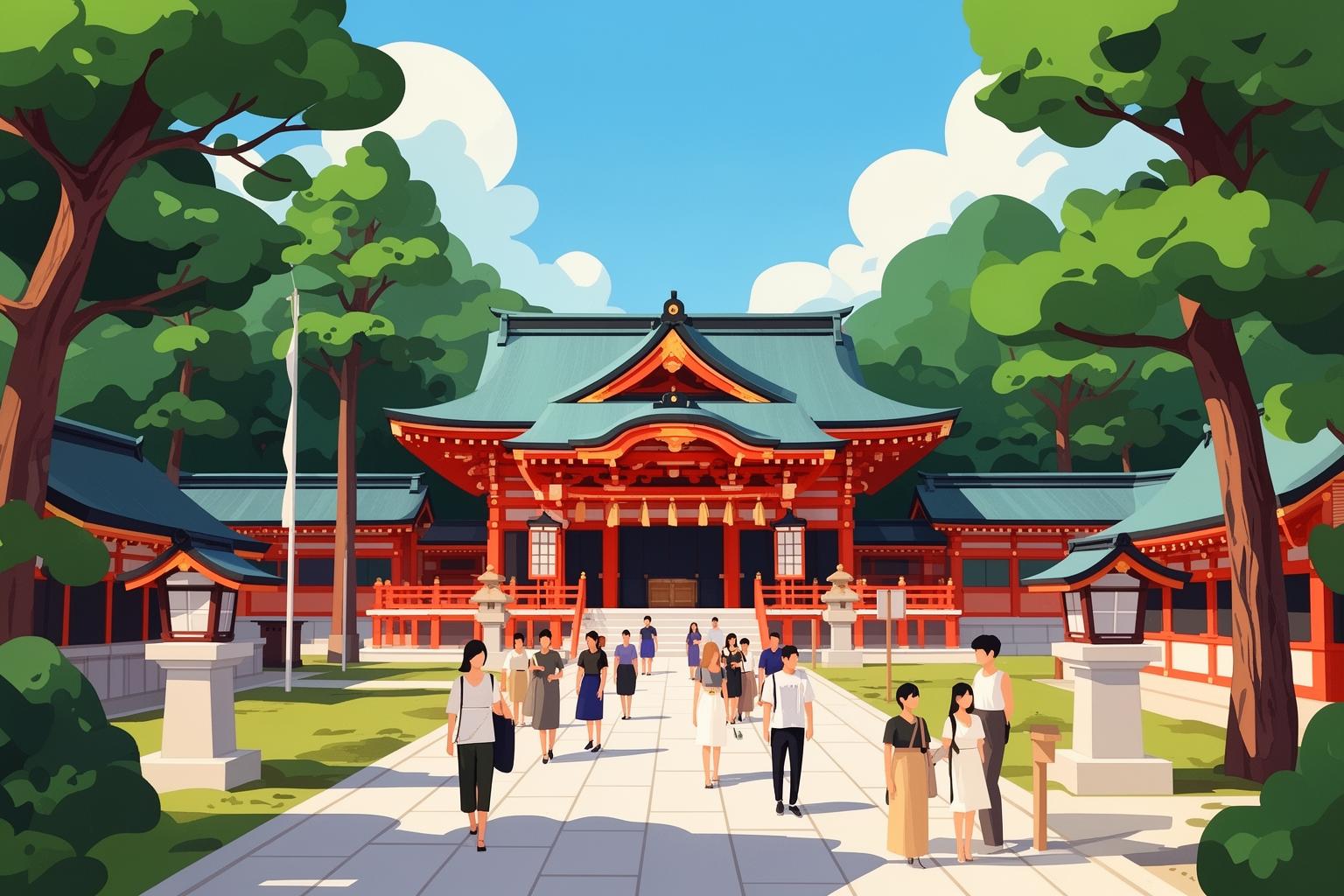
The journey to Ise Jingu traditionally centers on two shrines, unfolding in a specific and meaningful sequence. A common error for newcomers is to head straight to the renowned Inner Shrine, Naiku. However, the proper pilgrimage, rooted in centuries of tradition, begins in a quieter, more reflective setting: the Outer Shrine, known as Geku. This practice is far from arbitrary; it is a profound gesture of respect. One must first honor the deity who sustains life before visiting the one who created it. This order turns a simple visit into a purposeful, spiritual progression, setting the tone for the entire experience.
Toyouke-Omikami: The Guardian of Life’s Essentials
Geku is dedicated to Toyouke-Omikami, the Shinto deity, or kami, of agriculture, harvest, and industry. In essence, she is the goddess of life’s fundamental needs: food, shelter, and clothing. For 1,500 years, she has been enshrined here, serving as the sacred provider to Amaterasu-Omikami. Twice daily, rituals are performed to offer sacred food to the Sun Goddess, a tradition that has endured without interruption. Beginning your pilgrimage at Geku is an act of gratitude for these basic blessings. It is a humble acknowledgment that before aspiring to the celestial, one must honor the earthly gifts that sustain life. This thoughtful start shapes the entire journey as a quiet expression of thankfulness rather than a pursuit of spectacle.
The Whispering Woods of the Outer Shrine
Entering Geku’s grounds feels like passing through a veil. The air cools beneath the towering trees’ canopy, and the sounds of Ise city fade into a respectful silence, replaced by the crunching of pebbles and occasional birdcalls. The atmosphere is rustic, grounded, and deeply peaceful. The shrine buildings are elegant in their simplicity, made from unvarnished Japanese cypress that blends naturally with the surrounding forest. Unlike Naiku’s grand scale, Geku offers a more intimate atmosphere, perfect for personal reflection. As you stroll the paths, you’ll encounter ancient camphor trees with gnarled trunks that tell tales of centuries past. You might spot vibrant orange and white koi gliding gracefully through the waters of Magatama Pond, their silent movements enhancing the sense of tranquility. It is a place to slow down, breathe deeply, and attune your rhythm to the ancient heartbeat of the forest before moving on to the heart of Ise.
The Art of Prayer: Approaching the Divine
For a first-time visitor, approaching a Shinto shrine might feel intimidating, but the rituals are simple, graceful acts of purification and respect. Upon arrival at Geku, you first pass beneath a large wooden gate, a torii, marking the shift from the ordinary world to the sacred realm. It is customary to bow once before passing through. A short walk leads you to the temizuya, a purification basin with flowing water and ladles. Here, you perform a cleansing ritual: hold the ladle in your right hand, fill it with water, and pour some over your left hand. Then, switch hands and rinse your right hand. Next, take water into your cupped left hand, rinse your mouth, and discreetly spit the water beside the basin. Finally, rinse your left hand again before tilting the ladle upright to clean the handle. Now purified, you may approach the main sanctuary. The proper way to pray is called “ni-rei, ni-hakushu, ichi-rei.” Bow deeply twice, clap your hands twice to signal the kami, offer a silent prayer, and bow deeply once more. This is not a strict ritual but a physical expression of genuine sincerity—a way to engage with the living traditions of Ise rather than simply observe them.
The Sunlit Heart: Crossing the Uji Bridge to Naiku
After paying respects at Geku, a brief bus ride takes you to the entrance of Japan’s most sacred site: Naiku, the Inner Shrine. The shift in atmosphere is instantly noticeable. While Geku is calm and earthy, Naiku pulses with a strong, almost electric sense of divinity. This is the home of Amaterasu-Omikami, the radiant Sun Goddess. The passage into her realm begins not with a gate, but with an impressive bridge, a structure serving as both a spiritual conduit and a physical crossing.
A Passage Between Worlds
The Uji Bridge stretches over the crystal-clear waters of the Isuzugawa River, whose name means “Fifty Bells River.” This graceful, 100-meter-long bridge, made entirely of Japanese cypress in a traditional style, acts as the formal entrance to Naiku. Crossing it is a deeply symbolic gesture. You leave the ordinary world behind and step into a sacred sanctuary. As you walk over its gentle arch, pause at the center and gaze down the river. The pure water flows over smooth stones, a natural purifier for pilgrims throughout the centuries. The sight of the forested hills and clear stream is breathtaking—a perfect harmony of nature and human craftsmanship. It is a moment of transition, where the mind clears and the heart opens. Tradition holds that one should walk on the right side of the bridge when entering and on the left side when leaving, a small detail that underscores the mindful nature of the pilgrimage.
In the Abode of the Sun Goddess
After crossing the Uji Bridge, you enter a vast forest. The path is wide and covered with the same white gravel, winding beneath towering cryptomeria trees that seem to touch the sky. Their great age and size create a cathedral-like atmosphere, filtering sunlight into dappled patterns on the ground. Along the way you’ll find the Mitarashi, a purification area on the banks of the Isuzugawa where pilgrims once cleansed themselves fully before approaching the goddess. Today, you can still feel the cool, pure water. The path continues, building anticipation until you reach the foot of a stone staircase. At the top stands the main sanctuary, the Kotaijingu. It is concealed behind four concentric wooden fences, and visitors may only approach the outermost gate. The central structure, where Amaterasu’s spirit is believed to reside—enshrined with the Sacred Mirror, one of Japan’s three Imperial Regalia—is hidden from view. This concealment is deliberate. The divine is not meant to be displayed; it is meant to be experienced. Standing before the simple silk curtain hanging at the gate, surrounded by the silent reverence of fellow pilgrims, you feel a tangible sense of awe and history. It is a moment of quiet connection, a humbling encounter with the very heart of Japan’s spiritual identity.
The Cycle of Eternity: Understanding the Shikinen Sengu
Perhaps the most extraordinary aspect of Ise Jingu, and the source of its timeless aura, is the tradition of Shikinen Sengu. Every 20 years, all the main shrine buildings, the Uji Bridge, and the torii gates are entirely rebuilt on an adjacent, identical plot of land. This ritual has been carried out with few interruptions for over 1,300 years, most recently in 2013. The Shikinen Sengu is a monumental event that embodies core Shinto beliefs about death, renewal, and the cyclical nature of life. It ensures that the shrine remains perpetually new while remaining eternally ancient. The architectural style, known as Shinmei-zukuri, is a pure, unadorned form that predates Buddhist influence in Japan, reflecting the design of ancient rice granaries. Through rebuilding, the intricate carpentry techniques are passed down from one generation of master artisans, or miyadaiku, to the next. This is a living transmission of culture, preserving the skills needed to construct these sacred structures. When visiting Ise, if the timing is right, you may see the current shrine standing beside the empty, gravel-covered plot where the previous one stood, marked only by a small wooden hut protecting the central post. This visual representation of the cycle powerfully reminds that, in Japanese spirituality, purity and renewal are paramount, and true permanence lies not in static preservation but in continual, careful recreation.
The Flavor of Faith: Experiencing the Town of the Gods
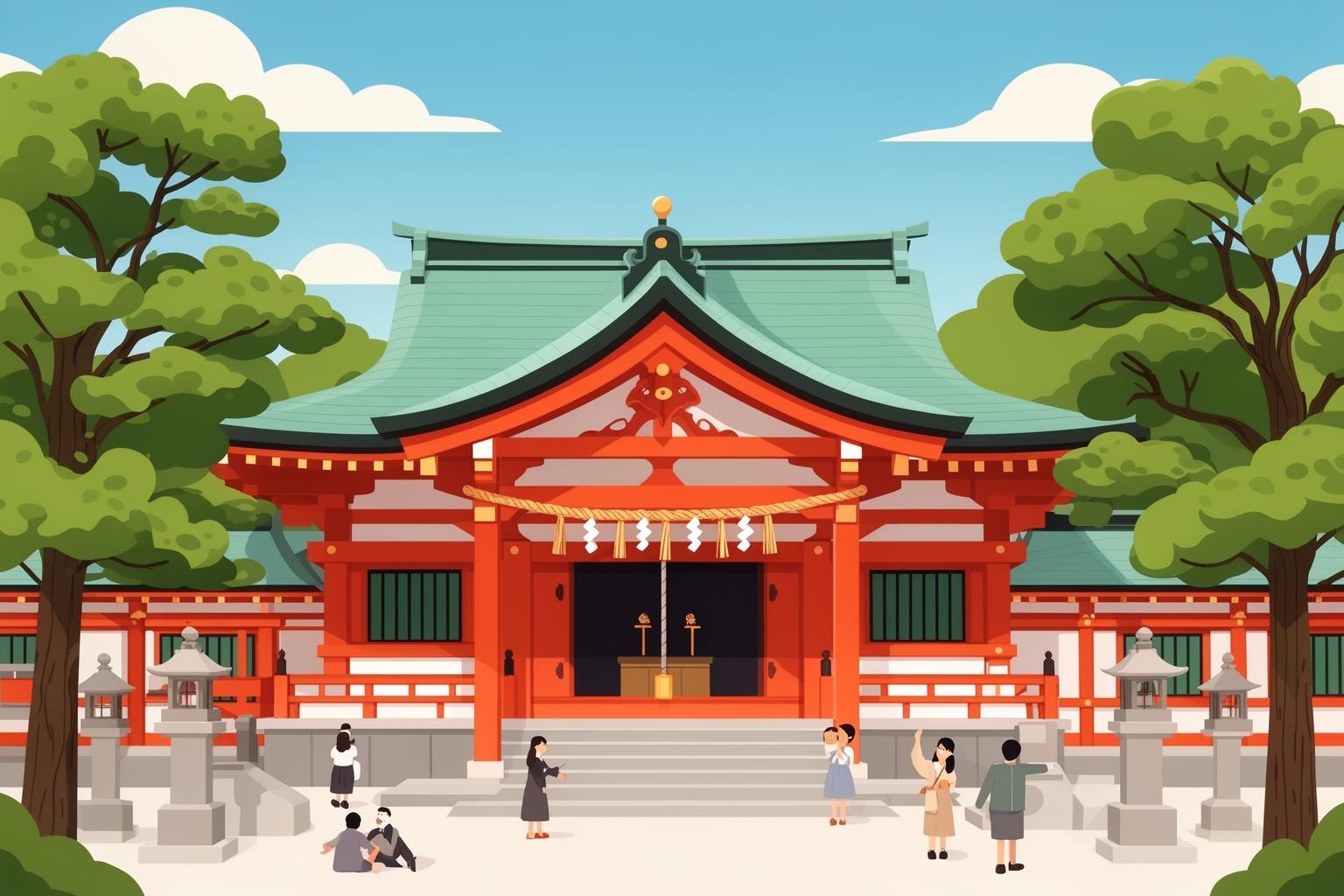
The pilgrimage to Ise is not limited to the sacred precincts of the shrines. The experience also encompasses the lively town that has greeted pilgrims for centuries. After the serene reflection at Naiku, a stroll through the bustling streets of Oharai-machi and Okage-yokocho becomes an indispensable part of the journey. It is here that the sacred and the everyday intertwine, offering a delightful immersion into the culture, cuisine, and hospitality that have flourished around the Grand Shrine.
Oharai-machi: A Walk Through History
Starting at the Uji Bridge, Oharai-machi is a nearly kilometer-long street that beautifully preserves the ambiance of a traditional shrine town. The name means “Purification Town,” and for centuries, pilgrims have come here to refresh themselves after long travels. Today, the street is lined with charming wooden buildings housing restaurants, souvenir shops, and workshops. Its architectural styles range from the Edo to the Meiji periods, creating a wonderfully nostalgic townscape. The air is alive with enticing aromas—the smoky scent of grilled eel, the sweet fragrance of freshly pounded rice cakes, the savory notes of soy sauce. It’s a feast for the senses, a lively contrast to the tranquil silence within the shrine grounds. As you wander down this street, you can sample local delicacies, browse for traditional crafts like Ise-katagami paper stencils, or simply absorb the vibrant atmosphere, watching modern-day pilgrims mingle in a setting that feels wonderfully timeless.
Okage-yokocho: A Grateful Village
Situated in the heart of Oharai-machi is Okage-yokocho, a special district designed as a meticulous recreation of a late Edo to early Meiji period town. Established in 1993, it expresses gratitude—or “okage”—for the blessings of the Grand Shrine. Entering Okage-yokocho feels like stepping onto a film set. Every detail, from the curved tile roofs and wooden latticework to the stone-paved alleys, aims to transport visitors back in time. You can observe artisans at work, enjoy a traditional kamishibai paper-story show, or visit the Okage-za, a small museum vividly illustrating the history of Ise pilgrimages. More than just a tourist spot, this area serves as a living tribute to the culture Ise Jingu has nurtured throughout the centuries.
A Culinary Blessing: The Essential Flavors of Ise
No pilgrimage to Ise is complete without savoring its distinctive culinary traditions. The food here is not merely nourishment; it is an essential part of the experience. The most renowned local dish is undoubtedly Ise Udon. Unlike any other udon in Japan, these noodles are exceptionally thick and soft, almost pillow-like. They are served not in broth, but with a rich, dark, slightly sweet tamari soy sauce-based sauce, garnished with chopped green onions. It’s a simple, comforting, and utterly delicious dish. Another must-try is Tekone-zushi, a rustic fisherman’s meal featuring thick slices of marinated raw bonito or tuna laid over vinegared rice. Its fresh, robust flavors reflect the region’s closeness to the sea. For dessert, there is only one choice: Akafuku Mochi. This iconic sweet has been crafted by the same family for over 300 years. It consists of a soft rice cake (mochi) coated with smooth, sweet red bean paste (anko). The ridges in the anko symbolize the flowing waters of the Isuzugawa River, while the white mochi underneath represents a pebble from the riverbed. Enjoying fresh Akafuku with a cup of hot green tea at a teahouse in Okage-yokocho is the perfect, blissful conclusion to a day of discovery.
The Practical Pilgrim: Navigating Your Journey to Ise
While a journey to Ise Jingu is a spiritual experience, it also calls for some practical planning to ensure a smooth and enjoyable visit. The region is well connected and easy to navigate, but understanding the best ways to reach and move around will let you concentrate on the place’s magic rather than the logistics.
The Iron Road to a Sacred Land: Access and Transportation
Ise, situated on the Kii Peninsula in Mie Prefecture, is most conveniently reached by train. The main gateway cities are Nagoya, Osaka, and Kyoto. The Kintetsu Railway provides the most direct and frequent service, with limited express trains whisking passengers to Ise in about 90 minutes from Nagoya or two hours from Osaka. For foreign visitors planning to explore the area, the Kintetsu Rail Pass offers excellent value. The two primary stations serving the shrines are Iseshi Station, which is closer to Geku, and Ujiyamada Station, a beautiful historic station that is also conveniently located. Once in Ise, the best way to travel between Geku, Naiku, and the train stations is by bus. The local bus network is efficient and visitor-friendly, with clear signage. The CAN Bus, a dedicated tourist loop, stops at all the major sights, making it a highly convenient choice.
Timing and Attire: Visiting with Comfort and Respect
Ise Jingu is stunning throughout the year. Spring brings cherry blossoms that adorn the sacred landscapes in soft pink, while autumn sets the forests ablaze with fiery reds and golds. Summers can be hot and humid, and winters cool and crisp, each season offering its own charm and fewer crowds. Note that the shrine is busiest during Japanese national holidays, especially New Year’s, Golden Week in late April/early May, and Obon in August. Whenever you visit, the top advice is to wear comfortable walking shoes. The shrine grounds are extensive, and the gravel-covered paths can be tiring to walk. You will be covering a lot of ground, so comfort is essential. Since Ise Jingu is a place of profound religious significance, it’s best to dress modestly. While no strict dress code exists, avoiding shorts, sleeveless tops, and overly casual attire is a respectful gesture that will be appreciated.
Crafting Your Itinerary: A Day in Ise
To truly appreciate Ise, dedicating a full day to your visit is ideal. A well-paced itinerary allows for leisurely exploration and moments of quiet reflection. A sensible plan is to arrive at Iseshi Station in the morning and take a short walk or bus ride to Geku, the Outer Shrine. Allocate about an hour to 90 minutes to explore its tranquil grounds. From there, take a 15-minute bus ride to Naiku, the Inner Shrine. You’ll want to spend at least two to three hours here to wander the spacious grounds, cross Uji Bridge, and visit the main sanctuary. After soaking in the sacred atmosphere at Naiku, head to Oharai-machi for a well-deserved lunch and an afternoon exploring its historic streets and the charming alleyways of Okage-yokocho. This itinerary lets you experience both the spiritual and cultural sides of Ise in a natural flow. When you’re ready to leave, catch a bus back to either Ujiyamada or Iseshi Station for your onward train journey.
The Lingering Spirit of Ise
A journey to Ise Jingu leaves a lasting impression that lingers long after you have departed. It is more than just a collection of beautiful buildings and ancient trees; it offers an immersion in a living, breathing spiritual tradition that has shaped Japan’s cultural identity. The profound sense of peace within the shrine grounds, the reverence for nature evident in every detail, and the cyclical promise of renewal represented by the Shikinen Sengu all combine to create an experience that is both humbling and uplifting.
Beyond the Main Shrines
The spiritual energy of Ise reaches far beyond the borders of Naiku and Geku. The entire region is dotted with sacred sites that enrich the pilgrimage. A short distance away lies Futami Okitama Shrine, known for the Meoto Iwa, or “Wedded Rocks.” These two rocks, connected by a sacred rope, symbolize the union of the creator deities Izanagi and Izanami and serve as a powerful emblem of marriage and harmony. Nearby, Sarutahiko Shrine is dedicated to the kami believed to have guided the ancestors of the Imperial Family, making it an important stop for those seeking guidance and a clear path forward in life. Visiting these surrounding sites deepens one’s understanding of the intricate web of mythology and faith that makes this area so unique.
A Connection Beyond Words
Ultimately, the true gift of Ise is not something that can be captured in a photograph. It is the feeling that settles in your heart as you stand in the quiet forest, the sense of connection to a history stretching back through the mists of time. It is the awareness that you are walking on ground held sacred for millennia, a place where the boundary between human and divine feels beautifully and palpably thin. You leave Ise feeling a little quieter, a little more centered, carrying with you the gentle rhythm of the gravel path and the serene spirit of the forest. It is a pilgrimage that not only reveals the soul of Japan but also helps you reconnect with your own.