

There are films that you watch, and then there are films that you live in. Makoto Shinkai’s masterpiece, Kimi no Na wa, or Your Name, is definitively the latter. It’s a cinematic supernova that didn’t just light up box offices around the globe; it ignited a fire in the hearts of millions, a deeply resonant story of connection, fate, and the invisible threads that bind us across distance and time. The film’s emotional core is so powerful, its visuals so breathtakingly beautiful, that it leaves you with an ache—a longing for a place you’ve never been, a memory you’ve never had. But here’s the secret, the magic that Shinkai weaves into his art: that place is real. The world of Taki and Mitsuha isn’t confined to the screen. It’s waiting for you, etched into the very fabric of Tokyo’s sprawling, vibrant metropolis.
This is the essence of seichi junrei, or sacred site pilgrimage, a practice where fans journey to the real-world locations featured in their favorite anime, manga, or games. It’s an act of devotion, a way to blur the line between fiction and reality, to literally walk in the footsteps of beloved characters. And perhaps no other film in recent history has inspired a pilgrimage quite as passionate as Your Name. This isn’t just about snapping a few photos for social media; it’s about feeling the pulse of Taki’s city life, standing on the very spot where a fateful connection was finally made, and seeing the world through the hyper-realistic, emotionally charged lens of a master storyteller. This guide is your map, your invitation to step through the screen and into the stunning, tangible world of Your Name. It’s a journey to find not just the locations, but the feeling—the one that still lingers long after the credits have rolled.
Experience Tokyo’s vibrant energy firsthand by exploring real-life filming locations that vividly bring the magic of the film to life.
The Heart of the Connection: Suga Shrine’s Iconic Steps
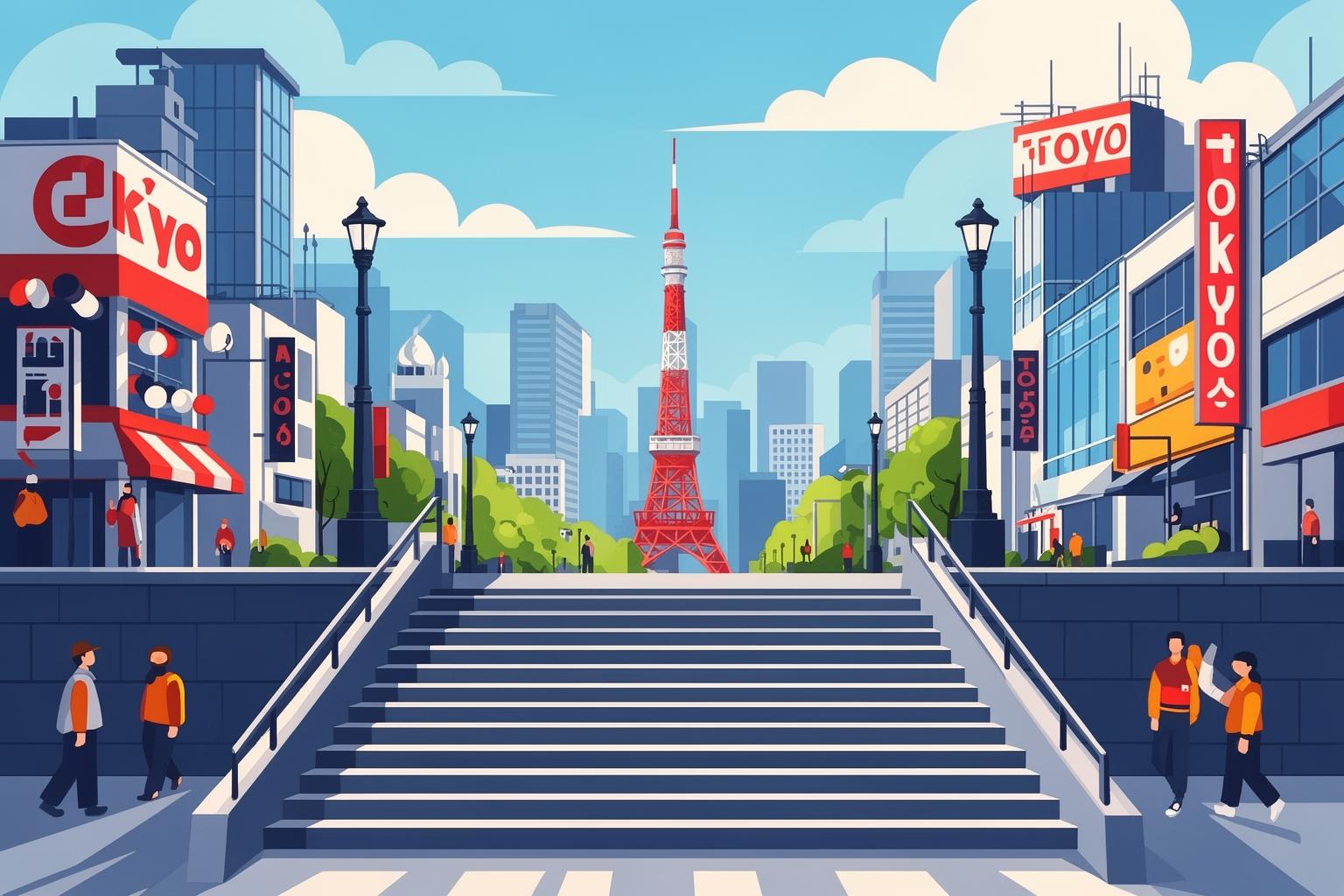
Our pilgrimage doesn’t start with a grand monument but with a quiet, modest staircase hidden away in a residential nook of Yotsuya. This is the spot—the one that makes your heart race just at the thought of it. The famous red-railed steps of Suga Shrine serve as the emotional core of the entire film and the backdrop for its cathartic, breathtaking climax. Here, after years of searching, Taki and Mitsuha, now adults and strangers haunted by a forgotten dream, finally reunite. The scene is etched into every fan’s memory: the parallel climb, the sudden turn, the hesitant, soul-revealing question, “Kimi no namae wa?” (“Your name is?”).
Being here in person is a surreal experience. The walk from the nearest subway, Yotsuya-sanchome, is a gentle stroll through tranquil streets, far removed from the neon frenzy of Shinjuku. The neighborhood buzzes with a quiet, everyday life. You’ll pass small shops, spot laundry hanging on balconies, and hear the distant sound of a train’s chime. Then, you turn a corner, and there it is. The view feels so perfectly, painfully familiar—as if stepping into a memory. The slope of the steps, the vivid crimson rails, the canopy of trees framing the distant city skyline—it’s exactly as Shinkai depicted it.
What the film doesn’t fully convey is the deep sense of peace that fills this area. Suga Shrine is a local community shrine, not a major tourist spot. The air is still, broken only by the rustling leaves and occasional pigeon coo. This calmness forms a striking contrast with the emotional intensity of the scene it embodies. It encourages you to linger, to soak in the atmosphere. Stand at the bottom and look up, seeing through Taki’s eyes as he climbs. Then ascend to the top and look down, experiencing the world as Mitsuha did in that crucial moment. You’ll, of course, notice other visitors from around the globe—a silent, respectful brotherhood of fans. They’ll be taking their own photos, a quiet, shared understanding passing between you. No words are needed; you’re all here for the same reason.
Timing is key for the best visit. Early morning offers solitude and soft, diffused light, perfect for reflective photos. Late afternoon, during the “golden hour,” is perhaps even more magical. As the sun sets, its warm, cinematic light bathes the scene, directly evoking the film’s aesthetic. At this moment, with shadows stretching long across the concrete, the line between animation and reality feels thinnest.
While visiting, be sure to pause at Suga Shrine itself at the top of the stairs. As this is a sacred site, a little etiquette goes a long way. Before entering the main grounds, you may find a purification fountain called a temizuya. Use the ladles to rinse your left hand, then your right, and pour a little water into your cupped left hand to rinse your mouth—avoiding drinking directly from the ladle. At the main hall, it’s customary to bow twice, clap twice, offer a prayer, then bow once more. Leaving a small coin offering, usually five yen, is also common; the pronunciation go-en is a homophone for good fortune or fate—a fitting tribute at a place so central to a story about destiny.
Shinjuku’s Urban Canvas: Where Taki’s World Unfolds
If Suga Shrine embodies the film’s quiet, emotional core, then Shinjuku serves as its vibrant, electric heartbeat. This is Taki’s territory—a dizzying vertical city filled with skyscrapers, massive train stations, and rivers of people flowing beneath a neon canopy. Shinkai expertly contrasts this bustling urban setting with the serene, traditional beauty of Mitsuha’s rural Itomori. Visiting Shinjuku’s locations immerses you in the overwhelming, exhilarating, and sometimes isolating reality of modern Tokyo life.
The Shinjuku Pedestrian Bridge
One of the most iconic, though brief, images of Taki’s world is a circular pedestrian overpass near the Shinjuku Police Station. In the film, it appears in a montage highlighting the city’s vast scale and impersonal nature. Taki is one among millions navigating this concrete labyrinth, and the bridge—with its constant flow of traffic below and pedestrians above—perfectly symbolizes this. Finding the bridge is a small adventure, just a short walk from Shinjuku Station’s west exit. Standing in its center, you are enveloped by the city’s symphony: the roar of cars, the distant siren wail, the murmur of hurried conversations. It’s an excellent spot for photography, especially at night when car headlights streak into ribbons of light below and nearby office buildings sparkle against the dark sky. It’s a place to pause, soak in Tokyo’s energy, and better understand the environment that shaped Taki’s character.
Cafe La Bohème Shinjuku Gyoen: A Glimpse into Taki’s Life
Every fan recalls the stylish Italian restaurant where Taki worked part-time, the setting of his awkward yet charming date with his sophisticated coworker, Okudera-senpai. Many are pleasantly surprised to learn that this cafe is real: Cafe La Bohème, situated near the lovely Shinjuku Gyoen National Garden. Stepping inside feels like entering the anime itself. The high ceilings, grand chandeliers, elegant dark wood interiors, and open kitchen are faithfully recreated. The ambiance is upscale but inviting, a stark contrast to the fast-food outlets scattered throughout Shinjuku. It genuinely feels like a place where a high school student might feel slightly out of his element on a date with an older university student.
You can enjoy a full meal—pasta and pizzas here are excellent—or just have coffee and dessert. A table by the large windows offers a pleasant view and great people-watching opportunities. The cafe is very popular not only with anime fans but also with locals, so reservations, especially for weekend dinners, are strongly recommended. The staff is aware of its fame from the film and typically welcomes fans who take photos discreetly. Visiting Cafe La Bohème provides a special chance to not just see a location but to experience it firsthand—to sit down and share a meal in the same space as the characters. This grounds the story in a tangible, and delicious, reality. Pairing a visit here with a stroll through Shinjuku Gyoen makes for a perfect afternoon outing.
The NTT Docomo Yoyogi Building: An Iconic Skyline Feature
Throughout the film, a distinctive skyscraper with a clock tower-like spire frequently appears in Tokyo’s skyline as a visual anchor. This is the NTT Docomo Yoyogi Building. While it’s not a public spot—you can’t visit inside since it’s an office building—its presence is central to the film’s visual identity. Shinkai has a knack for selecting real-world landmarks that bring authenticity to his animated cityscapes. The building’s unique, somewhat fantastical design fits seamlessly into his stylized Tokyo. The best way to appreciate it is from afar. A top recommended vantage point is the free observation deck on the 45th floor of the Tokyo Metropolitan Government Building in west Shinjuku, offering panoramic city views where the Docomo building stands out prominently, allowing fans to recreate the film’s sweeping skyline shots. Another excellent viewpoint is within Shinjuku Gyoen, where the tower peeks over the treetops, beautifully contrasting nature with urban architecture—a recurring theme in Shinkai’s work.
Yotsuya and Beyond: Weaving Through the Neighborhoods
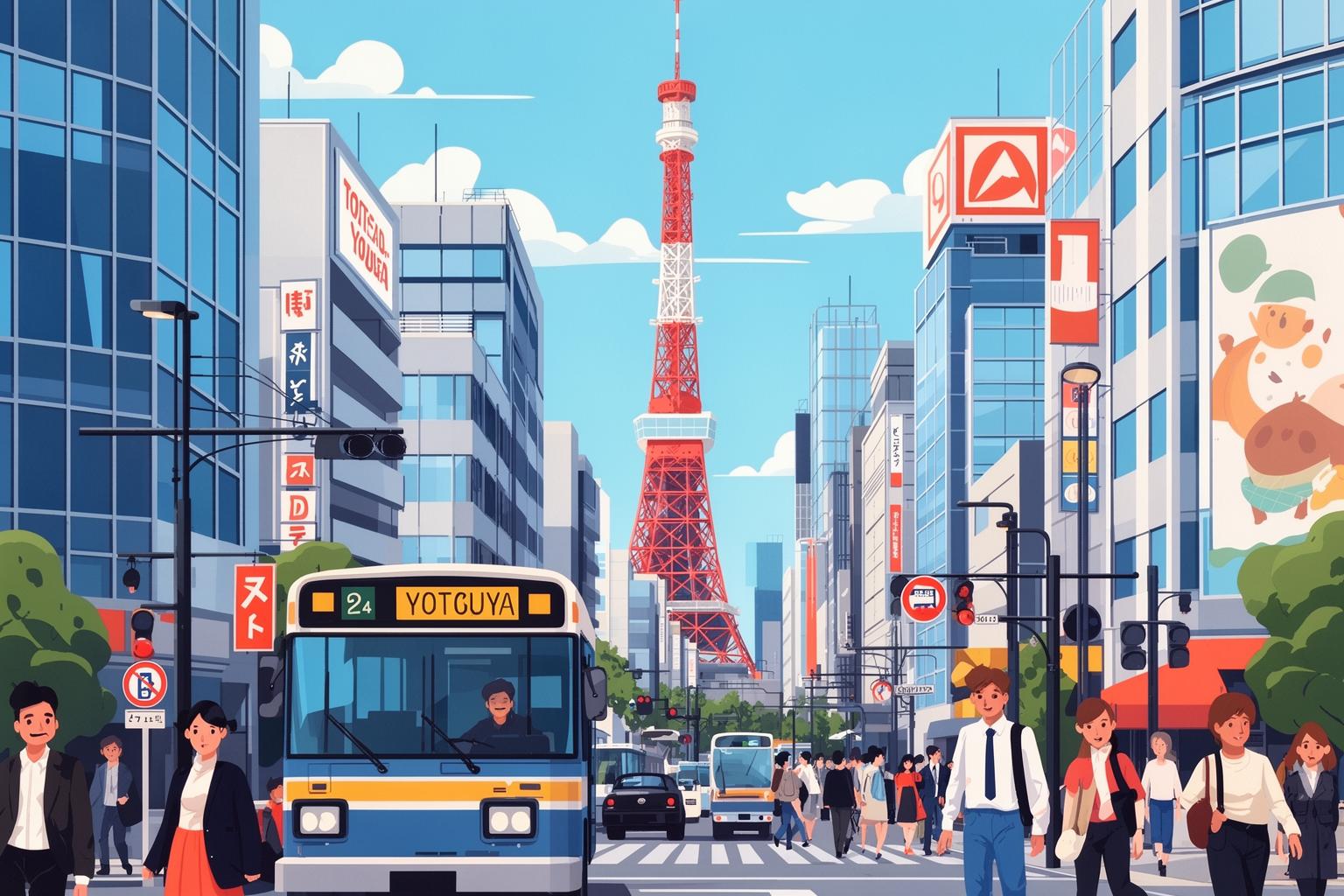
Beyond the major landmarks, the magic of a Your Name pilgrimage lies in the smaller moments—the in-between spaces that link the dots. The journey Taki takes through the city forms a thread you can follow, revealing the texture and rhythm of everyday life in Tokyo.
The Yotsuya Station Crossing
Before their date, Taki meets Okudera-senpai just outside Yotsuya Station. The film depicts them waiting for each other near the crosswalk, a scene familiar to any Tokyo resident. This spot is less about a single, fixed viewpoint and more about an experience. Yotsuya Station is a busy hub where the JR Chuo-Sobu Line and the Tokyo Metro Marunouchi and Namboku Lines intersect. Standing at this crossing, you are swept into the current of Tokyo life. The rhythmic beeping of the crosswalk signals, the recorded announcements drifting from the station, the tide of commuters moving with practiced efficiency—it’s all there. This moment invites simple observation. Grab a canned coffee from a nearby vending machine, find a place to stand, and watch the city breathe. It’s in these ordinary, unglamorous moments that Shinkai finds so much beauty, and by being there, you begin to see the city through his eyes.
The National Art Center, Tokyo: A Modern Masterpiece
The setting for Taki and Okudera-senpai’s date is one of Tokyo’s most architecturally stunning buildings: The National Art Center in Roppongi. Its flowing glass facade is instantly recognizable. Designed by the legendary architect Kisho Kurokawa, the building itself is a piece of art. Inside, a vast, light-filled atrium soars, dominated by two massive inverted concrete cones. It is atop one of these cones, in the Salon de Thé ROND, that the two characters share their lunch. Visiting this cafe is a highlight of the pilgrimage. You ascend via escalator to the suspended circular platform, offering a distinctive perspective of the entire atrium. The light flooding through the glass curtain wall is spectacular, constantly shifting the mood and accentuating the building’s graceful curves. The atmosphere feels futuristic and elegant, the perfect backdrop for a sophisticated art-exhibit date.
You don’t need a ticket for any specific exhibition to access the building’s public spaces, including the atrium, gift shop, and cafes. This makes it a convenient and highly rewarding stop on your tour. The cafe can have a queue, so it’s wise to allow extra time. Enjoying a slice of cake and tea while perched on that iconic concrete cone is an unforgettable experience—another moment where you can perfectly align your reality with the beautifully rendered scenes from the film. It stands as a testament to Shinkai’s remarkable eye for locations that are not only visually striking but also imbued with a unique atmosphere that deepens the story’s emotional resonance.
A Pilgrim’s Practical Guide: Making Your Journey Smooth
Embarking on your seichi junrei is an exciting adventure, and a little planning can elevate a good trip to a flawless one. Tokyo is a huge city, but fortunately, most of Your Name‘s key sites are conveniently clustered and easy to access.
Planning Your Route
A practical approach to visiting the main spots is to dedicate a full day, grouping them by area. You might begin your morning in Roppongi at The National Art Center before the crowds gather. From there, take the subway to the Shinjuku/Yotsuya area. A pleasant walking route would be to start at Shinjuku Gyoen, enjoy lunch at Cafe La Bohème, then explore central Shinjuku, including the station, the pedestrian bridge, and perhaps the view from the Tokyo Metropolitan Government Building. In the late afternoon, head to Yotsuya. You can explore the station area before taking a 10-15 minute walk to Suga Shrine, aiming to arrive during the golden hour for perfect, cinematic lighting. This itinerary creates a narrative flow to your day, reflecting the film’s transition from the bustling city to its quiet, emotional climax. An essential tool is a rechargeable IC card like Suica or Pasmo. These can be purchased at any major station and let you tap in and out of subways and trains for smooth travel.
What to Bring and What to Wear
The top rule for exploring Tokyo is to wear comfortable shoes. You’ll be walking extensively, and your feet will thank you. A portable Wi-Fi device or a travel SIM card is practically essential for using Google Maps and staying connected. Don’t forget your camera—you’ll want to capture not just the locations, but also the unique quality of light Shinkai is known for: lens flares, sunbeams filtering through buildings, and reflections in puddles after rain. While Japan remains cash-oriented in many places, major restaurants and shops accept credit cards, but it’s always smart to carry some yen for smaller purchases, vending machines, or shrine offerings.
Pilgrim’s Etiquette
As you undertake this journey, it’s important to remember you are a guest in these spaces. They aren’t film sets, but parts of a living, breathing city. Suga Shrine is an active place of worship for locals. Be quiet and respectful, especially when people are praying. Cafes and restaurants are businesses serving patrons who aren’t on a pilgrimage. Avoid disrupting others with your photography. The streets and bridges are vital arteries used by thousands of commuters daily. Stay aware of your surroundings, don’t block pathways, and represent the fan community well. The objective is to honor your connection to the film while showing the utmost respect for the daily lives of those who call these places home. A respectful and mindful pilgrim is always welcomed.
Beyond the Frame: The Deeper Meaning of the Pilgrimage
Strolling through the streets of Taki’s Tokyo is more than just a sightseeing experience; it’s a journey into the film’s most profound themes. At its core, Your Name centers on musubi—the ancient Shinto concept of connection, the invisible threads that bind people, places, and time. The braided cords depicted in the film serve as a tangible symbol of this idea. Your pilgrimage is, in its own way, an act of musubi, physically intertwining your story with that of Taki and Mitsuha, linking you to the narrative, the creator, and the culture that inspired it.
Makoto Shinkai’s brilliance lies in his skill to elevate the real world, uncovering the sublime within the ordinary. His hyper-realistic art style does more than imitate reality; it fills it with a sense of wonder, transforming the everyday into something magical. When you stand on the pedestrian bridge in Shinjuku, you aren’t simply observing a structure; you’re seeing it through his vision, noticing how the city lights shimmer on the wet pavement, and sensing the bittersweet solitude of being just one individual amid millions.
This journey invites you to craft your own story. Don’t rush through locations, merely ticking off a list. Take your time. Sit on a bench near Yotsuya Station and watch the world quietly unfold. Observe the light filtering through the glass at the National Art Center. Perhaps you’ll spot a stray cat dozing on the steps of Suga Shrine, or stumble upon a quaint shop tucked away on a side street you otherwise would have missed. These are your moments, your unique contributions to the narrative. The search for the world of Your Name ultimately leads to a greater appreciation of the world right before your eyes. It’s a journey that starts with a cherished film but culminates in a profound, personal connection to the marvelous city of Tokyo, leaving you with the beautiful, lasting feeling that even in this vast, chaotic world, we are all, in some way, connected.








