
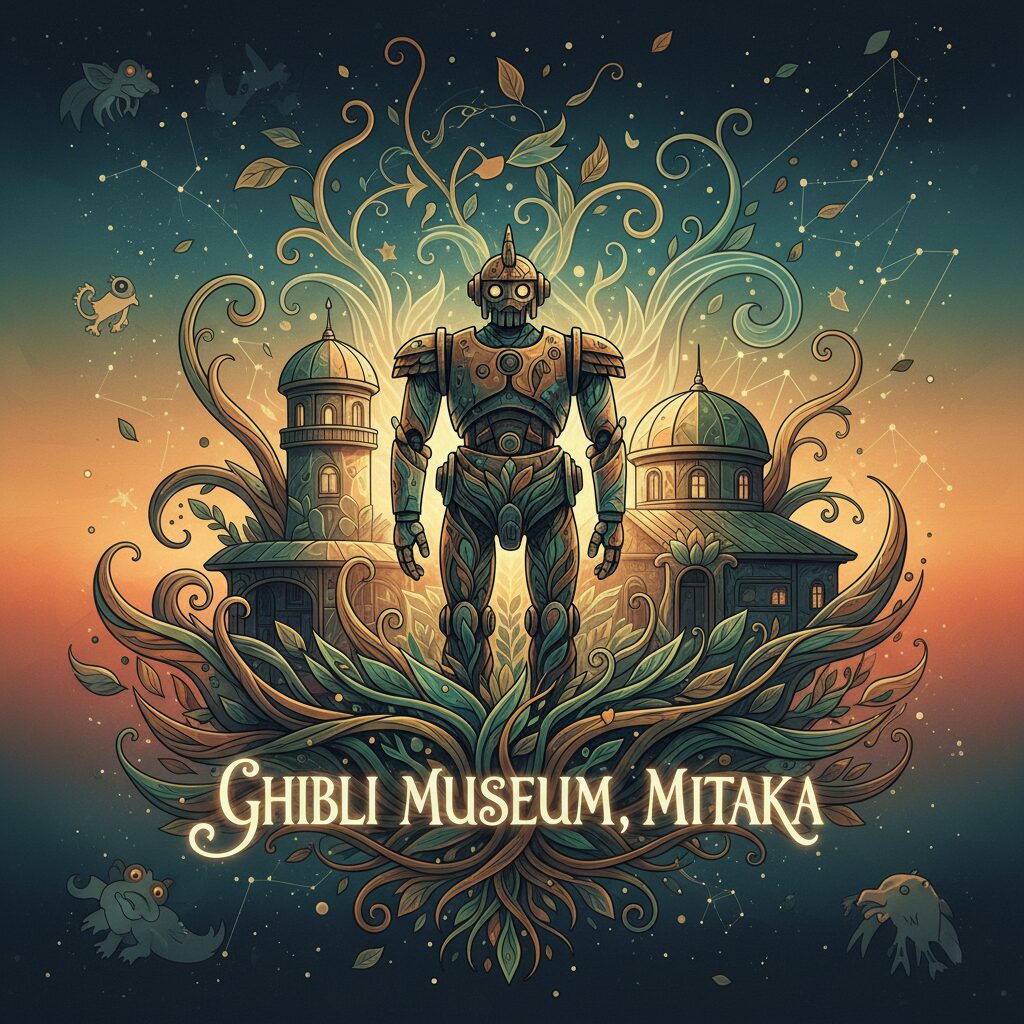
There’s a certain kind of magic that lives inside a Studio Ghibli film, a whisper of wind through ancient trees, the comforting aroma of a simple meal cooked with love, the boundless blue of a summer sky. It’s a feeling that settles deep in your soul, a nostalgic ache for a place you’ve never been but somehow remember. For years, fans around the world have dreamed of stepping through the screen and into these hand-drawn worlds. In a quiet, leafy corner of western Tokyo, nestled on the edge of a sprawling park, that dream takes on a tangible form. This is the Ghibli Museum in Mitaka, not merely a collection of artifacts, but a living, breathing extension of Hayao Miyazaki’s intricate imagination, a place where the motto is, “Let’s get lost, together.” It’s a destination that requires planning, patience, and a touch of luck to enter, but the reward is an experience that rekindles a childlike sense of wonder, reminding you that the world is still full of mystery and beauty waiting to be discovered just beneath the surface of the everyday.
A chance to wander beyond the museum’s enchanted halls beckons those who wish to explore the mysteries of Totoro’s hidden sanctuary in Sayama Hills.
The Overture: A Journey from Metropolis to Myth
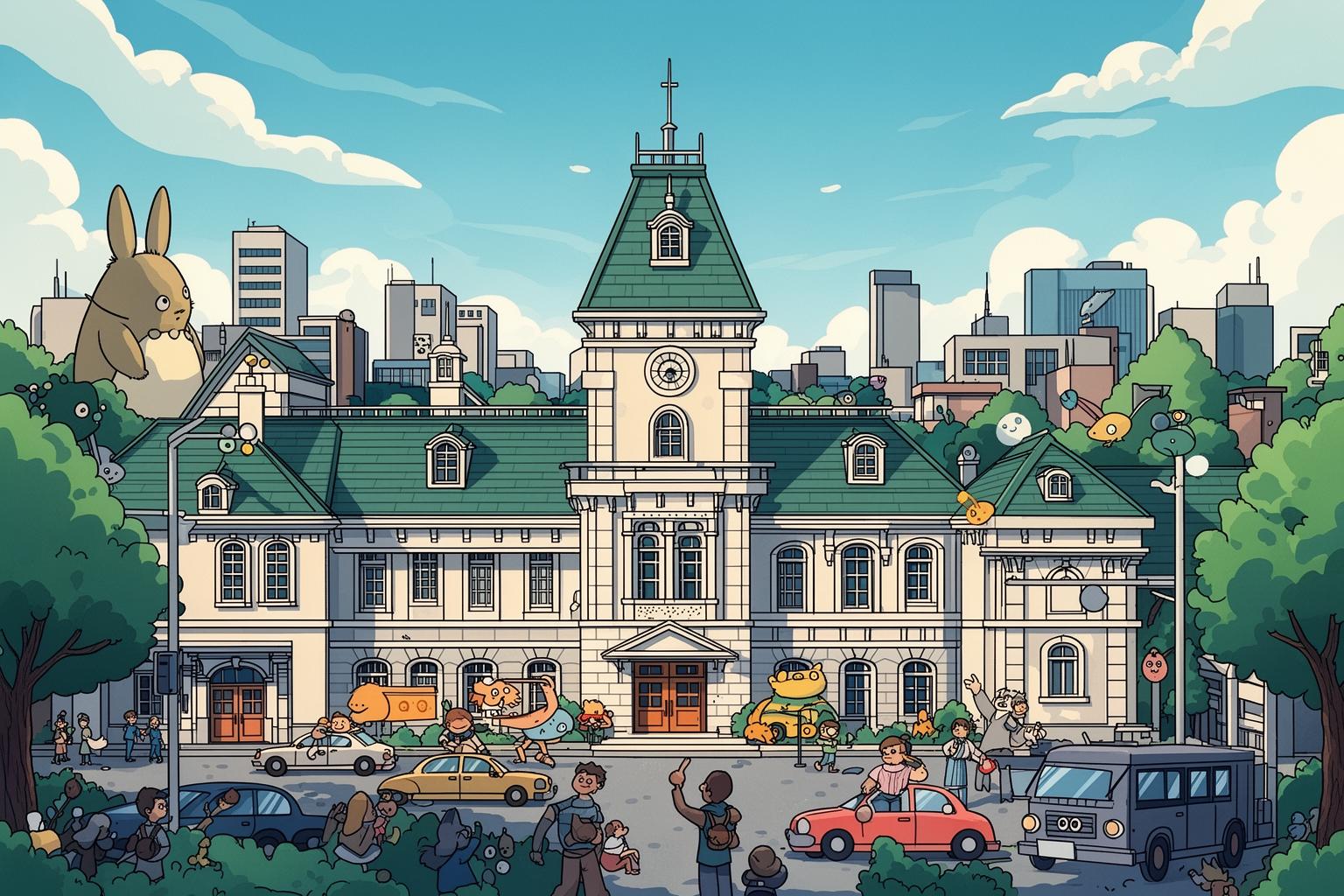
Your journey to the Ghibli Museum begins long before you reach its whimsical, vine-covered façade. It starts aboard the JR Chuo Line, a train racing west from the electric canyons of Shinjuku. As the train moves away from the city’s frantic heartbeat, the scenery begins to breathe. Skyscrapers give way to tighter residential streets, which gradually soften into the quieter, more spacious suburbs of Tokyo. This gentle transition is part of the experience, a necessary shift from the real world to the realm of fantasy you are about to enter. Disembark at Mitaka Station, and you’ll find the first sign you’re headed the right way: a dedicated bus stop for a charming, canary-yellow shuttle bus adorned with familiar characters. While the bus is both efficient and delightful, true Ghibli fans know the best approach is on foot. The stroll from the station, along a peaceful canal-side path called the “Tamagawa Josui,” is a tranquil twenty-minute walk that sets the tone for the day. It’s a passage through ordinary Japanese suburban life, quiet and orderly, making your final destination feel all the more extraordinary. This path leads you directly to the edge of the magnificent Inokashira Park, the last gateway to the museum.
Inokashira Park: The Enchanted Forest
Walking through Inokashira Park is like entering the pre-title sequence of a Ghibli film. The air feels different here—cooler, scented with damp earth and greenery. Sunlight filters through the canopy of ancient trees, creating shifting patterns on the winding paths. In spring, the park becomes a cloud of pale pink cherry blossoms, a scene straight from a delicate watercolor. In summer, it bursts into a lush, almost overwhelming green, alive with the hum of cicadas. Autumn sets the foliage ablaze in crimson and gold, while winter offers a stark, quiet beauty. The park is alive with local culture; you might see families paddling swan boats on the large central pond, an elderly painter capturing the scenery, or a musician playing gently near the Benzaiten Shrine, dedicated to the goddess of love and arts. This is more than a park; it’s the museum’s extended front yard, a natural buffer that refreshes your senses and prepares your spirit for the wonders ahead. Following the signs, you’ll wander through the woods until, almost suddenly, it appears. Peeking through the trees is a building unlike any other, a colorful, stuccoed structure that seems to have grown organically from the earth itself. The pilgrimage is drawing to its climax.
The Museum Itself: A Building That Breathes
The Ghibli Museum is far from a sterile, white-walled gallery. It stands as an exhibit in itself, a labyrinthine marvel created specifically to invite you to lose yourself. The architecture is a playful blend of styles—a hint of Mediterranean villa, a dash of industrial fantasy, and plenty of storybook cottage charm. Ivy climbs the pastel-toned walls, while irregularly shaped windows suggest hidden secrets inside. There is no fixed route or map to follow. Instead, you are encouraged to wander freely, explore, and let your curiosity lead you up a spiraling staircase, across a “cat-walk” bridge, or through a petite door seemingly made for children. This embodies a key principle of Miyazaki’s philosophy: the journey is the destination. Even before entering, a giant, friendly Totoro peeks out from a faux ticket booth, offering a perfect photo opportunity and acting as a welcoming guardian. The actual entrance is a more modest door, where a staff member exchanges your ticket for a unique film strip bookmark, a keepsake that connects you to Ghibli’s cinematic history. From the moment you step inside, you are transported into their world.
The Central Hall: A World in Motion
The interior opens up into a soaring central hall that feels like the engine room of a fantastical airship. Overhead, a massive ceiling fan turns slowly, while a glass dome bathes the space in natural light, highlighting the rich woodwork and intricate iron railings. Bridges and corridors intersect the open area at multiple levels, and every corner reveals intricate details. Yet the true marvel lies in the stained glass windows. Rather than religious imagery, these panes depict scenes and characters from Ghibli films—Kiki soaring on her broomstick, a determined Ponyo, and gentle forest spirits. As the sun travels across the sky, the colorful images cast shifting shadows on the wooden floors, imbuing the air with a magical presence. An old-fashioned, caged elevator, reminiscent of those in classic European hotels, slowly ascends and descends, enhancing the sense of stepping back in time. This central hub serves as the museum’s heart, from which all paths lead, a place of constant movement and discovery.
Inside the Dream Factory: The Exhibits
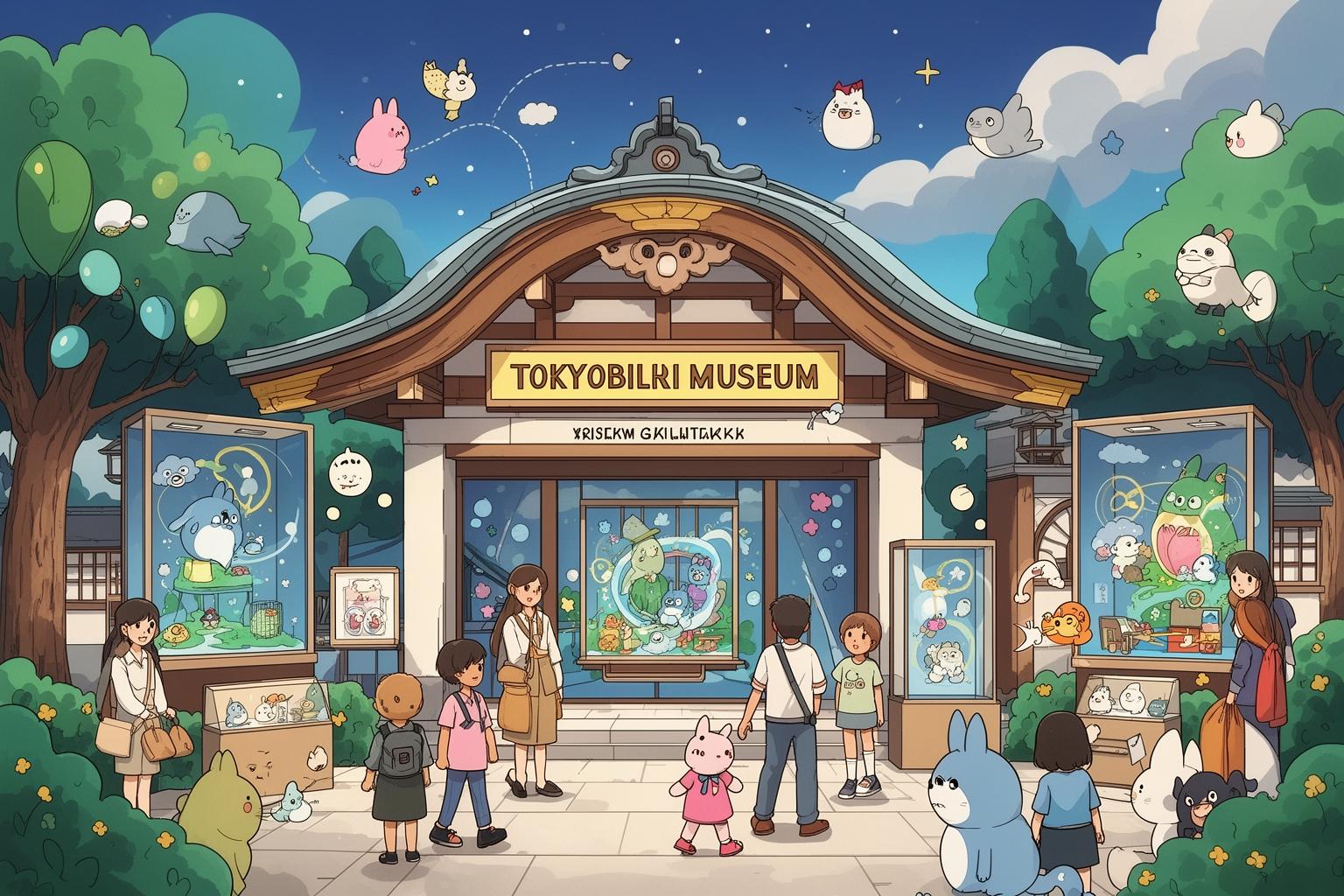
The museum’s ground floor houses the permanent exhibition, a multi-room journey into the art and science of animation titled “Where a Film is Born.” This is the heart of the museum, offering a deeply personal and incredibly inspiring insight into the creative process. It isn’t a dry, technical showcase; instead, it feels as if you’ve quietly entered the animators’ private studio just after they’ve stepped away for a cup of tea.
The Five Rooms of Creation
The exhibition tells a story on its own. The first room bursts with inspiration, packed from floor to ceiling with books on art, history, nature, and aviation. Toys, models, and peculiar artifacts are scattered throughout, conveying the vast array of influences behind a Ghibli story. The following rooms guide you through the actual mechanics of filmmaking. One focuses on storyboarding, with walls covered in thousands of pencil sketches outlining every single scene. You can feel the raw energy of ideas coming to life, the frantic brilliance visible in every line. Another room highlights coloring and background art, displaying the detailed, hand-painted landscapes that give the films their rich depth and texture. Pots of paint and well-used brushes are visible evidence of the human touch behind every frame. The entire area is meant to feel cluttered, chaotic, and wonderfully creative, demystifying the animation process while making it seem all the more magical. A standout feature for many is a stunning 3D zoetrope, where static models of characters like Totoro and the Catbus are arranged on a spinning wheel. Under a strobing light, they come to life—running, jumping, and flying in a seamless loop of pure, unfiltered joy. This analog illusion feels more real and enchanting than any computer-generated effect.
The Saturn Theater and the Rooftop Guardian
Upstairs, the experience continues. The Mamma Aiuto gift shop (named after the sky pirates from Porco Rosso) is a treasure trove of exclusive merchandise, making it nearly impossible to leave empty-handed. But the true gem of the upper floors is the Saturn Theater. This intimate, eighty-seat cinema is a work of art, featuring a sky-blue ceiling painted with a smiling sun and moon. The projector itself is a fantastical device. Here, visitors can watch an original animated short film exclusive to the museum, a story unavailable anywhere else in the world. The films change periodically, but all carry the signature Ghibli charm, humor, and heart. It stands as a powerful testament to the studio’s storytelling mastery. After the screening, find the narrow, wrought-iron spiral staircase leading to the roof. Once outside, you’ll discover a rooftop garden. There, standing silently and tall among the greenery, is a five-meter-tall Robot Soldier from Laputa: Castle in the Sky. It is a profoundly moving sight. Far from menacing, it serves as a peaceful guardian, its metallic form softened by time and nature. It watches over the museum and park below, symbolizing the harmony between technology, nature, and memory that lies at the core of Ghibli’s work. Behind it, the keystone from Laputa rests, covered in mysterious script—a final, perfect detail for dedicated fans.
The Practical Magic: Securing Your Golden Ticket
Here, we must pause our whimsical journey to face a dose of reality. Gaining access to this magical place is notoriously the most challenging part of the experience. You cannot simply walk up and buy a ticket. Tickets must be purchased in advance, and they sell out within minutes of release. For international visitors, the only official method is through the Lawson ticketing website. Tickets for a particular month go on sale at 10:00 AM Japan Standard Time on the 10th of the previous month. This means you need to be online, on the correct webpage, with your passport information and credit card ready at the exact moment tickets become available. It’s a frantic, often frustrating process. Expect the website to crash under heavy traffic. Have multiple browsers open and be persistent. When selecting a date, you must also choose a specific entry time. Once inside, you may stay as long as you like until closing, but you must enter during your designated half-hour window. This is a critical detail. Your passport is required for entry, and the name on the ticket must exactly match the name on your ID with no exceptions. Although the process is daunting, the scarcity is what maintains the museum’s intimate, uncrowded atmosphere. The reward for your efforts is an experience that feels personal and special, shared with only a few hundred other fortunate visitors at a time.
Beyond the Museum: The Charms of Kichijoji
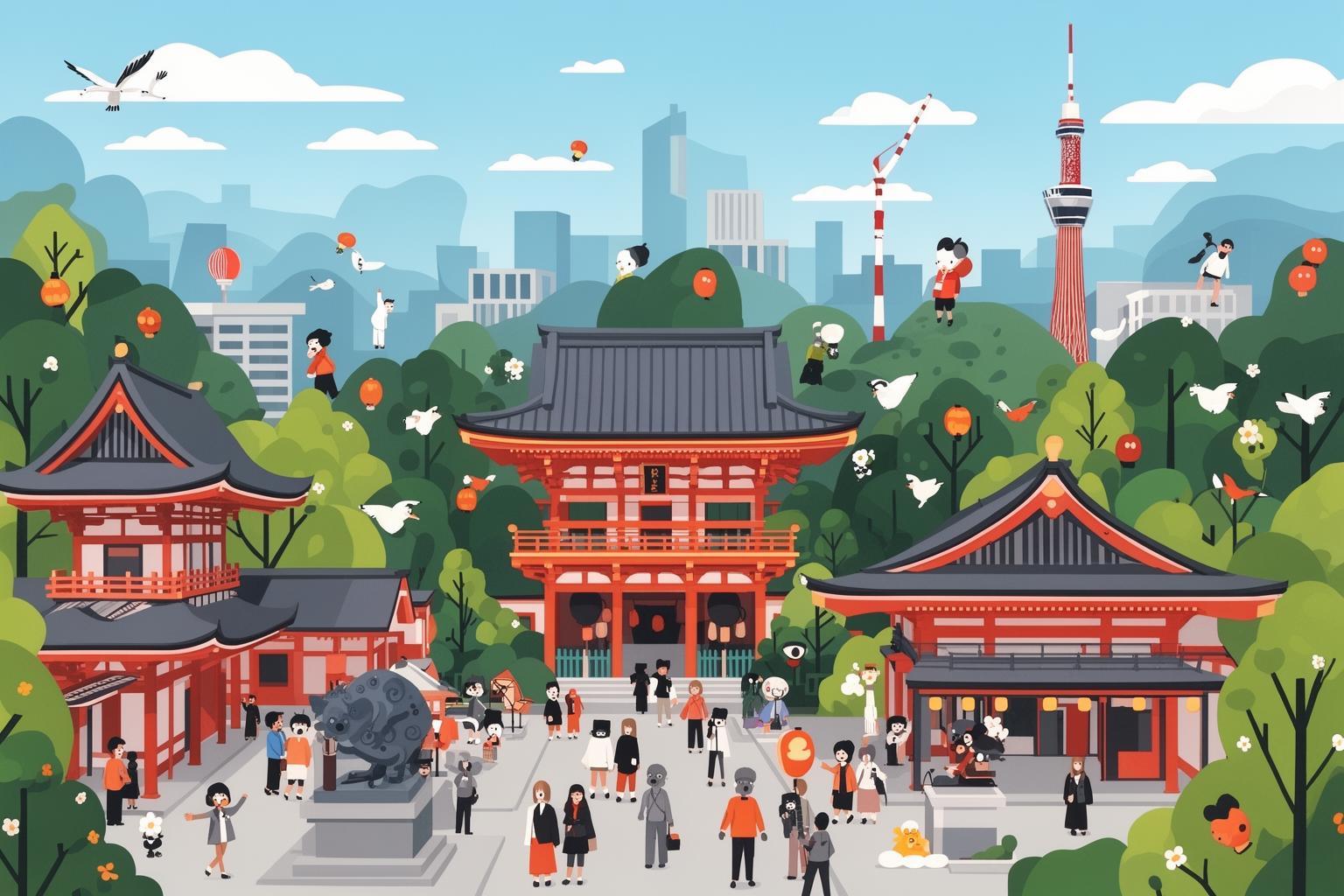
Your Ghibli experience doesn’t have to end when you leave the museum. The nearby neighborhood of Kichijoji is one of Tokyo’s most cherished areas and offers the perfect setting to gently transition back into the real world. Just a short walk from Inokashira Park, Kichijoji beautifully balances the trendy and traditional. Begin by exploring Harmonica Yokocho, a maze of Showa-era alleyways located right next to the station. During the day, it’s a quiet cluster of fishmongers and small shops. By night, it turns into a lively scene filled with tiny standing bars, yakitori stands, and gyoza stalls, all bustling with locals. The air is filled with the aroma of grilling food and the lively buzz of conversation, offering an authentic taste of old Tokyo. For a more contemporary vibe, Kichijoji’s main streets are lined with chic boutiques, independent zakka (miscellaneous goods) stores, and some of the city’s best vintage clothing shops. It’s an excellent spot to find unique souvenirs beyond typical tourist items. The area is also known for its cozy cafés, ideal for relaxing with a coffee and your new film-strip bookmark, reflecting on the day’s enchantment. Exploring Kichijoji adds a deeper dimension to your journey, linking the museum’s fantasy world with the lively, creative spirit of the neighborhood.
A Taste of Whimsy: The Straw Hat Café
If you get hungry during your museum visit, you don’t have to leave the magical grounds. The Straw Hat Café, the museum’s on-site restaurant, is a destination in itself. With a charming orange exterior and a warm, sunlit interior, the café offers a menu of simple, wholesome dishes that seem lifted straight from a Ghibli film. The menu features hearty and comforting options like the giant “pork cutlet” sandwich, fluffy shortcakes, and colorful salads made with fresh, organic vegetables. Even the tableware is thoughtfully crafted, with custom plates and mugs enhancing the experience. For adults, there’s also a special “Valley of the Wind” branded beer. There is usually a line, but the wait is enjoyable, spent in a pleasant courtyard area. The philosophy here mirrors that of the museum: everything is done with care, attention to detail, and a focus on providing a warm, memorable experience. It’s more than just a meal; it’s a final, delicious immersion into the Ghibli world, where even the simplest things can bring joy.
A Final Reflection
Visiting the Ghibli Museum is far from a passive experience. It’s an active journey, a treasure hunt for the soul. The strict no-photography rule inside, though initially surprising, is actually a gift. It encourages you to put away your phone and connect with the space through your own eyes and memories. You focus intently on the zoetrope. You examine the intricate details of a background painting up close. You feel the cool texture of the iron railing on the rooftop staircase. You build a personal, internal scrapbook of moments that can’t be duplicated or endlessly scrolled through. Leaving the museum and walking back through Inokashira Park as dusk falls is a deeply moving experience. The world appears a little altered, a bit brighter, and filled with more possibility. You carry the magic with you—not on your camera roll, but in your heart. It’s a reminder that the spirit of curiosity, craftsmanship, and kindness defining Studio Ghibli transcends the movie screen and museum walls; it’s a way of seeing the world, a way of being that we can all aspire to, long after we’ve boarded the train back to the dazzling lights of central Tokyo.








