There’s a certain kind of magic that lives in the stories we cherish, a quiet longing to step through the screen and into a world painted with gentle colors and whispering winds. For anyone who has ever been captivated by the enchanting world of Studio Ghibli’s “My Neighbor Totoro,” that longing feels particularly potent. We imagine ourselves waiting at a rain-slicked bus stop, exploring the deep green of a forest primeval, or discovering the dust sprites dancing in the sunbeams of an old wooden house. What if I told you that a piece of that world exists, not in a fantasy, but nestled right on the border of Tokyo and Saitama? This is the Sayama Hills, a sprawling greenbelt of forests, trails, and lakes affectionately known as “Totoro’s Forest.” This isn’t a theme park with mascots and merchandise, but something far more profound. It is the very landscape that sparked the imagination of legendary director Hayao Miyazaki, a place where the soul of his masterpiece still breathes among the camphor trees. It is a pilgrimage for the heart, a chance to walk the same paths that inspired a story beloved across generations, and to feel, if only for a day, that you too might just catch a glimpse of a giant, furry forest spirit.
For those drawn to the ethereal beauty of Sayama Hills, exploring Kyoto living folklore offers another enchanting glimpse into Japan’s storied landscapes.
The Whispers of the Forest: Feeling the Ghibli Spirit
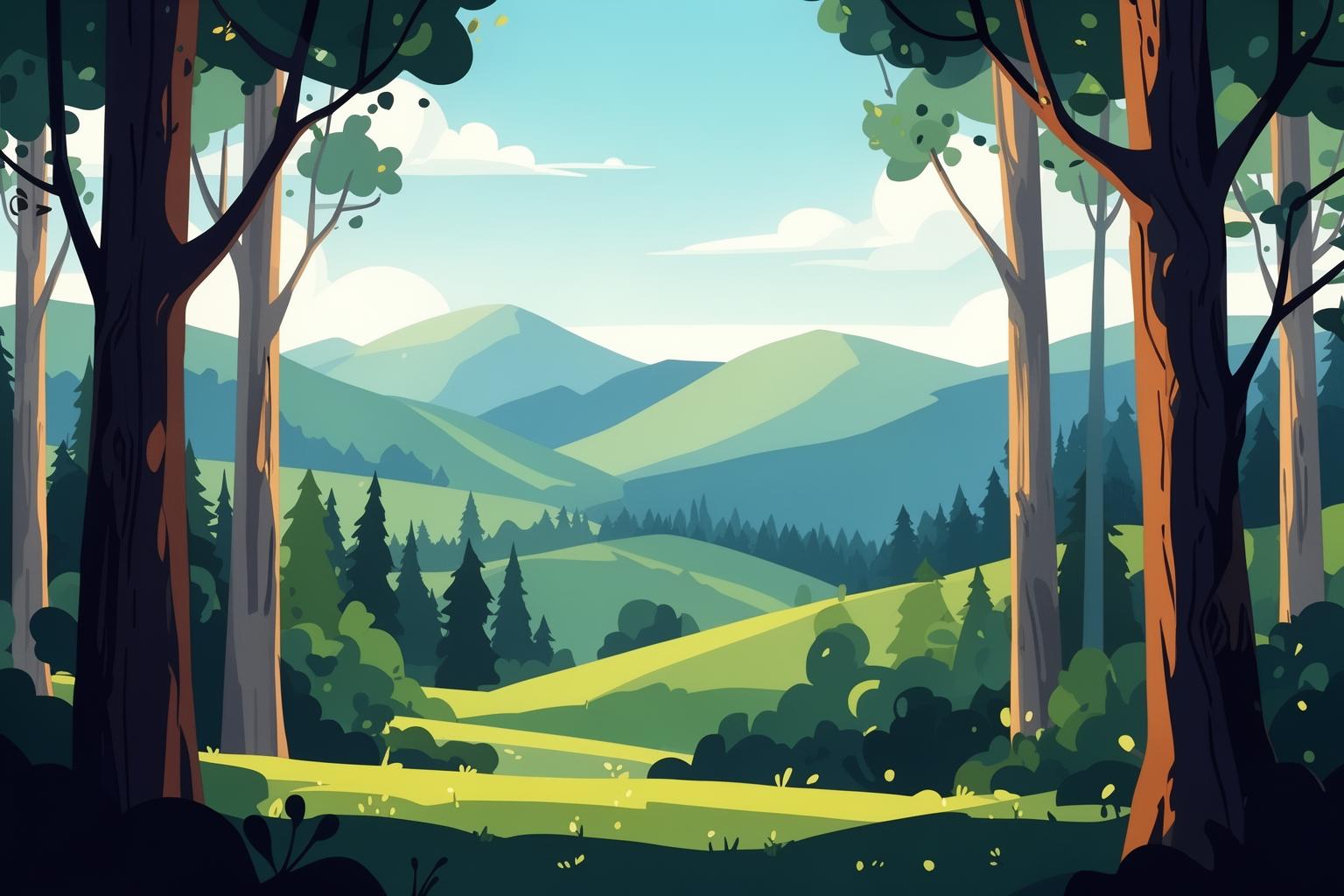
The moment you step off the train and head toward the trailhead, the urban noise of Tokyo begins to fade, replaced by a symphony of nature. The air feels different here—cleaner, cooler, and filled with the earthy scent of damp soil and decaying leaves. This is the first hint of Ghibli magic. It’s not about seeing Totoro, but sensing the possibility of him. Sunlight filters through the dense canopy, casting a dappled, ethereal light on the forest floor, just like the scenes where Satsuki and Mei chase the smaller Totoros through the undergrowth. The wind rustles the leaves of ancient trees, and for a moment, it sounds like a soft, rumbling breath. This is the essence of Sayama Hills. It invites you to slow down, listen, and look closely. You’ll find yourself noticing small details: a strangely shaped root resembling a sleeping creature, a patch of moss glowing emerald green, the cheerful chirp of a hidden bird. The experience is deeply atmospheric. It’s a powerful reminder that Miyazaki’s genius lay not just in creating fantastical characters, but in capturing the true wonder of the natural world. The forest itself is the main character here. It doesn’t need signs pointing to “Totoro’s Tree” because every towering camphor and winding path feels like it could be the one. The magic of the place lies in this ambiguity, allowing your imagination to fill in the gaps and create your own personal Ghibli story as you wander.
Charting Your Course: Navigating the Green Labyrinth
Reaching Sayama Hills from central Tokyo is surprisingly simple, making it a perfect day trip to escape the city’s constant hustle. The most common way to get there is via the Seibu Railway network. Starting at Ikebukuro Station, you take the Seibu Ikebukuro Line and transfer at Nishi-Tokorozawa to the Seibu Sayama Line, which ends at Seibu-Kyujo-mae Station. The station name, meaning “in front of Seibu Stadium,” places you right by the Belluna Dome, home to the Seibu Lions baseball team. From there, the forest trail entrances are just a short walk away. The hills consist of a vast network of interlinked paths, nature reserves, and two large reservoirs, Lake Sayama and Lake Tama, which are crucial water sources for Tokyo. Rather than a single park, it’s a mosaic of protected lands partly managed by the Totoro no Furusato Foundation, also known as the Totoro Hometown Fund. This group was founded with support from Hayao Miyazaki, using film royalties to buy and preserve sections of the forest, shielding it from urban sprawl. Knowing this adds depth to your visit; you are wandering through a landscape preserved by the very story it inspired. It’s a beautiful, full-circle legacy you can sense with every step.
Beginning Your Journey: Main Entry Points
Although Seibu-Kyujo-mae Station is a popular starting point, it’s not the only way to explore the area. Sayama Hills is quite extensive, and your entry point can shape your experience for the day. For those eager to dive right into the woodland trails, the area near the station provides immediate access to paths encircling Lake Sayama. Another great starting point is the town of Tokorozawa itself. Before setting off, it’s highly recommended to pick up a map, often available at local tourist information centers or downloadable from the Totoro no Furusato Foundation’s website. These maps are invaluable, detailing the numbered trails, key sights, and locations of useful facilities such as restrooms. However, don’t stick too rigidly to your plan. The real joy of Sayama Hills lies in wandering. Choose a trail that piques your interest and see where it takes you. Some paths are wide and paved, ideal for a relaxed stroll, while others are narrow dirt tracks that evoke a true explorer’s feeling. Although most signage is in Japanese, the trails are clearly marked by numbers, making it fairly easy to stay on course even if you don’t read the language.
A Pilgrimage to Kurosuke’s House
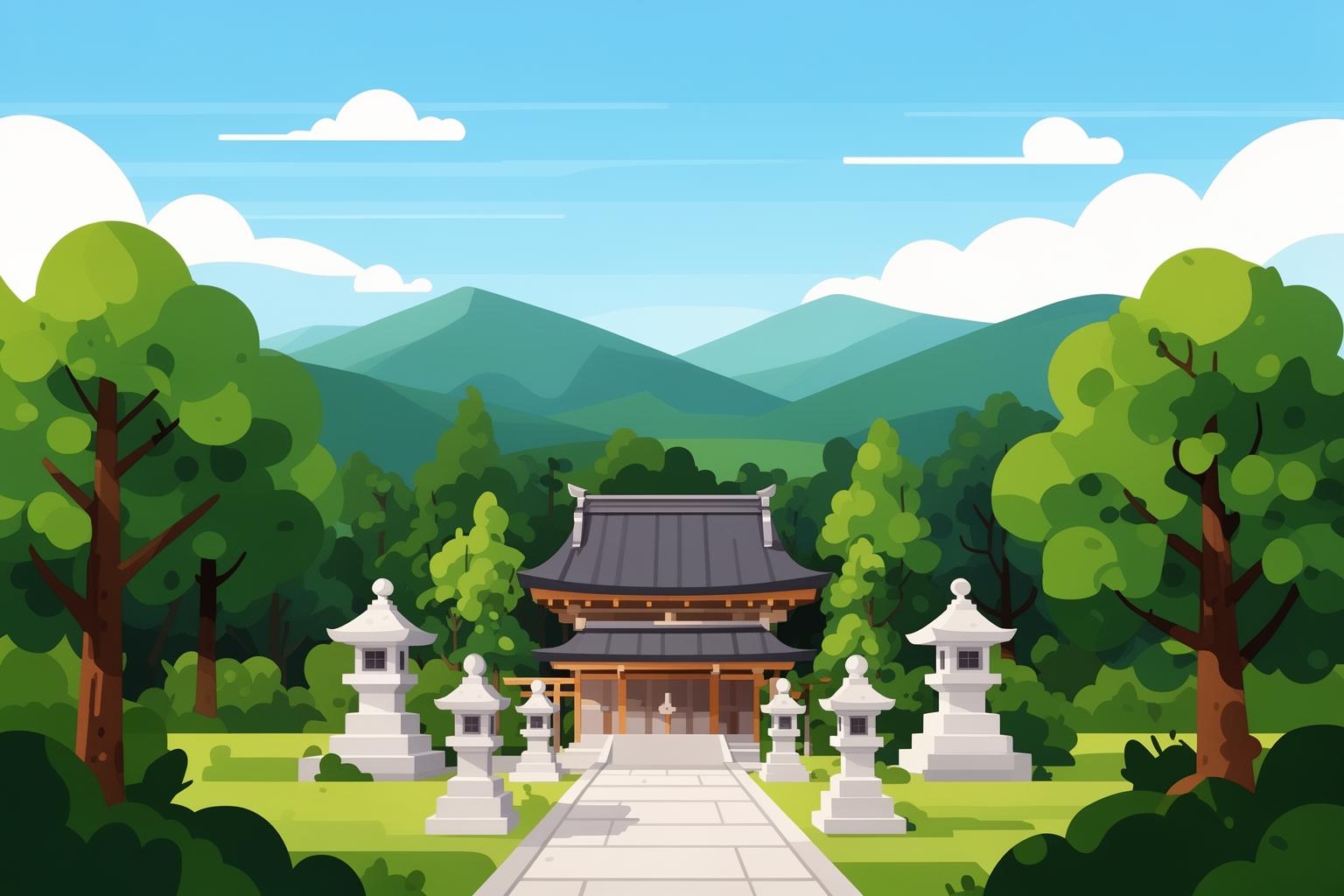
While the entire forest feels like a tribute to “My Neighbor Totoro,” there is one place that stands as its heart and soul: Kurosuke’s House. Nestled in a quiet residential area on the forest’s edge, this beautiful traditional Japanese house, or “kominka,” is a must-see for any fan. The name “Kurosuke” refers to the “soot sprites,” or “makkuro kurosuke,” the small black fuzzy creatures Satsuki and Mei find in the attic of their new home. Run by the Totoro no Furusato Foundation, this carefully preserved Showa-era building makes you feel as if you have stepped right into the movie. Sliding open the wooden doors and removing your shoes to step onto the cool tatami mats, the scent of old wood and straw transports you to another time. The house serves as both a community center and a small museum dedicated to the foundation’s conservation efforts. However, the main attraction, sitting prominently in the main room, is a large, life-sized Totoro statue. This beautifully crafted figure is perfect for commemorative photos and sure to bring a smile to visitors of all ages. You’ll spot soot sprites hidden in corners and Ghibli-themed touches throughout. It’s a place of pure, unfiltered joy. One important tip for visitors is to check the opening hours beforehand. Kurosuke’s House is run by volunteers and usually open only on Tuesdays, Wednesdays, and Saturdays from 10:00 AM to 3:00 PM. Coming on the wrong day can be disappointing, so a quick online check will save you trouble. There is no entrance fee, but a donation box is provided to help support the foundation’s essential work in preserving this precious landscape for future generations to enjoy.
Beyond Totoro: The Rich Tapestry of Sayama Hills
Although the spirit of Totoro attracts many international visitors, the Sayama Hills provide a rich experience that extends far beyond their anime connection. This landscape has its own history, ecology, and quiet beauty that stand on their own merit. It’s a place where you can spend an entire day immersed in nature, discovering the rhythms of rural Japan just a short distance from one of the world’s largest metropolises.
A Haven for Nature Enthusiasts
The hills are designated as a prefectural natural park, and with good reason. The area hosts a vibrant ecosystem with a surprising variety of flora and fauna. As you walk the trails, watch for different bird species flitting through the trees. In the warmer months, the air hums with the sound of cicadas and the flutter of butterflies. The forests comprise both deciduous and evergreen trees, including konara oak and sawtooth oak, which are essential to the traditional practice of satoyama—the sustainable management of woodlands. The changing seasons bring distinct character to the hills. In spring, the landscape is dotted with soft pink wild cherry blossoms and fresh, vibrant green leaves. Summer offers incredible lushness, with a dense green canopy providing welcome shade from the heat. Autumn is perhaps the most stunning season, as the leaves transform into a brilliant tapestry of reds, oranges, and yellows. Even winter has a stark beauty, with bare branches forming intricate patterns against the crisp blue sky, revealing clearer views of the lakes and surrounding areas.
Echoes of History and Local Life
The history of Sayama Hills is closely linked to Tokyo’s development. The two large reservoirs, Lake Tama and Lake Sayama, were built in the early 20th century to supply stable water to the rapidly growing capital. Along their shores, you can find remnants of the old village submerged to create them—a poignant reminder of the area’s past. The hills also represent one of the last remaining examples of the satoyama landscape that once encircled Tokyo. This traditional land management created a mosaic of forests, rice paddies, and vegetable fields supporting local communities for centuries. On the forest’s edges, you can still witness this way of life continuing. Small farms grow local produce, and the area is especially known for Sayama tea, one of the northernmost tea-growing regions in Japan. Visiting a local tea shop or viewing the neatly trimmed rows of tea bushes adds another layer to your understanding of the region, linking the wildness of the forest with the human culture that has coexisted alongside it for generations.
Practical Magic: Tips for a Seamless Family Trip

Exploring Sayama Hills is a wonderful activity for families, providing children who are used to city life with much-needed open space and adventure. However, a bit of preparation can turn a good day into a great one. The secret is to embrace the natural environment and plan thoughtfully, prioritizing both comfort and enjoyment.
What to Wear and Bring
Above all, comfortable walking shoes are essential. Although many paths are gentle, you will walk quite a bit, and some trails may be uneven or muddy, especially after rain. Dress in layers, as the shaded forest tends to be cooler than the city. In summer, lightweight, breathable clothing is ideal, and insect repellent is a must to keep mosquitoes at bay. A hat and sunscreen are also necessary, since some parts of the trails, particularly near the lakes, are exposed to the sun. It’s a good idea to carry a small backpack with essentials. Staying hydrated is important because vending machines are only available near the main entrances and landmarks. Bring snacks or even a full picnic, since there are few shops or restaurants deeper within the trails. Finally, remember the “leave no trace” principle—bring a small bag to carry out all your trash, helping to keep the forest pristine for everyone.
Pacing Your Day with Little Explorers
When visiting with children, the aim isn’t to cover every trail but to savor the experience. Avoid overloading your schedule. Choose one or two key areas to visit, such as a particular trail loop or Kurosuke’s House, and let the rest of the day develop naturally. The charm of Sayama Hills for kids lies in the freedom to explore—let them marvel at a line of ants, gather unique acorns, or listen for the tapping of a woodpecker. Turn the walk into a game of “I spy” with nature. Most main trails are fairly easy and suitable for lively children. However, keep in mind that once you leave the main paved paths, the area isn’t very stroller-friendly, so a baby carrier is preferable for very young kids. The sense of achievement they gain from finishing a forest walk is a wonderful reward.
Food and Rest Stops
The best dining option in Sayama Hills is to bring your own food. Packing a bento box or sandwiches allows you to enjoy a picnic in a scenic spot surrounded by nature. Several designated rest areas with benches, mainly around the lakeshores, offer ideal places for lunch. This also saves time that might otherwise be spent leaving the park to find food. Restrooms are available but can be sparse, so it’s wise to check your map and note their locations, encouraging bathroom breaks whenever possible, especially with young children. Although cafes are rare within the forest park itself, convenience stores and small local restaurants can be found in nearby towns like Tokorozawa, useful for stocking up before or after your visit.
An Invitation to Wander
A trip to Sayama Hills is more than just a day away from the city. It offers an immersion into a realm of quiet reflection and imaginative exploration. It provides an opportunity to disconnect from digital distractions and reconnect with the simple, profound beauty of nature. While you may not encounter a Catbus speeding through the trees or find a giant Totoro resting in a clearing, you will surely discover the spirit that inspired them. It reveals itself in the towering camphor trees, in the quiet dedication of volunteers caring for the land, and in the shared smiles of fellow visitors who have also made the journey. Sayama Hills doesn’t loudly proclaim its magic; it whispers it on the breeze, waiting for those ready to listen. It is an invitation to wander, to explore, and to recall the childlike wonder within us all, waiting to be rediscovered among the leaves of a real enchanted forest.