There’s a certain kind of magic that lingers long after the credits roll on a Studio Ghibli film. It’s a feeling woven from the rustle of ancient trees, the glow of paper lanterns on a misty night, and the comforting aroma of a simple, home-cooked meal. These worlds, brimming with spirits, courage, and a profound respect for nature, feel so real, so tangible, that you can almost smell the rain on the forest floor or hear the distant rumble of the Catbus. The secret to this enchanting realism is that it’s not entirely fiction. The landscapes that captured our imaginations are deeply rooted in the soil, stone, and spirit of real places across Japan. These are not film sets, but living, breathing locations, pulsating with the same energy that Hayao Miyazaki and his team so brilliantly captured on screen. To journey to these places is to step through the celluloid and into the story itself. It’s a pilgrimage for the soul, a chance to walk the same paths that sparked some of the most beloved animated films of all time. This is not just about seeing a filming location; it’s about feeling the deep, quiet magic of Japan and understanding why it continues to inspire such incredible artistry. Prepare to embark on a journey where the line between animation and reality blurs, where ancient forests hold the secrets of kodama, and where a soak in a steaming bathhouse might just put you in the company of gods.
This deep connection to place is also beautifully explored in the real-world inspirations for ‘Your Name’, where modern landscapes become just as magical.
The Enchanted Forests of Yakushima: Home of the Kodama
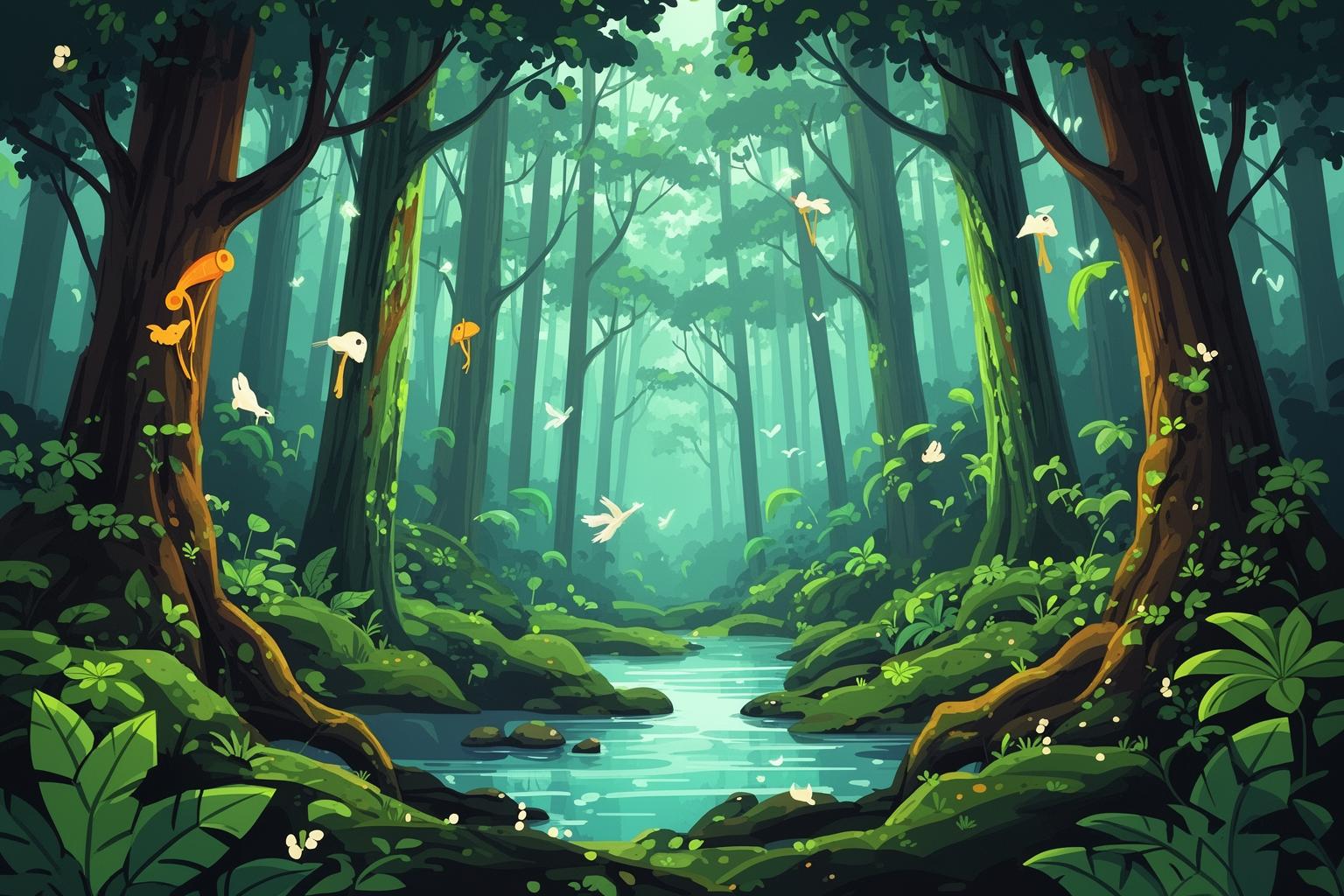
Far to the south of Japan, where the East China Sea converges with the Pacific Ocean, lies an island shrouded in mist and mystery: Yakushima. This subtropical paradise, designated as a UNESCO World Heritage site, is a realm of breathtaking natural beauty, where ancient cedar trees, known as ‘yakusugi,’ have stood guard for millennia. The moment you step off the ferry or plane and inhale the incredibly fresh, humid air, you immediately feel that you have arrived somewhere primal—a place where nature rules supreme. This is the very landscape that inspired the vast, sacred forests of Princess Mononoke.
Echoes of Princess Mononoke
The connection is immediate and unmistakable. The film’s visual style is a tribute to Yakushima’s ecosystem. The twisted roots of colossal trees, cloaked in countless shades of green moss, the crystal-clear streams cutting through the granite bedrock, and the soft, diffuse light filtering through the dense canopy—it’s all here. The ambiance is one of deep silence, broken only by the drip of water from fern leaves and the calls of unseen birds. It’s easy to picture the little white kodama, the tree spirits from the film, shaking their heads behind a moss-covered rock, or to sense the presence of the great Forest Spirit itself within the serene majesty of the ancient woods. This is not just a setting; it is the very heart of the film, a character unto itself, conveying a powerful message about the fragile balance between humanity and nature.
Trekking Through the Shiratani Unsuikyo Ravine
The most accessible and iconic way to experience this Ghibli-inspired world is by hiking through the Shiratani Unsuikyo Ravine. The trails are well-kept, ranging from short, easy walks to more demanding full-day hikes. The most famous route takes you through the area affectionately called the ‘Moss Forest’ or ‘Mononoke Hime no Mori.’ As you stroll along wooden boardwalks, you become fully immersed in a world of green. Moss blankets everything—rocks, fallen logs, and tree trunks—in a thick, velvety carpet. The air is cool and moist, filled with the earthy scent of decay and renewal. The trees themselves seem alive, with twisted branches that stretch out like ancient, wizened arms. Deeper along the path, you cross clear mountain streams over charming wooden bridges and walk along trails formed by tangled roots. It’s a humbling and profoundly spiritual experience, reminding you of your smallness before nature’s vast and enduring power.
Practical Magic: Visiting the Island
Reaching Yakushima demands some planning. The most common routes are by high-speed ferry from Kagoshima on mainland Kyushu, or via a short flight from Kagoshima, Fukuoka, or Osaka. The ideal times to visit are spring (March to May) and autumn (October to November), when the weather is mild and the foliage vibrant. Summer brings heavy rainfall—the locals say it rains “35 days a month”—which, while fostering lush growth, can make hiking difficult. Regardless of the season, waterproof gear is essential. Durable hiking boots, a quality rain jacket, and waterproof pants are must-haves. For a truly immersive experience in the forest’s ecology and folklore, consider hiring a local guide. They can highlight unique flora and fauna, share island legends, and lead you along less-traveled trails, greatly enriching your adventure.
Bathhouses of the Gods: The Spirited World of Onsen
Water holds immense purifying power in Japanese culture, a fact most clearly reflected in the tradition of the onsen, or natural hot spring. It embodies a ritual of cleansing, healing, and community. In Spirited Away, the Aburaya bathhouse stands as the grand, chaotic, and magnificent focal point of the spirit world. This fantastical establishment, serving gods and spirits alike, did not emerge from imagination alone. Its design lineage can be traced to several historic bathhouses across Japan, places where visitors still go to soak away their worldly cares.
Dogo Onsen Honkan: A Majestic Reception for Spirits
The most renowned inspiration is the Dogo Onsen Honkan in Matsuyama, Ehime Prefecture. It ranks among Japan’s oldest and most revered hot springs. Approaching the main building, a majestic three-story wooden structure, you feel an instant sense of familiarity. The complex array of roofs, intricate latticework, sliding paper screens, and iconic red railings all find echoes in Yubaba’s bathhouse. At night, when warm light glows through the windows and steam rises from the rooftop heron statue, the resemblance is striking. One can almost hear the bustling frog attendants and smell the herbal infusions prepared for weary spirits. The atmosphere at Dogo Onsen is electric, blending tradition with festive charm. Visitors in light cotton yukata stroll through covered shopping arcades, their wooden geta sandals clicking on the pavement, creating a timeless soundtrack for this truly magical place.
Immersed in Tradition
A visit to Dogo Onsen Honkan is a journey into history. Though the building is undergoing extensive restoration, parts remain open to guests. Various bathing plans are available, with the simplest being the ‘Kami no Yu’ (Bath of the Gods). Inside, a maze of passages and stairways leads to bathing rooms adorned with beautiful stone and tiles. The alkaline mineral water feels soft on the skin and deeply soothing. After bathing, you can relax in a communal tatami room, sipping tea and enjoying local Dogo senbei rice crackers. For a quintessential Matsuyama experience, ride the ‘Botchan Train,’ a lovingly restored Meiji-era steam locomotive that chugs through city streets, adding nostalgic charm to your visit.
The Subtle Allure of Shima Onsen’s Sekizenkan
While Dogo Onsen inspired the grand scale, another crucial influence shaped Spirited Away’s iconic entrance: the Sekizenkan ryokan in Shima Onsen, Gunma Prefecture. Nestled in a quiet mountain valley, this historic inn is famous for its striking red bridge, gracefully arching over the river toward the main building. This bridge closely mirrors the one Chihiro crosses to enter the spirit world, holding her breath to avoid vanishing. The oldest section of Sekizenkan, a lovely wooden structure dating to the 17th century, also boasts a facade strongly reminiscent of Aburaya’s front. In contrast to the lively energy of Dogo, Shima Onsen offers a tranquil, secluded ambiance. It feels like a hidden realm where time slows, deepening the connection to the film’s mysterious world.
A Step Back in Time
Staying at Sekizenkan is like entering a historical drama. Guests can wander its atmospheric, dimly lit wooden corridors linking various buildings and soak in the ‘Roman-style’ bath, a beautiful, high-ceilinged hall with large arched windows preserved from the Taisho era (early 20th century). Shima Onsen’s waters are reputed to cure ‘40,000 ailments,’ making a long, restorative soak essential. Reaching Shima Onsen requires a bit of travel—typically a Shinkansen ride from Tokyo followed by a local train and bus—but this remoteness enhances its charm. It allows visitors to shed the modern world’s stresses and fully embrace the timeless healing power of a traditional Japanese onsen experience.
Finding Totoro in the Sayama Hills

For many, My Neighbor Totoro embodies the very heart of Studio Ghibli. It’s a tender, sunlit tale about childhood wonder, family love, and the subtle magic just beyond our everyday perception. The film’s setting—a mosaic of lush forests, rice paddies, and old farmhouses—is as integral to the story as Totoro himself. This idyllic scenery is inspired by a real location: the Sayama Hills, a greenbelt stretching across the Tokyo-Saitama border, fondly called ‘Totoro no Mori,’ or Totoro’s Forest.
A Patch of Childhood Nostalgia
The Sayama Hills exemplify a classic Japanese landscape known as ‘satoyama.’ This is not pristine wilderness, but a carefully managed environment where people have coexisted with nature for generations, tending woodlands, farms, and wetlands. This gentle human presence gives the area its nostalgic and comforting atmosphere. Strolling through the hills, you encounter winding dirt paths, sunlit bamboo groves, small vegetable gardens, and reservoirs shimmering in the light. It’s exactly the kind of setting where sisters like Satsuki and Mei would embark on endless adventures—searching for acorns, uncovering hidden shrines, and waiting for their father at a rain-soaked bus stop. The forest hums with summer insects and rustles with autumn leaves, a sensory experience that immerses you in the film’s gentle world.
Walking with Totoro: The Kurosuke House
For an authentic dose of Totoro magic, visiting the ‘Kurosuke no Ie’ (House of Black Soot Sprites) is a must. This carefully preserved 100-year-old traditional house is maintained by the Totoro no Furusato Foundation, a conservation group supported by Miyazaki himself. Stepping inside feels like entering Satsuki and Mei’s new home. The dark wooden beams and tatami rooms are filled with Totoro memorabilia and natural exhibits. The main highlight is a large, life-sized Totoro figure patiently waiting in one of the rooms, inviting hugs and photos. It’s a pure, joyful experience that charms visitors of all ages. The volunteers who manage the house are warm and welcoming, eager to share their passion for the forest and the beloved film.
Exploring the Trails and Greenways
The best way to experience Totoro’s Forest is by wandering at your own pace. The foundation offers maps of walking trails that lead through the most picturesque parts of the hills. You can follow paths around Sayama and Tama Lakes, explore various numbered forest trusts, and find quiet spots to sit and listen to nature’s sounds. The landscape transforms beautifully with the seasons. Spring brings delicate cherry blossoms and fresh greenery. Summer bursts with rich greens and vibrant life. Autumn sets the forest ablaze with red and gold maples, and even winter’s stark beauty offers its own serene charm. Reaching the Sayama Hills from central Tokyo is surprisingly easy, involving a train ride on the Seibu Line to Seibukyujo-mae Station, making it an ideal day trip to escape the city and reconnect with a simpler, more magical world.
Glimpses of Ghibli in Everyday Japan
Beyond the well-known major inspirations, the spirit of Ghibli can be discovered in the details of many other charming locations throughout Japan. While these places may not be official sources of inspiration, they share the same aesthetic and ambiance, offering delightful reflections of the films in unexpected corners of the country.
The Cobblestone Alleys of Tomonoura
The picturesque port town of Tomonoura, situated in Hiroshima Prefecture, is widely regarded as the inspiration for the seaside village in Ponyo. Strolling through its narrow, winding streets, lined with traditional wooden buildings topped with tiled roofs, it’s easy to see why. The town retains a beautifully preserved Edo-period atmosphere. The iconic Joyato stone lighthouse watches over the harbor, where small fishing boats gently bob in the calm waters of the Seto Inland Sea. Life here moves at a slow, unhurried pace. You can observe fishermen mending their nets, browse quaint shops offering local delicacies, and feel the gentle sea breeze on your face. This peaceful, close-knit community vibe is precisely what makes Sosuke’s town in Ponyo feel so warm and inviting.
A Taste of the Seaside
To fully immerse yourself in the Tomonoura atmosphere, take a walk up to Fukuzenji Temple. From its tatami-mat reception hall, you are rewarded with a breathtaking panoramic view of the harbor and the nearby islands of Bentenjima and Sensuijima—a vista so stunning it was once praised by a Korean envoy as the most scenic in Japan. Sampling the local cuisine is also a must. The town is renowned for its sea bream (‘tai’) and a medicinal liquor called ‘homeishu.’ Finding a small, family-run restaurant to enjoy fresh seafood while gazing out at the water is a simple and perfect pleasure that feels like something straight from a Ghibli film.
Shiro-hige’s Cream Puff Factory: A Sweet Detour
Sometimes, the Ghibli experience can be deliciously literal. Nestled in the quiet residential neighborhood of Setagaya in Tokyo is Shiro-hige’s Cream Puff Factory, the only bakery in the world officially licensed by Studio Ghibli. This is not an inspiration, but rather a charming homage. The cafe is small and incredibly inviting, but the main attraction is the display of adorable Totoro-shaped cream puffs. Each is a tiny masterpiece, complete with leafy hats or cherry blossom decorations that hint at their flavor. Classic custard and chocolate creams are available year-round, while seasonal specials like strawberry, peach, or chestnut appear regularly. Taking a bite almost feels wrong, but the light, airy choux pastry combined with rich, flavorful cream makes it worthwhile. It’s a whimsical and delicious pilgrimage spot that perfectly embodies the playful spirit of Ghibli.
Beyond the Screen: The Ghibli Museum and Park
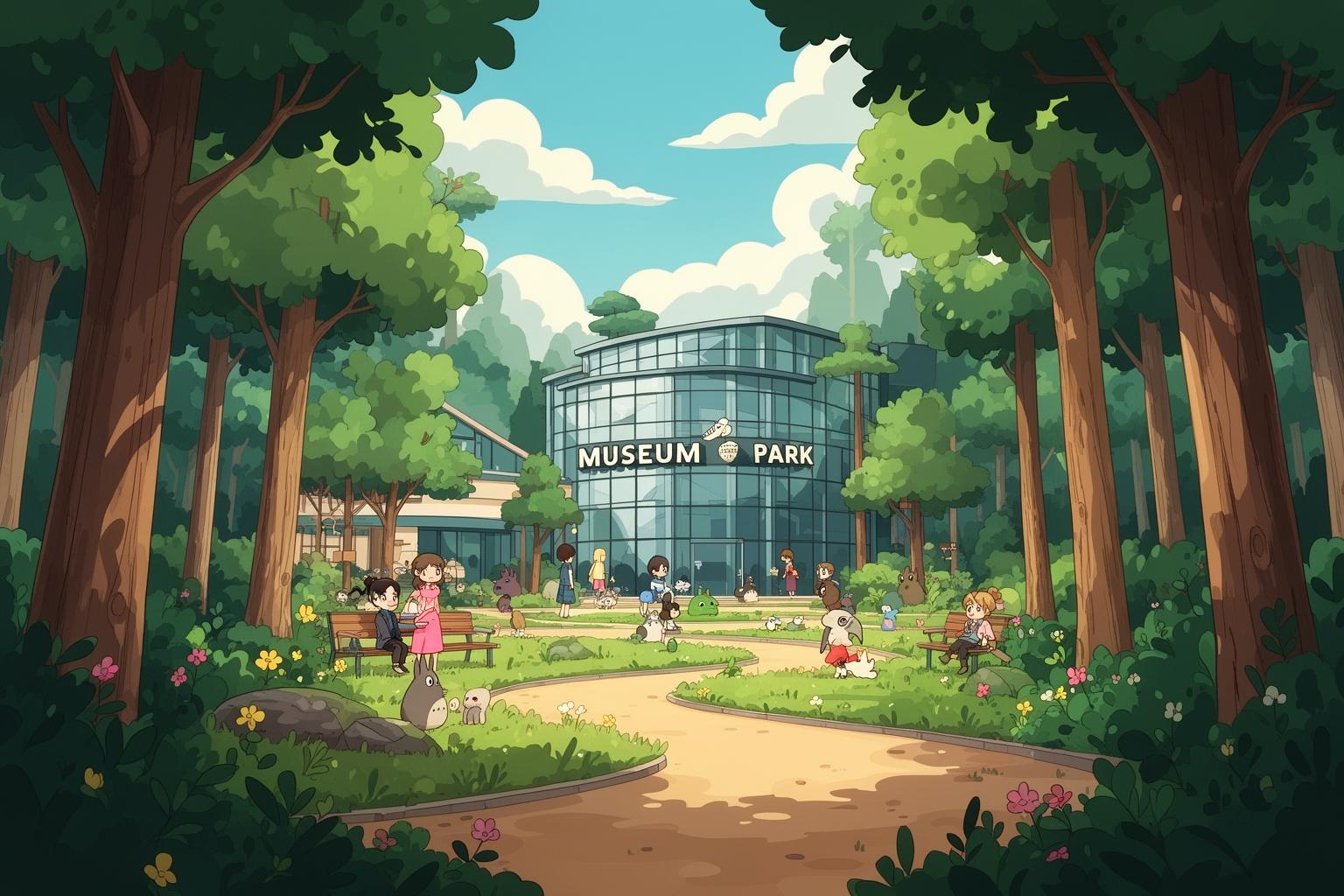
While searching for real-world inspirations is a magical journey, no Ghibli pilgrimage is truly complete without visiting the official sites created by the studio itself. These locations are where the magic is carefully crafted and concentrated, providing a direct glimpse into the creators’ minds.
Mitaka’s Gem: The Ghibli Museum
Situated in the leafy suburb of Mitaka in western Tokyo, the Ghibli Museum is more than just a museum; it’s an immersive experience. Designed by Miyazaki, the building is a whimsical, ivy-covered marvel featuring winding staircases, hidden doorways, stained-glass windows depicting film characters, and a rooftop garden guarded by a giant robot soldier from Castle in the Sky. The museum’s motto, “Let’s get lost together,” invites visitors to explore with childlike curiosity. There are no fixed routes, and photography is strictly prohibited inside, encouraging guests to be fully present and take in everything firsthand. Visitors can enjoy permanent exhibits on the history and science of animation, admire stunning original concept art, and watch an exclusive short animated film—available nowhere else in the world—in the intimate Saturn Theater.
Securing Your Golden Ticket
Visiting the Ghibli Museum requires careful advance planning. Tickets are not sold at the entrance and are in exceptionally high demand. For international visitors, tickets go on sale online via the Lawson Ticket website on the 10th of each month for the following month. They sell out within minutes, so preparation and persistence are essential. The process can be stressful, but the reward is entry to one of the most unique and enchanting museums worldwide. It’s a place designed not only to showcase art but to ignite your own imagination.
A New Chapter: Ghibli Park in Aichi
The latest addition to the Ghibli world is Ghibli Park, located within the Expo 2005 Aichi Commemorative Park near Nagoya. Unlike a typical amusement park with rides and roller coasters, Ghibli Park is crafted to immerse visitors in the films’ worlds while respecting the natural surroundings. It is a place for leisurely walks, exploration, and quiet reflection. The park is being developed in phases and divided into distinct areas, each with its own theme and separate ticketing system.
Discovering the Five Realms
Currently open areas include Ghibli’s Grand Warehouse, an indoor marvel filled with exhibits, playgrounds, and recreations of iconic scenes like Yubaba’s office and the sky garden from Laputa. The Hill of Youth features the World Emporium antique shop from Whisper of the Heart, while Dondoko Forest houses a replica of Satsuki and Mei’s house from My Neighbor Totoro, complete with a large wooden Totoro play structure for children. The recently launched Mononoke Village and Valley of Witches (inspired by Kiki’s Delivery Service and Howl’s Moving Castle) further enrich the experience. Planning a visit requires careful attention to the official website, as tickets for each area are sold separately through a lottery system, often months ahead. It’s a new and evolving destination that offers a broader, immersive way to enter the Ghibli universe.
A Traveler’s Guide to a Ghibli Pilgrimage
Setting out to discover Ghibli’s magic in the real world is an adventure in itself. With locations spread throughout the country, a bit of thoughtful planning can help you get the most out of your trip.
Designing Your Itinerary
Try grouping your destinations by region. For a trip centered on Tokyo and its surroundings, you can easily combine visits to the Ghibli Museum in Mitaka, Shiro-hige’s Cream Puff Factory in Setagaya, and a day trip to the Sayama Hills. You might even extend your trip with an overnight stay at Shima Onsen in Gunma. A journey through western Japan could include exploring the picturesque port of Tomonoura in Hiroshima, followed by a visit to Matsuyama on Shikoku island to experience the majestic Dogo Onsen. Yakushima requires a dedicated trip of at least three to four days and fits best into a broader itinerary exploring Kyushu, Japan’s southern island. Whatever your plan, allow for leisurely travel. The Ghibli spirit is discovered in slow moments, not in rushing from one item on a checklist to the next.
Embracing the Ghibli Spirit
This pilgrimage is about more than sightseeing. It’s about embracing the Ghibli mindset. Observe the small details celebrated in the films. Notice how light filters through forest leaves. Enjoy a simple meal made with local ingredients. Listen to the sound of a distant train or a bubbling brook. Take time to appreciate traditional craftsmanship in an old building. Themes of community, hard work, kindness, and profound respect for nature are deeply woven into Japanese culture. By immersing yourself in these elements, you’ll realize that Ghibli’s magic isn’t limited to certain places—it’s everywhere.
A Reminder for Respectful Travel
It’s important to remember these are not movie sets; they are living places. The Sayama Hills are a valuable ecosystem cared for by conservationists. Dogo Onsen and Shima Onsen are historic establishments integral to their local communities. Tomonoura is a working fishing town where people live and work. When you visit, be a considerate traveler. Stay on marked trails, dispose of trash responsibly, keep noise to a minimum, and support local businesses. Visiting with gratitude and respect lets you become part of the story, helping preserve the very magic you came to seek.
Your Ghibli journey awaits. It is a path through misty forests, steaming bathhouses, and tranquil country roads. It invites you to slow down, look more closely, and rediscover the sense of wonder these timeless films inspire in all of us. The worlds Hayao Miyazaki and Studio Ghibli created aren’t just fantasies; they reflect the profound beauty already present in our world, waiting for open hearts to come and find it.