There are places on this earth that feel unstuck from time, where the air hums with an energy so ancient it feels alien to modern lungs. These are landscapes that don’t just exist; they breathe, they watch, they remember. Yakushima is one of those places. Tucked away off the southern coast of Kyushu, this small, round island is a bastion of primeval nature, a UNESCO World Heritage site where rain is a constant companion and the forests are cloaked in a thousand shades of impossible green. For hikers and nature lovers, it is a legend. But for a generation raised on the breathtaking animation of Studio Ghibli, Yakushima holds an even deeper significance. This is the living, breathing soul of Hayao Miyazaki’s masterpiece, Princess Mononoke. It’s the physical embodiment of the untamed, spiritual wilderness that San, the wolf princess, fought to protect. To walk here is not just to hike; it is to step through the screen and into a world where Forest Spirits might still wander among the moss-covered stones and ancient cedar trees, known as yakusugi. It’s a journey into a story, an ecosystem, and a profound sense of wonder that stays with you long after you’ve left its shores.
For those drawn to nature’s enduring enchantment, exploring this Tokyo pilgrimage offers another route into Japan’s cinematic landscapes.
The Living Inspiration for a Ghibli Masterpiece
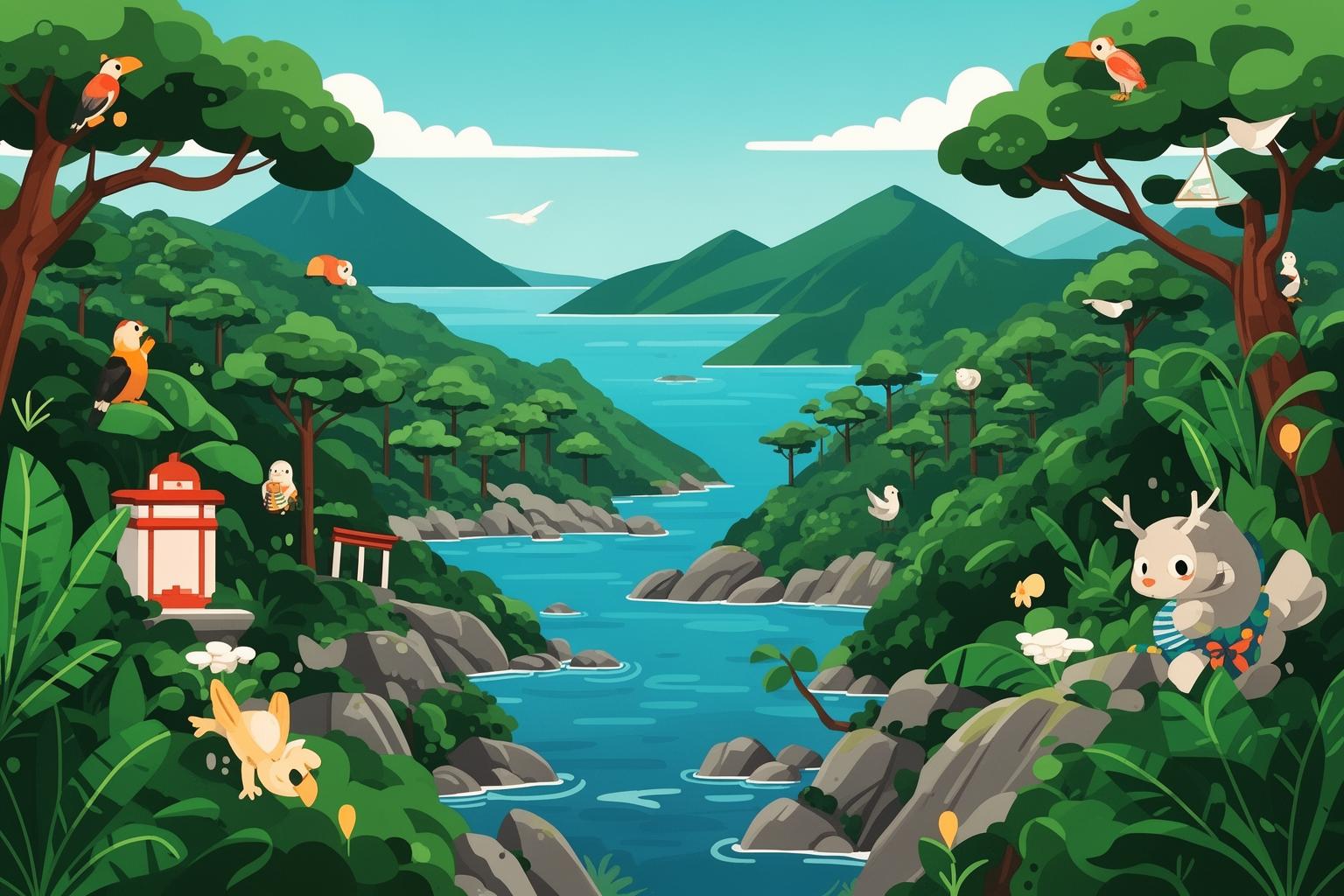
The link between Yakushima and Princess Mononoke is far from a subtle marketing ploy; it is a fundamental truth that infuses the island’s most renowned trails. Miyazaki and his team devoted significant time here, absorbing the atmosphere, sketching the twisted roots and lush moss, and translating the island’s spiritual essence into the cinematic world of Irontown and the Great Forest Spirit. The outcome is an uncanny feeling of déjà vu for anyone familiar with the film. As you turn a corner on the trail, you find yourself immersed in a scene you’ve known for years—a landscape that feels both magical and palpably real.
Shiratani Unsuikyo: Walking Through the Moss Forest
This sensation is strongest in Shiratani Unsuikyo, the Ravine of the White Valley Cloud and Water. This protected forest is unquestionably the highlight for Ghibli enthusiasts. It is, quite literally, the Moss Forest (Kokemusu-no-mori) from the movie. The moment you step onto the trail, the environment transforms. The air cools and thickens with moisture. The only sounds are the steady drip of water from leaves to moss and the rush of hidden streams carving paths through granite bedrock. Everything—and truly everything—is blanketed in a dense, velvety moss covering. It clings to ancient trunks, drapes fallen logs, and envelops boulders, creating a soft, hushed, overwhelmingly green realm.
Walking here feels like venturing into an underwater kingdom. Light filters through the thick canopy in ethereal beams, spotlighting patches of the forest floor like divine rays. The trees appear as living characters. Their roots, twisted and exposed, grip the rocky ground, intertwining in a dance centuries in the making. You can choose from multiple trails here, from a simple one-hour loop to a more challenging four-hour hike that leads deeper into the ravine’s core. For the complete Mononoke experience, the path to the Moss Forest viewpoint is a must. It’s surreal to stand in the very place that inspired such iconic animation, to witness the living landscape Miyazaki lovingly brought to life. You almost expect to see San’s white wolves peering out from behind a moss-covered boulder.
The Presence of the Kodama
In the film, the kodama—small, white spirits with rattling heads—symbolize a healthy, thriving forest. Although you won’t literally see them in Shiratani Unsuikyo, their presence is palpable. The forest’s silence is not emptiness; it is alert and alive. You move quietly, speak softly—not because of any explicit rule, but from a deep respect for the sanctity of the place. This environment invites close observation. You notice fragile ferns unfurling from a decaying log, the startling clarity of stream water, and the way mist clings to the upper branches. It is in these tranquil moments of connection that the spirit of the forest, the spirit of the kodama, reveals itself. Many visitors leave small, fan-made kodama figures resting on logs and rocks, a tribute to the lasting power of the film’s mythology and its seamless union with the reality of this forest.
Beyond the Anime: The Ancient Heart of Yakushima
While Princess Mononoke serves as the entry point for many visitors, the island’s true enchantment extends far beyond its cinematic renown. Yakushima is a refuge for some of the oldest living trees on Earth. The yakusugi, cedar trees aged over a thousand years, are the silent, steadfast monarchs of this island. They have endured centuries of typhoons, landslides, and human history, their immense presence a testament to a timescale that dwarfs our own. Making a pilgrimage to see them is to connect with a profound sense of permanence.
Jomon Sugi: A Pilgrimage to the Elder Cedar
The unquestioned ruler of Yakushima’s forest is Jomon Sugi. Its age remains debated, with estimates ranging from a conservative 2,170 years to an astonishing 7,200 years. Regardless of the exact figure, it ranks among the oldest trees in the world. Reaching it is no casual stroll; it demands a serious, full-day commitment. The most popular route, the Okabu Trail, is about a 22-kilometer round trip, taking the average hiker between nine and eleven hours to complete. The journey itself is a rite of passage.
Your day starts in the pre-dawn darkness. You board a mandatory shuttle bus to the Arakawa Trailhead, your headlamp lighting the way. The first few hours are spent walking alongside the Anbo Forest Railway, a narrow-gauge logging track now serving as a gentle, mostly flat introduction to the hike. The steel rails and wooden sleepers carve a surreal path through the thick forest, remnants of a time when these woods were exploited, not cherished. Once the tracks end, the real climb begins. The trail transforms into a demanding ascent of steep wooden staircases and rugged paths, guiding you deeper into the mountains. Along the way, you encounter other majestic yakusugi, including Wilson’s Stump—the massive, hollowed remains of a cedar cut down centuries ago. From inside, you can gaze up at the sky through a heart-shaped opening, a hauntingly beautiful monument to a fallen giant.
The final approach to Jomon Sugi is charged with anticipation. Upon arriving at the viewing deck—constructed to protect the tree’s fragile roots—the sheer scale is awe-inspiring. Jomon Sugi is not conventionally beautiful or symmetrical. It is gnarled, weathered, and hollowed, its trunk a complex mass of bark and burls telling the story of millennia of endurance. Standing in its presence is a profoundly moving experience. It connects you to deep time, making you feel simultaneously insignificant and part of something immensely vast and enduring. It truly is the Forest Spirit of Yakushima.
Island of Water, Island of Life
The island’s lushness springs from water. A local saying claims it rains “35 days a month” in Yakushima, a playful exaggeration that captures an essential truth. The island receives some of the highest rainfall on Earth. This constant abundance of water is the lifeblood of its unique ecosystem. It nourishes the moss, sustains the ancient cedars, and tumbles down the mountains in spectacular waterfalls.
Exploring the island’s waterfalls offers a rewarding and far more accessible adventure than the Jomon Sugi trek. On the island’s south side, Oko-no-taki Falls is among Japan’s most impressive—a powerful 88-meter cascade you can approach closely, feeling the refreshing spray on your face. Nearby, Senpiro-no-taki Falls provides a contrasting experience, a thunderous torrent crashing down a vast granite monolith, best admired from afar to fully appreciate its raw power and scale. These waterfalls are not merely scenic vistas; they are manifestations of the island’s elemental force, a constant reminder that here, nature rules supreme.
Planning Your Expedition to the Enchanted Isle
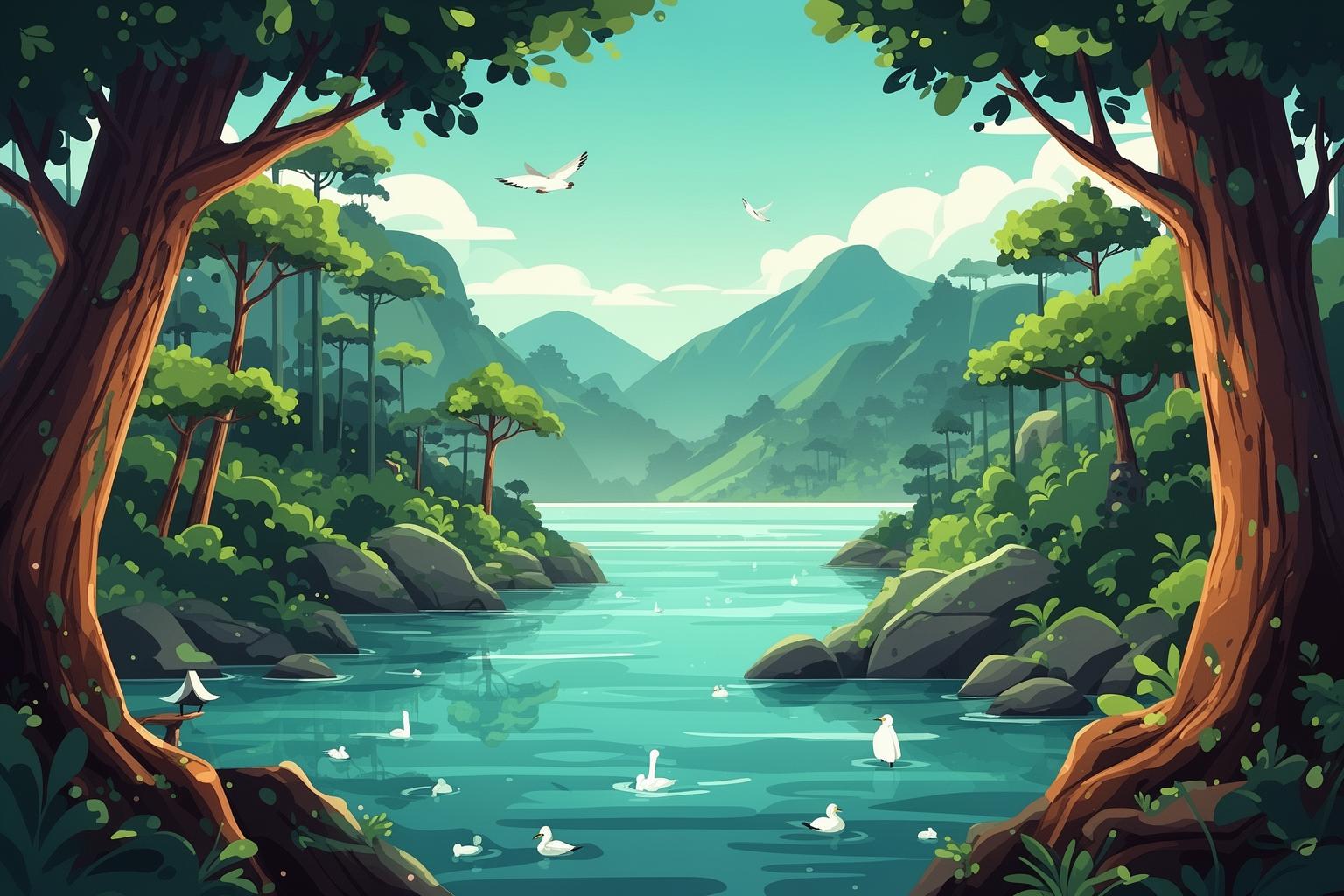
Visiting Yakushima demands a bit more preparation than traveling to a major Japanese city, but the reward is well worth the effort. The journey itself feels like a genuine escape from daily life, a transition into a world of nature and legend.
Getting There is Part of the Adventure
Yakushima is most easily reached from Kagoshima, the southernmost major city on Japan’s main island, Kyushu. From there, you have several options. The quickest and most popular choice is the high-speed hydrofoil ferry, commonly known as the “Toppy” or “Rocket.” This trip takes about two to three hours and offers an exhilarating ride across the water, arriving at either Miyanoura or Anbo, the island’s two main ports. For those on a tighter budget or traveling with a vehicle, the slower car ferry is a more relaxed four-hour journey. Alternatively, you can fly. Yakushima has a small airport with several daily flights from Kagoshima, as well as direct flights from Fukuoka and Osaka, making it surprisingly accessible for such a remote-seeming location.
Navigating the Island: Wheels are Your Best Friend
Once you get there, you’ll quickly discover that Yakushima is bigger than it looks. Although there is a public bus system, service can be infrequent and routes might not align well with the demanding schedules of serious hikers. For instance, catching the first pre-dawn bus to the Jomon Sugi trailhead can be difficult. To fully unlock the island’s potential and explore at your own pace, renting a car is nearly essential. It offers the freedom to drive along the stunning coastal road, visit various trailheads, chase waterfalls, and stop at a small seaside café whenever you want. Rental agencies are located near the ports and the airport, but booking your vehicle well in advance is crucial, especially during peak seasons, as availability is limited.
A Note on Timing Your Visit
Yakushima’s climate plays a significant role in shaping your experience, so the season you choose matters. Spring, from March through May, is often considered the best time to visit. Temperatures are comfortable, the mountain cherry blossoms are blooming, and the forests are alive with fresh growth. Autumn, from late October to early December, is another excellent choice, offering cooler, crisper air, stable weather, and clearer skies. Summer, from June to August, is the height of tourist season but brings intense heat, humidity, and the highest risk of typhoons, which can disrupt ferry and flight schedules. The rainy season, or tsuyu, typically occurs in June. Winter can be magical, with snow dusting the high peaks and fewer tourists, but it requires appropriate winter hiking gear and experience for tackling mountain trails.
Living and Breathing the Yakushima Spirit
Your experience on the island goes beyond the trails; it’s about immersing yourself in its distinctive rhythm of life. It involves the food that rejuvenates you, the places where you find rest, and the mindset you embrace as a guest in this powerful landscape.
Where to Rest Your Weary Legs
Accommodation on Yakushima varies from modern hotels to charming, family-run guesthouses called minshuku. The main hubs, Miyanoura and Anbo, offer the greatest variety and convenient access to ports and restaurants. Staying in a minshuku provides a wonderful opportunity to enjoy local hospitality. Hosts often have extensive knowledge about the island, sharing valuable tips on trail conditions and hidden spots. Additionally, they frequently serve delicious, home-cooked meals made with local ingredients—an ideal reward after a long day of hiking. Whatever your choice, booking well in advance is essential. This is a popular destination, and the best accommodations fill up months ahead.
The Flavors of the Forest and Sea
Yakushima’s cuisine is a true reflection of its surroundings. The island is renowned for its tobiuo, or flying fish, often served fried to a perfect crisp, fins included. It appears on menus everywhere and is a must-try. Thanks to its varied climate zones, the island also produces a range of unique agricultural products. The sweet and juicy Tankan orange is a local specialty, found in everything from juices to desserts. To complete your experience, sample the local shochu, especially Mitake, a smooth sweet-potato-based spirit that offers a perfect way to relax and toast to a day’s adventure.
The Rules of the Forest: A Gentle Reminder
Visiting a pristine and ecologically sensitive place like Yakushima carries a responsibility. The principles of Leave No Trace here are more than recommendations; they are essential practices. This means carrying out everything you bring in, including all trash. The trails, particularly the long route to Jomon Sugi, have very limited facilities. Hikers are strongly advised to bring a portable toilet pack, available at shops on the island. Staying on designated trails and wooden boardwalks is vital to protect the delicate moss and shallow root systems of the ancient trees. Yakushima’s beauty lies in its untouched condition. As visitors, our role is to be mindful stewards, preserving its magic for generations of hikers and dreamers to come.
A Final Word from the Trail
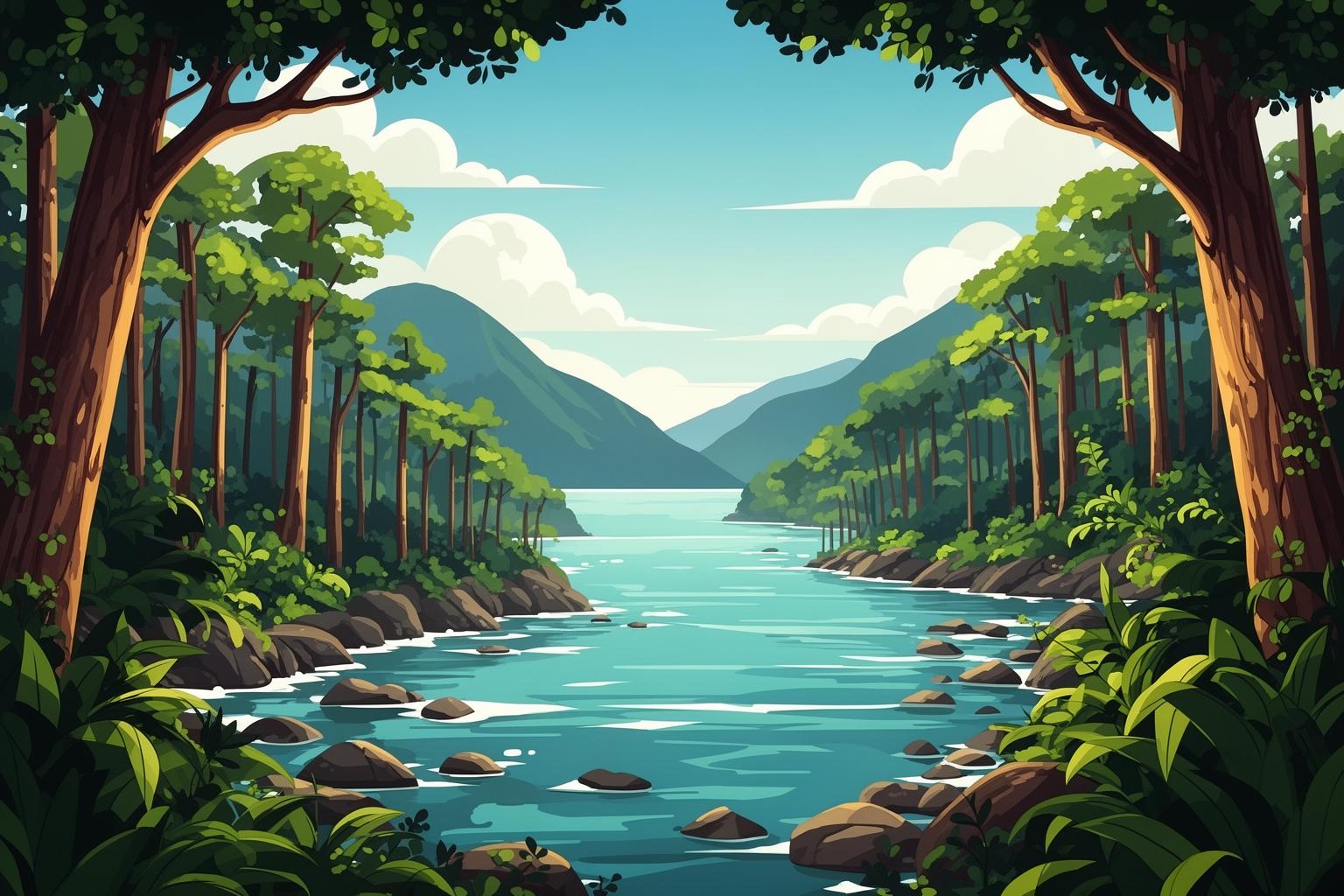
Leaving Yakushima feels like emerging from a vivid dream. The richness of the green, the constant presence of water, and the immense size of the ancient trees all shift your perception of the natural world. This island is far more than just a filming location. It is a living, powerful entity that demands respect and evokes awe. You arrive seeking the forest of Princess Mononoke, a realm of fantasy and myth. You depart having discovered something far deeper: a genuine, tangible connection to the enduring strength of nature, a place where the gods of the forest still whisper through the breeze. It’s a pilgrimage every hiker, dreamer, and believer in the magic of the wild should undertake at least once. The trails will challenge your body, but the island’s spirit will renew your soul.