

There are moments when a story transcends the screen, when the animated world bleeds so perfectly into our own that the boundary between them dissolves into a shimmering haze. It’s a rare and beautiful magic, and no one wields it quite like filmmaker Makoto Shinkai. His 2016 masterpiece, Your Name (Kimi no Na wa), wasn’t just a movie; it was a global phenomenon that captured hearts with its stunning visuals, emotional depth, and a story of connection that defied time and space. For many of us, the film left an indelible mark, a longing to step into the sun-drenched streets of Taki’s Tokyo or the tranquil landscapes of Mitsuha’s Itomori. While Itomori is a beautifully imagined fiction, Taki’s world is breathtakingly real. His Tokyo is not a mere backdrop but a character in itself, and walking its streets is like tracing the lines of a memory you didn’t know you had. This is the heart of seichi junrei, or anime pilgrimage—the beautiful act of visiting the real-world locations that inspired our favorite stories. It’s a journey to find the tangible pieces of a fictional world, to stand where the characters stood, and to feel the story resonate in a new, profound way. This guide is your invitation to do just that. We’ll wander through the heart of Tokyo, from its pulsing, neon-lit centers to its quiet, hidden corners, discovering the iconic spots where Taki and Mitsuha’s intertwined destinies played out. Prepare to see the city not just as a tourist, but as a pilgrim, chasing the ghost of a falling comet and the echo of a forgotten name.
Delve deeper into Tokyo’s cinematic tapestry by exploring this in-depth guide to real-life ‘Your Name’ locations that reveals both iconic landmarks and secret corners of the city.
The Heart of the Pilgrimage: Yotsuya and the Red Staircase
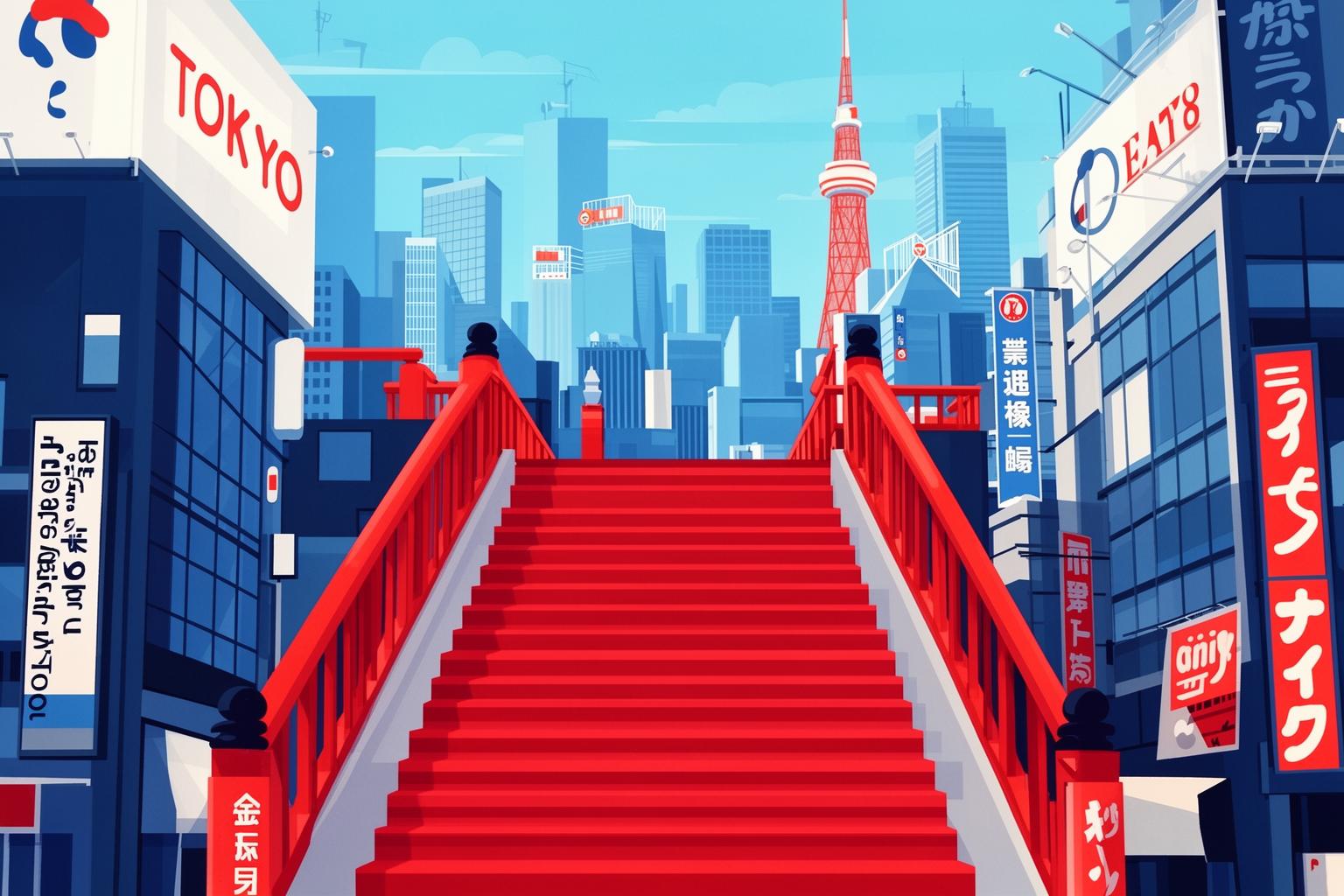
Our journey does not start in the bustling core of Shinjuku, but rather in the surprisingly tranquil neighborhood of Yotsuya. Here lies the emotional heart of the entire pilgrimage, the iconic image etched into the memory of every Your Name fan: the red-railed staircase of Suga Shrine. Arriving here marks a transition in itself. Disembarking at Yotsuya Station, served by the JR Chuo and Sobu lines along with the Tokyo Metro Marunouchi and Namboku lines, you leave behind the city’s frantic rhythm. The streets grow narrower, lined with small shops, apartment buildings, and a quiet, everyday atmosphere. The walk to the shrine becomes part of the journey, a slow unwinding that builds a soft hum of anticipation. You’ll navigate through a residential maze, and just when you feel you might be lost, you turn a corner and there it is. Your heart skips a beat. It’s undeniably breathtakingly real.
Discovering the Iconic Poster Scene
In person, the stairs are more modest than their grand cinematic depiction, yet their impact is profound. This location serves as the climax of the film and its hopeful, heart-stopping finale. It’s where two souls, separated by cosmic forces, finally reunite. The air here feels different, imbued with a quiet reverence. You’re almost certainly not alone; fellow pilgrims from across the globe often gather here, cameras ready, each seeking their own connection to the story. An unspoken camaraderie exists among them. A polite nod, a shared smile, the patient wait for the perfect shot—this community is united by a shared love of the tale. The staircase itself is divided, with one side rising to the main grounds of Suga Shrine. As you climb, the familiar frame from the movie poster begins to reveal itself. The curve of the railing, the incline of the street below, the buildings peeking through—it all fits together like a puzzle.
The View from Above
Reaching the top and turning back is a defining moment. You stand where Taki stood, gazing down at the spot where Mitsuha paused. The view is remarkably precise. You see the exact arrangement of apartment buildings and the solitary slender skyscraper in the distance that Shinkai and his team meticulously recreated. It’s a surreal sensation, a cinematic déjà vu that sends chills down your spine. The atmosphere is a delicate blend of sacred and cinematic. The steps form part of the path to Suga Shrine, a functioning Shinto shrine with its own history and local community. Residents pass by on their everyday errands, reminding you that this iconic spot is also part of someone’s neighborhood. This duality makes the experience so special. It anchors the fantastical story in tangible, everyday reality. Taking a moment to simply stand, to absorb the quiet street’s sounds and feel the city air, matters more than just snapping a photo. It’s about sensing the emotional depth of that final, beautiful scene.
Tips for Visiting Suga Shrine
Timing is essential to capture the magic best. Early weekday mornings provide the softest, most beautiful light and fewer visitors. The golden hour just before sunset is also stunning, casting long shadows and bathing the scene in a warm glow reminiscent of the film’s tasogare-doki (twilight) moments. Keep in mind this is a place of worship and a residential area. Be respectful and considerate. Lower your voice, avoid obstructing the stairs for locals, and if you visit the shrine itself, observe proper etiquette. A small bow upon passing through the torii gate is a simple sign of respect. The shrine grounds are peaceful and well worth a short visit to appreciate the traditional architecture and tranquil ambiance before continuing your pilgrimage. This isn’t merely a photo opportunity; it’s an invitation to experience a slice of authentic Tokyo life, woven together with the threads of a beloved story.
Shinjuku’s Cinematic Crossroads
From the quiet reverence of Yotsuya, we dive into the vibrant, chaotic, and endlessly captivating world of Shinjuku. This is Taki’s domain, the expansive urban landscape that shaped his daily life. Shinjuku Station is more than a transit hub; it’s a living, breathing organism—a dizzying intersection of train lines, department stores, and a constant flow of people. Known as the busiest train station in the world, stepping into its currents offers an experience all its own. The film skillfully conveys this overwhelming scale and the sensation of being one anonymous face in an immense crowd. Locating the exact spots from the movie here can be an enjoyable challenge. Look for the large, circular concourse and the sweeping views of the station’s South Exit. Shinkai uses these vast public spaces to emphasize Taki’s loneliness and his longing for a connection just beyond reach—a feeling that becomes tangible when standing amidst the organized chaos.
The Scramble and the Cityscape
Stepping out of the station, you are greeted by the iconic Shinjuku skyline. The pedestrian bridges that span the busy roads are key settings. Taki is frequently depicted on these overpasses, phone in hand, framed by towering buildings and endless streams of traffic. One of the most recognizable is the bridge near the Shinjuku Police Station, which offers a classic view of the cocoon-shaped Mode Gakuen Cocoon Tower. These bridges act as the city’s observation decks, spots to pause and observe the relentless urban energy below. The atmosphere pulses with pure metropolitan dynamism: the hum of traffic, the chime of pedestrian signals, the murmur of the crowds, and the glow of countless signs weaving together a sensory tapestry quintessentially Tokyo. It’s here that the contrast with Mitsuha’s serene, traditional life in Itomori becomes most palpable, heightening the drama and depth of their body-swapping experiences.
The NTT Docomo Yoyogi Building View
A recurring visual motif throughout the film is the distant, elegant spire of the NTT Docomo Yoyogi Building. Its clock tower, reminiscent of the Empire State Building, stands as a constant landmark in Taki’s Tokyo. While visible from many locations, one of the best vantage points is the pedestrian bridge near Shinanomachi Station, another important spot we’ll discuss later. It also features prominently in views from Shinjuku Gyoen National Garden, a tranquil oasis amid the concrete jungle. This tower serves as a silent witness in the story—a fixed point in a world of shifting perspectives and fading memories. Seeking out these views deepens your understanding of the film’s visual language and the remarkable attention to detail in its background art. It’s a tribute to the way a real city was lovingly transformed into an animated masterpiece, with every building and street corner telling part of the story.
Taki’s Part-Time Job: A Taste of Italy in Tokyo
After soaking in the bustle of Shinjuku, it’s time for a more relaxed and stylish stop. One of the film’s most charming locations is the upscale Italian restaurant where Taki works part-time, called ‘Il Giardino Delle Parole’ (a nod to Shinkai’s earlier film, The Garden of Words). The real-world inspiration for this stunning setting is Cafe La Bohème Shinjuku Gyoen. Discovering this spot feels like uncovering a secret retreat. Nestled on a street bordering Shinjuku Gyoen park, its elegant façade and warm glow offer a stark contrast to the station’s frenzy. The interior matches the film’s depiction perfectly. With high ceilings, dramatic chandeliers, luxurious decor, and huge floor-to-ceiling windows, it captures the sophisticated ambiance where Taki nervously pursued his crush on his coworker, Ms. Okudera. You can request a window table to fully immerse yourself, gazing out at the greenery just as the characters did. The atmosphere blends casual European elegance with lively conversation, maintaining a cozy intimacy. It’s the ideal spot to rest your feet, savor delicious pasta or pizza, and reflect on your journey so far. Be sure to reserve ahead, especially for dinner, as it’s a favorite among locals and anime pilgrims alike. Dining here is more than a meal; it’s an immersive experience—an opportunity to literally step inside a scene from the movie.
A Moment of Culture: The National Art Center, Roppongi
Our pilgrimage now takes a refined turn as we head to the sleek, modern district of Roppongi. This area is home to The National Art Center, Tokyo, a stunning architectural masterpiece that served as the backdrop for Taki and Ms. Okudera’s slightly awkward yet memorable date. Even if you’re not an art enthusiast, this building is a must-see. Designed by the renowned architect Kisho Kurokawa, its flowing glass facade is a work of art in itself. It’s a breathtaking structure that feels both organic and futuristic, perfectly embodying modern Tokyo. As you approach, the sheer scale and elegance of the building captivate you. The way light filters through the glass walls, creating shifting patterns of light and shadow, is mesmerizing. It’s a photographer’s dream and a place that invites quiet reflection.
The Date Spot with a Modern Edge
You’ll immediately recognize the interior from the film: the vast, open atrium, the clean lines, and the iconic inverted cones housing the center’s cafes and restaurants. Taki and Ms. Okudera enjoy lunch at the cafe perched atop one of these cones, the Salon de Thé ROND. Taking the elevator or escalator up to this cafe feels like ascending into the heart of the film. The cafe offers a unique panoramic view of the grand exhibition space below. Sitting here, perhaps with a coffee and a slice of their famous cake, you can easily imagine the conversation between the two characters. It’s a moment in the film that explores themes of aspiration, age, and the complexities of relationships, and being in the actual space adds a tangible layer of reality to those emotions. The atmosphere of the art center is one of calm and inspiration. The gentle murmur of visitors, the spacious halls, and the presence of world-class art create a serene and enriching environment. It’s a wonderful contrast to the energy of Shinjuku and an ideal spot to spend a peaceful afternoon.
More Than Just a Film Location
While the building itself is the main draw for Your Name fans, it would be a shame to visit without exploring its primary purpose. The National Art Center is one of Japan’s largest exhibition spaces, hosting a constantly changing roster of remarkable art exhibitions from around the world. Without a permanent collection, every visit offers something new. Be sure to check their official website before your visit to see what’s on display. You might discover a new favorite artist or an intriguing cultural exhibition. This adds another dimension to your pilgrimage, allowing the story to serve as a gateway to a broader cultural experience. Plan to spend at least a couple of hours here. Wander through the galleries, browse the excellent museum shop, and, of course, enjoy that iconic view from the cafe. It’s a location that beautifully blends the worlds of anime and fine art, showing how deeply intertwined these creative forms can be in modern Japan.
Weaving Your Own Narrative: A Deeper Dive into the City
Beyond the major, must-see landmarks, the magic of a Your Name pilgrimage is found in the smaller moments and the connections you create between them. The film is peppered with fleeting glimpses of Tokyo’s infrastructure—the trains, bridges, and crosswalks—that collectively paint a rich and authentic portrait of the city. Exploring these lesser-known spots can be equally rewarding, giving you the sense that you’ve uncovered a hidden layer of the story. These are the places where you truly feel the rhythm of Taki’s life—the daily commute and the quiet moments of reflection amid the urban sprawl.
The Pedestrian Bridge in Shinanomachi
One such spot is the pedestrian footbridge just outside Shinanomachi Station, one stop from Yotsuya on the JR Sobu Line. This location holds emotional weight as the place where Taki and Mitsuha (in Taki’s body) pass each other, unaware of the cosmic significance of their near encounter. Later, Taki returns to this bridge to try and call Mitsuha after the comet strike, a scene filled with desperate hope. Standing on this bridge, watching the green trains of the Sobu and Chuo lines glide beneath, captures a quintessential Shinkai experience. His films are renowned for their loving, almost reverential depiction of Japan’s railway system, and this spot perfectly embodies that. The NTT Docomo Yoyogi Building can be seen in the distance, framing the scene just as it does in the anime. It may be a simple, everyday location, but for fans of the film, it holds a powerful sense of longing and destiny.
Connecting the Dots: A Suggested Itinerary
To get the most out of your day, it helps to plan a logical route. A great way to structure your pilgrimage is to start your morning in Shinjuku. Immerse yourself in the energy of the station, discover the cinematic viewpoints, and then enjoy a delightful lunch at Cafe La Bohème Shinjuku Gyoen. Afterward, take a leisurely walk through the beautiful Shinjuku Gyoen park, a destination worth visiting on its own. From there, it’s a short train ride on the Marunouchi Line from Shinjuku-gyoemmae Station to Yotsuya. Spend the afternoon exploring the neighborhood and having your emotional moment at the Suga Shrine staircase. As the sun sets, casting a magical twilight glow, make your way to Shinanomachi to stand on the pedestrian bridge and watch the city lights begin to sparkle. Finally, end your day by heading to Roppongi for an evening visit to The National Art Center (check its closing times, as they vary) or simply to admire its illuminated facade from outside. This itinerary lets you experience the city’s evolving moods, from the morning rush to a peaceful afternoon and a refined evening, reflecting the emotional arc of the film itself. Don’t hesitate to stray from the path—the real joy of this pilgrimage is in the discovery, finding your own perfect shot and your own quiet moment of connection.
A Pilgrim’s Reflection
A journey through the real-world locations of Your Name is far more than a simple scavenger hunt. It’s an exploration of how art and reality can harmoniously reflect and deepen one another. Walking the same streets as Taki, standing on the very staircase where he and Mitsuha finally met, you bridge the gap between the world on screen and the world beneath your feet. The film’s powerful themes of connection, memory, and the unseen ties that bind us feel deeply tangible in these places. You start to see the city through a new perspective, where every passing train might carry a destined passenger and every twilight sky holds a touch of magic. Tokyo transforms from just a foreign metropolis into a landscape of shared memories—a place where a beloved story is etched into its very architecture. As you conclude your pilgrimage, you carry not only photographs but also a feeling—the sensation of having stepped, if only briefly, into a world where a red string of fate links two souls across any distance. May your own journey be filled with wonder, discovery, and the lasting, beautiful magic of a name you will never forget.








