There’s a hum to Yokohama, a rhythm that pulses from the steel bones of its futuristic skyline to the weathered planks of its historic port. It’s a city of contrasts, where gleaming towers cast long shadows over cobblestone streets and the scent of the sea mingles with the steam from a thousand Chinatown kitchens. For most, it’s a beautiful port city, a jewel on the edge of Tokyo Bay. But for a special kind of traveler, a pilgrim of story and ink, Yokohama is something more. It is a living, breathing stage. It is the world of Bungo Stray Dogs. To walk these streets is to trace the footsteps of the Armed Detective Agency and the Port Mafia, to see the world through the eyes of Atsushi Nakajima and Osamu Dazai. This isn’t just a sightseeing trip; it’s an immersion into a narrative where fiction is so deeply woven into the fabric of reality that the line between them begins to blur. Here, every bridge, every park, and every shadowy alleyway holds a whisper of the story, a story built upon the legacy of Japan’s greatest literary masters. This guide is your key to that world, an invitation to step beyond the screen and into the very heart of the conflict, the camaraderie, and the beautifully tragic world that defines this beloved series. Before we begin our journey, let’s get our bearings in this sprawling, story-rich landscape.
For those eager to see how the interplay of art and environment extends beyond fiction, consider discovering a Ghibli hike that unveils another side of Japan’s vibrant narrative fabric.
The Heart of the Agency: Minato Mirai 21
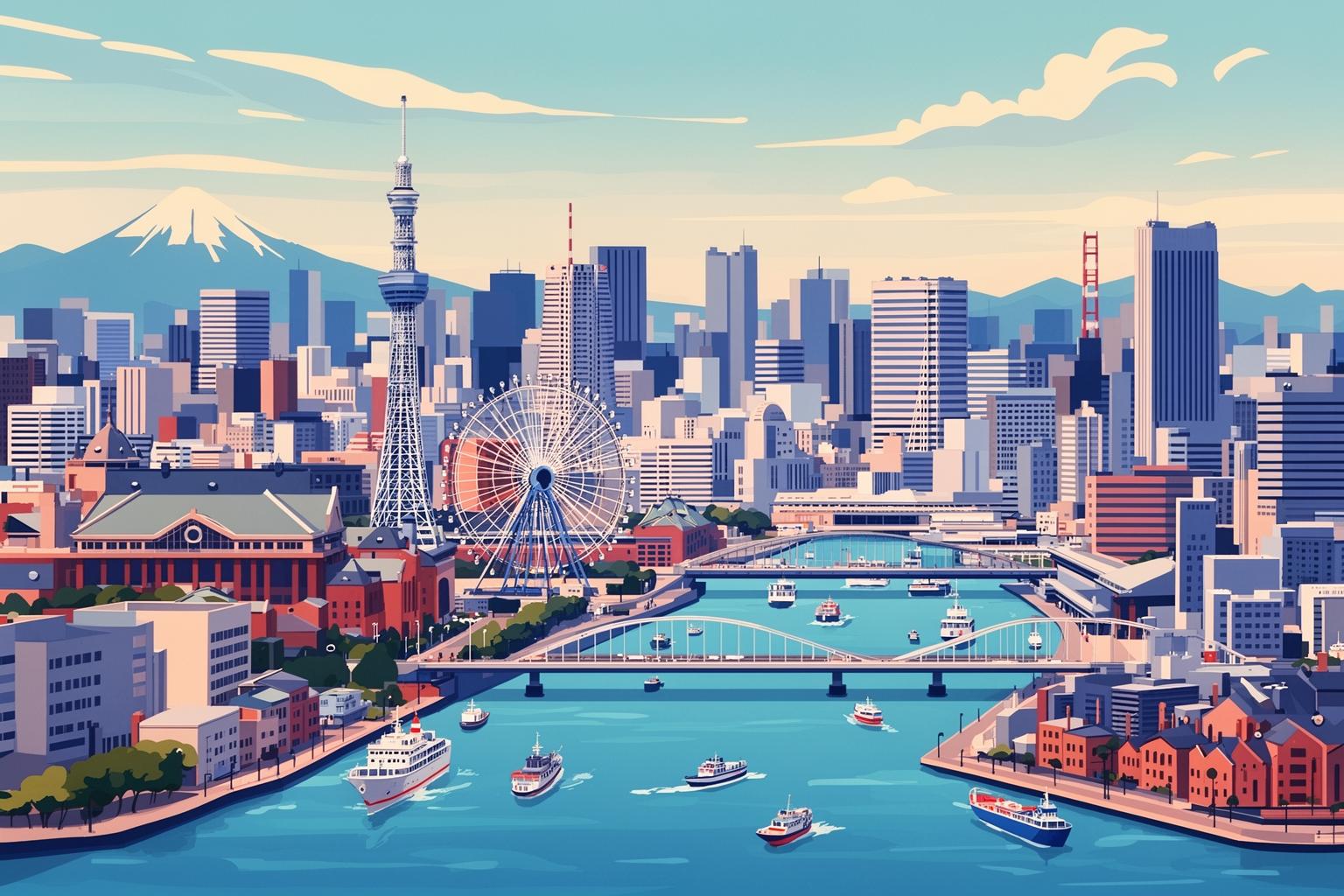
Your pilgrimage appropriately begins where the light shines brightest, in the shimmering district of Minato Mirai 21. This is the face of contemporary Yokohama, a symbol of ambition and progress, serving as the ideal spiritual home for the Armed Detective Agency. The atmosphere here is filled with crisp, invigorating energy. The air feels distinct, charged with potential as it flows in from the bay. The architecture is bold and aspirational, a collection of glass and steel soaring skyward, reflecting the boundless blue above and the bustling city below. This is Yokohama of grand vistas and daylight operations, a place where heroes with supernatural abilities might genuinely run a legitimate business while protecting the city from the darkness.
Your first landmark, impossible to overlook, is the Yokohama Landmark Tower. In the anime, it stands as a silent giant, a constant presence in many crucial scenes. In reality, it feels just as monumental. Standing at its base and tilting your head to see the summit is humbling. It represents the city’s pinnacle, a fitting symbol for the Agency’s often-unseen role as Yokohama’s guardian. For a truly breathtaking experience, consider visiting the Sky Garden observatory on the 69th floor. As the elevator carries you upward, the city unfolds beneath you like a detailed map. From this vantage, you can trace the very paths of the characters, from the port to the suburbs, grasping the geography of their world in a single, awe-inspiring view. The nighttime scene offers a different kind of enchantment, a sparkling carpet of lights that feels both futuristic and deeply romantic, a perfect backdrop for Dazai’s reflective moments.
Just a brief stroll from the Landmark Tower lies another icon seemingly lifted directly from the anime’s most memorable imagery: the Cosmo Clock 21. This enormous Ferris wheel is more than just an attraction; it’s a character itself. It features in promotional art, ending credits, and pivotal emotional scenes of the series. Seeing it in person, you’ll understand why. By day, its white lattice structure forms a striking, elegant circle against the sky. At night, it transforms into a stunning light display, with neon colors cycling through mesmerizing patterns that shimmer on the water below. Riding the Ferris wheel is essential. As your capsule ascends slowly, the world fades away, leaving you suspended between the sky and city. It’s a moment of tranquility, a quiet vantage high above the chaos, and you can almost picture the Agency’s members taking a rare pause here, gazing down at the city they have vowed to protect. The gentle rotation, the soft hum of machinery, and the panoramic view create an intensely cinematic experience.
From there, head to the Yokohama Red Brick Warehouse, locally known as Akarenga Soko. This spot is a beautiful blend of old and new, perfectly reflecting the timeless-yet-modern aesthetic of Bungo Stray Dogs. These two grand, historic buildings, built over a century ago as customs houses, now house a curated collection of chic boutiques, artisan shops, and charming eateries. The contrast between the weathered red brick and the sleek modern city behind it is visually stunning. In the anime, these warehouses are frequently settings for tense confrontations and secret meetings. Walking through the open plaza between the two structures, you can sense that dramatic tension. The sea breeze whips around the corners, the cry of gulls echoes overhead, and the wide-open space feels like a stage awaiting actors. It’s a place that feels both public and private, bustling with shoppers by day while taking on a quiet, moody atmosphere as evening falls. Take your time here. Browse the shops for unique souvenirs, enjoy a craft beer from one of the small breweries, or simply sit on a bench and watch the boats drift across the harbor. The Red Brick Warehouse is more than just a landmark; it’s a place to experience the soul of Yokohama’s port history, a history integral to the identity of both the city and the series.
Echoes of the Port Mafia: Exploring the Shadows of Naka Ward
After soaking in Minato Mirai’s bright optimism, it’s time to shift your view and explore the realm of the Port Mafia. Head south into Naka Ward, where the streets narrow, history feels heavier, and the air thickens with intrigue. This is Yokohama’s shadowed side—a place of neon-lit nights, hidden loyalties, and brutal power struggles. The atmosphere shifts, carrying the scent of Chinatown spices and the distant, melancholic foghorn from the port. Here dwell figures like Ryunosuke Akutagawa and Chuuya Nakahara, where style and danger are inseparable.
Your first destination is the overwhelming sensory feast of Yokohama Chinatown. One of the world’s largest Chinatowns, passing through its grand, ornate gates transports you to another world. Minato Mirai’s wide, clean avenues give way to a maze of narrow streets thronged with restaurants, food stalls, and shops offering everything from traditional teas to sparkling trinkets. The energy pulses with sizzling woks, vendors’ calls, and the murmur of countless conversations. The air is rich with the scents of steamed buns, star anise, and sweet pastries. It’s no surprise this vibrant, bustling, slightly lawless district serves as the Port Mafia’s underground backdrop. You can picture secret deals sealed in restaurant back rooms or high-speed chases threading through crowds and lanterns. To truly feel it, get lost. Follow the aroma to stalls selling fresh steamed nikuman or crispy sesame balls. Let the riot of red and gold dazzle you. Chinatown must be absorbed, not just seen—its raw, untamed energy epitomizes the Port Mafia.
Leaving Chinatown’s vibrant chaos, a different mood awaits on Motomachi Shopping Street. This area, rooted in serving Yokohama’s 19th-century foreign residents, contrasts sharply with Chinatown. European-style architecture, elegant storefronts, charming gas lamps, and a refined air define it. This is the Port Mafia’s stylish side. You can easily imagine impeccably dressed members strolling here, their danger cloaked in high fashion. The street invites a leisurely walk through a polished, international facet of Yokohama’s past. It houses long-standing local brands and cozy cafés, ideal for resting and recharging before more exploration. Motomachi’s calm elegance paired with Chinatown’s vibrant energy captures the Port Mafia’s complex identity: a fusion of brutal force and refined taste.
No visit to the Port Mafia’s domain is complete without reaching the water’s edge. Yamashita Park stretches beautifully alongside the port, offering clear views of ships and the iconic Yokohama Bay Bridge. This is the Mafia’s heartland—their namesake territory. The salty air, the rhythmic lap of waves, and the majestic cargo ships all evoke a world of international trade, smuggling, and the power gained by controlling goods and information. Permanently moored here is the Hikawa Maru, a stately 1930s ocean liner now a museum. Its classic silhouette symbolizes Yokohama’s maritime legacy. Walking its decks is like stepping back in time, and from there, the harbor looks like the Port Mafia’s kingdom. As dusk falls, the Bay Bridge lights glow, and the park becomes moodily romantic—a perfect setting for secret meetings or quiet reflection by one torn between duty and desire.
A Bridge Between Worlds: Literary Sanctuaries and Hidden Gems
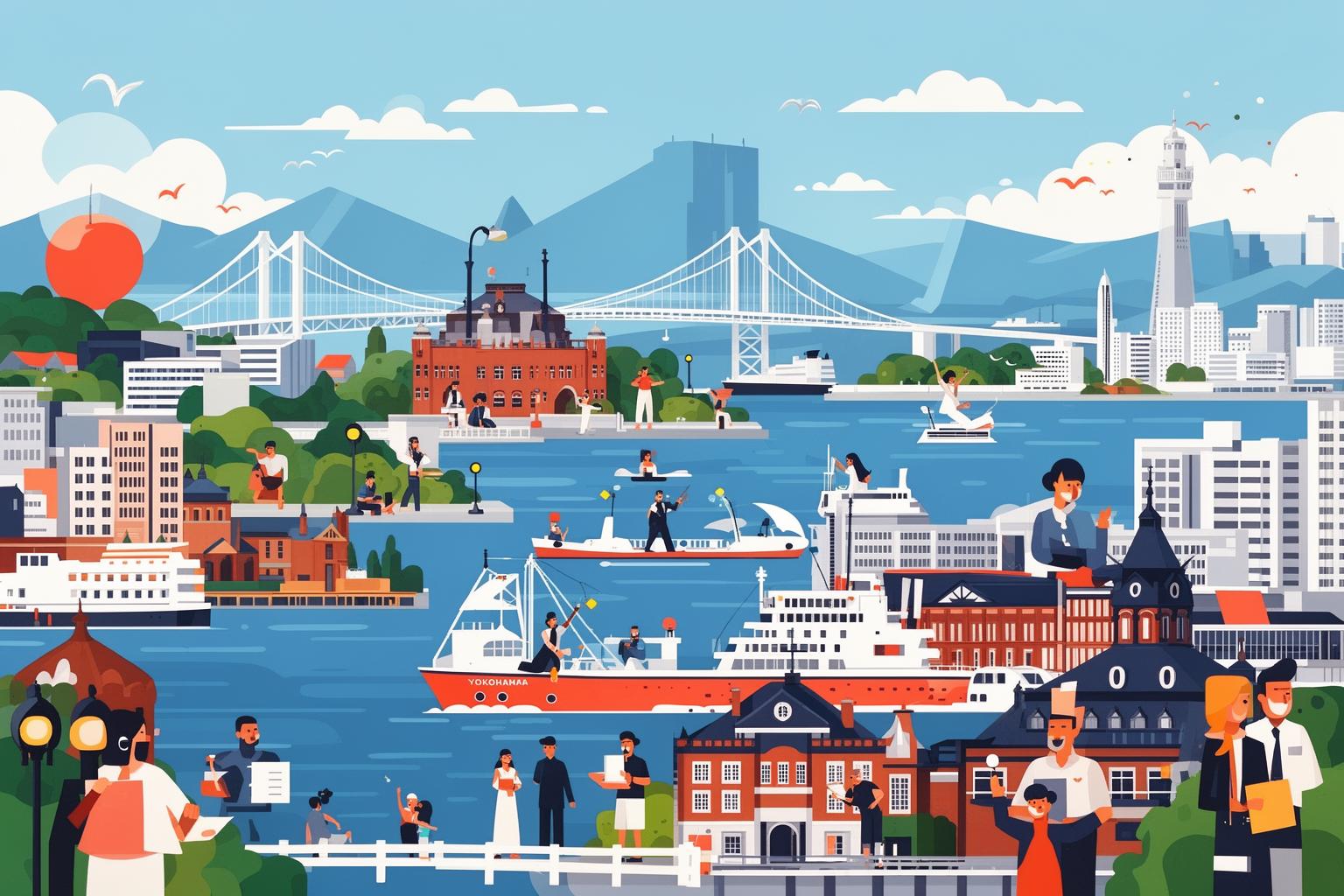
Bungo Stray Dogs stands out because its world rests on two key pillars: the exhilarating action of supernatural powers and the deep heritage of Japanese literature. To fully embrace this journey, you must engage with the second pillar. This leg of the pilgrimage moves beyond the direct anime locations and leads you to sites honoring the real authors who inspired the characters. Here, the story gains depth, evolving from a straightforward location search into a meaningful exploration of culture and history. It’s about discovering the spirit of the authors within the city that connected so many of them.
Start by making your way uphill from Motomachi to Harbor View Park, also known as Minato-no-Mieru Oka Koen. The name says it all. The park offers one of the most renowned panoramic views of Yokohama’s port and the Bay Bridge. This beautifully maintained park is filled with rose gardens that burst into color in spring and autumn. But this park is more than just scenery; it has a profound connection to Japanese literature. It is home to the Kanagawa Museum of Modern Literature, a vital stop for any fan. Even the park itself carries a literary ambiance. It was a favored spot for many writers throughout the years, who came to gaze at the sea and find inspiration. The sweeping view feels poetic—a perfect place to reflect on the major themes of the series: purpose, belonging, and the struggle between light and darkness. You can sit on a bench, look out over the vast bay, and sense a connection to the generations of storytellers who once did the same.
Within the park lies your ultimate destination: the Kanagawa Museum of Modern Literature. This is the heart of the pilgrimage. Here, the anime’s fiction meets the reality of the men and women responsible for some of Japan’s most enduring literary works. The museum’s collection focuses on authors who lived in or were linked to Kanagawa Prefecture, including Yokohama. Inside, you’ll find exhibits on Osamu Dazai, Ryunosuke Akutagawa, Atsushi Nakajima, and many others familiar from the series. Viewing their actual manuscripts, handwriting, and personal effects offers a deeply moving experience. You can see a photo of the real Akutagawa and compare his thoughtful, intense gaze with the brooding fury of his anime counterpart. Reading passages from Dazai’s No Longer Human reveals the roots of the character’s cheerful nihilism. This museum provides context that elevates the series beyond mere entertainment. It bridges the gap between the supernatural detective and the tortured artist, revealing the human soul that inspired the character. Take your time, read the descriptions, and let the weight of their words and lives sink in. It will transform your perspective on the anime forever.
For a different kind of contemplative pause, venture a bit further to Sankeien Garden. While not directly featured in the anime, this expansive traditional Japanese garden embodies the spirit of classic Japan, a spirit reflected in characters like Kyoka Izumi. It is a sanctuary of tranquility. The garden includes a stunning collection of historic buildings relocated from places like Kyoto and Kamakura, all arranged beautifully around a central pond. Walking its winding paths, you’ll cross wooden bridges, pass a three-storied pagoda, and even visit a historic teahouse. The atmosphere is one of profound peace and timeless beauty. It offers an escape from the city’s frantic pace, connecting you with a more serene, aesthetic side of Japanese culture. In the context of your pilgrimage, Sankeien provides a moment of quiet reflection. It is a place where a character like Kyoka might find solace, reconciling her violent past with hope for a new beginning. The meticulously raked gravel, carefully pruned trees, and gentle ripple of koi in the pond all contribute to an atmosphere that feels sacred and restorative.
The Pilgrim’s Practical Guide to Yokohama
Exploring a city as rich and complex as Yokohama is an adventure in itself. While a spirit of curiosity is essential, having some practical knowledge can make your experience smoother, allowing you to fully absorb the atmosphere and uncover the hidden links to the story. Yokohama is an exceptionally user-friendly city, designed for both residents and visitors to navigate easily, but understanding its details will help you create the perfect pilgrimage.
Getting Around the City
Yokohama’s public transportation system is a model of efficiency. The Minato Mirai Line will likely be your main mode of travel between key Bungo Stray Dogs locations. This subway line is exceptional, featuring clean, modern stations that connect Yokohama Station to Motomachi-Chukagai Station, stopping at major spots like Minato Mirai and the Red Brick Warehouse area. For destinations a bit further out, the extensive network of JR and local train lines will take you wherever you need to go. Still, one of the greatest pleasures of exploring Yokohama is that it’s a city made for walking. The main waterfront areas, from Minato Mirai to Yamashita Park, are linked by wide, scenic promenades. Walking from Cosmo Clock 21 to the Red Brick Warehouse and then on to Yamashita Park is not only doable but highly recommended. This allows you to experience the city at a relaxed pace, notice the small details, and feel the changing atmosphere as you move between districts. For a unique and scenic option, consider taking the Sea Bass ferry. This small vessel shuttles between Yokohama Station, Minato Mirai, and the Red Brick Warehouse, providing fantastic views of the skyline from the water. It’s a fun, relaxing way to travel that suits a port city perfectly.
When to Visit
Yokohama is a city that shines in every season, each offering a distinct but equally stunning experience. Spring, from late March to April, is magical. The city’s parks, particularly around the Ookagawa River, burst into a stunning display of pink cherry blossoms, creating a breathtakingly beautiful and quintessentially Japanese setting for your adventure. The weather is mild and pleasant, ideal for long walks. Summer can be hot and humid, but it also brings lively festivals and fireworks over the harbor. Autumn is perhaps the best season for many visitors. The weather turns crisp and comfortable, humidity drops, and the fall foliage paints the city in warm colors. Winter is cold but clear. The city sparkles with spectacular illuminations, especially around Minato Mirai and the Red Brick Warehouse, which often hosts a charming European-style Christmas market. Note that weekends and national holidays can get quite crowded, particularly in popular spots like Chinatown and the Red Brick Warehouse. For a quieter visit, try to plan your trip during weekdays.
Fueling Your Adventure: Local Flavors
A pilgrimage depends on more than enthusiasm; good food is essential. Yokohama is a culinary haven, offering a wide variety of options to please any palate. You can’t visit without savoring the delights of Chinatown. Don’t just stick to the main restaurants—the real fun lies in sampling from the many street food stalls. Try a fluffy, savory nikuman (pork bun), some yaki shoronpo (pan-fried soup dumplings), and finish off with a sweet an-man (red bean bun) or a flaky egg tart. Beyond Chinatown, Yokohama is famous for its shiumai (steamed pork dumplings), and enjoying a shiumai bento from the renowned Kiyoken brand is a classic local experience. For more Western-influenced flavors, try Omurice (omelet rice) or Spaghetti Napolitan, two dishes popularized in Yokohama. The areas around Motomachi and the Red Brick Warehouse also offer stylish cafes and bakeries, perfect for a coffee break and some people-watching. Don’t hesitate to be adventurous and follow the locals to discover the best spots.
Living the Story: An Immersive Itinerary
To truly immerse yourself in the world of Bungo Stray Dogs, try organizing your days thematically. Think of it as stepping into a role—spending one day immersed in the world of the Agency and another lurking in the shadows of the Mafia. This method transforms your visit from a simple checklist of spots into a captivating narrative, allowing you to experience the city’s dual nature fully.
A Day with the Agency
Begin your morning in the bright, hopeful heart of Minato Mirai. Start at Sakuragicho Station and stroll along the Kishamichi Promenade, a charming elevated walkway built on old railway tracks, offering a picturesque view of the Cosmo Clock 21. Take an early ride on the Ferris wheel to enjoy a tranquil, clear perspective of the city as it wakes. Then, spend late morning and early afternoon exploring the Queen’s Square and Landmark Plaza shopping centers, imagining the Agency members running errands or grabbing lunch. For your own meal, pick a spot overlooking the harbor. In the afternoon, head to the Red Brick Warehouse. Browse the distinctive shops at your leisure and savor the sea breeze in the plaza. As sunset approaches, make your way to the Landmark Tower Sky Garden. Watching daylight fade and the city lights begin to sparkle from 69 floors up is the perfect, heroic close to an Agency-themed day—a moment to feel like a guardian watching over the city.
A Night with the Mafia
Begin your journey into the Port Mafia’s world in the late afternoon. Start with a refined stroll down Motomachi Shopping Street, perhaps pausing for tea and cake at a classic café. Take in the elegant European-style architecture and the sophisticated atmosphere. As evening falls and darkness sets in, move on to Chinatown. The district comes alive at night, bathed in the warm glow of thousands of lanterns, creating an enchanting and mysterious ambiance. This is an ideal time for dinner—step into a lively restaurant and indulge in dim sum, Peking duck, or spicy Szechuan dishes. Afterward, take a walk through the now-shadowed Yamashita Park. The mood here at night is transformative—soft water sounds, distant port lights, and the grandly illuminated Bay Bridge form a powerful and slightly intimidating backdrop. It’s a walk steeped in secrets and unspoken authority—a fitting finale to your time in the Port Mafia’s domain.
The Literary Scholar’s Path
Devote a day to the intellectual and spiritual heart of the series. Begin your morning at Harbor View Park, taking in the stunning vistas that have inspired countless artists and writers. Then, spend a substantial part of your day at the Kanagawa Museum of Modern Literature. Take your time—engage fully with the exhibits, read the authors’ words, and reflect on the connections between their lives and their fictional characters. After this rich intellectual experience, seek peace and calm. Take a bus or a short train ride to Sankeien Garden. Spend your afternoon wandering its tranquil paths, finding a quiet spot by the pond to sit and reflect. This day focuses on depth rather than distance—a chance to connect with the soul of the story, grasp its literary foundations, and leave Yokohama with a much deeper appreciation for the genius of Bungo Stray Dogs.
Final Thoughts from the Port City
Leaving Yokohama after a Bungo Stray Dogs pilgrimage feels less like ending a trip and more like closing a cherished book. The city stays with you. The sound of a ship’s horn, the sight of a Ferris wheel on the horizon, the taste of a steamed bun—they all spark a memory, not just of a place you visited, but of a story you experienced. You’ve walked the gleaming boulevards of the Agency and wandered the neon-lit alleys of the Mafia. You’ve stood where fiction and history meet, where the whispers of literary giants blend with the sea breeze.
Yokohama is more than just a backdrop for this tale; it is a character with a rich personality and a deep, captivating history. It is a city of contrasts—light and shadow, old and new, chaos and order—the very dualities that make the characters of Bungo Stray Dogs so intriguing. To explore Yokohama is to understand them more deeply. This journey offers a rare chance to see your favorite story come alive, to stand in the spaces that inspired it, and to feel the powerful flow of history and imagination that runs through this remarkable port city. Whether you’re a devoted fan or a curious traveler, Yokohama presents a narrative you won’t soon forget, inviting you to discover your own story within its winding streets.