
There are films that you watch, and then there are films that you feel—experiences so visually and emotionally profound they seem to etch themselves into your memory. Makoto Shinkai’s 2016 masterpiece, “Your Name.” (Kimi no Na wa.), is one such film. It’s a story of connection, of fate, of two souls intertwined across distance and time, painted with a palette of hyper-realistic cityscapes and idyllic countryside vistas that felt almost too beautiful to be real. But what if I told you they were? What if I told you that you could walk the same streets as Taki, stand on the same staircase as Mitsuha, and breathe the same mountain air that filled the fictional town of Itomori? Welcome to the world of “seichi junrei,” or anime pilgrimage, where fiction and reality beautifully collide. This is a journey that takes you from the electric heart of Tokyo to the serene soul of rural Gifu, tracing the footsteps of a story that captured the world’s imagination. It’s a chance not just to see the backdrops of a beloved film, but to feel the very atmosphere that inspired its creation, to understand its themes on a deeper, more tangible level. Whether you’re a die-hard fan looking to relive the magic or a curious traveler seeking a unique way to explore Japan, this pilgrimage offers a profound connection to a story about, well, connection itself. Before we dive into the specifics, let’s get our bearings and see where this incredible journey will take us.
For those eager to delve even deeper into Japan’s cinematic charm, a visit to the anime fairytale village of Shirakawa-go provides an authentic connection to the real-life landscapes that inspired the film.
Chasing Comets in the Concrete Jungle: Tokyo’s “Your Name.” Hotspots
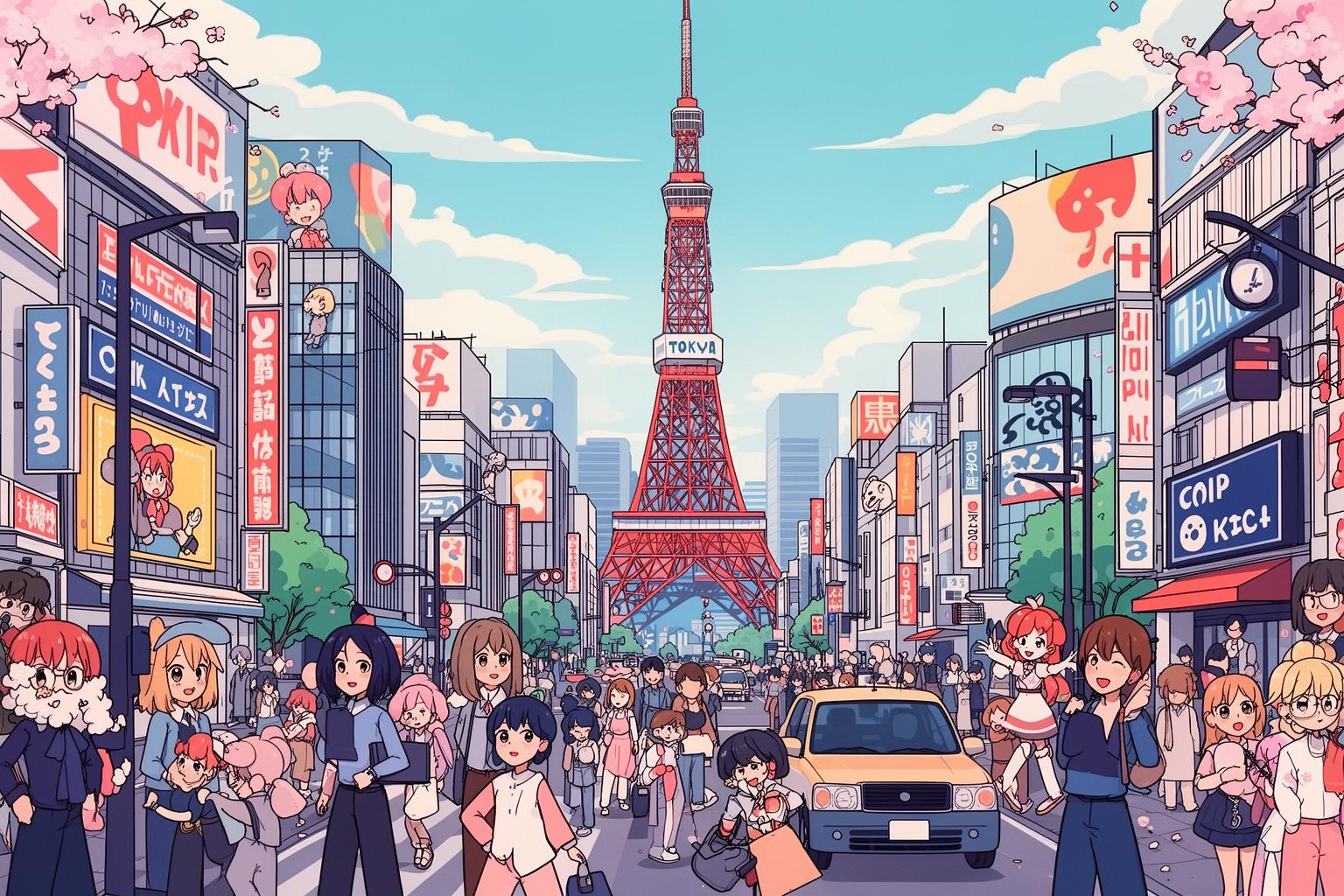
Our pilgrimage begins where Taki’s story takes place: Tokyo. The city in Your Name. is not merely a backdrop; it acts almost as a character itself. Shinkai depicts it as a dazzling, overwhelming, yet oddly lonely place—a world of glittering skyscrapers, tangled train lines, and faceless crowds. Stepping off the train into the organized chaos of Shinjuku Station feels like entering the anime’s universe firsthand. The enormous scale, the chorus of announcements, the flowing crowd—it’s exactly as Taki experienced it. The film’s brilliance lies in its ability to find moments of quiet beauty amid the urban sprawl, and as a traveler, that’s your mission as well. You’re here to uncover the specific, treasured scenes from the film hidden in plain sight, waiting for those who know where to look. It’s a modern-day treasure hunt where the map is a collection of cinematic memories, and the reward is the surreal, thrilling sensation of fiction merging with reality before your eyes.
The Iconic Staircase: Suga Shrine, Yotsuya
Few places are as emblematic of the emotional climax in Your Name. as the red-railed staircase where Taki and Mitsuha finally meet in a fateful moment. This is the spot fans long to recreate. Nestled in a quiet, understated residential neighborhood in Yotsuya, the Suga Shrine staircase carries an almost reverent significance for pilgrims. Discovering it is an adventure itself. You exit Yotsuya Station and meander through peaceful streets that feel worlds away from the hustle of Shinjuku, until there it is: the gentle curve, the vibrant red railings, and the view of the city peeking between the buildings beyond. The atmosphere is unexpectedly calm. Not a major tourist destination but a local landmark, you’ll often find fellow fans patiently waiting their turn to take photos, sharing a silent, mutual understanding. Visiting late in the afternoon, as the sun begins to dip and cast long shadows, is especially enchanting. The light softens, the world quiets, and it’s easy to imagine two figures, strangers yet soulmates, calling out to each other from opposite ends of the stairs, asking that one final, hopeful question: “Kimi no na wa?” First-time visitors should bear in mind that this is a residential area—be respectful of the locals, keep your voice low, and savor the peaceful, poignant energy of the place where one of modern cinema’s most beautiful love stories found its resolution.
Shinjuku’s Urban Canvas
Shinjuku is the vibrant, pulsating heart of Taki’s Tokyo. It’s where he navigates his daily routine—a maze of towering buildings and endless opportunities. Many of the film’s breathtaking cityscape montages were inspired by this area. One of the most recognizable locations is the pedestrian bridge near the Shinjuku Police Station, which offers a panoramic view of the cocoon-shaped Mode Gakuen Cocoon Tower and the surrounding skyscrapers. This is where Taki often stood, gazing out at the vastness of his world. Visiting at dusk reveals the city’s transformation. The sky deepens into the twilight blue seen in the film’s iconic “kataware-doki” (twilight) scenes, and the windows of skyscrapers light up one by one, forming a galaxy of lights. It feels like standing inside a living, breathing piece of art. Another major location is the enormous Shinjuku Station itself, one of the busiest transport hubs in the world. The film captures its dizzying complexity and the feeling of being a small part of a vast, interconnected system. Navigating the station is an experience in itself—a real-life reflection of the film’s themes of tangled timelines and intersecting paths. Don’t hesitate to get a little lost; it’s all part of the adventure. The area surrounding the station, with its giant screens and neon signs, embodies the quintessential image of modern Tokyo, providing a striking contrast to Mitsuha’s rural life.
Taki’s World: Cafes and Culture
To delve further into Taki’s life, the pilgrimage continues to a few key locations that flesh out his world. His part-time job at the stylish Italian restaurant Il Giardino delle Parole was inspired by Cafe La Bohème Shinjuku Gyoen. Located near the beautiful Shinjuku Gyoen National Garden, this restaurant is an ideal stop. With high ceilings, antique décor, and large windows, it closely mirrors the anime setting. You can almost picture Taki hustling around with plates of pasta. It’s a popular spot, so making a reservation is recommended. It’s a wonderful place to sit, enjoy a meal, and reflect on the journey thus far—literally dining inside a slice of the movie. A short train ride away in Roppongi is The National Art Center, Tokyo, the site of Taki’s date with his senpai, Okudera-san. The building’s distinctive wave-like glass façade is instantly recognizable. Inside, the sunlit atrium with towering concrete cones is where Taki and Okudera-san shared lunch. You can visit the second-floor café, Salon de Thé ROND, and sit in the very same area. The art center is a beautiful, contemplative space that’s worth a visit even if you skip the exhibitions. Its architecture reflects the more sophisticated, adult world that Taki is just beginning to enter, marking an important chapter in his character’s journey.
Into the Heart of Itomori: Discovering Hida, Gifu
After soaking in the vibrant energy of Tokyo, it’s time to follow Taki’s footsteps and venture into the Japanese countryside. The fictional town of Itomori, with its mystical lake, ancient customs, and close-knit community, doesn’t appear on any map, but its spirit was directly inspired by the real city of Hida in Gifu Prefecture. Reaching this destination is part of the adventure. You’ll likely board the Shinkansen (bullet train) to Nagoya, then transfer to the JR Hida Wide View Express. This train ride is stunning, winding through deep valleys and alongside rushing rivers, with panoramic windows offering breathtaking mountain views. The urban bustle fades away, replaced by a profound sense of calm. As you arrive at Hida-Furukawa Station, the shift in atmosphere is tangible. The air feels crisp and fresh, the pace of life slows down, and traditional wooden buildings stand against the backdrop of the majestic Japan Alps. This is Mitsuha’s world—a realm steeped in history, nature, and the serene beauty of rural Japan. For fans of the film, reaching Hida feels less like a visit and more like coming home.
Hida-Furukawa Station
The moment you step onto the platform at Hida-Furukawa Station, you step into the movie. This is exactly where Taki, Tsukasa, and Okudera-san got off on their quest to find Mitsuha. The details are remarkably precise, from the design of the footbridge to the platform signs. One of the most cherished details for fans is a small model of Hidakuro, the local Hida beef mascot, which appears in the film and is displayed at the station. It’s a small but meaningful connection to the animated world. The station itself is quaint and charming. You can stand on the footbridge to perfectly recreate the shot of Taki gazing out, attempting to match the town to his sketches. The local community has warmly embraced its link to the film, and you’ll often find posters or small exhibits celebrating Your Name. The tourist information center, located just outside the station, offers maps highlighting key pilgrimage spots—a testament to how many have made this very journey. It’s the ideal starting point for exploring real-life Itomori.
The Search for Truth: Hida City Library
One of the most crucial scenes in Taki’s journey happens in a library, where he anxiously searches for information about Itomori and its tragic history. The real-life model for this location is the stunning Hida City Library. This isn’t just an inspiration; it’s an almost exact replica. The beautiful wooden interior, the distinctive geometric seating areas, and the soft light filtering through large windows—all are faithfully represented. Visiting the library is a surreal experience. It remains a fully functional public space, filled with locals quietly reading and studying. The staff are very welcoming to fans but, understandably, emphasize the need for a quiet environment. To honor this unique relationship, visitors are usually asked to request photography permission at the front desk. It’s a simple step that respects the library’s primary role while allowing fans to capture their memories. Standing here, you sense the weight of Taki’s discovery and the quiet tension of his race against time. It’s a powerful moment bridging the gap between viewer and character. You’re not just visiting a filming location; you’re standing in the very place where the film’s central mystery began to unfold.
Whispers of the Past: Exploring “Itomori’s” Shrines
Mitsuha’s role as a Miko (shrine maiden) is central to the story, and the Miyamizu Shrine serves as the spiritual core of Itomori. Although no single shrine perfectly matches the one in the film, the main inspiration is widely considered to be Ketawakamiya Shrine, located a short walk from Hida-Furukawa Station. Approaching it, you ascend a long flight of stone steps, flanked by ancient cedar trees and stone lanterns, just as Mitsuha and her sister did. The atmosphere is peaceful and deeply spiritual. The air is cool, scented with earth and wood. You hear the crunch of gravel beneath your feet and the rustling of leaves in the breeze. This is a place of tradition—a tangible link to the Shinto beliefs woven deeply into the fabric of Your Name, embodying a concept of unseen connections and the flow of time. While the exact shrine from the film can’t be found, its spirit lives on here. Another frequently cited inspiration is Hie Shrine in the nearby city of Takayama, which also features a notable stone staircase. Exploring these sacred sites offers a richer understanding of the cultural background behind Mitsuha’s rituals, her family’s history, and the film’s profound themes of fate and memory. These are places to contemplate the invisible threads that connect us all.
Planning Your “Your Name.” Pilgrimage: A Traveler’s Guide

Embarking on this pilgrimage offers an incredibly rewarding experience, but a bit of planning goes a long way, especially when traveling between a bustling mega-city and a rural mountain town. The journey itself becomes part of the narrative, reflecting the two contrasting worlds depicted in the film. Having a carefully planned itinerary ensures you can fully enjoy the magic without stressing over logistics. From transportation and timing to local customs, mastering the practical details lets you focus on what really matters: connecting with the places that brought this beautiful story to life.
Getting Around
In Tokyo, public transportation is your greatest ally. A Suica or Pasmo IC card is indispensable, allowing you to tap for nearly all trains and buses. The JR Yamanote Line, a loop that circles central Tokyo, will be your main route to hubs like Shinjuku and Yotsuya. Google Maps is highly reliable for navigating the complex train system, offering exact train times, platform numbers, and transfer details. For the trip from Tokyo to Hida, the Japan Rail Pass can be a cost-effective choice if you plan on taking more long-distance trains. The journey involves riding the Tokaido Shinkansen to Nagoya, then transferring to the scenic JR Hida Wide View Express. Once in Hida, the key pilgrimage sites—the station, library, and Ketawakamiya Shrine—are all within easy walking distance of one another. The town is compact, and exploring on foot is the best way to soak up its charming atmosphere.
Best Time to Visit
Although this pilgrimage can be enjoyed year-round, certain seasons more closely capture the film’s aesthetic. Autumn, from late October through November, is perhaps the most enchanting time. The mountains around Hida burst into fiery hues of red, orange, and yellow, perfectly echoing the warm, rich color palette of the film’s countryside scenes. The weather is cool and comfortable for walking. Spring, from late March to April, is another lovely choice, with cherry blossoms adding a delicate beauty to both Tokyo’s parks and Hida’s streets. Summer in Japan is generally hot and humid, but it brings lush, vibrant greenery to the mountains. Winter covers Hida in snow, creating a distinct yet equally stunning landscape, offering a peaceful and serene atmosphere for your journey. Be sure to check the weather forecast before you go and pack accordingly, especially for the cooler mountain temperatures.
Local Etiquette and Tips
Keep in mind that these are not movie sets but real communities where people live, work, and worship. When visiting the Suga Shrine stairs in Tokyo, remember it’s a residential neighborhood—avoid loud noises and don’t block the path for locals. At the Hida City Library, maintain silence and follow staff instructions regarding photography. This respectful behavior is central to the “seichi junrei” culture. While in Hida, take the chance to embrace local culture. Sample regional specialties like Hida beef, famous for its marbling and flavor, and Goheimochi, a grilled rice cake coated with sweet miso sauce, as Mitsuha’s grandmother was seen preparing. Don’t hesitate to visit the local tourist information center; the staff take pride in their town’s connection to the film and provide excellent maps and recommendations. Lastly, especially in rural Hida, carrying some cash is wise, as smaller shops and restaurants might not accept credit cards.
Beyond the Film
While the “Your Name.” locations are the main highlight, be sure to explore the surrounding areas. Hida-Furukawa is a beautifully preserved town—stroll along the Seto River, where hundreds of colorful carp swim through historic canals. The town is also renowned for traditional sake breweries, many of which offer tours and tastings. If you have an extra day, consider a side trip to nearby Takayama, known for its impeccably preserved old town and bustling morning markets. In Tokyo, the pilgrimage sites fit easily into a broader city exploration. After visiting Cafe La Bohème, spend an afternoon wandering through the magnificent Shinjuku Gyoen National Garden. Following your stop at the National Art Center in Roppongi, explore the vibrant nightlife or upscale shopping at Roppongi Hills. This pilgrimage provides a unique lens through which to experience Japan and also serves as a launching point for many other adventures.
More Than a Movie: The Enduring Connection of “Your Name.”
Completing a journey through the world of “Your Name.” is an experience that stays with you long after you’ve returned home. It’s a pilgrimage that turns the passive act of watching a film into an active, emotional, and physical adventure. You start in the relentless, forward-moving current of Tokyo, a bustling city where Taki felt the stir of an inexplicable connection. You finish in the timeless, gentle embrace of Hida, a place where Mitsuha was tied to traditions that ultimately saved her. Walking these two paths reveals the film’s central duality—city and countryside, modernity and tradition, chaos and calm. Standing on the staircase in Yotsuya or by the quiet platform in Hida-Furukawa, you realize that Makoto Shinkai didn’t just craft a beautiful story; he captured the authentic spirit of these places. The film serves as a love letter to Japan’s landscapes, both grand and intimate. This journey offers your chance to read that letter for yourself. It’s about discovering the magic in the everyday, the cinematic within the ordinary. It’s a powerful reminder that the threads of connection—the very essence of “musubi”—surround us all, waiting to be uncovered.