
There are places in the world that feel less like a destination and more like a dream. Tucked away in a remote mountain valley in Gifu Prefecture, Japan, is one such place: Shirakawa-go. It’s a village where time seems to have politely stepped aside, allowing centuries-old traditions to breathe in the modern age. You might have seen its iconic, steep-roofed farmhouses blanketed in snow on a postcard or a travel blog, looking almost too perfect to be real. But for a generation of anime fans, this village resonates on a deeper, more thrilling level. It is widely known as the living, breathing inspiration for the fictional village of Hinamizawa in the acclaimed series, Higurashi: When They Cry. This duality is the magic of Shirakawa-go. It is at once a UNESCO World Heritage site, a testament to human ingenuity and resilience, and a pilgrimage destination for fans seeking to walk the same paths as their favorite characters. It’s a place where history, culture, and modern fandom intertwine, creating an atmosphere that is truly unique. Whether you’re drawn by the whispers of an ancient past or the echoes of a beloved anime, a visit here is like stepping through a portal into a story that’s waiting for you to find your place in it. As a mother who has navigated the logistics of family travel through Japan, I can tell you that the journey to this secluded valley is as much a part of the adventure as the destination itself, a slow unfolding of mountain scenery that prepares you for the wonder ahead.
For travelers enchanted by the blend of ancient heritage and modern anime allure, exploring Tokyo film locales offers another captivating chapter in Japan’s storytelling journey.
The Soul of Shirakawa-go: Gassho-zukuri Architecture
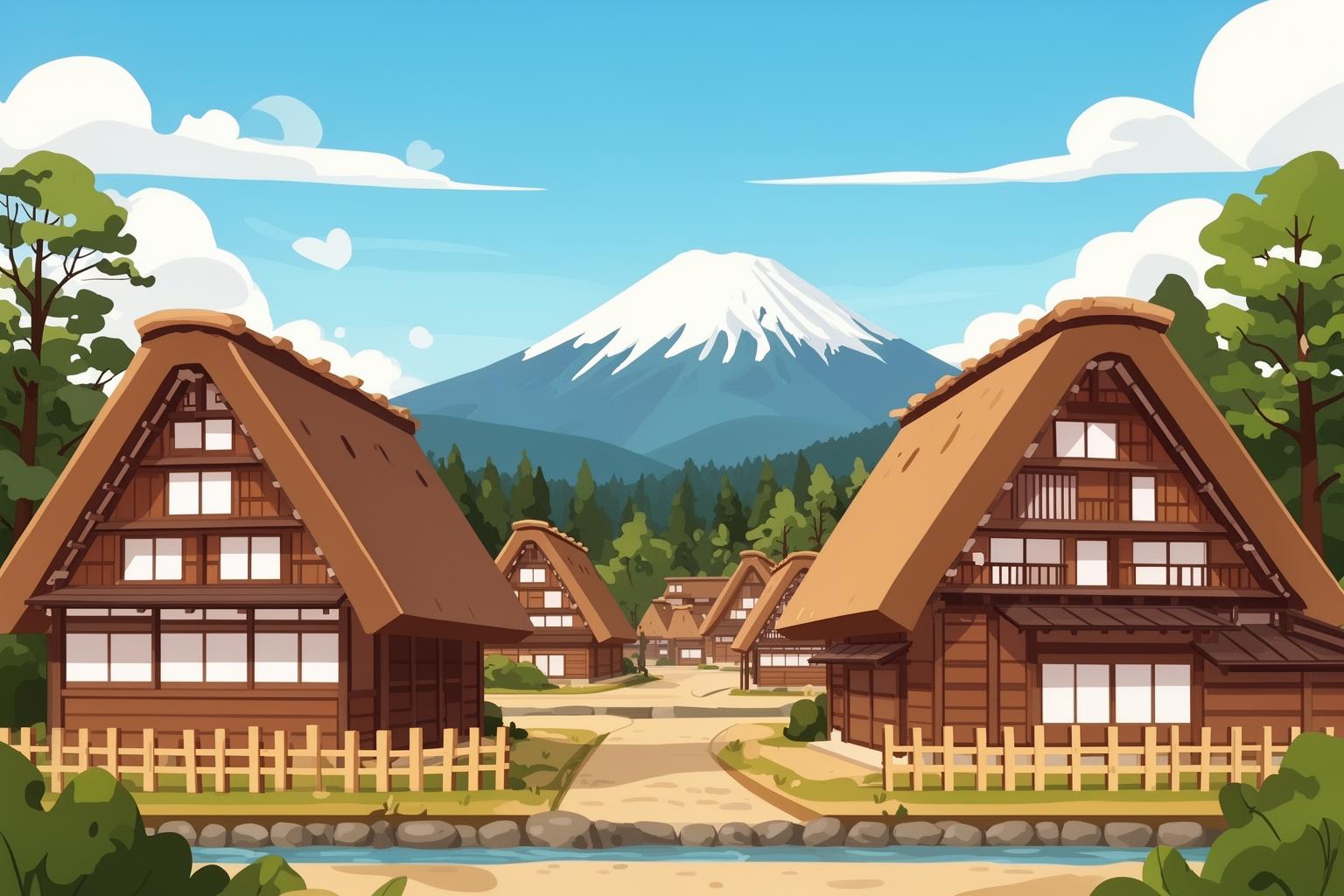
At the heart of this village lie its remarkable farmhouses, crafted in a style called gassho-zukuri, a name that poetically means “praying hands.” The steep, thatched roofs, sharply angled like two hands pressed together in prayer, instantly reveal the reason behind the name. This ingenious design goes beyond mere aesthetics; it exemplifies climate-adaptive, functional architecture. Situated in the Gifu mountains, which endure some of the heaviest snowfall globally, these steep 60-degree slopes effectively shed the enormous snow weight, preventing the buildings from collapsing. As you walk among them, you gain a profound appreciation for the generations of carpenters who perfected this technique without using any nails, relying instead on intricate joinery and flexible ropes made from mulberry and witch hazel to construct buildings resilient to both heavy snow and earthquakes. The roofs themselves are vast, complex structures that are re-thatched every 30 to 40 years. This task is not undertaken by a single family but is a communal effort known as yui, where the whole village comes together to assist a neighbor. This powerful, living tradition highlights the close-knit community spirit that has enabled Shirakawa-go to endure and flourish for centuries in isolation. Standing beneath one of these eaves, you can almost hear the echoes of shared work and laughter—a tribute to a lifestyle founded on mutual support.
A Village Frozen in Time: The Atmosphere of Ogimachi
The largest and most frequently visited village in the Shirakawa-go region is Ogimachi. As you step off the bus and cross the Shokawa River via the Deai Bridge, a gentle suspension bridge that sways slightly, you notice a tangible shift. The modern world fades away, replaced by the quiet rhythm of a working agricultural community. The air carries the scent of damp earth, woodsmoke, and fresh mountain water. The only sounds are the bubbling of pristine water flowing through irrigation channels, the rustling of wind in tall grasses, and the distant call of a bird. These channels, weaving through the village, are so clear that vibrant orange and white koi fish swim lazily within them, a charming surprise for both children and adults. The village is a mosaic of vibrant green rice paddies, carefully tended vegetable gardens, and the dark, striking shapes of the gassho-zukuri houses. It doesn’t feel like a museum piece; it feels alive. You’ll see locals tending their gardens, hanging laundry, or cycling along narrow lanes. This authenticity is what makes Ogimachi so enchanting. It encourages you to slow down, wander without a set destination, and simply soak in the deep sense of peace that fills the valley. For a moment, you can forget the city’s hustle and connect with a way of life governed by the seasons, not the clock.
Echoes of Hinamizawa: A Pilgrimage for Anime Fans
For those drawn to the suspenseful world of Higurashi: When They Cry, walking through Ogimachi is almost surreal. The fictional town of Hinamizawa was so carefully modeled on this real village that every corner reveals a familiar sight, sending a shiver of recognition down your spine. The experience is less about spotting exact replicas and more about sensing the spirit of the series come to life. The main street, lined with farmhouses and souvenir shops, immediately calls to mind the paths the characters used to travel to and from school. The Hachiman Shrine, perched on a small hill and accessed by a flight of stone steps, is clearly the inspiration for the Furude Shrine, the setting for the annual Watanagashi Festival and the home of the series’ central figure, Rika Furude. Standing quietly in its wooded precincts, it’s easy to imagine key scenes of the story unfolding there. Perhaps the most iconic landmark is the Wada House, one of the largest and best-preserved gassho-zukuri in the village. Its imposing presence and location make it the clear model for the powerful Sonozaki family estate. As you explore, you’ll notice the suspension bridge, a small clinic, and the village’s general layout—all reflecting their animated counterparts. It’s a unique journey where a fictional narrative deepens your appreciation for a real place, and the real place adds a tangible dimension to a beloved story. Even for visitors unfamiliar with the anime, knowing this connection offers an intriguing layer to the village’s identity, emphasizing its impact on modern pop culture.
Beyond the Anime Trail: Treasures for Every Traveler
While the anime connection is a strong attraction, Shirakawa-go’s charm is universal. The must-do for any visitor is the trip up to the Shiroyama Viewpoint. A short shuttle bus ride or a determined climb up a paved path will reward you with the definitive panoramic view of Ogimachi. From this vantage, the entire village spreads out below like a miniature model, the thatched roofs nestled perfectly within the surrounding mountains. It’s the view featured on all the posters, and it is just as breathtaking in reality. To fully appreciate the architecture, step inside one of the farmhouses open to the public as museums. The Kanda House and the Nagase House are excellent examples. As you slip off your shoes and step onto the cool, dark wooden floors, you enter another world. You’ll see the massive, exposed beams and intricate ropework of the interior, and in the main room’s center, an irori (sunken hearth) often has a small, smokeless fire smoldering, filling the air with a rustic, comforting aroma. The smoke from the irori serves an essential function, rising through the floors to coat the thatch from the inside, protecting it from insects and decay. You can climb steep, ladder-like stairs to the upper floors, where displays highlight the traditional local industry: sericulture, the raising of silkworms for silk production. The spacious, well-ventilated attics provided the perfect environment for this delicate work, which once formed the economic backbone of the region.
Embracing the Seasons: When to Visit Your Storybook Village
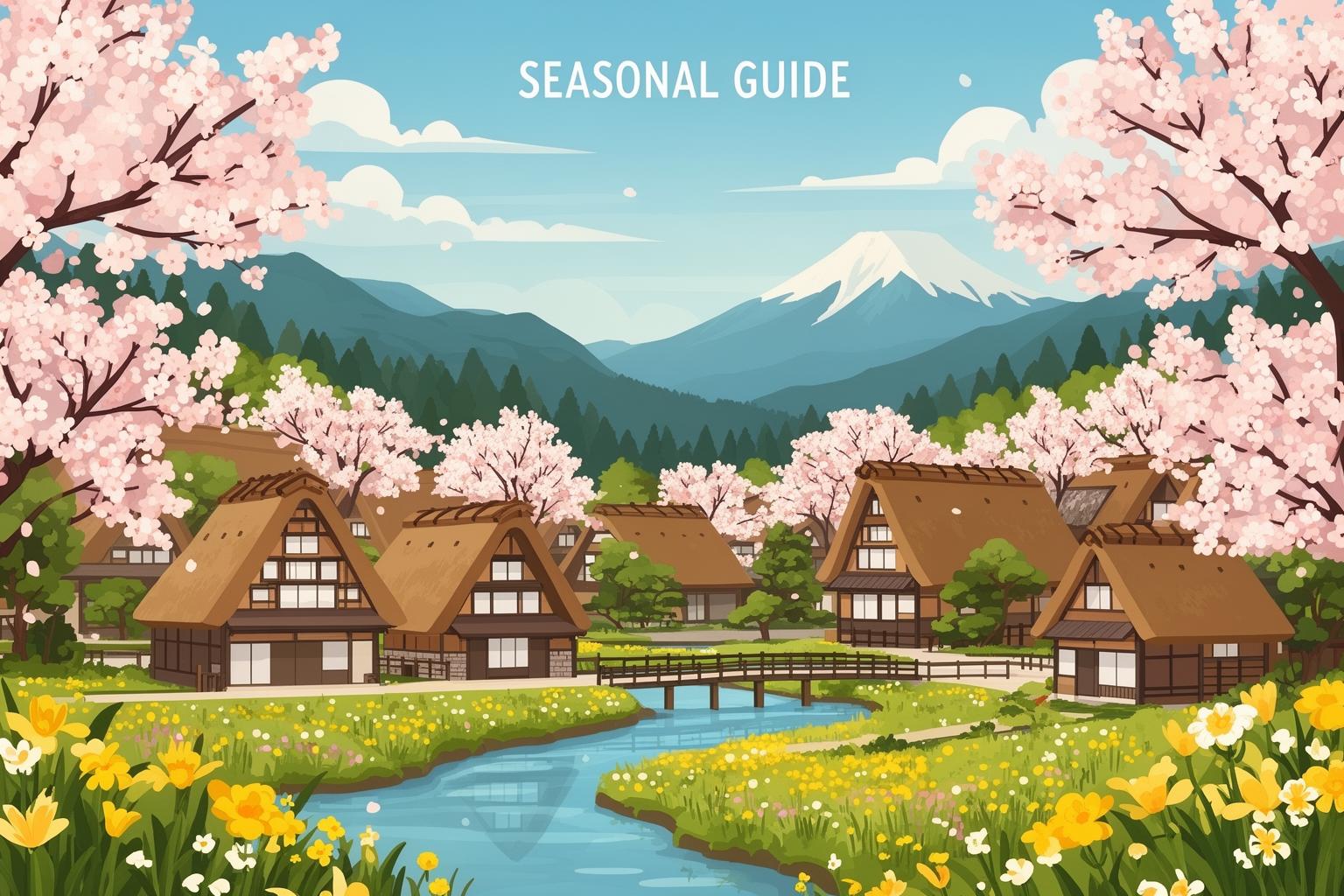
Shirakawa-go is never just one fixed sight; it changes dramatically with the seasons, offering a unique kind of magic on every visit. The best time to visit depends entirely on the experience you’re after, as each season casts the valley in an entirely different light.
Winter’s Embrace
Winter is arguably Shirakawa-go’s most iconic season. From late December through February, the village lies buried beneath a thick, pristine snow cover, sometimes several meters deep. The landscape transforms into a study in monochrome—the white snow, the dark wooden houses, and the gray sky. The silence is deep, broken only by the crunch of boots on snow. On selected weekends in January and February, the village hosts special winter light-up events. As dusk falls, lights placed around the village illuminate individual farmhouses, casting a warm, golden glow against the cold, blue twilight. The view from the observatory during the light-up is pure fairytale, an almost surreal scene of beauty. Practical advice: these events are highly popular. Access to both the village and the viewpoint is now strictly controlled, often requiring a reservation through a tour bus company or an overnight stay at a local inn. Spontaneous visits on light-up evenings are generally not possible, so advanced planning is absolutely essential.
Spring’s Awakening
As the snow melts, spring breathes new life into the valley. From late April to May, the landscape bursts into a gentle palette of colors. The last snow patches cling to the high mountain peaks while cherry blossoms bloom, their delicate pink flowers beautifully contrasting with the dark, thick thatch of the gassho-zukuri roofs. This is the season of renewal. The rice paddies, dormant through winter, fill with water, reflecting the sky like mirrors. Villagers begin the arduous work of rice planting. The air is fresh and cool, perfect for long walks through the village and surrounding countryside. It’s a quieter, more reflective time to visit—a chance to watch the community stirring back to life after winter’s end.
Summer’s Lush Green
Summer in Shirakawa-go is a vibrant burst of green. The rice plants grow tall and lush, the surrounding forests are a rich, deep emerald, and the entire valley feels alive with energy. The days are warm and sometimes humid, with the constant buzzing of cicadas providing a distinctive soundtrack—a sound instantly familiar to fans of Higurashi. While summer can be busier with domestic tourists on vacation, the brilliant colors and lively atmosphere are invigorating. It’s a wonderful time to explore the walking trails extending from the village, offering new perspectives of the valley. Early mornings are especially beautiful, with a gentle mist often hanging over the river and rice paddies before burning off in the sunlight.
Autumn’s Fiery Palette
From October to November, the mountains that cradle Shirakawa-go ignite in a blaze of autumn hues. The slopes become a tapestry of fiery reds, vivid oranges, and golden yellows. The air grows crisp and clear, with sunlight taking on a soft, golden tone. This is harvest season, and you can see the rice being cut and dried in the fields. The blend of the historic village and spectacular fall foliage is a photographer’s dream. It’s a cozy, breathtaking time to visit—perfect for savoring local seasonal dishes and enjoying the brisk mountain air. The beauty is dramatic yet serene, a final magnificent flourish before the valley readies itself for winter’s snow.
Practical Pilgrimage: Your Guide to Getting There and Around
Reaching such a remote location is part of its appeal, but it does require some careful planning. The most important thing to know is that Shirakawa-go does not have a train station. The trip is almost always made by bus, which provides breathtaking views as it winds through the mountains.
The Journey to a Hidden Valley
The most popular and convenient gateways to Shirakawa-go are the cities of Takayama and Kanazawa. Both cities are wonderful destinations themselves and are well-connected to Japan’s main train lines. From either Takayama or Kanazawa, the Nohi Bus company runs regular services to the village. The bus ride from Takayama takes about 50 minutes, while from Kanazawa it is somewhat longer, around 90 minutes. It is strongly recommended to reserve your bus seats in advance, especially if you are traveling during peak times such as the winter light-up, Golden Week in spring, or the autumn foliage season. These buses frequently sell out. Attempting to manage this with a family without reservations can turn into a stressful beginning to what should be a magical trip.
Navigating the Village
Upon arrival, Ogimachi is very much a village to explore on foot. Its compact layout is ideal for walking. The main roads are paved, and the paths through the rice paddies are well-kept, making it doable even with a stroller, though a baby carrier might be more convenient when entering farmhouses with raised thresholds and steep stairs. Be sure to wear comfortable shoes, as there will be a lot of walking. To reach the main Shiroyama Viewpoint without the uphill hike, a small shuttle bus runs every 20 minutes from a stop near the Wada House. The fare is affordable and worthwhile, especially on hot days or if you have tired little ones. My best advice for visiting is to arrive early in the morning, before the main tour buses arrive around 10 AM, or to stay until after they leave around 4 PM. During these quieter times, you can truly enjoy the village’s peaceful atmosphere.
To Stay or to Day Trip?
Most visitors see Shirakawa-go as a day trip, and the main sights can certainly be covered in a few hours. However, to fully experience the magic of the place, I highly recommend spending a night in a minshuku, a family-run guesthouse. Several of these are housed within authentic gassho-zukuri farmhouses. The experience is unforgettable. After the day-trippers leave, a deep quiet settles over the village. You can stroll the empty lanes at dusk, watch the lights come on inside the houses, and feel as though you have the entire fairy-tale setting to yourself. Accommodations are simple and traditional—you sleep on futons laid out on tatami mat floors and share bathroom facilities. The highlight is the food: delicious home-cooked meals featuring local ingredients such as Hida beef, river fish, and mountain vegetables, all served around the communal irori hearth. It is an intimate and truly authentic way to experience Japanese hospitality and the timeless pace of village life.
Savoring Local Flavors and Finding Unique Souvenirs
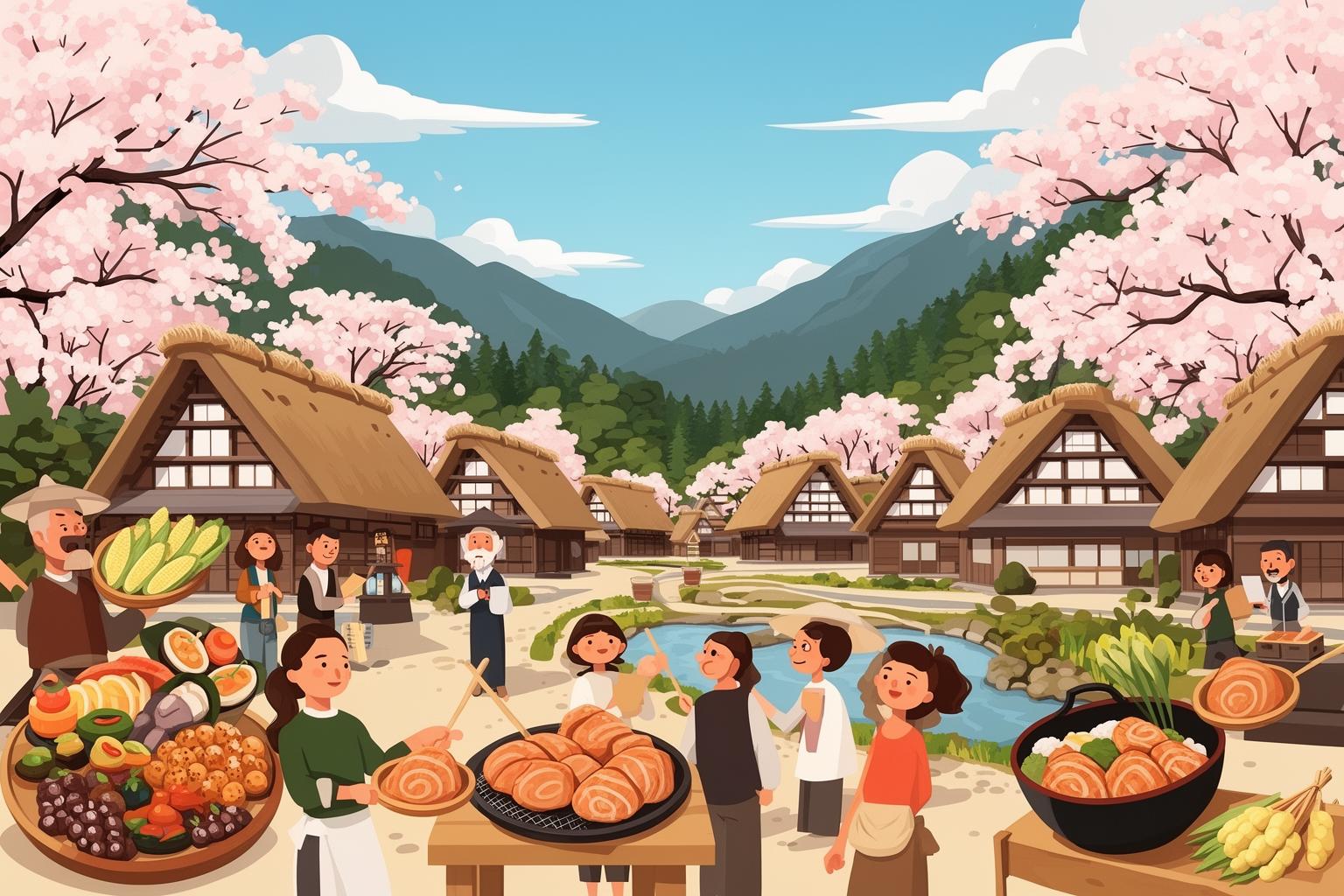
Exploring Shirakawa-go is not only a visual delight but also a pleasure for the palate. The local cuisine is hearty, rustic, and closely tied to the mountain surroundings. A must-try snack is Goheimochi, a skewered cake made from pounded rice, brushed with a sweet and savory sauce of miso, soy, and walnuts, then grilled over an open flame. It’s an ideal warming treat on a cool day. Numerous small restaurants and cafes in the village offer dishes featuring Hida beef, a premium wagyu brand from the area renowned for its exceptional marbling and melt-in-your-mouth texture. You can enjoy it in various forms, from simple beef croquettes sold at street stalls to more elaborate hot pot or steak dishes. Also, keep an eye out for dishes containing sansai, or wild mountain vegetables, foraged from the nearby slopes, which provide a distinctive, earthy flavor. For souvenirs, many charming local crafts are available, with the most iconic being the Sarubobo: a small, red, human-shaped doll without facial features. Traditionally crafted by mothers for their daughters as a charm for a happy marriage and easy childbirth, it has become a beloved symbol of the entire Hida region, believed to bring good luck. They come in various shapes and sizes, making them a truly unique keepsake of your visit.
A Gentle Traveler’s Guide: Tips for a Respectful Visit
It is vital to remember that Shirakawa-go is more than just a tourist spot; it is a vibrant community where people live and carry on their daily lives. Being a considerate visitor helps preserve the village’s unique charm for generations to come. The key rule is to stay on public roads and designated paths. The rice paddies and gardens are private property and crucial to the residents’ way of life, so please avoid walking through them for photos. While it’s tempting to look inside the beautiful houses, keep in mind that most are private homes. Only enter those clearly marked as museums or guesthouses. The gassho-zukuri houses are constructed from highly flammable materials such as wood and thatch, making fire a constant and serious risk. Smoking is strictly banned throughout the village, except in a few designated smoking areas. Please handle any flame sources with extreme care. Lastly, as with any stunning natural environment, follow the principle of leaving no trace. Carry out all trash you bring in, helping to keep this UNESCO World Heritage site immaculate for future visitors who will come to cherish it.
Shirakawa-go is a rare and invaluable place. It serves as a bridge between past and present, merging enduring tradition with modern appreciation. From the viewpoint looking down at the village, you see more than just a group of old buildings—you see a story of community, resilience, and a beauty so deep it has inspired artists and storytellers alike. It is a place that calms the mind and fills the soul. Whether you come pursuing the ghost of a beloved anime character or simply seeking a glimpse of a vanishing world, the valley welcomes you. Although the journey here is long, the moment you stand among those praying-hands houses, you will know without hesitation that every step was worth it.