There are places on this earth that feel older than time itself, where the air hums with an energy that predates human memory. Yakushima is one such place. This small, round island south of Kyushu is a fortress of granite cloaked in a velvet green mantle of ancient forest. It’s a world where mountains scrape the clouds and rivers run with water so pure, the locals say it’s been polished by the gods. For many, Yakushima is synonymous with one thing: the spiritual birthplace of Hayao Miyazaki’s cinematic masterpiece, Princess Mononoke. This is not merely a filming location; it is the very soul of the film, the living, breathing entity that inspired its profound message about the raw power and delicate balance of nature. As a hiker, I was drawn here not just by the allure of a Ghibli pilgrimage, but by the promise of trails that wind through a landscape that feels truly mythical. To walk in Yakushima is to step out of the modern world and into a story written in moss, stone, and the silent breathing of thousand-year-old trees. It’s a journey that challenges your body and awakens a part of your spirit you may not have known was asleep. This is not just a trip; it is an audience with the ancient heart of Japan.
The island’s enchanting spirit continues to beckon adventurers to explore its profound mysteries, as seen in the ancient forest trails that inspired Miyazaki’s timeless masterpiece.
The Soul of the Forest: Shiratani Unsuikyo Ravine
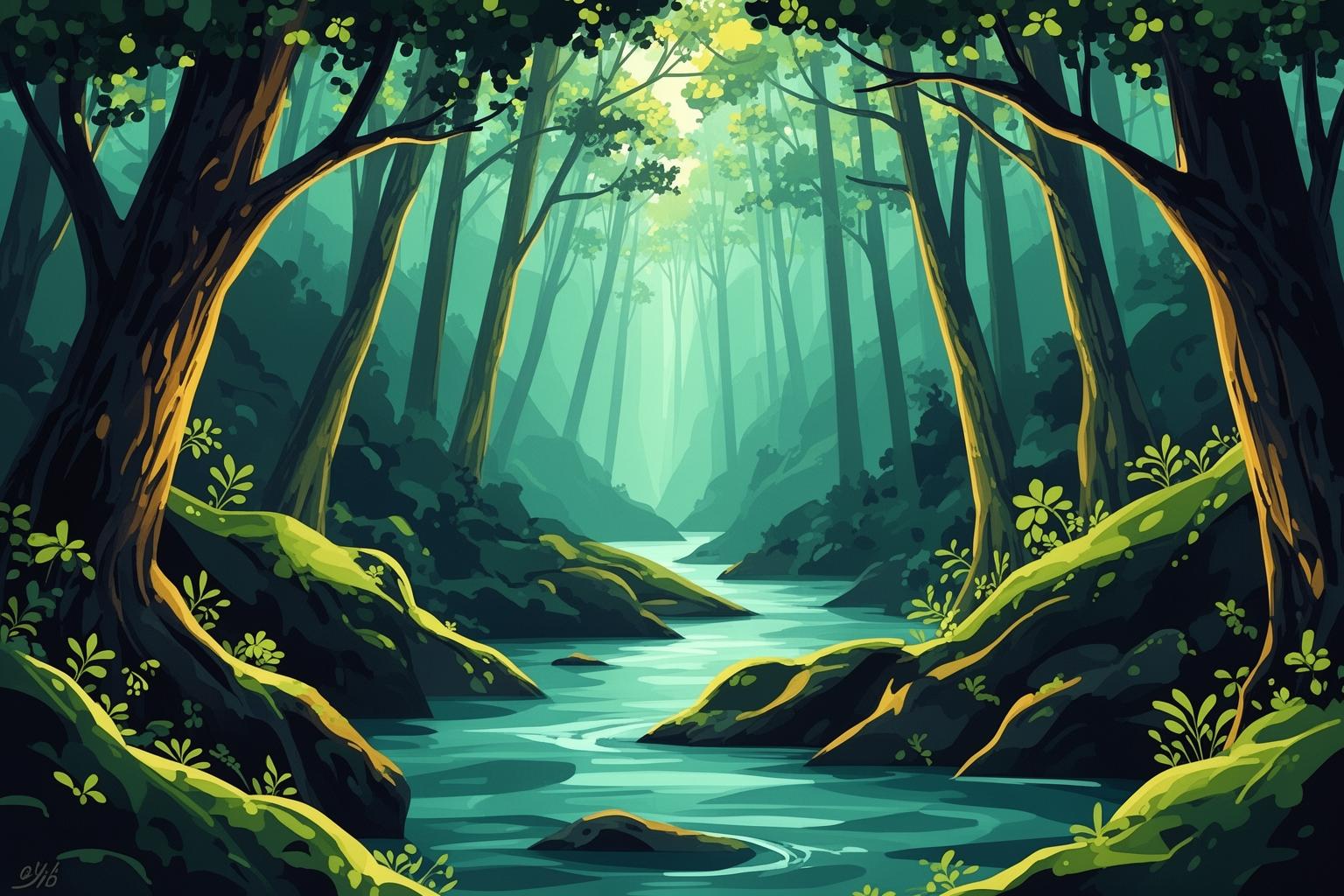
Your genuine immersion into the world of Princess Mononoke begins at Shiratani Unsuikyo Ravine. The name itself, meaning “White Valley Cloud Water Ravine,” is pure poetry, perfectly capturing a place seemingly woven from mist and moisture. The moment you step beyond the entrance, the atmosphere changes. The air turns cool, heavy with the scent of damp earth and decaying wood, a primal fragrance signaling your passage into another realm. The sounds of the outside world fade away, replaced by the soft rhythm of water dripping from moss-laden branches and the gentle murmur of crystal-clear streams flowing over granite boulders.
Walking Through a Ghibli Painting
The trails here are more than mere paths; they are invitations. They wind through a landscape so intensely green it feels surreal. Sunlight struggles to pierce the dense canopy, and when it does, it falls in ethereal beams that light up patches of the forest floor, making the moss glow with an otherworldly radiance. You are walking inside a living cathedral. Several routes are available, each offering a different degree of immersion. The shortest leads to the Yayoisugi, a magnificent cedar estimated to be 3,000 years old—a worthy destination in itself and a gentle introduction to the scale of life here. But to truly connect with the spirit of the place, you must venture further.
The trail begins to climb, following ancient logging paths and crossing babbling streams on quaint wooden bridges. You’ll find yourself surrounded by towering trees, their roots twisting over mossy rocks like the gnarled knuckles of ancient giants. The path ultimately leads to the heart of the forest, the area that most directly inspired Miyazaki’s vision.
The Moss-Covered Realm
Known as Kokemusu-no-mori, the Moss Forest, the name is an understatement. This is not a forest with moss; it is a world made entirely of moss. Every conceivable surface is blanketed in a thick, vibrant carpet of green. Moss clings to the bark of primordial cedars, hangs from branches in delicate curtains, and covers the forest floor with a spongy, undulating blanket. Hundreds of varieties thrive here, each with its own texture and shade, ranging from deep emerald velvet to feathery lime-green fronds. The moss is so dense and all-encompassing that it softens sounds, creating a profound and contemplative silence. Standing amid this quiet, verdant splendor, you come to understand the untamed, sacred nature Ashitaka sought to protect. You can almost sense the Kodama, the small white tree spirits, peering at you from between the leaves. For the devoted hiker, the trail continues upward to a dramatic conclusion: Taikoiwa Rock. This steep final climb rewards you with a breathtaking panorama—a god’s-eye view over the island’s mountainous interior. Gazing out over the endless sea of green canopy, you see the very landscape that served as the backdrop for the film’s epic battles, a powerful reminder of Yakushima’s vastness and wildness.
Practical Steps for Your Ravine Trek
Accessing Shiratani Unsuikyo is fairly straightforward. From the main port towns of Miyanoura or Anbo, you can take a local Yakushima Kotsu bus or drive a rental car. The drive itself is scenic, winding up into the mountains. Be aware the road is narrow and demands careful driving. Upon arrival, there is an entrance fee that goes toward forest conservation. The most important advice for any Yakushima hike is to prepare for rain. The local saying that it rains “35 days a month” is only a slight exaggeration. A high-quality waterproof jacket and pants are essential rather than optional. Sturdy, waterproof hiking boots with good grip are also a must, as moss-covered rocks and wooden paths can become extremely slippery. Dress in layers, as temperatures can change rapidly with elevation. It’s wise to start your hike early to avoid the larger tour groups that arrive midday and to allow yourself plenty of time to explore without rushing. Check the bus schedule carefully, especially for the last return trip, as you don’t want to get stranded. Bring water and snacks since there are no shops along the trail. Above all, walk with respect. Stay on designated paths to protect the delicate moss ecosystem that has taken centuries to develop.
Quest for the Ancient Giant: The Jomon Sugi
If Shiratani Unsuikyo is the heart of the Ghibli forest, then the trek to Jomon Sugi is its grand epic. This is more than just a hike; it is a pilgrimage to stand before one of the oldest living beings on Earth. The Jomon Sugi is a colossal yakusugi, an ancient Japanese cedar, with its age estimated to range from 2,200 to an astonishing 7,200 years. Encountering this silent elder demands a full day of dedication, a pre-dawn start, and considerable physical and mental endurance. Without a doubt, it represents the quintessential Yakushima experience for serious trekkers.
An Epic Journey to Meet a 7,000-Year-Old Elder
The adventure begins deep in the darkness before sunrise. You’ll join other quiet, determined hikers at a bus stop—a silent gathering united by a common goal. The air is crisp and cold, and the sky dazzles with stars, undimmed by city lights. The bus ride itself is part of the ritual, winding through dark mountain roads to reach the Arakawa trailhead. The initial section of the hike is distinctive: for several hours, you walk along the Arakawa Trail, a narrow-gauge railway once used for logging. Your headlamp casts a solitary beam through the darkness, revealing wooden railway ties and the ghostly outlines of trees flanking the tracks. The rhythmic crunch of boots on gravel and the gentle whisper of the wind are the only sounds. As dawn breaks, the forest unveils itself in hues of grey and blue, a truly magical transition from night to day.
The Path and Its Milestones
After roughly eight kilometers, the flat railway trail gives way to the true mountain path, and the ascent begins in earnest. The trail becomes steep—a demanding mix of dirt paths, wooden staircases, and rocky stretches. Along the way, the forest rewards you with remarkable sights that mark your progress. You’ll encounter other giant yakusugi, such as the Meoto Sugi, two trees fused together like a married couple. The most renowned landmark before the final destination is Wilson’s Stump, the enormous, hollowed remains of a cedar felled centuries ago. You can step inside its cavernous interior, a space large enough to hold several people. Looking straight up from the center, the opening at the top of the stump forms a perfect heart shape against the sky. It is a moment filled with pure wonder—a natural work of art offering a welcome pause before the last, grueling ascent to Jomon Sugi. The final climb is the steepest, but anticipation propels you onward. You know you are close.
At last, you arrive. The Jomon Sugi does not simply appear; it gradually reveals itself. To protect its ancient root system, visitors are confined to a wooden viewing platform a short distance away. Yet even from this respectful remove, its presence is overwhelming. It is not conventionally beautiful—it is gnarled, weathered, and asymmetrical, its massive trunk dug with lumps and its branches stretching like the wizened arms of a primordial being. It radiates profound age and resilience. Standing before it, you feel a deep sense of humility. This tree was a sapling while the pyramids were being built. It has witnessed millennia of history unfold, serving as a living link to the distant past of our planet—a silent testament to the enduring power of nature.
Preparing for the Jomon Sugi Pilgrimage
This 22-kilometer, 10-12 hour round-trip trek is not for the faint-hearted. It demands a high level of fitness and careful preparation. First, logistics are crucial. Access to the trailhead is limited, so the Arakawa Tozan Bus must be booked in advance, especially during peak season. A headlamp is absolutely essential for the early morning start. Carry high-energy snacks, at least two liters of water (although you can refill from mountain streams, carrying a filter is advisable), and electrolyte drinks. As with all Yakushima hikes, full rain gear is indispensable regardless of the forecast, as the weather can change suddenly. Perhaps most importantly, be mindful of waste. There are no trash bins and just a few bio-toilets along the trail. You must purchase a portable toilet kit and pack out all your waste. For first-timers or those uncertain about the challenge, hiring a local guide is highly recommended. Guides manage bus logistics, maintain a safe pace, and greatly enhance the experience by pointing out flora and fauna and sharing forest stories and legends, transforming a grueling hike into a fascinating adventure.
Beyond the Ancient Forests: The Coastal Charms of Yakushima
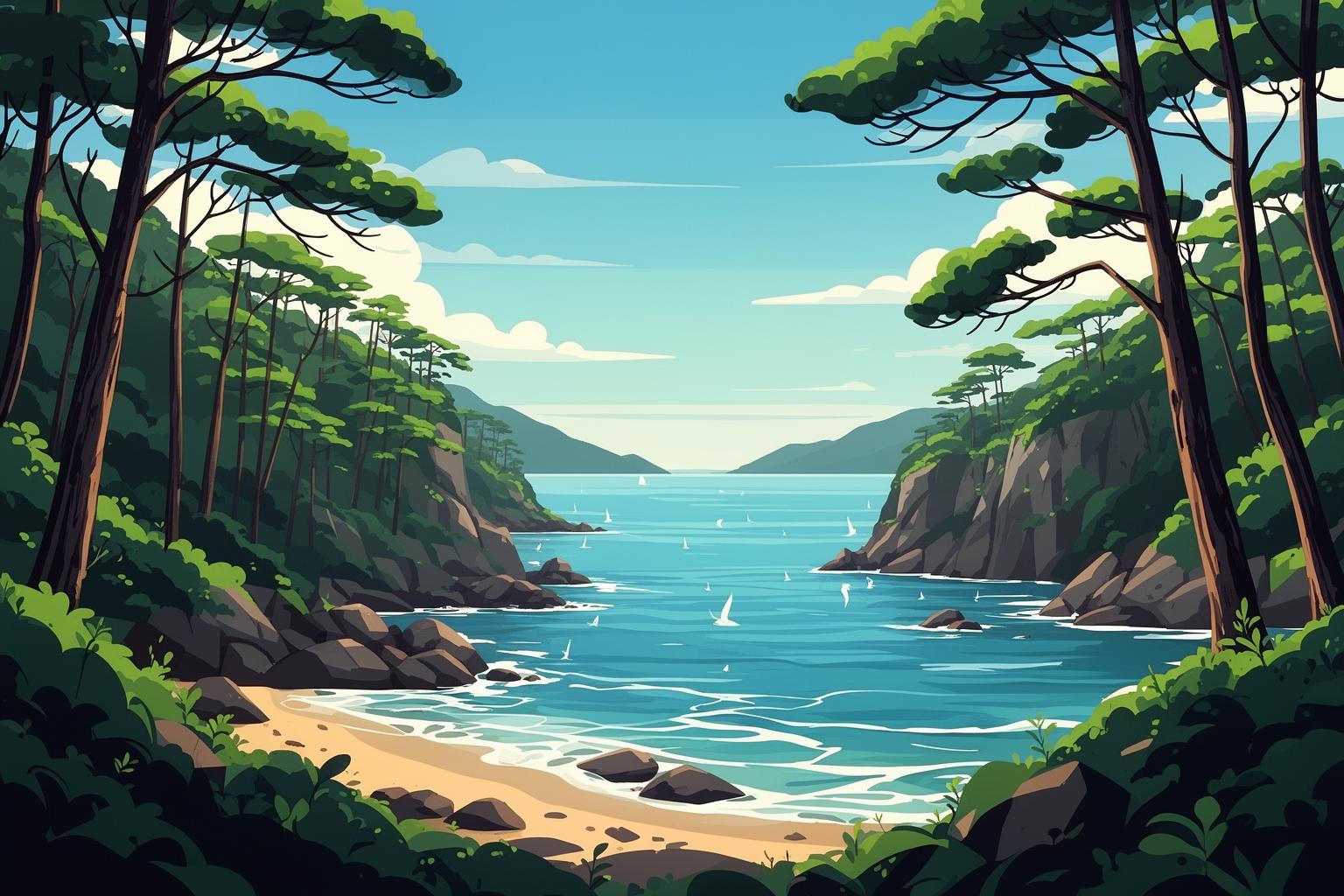
While the ancient cedar forests remain Yakushima’s primary attraction, the island’s charm also reaches out to its stunning and rugged coastline. After spending days beneath the dense canopy of the interior, exploring the island’s sunlit edges feels like a refreshing change. Renting a car and driving the scenic loop road that circles the island is the best way to discover this different side of Yakushima, where mountains plunge dramatically into the turquoise sea.
Where Mountains Meet the Sea
The drive itself is an adventure. The western section of the road, called the Seibu Rindo Forest Path, is a narrow, winding, single-lane route that forms part of the designated World Heritage site. This is the island’s wildest region, where you truly become a guest in nature’s realm. Here, you are almost certain to encounter the island’s iconic inhabitants: the Yakushima macaques and Yaku-sika deer. They roam freely and often lounge right in the middle of the road, unfazed by passing vehicles. It’s a poignant reminder that this is their territory. Drive slowly, with your windows down, and relish the experience of sharing the road with wildlife. The island is also home to spectacular waterfalls. The powerful Ohko-no-taki Falls in the southwest ranks among Japan’s top 100 waterfalls, and you can walk right up to its base to feel the tremendous power and cooling mist. Further east, the Senpiro-no-taki Falls tumbles down a vast granite monolith, offering a truly impressive spectacle.
Ocean Breezes and Hot Spring Havens
Yakushima’s beaches are pristine and breathtaking. Nagata Inakahama, a long stretch of golden sand on the northwest coast, is especially remarkable. It’s not only a beautiful spot to watch the sunset but also the most important nesting ground for loggerhead sea turtles in the North Pacific. From May through July, hundreds of female turtles come ashore at night to lay their eggs. Witnessing this ancient ritual is profoundly moving but must be approached with great respect. To avoid disturbing the turtles, participating in a guided observation tour organized by the local conservation group is essential. For a distinctive coastal experience, be sure to visit the Hirauchi Kaichu Onsen. These natural hot springs are found in tidal pools along the ocean and are accessible only for a few hours on either side of low tide. Soaking in the warm, sulfurous water while the Pacific waves crash against the rocks just feet away is an unforgettable and uniquely Yakushima experience. It is a rustic, communal bathing experience, so come prepared and mindful of local customs. It’s the ideal way to relax sore muscles after a long hike.
Living the Island Life: Practicalities and Culture
Experiencing Yakushima to the fullest requires some planning, but embracing the island’s laid-back rhythm is part of its charm. From getting there to enjoying the local cuisine, knowing the practical details will ensure your trip is smooth and fulfilling.
Getting There and Getting Around
Your journey to Yakushima starts in Kagoshima, the southernmost major city on Kyushu’s mainland. From there, you have several options. The fastest is the high-speed jetfoil ferry, the Toppy or Rocket, which takes about two to three hours; however, the ride can be rough on choppy seas. A slower, often more reliable choice is the car ferry, taking about four hours but providing a steadier trip with the chance to stand on deck and spot flying fish and dolphins. Alternatively, you can fly directly to Yakushima Airport from Kagoshima, Fukuoka, or Osaka. Once on the island, renting a car is by far the most convenient way to explore at your own pace, reaching remote trailheads and hidden beaches alike. Although there is a public bus system, services can be infrequent, especially in isolated areas, and require careful scheduling. Be sure to book your rental car well in advance, especially during busy times like Golden Week or summer holidays.
Fueling Your Adventure: Island Cuisine
Yakushima’s mountains and seas provide a wealth of flavors reflected in its unique and tasty cuisine. The island’s most famous specialty is flying fish, or tobiuo, found on menus everywhere and often featured as karaage, where the whole fish is deep-fried with fins spread out like wings, crispy and delicious. The surrounding waters also yield excellent seafood such as red snapper and mackerel. Yakushima is renowned for its citrus fruits, especially tankan and ponkan, which are used in juices, jams, and desserts. No visit to this part of Japan is complete without sampling the local shochu. Yakushima hosts several distilleries, with Mitake being the most famous brand. This sweet potato shochu is cherished across Japan, and pairing it with local dishes makes a perfect ending to a day of exploration.
Where to Rest Your Head
Yakushima’s accommodations range from simple guesthouses and traditional family-run inns, called minshuku, to comfortable hotels and even a few luxury resorts. The two main towns, Miyanoura on the north coast and Anbo on the east coast, offer the greatest number of options and serve as convenient bases for transportation and dining. Staying in a minshuku provides a wonderful opportunity to experience Japanese hospitality, often including delicious homemade dinners and breakfasts made with local ingredients. For those seeking luxury, establishments like the Sankara Hotel & Spa offer world-class service and breathtaking views. Regardless of your budget, booking your lodging well in advance is essential, as the island has limited capacity and popular spots fill quickly, especially during hiking season from spring to autumn.
The Echo of the Forest
Leaving Yakushima feels like awakening from a vivid dream. The island leaves a lasting imprint on you. It lingers in the memory of the deep, rich green moss, the scent of rain-soaked earth, and the awe-inspiring sight of a tree standing as a silent sentinel for millennia. To visit Yakushima is to understand Princess Mononoke on a cellular level. You begin to appreciate the profound respect for nature embedded in Japanese culture and the film’s urgent call for harmony between humanity and the wild. The forests here are more than just beautiful landscapes; they are characters, living beings with a powerful, ancient spirit. The physical challenge of the hikes strips away the non-essential, clearing your mind and renewing your appreciation for the simple, profound beauty of nature. You carry the forest’s echo with you long after boarding the ferry back to the mainland. It is a quiet strength, a reminder of a place where gods still walk, and a hope that such wild, sacred spaces will endure. If you ever hear the call of the wild, of a place that feels genuinely ancient and alive, answer it by journeying to Yakushima. You will not return the same person who arrived.