There are places on this earth that feel unstuck in time, where the veil between the modern world and ancient myth is so thin you can almost feel the pulse of the old gods beneath your feet. Yakushima is one such place. This subtropical island, a rugged jewel floating in the waters south of Kyushu, is a kingdom of moss, granite, and colossal trees that have stood silent witness to the rise and fall of civilizations. It’s a land where rain is not an inconvenience but the very lifeblood of a primordial forest, a place so profoundly mystical it was chosen by the legendary animator Hayao Miyazaki as the soul and inspiration for his masterpiece, Princess Mononoke. To journey here is to do more than just visit a filming location; it is to step into the frame, to breathe the same air as the forest spirits, the kodama, and to understand the raw, untamable power of nature that Miyazaki so brilliantly captured on screen. This is a pilgrimage to the heart of a living, breathing entity, an island that demands respect and rewards the devoted traveler with a glimpse into eternity.
The mystical allure of Yakushima not only invites explorers to reconnect with ancient legends but also mirrors how visionary storytelling can spark a fresh tourism wave that reshapes travel experiences.
The Soul of the Island: Encountering the Yakusugi
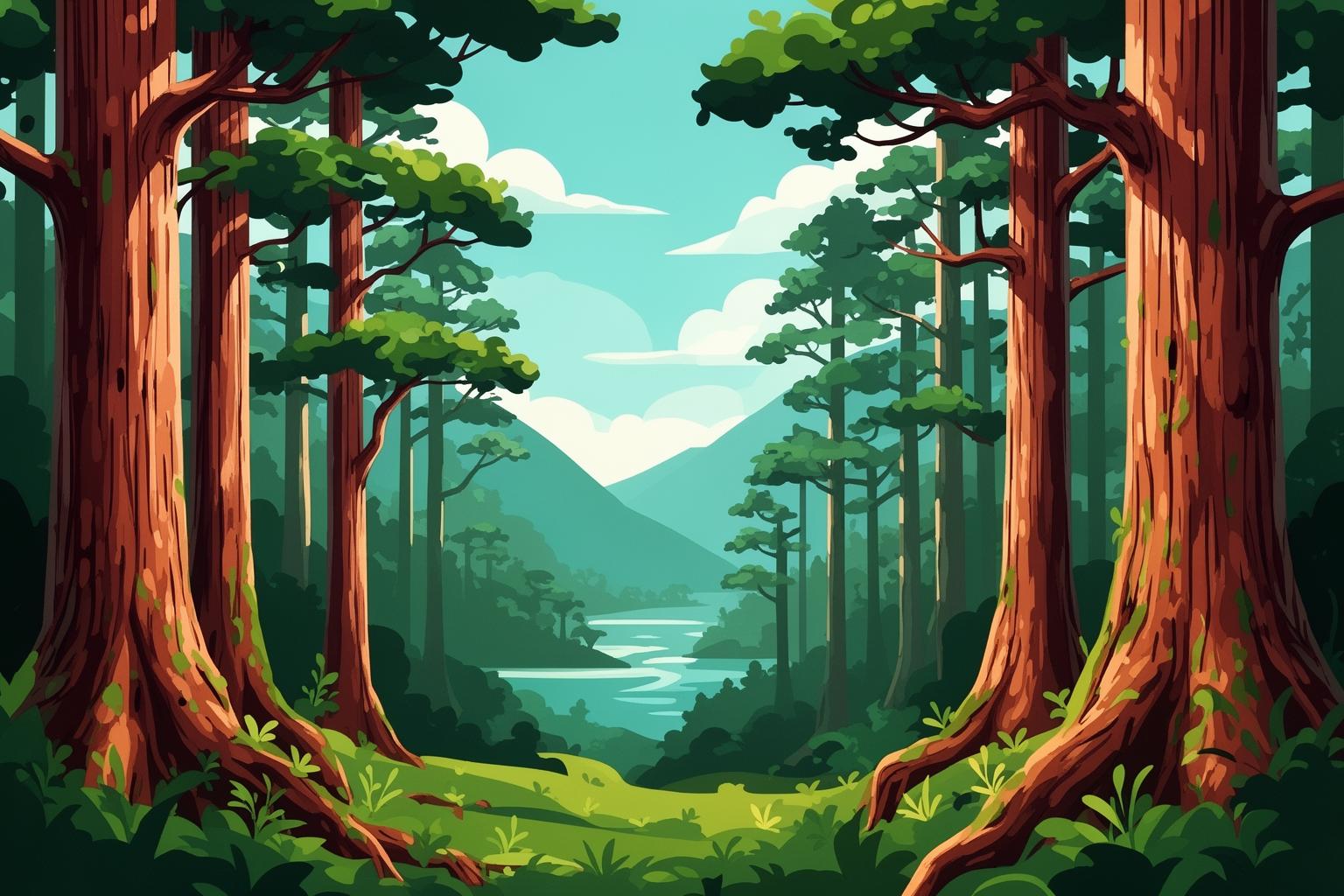
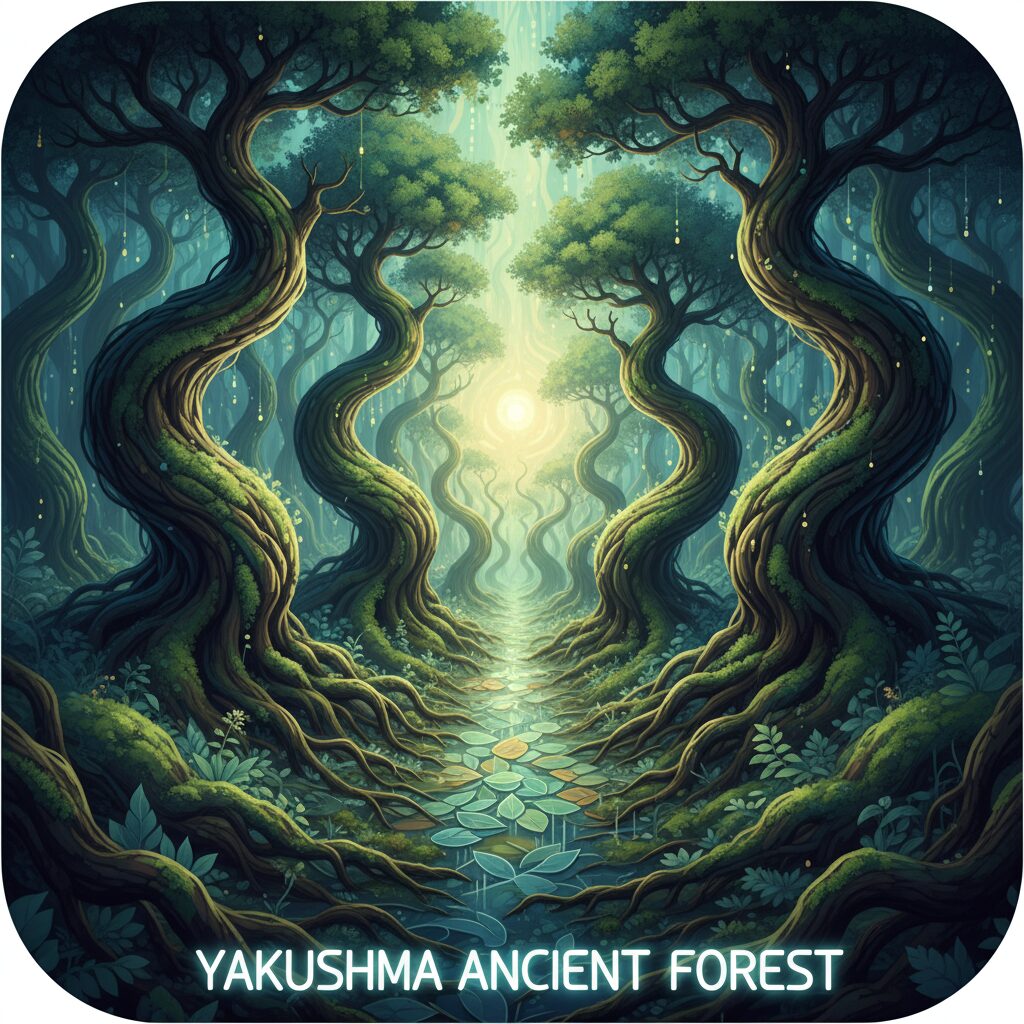
The true rulers of Yakushima are its ancient cedar trees, the Yakusugi. These are far more than simply old trees; they are living deities, beings that have endured for thousands of years. To be classified as a Yakusugi, a cedar must be at least one thousand years old, a milestone that bestows upon it a revered status among the island’s plant life. Walking amongst them is a humbling experience, a poignant reminder of humanity’s transient existence on this planet. Their massive, gnarled trunks are adorned with layers of moss and ferns, creating a scene of such vivid, lush green that it feels almost otherworldly. The very air here feels different—thick with moisture, scented with the aroma of damp earth and decaying wood, a fragrance that speaks of endless cycles of life and death.
Jomon Sugi: The Patriarch of the Forest
At the center of the island’s sacred groves stands the patriarch, the Jomon Sugi. This enormous cedar is the oldest and largest on Yakushima, with age estimates ranging between 2,000 and an astonishing 7,200 years. Standing in its presence fosters a deep connection to Japan’s ancient past, reaching back to the prehistoric Jomon period from which it takes its name. The trek to see this ancient giant is no casual walk; it is a pilgrimage in its own right. The most popular route is a demanding ten-hour round-trip hike following a disused logging railway and steep mountain trails. The path itself becomes part of the story, guiding you through lush valleys and over rushing streams. As you progress, the forest gradually changes, with younger trees making way for older, more imposing giants. The final climb is steep, a last test of endurance before you are granted your audience. Then, you behold it. The Jomon Sugi is not traditionally beautiful—it is a rugged, hollowed survivor, its twisted branches stretching skyward like the arms of a tired god. Its presence is overwhelming, a profound silence that seems to absorb all sound, leaving only your thoughts and a deep sense of awe.
The Whispering Woods of Shiratani Unsuikyo
While Jomon Sugi embodies the island’s ancient strength, the Shiratani Unsuikyo ravine reveals its cinematic enchantment most vividly. This is the place that directly inspired the haunting landscapes of Princess Mononoke. Entering this forest is like stepping through a gateway to another world. The ground is blanketed with thick, velvety moss, covering every rock, root, and fallen log in a seamless mosaic of emerald and jade. Sunlight filters through the dense canopy in ethereal beams, spotlighting the mist that lingers perpetually in the air. The gnarled roots of ancient cedars snake across the forest floor like colossal serpents, and the entire landscape feels alive, as though it might shift and reshape itself at any moment. It was here that Hayao Miyazaki and his team of artists spent hours sketching, absorbing the atmosphere that would come to embody the realm of the Deer God and the wolf clan. As you stroll along winding paths, past crystal-clear streams and over moss-covered bridges, it’s impossible not to sense the presence of the kodama, the white, rattling tree spirits from the film. You find yourself searching for them, half-expecting to glimpse their curious faces peeking out from behind a tree. This forest breathes a quiet, potent magic—a place where fantasy and reality seamlessly merge into one.
A Living, Breathing Ecosystem: More Than Just Trees
To understand Yakushima is to understand its water. The island ranks among the wettest places in Japan, famously described by locals with the phrase, “it rains for 35 days a month.” This nearly constant rainfall is not a drawback but the very force driving its unique ecosystem. The vast precipitation feeds countless rivers and waterfalls that pour down the island’s steep granite slopes, carving ravines and nourishing the forests. This wealth of pure, life-giving water enables the moss to grow densely and the trees to reach monumental heights. The rain acts as a cleansing agent, purifying the air and intensifying the vibrant greens of the landscape. It creates a soundscape unlike any other: the ceaseless patter of drops on leaves, the rush of swollen streams, and the distant roar of waterfalls. To visit Yakushima is to embrace the rain, seeing it not as something to avoid but as a vital character in the island’s story.
The Cycle of Life, Rain, and Renewal
The island’s climate fosters a world in constant renewal. The forest floor forms a deep, soft bed of decomposing matter, providing a rich foundation for new life. Fallen giants, centuries old, serve as nurseries for the next generation of trees, their decaying trunks giving rise to seedlings and ferns. This visible cycle of life and death is a core theme in Princess Mononoke, and here on Yakushima, you can witness it firsthand. The air is so pure, the water so clean, the entire island feels like a sanctuary. It reminds you of nature’s resilience and its ability to thrive and create breathtaking beauty from the simplest elements of rock, water, and light. The intense greenery, in all its countless shades, has a profound psychological effect, calming the mind and rejuvenating the spirit. It’s a sensory immersion, a baptism into the raw essence of the natural world.
The Island’s Inhabitants: Yaku-shika and Yaku-zaru
Enhancing the island’s magical atmosphere are its resident animals, chiefly the Yakushima macaque (Yaku-zaru) and the Yakushima deer (Yaku-shika). These creatures are smaller than their mainland relatives and roam the island with serene confidence, seemingly unafraid of human visitors. You’ll encounter them everywhere, from roadside areas to the deepest forest trails. A monkey might groom its companion on a guardrail as you pass by, or a deer may raise its head to gaze at you with curious, dark eyes before returning to its meal of fallen leaves. Their constant presence makes the forest feel even more alive, inhabited by watchful spirits. In the context of Princess Mononoke, they are the real-world counterparts to the animal clans and forest spirits—living symbols of the wild wilderness San, the wolf princess, sought to protect. Watching them in their natural environment, coexisting peacefully, reinforces the film’s message about the importance of harmony among all living beings.
The Journey to the Ancient Isle: Practical Guidance for the Modern Pilgrim
Reaching this remote sanctuary requires some planning, but the journey itself is part of the adventure. Your trip will most likely start in Kagoshima, the vibrant city located at the southern tip of mainland Kyushu. From there, you have two main options for crossing the sea to Yakushima. The fastest way is by high-speed hydrofoil—the Toppy or the Rocket—which glides over the waves and takes about two to three hours to reach one of the island’s main ports, Miyanoura or Anbo. The ride offers spectacular views of the ocean and the approaching silhouette of the island’s formidable mountain range. Alternatively, for a slower, more reflective, and budget-friendly journey, you can opt for the car ferry, which takes roughly four hours and allows you to bring a vehicle while enjoying the sea air. For those pressed for time, daily flights from Kagoshima and Fukuoka connect directly to Yakushima’s small airport, providing a stunning aerial view of the island’s lush, mountainous interior. Whichever mode of transport you choose, booking ahead is strongly recommended—especially during peak seasons in spring and autumn, when pilgrims from around the world visit the island.
Navigating the Verdant Labyrinth
Once you arrive, you’ll discover that Yakushima is larger and more rugged than it appears. Though public transportation is available, bus service can be infrequent and may not reach all the trailheads or remote spots you want to explore. To truly unveil the island’s secrets and travel at your own pace, renting a car is by far the best choice. The freedom to stop at a secluded beach, watch a family of monkeys, or drive winding mountain roads into the clouds is invaluable. The island’s main road circles the entire coastline, but be warned: the western section, known as Seibu Rindo, is a narrow, winding, and often single-lane forest path where deer and monkeys are the main traffic. Driving here is an adventure in its own right. When preparing for hikes, keep in mind this is a wild and demanding environment. Sturdy, waterproof hiking boots are essential. Trails can be rocky, slippery, and steep. Equally important is high-quality rain gear. A cheap poncho will not withstand the island’s notorious downpours—the difference between a miserable trek and a magical, immersive experience lies in a reliable waterproof jacket and pants.
Choosing Your Basecamp: Miyanoura and Anbo
The island’s population is concentrated in a few small towns, mainly Miyanoura in the north and Anbo in the east. Miyanoura is the largest settlement and the main entry point for hydrofoil arrivals. Here you’ll find the greatest variety of accommodations, restaurants, and gear rental shops, making it a convenient, lively base. Anbo, farther south, is a quieter port town that serves as an excellent starting point for hikes to Jomon Sugi and is closer to natural attractions like Yakusugi Land nature park. Accommodations range from cozy family-run guesthouses known as minshuku, where you can savor delicious home-cooked meals, to more modern hotels with added amenities. Staying in a minshuku provides a wonderful chance to connect with local culture and gain insights from hosts familiar with the island. Many even prepare traditional bento boxes for your next day’s hike—a tasty and practical treat to enjoy amidst the ancient trees.
Beyond the Forest: Experiencing Yakushima’s Full Splendor
While the ancient forests remain the island’s primary attraction, Yakushima also boasts a wide variety of landscapes and experiences. Its character is defined by the striking interplay between its towering mountains and the surrounding ocean. The interior is dominated by a series of peaks, including Mt. Miyanoura, which at 1,936 meters is the highest mountain in southern Japan. Hiking to these summits provides a unique perspective, lifting you above the dense forest canopy into a world of alpine flora and sweeping views of the entire island and the sea beyond.
From Mountain Peaks to Ocean Breezes
After spending days in the cool, damp shade of the forest, the island’s coastline offers a refreshing contrast. Nagata Inakahama Beach on the northwest coast is a breathtaking stretch of golden sand, renowned as a key nesting site for endangered loggerhead and green sea turtles. Between May and August, guided nighttime tours allow visitors to witness the remarkable sight of female turtles coming ashore to lay their eggs. The island is also home to distinctive hot springs, or onsen. The most famous among them are the seaside Hirauchi Kaichu Onsen, natural pools accessible only for a few hours each day at low tide. Soaking in these geothermally heated rock pools, with waves crashing just feet away, is a truly unforgettable, elemental experience—a perfect way to relax muscles tired from a long hike.
The Flavors of the Island: A Taste of Yakushima
The island’s natural abundance is reflected in its cuisine. Local specialties are closely tied to the environment. Flying fish, or tobiuo, is a staple, commonly served deep-fried to a crisp, fins and all. Yakushima is also celebrated for its citrus, especially the sweet and juicy tankan orange, as well as products made from it like juices and jams. For a taste of local spirit, try the island’s own shochu, a distilled liquor. The most renowned brand, Mitake, is prized for its smooth, rich flavor, which is attributed to the island’s famously pure water. Enjoying a meal crafted from local ingredients after a day of exploring is the perfect way to connect with Yakushima’s culture and community, savoring the very essence of its land and sea.
A Pilgrim’s Mindset: Respect and Preparation
Visiting Yakushima carries a responsibility. This UNESCO World Heritage site is a fragile ecosystem that has endured for millennia. It’s essential to approach the island with respect and a dedication to preservation. The “leave no trace” principle is vital, meaning you must pack out everything you bring in, including all food wrappers and trash. On longer trails, particularly the route to Jomon Sugi, restrooms are not available, so carrying a portable toilet kit is crucial to protect this delicate environment. The local community and conservation groups work tirelessly to keep the island pristine, and as visitors, we must join them in this effort. This attitude also means embracing the island’s wild nature—the rain is not something to be resented but celebrated as the source of its beauty. The challenging trails are not obstacles but chances to push your limits and earn the reward of witnessing something truly ancient.
When to Heed the Call
Yakushima can be visited year-round, with each season offering a distinct character. Spring, from March to May, brings mild weather and blooms of mountain rhododendrons and wild cherry blossoms, splashing the green landscape with pink and white. Autumn, from October to November, features cool, pleasant hiking conditions and vibrant fall colors at higher elevations. Summer is hot, humid, and the peak season for tourists and rainfall, but it’s also the best time to observe sea turtles and enjoy the island’s rivers and waterfalls. Winter is the quietest season, with fewer visitors; while the lowlands stay temperate, mountain peaks are often dusted with snow, creating a stunning and peaceful scene for experienced hikers. The best time to visit depends on what you desire, but no matter when you come, the island’s spirit remains powerful and unchanged.
The Echoes of Mononoke: A Final Reflection
Leaving Yakushima feels like emerging from a vivid dream. The overwhelming green, the scent of rain-soaked earth, and the awe-inspiring presence of the ancient Yakusugi remain etched in your memory long after you return to the realm of concrete and steel. This island is far more than just a backdrop for a cherished film; it embodies the film’s powerful message itself. It stands as a living testament to nature’s enduring strength and a poignant reminder of the fragile balance between the human world and the wild. In Princess Mononoke, the forest served as a battleground for this struggle. Here on Yakushima, you encounter a place where harmony seems possible. Walking through Shiratani Unsuikyo, you don’t merely see the world Miyazaki envisioned; you feel the philosophy behind it. You come to understand that the forest possesses a soul, a voice, and a right to exist—a truth that resonates deeply within you. A pilgrimage to Yakushima transforms you. It reconnects you to something ancient and essential within yourself, leaving you with a renewed sense of wonder and a profound respect for the wild, beautiful, and sacred places of our world.