There’s a certain kind of magic that lives inside a Studio Ghibli film. It’s a whisper on the wind, a rustle in the leaves, the quiet hum of a sleepy seaside town. For decades, the works of Hayao Miyazaki and his team have transported us to worlds brimming with wonder, courage, and a profound respect for nature. We’ve flown on the back of a dragon, befriended forest spirits, and worked alongside gods in a mystical bathhouse. But what if I told you that the gateways to these worlds aren’t entirely confined to the screen? Scattered across the islands of Japan, from ancient forests dripping with moss to nostalgic cityscapes humming with life, lie the very places that breathed life into these animated masterpieces. This journey is more than just sightseeing; it’s a pilgrimage, or what we call in Japan, seichi junrei. It’s a chance to walk through the landscapes that fueled a master’s imagination, to feel the same air, and to see the world, just for a moment, through his eyes. It’s an invitation to step directly into the frame and find that Ghibli magic waiting for you in the real world.
For those eager to experience the natural wonders behind Miyazaki’s films, exploring the ancient forests offers a tangible connection to the real-life magic that inspired these masterpieces.
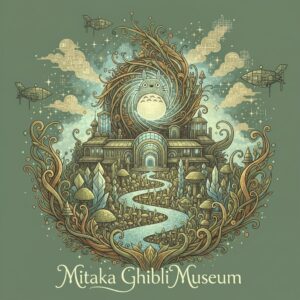
The Ghibli Museum, Mitaka: Where Imagination Takes Form

Our journey begins at its very core—the sole location officially created by Studio Ghibli. Nestled in the tranquil Tokyo suburb of Mitaka, the Ghibli Museum defies the traditional idea of a museum. There are no fixed paths or velvet ropes keeping visitors at bay. It’s a whimsical, multi-level mansion crafted by Hayao Miyazaki as a “gateway to a storybook world.” Its motto, “Let’s get lost, together,” is a heartfelt invitation. From the moment you exchange your voucher for a film strip ticket—a genuine 35mm frame from a Ghibli movie—you’re encouraged to meander, explore, and uncover hidden delights.
The Magic of Entry
The building itself is a masterpiece, a vibrant, ivy-clad structure that feels more like a cozy home than a public space. Sunlight streams through stained-glass windows depicting Totoro, Kiki, and other beloved characters, casting colorful patterns on the gleaming wooden floors inside. A spiral staircase ascends through a central shaft, leading to unexpected dead ends, tiny doorways, and balconies overlooking the charming chaos below. The entire area bursts with tactile wonders—levers to turn, drawers to open, and secret details that reward the curious. It’s designed to stir your inner child and remind you of the thrill of discovery without a map.
Exclusive Shorts and a Catbus for Kids
A highlight of the museum is the Saturn Theater, a cozy, intimate cinema screening original animated shorts unavailable anywhere else. The featured film rotates regularly, making each visit potentially unique. These stories are simple, silent, and universally touching—a pure expression of Ghibli’s spirit. For younger visitors, there’s a special treat: a life-sized, plush Catbus from My Neighbor Totoro. Soft and inviting, it’s reserved exclusively for elementary school children and younger, a rule that often leaves adults wistfully watching from the sidelines. Upstairs, a giant Robot Soldier from Laputa: Castle in the Sky stands watch on the rooftop garden, a serene guardian overlooking Inokashira Park.
A Planner’s Tip: The Ticket Lottery
Here’s an essential tip for would-be visitors: tickets cannot be purchased at the museum entrance. Admission is tightly controlled, with tickets sold for specific dates and times. Residents of Japan can enter an online lottery system on the 10th of each month for tickets the following month. Overseas visitors are best advised to buy through authorized travel agencies like JTB in their home country, often well in advance. Securing a ticket requires planning, persistence, and some luck, but the payoff is a personal, uncrowded experience that’s truly unforgettable.
Getting There and Making a Day of It
The museum is a pleasant 15-minute walk from Mitaka Station on the JR Chuo Line, a direct route from major hubs such as Shinjuku and Tokyo Station. The path runs alongside a canal, making the walk itself part of the adventure. Alternatively, you can stroll through beautiful Inokashira Park starting from Kichijoji Station. I highly recommend dedicating a full day: after visiting the museum, immerse yourself in the park, rent a swan boat on the lake, and then explore the lively, trendy Kichijoji neighborhood, known for its fantastic food, quirky shops, and vibrant atmosphere.
Yakushima Island: The Ancient Heart of Princess Mononoke
From the museum’s crafted wonders, we journey far south to a land of raw, untamed magic. Yakushima Island, a UNESCO World Heritage site located off the southern coast of Kyushu, is home to ancient giants and deep, mystical greens. This primeval forest was the direct inspiration for the hauntingly beautiful world of Princess Mononoke. When Hayao Miyazaki and his team visited, they encountered not just a location but a spirit—the very soul of the forest they aimed to depict. The air here is thick with moisture and history, and every moss-covered stone and gnarled root seems to resonate with a quiet, powerful energy.
Shiratani Unsuikyo Ravine: Walking with the Kodama
If there is one spot on Yakushima that truly feels like a film set, it is Shiratani Unsuikyo Ravine. As you follow the trails, you are immersed in a realm of impossible green. Moss blankets everything—the forest floor, the trunks of ancient cedars, and the surfaces of weathered granite boulders. Sunlight struggles through the dense canopy, casting an ethereal, emerald glow over the scene. The sounds of dripping water and rushing crystal-clear streams fill the air. It is here, among twisted roots and silent trees, that you nearly sense the presence of the Kodama, the little white tree spirits from the film. A section of the forest, officially nicknamed ‘Mononoke Hime no Mori’ (Princess Mononoke’s Forest), stands as a tribute to this deep connection.
The Jomon Sugi: A Witness to Millennia
Deep within the island’s interior stands Jomon Sugi, a colossal Japanese cedar estimated to be between 2,000 and 7,200 years old. The hike to reach this ancient giant is no casual stroll; it’s a challenging, full-day trek and a pilgrimage in its own right. The trail follows old logging railway tracks and climbs steep mountain paths, through a forest that grows older and more majestic with every step. Encountering Jomon Sugi is a humbling moment. Its vast, gnarled trunk tells a story from long before human history, embodying the ancient, powerful spirit of the Deer God from the film. It serves as a profound reminder of nature’s endurance and grandeur.
Preparing for the Pilgrimage
Traveling to Yakushima demands preparation. The island is known for its rain—locals joke it rains “35 days a month”—so high-quality waterproof gear is essential. The hiking trails, especially to Jomon Sugi, are strenuous and require good fitness and sturdy boots. Hiring a local guide is strongly advised; they not only ensure your safety but also enrich your journey with knowledge of the island’s unique flora, fauna, and history. They are familiar with the forest’s secrets and rhythms.
Access and Accommodation
Getting to Yakushima involves a short flight from Kagoshima, Fukuoka, or Osaka, or a high-speed or slower car ferry from Kagoshima. The island offers a range of accommodations, from simple minshuku (guesthouses) providing a glimpse of local life to comfortable hotels. Renting a car is the most convenient way to explore, as public transportation can be sparse. Book well in advance, especially during peak seasons, as this mystical island is no longer a hidden gem.
Echoes of Spirited Away: Nostalgia and Wonder

Spirited Away is a masterpiece crafted from a rich blend of inspirations, a dreamlike fusion of Japanese folklore, history, and nostalgic architecture. While there is no single place to visit, several locations evoke the unique atmosphere of Chihiro’s journey, especially the magnificent Aburaya bathhouse where she works.
Dogo Onsen, Ehime: The Bathhouse of the Gods
The most well-known inspiration is the Dogo Onsen Honkan in Matsuyama, Ehime Prefecture. It is one of Japan’s oldest and most revered hot spring bathhouses, a grand, multi-tiered wooden building steeped in history. Its intricate maze of corridors, steep stairways, and hidden rooms immediately recalls the labyrinthine interior of the Aburaya. Watching steam rise from its ornate roof and seeing guests strolling in cotton yukata makes it easy to imagine gods and spirits arriving for their nightly purification. The building’s majestic, slightly chaotic energy perfectly mirrors the film’s iconic centerpiece.
Experiencing the Onsen
Visiting Dogo Onsen is a cultural journey. You can select from various bathing options, some of which include access to historic resting rooms, such as the one reserved solely for the Imperial Family. The main baths can be lively, a vibrant mix of locals and tourists. A small tip: bring your own towel to save a bit of money, and be sure to check the renovation status before your visit, as this ancient structure frequently undergoes preservation efforts to maintain its grandeur for future generations.
Shima Onsen, Gunma: Another Face of Aburaya
Travel to the mountains of Gunma Prefecture, and you’ll discover another inspiration for the Aburaya’s design: the Sekizenkan Ryokan at Shima Onsen. While Dogo Onsen captures grandeur on a large scale, Sekizenkan presents a striking image that is unmistakably part of Spirited Away’s essence. A beautiful red bridge, nearly identical to the one Chihiro holds her breath to cross, leads to the main building of this historic inn. The inn itself, with its traditional wooden architecture and lantern-lit facade, feels as though it was lifted directly from the film’s spirit world. The atmosphere here is quieter and more secluded than Dogo’s, offering a different yet equally powerful taste of the film’s magic.
The Edo-Tokyo Open Air Architectural Museum: A Glimpse into the Past
For a deeper understanding of the creator’s vision, a visit to the Edo-Tokyo Open Air Architectural Museum in western Tokyo is a must. Hayao Miyazaki frequently visited during the making of Spirited Away, drawing inspiration from the collection of relocated and reconstructed historic buildings from Japan’s Meiji and Showa eras. As you stroll through the museum’s streets, you’ll experience an uncanny sense of familiarity. The old-fashioned stationery shop, with its wooden drawer walls, closely resembles Kamaji’s boiler room. The grand public bathhouse, ‘Kodera-yu,’ with its high ceilings and rows of taps, mirrors the interior of the Aburaya perfectly. This park is a treasure trove of architectural details thoughtfully studied and woven into the film’s rich visual tapestry.
The Gentle Countryside of My Neighbor Totoro
After the splendor of mystical bathhouses and ancient forests, we retreat to a landscape filled with gentle nostalgia and childhood wonder. The world of My Neighbor Totoro is one of sun-dappled woods, tranquil rice paddies, and the simple pleasures of rural life. This idyllic setting was inspired by the Sayama Hills, an expansive area of parkland and forest straddling the border between Tokyo and Saitama prefectures. It’s a place that feels remarkably intact, a pocket of Showa-era countryside within reach of the modern city.
Kurosuke’s House: A Step Back in Time
At the forest’s edge, you’ll find a place that feels like a warm embrace from the film itself: Kurosuke’s House. This carefully preserved Showa-era home functions as a community center and a focal point for the Totoro Forest conservation movement. Stepping inside is like visiting Satsuki and Mei’s house. Waiting to greet you in the main room is a large, huggable Totoro figure—a delightful surprise that brings joy to visitors of every age. The house is only open on select days, so be sure to check the schedule online before you visit. It’s a small, heartwarming space run by dedicated volunteers who embody the film’s spirit of community.
Walking the Fuchi no Mori Trails
The true magic of a Totoro pilgrimage lies in simply walking. The Sayama Hills are interlaced with trails that meander through what is now officially called “Totoro’s Forest.” These woods are protected by the Totoro no Furusato Foundation, a movement that began in the 1990s with initial funding from Hayao Miyazaki himself to preserve this precious landscape from development. As you wander, the scenery feels deeply familiar: towering trees creating shadowy tunnels, small shrines hidden in clearings, and quiet vegetable gardens. You can almost hear Mei’s excited calls and imagine a Catbus bounding over the treetops. It’s a peaceful, restorative experience that connects you directly to the film’s gentle, nature-loving heart.
Practical Notes for a Totoro Day Trip
The Sayama Hills are easily reachable from central Tokyo, making them perfect for a day trip. Take the Seibu Ikebukuro Line to Seibu-Kyujo-mae Station. From there, it’s a short walk to the nature trails’ starting point. Wear comfortable shoes, bring a bento box for a picnic, and allow yourself to wander without a strict plan. The aim isn’t to see a specific landmark, but to soak in the quiet magic of the landscape that inspired such a beloved story.
Tomonoura and the Seaside Charm of Ponyo
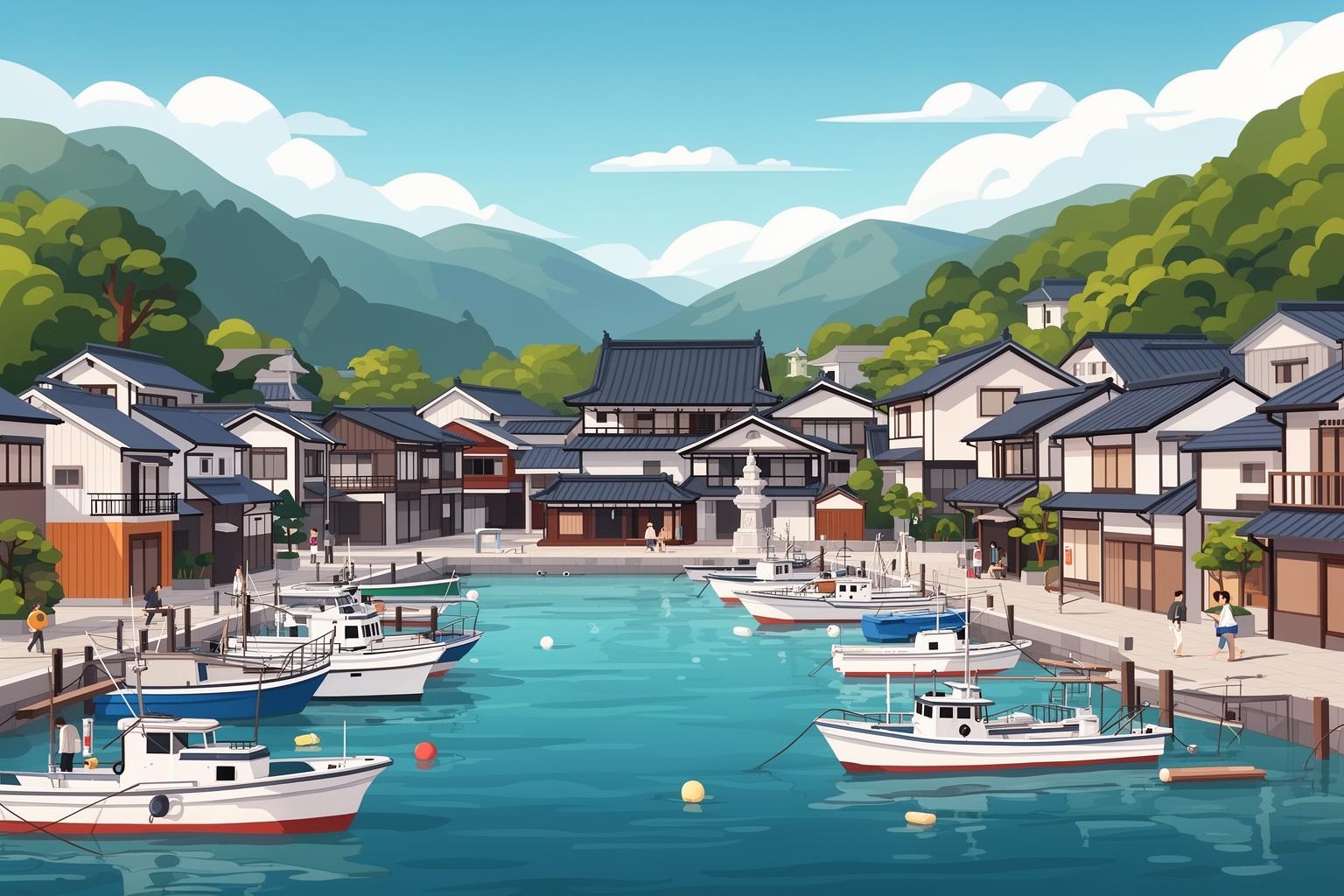
Our journey now leads us to the coast, to a town where the sea is a constant, gentle companion. The charming port town of Tomonoura, located within Fukuyama City in Hiroshima Prefecture, serves as the enchanting real-world backdrop for Ponyo. Hayao Miyazaki spent two months living here in a local home, observing the town’s rhythms and sketching the details that would bring Ponyo’s world to life. Tomonoura boasts a beautifully preserved, old-world charm, where time seems to slow and the line between land and sea blurs gracefully.
A Town Frozen in Time
Strolling through Tomonoura feels like stepping back a century. The town’s harbor, its heart, is a crescent-shaped bay shielded by a stone sea wall. Traditional wooden houses with tiled roofs edge the narrow, winding streets. Fishing boats gently sway on the water, their engines a soft hum in the afternoon breeze. The iconic Joyato lighthouse, a stone lantern that has guided vessels for centuries, stands as a quiet sentinel. Miyazaki captured this atmosphere perfectly; the town of Sosuke and Ponyo is not merely based on Tomonoura, it is Tomonoura, infused with a touch of Ghibli magic.
Discovering Ponyo’s Vistas
To see the town through Miyazaki’s eyes, climb the stone steps to Fukuzenji Temple’s Taichoro reception hall. The view from its open tatami room, which frames the harbor and Bentenjima Island, is renowned as one of the most picturesque sights in the Seto Inland Sea. This vista recurs throughout the film. As you wander, you’ll discover countless other details: the small fishing boats, the tightly clustered houses clinging to the hillside, and the unique shape of the coastline. It’s a delightful treasure hunt for fans, uncovering the real-life elements so lovingly recreated in animation.
Embracing the Slow Pace
The best way to appreciate Tomonoura is to embrace its leisurely rhythm. It lacks major tourist attractions, and that is precisely its greatest allure. My suggestion is to simply explore on foot. Browse the small shops offering local delicacies, savor incredibly fresh seafood at a harborside eatery, and take the brief ferry ride to nearby Sensuijima Island for a walk. Tomonoura’s magic resides in its atmosphere, best enjoyed by slowing down and immersing yourself in the moment.
More Whispers on the Wind: Other Ghibli Inspirations
Although the locations mentioned above are some of the most renowned, the web of Ghibli’s inspirations extends widely, often reaching even the most ordinary places. For the truly devoted pilgrim, here are a few additional spots where the world of the films intersects with our own.
The Seiseki-Sakuragaoka Hills of Whisper of the Heart
Set in the everyday suburbs of West Tokyo, this film is a masterclass in transforming the mundane into the magical. The neighborhood of Seiseki-Sakuragaoka was carefully recreated as the film’s backdrop. Fans can follow in the footsteps of Shizuku Tsukishima on her journey of self-discovery. You can climb the steep Irohazaka slope, visit the Konpira-gu Shrine where Sugimura confesses his feelings, and find the iconic roundabout with the small antique shop (although the shop itself is fictional, the location is real). It’s a pilgrimage that celebrates the magic hidden within familiar, everyday landscapes.
The Mining Town of Laputa: Castle in the Sky
Pazu’s mining town is believed to be inspired by a mix of places, including the industrial landscapes of Wales, which Miyazaki visited in the 1980s. In Japan, however, the abandoned gold mines on Sadogashima Island off the coast of Niigata share a similar industrial and historical atmosphere. Exploring these ruins and old mining facilities can evoke the hardworking, gritty world depicted in the early parts of Laputa.
The Red-Roofed Houses of Kiki’s Delivery Service
While Miyazaki has openly stated that the main inspirations for Koriko were Stockholm and Visby in Sweden, echoes of that European-style port town aesthetic can be found in Japan. The Motomachi district in Hakodate, Hokkaido, with its charming hillside location, Western-style historical buildings, and beautiful views of the port, shares a strikingly similar atmosphere. It’s a wonderful illustration of how a blend of foreign and domestic influences can create a unique and timeless Ghibli world.
A Pilgrim’s Practical Guide

Embarking on a Ghibli pilgrimage calls for a mindset that differs somewhat from a typical tour of Japan. Here are a few reflections to help guide you on your journey.
The Art of Slow Travel
The essence of Ghibli is often found in the quiet moments. Avoid rushing from one photo spot to another. Allow yourself time to sit on a bench in Inokashira Park, listen to the sound of a stream in Yakushima, or watch the boats in Tomonoura harbor. The aim is not merely to see these places, but to experience them. Slowing down lets the atmosphere of a place unfold naturally.
Respectful Exploration
Many of these hallowed sites are not tourist attractions. Seiseki-Sakuragaoka is a residential area, Tomonoura remains a working fishing town, and the Totoro Forest is a treasured natural preserve. Please be considerate and respectful. Keep your voice low, avoid trespassing on private property, carry out all your trash, and stay on marked trails in natural areas. Our pilgrimage should honor these places without imposing on them.
Seasonal Considerations
Japan’s distinct seasons will significantly shape your experience. Yakushima is lush and vibrantly green in summer but cooler and quieter during spring and autumn. The Sayama Hills are stunning with spring cherry blossoms and the crisp colors of fall. Dogo Onsen feels especially warm and inviting on a chilly winter evening. Think about the atmosphere you want to encounter and plan your visit accordingly.
Essential Tools for the Journey
For a multi-location trip like this, a Japan Rail Pass can be a valuable and economical way to travel between regions. In rural areas and smaller towns, always carry sufficient cash, as credit cards might not be widely accepted. A pocket WiFi device or local SIM card is crucial for checking train schedules and navigating to more remote places. Above all, bring a curious mind and an open heart.
The Enduring Magic of Place
A journey through the real-life worlds of Studio Ghibli is a journey into the very heart of Japan. It shows that the breathtaking beauty, quiet dignity, and gentle nostalgia portrayed in the films are not mere fantasy. Instead, they reflect a real world, seen through the compassionate and wonderfully imaginative eyes of an artist. Visiting these places allows one to understand the source of the magic. It lies in the ancient reverence for nature embodied by a 7,000-year-old tree. It lives in the community spirit that preserves a small forest or a historic bathhouse. And it exists in the quiet beauty of an ordinary suburban street. The greatest gift of this pilgrimage is the realization that the Ghibli spirit is not confined to these specific locations; it is everywhere, waiting in the whisper of the wind for those who take a moment to listen.