
There are stories that stay with you, long after the credits roll. They weave themselves into the fabric of your memory, their colors as vivid as a twilight sky, their melodies echoing in the quiet moments of your day. Makoto Shinkai’s masterpiece, Your Name., or Kimi no Na wa., is one such story. It’s a breathtaking tapestry of fate, time, love, and loss that captured the hearts of millions across the globe. The film is a sensory experience, a visual poem where every frame is a meticulously crafted painting. But what if I told you that the world of Taki and Mitsuha, a world that feels so magical and ethereal, is rooted in the very real, very tangible soil of Japan? What if you could walk the same streets, climb the same stairs, and breathe the same air as the characters you grew to love? This is the magic of seichi junrei, or anime pilgrimage, a journey that transforms you from a mere viewer into an active participant in the story. It’s a quest to find the intersection of fiction and reality, to stand in a place and feel the phantom presence of a narrative you hold dear. This guide is your map, your compass for a journey that spans two distinct, yet equally enchanting, faces of Japan: the electric, sprawling metropolis of Tokyo, and the serene, timeless countryside of the Hida region. We will trace the steps of Taki Tachibana through the concrete canyons of Shinjuku and follow the whispers of Mitsuha Miyamizu through the traditional heart of a town that time seems to have forgotten. Prepare to have your breath taken away, not just by the beauty of Japan, but by the powerful feeling of stepping directly into a world you once only dreamed of.
For travelers enchanted by Japan’s cinematic magic, a visit to the mystical Yakushima forest offers another way to experience the blend of reality and myth that defines these beloved landscapes.
Tokyo’s Urban Heartbeat: Tracing Taki’s Footsteps
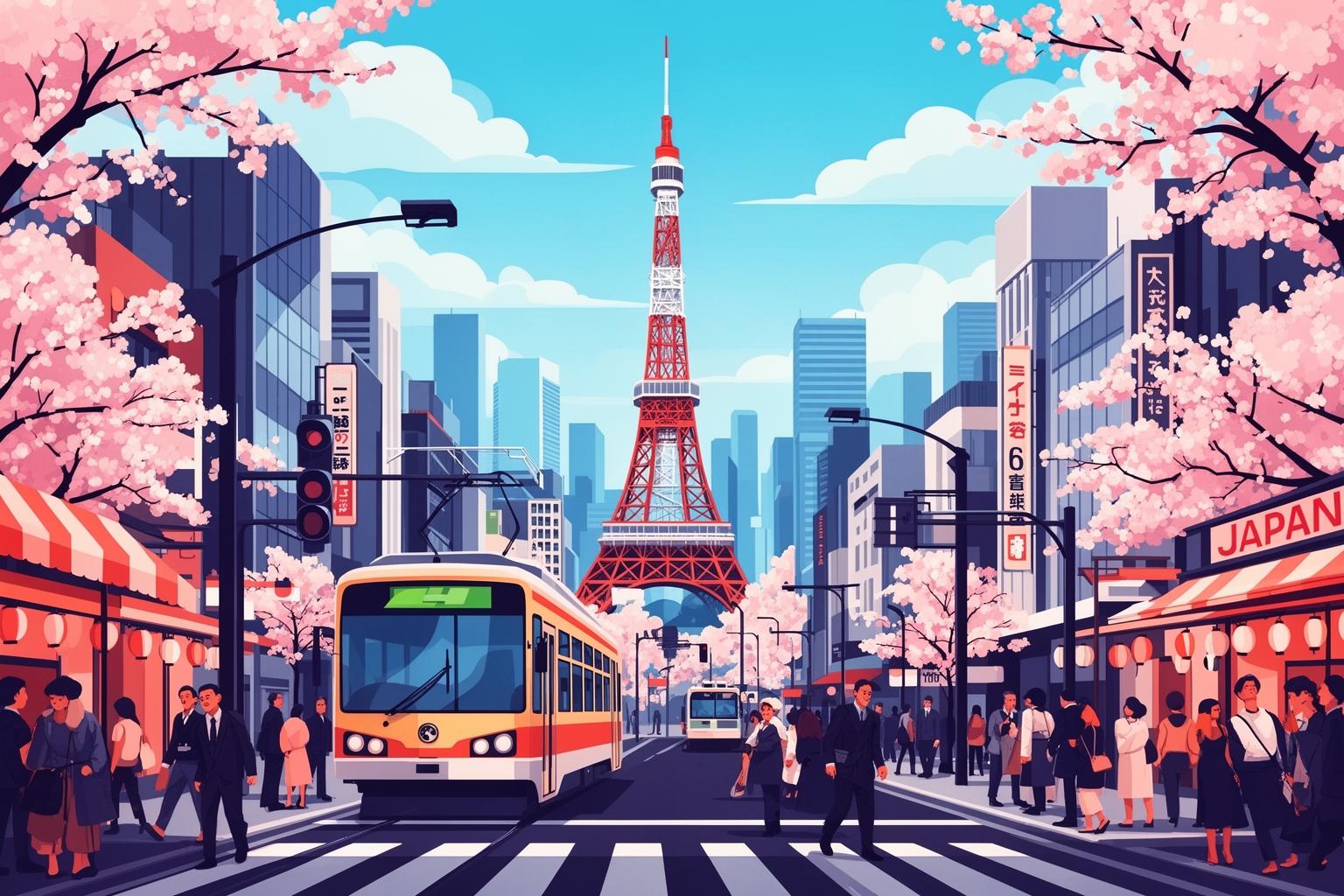
Tokyo is a city that never sleeps; it pulses with light, sound, and constant movement. For Taki, it’s home—a familiar terrain of towering skyscrapers, crowded trains, and the continuous buzz of countless lives intersecting briefly. For Mitsuha, seeing Tokyo through Taki’s eyes, it’s a dazzling dream, a realm of possibility and excitement far from her tranquil mountain town. Our journey begins here, in this vibrant urban core, where the ordinary settings of a high school boy’s life are transformed into iconic landmarks cherished by an entire generation of film fans. Walking through Taki’s Tokyo means feeling the heartbeat of modern Japan and witnessing how moments of deep human connection can emerge even amidst overwhelming cityscapes. It’s a place where tradition and the futuristic coexist, creating a dynamic energy that Shinkai captured with remarkable accuracy. We’re not merely visiting sites; we are immersing ourselves in the atmosphere that shaped one half of this extraordinary story.
The Iconic Staircase: A Fateful Meeting at Suga Shrine
Our first, and perhaps most emotionally powerful, destination is not a grand monument or a busy crossing, but a simple flight of stone steps tucked away in a quiet residential corner of Yotsuya. This is the spot. The red-railed staircase of Suga Shrine is the setting for the film’s poignant, soul-stirring climax, where two timelines and lives finally, miraculously intersect. Reaching this place is a pilgrimage in itself. After leaving JR Yotsuya Station, you wander through peaceful, narrow streets, far removed from the noise of central Shinjuku. Anticipation grows with each turn and quiet moment, until suddenly, you see it—the gentle curve of the road, the green canopy overhead, and the unmistakable crimson handrails. Standing at the bottom looking up, or atop looking down, the feeling is surreal. You half expect to see Taki or Mitsuha rushing by, their breathless voices asking, “What’s your name?” The air feels charged with cinematic history. For the best experience, visit during the golden hour of late afternoon, when warm, slanting sunlight filters through leaves, casting long shadows and bathing the scene in the same ethereal glow as the film. It’s remarkably quiet, allowing you to fully absorb the location’s significance. Keep in mind, this is a residential area. The magic lies in its peaceful, everyday character. Be a respectful visitor: keep your voice low, be considerate of residents, and take photos thoughtfully. This isn’t just a photo spot—it’s the emotional heart of the journey, a place to reflect on the film’s powerful message about seeking connections that transcend time and space.
Shinjuku’s Concrete Jungle: A Symphony of Sights and Sounds
If the Suga Shrine staircase is the film’s heart, then Shinjuku is its vibrant, roaring bloodstream. This vast commercial and administrative ward forms the backdrop of Taki’s daily life, with its sprawling station, futuristic buildings, and throngs of people featured prominently throughout the film. Exploring Shinjuku means diving headfirst into the exhilarating chaos that characterizes modern Tokyo. It’s a world of striking contrasts, where intimate moments—like Taki’s date with his coworker Okudera-senpai—unfold against a vast, overwhelming urban backdrop. Navigating this area is an adventure, a sensory feast, featuring several key pilgrimage spots.
The Shinjuku Pedestrian Bridge
Just a short stroll from Shinjuku Station’s South Exit, a network of pedestrian bridges crosses busy Koshu Kaido Avenue. One of these, with a distinctive circular design, marks the exact spot where Taki and Okudera-senpai pause during their date, framed against the iconic silhouette of the NTT Docomo Yoyogi Building, which towers like a neo-futuristic castle. Standing here, you feel the city’s pulse through the steady flow of cars and buses below. The view epitomizes Tokyo and captures the film’s portrayal of youth in a vast metropolis—a small, personal story set on a grand, impersonal stage. The real-life location perfectly recreates this sensation. You can watch traffic streaming by, see trains arriving and departing from the nearby station, and feel yourself at the center of the universe. For photographers, this spot is ideal, especially at dusk when the city begins to illuminate, offering a quintessential Tokyo urban landscape shot.
The National Art Center, Tokyo: A Modernist Dream Date
Though technically in Roppongi, just a quick subway ride from Shinjuku, the National Art Center is an essential stop. Here, Taki and Okudera-senpai share a refined lunch date. The building itself is a modern architectural marvel designed by Kisho Kurokawa, with an elegant, undulating glass façade that bathes the interior in natural light. The scene from the film is set in the Salon de Thé ROND, a café uniquely situated atop a massive inverted concrete cone on the second floor. You don’t need a ticket to the museum exhibitions to visit the café. Entering feels like stepping directly into the anime. Its distinctive design is instantly recognizable and memorable. Sitting down with a coffee or a slice of cake lets you absorb the serene, airy ambience—a tranquil oasis offering welcome respite from the city’s bustle. It reveals a glimpse of Taki’s more sophisticated world and shows how Shinkai weaves real-world architectural marvels into his cinematic universe.
A Moment of Rest: Cafe La Bohème Shinjuku Gyoen
Every anime pilgrim needs a spot to rest and eat, and what better than the very restaurant that inspired the one where Taki and Okudera work? Cafe La Bohème Shinjuku Gyoen served as the model for the fictional “Il Giardino delle Parole” (a clever nod to Shinkai’s earlier work, The Garden of Words). While the film’s interior blends various locations, the café’s grand high ceilings, European décor, chandeliers, and overall vibe are unmistakably drawn from Cafe La Bohème. This charming Italian restaurant, located adjacent to the beautiful Shinjuku Gyoen National Garden, is perfect for lunch or dinner after a morning of exploring. The food delights, but the real joy comes from sitting inside and spotting familiar visual cues from the film. It adds an extra layer of engagement, allowing you to move beyond mere observation and truly connect—to dine in a space that feels part of the story. It links you to Taki’s everyday struggles and joys, with his part-time job reminding you of the real life he leads when not switching bodies with a girl from the mountains.
Into the Serene Soul of Japan: Discovering Mitsuha’s Itomori
After experiencing the neon-lit, fast-moving pace of Tokyo, our journey takes a striking turn. We leave the bustling city behind and board a train that transports us deep into the heart of Japan, heading toward the mountains and valleys of Gifu Prefecture. This region inspired Itomori, the fictional hometown of Mitsuha Miyamizu. Though Itomori itself is a creation of Shinkai’s imagination, its spirit, architecture, and essence are drawn directly from the real and charming city of Hida. Stepping off the train in Hida feels like stepping back in time. The frantic energy of Tokyo fades away, replaced by the soft murmur of a river, the scent of cedar wood, and the sight of beautifully preserved traditional buildings. This is Mitsuha’s world: one shaped by tradition, nature, and a pace of life that encourages quiet reflection. Exploring Hida is not just about locating anime settings; it’s about understanding the deep cultural roots and strong sense of community that Mitsuha longed to escape, yet ultimately sought to protect.
Hida-Furukawa Station: The Arrival Point
Your introduction to Itomori’s world appropriately begins at Hida-Furukawa Station. This modest, unassuming train station serves as the backdrop for a key scene in which Taki, Tsukasa, and Okudera-senpai arrive on their mission to find Mitsuha. Upon stepping onto the platform, the anime’s faithful depiction is immediately striking. From the wooden benches to the overhead pedestrian walkway and signage, every detail is carefully recreated. You can nearly picture Taki examining his sketches, trying to align them with the surrounding landscape. One delightful detail is the presence of Hidakuro, a cartoonish cow mascot for the local Hida beef, featured both on a taxi stand poster in the film and in the real station. This small touch strengthens the connection between the fictional and real worlds. The station staff are well aware of their town’s fame and warmly welcome fans. There is often a small display or guestbook for visitors. The atmosphere here conveys peaceful arrival, the ideal gateway to the serene adventure awaiting in Hida’s streets.
The Hida City Library: A Repository of Memories
Among all the Hida locations, none is perhaps recreated more perfectly than the Hida City Library. Here, Taki and his friends urgently search for records about the Tiamat comet and the town of Itomori, culminating in a heartbreaking discovery. Entering the library is like stepping directly onto the film set. The elegant wooden architecture, the gently curved service desks, the arrangement of reading tables, and the soft light filtering through large windows match the screen precisely. It’s a beautiful, modern library that integrates seamlessly with the town’s traditional charm. As an active public library, the staff have embraced their role in the Your Name. pilgrimage with grace. To take photos, you must first ask for permission at the main desk. They will provide a visitor’s pass and request silence and respect for local patrons. This courteous process makes the experience feel all the more special. Sitting at one of the tables, surrounded by the quiet turning of pages, you can deeply sense Taki’s desperate search, the feeling of racing against time to uncover a truth everyone else has forgotten. It’s a powerful, reflective stop on the journey.
Keta Wakamiya Shrine: The Spiritual Heart of Itomori
In the film, the Miyamizu Shrine is the spiritual center of Mitsuha’s life. It’s where she performs ancient rituals as a shrine maiden and where her family’s connection to the town’s history and destiny is rooted. While the Miyamizu Shrine is fictional, it draws primary inspiration from the Keta Wakamiya Shrine, located a short walk from Hida-Furukawa’s center. The approach is instantly recognizable: a long, straight flight of stone steps cutting through a grove of tall, majestic cedar trees. Climbing these steps, you experience the same reverence and timelessness that the film conveys about the Miyamizu Shrine. The air cools and quiets as you ascend, leaving behind the town’s noises. At the top, there is a modest yet beautiful shrine building, weathered by time and nestled in nature. Though it lacks the grand stage for the kuchikamizake ritual, the atmosphere is perfect—ancient, sacred, and deeply attuned to the natural world. It’s a place to pause and appreciate the Shinto traditions and profound respect for nature central to Mitsuha’s identity and the story’s core themes.
Exploring the Town of Hida-Furukawa
Beyond the distinct, recognizable spots, the true joy of visiting Hida is simply wandering its streets. The entire town feels like Itomori. The Setogawa Canal, lined with white-walled storehouses and teeming with thousands of vibrant orange, white, and black koi swimming in crystal-clear water, is a highlight. This picturesque scene embodies the idyllic beauty of rural Japan. You can purchase bread to feed the fish, a simple pleasure connecting you to the gentle rhythm of local life. As you stroll, you’ll also pass local sake breweries, marked by large balls of cedar needles called sugidama, and small artisan shops. Be sure to sample some local delicacies. Taki is seen enjoying a skewer of Gohei Mochi, a regional specialty of pounded rice grilled with a sweet-savory miso sauce. Finding a local shop to try this yourself is another delicious way to connect with the film’s world. Hida-Furukawa rewards the slow traveler—those willing to wander without a strict plan—to discover the small details that together create the unforgettable atmosphere of Itomori.
The Mystical Landscape: Lake Suwa and Beyond

One iconic image from Your Name. that neither Tokyo nor Hida can fully explain is the breathtaking, panoramic view of Itomori nestled within the crater of a vast, shimmering lake. This stunning scene, especially during twilight or kataware-doki, embodies the visual heart of Mitsuha’s hometown. To trace its inspiration, our journey must lead us to one final destination: Lake Suwa in nearby Nagano Prefecture. While Hida captures the close-up, street-level details of Itomori, the sweeping geographical grandeur is drawn from this beautiful highland lake. Visiting here requires extra planning since it’s apart from the main Hida sites, but for true fans, the reward is a view that leaves you speechless and deeply touched.
A View from Above: Tateishi Park
To experience the view—the one that echoes the film’s stunning shots—you must travel up the winding hillside roads overlooking Lake Suwa to Tateishi Park. The moment you arrive and step onto the observation deck, it’s clear why Shinkai selected this spot. The vast, oval-shaped lake, the towns of Suwa and Okaya clustered along its shores, and the surrounding mountains combine to create a real-life panorama remarkably similar to the fictional Lake Itomori. The view feels both immense and intimate. You can see the entire community below, cars moving like tiny insects, sunlight sparkling on the water. The best time to visit is late afternoon, to watch the sun begin to set. As the sky transforms into a canvas of oranges, pinks, and purples, and city lights start twinkling one by one, you witness a real-world kataware-doki. It’s a deeply magical and cinematic moment. The connection to the film is overwhelming, and you can almost imagine the two halves of the Tiamat comet streaking across the sky. Reaching Tateishi Park can be challenging—it’s a steep climb and often easiest by taxi from Kami-Suwa Station—but the effort is richly rewarded by a view that spectacularly bridges animation and reality.
Practical Pilgrimage: Planning Your ‘Your Name.’ Journey
Embarking on a seichi junrei for Your Name. is an incredibly fulfilling experience, but it calls for some thoughtful planning to fully enjoy it. The journey spans diverse landscapes, from the bustling heart of one of the world’s largest cities to the tranquil mountains of central Japan. Careful consideration of transportation, timing, and etiquette will help make your trip as seamless and enchanting as the film itself. This guide will help you transform this cinematic dream into an unforgettable travel reality.
Crafting Your Itinerary: City and Countryside
Your itinerary will naturally divide into two parts: Tokyo and the Hida/Nagano region. It’s most practical to begin in Tokyo, where international flights arrive and where you can acclimate to Japan. Allocate at least two full days to explore Taki’s world, giving you plenty of time to visit Suga Shrine, explore various Shinjuku spots, and enjoy the National Art Center without rushing. From Tokyo, the next phase involves long-distance train travel, where a Japan Rail Pass proves invaluable. You’ll take the Tokaido Shinkansen (bullet train) to Nagoya, then transfer to the scenic JR Hida Wide View limited express train. This train ride itself is a highlight, winding through dramatic river gorges and verdant mountain valleys, gradually shifting you from urban life to countryside calm. Plan for at least one full day and an overnight stay in the Hida region, which allows for leisurely exploration of Hida-Furukawa. If you want to visit Lake Suwa, add an extra day for travel, as it requires taking the train from Hida (via Toyama or Nagoya) to Nagano Prefecture.
What to Pack and When to Go
Comfortable walking shoes are essential. You’ll be covering a lot of ground, from navigating Tokyo’s vast train stations to climbing the stone steps of rural shrines. A good camera is a must to capture the magic, and a portable battery charger will be invaluable since you’ll be using your phone constantly for navigation and photos. As for timing, Japan offers distinct beauty in every season. Spring (March-April) features iconic cherry blossoms, creating a picturesque and romantic backdrop. Autumn (October-November) is arguably the best season, as the vibrant red and gold leaves echo the film’s most poignant scenes. Summer can be hot and humid, while winter cloaks the Hida region in deep snow, presenting a strikingly beautiful and tranquil landscape, though some mountain roads may be less accessible. Pack layers since temperatures can vary widely between city and mountains. Most importantly, bring an open heart and a spirit of wonder.
Etiquette for the Anime Pilgrim
When you embark on a seichi junrei, you enter real communities. These are not theme parks or film sets, but places where people live, work, and worship. The cardinal rule is to be a respectful guest. At Suga Shrine and in the neighboring residential area, keep your voice down and avoid blocking pathways used by locals. At the Hida City Library, always request permission before taking photos and remain quiet to avoid disturbing visitors. When visiting shrines, observe basic etiquette: bow gently at the entrance gate (torii), purify your hands and mouth at the water basin if you wish, and maintain a peaceful demeanor throughout your visit. Showing respect and gratitude honors not only the locations but also the story that brought you there. This mindful approach elevates your experience from mere tourism to a genuine pilgrimage, a journey of appreciation for both the art and culture that inspired it.
This journey is more than just ticking off photo spots. It’s a deep and immersive experience that enriches your connection to a beloved story. To stand on that fateful staircase, wander quietly through the Hida library aisles, and gaze upon the real Lake Itomori—these moments link you to the narrative both physically and emotionally. You leave with more than pictures; you carry a feeling, a memory stitched from fiction and reality alike. It’s the sense of discovering something you’ve been searching for, a bond to a story that reminds us that, despite vast distances and seemingly insurmountable barriers of time, we all seek someone or something to remember. Your name, this place, this feeling—these are memories you will hold long after you’ve returned home.