
There are moments in cinema that feel less like fiction and more like a half-forgotten memory. A fleeting image, a sun-drenched street, a quiet train station—they flicker on screen and resonate with a strange sense of déjà vu, a feeling that you’ve been there before. For millions around the world, Makoto Shinkai’s breathtaking masterpiece, “Your Name.” (Kimi no Na wa.), is a symphony of such moments. The film didn’t just tell a story; it painted a world so vivid, so emotionally resonant, that it beckoned us to step through the screen. It ignited a global passion for what the Japanese call “seichi junrei,” or a sacred pilgrimage to the real-life locations that serve as an anime’s backdrop. This is not merely tourism; it is a quest to feel the story in your own heart, to stand where the characters stood, and to see the world through their eyes. The journey of Taki and Mitsuha is a tale of two Japans, a dazzling dance between the relentless, vertical energy of modern Tokyo and the timeless, horizontal tranquility of a rural mountain town. This guide is your thread, your “musubi,” connecting you to that world. It’s an invitation to follow in their footsteps, to explore the concrete canyons where Taki Tachibana dreamt of a life he couldn’t recall and to wander the serene landscapes that shaped Mitsuha Miyamizu’s yearning spirit. Prepare to discover that the magic wasn’t just in the animation; it’s waiting for you in the quiet rustle of leaves at a neighborhood shrine and in the dazzling symphony of lights at a bustling city crossing. Your pilgrimage begins now.
Venturing beyond the silver screen, exploring Suga Shrine’s iconic Your Name stairs turns every step of your journey into a soulful encounter with the film’s enchanting spirit.
Tokyo’s Concrete Jungle: Where Taki’s Story Unfolds
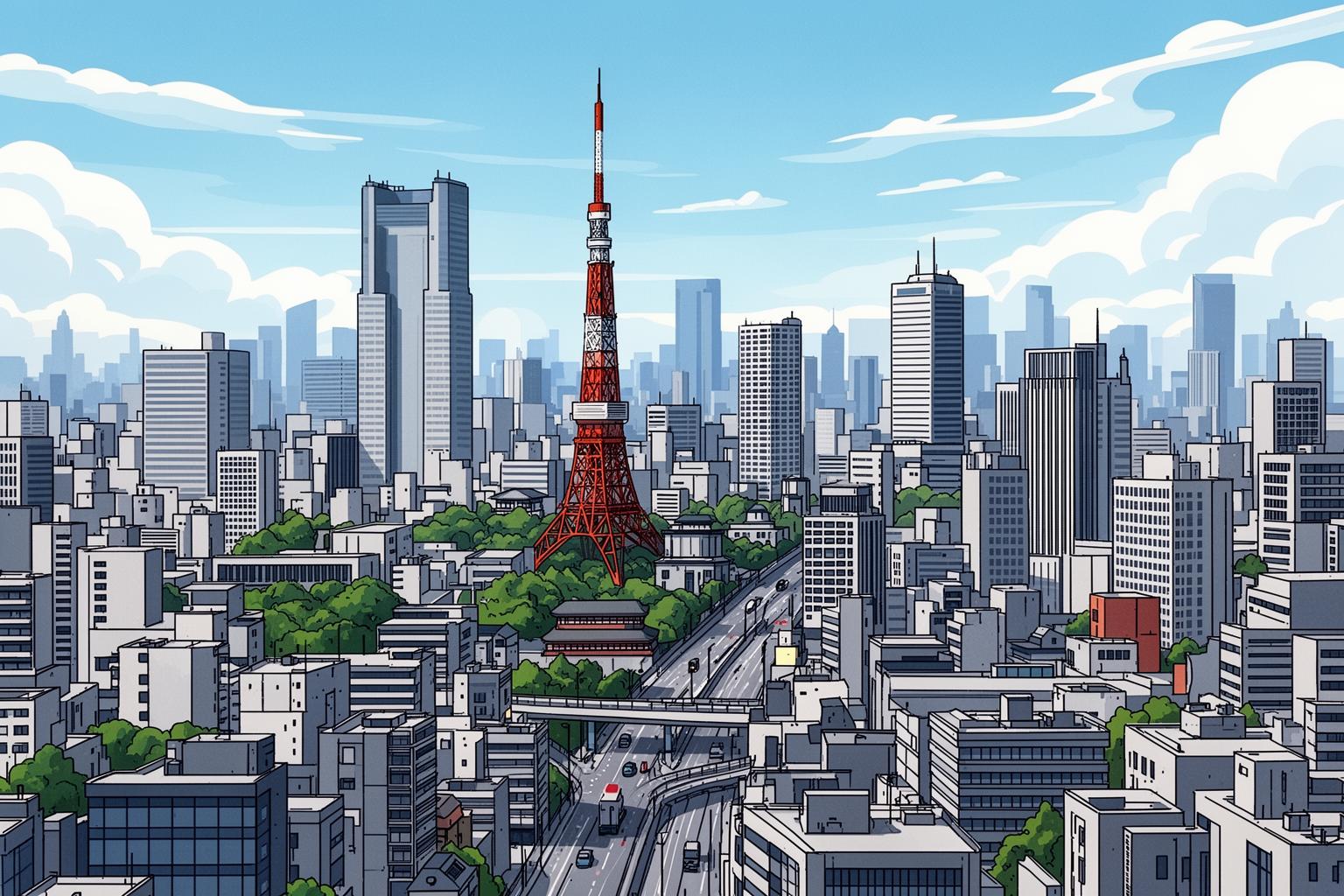
Tokyo is more than just a city; it is a living, breathing entity, a vast network of stories constantly unfolding. It’s Taki’s world—a place of towering ambition, crowded trains, and the quiet loneliness found only among millions. Makoto Shinkai captures this duality with stunning precision, turning familiar urban scenes into canvases of light, shadow, and emotion. Walking through his Tokyo means seeing the city with fresh eyes, discovering poetry in its power lines and the melancholic beauty in rain-slicked streets. Our journey starts here, at the heart of the metropolis, where every corner may echo Taki’s life, his friendships, his worries, and his mysterious connection to a girl he’s never met.
The Fateful Staircase: Suga Shrine in Yotsuya
This is the place—the emotional heart of the entire film. Long after the credits fade, the image of Taki and Mitsuha finally, at last finding each other on a simple staircase lingers vividly in the viewer’s mind. In reality, these steps belong to the Suga Shrine, hidden within a surprisingly tranquil residential area of Yotsuya. Your pilgrimage begins at Yotsuya Station, a hub served by both the JR Chuo-Sobu and Tokyo Metro Marunouchi lines. From there, a short, reflective walk of about ten minutes through quiet streets builds anticipation. You’ll wind through narrow alleys, pass local homes and small shops, and then, almost suddenly, it appears. The gentle incline, the weathered stone steps, and the iconic vermilion handrails blazing against the urban backdrop.
Standing at the top or bottom, the sense of immersion is deep. The view is uncannily precise—the buildings that frame the scene, the angle of the street below, and the very atmosphere feel lifted straight from the animation cell. The air here differs from the hectic Shinjuku buzz. It’s calm, almost reverent. You’re likely to find fellow pilgrims, cameras ready, waiting patiently for their moment to capture the perfect shot. It’s a shared, unspoken understanding: we’re all here for the same reason—to experience that heart-stopping moment of connection. For the best experience, aim to visit on a weekday morning. The light is gentle, and the crowds are scarce, granting a more personal moment to soak in the scene. As you stand there, take a moment to be mindful. This is not just a film set; it’s part of a living community. The stairs serve local residents daily, and the Suga Shrine at the top remains an active place of worship. Keep your voice low, respect those around you, and avoid obstructing the path for long. Let the quiet magic of this place settle in—a testament to a story that has drawn so many people to this humble corner of Tokyo.
The Pulse of the Metropolis: Shinjuku’s Iconic Views
If Yotsuya embodies the film’s emotional peak, Shinjuku beats as its heart. This is Taki’s domain—a whirlwind of commerce, culture, and humanity that defines the Tokyo experience. Shinkai’s camera masterfully captures its magnitude, from sweeping cityscapes dotted with recognizable landmarks to intimate street-level glimpses that underscore Taki’s place in this vast urban world.
A Skyline Defined: The NTT Docomo Yoyogi Building
Long before “Your Name.”, the NTT Docomo Yoyogi Building was a hallmark of Makoto Shinkai’s visual language. Its distinctive, clock-tower-like spire acts as a steady visual anchor in Taki’s Tokyo—a silent witness to his daily life. You’ll spot it peeking out from behind other skyscrapers, a familiar landmark in the sprawling cityscape. While entry to the building isn’t possible, its presence is best appreciated from afar. One of the most stunning viewpoints is inside Shinjuku Gyoen National Garden, where the tower ascends gracefully above serene greenery, blending nature with modern architecture. Another classic vantage point is from the Shin-Sakamichi Bridge near Shinjuku Station’s south exit, where the building perfectly centers in your view, just as it does in the film’s iconic time-lapses. It may seem simple to just gaze at a building, but it connects you directly to the visual world Taki inhabited.
The Crossroads of Fate: Shinjuku Station and the Pedestrian Bridge
Shinjuku Station itself is an experience. As one of the busiest transportation hubs globally, it’s a dizzying maze of platforms, corridors, and crowds—a river of humanity flowing in every direction. This is the organized chaos Taki navigated daily. The film captures this energy in breathtaking, rapid sequences. To feel it yourself, simply join the flow. For a memorable “Your Name.” moment, head to the large pedestrian intersection in front of the station, marked by the iconic circular traffic island. This spot features another famous shot, showcasing the immense crowds and the dazzling neon signs that light up the night. Standing on nearby pedestrian bridges—especially the one linking to the Shinjuku Bus Terminal (Busta Shinjuku)—you can observe the dynamic movement from above. Here, you truly grasp Taki’s perspective: a lone individual swept up in the immense, rhythmic pulse of the city, dreaming of a life beyond the skyline.
A Moment of Respite: Culture and Cafes
Even in a city as relentless as Tokyo, there are pockets of calm and culture where the story slows, allowing moments of character growth and quiet beauty. These are the places where Taki’s personal life unfolds, from sophisticated dates to the daily grind of his part-time job.
The National Art Center, Roppongi
This is the backdrop of one of the film’s most charming and slightly awkward scenes: Taki’s date with his coworker, Okudera-senpai. Situated in the stylish Roppongi district, the National Art Center is an architectural marvel. Designed by the acclaimed Kisho Kurokawa, its flowing glass facade crafts a stunning interplay of light and reflection. You don’t have to be an art expert to appreciate the space; the building itself is the main attraction. As you wander through the vast, sunlit atrium, it feels as if you’ve stepped directly into the film. The true pilgrimage destination here is the Salon de Thé ROND—the cafe where Taki and Okudera shared their meal. Perched atop a massive concrete cone inside the atrium, the cafe appears to float mid-air. It’s a striking setting. You can sit down for coffee or cake and recreate the scene yourself. A small tip for visitors: the cafe is popular, so lines may form. To avoid long waits, try visiting on a weekday. To reach the center, take the Tokyo Metro Chiyoda Line directly to Nogizaka Station, which provides a dedicated exit into the museum.
Taki’s Part-Time Job: Cafe La Bohème Shinjuku Gyoen
Though the film’s restaurant is named “Il Giardino delle Parole” (a nod to Shinkai’s earlier film, “The Garden of Words”), its real-world inspiration is believed to be Cafe La Bohème, near Shinjuku Gyoen National Garden. Upon entering, the similarity is striking. The restaurant features a grand, high-ceiling interior, elegant decor, and large arched windows overlooking lush greenery, evoking a distinctly European feel. This is where Taki worked as a waiter, juggling school, work, and the surreal experience of swapping lives with Mitsuha. Visiting for lunch or dinner offers full immersion. The menu is Italian-inspired, and the ambiance is both refined and relaxed. It’s a wonderful spot to enjoy a meal and imagine Taki’s daily city life unfolding around you. More than just a photo opportunity, it’s a tangible fragment of his world—with genuinely excellent food to match.
Itomori’s Soul: Finding Mitsuha in the Heart of Hida
Leaving behind the electric hum of Tokyo, our pilgrimage takes a profound turn, reflecting Mitsuha’s own journey. We head to the heart of Gifu Prefecture—the mountainous Hida region. Though the fictional town of Itomori, with its mystical lake and ancient customs, cannot be found on any map, its essence is woven from the real landscapes, architecture, and atmosphere of this stunning area. Life’s pace slows here. The air is crisp, filled with the scent of cedar, and the silence is interrupted only by the chirping cicadas or the distant rumble of a local train. This is Mitsuha’s world: a place steeped in heritage, breathtaking natural beauty, and a quiet yearning for something beyond. To discover Itomori, we must look closely at the details of Hida.
The Gateway to Memory: Hida-Furukawa Station
For many, this marks the first genuine sense of arrival in the Hida region. The modest Hida-Furukawa Station is the precise spot where Taki, Tsukasa, and Okudera-senpai arrive on their quest to find Mitsuha. The animators captured it with remarkable accuracy. Standing on the platform, you can observe every detail: the wooden benches, the overhead footbridge where the characters paused, the taxi stand outside, and even the distinctive design of the JR Takayama Main Line train cars. One of the most endearing touches is the small plush mascot of Hida-gyu (Hida beef) that Taki notices inside the station—it’s often present in reality, a charming nod to the film’s fans. The station itself feels like a gateway. Arriving here is like stepping into the story. The slower rhythm of the trains, far less frequent than in Tokyo, immediately sets a new tone for your journey. It’s a moment to pause, breathe deeply, and prepare to explore the town that inspired Itomori’s setting.
A Library of Clues: Hida City Library
A short walk from the station lies one of the most beautiful and meaningful sites on the entire pilgrimage: the Hida City Library. This is where Taki and his friends studied records and maps, desperately searching for clues about the town from his memories. The interior is a design masterpiece, with warm wooden structures, soft diffused light streaming through large windows, and an atmosphere of serene concentration. It looks exactly as it does in the film. The gentle light, the layout of the shelves, and even the specific seating areas are instantly recognizable. However, this is a functioning library, a cherished public space serving the local community. To maintain its quiet environment, visitors and pilgrims must follow a simple but important rule: you need to visit the main counter and request permission before taking any photographs. The librarians are exceptionally friendly and accustomed to fans of the film. They will provide a visitor’s pass and kindly ask that you be quick and considerate of other patrons. This act of seeking permission is a wonderful part of the experience—a moment of polite cultural exchange that deepens your appreciation for the place. It’s a reminder that we are guests in Mitsuha’s world, and respect is essential.
Echoes of Itomori’s Traditions
The spirit of Itomori is found not only in individual buildings but also in the traditions and spiritual landscapes of the Hida region. Mitsuha’s life was deeply connected to her family’s role as caretakers of the Miyamizu Shrine, and echoes of this heritage can be discovered throughout the area.
Keta Wakamiya Shrine
While the Miyamizu Shrine is fictional, its inspiration is often linked to several shrines in the region, with Keta Wakamiya Shrine in Hida-Furukawa being a leading candidate. A visit to this shrine feels deeply familiar. The long, straight stone steps leading up to the main hall instantly recall scenes of Mitsuha and her sister fulfilling their duties. As you climb, surrounded by towering trees and stone lanterns, the modern world fades away, replaced by a timeless sense of peace. It’s a tranquil, spiritual place that beautifully captures the atmosphere of the Miyamizu Shrine. It’s easy to envision Mitsuha here, performing the ancient kuchikamizake ritual, her heart heavy with mixed feelings about her heritage and future. This is a place for quiet reflection and connection with the story’s more mystical elements.
The Taste of a Small Town: Local Flavors
Part of experiencing a place is tasting its flavors, and Hida offers tastes that tie you directly to the film. As Taki explores the town, he is shown eating Gohei Mochi, a local specialty. This snack is readily found in Hida-Furukawa and nearby Takayama. It’s a rustic, delicious treat made from pounded rice skewered, coated with a sweet and savory glaze of miso, soy sauce, and walnuts, then grilled over an open flame. Enjoying it while wandering the historic streets creates a perfect sensory connection to the story. Beyond that, the old town of Hida-Furukawa is well worth exploring. With its beautifully preserved wooden merchant houses and the picturesque Seto River, where thousands of vibrant koi swim in the canals, the town feels like a living piece of history. It embodies the charm and tradition that Mitsuha both treasured and hoped to escape.
Weaving Your Own Story: A Practical Guide to the Pilgrimage

A journey spanning Japan, from its largest metropolis to its tranquil mountain heartlands, requires some planning to be fully enjoyable. Carefully considering the logistics lets you concentrate on what truly matters: soaking in the atmosphere and forming your own connection to the story. This is not merely about ticking off locations on a list; it’s about creating a seamless, meaningful experience.
Planning Your Itinerary: Tokyo and Hida Combined
To honor this pilgrimage, allocate dedicated time for each region. For Tokyo, plan at least two to three days. This will provide enough time to explore key spots in Yotsuya, Shinjuku, and Roppongi without rushing, while also allowing you to soak up the city’s overall vibe. Taki’s world is best experienced at a relaxed pace. The journey from Tokyo to the Hida region is an adventure in itself. The most efficient route is to take the Tokaido Shinkansen (bullet train) to Nagoya, a trip lasting about 1.5 to 2 hours. From Nagoya, transfer to the JR Hida Wide View Express train, which meanders through stunning mountain scenery for another 2.5 hours before reaching Takayama or Hida-Furukawa. Total travel time is approximately four to five hours. To fully immerse yourself in the peaceful atmosphere of Mitsuha’s world, it’s highly recommended to stay at least one night, if not two, in the Hida area. This gives you the chance to explore not only the pilgrimage sites but also the charming nearby city of Takayama, famed for its beautifully preserved old town and morning markets.
When to Weave Your Thread: Best Seasons to Visit
Just like the film itself, the locations of “Your Name.” shift with the seasons, each providing a distinct and beautiful perspective. Choosing when to visit can deeply influence your experience. Spring, from late March to April, is a classic option. The cherry blossoms in Tokyo bloom in full, casting a dreamy pink-and-white hue across the city, especially in parks like Shinjuku Gyoen. It’s a season of vibrant beauty and hope. Autumn, from October to November, is equally stunning. The Hida mountains burst into a breathtaking array of red, orange, and yellow foliage. The crisp air and vivid colors harmonize perfectly with the warm, rich palette of the film’s most emotional scenes. Winter offers a different kind of enchantment. Snow cloaks the Hida region, creating a serene, quiet landscape. Hida-Furukawa dusted in fresh snow is incredibly picturesque, evoking the more contemplative, poignant moments of the story. Summer brings lush greenery and lively festivals, though be prepared for heat and humidity, especially in Tokyo. Each season provides a unique way to connect with Taki and Mitsuha’s world.
A Pilgrim’s Etiquette
The rising popularity of anime pilgrimages has greatly benefited many local communities, but it also demands responsibility from visitors. Keep in mind that these are not movie sets built for your entertainment; they are real places where people live, work, and worship. The foremost principle is respect. In residential areas like Yotsuya, near the Suga Shrine, or across the town of Hida-Furukawa, be considerate of noise levels. Avoid shouting or assembling in large, disruptive groups. When visiting shrines, observe proper etiquette by bowing before the torii gate and cleansing your hands at the chozuya if you wish. At the Hida City Library, remember to ask for permission before taking photos. Perhaps the best way to show appreciation is by supporting the local economy. Purchase a drink from a vending machine, enjoy a meal at a local eatery, buy a unique souvenir, or try a local delicacy such as Gohei Mochi. Your respectful presence and support help ensure these cherished places remain welcoming to future pilgrims for years to come.
Beyond the Frame: The Enduring Magic of “Your Name.”
Completing a pilgrimage for “Your Name.” means gaining a deeper, more personal understanding of the story. It’s a journey that goes beyond mere sightseeing. Standing on the Suga Shrine stairs, you’re not just viewing a place; you’re sensing the weight of destiny, the improbable hope of a connection that spans time and space. Hearing the soft chime of the train arriving at Hida-Furukawa Station, you experience the same spark of anticipation that Taki felt during his desperate search. The film’s core theme is “musubi”—the delicate, unseen threads that link people, places, and time itself. This pilgrimage is your personal act of musubi, the physical weaving of your own thread into the beautiful tapestry crafted by Makoto Shinkai. You connect with the characters, the artists’ vision, and the thousands of fans worldwide who have embarked on the same journey. The striking contrast between Tokyo’s hectic energy and the profound tranquility of Hida ceases to be just a narrative element; it becomes a tangible reality you have lived. You have walked through two different worlds, just as Taki and Mitsuha did. This pilgrimage leaves you with more than photographs; it leaves you with an emotion. It’s the magic of finding the extraordinary within the ordinary, a reminder that our lives are filled with unseen connections and moments of stunning beauty, waiting to be uncovered. Perhaps, on your journey home, you’ll look at the world with fresh eyes and feel moved to ask a stranger, with a hopeful heart, a single, timeless question. What’s your name?