
In the vast, sprawling metropolis of Tokyo, a city woven from threads of neon-drenched futures and deeply rooted traditions, there are countless landmarks that command attention. Towers pierce the clouds, ancient temples stand in silent defiance of time, and intersections pulse with a human energy so immense it feels like the city’s own heartbeat. Yet, sometimes, the most resonant, most sought-after locations are not the grand monuments, but the quiet, unassuming corners where fiction has breathed a soul into reality. Tucked away in a peaceful residential neighborhood of Yotsuya, in the heart of Shinjuku, lies one such place: a simple stone staircase, flanked by weathered concrete walls and a distinctive red handrail. To the casual passerby, it is merely a public thoroughfare, a link between two streets. But to millions around the world, it is the climactic stage of a story that transcended animation—it is the fateful meeting point from Makoto Shinkai’s cinematic masterpiece, Kimi no Na wa, or Your Name. This is where the threads of destiny, stretched across time and space, finally intertwined. Standing here is an experience that blurs the very line between the world on screen and the world beneath your feet, a pilgrimage site where fans come not just to see, but to feel the powerful, lingering echo of a connection they, too, have been searching for. It’s a testament to the power of storytelling, how a director’s vision can transform a mundane staircase into a global symbol of hope, memory, and the magnetic pull of fate.
For those captivated by the blend of cinematic magic and everyday Tokyo, exploring spirited away inspirations can offer a uniquely enriching perspective.
The Intersection of Animation and Reality
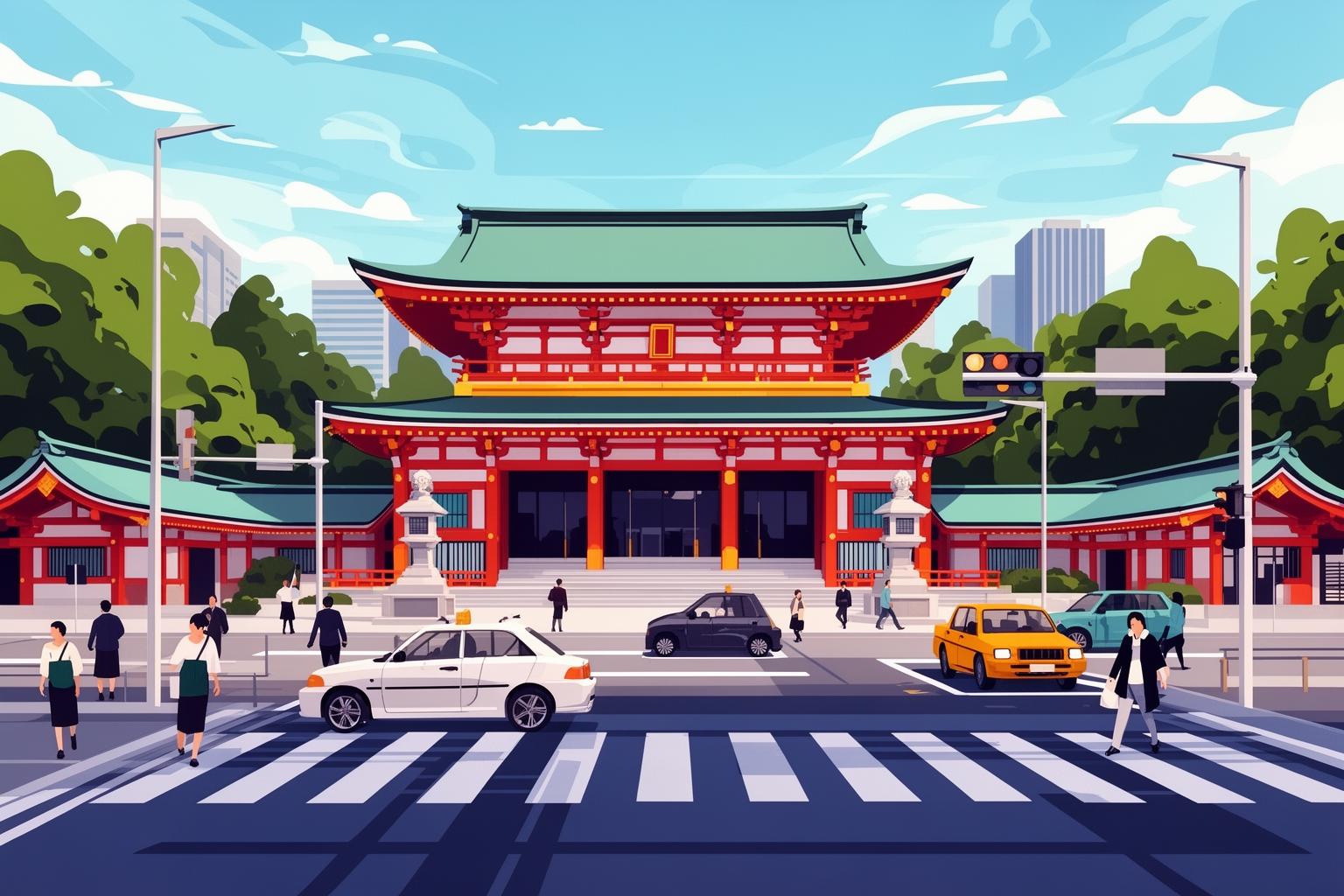
In Japan, the phenomenon of visiting places featured in anime, manga, and films is called seichi junrei, meaning “sacred site pilgrimage.” This practice has surged in popularity, reshaping tourism and creating a deep, new bond between fans and the stories they cherish. It goes beyond mere sightseeing; it’s an immersive experience of participation. It’s a journey to stand where beloved characters once stood, to breathe the same air, and to glimpse the world through their eyes—even if only briefly. Makoto Shinkai is a master of this craft, a director renowned for his stunningly realistic and emotionally powerful portrayals of real-world Japan. His films are painstakingly detailed, with backgrounds often indistinguishable from photographs, merging the fantastical with the familiar seamlessly. Your Name stands as perhaps the finest example of this style. From the bustling platforms of Shinjuku Station to the tranquil scenery of the Hida region, the film’s settings are depicted with such care that they take on a life of their own. The Suga Shrine staircase holds a particularly special place among these sacred spots. It serves as the backdrop for the film’s intense and cathartic climax, where protagonists Taki and Mitsuha, after years of their intertwined past fading into memory, finally reunite. The raw emotion of the moment—the hesitant recognition, the desperate question, “Your name is?”—is etched into the very stones of this staircase. This is why visitors come here, not only from Japan but from all over the world. They come to capture that feeling. The atmosphere around the stairs presents a captivating paradox. The site is tucked away within a maze of quiet, narrow residential streets—no souvenir shops, flashing signs, or tourist distractions. The air carries the everyday sounds of life: the distant rumble of trains, children’s chatter from a nearby school, leaves rustling in the breeze. Yet, this ordinary calm is pierced by the quiet reverence of pilgrims. You’ll see them standing at the bottom or top of the stairs, cameras poised, patiently waiting for the perfect shot. Couples reenact the iconic pose, their silhouettes outlined against the Shinjuku skyline far off in the distance—just as Taki and Mitsuha did. Among those gathered, there’s an unspoken understanding, a silent language of fandom. It’s a place where the boundary between the animated and the real seems impossibly thin, and for a fleeting moment, you can almost hear the film’s hauntingly beautiful score carried on the wind—a melody of lost memories and destined reunions.
Finding Your Way to a Fateful Encounter
Reaching this iconic location is a journey that feels like a small adventure in itself—a deliberate step away from Tokyo’s well-trodden tourist routes into the city’s genuine, vibrant heart. The quiet anticipation grows with every step, making the eventual unveiling of the staircase all the more satisfying.
Navigating the Streets of Yotsuya
Your pilgrimage begins at Yotsuya Station, a key hub served by the JR Chuo and Sobu Lines, along with the Tokyo Metro Marunouchi and Namboku Lines, ensuring easy access from major areas like Shinjuku, Tokyo Station, and Ginza. Upon exiting the station, you leave behind the high-energy pace of central Tokyo. The scenery shifts from towering skyscrapers to a more human-scale setting of mid-rise office buildings, local restaurants, and the lush greenery of the Sotobori Moat, a relic of Edo Castle’s outer defenses. The walk from the station to the Suga Shrine stairs takes about ten to fifteen minutes, but it’s best to take your time. This stroll is part of the experience. The path winds through a network of charming, narrow streets that feel worlds apart from the city’s famous scramble crossings. This is the authentic Tokyo, where residents go about their everyday lives. Along the way, you’ll see small, family-run shops, vending machines quietly humming on street corners, and impeccably maintained residential buildings with carefully tended potted plants decorating their entrances. Using a navigation app is highly recommended, as the final approach can be somewhat maze-like, but getting lost briefly only adds to the charm. As you near the destination, the terrain gently slopes upward. After navigating a few more turns, you suddenly spot it. Peeking out between two buildings, the unmistakable red handrail comes into view. The feeling is one of quiet discovery, as if you’ve uncovered a secret known only to insiders. Approaching from the bottom of the stairs offers a dramatic perspective, looking up toward the sky, while arriving from the top, via Suga Shrine, allows you to descend into the famous view with the city sprawling before you.
The Best Time to Capture the Magic
Timing your visit can greatly enhance the experience, turning a simple photo opportunity into a deeply atmospheric moment. The staircase is a public space open 24/7, but its mood shifts dramatically with the light and the presence of others. For photographers and those seeking a quiet, contemplative visit, early morning is the golden hour. Arriving soon after sunrise, you’ll find the streets nearly deserted. The soft, angled light beautifully illuminates the scene, casting long shadows and highlighting the texture of the stone steps. This is your best chance to capture that perfect, crowd-free shot that evokes the solitude and longing portrayed in the film. The air is crisp and still, allowing you to fully absorb the peaceful ambiance before the neighborhood truly wakes. In contrast, late afternoon offers a different kind of magic. As the sun dips toward the horizon, the scene is bathed in a warm, golden glow reminiscent of the film’s final moments. This is arguably the most cinematic time to be there, as the lighting reflects the scene’s nostalgic and emotional tone. However, note that this is also one of the most popular visiting times, so you may share the moment with fellow fans. Each season brings its own charm to the area. Spring is particularly beautiful, as cherry blossoms bloom in nearby parks and along the moat, adding a fleeting layer of beauty to your walk. Summer brings vibrant, deep green foliage to the trees lining the street at the top of the stairs, creating a lush frame for your photos. Autumn offers crisp air and clear skies, often providing the best views of the distant city skyline. Winter, with its low sun and sharp light, can be strikingly beautiful. A vital reminder for all visitors is that this is a residential neighborhood. The people living in the apartments and houses along these streets are not part of a film set. It’s important to be respectful—keep voices low, avoid blocking pathways, and never trespass on private property for a better angle. The magic of this place comes from its authenticity, and preserving that requires a thoughtful and considerate approach from everyone who comes to pay tribute.
Beyond the Frame: Exploring Suga Shrine and its Environs
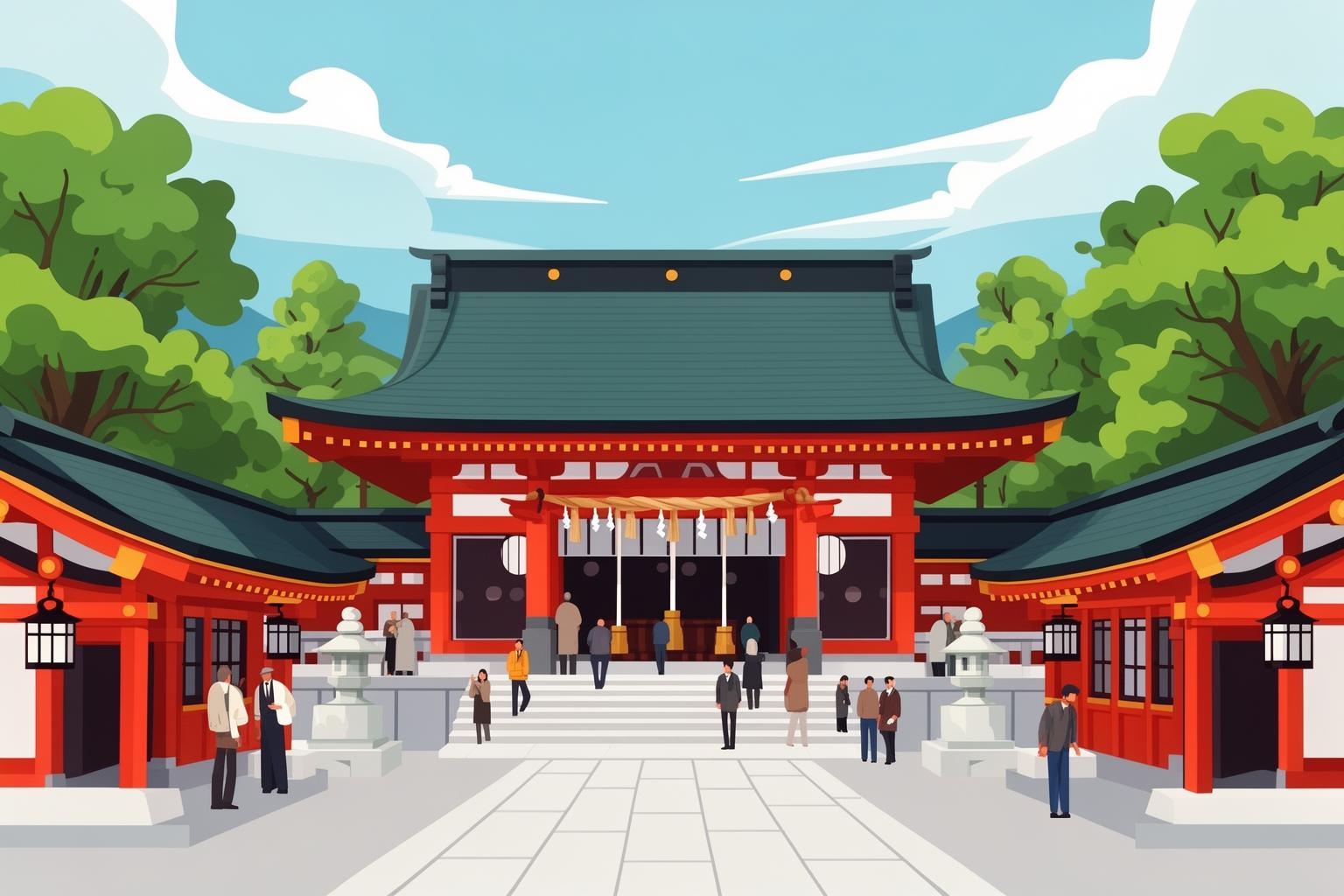
While the staircase is undoubtedly the main attraction, the pilgrimage feels incomplete without visiting the place that lends it its name: the Suga Shrine. Climbing the steps means more than just reenacting a scene from a movie; it’s also following a traditional path to a site of local spiritual significance. This dual role is what makes the location so uniquely captivating.
The Whispers of a Neighborhood Shrine
At the very top of the famous stairs, just a few steps to your right, you’ll find the entrance to Suga Shrine. Passing through the modest stone torii gate feels like stepping into a quieter, more serene world. The city’s ambient noise fades away, replaced by the soft rustling of leaves and the respectful calm of a sacred space. Suga Shrine’s history traces back centuries, long before it was immortalized on screen. It has been the spiritual heart of this community for generations—a place where locals come to pray for good fortune, celebrate festivals, and mark life’s milestones. Understanding this background adds a meaningful layer to your visit. This is not merely a movie backdrop; it is a living, breathing place of worship. For first-time visitors to a Shinto shrine, a few simple customs should be observed to show respect. Before entering, it is customary to bow once at the torii gate. Just inside, you’ll find a purification fountain called a temizuya. Here, you perform a ritual cleansing: take one of the ladles in your right hand, scoop water, and pour it over your left hand. Then switch hands and pour water over your right hand. Finally, cup your left hand, pour some water into it, rinse your mouth, and discreetly spit the water beside the drain. Never drink directly from the ladle. As you approach the main hall, or haiden, you may offer a prayer. The usual practice is to bow twice, clap twice, offer your silent prayer, and then bow once more. You may also see visitors purchasing omamori (good luck amulets) or writing wishes on ema (small wooden plaques) to hang at the shrine. The atmosphere is one of peaceful reflection. Unlike larger, more famous shrines in Tokyo, Suga Shrine maintains a wonderfully intimate and local vibe. You’re more likely to see a neighborhood resident pausing for a quiet prayer than a large tour group. Take a moment to admire the intricate wooden carvings on the shrine buildings, the stone lanterns softened by moss, and the ancient trees standing as silent witnesses to centuries of history. It serves as a powerful reminder that while a film brought you here, the true story of this place is much older and deeper.
A Walker’s Guide to the Yotsuya Area
After immersing yourself in the world of Your Name and paying your respects at the shrine, the nearby Yotsuya neighborhood invites further exploration. To fully appreciate the staircase’s context, spend some time wandering the local streets. This is your chance to experience a more authentic side of Tokyo life. The area offers a charming blend of old and new: sleek, modern apartment buildings stand alongside well-worn post-war wooden houses. Explore the small shotengai (local shopping streets), where you’ll find traditional sweets, family-run hardware stores, and cozy eateries serving simple, delicious lunches to local office workers. For those wanting to extend their day, several notable landmarks are within easy walking distance or a short train ride away. A twenty-minute walk east leads to the magnificent Akasaka Palace State Guest House, a stunning example of European neo-baroque architecture that seems transplanted straight from Vienna. To the west lies the expansive Shinjuku Gyoen National Garden, one of Tokyo’s most beautiful and cherished parks. It offers a perfect retreat, featuring traditional Japanese gardens, formal French gardens, and English landscape gardens, providing a peaceful escape from the city’s bustle. Food is another avenue for exploration. Instead of returning to a major station for a meal, consider stopping at a local ramen shop or a cozy kissaten, a traditional Japanese coffee house evoking a nostalgic Showa-era ambiance. These spots offer a taste of local life as memorable as any famous landmark. Spending a leisurely afternoon in Yotsuya helps you understand the world Taki inhabited—a world that was part of a sprawling metropolis yet formed of distinct, intimate neighborhoods, each with its own character and rhythm.
The Photographer’s Perspective: Recreating the Scene
For many pilgrims visiting the Suga Shrine stairs, capturing the perfect photograph is a key objective. It goes beyond a simple holiday snapshot; it’s about creating a personal keepsake, a tangible connection to the film’s emotional world. However, getting that iconic shot requires patience, creativity, and attention to the details that made Shinkai’s vision so captivating. The two classic compositions are taken from the top and the bottom of the staircase. The shot from the bottom, looking up, is arguably the most recognizable. This angle shows the full length of the stairs, the vibrant red handrail on the right, the greenery of the trees peeking over the wall on the left, and the patch of sky above. To replicate the film’s poster, position yourself towards the left side at the base of the stairs. Using a slightly wider lens can help capture the entire scene, including the surrounding buildings which frame the shot. This perspective highlights the sense of ascent—the journey toward a long-awaited meeting. The view from the top, looking down, is just as striking. This is where Taki first spots Mitsuha in the film’s final moments. It frames the descent of the stairs against the city backdrop. On a clear day, the skyscrapers of Shinjuku can be seen in the distance, creating a stunning contrast between the quiet neighborhood and the sprawling metropolis beyond. This shot reflects the characters’ place within the larger world and the incredible odds they had to overcome to find each other. Capturing the film’s mood involves more than just choosing the right angle; it’s also about the light. As noted, late afternoon light can recreate the warm, nostalgic tones of the movie. Observe how the light interacts with the scene—the way it gleams off the handrail, casts long shadows down the steps, and bathes the cityscape in a soft glow. Don’t hesitate to experiment. Try different focal lengths. A telephoto lens can compress the background, bringing the distant city closer and creating a more dramatic effect. A close-up focusing on the texture of the red handrail or the weathered stone can tell a more intimate story. The biggest challenge is often dealing with other people. Patience is essential. Wait for a break in foot traffic. Most visitors understand that others are trying to capture similar shots and are usually willing to wait their turn. Be polite, take your photos efficiently, and then step aside to let others have their moment. Ultimately, the goal is not to produce a perfect, pixel-for-pixel replica of a movie still, but to capture your own feeling of being there. Your photograph serves as a record of your personal pilgrimage, a reminder of the moment you stepped into the frame of a story you love and made it your own.
The Enduring Legacy of a Cinematic Masterpiece
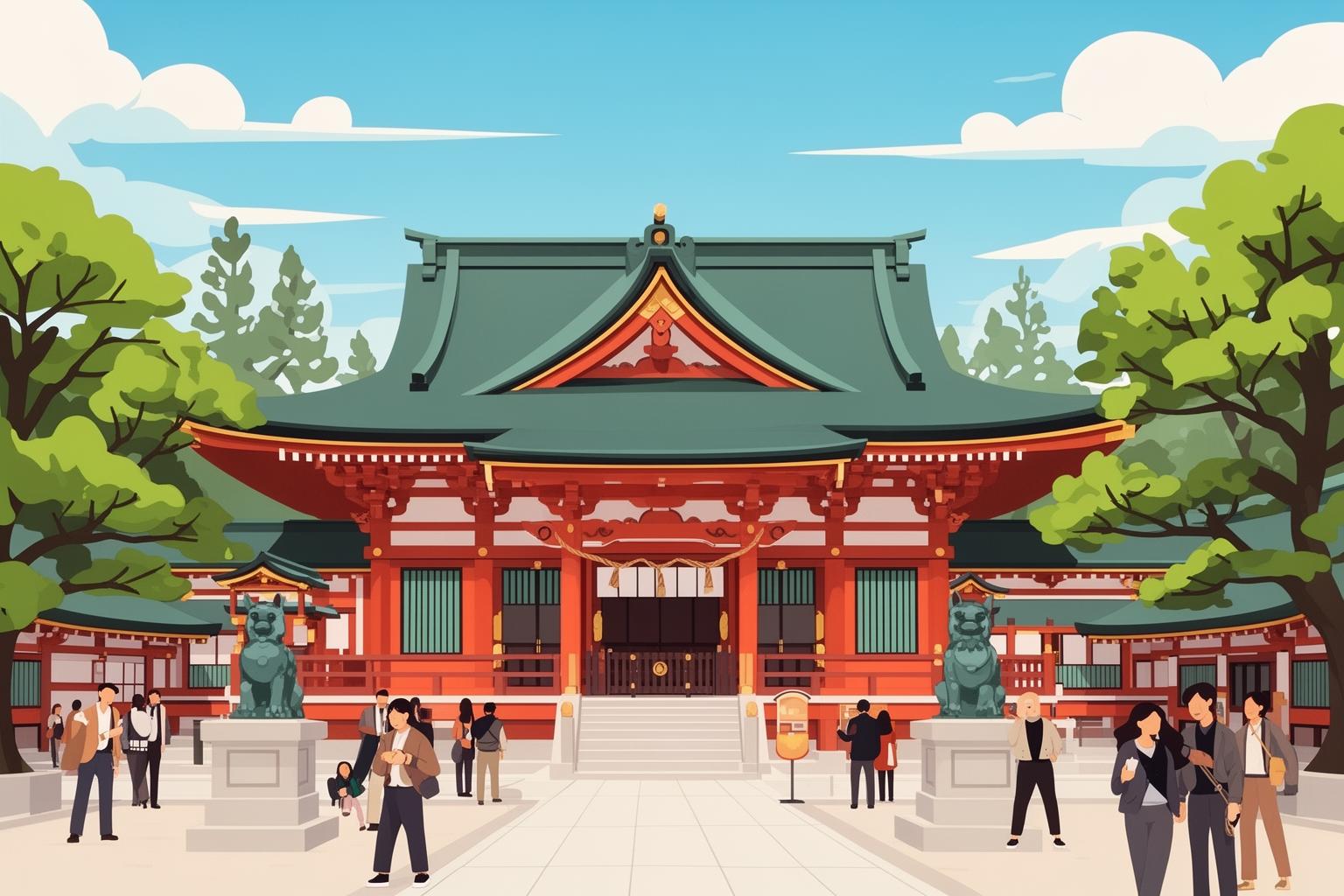
Why does a single staircase in Tokyo continue to attract people from around the world, years after the film’s release? The answer lies in the profound, universal themes that Your Name explores. The film tells a story about connection in an increasingly disconnected world. It portrays the search for someone, or something, you feel lost without ever realizing you had it. It delves into memory, destiny, and the invisible threads—musubi, as the film calls them—that link us across time and distance. The staircase is the physical embodiment of that climax. It is the spot where the search concludes, where longing transforms into recognition, and where two once separate lives finally intersect. Visiting this location is, in a way, a physical enactment of the film’s central theme. It is an act of searching, following a thread of connection to a place that lives in your memory from the film. When you stand there, the feeling goes beyond satisfaction at discovering a filming location; it resonates on a deeper emotional level. You are standing on ground consecrated by a story of human connection. The visitors you encounter are testament to this shared experience. You’ll see solo travelers finding a moment of quiet reflection, couples holding hands as they reenact the iconic scene, and friends laughing while taking photos of each other. They may come from different countries and speak different languages, but they are united by the same reason. They have all been touched by the same story. This staircase has become a monument not to a historical event or famous person, but to a shared feeling. It celebrates the idea that even in a world of billions, profound, almost magical connections await discovery. It stands as a symbol of hope—the hope that one day we too might turn a corner on a staircase and find what we have been searching for all our lives. The enduring legacy of this quiet spot in Yotsuya is its power to remind us of the strength of stories to shape our world, to infuse ordinary places with extraordinary meaning, and to connect us all in the universal human experience of searching for our other half.
As the sun sets over Tokyo and the city lights begin to sparkle in the distance, the Suga Shrine staircase takes on a final, ethereal glow. The last of the day’s pilgrims capture their photos, faces warmed by the light, sharing a quiet, knowing smile with the strangers beside them. Standing here, you realize this journey was never just about visiting a movie location. It was about stepping into a narrative that honors the invisible ties that bind us, the persistent ache of memory, and the triumphant, heart-stopping moment of finding a connection that feels like coming home. The story of Taki and Mitsuha may be fiction, but the emotions it stirs—and the beautiful, unassuming staircase it has made iconic—are deeply real. It’s a quiet corner of a vast city that whispers a powerful truth: sometimes, the most important journeys lead us to a simple set of stairs, where we can look at a stranger and feel, with absolute certainty, that we have known them forever. Leaving Yotsuya, you take with you not just a photo, but a renewed sense of wonder, a belief in serendipity, and the faint, hopeful echo of a question lingering in the air: Kimi no na wa?