
There are films that entertain, and then there are films that transport. They capture the lightning of a particular time and place so perfectly that the screen melts away, inviting you not just to watch, but to enter. Makoto Shinkai’s 2016 masterpiece, Kimi no Na wa—or Your Name—is one such film. It’s a story of swapped bodies, cosmic destiny, and a love that transcends time and space, a narrative that resonated with millions across the globe. Yet, a significant part of its enduring magic lies not in the fantastical elements, but in the profound, breathtaking reality of its settings. Shinkai and his team rendered the soaring metropolis of Tokyo and the tranquil mountain town of Hida with such meticulous, loving detail that they became characters in their own right. This devotion to place has sparked a modern-day pilgrimage, a phenomenon the Japanese call seichi junrei, where fans journey to the real-world locations that inspired their favorite stories. It’s a quest to bridge the gap between fiction and reality, to stand in the very spot where a beloved character stood and feel the same air on your skin. This guide is your map for that journey, a thread to follow from the electric heart of Taki Tachibana’s Tokyo to the serene, timeless soul of Mitsuha Miyamizu’s Itomori, which finds its echo in the Hida region. It’s a chance to stop being a spectator and become part of the story, to discover that the magic you felt on screen is waiting for you, woven into the fabric of Japan itself.
Those seeking an even deeper connection with the film’s vibrant locales may find inspiration in this immersive pilgrimage that reveals the real-life magic behind each scene.
The Heartbeat of Tokyo: Taki’s Urban World
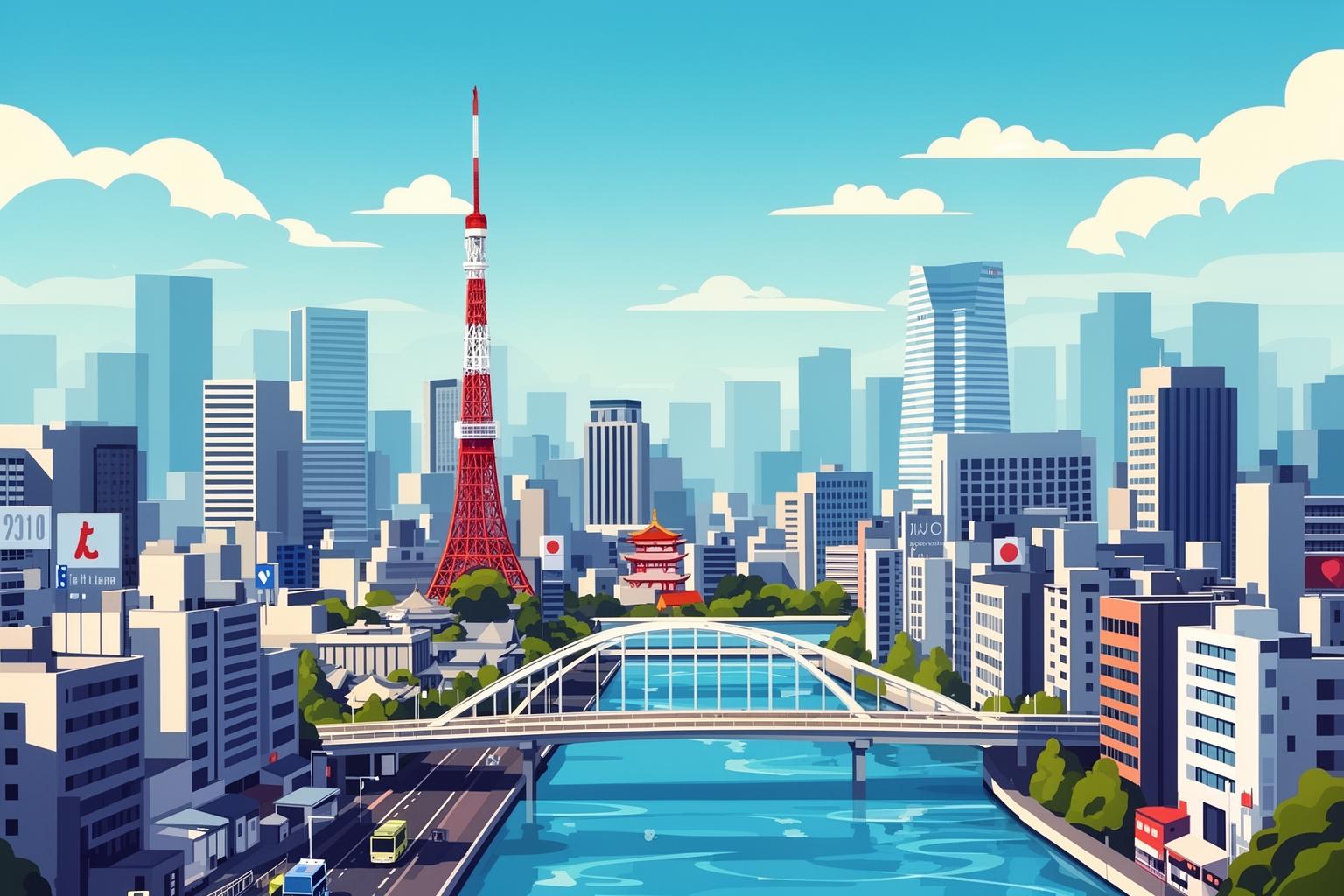
Tokyo, as portrayed in Your Name, is a harmonious blend of glass, steel, and light. It’s a vast, ever-moving city, a dazzling ecosystem where countless lives intersect. Taki’s world is filled with rushing trains, crowded crosswalks, and glittering skylines that seem to stretch endlessly. Yet, Shinkai’s brilliance lies in his ability to uncover the intimate moments within this urban expanse. He reveals not only the famous landmarks but also the quiet residential streets, the sunlit cafes, and the tranquil green spaces where the city’s relentless rhythm softens to a gentle murmur. Walking through Taki’s Tokyo means experiencing this contrast firsthand. It’s a journey from the dizzying heights of bustling commercial centers to the quiet, nearly forgotten corners where the city’s true essence is found. This is where our search begins—in the concrete canyons and glowing avenues that shaped one half of our star-crossed pair.
The Iconic Red Staircase: Suga Shrine in Yotsuya
No image is more emblematic of Your Name than the film’s final, breathtaking scene. Years after the comet, Taki and Mitsuha pass each other on a vivid red-railed staircase, a flicker of recognition igniting a desperate, hopeful question. That staircase exists in reality and belongs to Suga Shrine, a local Shinto shrine tucked away in a quiet residential area of Yotsuya, a district that feels worlds apart from the neon-lit bustle of nearby Shinjuku. The journey to the shrine is part of the experience. Upon leaving Yotsuya Station, you’ll weave through narrow streets, past small apartments and local shops, with the metropolis’ noise fading step by step. Anticipation builds until you round a corner and suddenly it appears. The view is immediately, stunningly familiar. The gentle curve of the steps, the vibrant vermilion railings against the grey stone and surrounding greenery, and the cityscape peeking through distant buildings—it’s as if you’ve stepped right onto the movie poster. Standing at the top or bottom, gazing across, you feel the weight of that cinematic moment. It’s a powerful, almost dreamlike sensation. Fans often wait patiently for their chance to capture the perfect photo, some even mimicking the characters’ poses. Still, the atmosphere is one of shared respect. Beyond its anime fame, Suga Shrine holds genuine spiritual significance for the local community. It remains a functioning shrine where people come to pray and pay their respects. As a visitor, it’s important to keep this in mind. Take your pictures, soak in the ambiance, then take a moment to ascend the stairs into the shrine grounds. The main hall offers a serene and beautiful space for quiet reflection. Visiting early in the morning is highly recommended—the soft light casts long shadows, the air is crisp, and the crowds are yet to arrive, allowing you to enjoy the staircase and its cinematic magic almost entirely alone.
A City of Intersecting Paths: Shinjuku’s Crossroads
Shinjuku is the chaotic, vibrant, ever-pulsating core of Taki’s daily life. It hosts the world’s busiest railway station, a sprawling maze of platforms and tunnels serving millions of commuters every day. In the film, Shinkai masterfully captures the overwhelming scale and the feeling of being a single, anonymous soul amidst the masses. One of the most recognizable spots is the pedestrian bridge near the Shinjuku police station, where Taki and his friends take in the cityscape. Finding this exact location is a mini-adventure in itself, requiring navigation through the station’s western exits. Once there, the view offers a stunning panorama of urban life: streams of traffic flowing below, towering skyscrapers like the Tokyo Metropolitan Government Building piercing the sky, and the distinctive cocoon-shaped Mode Gakuen Cocoon Tower. It’s an ideal vantage point to grasp Tokyo’s immense density. Another memorable landmark from the film is the NTT Docomo Yoyogi Building, with its clock-tower-like peak appearing repeatedly from different angles, anchoring viewers in Taki’s world. This building is best seen from places like Shinjuku Gyoen National Garden or the aforementioned bridges. The atmosphere in Shinjuku is electric—a splendid sensory overload: the cacophony of train announcements, the buzz of the crowds, the flashing neon signs of entertainment districts, and the endless stream of people. To truly appreciate it, allow yourself to get a little lost. Wander from the corporate sterility of West Shinjuku to the gritty charm of Omoide Yokocho (Memory Lane), a maze of tiny alleys filled with smoky yakitori stalls, and then onto Kabukicho’s dazzling neon-lit streets. Each district holds its own rhythm and story, weaving together the complex urban fabric that Taki calls home.
Where Worlds Collide: The National Art Center, Roppongi
One of the film’s most visually stunning and emotionally tender moments is Taki’s date with his colleague, the elegant Okudera-senpai. Their meeting place is The National Art Center, Tokyo, located in the upscale district of Roppongi. This venue showcases Shinkai’s keen eye for architectural beauty. Designed by the renowned Kisho Kurokawa, the building is a modern masterpiece characterized by its massive, flowing glass curtain wall. This architectural marvel creates a space that feels both grand and airy, flooding the interior with natural light. As you step inside, the scene instantly becomes recognizable—the vast, open atrium, the distinctive conical platforms, and the very cafe where Taki and Okudera sat: the Salon de Thé ROND, perched atop one of the concrete cones—all appear exactly as depicted in the film. The atmosphere is calm and cultured, offering a sharp contrast to Shinjuku’s kinetic energy. Here, conversations are hushed, and attention turns to art and serenity. Visiting the art center is a cultural experience in itself, with a rotating schedule of world-class exhibitions ensuring there’s always something new to see. For Your Name pilgrims, however, the main draw is often securing a table at the cafe. Sitting there, sipping coffee and gazing over the atrium, it’s easy to imagine the slightly awkward but charming conversation between the two characters. It’s a chance to slow down and savor the film’s quieter, more character-driven scenes. The center is conveniently accessible from Nogizaka Station, making it an easy stop on any Tokyo itinerary. It perfectly exemplifies how this pilgrimage can elevate the travel experience, guiding you to remarkable places you might otherwise overlook.
Echoes of Itomori: The Timeless Charm of Hida
If Tokyo represents the film’s intellect, then the Hida region of Gifu Prefecture embodies its spirit. The fictional town of Itomori, Mitsuha’s hometown, is rich in tradition, nestled among verdant mountains and a mystical lake. It is a community tied to ancient rituals and profound ties to nature. Although Itomori does not exist on any map, its essence is drawn from several locations, with the city of Hida, especially the town of Hida-Furukawa, acting as its main real-world inspiration. Visiting Hida is like stepping back in time. Life’s pace slows significantly. The air is purer, silence more profound, and the scenery dominated by lush forests and the changing seasons. Here, the film’s themes of memory, heritage, and the invisible bonds connecting us all are most vividly felt. To explore Hida is to grasp the longing Mitsuha had for the broader world, while also cherishing the deep beauty and cultural richness she desperately sought to preserve.
The Gateway to Memory: Hida-Furukawa Station
Our journey into Mitsuha’s world begins, just as Taki’s did, at Hida-Furukawa Station. This modest, unpretentious train station marks the first moment of striking familiarity for many fans. As Taki and his friends step off the train searching for Itomori, the camera sweeps across the platform, waiting area, and the distinctive local mascot for Hida beef. Standing on that same platform today is a surreal experience. Every detail is exact, from the station building’s design to the footbridge over the tracks. You can stand precisely where the characters stood, gazing out at the waiting taxis, and feel the story come alive around you. The station staff and town have embraced their connection to the film with warmth. You’ll often see posters and small exhibits related to Your Name. The atmosphere is one of serene arrival. The Hida Wide View express train winds through breathtaking mountain valleys to reach this spot, and the station feels like a true gateway to another world. It’s quiet, charming, and immediately inviting. Just outside, a tourist information center offers maps of the town, highlighting all the key pilgrimage locations. The station serves not only as a backdrop but as a narrative portal, guiding you from Taki’s Tokyo into the landscape of Mitsuha’s memories.
A Library of Clues: Hida City Library
Arguably the most remarkable and hospitable pilgrimage site is the Hida City Library. This beautiful, modern library is where Taki, Tsukasa, and Okudera-senpai ultimately uncover the tragic truth about Itomori and the comet. The filmmakers reproduced the library with such incredible accuracy that stepping inside feels like entering the anime itself. The high ceilings, warm wooden beams, desk arrangements, and the gentle light filtering through large windows are all depicted precisely. The library has become an international destination for anime enthusiasts, a role it embraces gracefully. Recognizing this unique status, the library administration welcomes visitors openly. Upon entering, guests are asked to register at the front desk and receive a temporary visitor’s pass. Staff then explain the rules, the most important being that photography is allowed—but only after obtaining explicit permission. There is even a special corner with a guestbook filled with messages and drawings from fans worldwide. The atmosphere is a unique blend of a quiet, functional public space and a lively tourist attraction. You’ll see local students studying earnestly at desks beside excited visitors quietly taking photos. This openness reflects the community’s generosity in sharing their space. Spending time here, you can almost hear the characters’ hushed, urgent whispers as they unravel the town’s history. It’s a powerful, immersive experience capturing the intersection between fiction and the living community that inspired it.
Whispers of the Old Town: Exploring Hida-Furukawa’s Streets
While the station and library are faithful recreations, the broader essence of Itomori is embodied in the charming streets of Hida-Furukawa itself. This beautifully preserved old town invites slow, thoughtful exploration to absorb its character. A highlight is the Setogawa Canal, a picturesque waterway running behind the main street, lined with traditional white-walled storehouses (shirakabe dozogai). The canal is famously filled with thousands of large, colorful koi fish, creating a serene and timeless scene. As you wander, you’ll encounter several well-known sake breweries, identified by large cedar balls (sugidama) hanging over their entrances. Many offer tastings, linking you deliciously to the region’s culinary traditions, including the kuchikamizake ritual central to the film’s plot. Although the Miyamizu Shrine in the film is a blend of multiple inspirations, a short walk from the town center leads to Keta Wakamiya Shrine. This local shrine, with stone steps ascending a wooded hill, evokes the feeling of Mitsuha’s family shrine—a place of ancient tradition set apart from the town’s hub. Exploring these streets, especially late in the afternoon as lanterns begin to glow, you sense Itomori’s essence. It’s in the creak of old wooden buildings, the canal’s gentle murmur, and the mountains’ silhouette against the twilight sky. Here, you find the slower rhythm of life that shaped Mitsuha’s world.
A Taste of Tradition: Itomori’s Culinary Counterpart
No visit is complete without savoring the local flavors, and Hida’s cuisine offers another tangible link to the film. One of the most popular snacks among pilgrims is Gohei Mochi. This regional specialty is a flattened rice cake grilled with a sweet and savory miso or soy sauce glaze—the same treat Mitsuha and her friends enjoy at a local café in the film. You can find it sold at small shops and street stalls throughout Hida-Furukawa and the nearby city of Takayama. The region is also renowned for its exceptional Hida beef, a tender, beautifully marbled wagyu that any food lover must try. Whether served as steak, in a sukiyaki hot pot, or on a street food skewer, it showcases the area’s agricultural richness. These culinary experiences are more than just meals; they are part of the cultural fabric that Shinkai so deftly portrayed. Sharing a Gohei Mochi on a bench overlooking the town is a simple act, but one that connects you directly to the daily life of the characters and the enduring traditions of the Hida region.
Weaving the Threads: Practical Tips for Your Pilgrimage

Embarking on a seichi junrei for Your Name calls for some planning, as you will be connecting two distinct and distant regions of Japan. A careful approach will help ensure your journey is as smooth and enchanting as the film itself. From transportation arrangements to seasonal factors, these practical tips will assist you in crafting the ideal pilgrimage itinerary, creating a seamless experience as you travel between the worlds of Taki and Mitsuha.
Bridging the Distance: Traveling Between Tokyo and Hida
The trip from the bustling urban landscape of Tokyo to the tranquil mountains of Hida is a major part of the pilgrimage experience, offering a gradual shift that reflects the film’s narrative changes. The most efficient and picturesque route involves Japan’s renowned railway network. From Tokyo Station or Shinagawa Station, board the Tokaido Shinkansen (bullet train) to Nagoya, a journey of just under two hours. At Nagoya Station, transfer to the JR Hida Wide View limited express train. This second segment is arguably the most scenic, with the train featuring large panoramic windows as it winds northward, following the Kiso and Hida rivers through dramatic gorges and breathtaking mountain vistas. The entire journey from Tokyo to Hida-Furukawa usually takes about four to five hours. For international travelers planning to explore more of Japan, purchasing a Japan Rail Pass can be highly cost-effective, as it covers the entire JR line journey, including the Shinkansen (except for the Nozomi and Mizuho services) and the Wide View Hida express. Reserving seats in advance, particularly during peak travel times, is strongly recommended to guarantee a comfortable ride.
When to Visit: Capturing the Seasons of ‘Your Name’
The world of Your Name bursts with vibrant, saturated colors, with the seasons playing a vital role in its visual storytelling. How you experience the pilgrimage sites will be uniquely influenced by the time of year you visit. Autumn is perhaps the most favored season. The film features many scenes of breathtaking fall foliage, and witnessing the mountains around Hida ablaze with crimson, orange, and gold is an unforgettable experience. The crisp, clear air also makes it enjoyable to walk through both Tokyo and the countryside. Spring offers the quintessential Japanese cherry blossom experience. While not a central theme in the film, the sight of sakura framing Suga Shrine or lining the streets of Hida adds a fleeting beauty to the journey. Summer brings lush, deep greens to the mountains and a lively atmosphere with numerous local festivals, although it can be hot and humid. Winter turns the Hida region into a serene, snow-covered wonderland. Seeing Hida-Furukawa blanketed in snow is a magical sight, offering a peaceful and reflective ambiance, though you should be prepared for cold weather and possible travel delays.
A Pilgrim’s Etiquette
One of the most important aspects of a seichi junrei is remembering that you are a guest in real communities. These are not theme parks; they are places where people live, work, and worship. Approaching your pilgrimage with respect and mindfulness will ensure a positive experience for both yourself and the local residents who kindly share their homes. At shrines such as Suga Shrine, observe proper etiquette. Bow lightly at the torii gate when entering and leaving, and if you approach the main hall, follow the purify-and-pray rituals if you feel comfortable doing so. In quiet spaces like the Hida City Library, respect their specific rules, keep your voice low, and be considerate of local patrons. Always seek permission before photographing people or inside private establishments. One of the best ways to express your gratitude is by supporting the local economy. Enjoy a meal at a family-run restaurant, purchase a unique souvenir from a local artisan, or buy sake from one of Hida-Furukawa’s historic breweries. This transforms your visit from simple tourism into a meaningful cultural exchange, honoring the spirit of the places that inspired the story you love.
Beyond the Frame: The Enduring Magic of Place
A journey to the sites featured in Your Name is more than a simple cinematic scavenger hunt. It is a profound exploration of the significance of place. Makoto Shinkai’s work resonates so deeply because he understands that our surroundings shape who we are, and that our memories are intrinsically tied to the landscapes of our lives. By grounding his fantastical story in real, tangible locations, he created a connection between his world and ours. Standing on the steps of Suga Shrine is to feel the subtle weight of a five-year search for a forgotten name. Sitting in the Hida City Library evokes the thrill of discovery alongside the dawning horror of a hidden tragedy. This pilgrimage is an act of engagement. It transforms you from a passive observer into an active participant in a story still unfolding. You walk the same streets, breathe the same air, and perhaps, in a small way, share the same emotions. The red string of fate, the musubi linking the characters, also ties the film to these places, and by visiting them, it connects to you as well. You will leave not just with photographs capturing your favorite scenes, but with your own memories woven into the vibrant tapestry of Tokyo’s energy and Hida’s timeless beauty. The comet may have sparked the story, but the lasting magic lies here on the ground, waiting to be uncovered.