
There’s a certain magic that happens when a story transcends the screen, when the world it builds feels so real, so tangible, you could almost step right into it. For millions around the globe, Makoto Shinkai’s breathtaking masterpiece, Kimi no Na wa—or Your Name—did exactly that. It wasn’t just the heart-wrenching story of Taki and Mitsuha, two souls bound by fate and a falling star, that captured our imaginations. It was the world itself. The film’s dazzlingly realistic depiction of Tokyo, rendered with such painstaking detail, felt less like an animation and more like a memory. And the most incredible part? It is real. The sun-drenched staircases, the soaring skyscrapers, the bustling train stations—they all exist, waiting to be discovered. This journey into the heart of the film’s locations is known in Japan as seichi junrei, a pilgrimage to the sacred sites of popular culture. It’s a chance to walk in the footsteps of characters you love, to feel the same breeze they felt, and to see the world through their eyes. It’s an experience that blurs the line between fiction and reality, creating a profound, unforgettable connection to the story. Our pilgrimage begins in the heart of Tokyo, a city that served as Taki Tachibana’s sprawling, exciting, and sometimes lonely home. Get ready to find your own connections, to chase your own comet’s tail through the vibrant streets of this incredible metropolis.
Experience the city from a fresh perspective as you delve into a your name pilgrimage that invites you to uncover the real-life settings behind the film’s enchanting story.
The Heart of the Story: Suga Shrine’s Red Steps
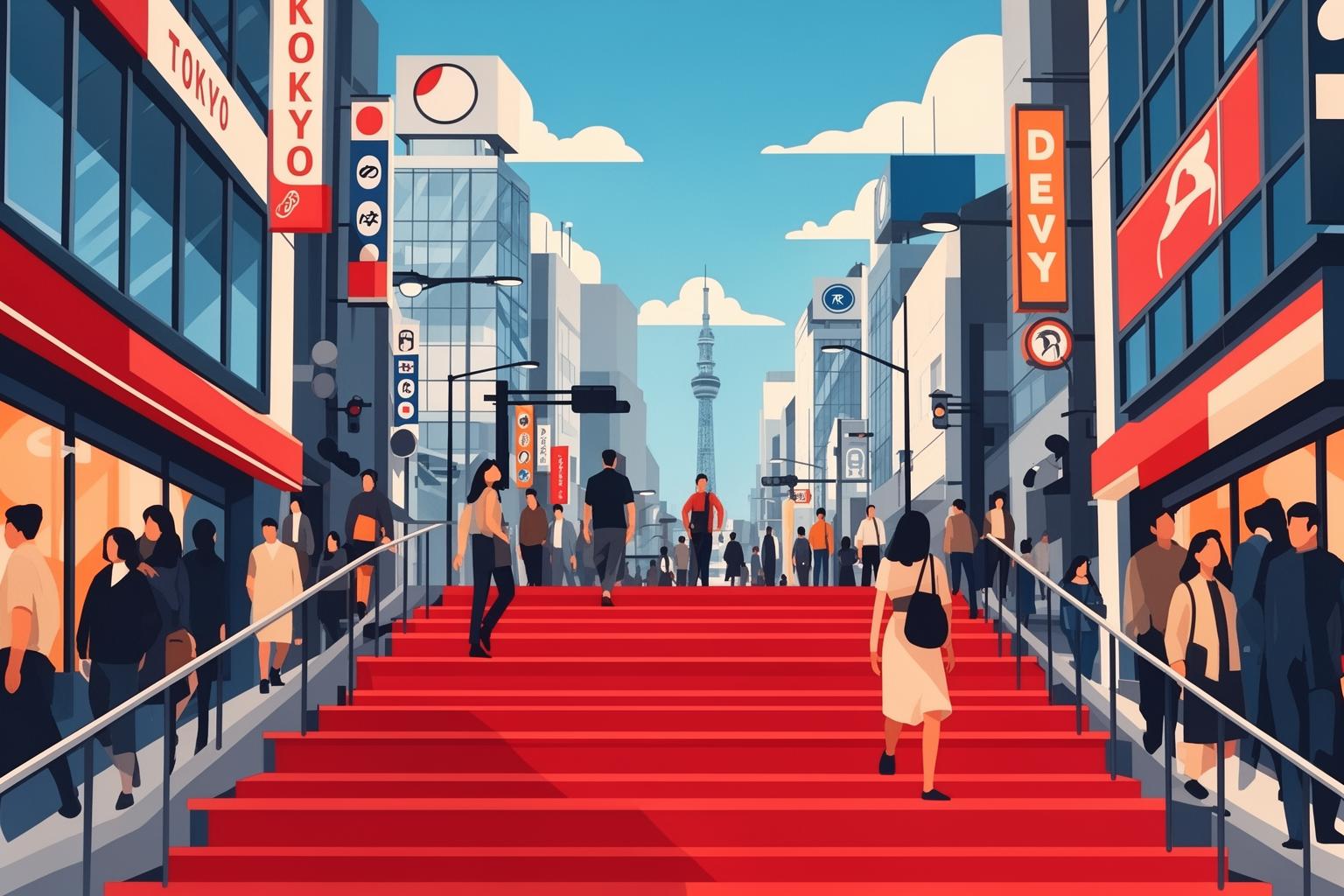
Every great story reaches its crescendo with a single, iconic image that captures its entire emotional essence. In Your Name, that image is unquestionably the red-railed staircase where Taki and Mitsuha, years after their celestial ordeal, finally, miraculously reunite. This isn’t some grand, historic monument. It’s a simple, serene flight of stairs in a quiet residential neighborhood, leading up to the local Suga Shrine. And that is exactly where its power lies. The film transforms an ordinary corner of Tokyo into a place of destined reunions and profound emotional release. To stand here is to stand at the very convergence of the everyday and the magical, which embodies Makoto Shinkai’s genius.
Finding the Scene
Your pilgrimage to this revered spot begins at Yotsuya Station, a hub served by the JR Chuo-Sobu Line and the Tokyo Metro Marunouchi and Namboku Lines. From the station, it’s a pleasant ten-to-fifteen-minute walk. As you leave behind the station’s bustle, the city’s pace softens. The streets narrow, flanked by modest apartment buildings, local shops, and the gentle murmur of daily life. This walk is part of the experience, a calm unwinding that primes you for the moment ahead. Navigating with your map, you feel anticipation building with each turn. You might even cross paths with other pilgrims, recognizable by their reverent grip on their cameras or the quiet, knowing smiles they exchange. Then, there it is. Nestled between unremarkable buildings, the gentle incline of the stairs rises, the vivid red railings a splash of cinematic color against the city’s muted palette. The feeling of arrival is tangible, a small jolt of recognition that seems like a memory never truly experienced.
The Atmosphere of the Moment
What the film doesn’t quite prepare you for is the deep sense of tranquility. This isn’t a tourist hotspot with flashing lights and souvenir stalls. It’s a genuine place where people live. You might see a resident carrying groceries, a child pedaling by, or hear the distant chime of a nearby school. Standing at the bottom, looking upward, you can perfectly frame the shot from the movie poster, the sky arching above the landing. The view is asymmetrical, just as in the film, which amplifies the sense of authenticity. Ascending the stairs, you can sense the urgency of Taki and Mitsuha’s desperate search. At the top, you turn around to behold the city skyline spreading out, distant and hazy. It’s here you can truly admire Shinkai’s artistry. He didn’t merely replicate the location; he captured its essence—the quiet yearning, the feeling of being on the verge of something momentous. It feels both grand and deeply intimate simultaneously. Take a moment to stand still, breathe in the air, and let the reality settle. You are inside the movie.
A Photographer’s Dream
Capturing the perfect photo here is a vital part of the pilgrimage, but it comes with the responsibility to be respectful. The golden hours of late afternoon, when the sun hangs low and casts long shadows, are especially enchanting. This light mimics the ethereal glow of the film’s final scene, bathing the staircase in a warm, nostalgic radiance. Try shooting from both the top and the bottom. A wide-angle lens can help capture the scene’s full scope, just as it was framed in the film. Many visitors attempt to recreate the iconic poses of Taki and Mitsuha passing each other, a playful way to connect with the location. However, keep in mind that this is a public walkway and a residential area. Avoid blocking the stairs for too long, lower your voice, and be cautious not to point your camera toward private homes. The best souvenir is a beautiful photo taken with respect for the people who call this special place home.
Beyond the Stairs: Exploring Taki’s Tokyo
The red staircase may be the centerpiece of the Your Name pilgrimage, but Taki’s life was intricately woven into the very fabric of Shinjuku and its neighboring districts. To truly grasp his world, you need to dive into the dazzling, overwhelming, and beautiful chaos of the city he called home. This portion of the journey takes you from tranquil art museums to the busiest train station on earth, with each location adding a new layer to your understanding of the film.
Shinjuku’s Concrete Jungle
Shinjuku is more than just a backdrop in Your Name; it serves as a character itself. Its towering skyscrapers symbolize the ambition and scale of Taki’s environment, sharply contrasting with the calm, traditional life of Mitsuha in Itomori. The film frequently frames Taki against these enormous structures, highlighting both the opportunities and the isolation of city life.
The National Art Center, Tokyo
A brief train ride or a more ambitious walk from Yotsuya will take you to Nogizaka, home to The National Art Center, Tokyo. This stunningly designed building is where Taki and his elegant coworker, Okudera-senpai, had their date. The building’s curving glass façade is immediately recognizable. Stepping inside feels like walking right into the anime. You can visit the very café where they sat, the Salon de Thé ROND, dramatically perched atop a giant concrete cone within the museum’s atrium. Sitting there, sipping coffee and gazing out at the light filtering through the glass walls, you can almost hear their awkward yet charming conversation. The museum itself is a world-class institution with rotating exhibitions, so planning a few hours here is worthwhile. It exemplifies how the pilgrimage encourages discovering magnificent cultural spots you might otherwise miss. Be sure to check their official website for opening hours and current exhibits, as it is closed on Tuesdays.
Shinjuku Station and the Yunika Vision Screen
Prepare for sensory overload. Shinjuku Station is the busiest transportation hub in the world—a vast labyrinth of platforms, tunnels, and exits handling millions of passengers daily. It perfectly embodies the dizzying pace of Taki’s life. While there isn’t a single spot to stand, immersing yourself in the flow of the crowd is an experience in itself. Just outside the east exit, you’ll find another key landmark: the Yunika Vision screen. This massive, three-paneled digital billboard features prominently in the film, broadcasting news of the comet. In reality, it displays music videos, advertisements, and news—a constant, vibrant heartbeat at the center of the city. Seeing it in person, especially at night when its lights brighten the crowds below, is a powerful moment that connects you directly to the film’s urban spectacle.
A Shinjuku Gyoen Connection
Though not shown as an exact location, the beautiful Shinjuku Gyoen National Garden is widely believed to be the inspiration for Taki’s high school. More importantly, its lush landscapes—from a traditional Japanese garden to manicured French lawns and expansive greenhouses—exemplify the “Shinkai aesthetic.” The director excels at portraying nature with breathtaking beauty, often placing serene green spaces right next to harsh urban environments. A stroll through Shinjuku Gyoen offers a peaceful escape from the city’s intensity and an opportunity to immerse yourself in the kind of verdant, light-dappled scenery that features so prominently in his films. It’s an ideal spot to sit on a bench, reflect on your journey, and experience the delicate balance between urban and natural elements that defines much of the movie’s visual language.
A Practical Guide for Your Pilgrimage
A successful seichi junrei hinges on preparation. Combining a well-structured plan with the flexibility to explore enables you to fully absorb the atmosphere without feeling hurried. Here’s how to make your Your Name journey in Tokyo as seamless and enchanting as possible.
Mapping Your Route
Crafting a sensible itinerary is essential. The Tokyo spots featured in Your Name are grouped conveniently for an ideal day trip. A smart approach is to begin with the most emotionally meaningful and quietest site first. Start your morning at Yotsuya Station and take a leisurely walk to the Suga Shrine steps. The morning light is lovely, and you’re more likely to enjoy the location without other fans around. After spending some time there, you can head toward Shinjuku. It’s walkable for those who enjoy urban hikes, taking about 30-40 minutes and giving you the chance to explore more local neighborhoods. Alternatively, a short ride on the JR Chuo-Sobu Line from Yotsuya to Shinjuku takes only a few minutes. Once in Shinjuku, you can explore the station area, the Yunika Vision, and then potentially visit Shinjuku Gyoen for a peaceful afternoon. Finally, take the quick Metro Chiyoda Line ride from a nearby station to Nogizaka to see The National Art Center, which often stays open later, offering a lovely way to end the day.
Timing is Everything
Tokyo’s distinct seasons each provide a unique perspective on these iconic spots. Spring, during cherry blossom season, is truly magical. Picture the Suga Shrine steps framed by delicate pink petals—it adds a transient beauty that Shinkai himself would surely admire. However, this is peak tourist season, so expect larger crowds. Autumn brings crisp, clear air, comfortable walking temperatures, and stunning fall colors, especially at Shinjuku Gyoen. The clear skies sharpen the cityscapes, making them look more defined, much like in the anime. Winter has its own stark charm, with fewer visitors and dramatic, low-angled sunlight. Regarding the time of day, as noted, early morning is ideal for the Suga Shrine steps to avoid crowds. Midday suits exploring the expanse of Shinjuku. Evening is when Shinjuku truly comes alive, and seeing the Yunika Vision screen and city lights flicker on is a must, reflecting the film’s breathtaking nighttime scenes.
What to Bring
First and foremost: comfortable walking shoes. You will cover a lot of ground, and nothing spoils a day of exploration faster than sore feet. A good camera is crucial, whether it’s your phone or a dedicated DSLR, to capture these cinematic moments. Consider carrying a portable power bank, as using maps and taking photos will drain your battery. It’s also a great idea to have screenshots of the relevant Your Name scenes saved on your phone. Comparing the real-life views with the animated ones in real time is an exciting part of the experience. And of course, bring a reusable water bottle to stay hydrated, along with a small bag for any souvenirs you pick up along the way.
Pilgrimage Etiquette
This is perhaps the most important advice. Seichi junrei has grown popular, bringing with it the responsibility to be a respectful visitor. The Suga Shrine steps are located in a quiet residential area. People live here. Their daily lives should not be disrupted by fans. When visiting, speak softly. Avoid lingering excessively, especially when crowded. Never block the path for residents. Do not trespass on private property for better photo angles. Avoid leaving any trash behind. The aim is to leave these places exactly as you found them, preserving their specialness for both locals and future fans. A respectful pilgrim is a welcome pilgrim.
The Magic of Seichi Junrei: More Than Just a Tour
To embark on a pilgrimage to the locations of Your Name is to engage in a distinctive and contemporary form of storytelling. It offers an interactive experience that deepens your connection to the film in ways that simply re-watching it cannot achieve. It transforms you from a passive viewer into an active participant within its universe.
Bridging Two Worlds
There is a fascinating psychological effect that takes place when you stand in a seichi, a sacred site from a story. The fictional and real worlds momentarily converge. You are in Tokyo, yet you are also in Taki’s Tokyo. You are looking at a staircase, but simultaneously, you are seeing the site of a destined reunion that moved you to tears. This duality is what makes the experience so compelling. It validates the emotional investment you have in the narrative. The world felt real on screen because, in a sense, it truly is. This act of visiting reinforces the story’s themes of connection—not only between two characters but also between the audience and the art, and between the imagined world and our own.
The Art of Makoto Shinkai
This pilgrimage also serves as a deep appreciation of Makoto Shinkai’s artistic vision. Frequently hailed as a master of light and background art, this journey stands as proof of that reputation. You begin to notice the finer details he captured with remarkable accuracy: the texture of the asphalt, the unique design of a guardrail, the way light glints off a skyscraper at a particular time of day, the intricate web of overhead power lines. His work is a love letter to the everyday beauty of Japan, and by visiting these locations, you learn to see your own world through his artistic perspective. You start observing the light, the clouds, and the quiet, beautiful details of the urban scenery more closely. The pilgrimage becomes a lesson in attentiveness, a way of discovering the magic concealed in plain sight, just as Shinkai does in every frame of his films.
A Taste of Taki’s Life: Local Bites and Experiences
To fully immerse yourself, don’t just visit the sights—experience the city as Taki might have. This involves diving into the local food scene and discovering views that capture the essence of his urban life.
Cafes and Comfort Food
After an emotional visit to the Suga Shrine steps, you may want a quiet spot to sit and reflect on the experience. The area around Yotsuya offers several charming, small coffee shops where you can do just that. Taki worked part-time at an Italian restaurant, so finding a cozy place for pasta or pizza in Shinjuku feels perfectly fitting. For a more quintessential Tokyo experience, explore the countless ramen shops tucked into the alleys and basements of Shinjuku. Grabbing a quick, tasty, and affordable meal at a counter, surrounded by the sounds of the city, is a fundamental part of life for any young Tokyoite like Taki. It’s in these simple, everyday moments that the film’s world truly comes alive.
A View from Above
Your Name is filled with stunning panoramic views of the Tokyo skyline. While you could buy a ticket to the top of the Tokyo Skytree or Tokyo Tower, there’s a fantastic—and free—alternative that better fits Taki’s world. The Tokyo Metropolitan Government Building in Shinjuku features two observation decks on the 45th floor open to the public. From here, you can look out over the vast urban sprawl, a sea of buildings stretching to the horizon. On a clear day, Mount Fuji is visible. Seeing the city from this vantage point, with its clusters of skyscrapers and the intricate network of roads and train lines, brings the film’s breathtaking establishing shots to life. It’s the perfect spot to appreciate the immense scale of the world Taki inhabited and to sense the vastness that separated him from Mitsuha.
Your journey through the world of Your Name is more than a checklist of locations. It’s a quest for connection. It’s about feeling the heartbeat of a city that inspired a work of art and seeing how that art has, in turn, added a new layer of meaning to the city. Standing on that fated staircase or gazing out at the Shinjuku skyline, you realize the story isn’t just about Taki and Mitsuha searching for each other. It’s about all of us, seeking moments of beauty, connection, and magic in our own lives. As you leave these places behind, you don’t just take photos; you carry with you a piece of that magic—a reminder that extraordinary stories can be found in the most ordinary places, waiting for someone to stop and look.