
There’s a unique ache that lingers long after the credits roll on Makoto Shinkai’s masterpiece, Your Name (Kimi no Na wa). It’s a phantom nostalgia, a feeling of searching for a person you’ve never met, a place you’ve never been. Shinkai is a maestro of emotion, but his true genius lies in grounding these fantastical, heart-wrenching narratives in a world that is breathtakingly real. His depiction of Tokyo isn’t just a backdrop; it’s a living, breathing character, rendered with such photorealistic detail that it blurs the line between animation and reality. This incredible fidelity has sparked a modern-day phenomenon in Japan known as seichi junrei—an anime pilgrimage where fans journey to the real-life locations that inspired their favorite stories. It’s more than a sightseeing tour; it’s a quest to step inside the frame, to walk the same streets as the characters, and to feel the story’s emotional currents in the very air around you. This journey will take you into the heart of Taki Tachibana’s Tokyo, from the serene, sun-drenched neighborhood steps of the film’s iconic climax to the dizzying, neon-soaked canyons of Shinjuku. Prepare to see the city not just with your eyes, but with your heart, as we follow the invisible red thread of fate that connects this animated world to our own.
Immerse yourself further in Tokyo’s evocative urban tapestry with a red string journey that reveals the subtle traces of fate woven into the city’s landscape.
The Heart of the Story: Yotsuya and the Suga Shrine Steps
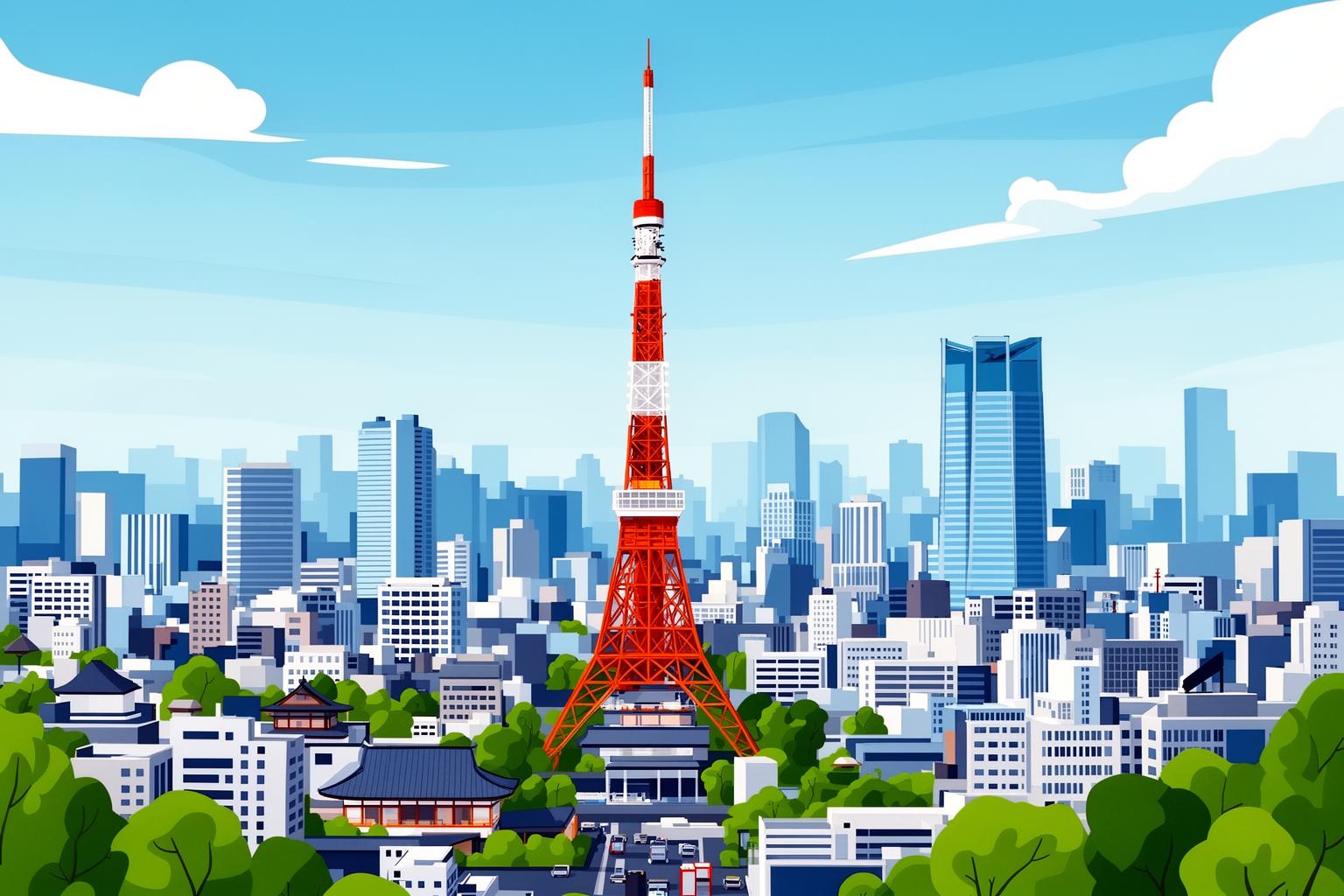
Our journey begins not with a bang, but with a quiet exhale. To discover the soul of Your Name, you must first leave the bustling veins of central Tokyo and step into the tranquil, residential neighborhood of Yotsuya. After a brief, unremarkable walk from Yotsuya Station, anticipation grows with each quiet corner you turn. You pass small local shops, manicured gardens, and apartment buildings where everyday life unfolds, far from the well-trodden tourist path. Then, you see it—a flash of vermilion amid the urban green and grey. The iconic staircase of Suga Shrine. The moment feels surreal. Your mind takes a moment to process, to match the image from the screen with the tangible reality before you. The gentle slope, the concrete walls, and most notably, that vivid red handrail that served as the visual centerpiece for one of modern cinema’s most emotionally powerful reunions.
A Stairway to Memory
The atmosphere here is deeply peaceful. Unlike major tourist spots, the Suga Shrine staircase is not a crowded attraction. It functions as a part of the local community. You’ll see residents climbing the steps with groceries, children playing nearby, and perhaps a few other pilgrims speaking softly, all sharing a quiet, mutual understanding. This is where Taki and Mitsuha, separated by time and memory, finally connected. Standing at the base looking upward, you can almost feel Taki’s urgent climb. From the top looking down, you sense Mitsuha’s hesitant turn. It’s a place heavy with the weight of ‘what if’ and the triumph of ‘what is.’ I encourage you to walk it slowly, up and down. Feel the texture of the railing beneath your hand, notice how the light filters through the leaves above, and listen to the neighborhood’s sounds. The magic lies here—not just in capturing the perfect photo, but in soaking in the tangible sense of place.
Timing Your Epiphany
For the most cinematic experience, try to visit during the ‘magic hour’—late afternoon, just before sunset. As the sun sinks lower, the light softens and turns golden, bathing the scene in a warm, ethereal glow that perfectly echoes the film’s aesthetic. Shadows lengthen, colors deepen, and the whole staircase seems suspended in a dream, much like the movie’s final, breathtaking moments. Morning is also an excellent time, offering crisp light and even fewer people, allowing for a more intimate, reflective visit. One essential tip for first-timers: remember this is a sacred place and a residential area. Keep your voice low, respect those who come to worship at the small shrine atop, and avoid blocking the path. The beauty of this spot lies in its authenticity, and preserving that is everyone’s shared responsibility.
Shinjuku’s Urban Canvas: Where Worlds Collide
If Yotsuya embodies the story’s heart, Shinjuku represents its racing pulse. A brief train ride carries you from peaceful reflection into the vibrant, chaotic, and beautiful world that Taki calls home. Shinjuku is a city within a city, a dazzling maze of towering skyscrapers, glowing neon signs, and a sea of people moving through its streets and underground corridors. This is the landscape that shaped Taki, and exploring it reveals the vastness, energy, and unexpected moments of beauty that Makoto Shinkai captured so exquisitely.
The Crossroads of Fate: Shinjuku Station
Your introduction to Taki’s world will likely mirror his everyday reality: Shinjuku Station. It is less a building and more a living being, the busiest train station in the world. Stepping inside is to be swept up in a tide of humanity. The sheer size is overwhelming, with dozens of platforms and hundreds of exits forming a maze that can confuse even experienced locals. But rather than feeling daunted, embrace the beautiful chaos. Look up at the soaring glass ceilings of the South Exit, the intricate network of train tracks, and the steady flow of people, each carrying their own story within a city of millions. This serves as the backdrop for many of the film’s quick cuts and transitions, setting the relentless tempo of Taki’s urban life. A tip: don’t try to understand the entire station all at once. Choose an exit—the South Exit is particularly recognizable and an excellent starting point—and head for it. Getting a bit lost here is not failure; it’s an authentic part of the Shinjuku experience, reflecting the sensation of being a small yet meaningful part of a vast, interconnected world.
A Glimpse into Taki’s Life
Once you step out of the station, the city reveals itself. Here, you can follow Taki’s usual path. One of the most tangible spots is the real-life inspiration for the Italian restaurant Il Giardino delle Parole, where Taki worked part-time. The elegant Cafe La Bohème, situated near the peaceful Shinjuku Gyoen National Garden, is widely believed to be the model. With its high ceilings, vintage decor, and a stunning view of the park, it’s easy to picture Taki weaving between tables, sharing moments with his crush, Okudera-senpai. Pausing here for lunch or coffee provides a lovely break, a chance to sit and soak in the atmosphere of a place representing Taki’s dreams and grounded daily life.
From there, make your way to the Shintoshin Pedestrian Bridge, another iconic visual from the film. This modest overpass, noted for its circular design, is featured in many cityscapes, often framing the NTT Docomo Yoyogi Building, whose clock-tower-like spire is a signature feature of Tokyo’s skyline in Shinkai’s works. Standing on this bridge, you can sense the city’s rhythm. Below, a stream of traffic flows endlessly, its headlights and taillights painting ribbons of color in the evening. Ahead, the skyscrapers of West Shinjuku tower like silent giants. It’s a place that perfectly captures the film’s theme of both connection and distance, a spot to feel the city’s vastness and your own place within it.
The View from Above
To fully grasp the world of Your Name, you need to see it from above. The film is renowned for its stunning panoramic shots of Tokyo—a sparkling carpet of light stretching to the horizon. While the restaurant Taki and Okudera-senpai visited is fictional, the view is very real. For an unforgettable and best of all, free panorama, head to the Tokyo Metropolitan Government Building. A swift, silent elevator takes you up 45 floors to the observation deck. The doors open to an awe-inspiring vista. Beneath you, the city spreads out in a dizzying display of architectural density. On a clear day, the silhouette of Mount Fuji stands majestically in the distance. The ideal time to visit is just before dusk. You can watch the sun set, bathing the city in shades of orange and purple, then witness the gradual transformation as millions of lights flicker on, creating an endless sea of stars on the ground. Here, suspended between heaven and earth, you can truly feel the scale of Taki and Mitsuha’s story—two small lights in a vast universe, miraculously finding each other.
Weaving Your Own Narrative: Tips for Your Pilgrimage
Undertaking a seichi junrei for Your Name is about creating your own journey, not merely following a map. The experience becomes richer when you let yourself flow with the rhythm of the city. A great way to plan your day is to follow the film’s emotional arc. Begin your morning in the quiet reverence of Yotsuya, allowing the story’s emotional heart to settle in. Then, as the day unfolds, take the JR Chuo-Sobu Line to Shinjuku and immerse yourself in the exhilarating energy of Taki’s world. Spend the afternoon wandering—finding the cafe, crossing the bridge, and soaking in the street-level atmosphere. Finish your day at the Tokyo Metropolitan Government Building, watching the city shift from day to night, providing a grand, cinematic finale to your personal tour. This progression from calm to crescendo mirrors the film itself, creating a deeply fulfilling experience.
To navigate this journey easily, a prepaid IC card like Suica or Pasmo is invaluable, enabling you to tap on and off trains and subways with ease. Comfortable walking shoes are essential; you’ll be covering plenty of ground, and the best discoveries often come on foot. While it’s tempting to rush from one photo spot to another, I encourage you to resist the checklist mindset. The true magic of this pilgrimage lies in the moments between. It’s in pausing to watch the clouds drift over the Shinjuku skyscrapers, hearing the chime of a train departure, or catching the scent of street food from a narrow alley. These sensory details build a memory, transforming a location from a picture on a screen into a place that lives within you. Let the city speak to you, and you’ll find that the story of Taki and Mitsuha is written not just in specific spots, but woven into the very fabric of Tokyo itself.
Beyond the Frame: Finding Your Own Story
A journey through the world of Your Name is both a beautiful and strange experience. It’s a pilgrimage that bridges the gap between fiction and reality, allowing you to walk through a story that has touched millions. From the quiet steps at Suga Shrine, filled with destined romance, to the vibrant, overwhelming energy of Shinjuku, each location acts as a gateway to the film’s most powerful emotions. But as you follow in the footsteps of Taki and Mitsuha, you’ll naturally begin to craft your own story. You’ll discover your own favorite view, your own tranquil corner, your own perfect moment when the light falls just right on a building. You came seeking their story, but you will leave with your own. Tokyo, in all its vast, chaotic, and breathtaking splendor, becomes more than just a backdrop. It becomes a partner in your memories. And perhaps, as you stand on an observation deck gazing out over the endless city lights, you’ll feel that familiar, lingering ache from the film—not one of loss, but of deep connection and the beautiful, hopeful possibility of finding exactly what you were searching for.