

There’s a certain kind of magic that Makoto Shinkai weaves into his films. It’s a quiet, breathtaking alchemy that transforms the mundane into the magnificent, blurring the fragile line between animated frames and the very real, breathing world we inhabit. His 2016 masterpiece, ‘Kimi no Na wa’ or ‘Your Name,’ wasn’t just a movie; it was a global phenomenon that captured hearts with its stunning visuals, poignant story of star-crossed lovers, and a deep, resonant sense of place. The film’s Tokyo is not a generic metropolis; it is a meticulously rendered character in its own right, a concrete and glass landscape pulsing with life, memory, and unspoken connections. This is where the real magic begins for travelers. In Japan, the act of visiting locations featured in anime, manga, or films is a beloved practice known as ‘seichi junrei,’ or a sacred pilgrimage. It’s a journey to step through the screen and stand where your favorite characters stood, to feel the same city air, and to see the world through their eyes. For fans of ‘Your Name,’ Tokyo is a sprawling treasure map, and this guide is your compass to navigate the emotional and physical geography of Taki Tachibana’s world. From the bustling heart of Shinjuku to the quiet, sun-drenched stairways of a residential neighborhood, we’ll trace the threads of fate that connect two souls across time and space, discovering that the magic of the film is deeply rooted in the beautiful reality of Tokyo itself.
Intrigued readers can further explore how Shinkai transforms urban landscapes into cinematic realms by checking out Shinkai’s Tokyo journey.
The Heart of the Connection: Suga Shrine’s Iconic Steps
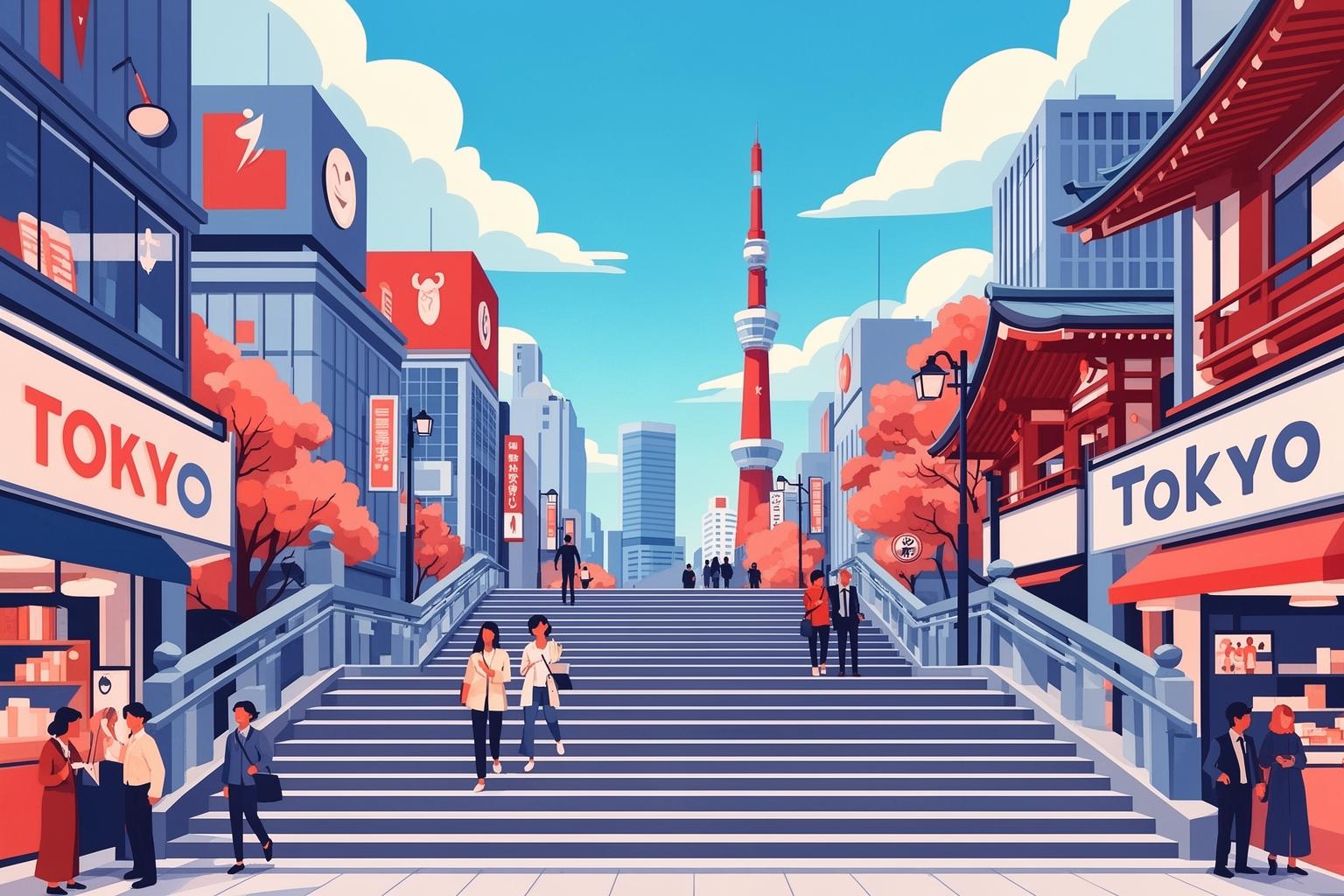
Every pilgrimage has its sanctum, its most sacred place, and for Your Name, it is undeniably the staircase leading to Suga Shrine. This is the backdrop for the film’s breathtaking, emotionally intense climax—the moment when Taki and Mitsuha, years after swapping lives, finally reunite. Finding these steps is like embarking on a quest. You leave behind the roar of central Tokyo, taking the Marunouchi or Chuo-Sobu line to Yotsuya Station. The instant you emerge, the atmosphere changes. Towering skyscrapers give way to a tranquil, almost sleepy residential neighborhood. Narrow streets are lined with modest apartment buildings, small family homes, and the occasional quaint local shop. It’s a gentle walk, a quiet decompression that primes you for the emotional significance of the destination. Navigating your map through the labyrinthine yet tidy streets, you suddenly see it: a flight of stone steps adorned with a vibrant red railing, cutting a path between two understated walls. Whether approaching from the top or bottom, the feeling of recognition is immediate and profound. It seems less like discovering a film location and more like arriving at a memory you never realized you had. The air here feels different—quieter, filled with the rustle of leaves and the distant murmur of the city you just left behind. Standing there, you can almost hear the characters’ anxious heartbeats, sense the weight of their years searching, and glimpse the ethereal glow of the late afternoon sun that Shinkai so masterfully portrays. It’s a deeply moving experience that goes beyond mere fandom.
Capturing the Perfect Shot
This is a spot you’ll want to photograph, to seize a piece of its cinematic spirit. The classic shot, naturally, echoes the movie’s poster, with one person at the top and another at the bottom, looking back at each other. Achieving this takes a bit of patience. After all, this is a public walkway in a residential area. Local residents use these stairs for their daily routines—walking dogs, commuting, or returning home with groceries. The cardinal rule of seichi junrei is respect. Wait for a calm moment, be quick with your photos, and never block the path. The best time to visit is a weekday late afternoon. The light, just like in the film, turns golden and soft, casting elongated shadows and making the red railing pop against the cool stone and green foliage. This “magic hour” light is quintessentially Shinkai and will give your photos an authentically dreamy feel. Experiment with different angles. A shot from the very bottom looking up highlights the climb and the feeling of searching. A view from the top captures a slice of the city skyline peeking between buildings, a constant reminder of the vast world where these two souls finally reunited. Remember to keep your voice low; this is a place for quiet reflection, not a noisy photoshoot.
Beyond the Stairs: Exploring Yotsuya
After your moment on the steps, don’t just turn and leave. Yotsuya itself is a wonderful slice of authentic, non-touristy Tokyo. Allow yourself to wander aimlessly. You’ll find small parks, immaculate little gardens cared for by locals, and maybe a friendly neighborhood cat basking on a wall. This area is perfect for feeling the rhythm of everyday city life. As a foodie, I’ve found that such quiet explorations often lead to the best culinary discoveries. Tucked away on a side street, you might stumble upon a kissaten—a traditional Japanese coffee shop run by the same family for generations. Stepping inside is like stepping back in time. Order a siphon coffee, a thick slice of toast, and simply soak in the peaceful atmosphere. It’s a perfect antidote to the sensory overload of more famous districts. Or you might discover a small ramen shop with just a handful of seats, serving broth perfected over decades. These experiences ground your pilgrimage in genuine Japanese culture, layering your journey with flavors and memories that transcend the anime’s frames.
Urban Elegance: Taki’s Workplace and First Date
The film ‘Your Name’ skillfully contrasts the serene charm of Mitsuha’s rural hometown with the sleek, contemporary vibe of Taki’s Tokyo. Two prominent locations highlight this urban elegance: the restaurant where Taki worked and the magnificent museum where he went on a date with his coworker, Okudera-senpai. The latter is The National Art Center, Tokyo, situated in the fashionable Roppongi district. Easily accessible from Nogizaka or Roppongi Stations, the building itself is a breathtaking piece of art. Designed by the renowned architect Kisho Kurokawa, its flowing glass facade appears to ripple like a curtain in the breeze. The moment you enter, you are surrounded by a vast, light-filled space. Huge concrete cones form the structural core, while sunlight pouring through the glass creates a dynamic play of light and shadow that shifts as the day progresses. It’s clear why Shinkai chose this venue; it embodies a futuristic, elegant, and distinctly Tokyo atmosphere. For fans, the most iconic spot is the ‘Salon de Thé ROND,’ a café perched atop one of the massive concrete cones, where Taki and Okudera-senpai shared their slightly awkward lunch. You can sit in the same spot, savor a coffee and a slice of exquisite cake, and gaze out over the expansive atrium—a refined moment of calm amid the city’s bustle.
Art, Architecture, and Anime
The genius of featuring a place like The National Art Center lies in how it anchors Taki’s story within a cultural and aspirational context. It’s not just a pretty backdrop; it’s a prestigious, world-class institution. While the main lobby and cafés are free to access, the center showcases a rotating lineup of remarkable art exhibitions. It’s worth checking their schedule ahead of time to see what’s on during your visit. Spending an hour or two exploring a gallery adds a deeper dimension to your pilgrimage, connecting you not only to the film but also to Japan’s broader creative spirit. The architectural details are captivating. Notice how the wooden louvers on the glass facade moderate the light, producing a soft, diffused glow inside. The space is designed for contemplation, providing a calm, intellectual counterpoint to the more emotionally charged pilgrimage spots. This perfectly demonstrates how seichi junrei encourages visitors to discover places they might have otherwise overlooked, enriching their travel experiences in unexpected ways.
A Taste of Taki’s Life
Just a short walk or quick train ride from the hectic Shinjuku Station is the Italian restaurant that inspired Taki’s part-time job, ‘Il Giardino delle Parole’ (a nod to another Shinkai film, ‘The Garden of Words’). The real-life counterpart is Café La Bohéme Shinjuku Gyoen. From the exterior, with its lush greenery and stately façade, it feels like a peaceful oasis. Inside, you’re transported to a grand European villa. The ceilings soar high, dominated by an enormous crystal chandelier, and large arched windows fill the dining room with light. The resemblance to the anime is striking, from the color palette to the overall layout of the dining area. As a food enthusiast, I can confirm that this place offers much more than aesthetics. It’s a lively, well-loved restaurant known for its consistently delicious Italian cuisine. The menu is extensive, with the pasta dishes standing out—whether it’s a rich, hearty bolognese or a classic carbonara, both feel like perfect comfort food after a day of walking. Given its popularity and fame from the film, reservations are highly recommended, especially for dinner. Dining here feels like stepping into a scene, sharing a meal in the very space where Taki navigated the challenges of his first job and blossoming social life. It’s a delicious and immersive way to connect with his story.
Shinjuku’s Concrete Jungle: The Backdrop of Taki’s World
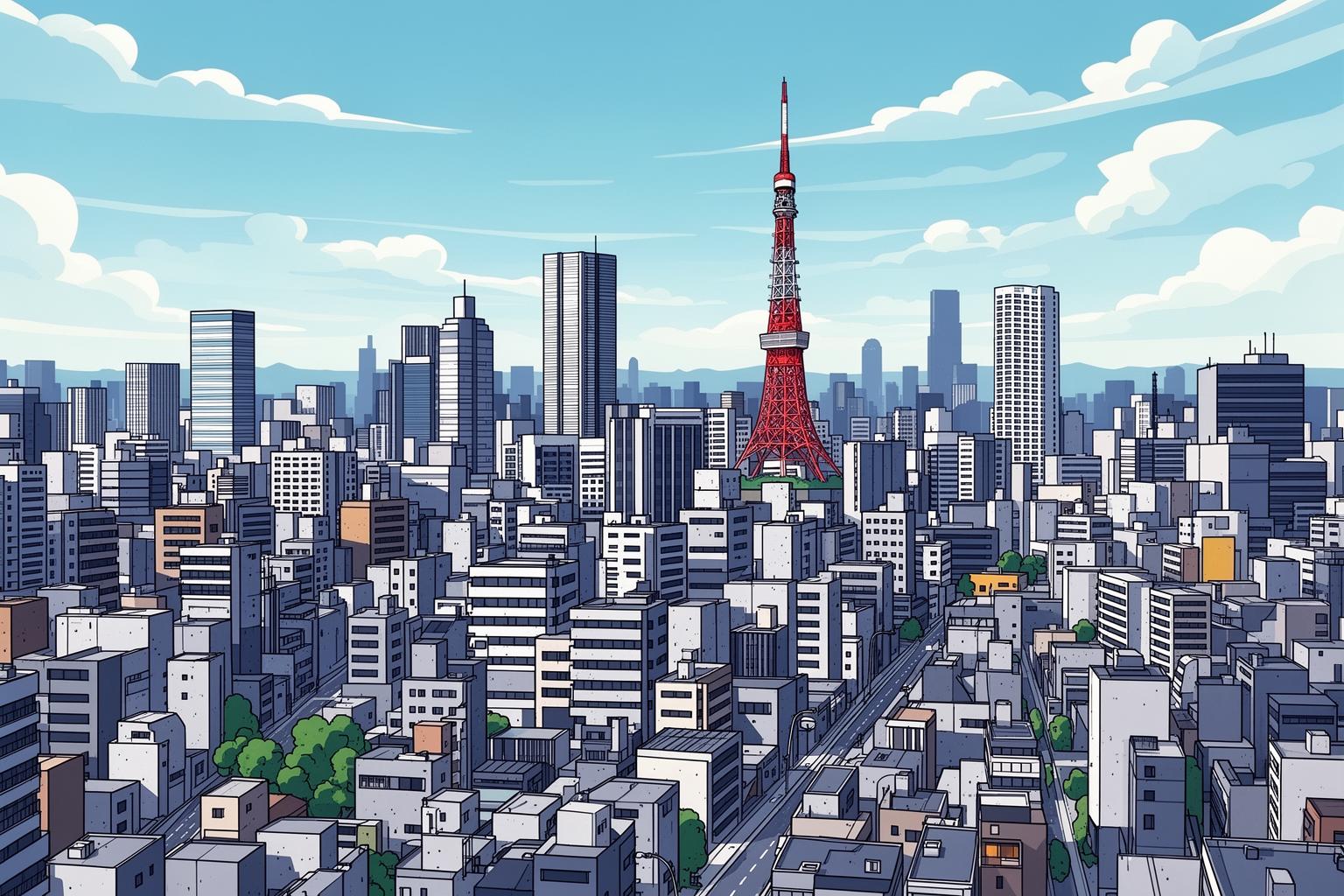
If Yotsuya symbolizes quiet connection and Roppongi embodies sophisticated culture, then Shinjuku represents the chaotic, vibrant, pulsating core of Taki’s daily life. The film begins with stunning montages of this district, highlighting its overwhelming scale and energy. Towering skyscrapers, streams of people moving through crosswalks, and the intricate network of train lines all serve as both Taki’s playground and his cage. Shinjuku is more than just a place; it’s a mood, a sensation of being a small, anonymous part of something vast and interconnected. Many of the film’s most iconic cityscapes come directly from this area, making exploration essential to understanding the environment that shaped Taki.
The Crossroads of Fate: Shinjuku Station
Shinjuku Station is famously the busiest railway station in the world. It is a sprawling, multi-level maze of platforms, passageways, and department stores that can overwhelm even the most experienced locals. In ‘Your Name,’ it is portrayed as a place of constant motion, a hub of countless journeys and possible encounters. Taki moves through this space with the casual ease of a local, a subtle detail that immediately marks him as a true city boy. For visitors, the first experience may be one of awe mixed with slight disorientation. But don’t hesitate to dive in. Pay attention to the signage—they’re excellent and color-coded. The area around the South Exit (Minami-guchi) is especially recognizable from the film, with its wide open concourse and views of the NTT Docomo Yoyogi Building, the skyscraper distinguished by a clock face resembling a miniature Empire State Building. It’s an ideal spot for people-watching, to pause and take in the incredible flow of humanity that defines Tokyo. Grab an onigiri (rice ball) and a bottle of tea from a ‘conbini’ (convenience store) inside the station, then find a place to simply watch the world go by. It’s the most authentic Taki experience you can have.
A View from Above: The Tokyo Metropolitan Government Building
To truly appreciate the scale of the city Taki calls home, you need to see it from above. Many of the expansive panoramic shots in ‘Your Name’ appear to be inspired by the view from the Tokyo Metropolitan Government Building in West Shinjuku. This impressive edifice, designed by Kenzo Tange, features two towers, both offering free observation decks on the 45th floor. A quick, quiet elevator ride ascends 202 meters (663 feet) into the sky. The view that unfolds is breathtaking. On a clear day, the urban sprawl seems endless—a dense tapestry of buildings, parks, and highways. You can spot landmarks you’ve visited and trace the train lines you’ve taken. If you’re fortunate, Mount Fuji might even appear on the distant horizon. This perspective is vital for any ‘Your Name’ pilgrim. Here you grasp the immense scale of the city and the near impossibility of two specific people finding one another within it, making their eventual reunion all the more miraculous. The North Observatory generally stays open later, providing a superb vantage point to watch the city transform into a glittering sea of lights after sunset—a scene that epitomizes pure, unfiltered Shinkai.
The Unique Circle of Shinjuku
One of the most distinctive visual motifs in the Shinjuku scenes is a large, ring-shaped intersection. This is the Shinjuku Police Station intersection, another real location adding authenticity to the film’s background art. While not a destination on its own, it’s worth visiting while walking from Shinjuku Station toward the Tokyo Metropolitan Government Building. It exemplifies Shinkai’s team’s meticulous attention to detail. They didn’t just create a generic city; they recreated specific, recognizable pieces of its infrastructure. Standing on the pedestrian bridge overlooking this unique junction, watching cars and buses circulate in a perfect, endless loop, you gain another sense of the city’s rhythm—its complex systems and its beautiful, organized chaos.
A Pilgrim’s Practical Guide: Navigating Your ‘Your Name’ Journey
Embarking on a seichi junrei is an adventure, and like any good journey, a little preparation makes all the difference. Tokyo’s public transport system is impressively efficient, but it can feel overwhelming for first-time users. The key is to embrace it. Get a prepaid IC card such as Suica or Pasmo, available from any ticket machine at the station. Simply tap the card on the reader at the ticket gates, and the fare is automatically deducted. It works on nearly all trains, subways, and buses throughout Tokyo, sparing you the hassle of buying individual tickets for each trip. Use a navigation app like Google Maps; its transit directions are highly accurate and will guide you to the correct platform and train. Following this digital assistance is like having a local friend in your pocket, making the city instantly more navigable.
Weaving Your Itinerary
You can easily visit all the main Tokyo sites within a well-paced single day. A sensible route would be to begin your morning in Shinjuku. Explore the station area, then head up to the Tokyo Metropolitan Government Building for breathtaking morning views, especially when the air is clear. From there, take a pleasant stroll to Cafe La Bohéme for a scenic lunch. After dining, catch the Marunouchi Line from Shinjuku-Gyoenmae Station to Yotsuya. Spend the afternoon wandering the neighborhood and having your emotional moment at the Suga Shrine stairs as the sun starts to set. Finally, take the subway to Roppongi or Nogizaka to visit The National Art Center. Its lobby and cafés often stay open into the evening, providing a tranquil space to end your pilgrimage—perhaps with a final coffee at Salon de Thé ROND as you reflect on your day.
Timing is Everything
While these spots are enjoyable year-round, certain seasons bring an extra Shinkai-esque beauty. Spring’s cherry blossom season bathes the city in soft pinks and whites, creating a fleeting beauty that perfectly complements the film’s themes. Autumn offers crisp, clear air, deep blue skies, and comfortable walking weather, ideal for exploring. Regarding time of day, as noted earlier, the late afternoon ‘golden hour’ is your best ally. The warm, angled light lends the nostalgic, dreamlike atmosphere that defines the visuals of ‘Your Name.’ Being at the Suga Shrine stairs during this time will provide the most emotionally and visually rewarding experience. That said, a rainy day also holds its charm. The glistening wet streets, neon reflections in puddles, and umbrellas create a powerful, melancholic mood often seen in Shinkai’s work.
Respectful Pilgrimage
It’s crucial to remember these locations are not movie sets; they are real places where people live and work. The ‘seichi junrei’ culture is founded on respect. This is especially important at Suga Shrine and in the surrounding Yotsuya neighborhood. Keep your voice low, avoid lingering in large groups, and be mindful of residents going about their daily lives. When taking photos, be quick and considerate of your surroundings. Never trespass on private property, and always take your trash with you. The continued hospitality extended to fans relies on everyone being a thoughtful guest. By being a quiet, respectful pilgrim, you honor both the film and the community that provides its beautiful, real-world setting.
Beyond the Frames: The Emotional Resonance of Seichi Junrei
Traveling thousands of miles to stand on a particular staircase or sit in a specific café might seem unusual to some, but a seichi junrei is much more than just ticking off a sightseeing list. It is an act of deep appreciation, a way to physically connect with a story that has profoundly touched you. Standing in the real-life locations of ‘Your Name’ doesn’t shatter the film’s illusion; it enhances it. The animated world and the real world blend, and for a moment, the story feels astonishingly tangible. You feel the same sun that Taki felt, walk the same streets he walked, and look up at the same sky that linked him to Mitsuha. This journey is about discovering the extraordinary within the ordinary. It’s about realizing that the settings of our most cherished stories are not mythical, distant places but the very streets, parks, and buildings of our own world, depicted with care and detail. Makoto Shinkai’s gift lies in his ability to reveal the inherent beauty and magic in everyday cityscapes. By following in his characters’ footsteps, you learn to recognize that magic for yourself—in the reflection of a skyscraper on a rainy day, in the quiet dignity of a neighborhood shrine, and in the shared, unspoken hope that somewhere in this vast, chaotic, and beautiful world, you too will find what you seek.








