
Kyoto is a city of whispers. It’s a place where the veil between worlds feels thin, where a turn down an unmarked alley can feel like stepping a thousand years into the past. Here, ancient wooden temples stand defiantly against a backdrop of modern convenience, their silent gables watching over streets humming with a quiet, electric energy. It’s a city that breathes history, its very stones saturated with stories of emperors, monks, shoguns, and spirits. This tangible sense of the past, of energies that linger just beyond the veil of sight, makes Kyoto not just a cultural heart of Japan, but the undeniable spiritual home of Gege Akutami’s phenomenal series, Jujutsu Kaisen. To walk through Kyoto is to walk through the world that shaped Jujutsu Sorcerers, where Cursed Energy pools in the shadows of sacred places, and where every shrine gate feels like a barrier against unseen forces. This isn’t just sightseeing; it’s a pilgrimage. It’s a journey to understand the cultural soil from which these powerful stories grow, to feel the pulse of a city that lives and breathes the very duality of sacredness and curse that defines the series. As we explore these hallowed grounds, we’ll trace the footsteps of Yuji Itadori, Megumi Fushiguro, and Nobara Kugisaki, feeling the resonance of their battles and their resolve in the ancient air of Japan’s former imperial capital.
Alongside Kyoto’s mysterious allure, exploring Kichijoji’s pilgrimage route unveils another captivating dimension of Japan’s layered cultural legacy.
The Heart of the Exchange Event: Yasaka Shrine and Gion’s Twilight
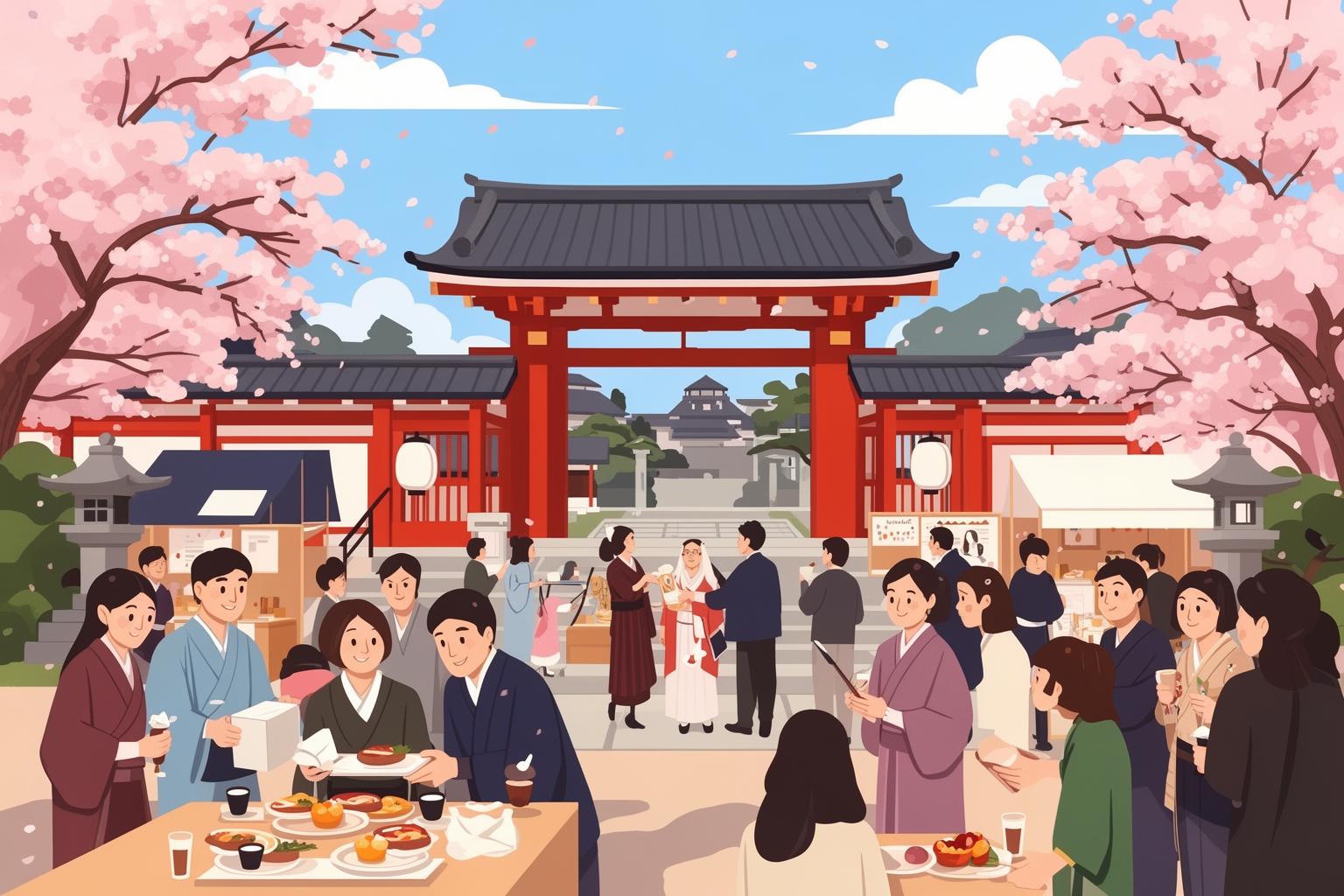
Our journey begins at the vibrant intersection where the energy of the living meets the solemnity of the gods, right at the edge of the famed Gion district. Yasaka Shrine, with its towering vermilion gate, stands as a majestic guardian overlooking the city’s most historic entertainment quarter. This shrine is more than just a religious site; it’s a bustling hub, brimming with life around the clock. The air is alive with a steady stream of visitors, the rhythmic clatter of wooden geta on stone pathways, and the soft chime of prayer bells. For fans of Jujutsu Kaisen, this setting is instantly familiar as the stage for the intense Kyoto Goodwill Event arc. Standing beneath the shrine’s main stage—a magnificent wooden structure adorned with hundreds of glowing lanterns—you can almost envision Aoi Todo and Yuji Itadori locked in battle against Hanami, the air charged with Cursed Energy.
Echoes in the Lantern Light
Here, the atmosphere strikes a balance between festive celebration and reverent calm. Each lantern, inscribed with the name of a local Gion business that sponsored it, forms a canopy of warm, ethereal light, especially as dusk descends on Kyoto. It’s during this twilight hour that the shrine truly comes alive. The setting sun casts long shadows that seem to dance and flicker, making it easy to imagine Curses gathering in the darker corners just beyond the sacred grounds. An evening visit is a rich sensory experience: the fragrance of incense from the main hall mingling with the enticing aromas of street food wafting from stalls near Maruyama Park; whispered prayers blending with the distant laughter echoing from Gion’s streets. This fusion of sacred and secular perfectly captures the duality of the series’ world, where sorcerers wage life-or-death battles amid an unaware and bustling crowd. Pause for a moment on the shrine grounds, close your eyes, and listen—you can feel the city’s heartbeat here, a rhythm as ancient as the shrine itself, which has stood for over 1,350 years.
Gion’s Veiled Alleys
Stepping away from the bright sanctuary of Yasaka Shrine and into Gion’s narrow cobbled lanes feels like entering a different realm. This is the Japan of imagination, a maze of machiya—traditional wooden townhouses featuring distinctive lattice windows and dark-tiled roofs. While iconic streets like Hanamikoji are meticulously preserved, the real enchantment lies in the smaller, unnamed alleys. As night falls, paper lanterns hung outside teahouses and restaurants begin to glow softly, casting a mysterious light on the dark wood and stone. The atmosphere is thick with anticipation. Patient visitors may be rewarded with a glimpse of a geiko or maiko—their faces painted white, silk kimono bursting with impossible color—swiftly moving on silent feet toward an appointment. This fleeting, graceful vision deepens the sense that you are in a special place, where beauty is veiled and tradition lives and breathes. It’s this very air of concealment and hidden worlds that makes Gion feel like a perfect haven for Curses. The darkness here is not empty; it brims with secrets. Walking these streets after dark, with modern city noises muffled by wooden walls, you come to understand why ancient Kyoto is a hotbed of supernatural energy in Akutami’s universe. It is a place where the past is not just remembered—it is vividly present.
A Labyrinth of Faith: The Thousand Gates of Fushimi Inari-taisha
From the vibrant heart of Gion, we journey southward to a place that seems like a portal to the spirit world itself: Fushimi Inari-taisha. Renowned for its thousands of vivid orange-red torii gates, this shrine stands as an emblem of Japan, yet no photo can fully convey the immersive, disorienting, and utterly magical sensation of walking its trails. The shrine is dedicated to Inari, the Shinto deity of rice, sake, and prosperity, with countless gates donated by individuals and businesses seeking good fortune. From afar, the winding gates resemble fiery serpents coiling up the sacred Mount Inari. Up close, the journey unfolds.
The Path into the Spiritual Realm
The entrance buzzes with activity, almost chaotic, as crowds gather to capture the perfect photo. But the true essence of Fushimi Inari emerges for those who venture deeper. As you ascend through the Senbon Torii (Thousand Torii), the dense rows of gates form a tunnel-like passage. Sunlight streams through the narrow spaces between them, casting mesmerizing patterns of light and shadow on the stone path. The air cools, and city sounds fade away, replaced by the rustling forest and caws of crows. Each gate bears black calligraphy with the name of the donor and date of donation. Walking here feels like moving through a corridor between the physical and spiritual realms. It’s a striking visual metaphor for a Domain Expansion—a self-contained world governed by its own rules and logic. One can easily imagine a character like Megumi finding a deep connection here, a place where shadows hold both power and mystery.
A Deeper Pilgrimage: Beyond the Main Path
Many visitors turn back after the initial main loop of gates, but the pilgrimage extends for kilometers up the mountain. As you climb higher, the atmosphere shifts noticeably. The crowds thin, the torii gates thin out, and the path grows steeper and more rugged. Along the way, you’ll discover small moss-covered sub-shrines nestled in the woods, guarded by stone fox statues, or kitsune, believed to be Inari’s messengers. Some statues are ancient, their surfaces smoothed by centuries of rain and wind, while others are adorned with red votive bibs—offerings from hopeful worshippers. The air here is still, heavy with the scent of damp earth and cedar, evoking an ancient, potent presence. This is where the genuine sense of a spiritual journey takes root. It becomes a walking meditation, a physical challenge that quiets the mind. For first-time visitors, the key is to lose yourself in the experience. Don’t rush. Wear comfortable shoes, as the full circuit may take two to three hours. Bring water. Most importantly, notice the details: the changing light, the countless stone foxes, the quiet intensity on the faces of fellow pilgrims. It is along these upper paths, away from the crowds, that the mountain’s powerful, Cursed-Energy-rich atmosphere becomes palpable—making it feel like a character itself within the Jujutsu Kaisen world.
The Stage Above the City: Kiyomizu-dera Temple
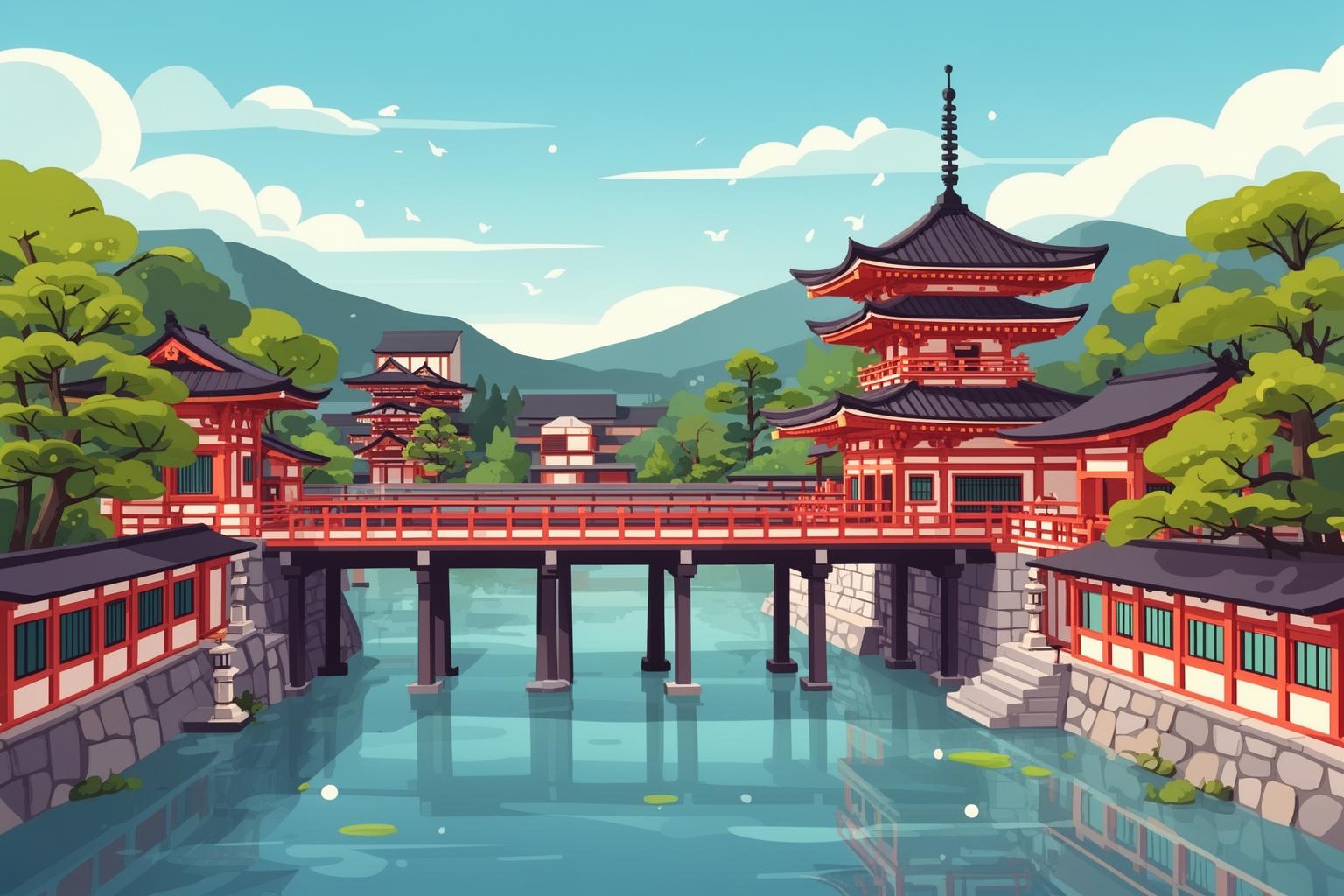
Perched on the verdant slopes of the Higashiyama mountains, Kiyomizu-dera presents a view that is both stunning and deeply meaningful. This temple, one of Japan’s most renowned, is best known for its enormous wooden stage that extends from the main hall and appears to hover above the forested hillside. The phrase “to jump off the stage of Kiyomizu” is a Japanese idiom similar to “taking the plunge,” rooted in an Edo-period belief that surviving the 13-meter leap would ensure the fulfillment of one’s wish. Standing on this very stage, one can truly grasp the boldness of such a leap. It is a place marked by grand gestures and steadfast determination—qualities that resonate deeply with every Jujutsu Sorcerer.
A Marvel of Craftsmanship and Faith
The main hall and its stage showcase the brilliance of traditional Japanese carpentry, constructed without a single nail and held together by an intricate system of interlocking wooden joints. This remarkable structure, which has supported countless pilgrims over centuries, stands as a physical embodiment of the strength and resilience needed to confront overwhelming challenges. From this vantage point, the entire city of Kyoto unfolds below—a vast mosaic of tiled roofs and contemporary buildings, with the iconic Kyoto Tower visible on the horizon. The scenery shifts dramatically with the seasons: in spring, a sea of pale pink and white cherry blossoms; in autumn, the surrounding maples ignite in vibrant reds, oranges, and golds. This ever-evolving landscape acts as a symbol of life’s cycles of birth, death, and renewal—a constant struggle intimately known to the characters of Jujutsu Kaisen. The sheer magnitude and presence of this setting make it a perfect arena for battles between sorcerers and high-grade curses—a stage destined for epic confrontations.
The Sacred Waters of Otowa
Beneath the main hall flows another form of spiritual energy. The Otowa Waterfall, from which the temple derives its name (“Pure Water Temple”), cascades down the hillside in three distinct streams. Visitors queue with long-handled ladles to drink from the water, believed to bestow wishes. Each stream offers a different blessing: longevity, academic success, or a fortunate love life. It is customary to choose only one stream to drink from, as greed is thought to weaken the water’s power. This simple ritual provides a tangible connection to the temple’s spiritual essence. It echoes the very human desires driving many characters in the series—the longing for a long life, the strength to succeed, and the chance to protect loved ones. It is a quiet moment of hope amidst the temple’s grandeur. When visiting, it is best to arrive early in the morning as the temple opens. The crowds are lighter, and the gentle morning light filtering through the trees creates an atmosphere of deep tranquility, allowing one to fully absorb the temple’s sacred energy without the distraction of countless camera shutters.
A World Between Worlds: Arashiyama’s Bamboo Grove
On the western outskirts of Kyoto lies Arashiyama, a district that feels worlds away from the bustling city center. Its most renowned attraction, the Arashiyama Bamboo Grove, seems as if it were plucked straight from a fantasy realm. Strolling along the winding path through this towering bamboo forest offers a truly otherworldly experience. The astonishing verticality of the bamboo stalks, soaring dozens of feet into the air, forms a dense canopy of green leaves that filters sunlight, casting the path below in a serene, emerald glow.
Whispers on the Wind
What makes the bamboo grove so enchanting is its sound. When the wind stirs, the thick wooden stalks gently knock against each other, producing a dry, percussive rustling. The leaves whisper high above, creating a sound that is both soothing and slightly eerie—a natural music recognized by the Japanese government as one of the “100 Soundscapes of Japan.” This unique auditory experience brings the grove to life. It’s easy to imagine this place as a natural domain, imbued with a distinctive form of Cursed Energy born from the earth itself. The endless, straight lines of bamboo evoke the feeling of walking through a corridor—a transitional space between one reality and another. Though the path often fills with visitors, arriving at dawn can offer a quiet, profound sense of tranquility and solitude. It’s a space for deep contemplation, a landscape that seems to absorb sound and thought, making it an ideal setting for a sorcerer to meditate or confront a curse that thrives in silence and shadow.
Beyond the Grove: Gardens and Rivers
Arashiyama offers more than its famed bamboo grove. Nearby is the entrance to Tenryu-ji Temple, a major Zen temple and UNESCO World Heritage site. Its Sogenchi Teien garden is a masterpiece of landscape design that has preserved its original form for centuries. The garden cleverly incorporates the surrounding Arashiyama mountains as “borrowed scenery” (shakkei), blending the meticulously maintained landscape with the wild nature beyond. This harmony between the cultivated and the untamed mirrors the sorcerers’ challenge of harnessing their Cursed Energy while facing unruly Curses from the outside. After exploring the temple and grove, a delightful way to experience the area is by walking along the Hozugawa River, crossing the iconic Togetsukyo Bridge (“Moon Crossing Bridge”). You can even rent a small rowboat for a tranquil paddle along the water. The combination of the mystical bamboo forest, the meditative Zen garden, and the flowing river makes Arashiyama a microcosm of the diverse spiritual and natural energies converging in Kyoto.
Navigating Kyoto: A Practical Guide for the Modern Sorcerer
Setting out on a pilgrimage through Kyoto calls for a bit of planning, much like a sorcerer strategizing their next mission. The city is geographically expansive, with its most iconic sites grouped into various districts. Knowing the layout is essential to making the most of your time in this spiritually rich city.
Navigating the City’s Rhythm
Kyoto’s public transportation system is your best companion. Although it has a subway, the city relies heavily on its extensive bus network. For visitors, the most cost-effective and convenient option is the one-day bus pass. It provides unlimited rides within the main city area and gets you within walking distance of nearly every spot on this list. Organizing your days by region is the smartest way to travel. For instance, group Kiyomizu-dera, Yasaka Shrine, and the Gion district into one day, as they are all found in the eastern Higashiyama area. Reserve another day for the west side to visit Arashiyama and perhaps the Golden Pavilion (Kinkaku-ji). Fushimi Inari, located to the south, is easily accessible via the JR Nara Line from Kyoto Station. This structured plan helps you avoid wasting valuable time crisscrossing the city and allows you to fully soak in the atmosphere of each distinct neighborhood.
Timing and Nourishment
The ideal times to visit Kyoto are spring (March–May) for the cherry blossoms and autumn (October–November) for the vivid foliage. These seasons, however, are also the busiest. Traveling during the shoulder seasons or even the quiet of winter can provide a more reflective and intimate experience. Summer is hot and humid but also showcases lush greenery and vibrant local festivals. No matter when you visit, the golden rule for popular sites is to arrive early. Getting to a temple or shrine right at opening time—8 or 9 a.m.—can gift you an hour of relative calm before the tour buses arrive. Nourishment is vital for any sorcerer. Between stops, be sure to indulge in Kyoto’s remarkable culinary offerings. From exquisite multi-course kaiseki dinners and delicate yudofu (simmered tofu) in Arashiyama to matcha-infused treats—ice cream, soba noodles, lattes—the city offers endless ways to recharge both body and spirit.
Kyoto is not a place to be hurried. It reveals its secrets slowly, rewarding those who take the time to wander, observe closely, and sense the echoes of the past resonating through its ancient stones and sacred forests. Walking these streets following in the footsteps of your favorite characters from Jujutsu Kaisen adds a deeper dimension to this meaningful experience. You begin to see the world through their eyes and feel the ongoing, unseen battle between humanity and the curses born from it. The journey is more than just sightseeing; it’s an immersion into the very essence of the story, a chance to stand on ground where legends, both old and new, come to life. While Cursed Energy may be fictional, Kyoto’s spiritual energy is undeniably real and will remain with you long after you leave its sacred grounds.