There’s a certain kind of magic that lives in the films of Studio Ghibli, a whimsical, bittersweet wonder that feels both fantastical and deeply familiar. It’s the thrill of soaring through the clouds, the quiet comfort of a rainy day, the courage found in a simple act of kindness. For years, we’ve watched these worlds unfold on screen, but what if you could step right into the mind that created them? In a quiet corner of western Tokyo, nestled between the residential calm of Mitaka and the vibrant pulse of Kichijoji, lies a place that feels like a dream made tangible: the Ghibli Museum. This isn’t your typical museum, a place of silent halls and velvet ropes. It’s an intricate, living storybook crafted by Hayao Miyazaki himself, a labyrinth of creativity designed to delight, inspire, and invite you to get just a little bit lost. It’s a pilgrimage site for animators, dreamers, and anyone whose heart has ever been touched by a friendly forest spirit or a determined young witch. But the magic doesn’t stop at the museum’s ivy-covered walls. Its spirit spills out into the magnificent Inokashira Park and the impossibly cool streets of Kichijoji, creating a perfect trifecta of experiences that captures the very essence of Ghibli’s soul: a profound love for nature, an appreciation for meticulous craft, and a joyful celebration of everyday life. This is the story of how to spend a perfect day immersing yourself in that world, a journey from the screen to the streets of Tokyo.
For those captivated by the blend of fantastical storytelling and urban charm, exploring a Your Name pilgrimage offers another enchanting way to experience Tokyo’s hidden cinematic magic.
The Dream Factory: Inside the Ghibli Museum
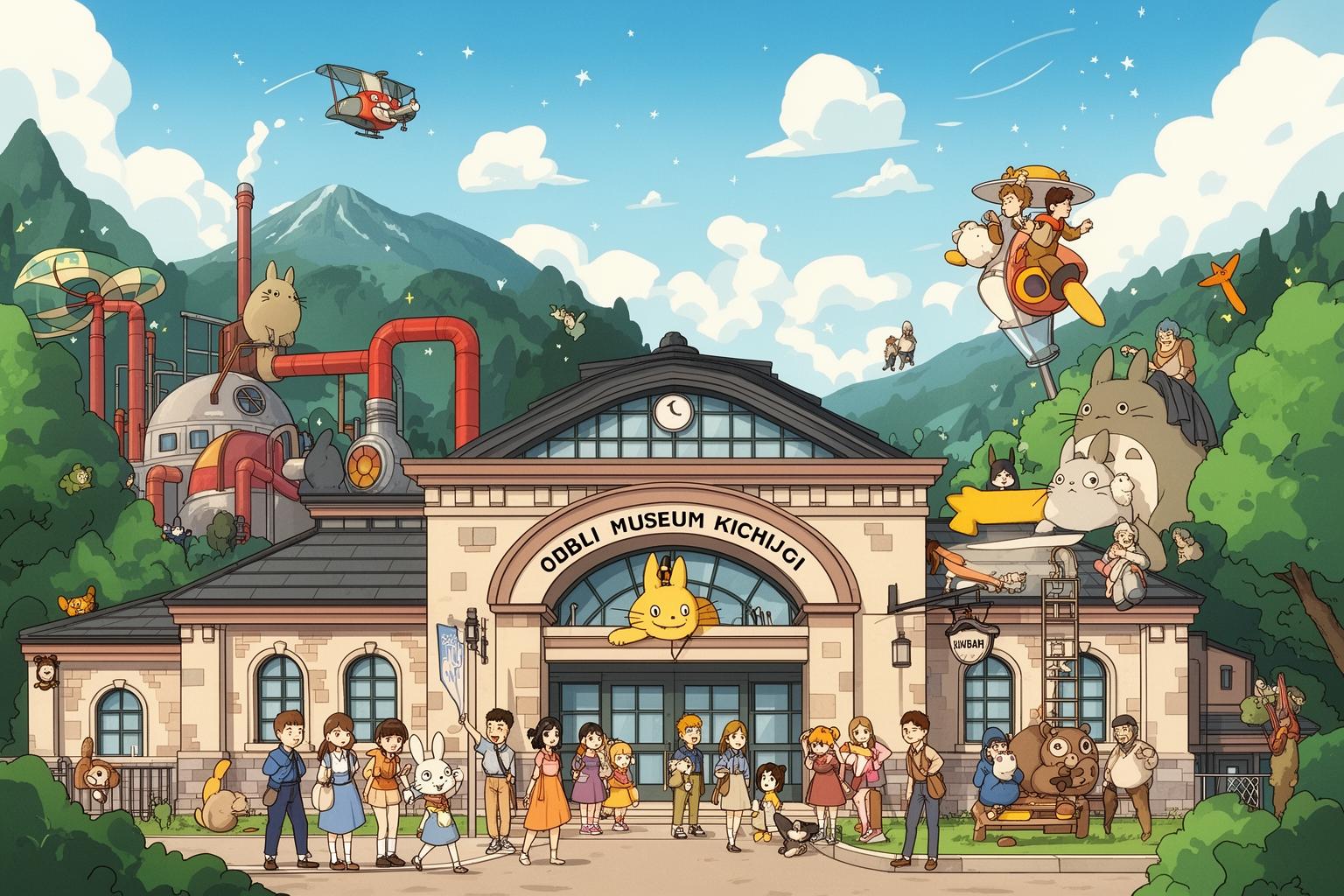
The adventure starts even before you step inside. The Ghibli Museum in Mitaka isn’t just a place you arrive at; it’s one you uncover. Nestled in a corner of Inokashira Park, its vibrant, stuccoed facade, blanketed in ivy, appears as if it grew naturally from the earth. Its architecture exudes a playful kind of chaos, with spiral staircases winding toward enigmatic doorways and stained-glass windows featuring beloved characters catching the sunlight. Your first official greeting is from a giant, fluffy Totoro peeking out of a faux ticket booth—a perfect, heartwarming introduction to the marvels inside. The museum’s motto, “Let’s Get Lost, Together,” sets the tone for your visit. There is no fixed path or map to follow. Instead, you are invited to wander freely, letting your curiosity guide you up winding staircases, through narrow passages, and into rooms filled with the mysteries of animation. This thoughtful design transforms the visit into a personal treasure hunt, ensuring every guest encounters a one-of-a-kind experience.
The Heart of Animation
The ground floor is the museum’s beating heart—a deep immersion into the craft and spirit of filmmaking. The permanent exhibition feels less like a gallery and more like a glimpse inside the animators’ revered workshop. One space, titled “Where a Film is Born,” is a richly detailed and delightfully cluttered re-creation of a studio. The walls are covered from floor to ceiling with concept sketches, character designs, and stunning watercolor storyboards. Desks and shelves overflow with books on topics ranging from botany and aviation to medieval architecture, offering insight into the vast pool of inspiration behind these tales. You can almost detect the faint scent of paper, paint, and pencils. On closer inspection, you’ll notice half-finished drawings, pots of brushes, and countless other details that make the studio feel alive, as though the artists simply stepped out for tea. Here, you grasp the immense, painstaking love poured into every frame. Yet the real showstopper is the collection of magnificent three-dimensional zoetropes. One features sculpted figures of Totoro, Mei, and the Catbus arranged on a spinning wheel. As the wheel spins and strobe lights flicker, the static sculptures seem to come alive with fluid, enchanting motion. This dazzling pre-cinema illusion vividly demonstrates animation’s very essence and never fails to draw delighted gasps from visitors. It is pure, unblemished magic.
A Seat at the Saturn Theater
Descend to the museum’s basement to discover the intimate, eighty-seat Saturn Theater. Your museum ticket—an exquisite strip of actual 35mm film from a Ghibli movie—also serves as your pass to this exclusive cinema. Here, you can view one of several original animated shorts created by Hayao Miyazaki specifically for the museum—films unavailable anywhere else in the world. The roster changes regularly, so each visit offers the chance to see something new. These shorts capture the essence of Ghibli in its most charming form. Often without dialogue, they rely on gorgeous animation, expressive characters, and Joe Hisaishi’s enchanting music to tell their stories. Whether it’s a tale of a water spider falling in love or sumo-wrestling mice, the experience is universally heartwarming. There’s a special sense of community in the theater, sharing this secret film with a small group of fellow fans, a moment of collective joy that feels deeply treasured.
Ascending to the Rooftop Garden
After exploring inside, climb the wrought-iron spiral staircase to the museum’s tranquil rooftop garden. This open-air retreat, lush with wild greenery, seamlessly blends with the park below. Waiting there, silent and steadfast, is the five-meter-tall Robot Soldier from Castle in the Sky. This iconic, beautifully crafted statue feels both formidable and gentle. It doesn’t resemble a mere prop; it stands like a guardian watching over the museum. Nature has slowly taken its course on it, with moss and weathering adding to its timeless, melancholic appeal. From this vantage point, you can gaze out over Inokashira Park’s canopy, hear distant city sounds, and feel a world away. It’s the perfect place for quiet contemplation and a truly memorable photo. Be sure to seek out the cryptic cube from Laputa, tucked behind the robot and adorned with celestial inscriptions.
The Elusive Golden Ticket: Planning Your Pilgrimage
A trip to the Ghibli Museum demands patience and careful planning, but the payoff is well worth the effort. Ticket demand is incredibly high, and you cannot simply buy one on the day of your visit. Securing a ticket is a challenge in itself and a vital first step in your adventure. It takes a bit of research and strict punctuality.
The Ticketing Quest
For international visitors, the main way to purchase tickets is online through the official vendor, usually Lawson. Tickets for a specific month go on sale at a designated time on the 10th of the previous month. For instance, to visit in December, you must be online by November 10th. The exact time is posted on the website, and you need to be ready at your computer as soon as tickets become available. The site often experiences heavy traffic, and tickets for popular dates and times can sell out within minutes. It’s essential to have your passport information and credit card details prepared. You must choose a specific date and entry time, as admissions are staggered to avoid overcrowding. This carefully organized system is part of what makes the museum experience so special; it never feels overly crowded, letting you fully immerse yourself. If the official site is unable to supply tickets, some third-party travel agencies and tour operators offer packages that include Ghibli tickets, but these often come with a steep markup. Using the official channel remains the most cost-effective and reliable option.
Getting There: The Journey to Mitaka
Once you have your valuable ticket, the trip to the museum is refreshingly simple. The museum is situated in Mitaka, a city in the western area of Tokyo Metropolis. The easiest way to reach it is by train. From major stations like Shinjuku or Tokyo Station, you can take the JR Chuo Line rapid service, which gets you to Mitaka Station in about 20 to 30 minutes. The ride itself offers a pleasant transition from the bustling city center to the calm, residential suburbs. When you arrive at Mitaka Station, you have two great options for the final stretch. You can take the charming community bus that runs from the station’s South Exit directly to the museum. These buses are often decorated with Ghibli-themed colors and illustrations, making the ride feel like part of the experience. Alternatively, for those who prefer a more scenic route, there’s the ‘Path of the Wind’—a lovely 15-to-20-minute walk along the Tamagawa Josui canal. This path is well-marked with charming Ghibli-themed signs and offers a peaceful, green approach to the museum, allowing you to relax and build anticipation as you stroll beneath the trees’ shade.
Beyond the Museum Walls: The Enchantment of Inokashira Park
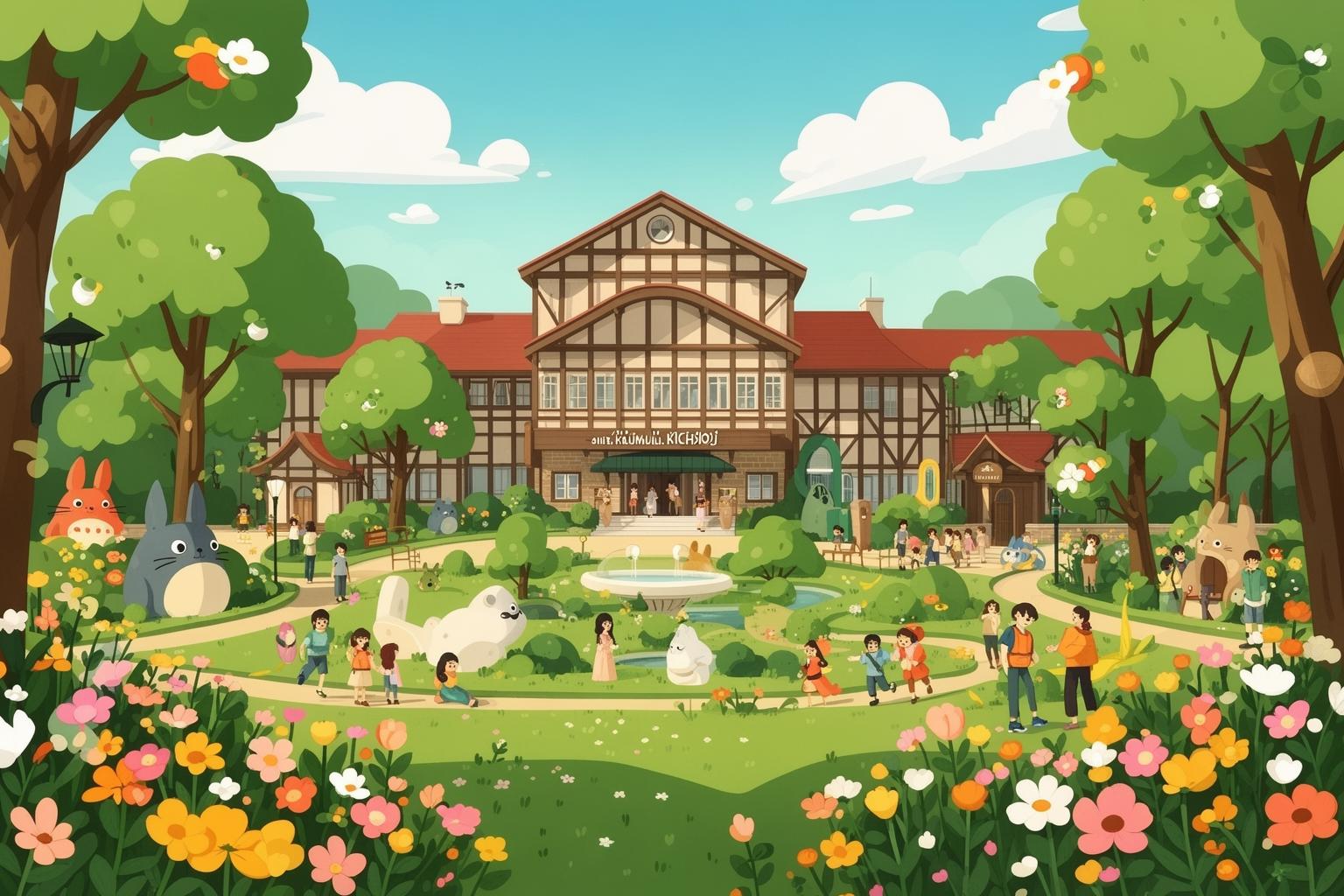
The Ghibli Museum is technically situated within Inokashira Park, and leaving the museum doesn’t mean the magic has to end. In fact, it marks the beginning of a new chapter. Inokashira Park is one of Tokyo’s most cherished green spaces—a vast oasis of nature and recreation that provides a perfect, unstructured balance to the carefully curated museum experience. It’s a place where you can observe local Tokyo life unfolding in a beautiful, natural environment. The park’s ambiance is one of peaceful, joyful relaxation, offering a breath of fresh air that feels both restorative and energizing.
A Stroll Around the Pond
At the heart of the park lies the large Inokashira Pond. A path meanders around its entire edge, ideal for a leisurely walk. The pond is well known for its rental boats, especially the charming swan-shaped pedal boats that glide over the water. Renting one is a classic Inokashira activity, providing a unique viewpoint of the park from the middle of the pond. As you walk, you’ll cross several bridges, each presenting a lovely view. On a small island in the pond stands the Inokashira Benzaiten Shrine, dedicated to the goddess of water and music. It’s a small, tranquil spot that adds a layer of spiritual history to the park’s natural charm. On weekends and holidays, the park truly springs to life as street performers, musicians, and local artists gather to showcase their talents. This lively, spontaneous display of creativity beautifully complements the artistic spirit of the nearby museum.
A Whisper of Nature Through the Seasons
Inokashira Park boasts year-round beauty, with each season adorning the landscape in a distinct palette. In spring, it is absolutely stunning, as hundreds of cherry trees burst into bloom, their pale pink blossoms creating a delicate canopy over the pond and pathways. It’s a prime spot for hanami, or cherry blossom viewing, where friends and families spread blue tarps for picnics beneath the flowers. Summer ushers in lush greenery, with thick foliage providing welcome shade from the sun, while the sounds of cicadas compose a quintessential Japanese summer soundtrack. Autumn is perhaps the park’s most spectacular season, when the leaves of maple and ginkgo trees turn into a fiery mosaic of reds, oranges, and yellows. The crisp air and vivid colors make for an unforgettable stroll. Even in the quiet starkness of winter, the park holds a serene, melancholic beauty, with bare tree branches forming intricate patterns against the sky.
Kichijoji: Tokyo’s Coolest Neighborhood
Just a short walk from the northern edge of Inokashira Park lies Kichijoji, a neighborhood consistently ranked as one of Tokyo’s most desirable places to live. The reasons are clear. Kichijoji strikes a perfect balance between urban convenience and a relaxed, bohemian vibe. It offers the energy and amenities of a major city hub while maintaining a strong sense of local community and independent spirit. Unlike busier, tourist-heavy areas like Shibuya or Shinjuku, Kichijoji feels less overwhelming, making it an ideal spot to explore after your Ghibli adventure. The atmosphere is effortlessly cool, creative, and welcoming, where upscale department stores sit just steps away from tiny, decades-old noodle shops.
Navigating the Labyrinthine Alleys of Harmonica Yokocho
Right across from Kichijoji Station’s North Exit is the entrance to Harmonica Yokocho, a place that feels like a time capsule from the Showa era. This dense network of narrow, interconnected alleys was originally a post-war black market and still retains that intimate, slightly chaotic feel. During the day, it’s a bustling market with tiny shops selling everything from fresh fish and meat to flowers and traditional sweets. But as evening falls, Harmonica Yokocho transforms magically. Lanterns light up, and the small storefronts open into standing bars, yakitori stalls, and miniature eateries, many seating only a handful of customers. The air fills with the smoky aroma of grilled meat and the lively sounds of conversation and clinking glasses. Squeezing into one of these tiny spots for a drink and skewers is an authentic and unforgettable Tokyo experience, offering a chance to mingle with locals and soak in the neighborhood’s true convivial spirit.
A Haven for Shoppers and Creatives
Beyond Harmonica Yokocho, Kichijoji opens up into a shopper’s haven, especially for those on the lookout for unique and interesting finds. The main covered shopping streets, like Sun Road and Daiyagai, feature a mix of chain stores, drugstores, and local shops. However, the real gems lie in the smaller side streets branching from these main avenues. Kichijoji is well-known for its numerous zakka shops—a term meaning ‘miscellaneous goods’. These carefully curated boutiques offer everything from stylish stationery and handmade ceramics to clever home accessories and artisanal crafts. The area also boasts vintage clothing stores, independent bookstores, and cozy cafes perfect for a relaxing mid-afternoon break. This combination of old and new, large and small, gives Kichijoji its distinct and captivating charm.
Savoring the Flavors of Mitaka and Kichijoji
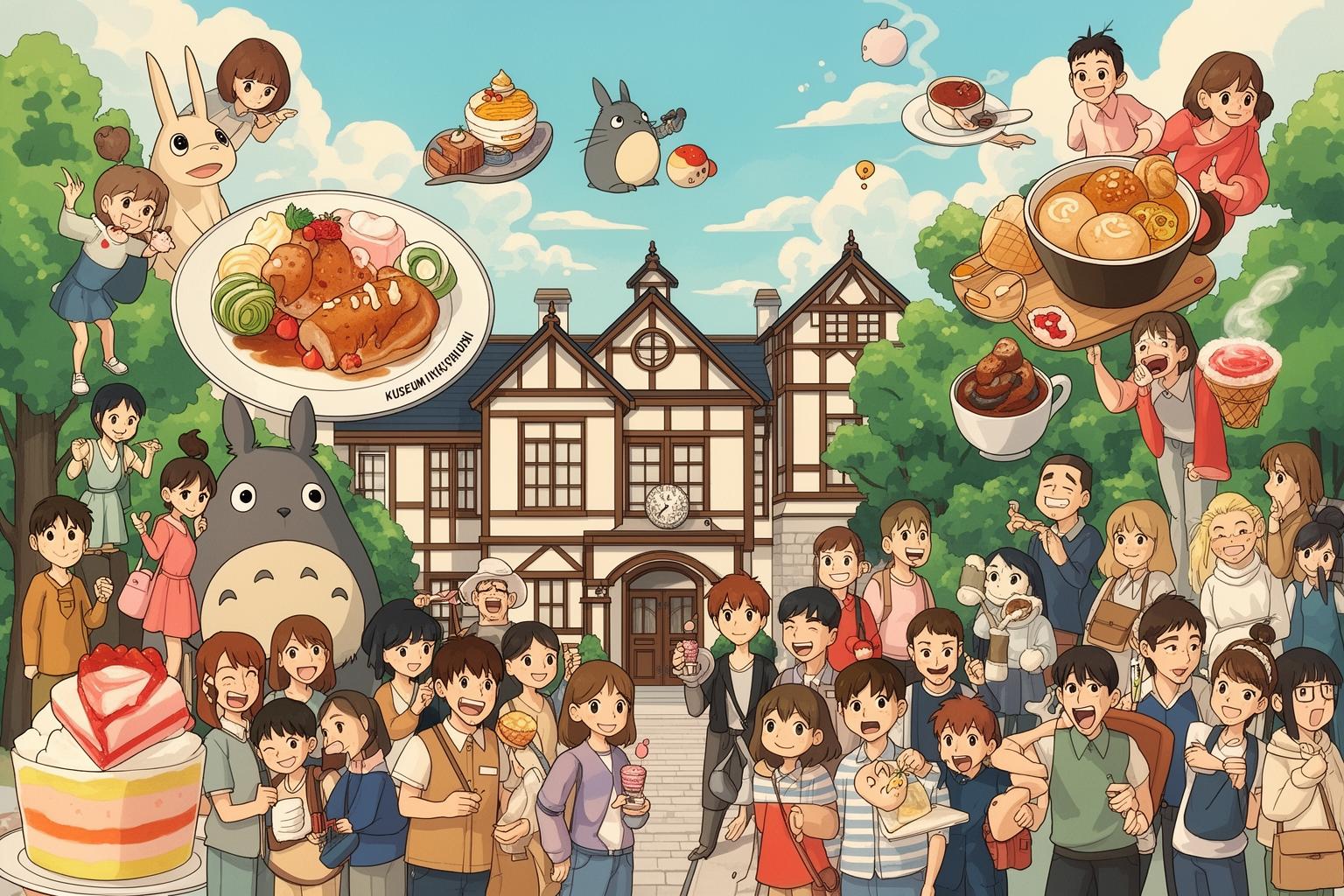
A day spent exploring is bound to build up your appetite, and this area boasts an incredible variety of culinary delights, ranging from Ghibli-themed treats to beloved local specialties.
A Bite at the Straw Hat Café
Nestled within the Ghibli Museum is the Straw Hat Café (Mugiwaraboshi), a quaint little eatery offering simple, wholesome dishes that seem to have stepped right out of a Ghibli movie. The menu includes comforting options like hearty soups, vibrant salads, and their renowned pork cutlet sandwich (katsu sando). Every dish is crafted with care, using fresh, thoughtfully selected ingredients. Dining here extends the museum experience, complete with custom tableware adorned with Ghibli illustrations. Be aware that the café is very popular but small, so queues can grow long, especially at lunchtime. If you’re determined to eat here, it’s best to arrive early or be ready for a considerable wait. It’s a perfect spot to rest and recharge before continuing your adventure.
Kichijoji’s Culinary Canvas
If you prefer to dine outside the museum, Kichijoji offers a dizzying variety of choices. One of the neighborhood’s iconic treats is found at the butcher shop Satou, located at the entrance to the Daiyagai arcade. A constant line of people winds down the street, all eager to try the legendary menchi-katsu—a deep-fried ball of minced meat that’s incredibly juicy and flavorful. Grabbing one to enjoy on the go is a quintessential Kichijoji experience. For something sweet, look for a taiyaki stand, serving fresh, hot fish-shaped cakes filled with red bean paste or custard. As mentioned before, evenings come alive at Harmonica Yokocho. Find a yakitori spot, order an assortment of grilled chicken skewers and a cold beer, and soak in the lively and bustling atmosphere. The café culture here is also exceptional, with countless independent venues perfect for savoring a carefully brewed cup of coffee while watching the world pass by.
A Traveler’s Guide to a Perfect Ghibli Day
To make the most of your time, having a loose plan is helpful. Here’s a suggested itinerary for a day full of wonder:
Begin your day by targeting one of the earlier museum entry times, such as 10:00 AM. This allows plenty of time to explore without feeling rushed, leaving the entire afternoon and evening free. Plan to spend about two to three hours inside the Ghibli Museum. Wander at your leisure, watch the short film at the Saturn Theater, and be sure to visit the Robot Soldier on the roof. After soaking in the museum’s delights, take a relaxing stroll through the vast beauty of Inokashira Park. You might consider renting a swan boat for some fun on the pond or simply find a bench to enjoy the serene surroundings. As the afternoon progresses, head into Kichijoji. This is the perfect time to lose yourself in its charming shopping streets. Explore unique zakka shops, search for vintage finds, and soak up the creative energy of the neighborhood. When evening arrives, experience the transformation of Harmonica Yokocho. Wander its narrow alleys, find a cozy spot for dinner, and enjoy the vibrant, authentic atmosphere. One essential tip for the day: wear your most comfortable shoes, as you will be walking a great deal and won’t want anything to slow down your adventures.
The Lasting Impression: Why This Journey Stays With You
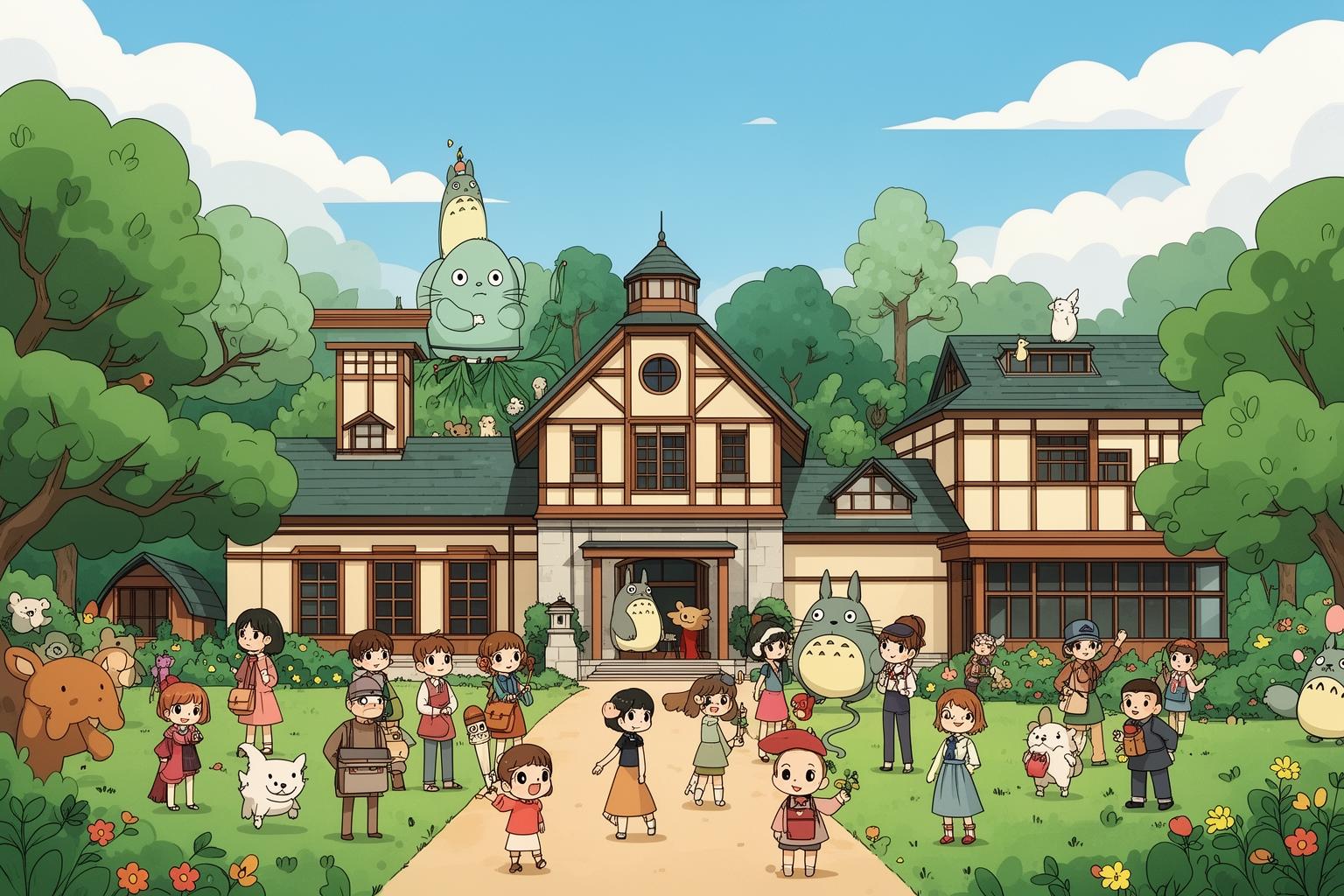
A visit to the Ghibli Museum and its surroundings is more than just a day trip; it’s an immersion into a unique worldview. You leave the museum not only with memories of stunning exhibits but also with a renewed appreciation for the artistry, dedication, and limitless imagination behind these beloved films. It serves as a reminder that magic can be created by human hands through patience, passion, and a deep love for storytelling. That feeling is beautifully enhanced by the world just outside its doors. The peaceful, natural beauty of Inokashira Park feels like the real-world backdrop of My Neighbor Totoro or Princess Mononoke, highlighting the importance of nature, a recurring theme in Miyazaki’s work. The vibrant, creative, and slightly chaotic energy of Kichijoji, with its independent shops and hidden alleyways, feels like the kind of town that Kiki or Shizuku might call home. The entire experience—from the carefully crafted wonder of the museum to the spontaneous discoveries in the park and neighborhood—comes together to form a single, cohesive story. It’s a journey that invites you to slow down, look closer, and find the extraordinary within the ordinary. It’s a day that lingers long after you’ve boarded the train back to the heart of Tokyo, a small piece of whimsical magic to carry with you on the rest of your travels.