There’s a rhythm to a place like Yakushima, a beat that drums deep in the earth and echoes in the misty air. It’s a feeling that washes over you the moment you step onto its shores, a profound sense of antiquity. This isn’t just an island; it’s a living, breathing world, a sanctuary where time is measured not in hours, but in millennia. Tucked away south of Japan’s main islands, this pearl of the Osumi chain is a fortress of granite and ancient cedar, a place so potent with life that it became the spiritual heart of one of the greatest animated films ever made: Hayao Miyazaki’s Princess Mononoke. For those who felt the raw power of that film, who heard the whispers of the kodama and felt the sorrow of the Forest Spirit, a journey here is less a vacation and more a pilgrimage. It’s a chance to walk through the very soul of Studio Ghibli’s masterpiece, to feel the moss under your fingertips, and to understand that the world San fought to protect is breathtakingly, powerfully real. Before we venture deep into the woods, let’s ground ourselves in this mystical landscape. Yakushima is more than a single forest; it’s a tapestry of soaring peaks, thundering waterfalls, and a coastline where turtles nest under the stars. It is a place that demands respect, and in return, offers a connection to nature you will carry with you forever.
For those captivated by Yakushima’s timeless allure, exploring its ancient forests uncovers the very spirit that once breathed life into Princess Mononoke.
Shiratani Unsuikyo: The Moss-Covered Kingdom
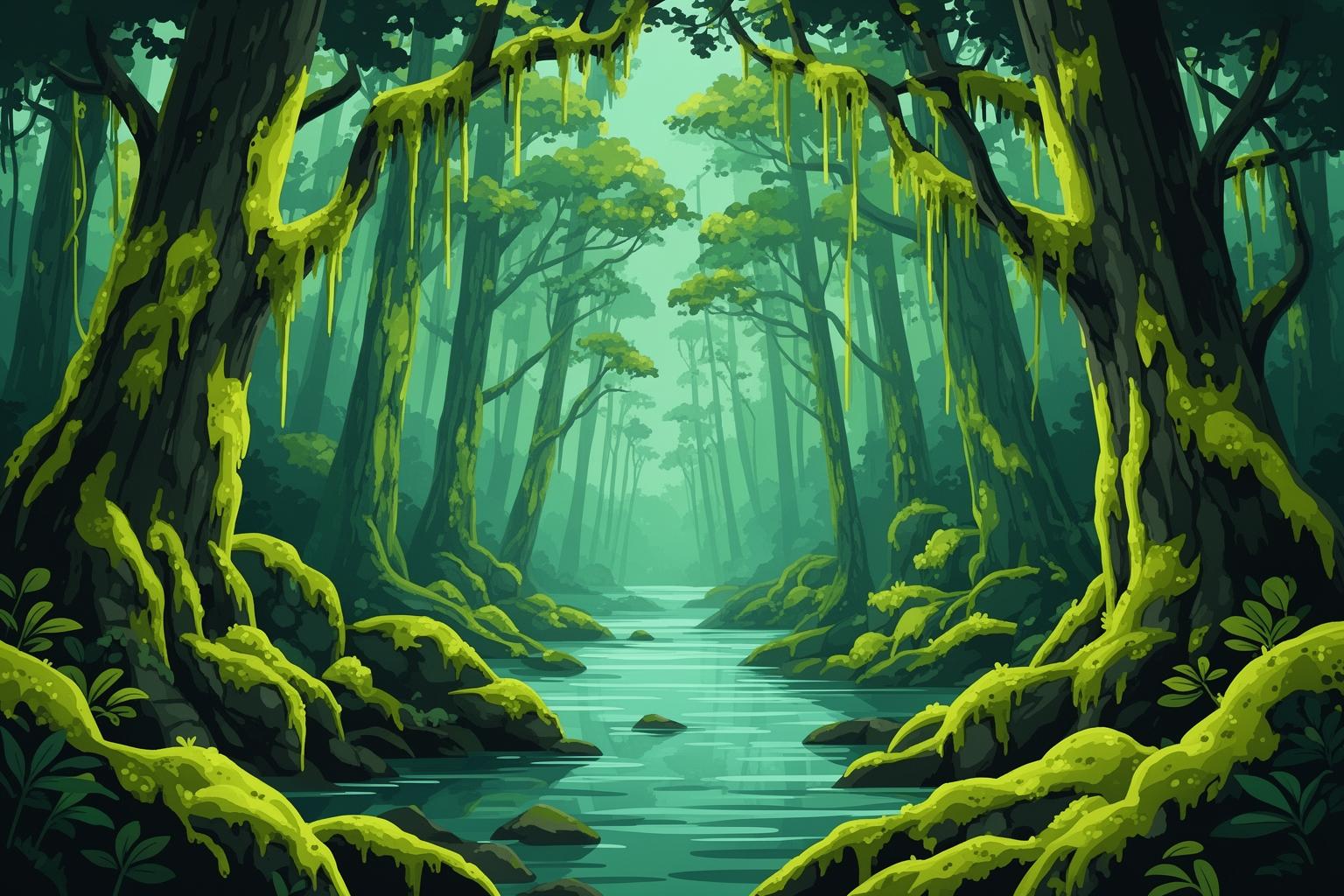
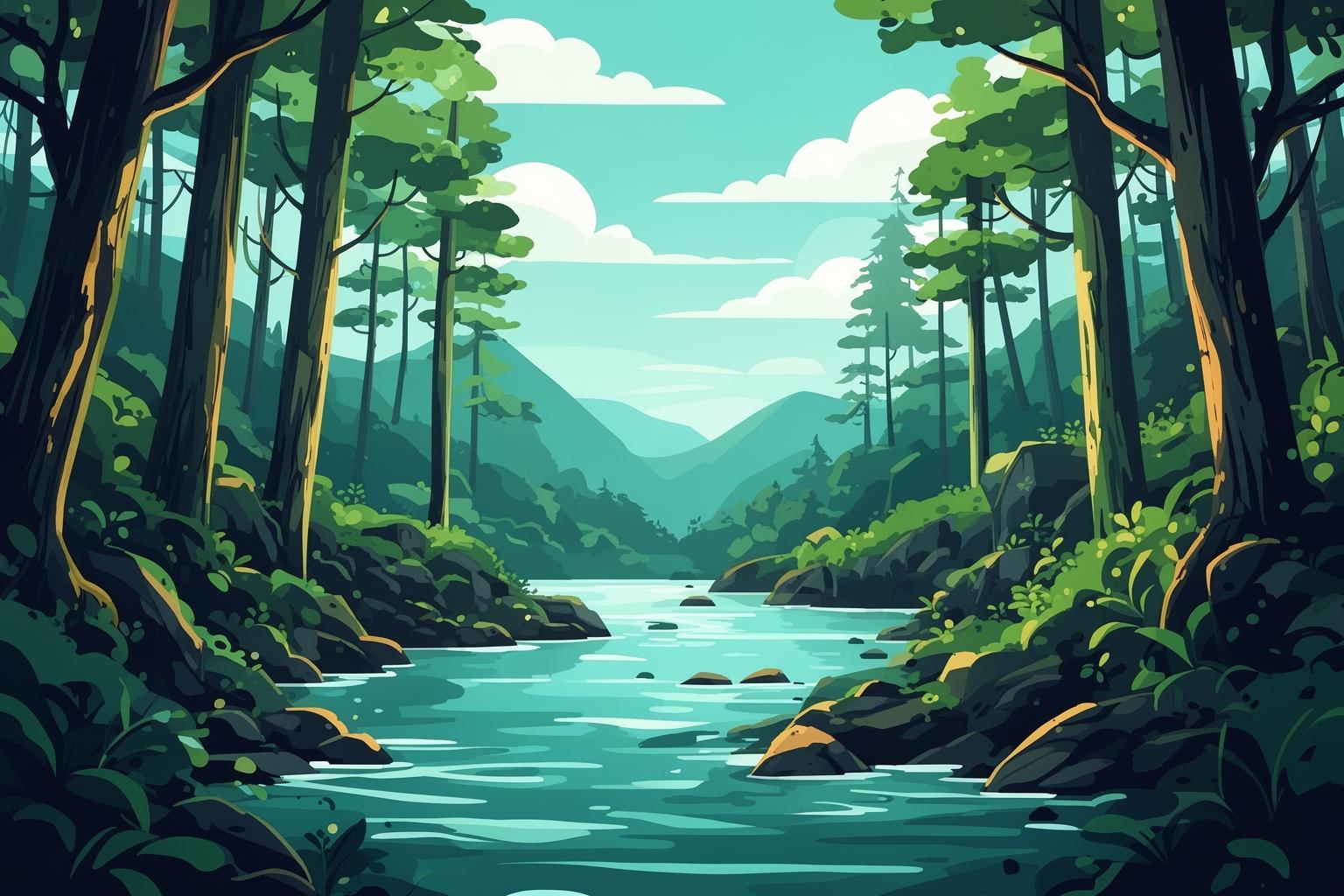
This is where dreams turn into reality. Shiratani Unsuikyo Ravine is famously known as the “Mononoke Forest,” and it lives up to its reputation. The moment you step onto the trail, the outside world fades away, muffled by a thick blanket of green. The air turns cool and heavy with the scent of damp earth and decaying wood, the very fragrance of life’s endless cycle. Everything, and I mean everything, is cloaked in moss. With over 600 varieties on this island, here they cover every surface—the gnarled roots of ancient trees, the silent granite boulders, the fallen logs nurturing new life. It’s a surreal, emerald realm that seems to glow from within, especially when shafts of sunlight break through the dense canopy.
The Trail to Another World
The trails here vary from gentle strolls to more demanding hikes, but every path draws you deeper into the Ghibli-inspired atmosphere. You’ll cross crystal-clear streams on simple wooden bridges, the sound of rushing water a constant companion. Paths made of twisted roots feel like the forest’s sinews underfoot. The ravine’s most famous spot is the “Moss Forest” (Kokemusu-no-mori), a clearing so perfectly reminiscent of the film that you almost expect to see the white-bodied kodama shaking their heads from the branches. It’s a place to pause, breathe, and listen. The silence isn’t empty; it’s alive with the subtle hum of nature, a quiet symphony too delicate for city ears.
The View from Taiko-iwa
For those with the energy to continue upward, the trail ends at Taiko-iwa, or Taiko Rock. This massive granite boulder provides a breathtaking panorama of the island’s mountainous interior. After the enclosed, intimate forest world, the sudden wide view feels like a revelation. Gazing out over endless green peaks, you sense the vastness of Yakushima’s wilderness. It’s a vantage point fit for the wolf god Moro, a perch from which she might survey her sacred realm. On clear days, the majesty is overwhelming; on misty ones, watching clouds drift through valleys below is a mystical experience, a reminder of the island’s ever-changing moods.
The Whispers of Ancient Cedar
While Shiratani Unsuikyo captures the film’s atmosphere, the island’s true elders dwell deeper within. These are the Yakusugi, cedar trees aged over a thousand years, whose presence feels nothing less than divine. To stand before one is a humbling experience. Their bark is gnarled and twisted into monstrous shapes, their trunks incredibly wide, and their branches stretch toward the heavens like weathered arms. They are more than just trees; they are monuments to resilience, having withstood typhoons, logging, and the relentless passage of centuries.
The Pilgrimage to Jomon Sugi
The greatest among them is Jomon Sugi. Estimated to be between 2,000 and 7,200 years old, it ranks among the oldest living trees on Earth. Reaching it is a true pilgrimage. The hike is a strenuous, ten-hour round trip starting before dawn. You’ll walk for hours along a disused logging railroad track, the Anbo Forest Railway, a poignant reminder of the very conflict central to Princess Mononoke—the struggle between industry and nature. The flat track eventually transitions into a steep, demanding mountain trail, but the reward is immeasurable. The first sight of Jomon Sugi, protected by a viewing platform to preserve its fragile roots, is a moment of pure awe. It doesn’t feel like you’re observing a plant; it feels like you are in the presence of a deity. Its immense, raw, ancient power embodies the Forest Spirit, the Shishigami, a being representing the life and death of the forest.
Encounters with Wilson’s Stump
Along the same path to Jomon Sugi stands another marvel: Wilson’s Stump. This enormous remnant of a cedar, felled centuries ago, is so vast you can walk right inside it. From within, a heart-shaped opening frames the sky and surrounding foliage. It is a magical, almost sacred space. A spring bubbles up from the ground inside, and the acoustics turn even a soft voice into a resonant hum. It serves as a powerful symbol of nature’s capacity to reclaim and endure—a hollowed giant transformed into a shrine, a womb of the forest where life continues in new forms.
Life on a Rain-Swept Island
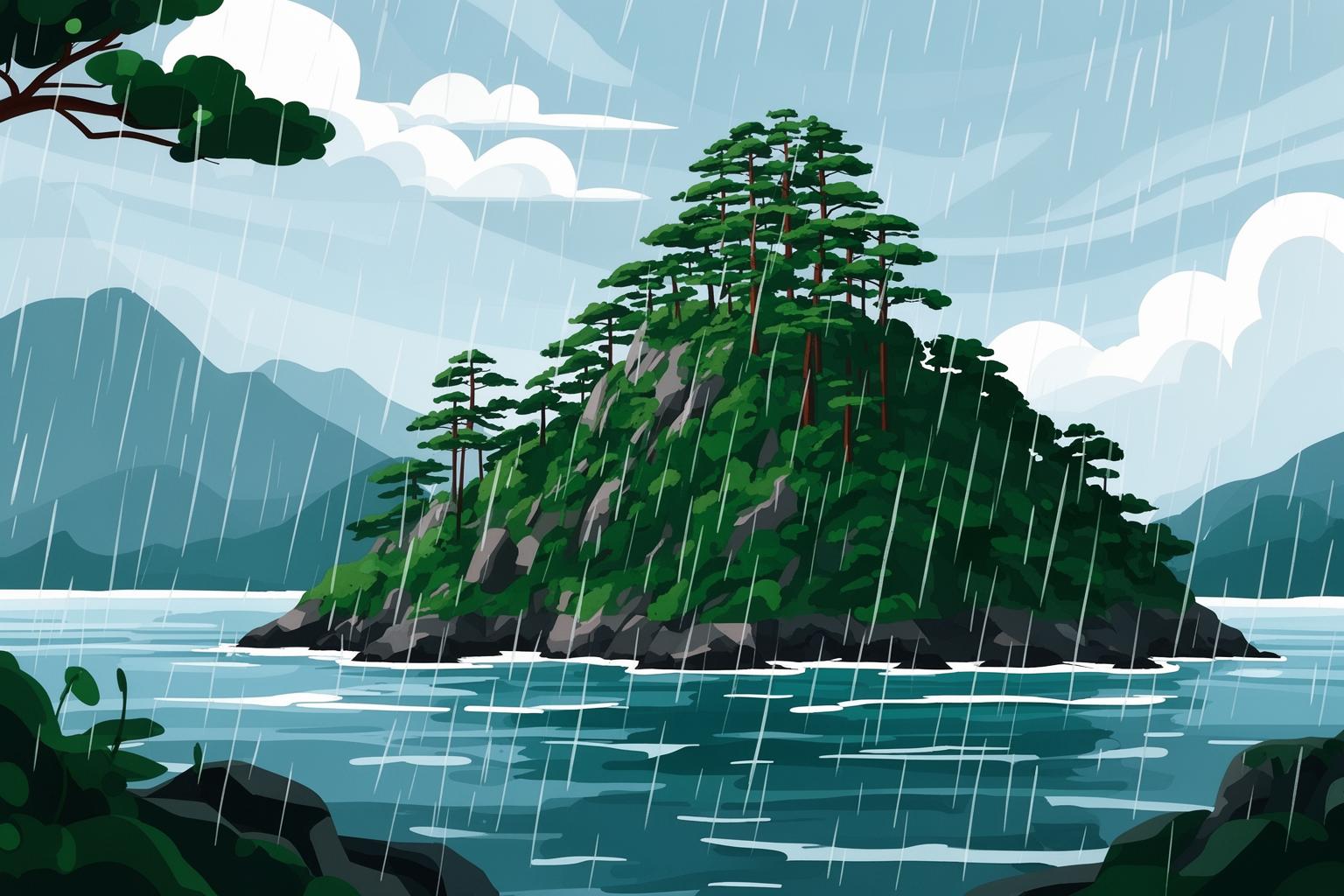
To truly grasp Yakushima, you must first understand its weather. The local saying that it “rains 35 days a month” is only a slight exaggeration. The island experiences some of the highest rainfall in the world, a continuous downpour that nourishes its lushness. Don’t view this as a drawback. The rain is Yakushima’s lifeblood. It sustains the impossibly green moss, shapes the ravines, and shrouds the mountains in their signature mist, giving the island an ethereal, dreamlike aura. While a sunny day is beautiful, it’s on misty, rainy days that Yakushima truly reveals its mystical nature. The rain transforms the forest, deepening the colors, softening the sounds, and enriching the atmosphere.
The Island’s Other Inhabitants
The creatures wandering these forests are as integral to the experience as the trees. The island is home to unique subspecies of deer and monkey: the Yakushika and the Yakuzaru. They are everywhere and remarkably unbothered by human presence. You’ll see monkeys grooming each other by the roadside and deer carefully stepping through the mossy undergrowth. Observing them in their natural environment, living freely, adds another layer of connection to the world of Princess Mononoke. They are the real forest dwellers, a gentle reminder that this is their home you are visiting. Along the coast, from May to August, Yakushima serves as one of the most important nesting sites for loggerhead turtles in the North Pacific. Taking a guided night tour to watch a female lay her eggs on the beach is a profoundly moving and unforgettable experience.
A Practical Guide to Your Ghibli Pilgrimage
A trip to such a remote location requires some planning, but that effort is part of the adventure. Arriving here feels like embarking on a true journey to a hidden world, setting the scene for the magic ahead.
Reaching the Island
The primary gateway to Yakushima is Kagoshima, located on the southern tip of Kyushu. From there, you have two main options. The fastest way is a short flight from Kagoshima Airport directly to Yakushima’s small airstrip. Alternatively, the more scenic and popular choice is traveling by ferry. You can take a high-speed hydrofoil (the “Toppy” or “Rocket”) that takes about two to three hours, or a slower, traditional car ferry that takes around four hours and provides stunning views of the ocean and the approaching island. It’s highly recommended to book these in advance, especially during busy travel periods like Golden Week or summer holidays.
Navigating Your Own Path
Once on the island, renting a car is almost essential. Although there is a bus system, it runs infrequently and does not reach all the trailheads and points of interest. Having your own vehicle offers the freedom to explore at your own pace, to stop whenever you encounter a breathtaking view, to chase the sunset along the winding coastal roads, and to reach trailheads early in the morning before crowds arrive. The island has one main road encircling it, making navigation fairly straightforward. Be sure to reserve your car well ahead of time, as availability can be limited.
Choosing Your Season
Yakushima is a year-round destination, with each season showcasing a unique aspect of its beauty. Spring (March to May) features blooming rhododendrons in the highlands and is a favorite season for hiking. Summer (June to August) is hot, humid, and rainy, yet it’s also the time for sea turtle nesting and lush, vibrant foliage. Autumn (September to November) brings cooler, more stable weather and stunning fall colors in the mountains. Winter (December to February) is the quietest season, with possible snow on the high peaks, offering a peaceful and starkly beautiful landscape for committed hikers. Regardless of when you visit, waterproof gear is essential. A good rain jacket, waterproof pants, and sturdy, waterproof hiking boots will be your most vital companions.
The Spirit of the Island: A Deeper Connection
A trip to Yakushima is more than just ticking off beautiful sights or searching for Ghibli-inspired scenes. It transforms you. Standing silently before a 3,000-year-old tree, you sense the weight and wisdom carried through time. Watching mist drift across a mountain pass, you grasp the power and poetry of nature. This island, a designated UNESCO World Heritage site, stands as a testament to what the world can become when a place is respected and its wildness is allowed to thrive. The locals hold a deep reverence for their home, a connection that feels both ancient and vital.
You leave Yakushima with more than just photographs. You leave with the scent of rain and cedar etched in your memory. You leave with the softness of moss beneath your hands. You leave with the quiet rhythm of the forest pulsing in your heart. It’s a journey that links you not only to the inspiration behind a beloved film, but to the profound, enduring magic of the natural world itself. You arrive seeking the world of Princess Mononoke, and you find something even more powerful: a real-world sanctuary that reminds you, with every raindrop and every rustling leaf, that the fight to protect such places is the most important story of all.