There’s a certain kind of magic that settles over you when you watch a Studio Ghibli film. It’s a quiet, profound enchantment that lingers long after the credits roll. It’s the thrill of a secret world just beyond our own, the ache of a summer long past, the deep, rumbling spirit of an ancient forest. For years, my family and I have been transported by these stories—by the courage of Chihiro, the wonder of Satsuki and Mei, and the fierce heart of San. We found ourselves wondering, could we find that magic in the real world? Could we walk through the forests that inspired Hayao Miyazaki, or wander the seaside towns that felt like home to Ponyo? This curiosity sparked a journey, a modern-day pilgrimage not to a single temple, but to a collection of places across Japan that hold the echoes of these beloved films. This isn’t about finding exact filming locations, for Ghibli’s worlds are born from imagination, not imitation. Instead, it’s a quest to feel the atmosphere, to breathe the same air, and to understand the deep love for nature and nostalgia that forms the very soul of Studio Ghibli. It’s a journey for anyone whose heart has ever soared with Kiki on her broomstick, seeking to find that little piece of magic hidden in the landscapes of Japan.
Explore Japan’s enchanting blend of nature and urban allure further with a Tokyo and Hida pilgrimage that reveals the magic behind these cinematic landscapes.
The Heart of the Magic: Ghibli Museum, Mitaka
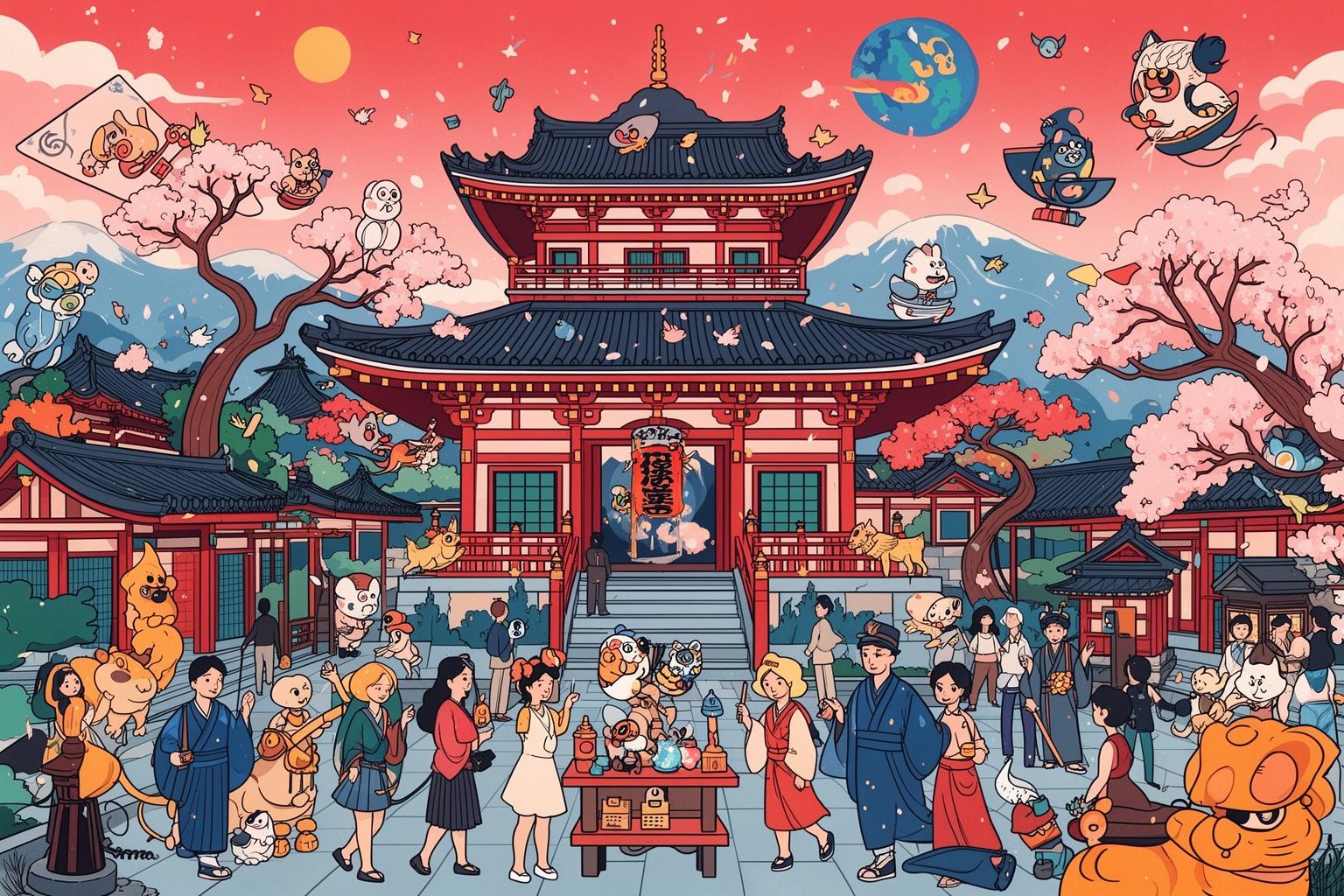
Our pilgrimage begins, quite fittingly, at the source. Nestled in the leafy suburbs of western Tokyo, the Ghibli Museum feels less like a traditional museum and more like a living, breathing extension of Hayao Miyazaki’s extraordinary imagination. There are no fixed paths, no velvet ropes keeping visitors at a distance. The museum’s motto, “Let’s get lost, together,” welcomes you the moment you step inside. The building itself is a whimsical masterpiece—a swirl of pastel stucco, spiraling iron staircases, hidden doorways, and stunning stained-glass windows featuring Totoro, Kiki, and other beloved characters. Light filters through these windows, casting colorful patterns across the wooden floors, and you instantly sense this is a place designed not just for viewing, but for immersing yourself in the experience. The air hums with a quiet, childlike excitement. You hear the soft footsteps on winding stairs and the hushed gasps of discovery from visitors of all ages. It’s a space crafted to reawaken the part of you that believes a giant, furry creature might be waiting for the bus just around the corner.
The Totoro at the Gate: A Whimsical Welcome
Your first encounter with the magic is right outside the entrance. Peering from a genuine ticket booth is a large, fluffy Totoro. While access inside the booth is off-limits, this charming guardian perfectly sets the tone. It’s a wonderful moment, especially for children, affirming that you have indeed arrived somewhere special. It promises the wonders that lie within. My own children’s faces lit up, their journey from the somewhat ordinary reality of a Tokyo train transformed into the first step of a grand adventure. This isn’t merely a photo opportunity; it marks the threshold between everyday life and the enchanting world of Ghibli. From here on, you leave logic behind and follow your curiosity down whichever path calls to you.
Where Films Are Born: The Animator’s Studio
One of the most moving exhibits for me is the ground-floor recreation of an animator’s studio. It feels as if the artists have just stepped out for a cup of tea. The rooms are a delightful creative chaos, brimming with books, sketches pinned to the walls, half-finished drawings on desks, and jars filled with worn-down pencil stubs. You see inspirational materials—books on aircraft, European architecture, and ancient mythology—stacked high, offering a window into the vast well of ideas that feed these films. It demystifies the animation process while simultaneously adding to its magic. You realize that these epic, fantastical worlds were crafted by hand, frame by painstaking frame, driven by passion and incredible attention to detail. The space feels intimate and deeply personal, a generous glimpse into the creative process that is both inspiring and humbling. You can almost smell the paper and ink and sense the focused energy that once filled this room.
Cinematic Dreams: The Saturn Theater
Your entrance ticket doubles as a movie ticket, made from a real strip of 35mm film from one of the Ghibli features, granting you access to a screening at the cozy Saturn Theater. Here, original animated short films exclusive to the museum are shown—you won’t find them anywhere else in the world. The selection rotates, so each visit may bring a new story. We were treated to a charming tale that, without a single spoken word, had the entire audience laughing and sighing together. It’s a testament to Ghibli’s universal storytelling power. The theater is delightful, with a blue sky painted across the ceiling. When the film ends and the automated window shutters gradually open to let daylight stream in, it feels like waking from a beautiful, shared dream. It’s a highlight of the visit and an absolute must.
For Little Paws: The Catbus Room
If you’re visiting with children under 12, prepare for a moment of pure, innocent joy. On the second floor lies the Catbus Room, home to a life-sized, incredibly plush Catbus from My Neighbor Totoro for kids to climb in, on, and all around. Watching children swarm this iconic creation, their faces alight with happiness as they stroke its soft fur and peer out the windows, is worth the admission price alone. It’s a lively, joyful scene of play. Nearby, dozens of soft, throwable Soot Sprites add to the fun. The staff are wonderfully patient, gently making sure everyone gets a turn. This space is pure kinetic joy and perfectly captures the playful spirit of the film. A small word to parents: prepare your children in advance that their time inside will be limited to a few minutes to allow others a chance. It’s a tough but necessary balancing act!
A Guardian in the Sky: The Robot Soldier
After exploring inside, head up a narrow spiral staircase to the rooftop garden. There, standing silent vigil, is the five-meter-tall Robot Soldier from Castle in the Sky. It’s a powerful, somewhat melancholic sight. Covered in moss and vines, it seems as though it has stood there for centuries, a relic from a forgotten era. Unlike the lively exhibits below, the rooftop offers calm and reflection. From here, you can look out over the green canopy of Inokashira Park and feel a deep sense of peace. The robot is not menacing; instead, it’s a poignant guardian symbolizing the complex relationship between nature and technology woven through many of Miyazaki’s films. This is one of the few spots in the museum where photography is allowed, offering a beautiful, iconic souvenir of your visit.
The Golden Ticket: Securing Your Entry
Now for the most crucial practical advice: you cannot simply show up and buy a ticket to the Ghibli Museum. Admission is strictly limited, and tickets must be purchased in advance for a specific date and time. This is non-negotiable and requires careful planning. For visitors outside Japan, tickets go on sale online at 10:00 AM Japan Standard Time on the 10th of each month for the following month. They sell out almost immediately, often within minutes. You must be online, prepared, and have your passport information ready. It can be stressful but is absolutely essential. The museum’s official site will guide you to the authorized vendor, Lawson Ticket. Be persistent. If you miss out, some third-party travel agencies hold allocations, but these come at a significant premium. Dedicated fans often plan their entire trip around securing a ticket date.
Getting There: A Stroll Through Inokashira Park
The museum is located in Mitaka, a pleasant city in western Tokyo. The easiest way there is via the JR Chuo Line to Mitaka Station. From the station’s South Exit, you can take a charming community bus adorned with Ghibli characters, which is an enjoyable experience in itself. However, if the weather is pleasant, I highly recommend walking. It’s a beautiful 15-minute stroll along a canal and through part of the lush Inokashira Park. This walk is the perfect prelude to the museum visit. It allows you to unwind from Tokyo’s urban energy and ease into the natural, whimsical atmosphere that Ghibli celebrates. You’ll pass wooded areas, a lake with swan boats, and quiet benches, setting the ideal mood for the magic ahead. It turns the journey into part of the adventure.
Yakushima Island: The Ancient Realm of Princess Mononoke
If the Ghibli Museum represents the heart of Miyazaki’s imagination, Yakushima Island embodies its soul. This subtropical island off Kyushu’s southern coast is a realm of raw, untamed power. Designated a UNESCO World Heritage site, it hosts some of Japan’s oldest living trees—the towering Yakusugi cedars, some dating back thousands of years. Stepping into its forests feels like entering a prehistoric world. The air is thick with humidity, heavy with the scent of damp earth, wood, and rain. Everything—the ground, rocks, and twisting roots of ancient trees—is covered in a vibrant, almost fluorescent, moss carpet. This is the very world that deeply inspired the mystical, spiritual forests of Princess Mononoke. The resemblance isn’t just visual; you feel it in your bones, sensing the presence of the Forest Spirit, the rustling Kodama, and the immense, enduring power of nature.
Shiratani Unsuikyo Ravine: The Moss Forest
While the whole island echoes the film’s spirit, Shiratani Unsuikyo Ravine offers the most direct and breathtaking connection. A network of hiking trails winds through a landscape so surreal it seems like a movie set. A particular clearing known as the “Moss Forest” (Kokemusu-no-mori) is widely regarded as the main visual inspiration for the film. It’s utterly enchanting. Sunlight filters through the dense canopy in ethereal beams, illuminating countless shades of green. Water trickles and drips continuously, creating a gentle, constant soundtrack. You find yourself walking slower, speaking in hushed tones, as if to avoid disturbing the ancient spirits. It’s a deeply meditative experience. Gazing at gnarled roots and moss-covered stones, it’s impossible not to imagine the tiny white Kodama watching you, their heads rattling softly. Here, the boundary between film and reality truly fades.
The Jomon Sugi: A Sentinel of Time
For the truly adventurous, the ultimate pilgrimage on Yakushima is the trek to Jomon Sugi. This massive cedar is among Japan’s oldest trees, estimated to be between 2,000 and over 7,000 years old. It stands as a living monument, silently witnessing millennia of history. The hike is challenging—a strenuous 10-hour round trip along old logging railway tracks and steep mountain paths—but standing before it is an immensely humbling experience. It embodies the themes of endurance and the vast geological timescale explored in Princess Mononoke. It represents the ancient, immovable nature that San fights to protect. Even if you don’t complete the whole hike, knowing it exists deepens your appreciation for the forces that shaped Miyazaki’s environmental epic.
Dressing the Part: Gearing Up for the Forest
Practicality is essential for enjoying Yakushima. Locals say, “It rains 35 days a month here.” While exaggerated, it underscores the island’s defining characteristic: water. Rain isn’t a disruption; it’s part of the island’s essence and what makes the moss so brilliantly green. Don’t underestimate it. Proper waterproof gear is indispensable—this means a high-quality rain jacket, waterproof trousers, and most importantly, sturdy, waterproof hiking boots with excellent grip. Trails are often wet, and rocks along with wooden paths can be extremely slippery. Renting full gear sets from shops near the ferry ports is a convenient option for travelers. Dressing appropriately lets you embrace the rain and fully immerse yourself in the forest’s misty, atmospheric beauty instead of feeling cold and uncomfortable.
Guided by Experts: The Value of a Local Guide
Although many trails can be explored independently, I highly recommend hiring a local guide, especially for longer hikes. The advantages are significant. A knowledgeable guide ensures your safety and keeps you on track while turning your walk into a rich educational experience. They can identify unique flora and fauna, explain the island’s remarkable ecosystem, share local folklore, and provide deeper insights into how this environment inspired the film. They know the best photo spots, quiet resting areas, and the history behind ancient trees. Our guide brought the forest alive in ways we couldn’t have achieved alone, pointing out tiny details and sharing stories that connected us more profoundly to the spirit of the place. It transforms a beautiful hike into an unforgettable journey.
Reaching the Sacred Isle: Planes, Ferries, and Hydrofoils
Reaching Yakushima involves some planning. The main gateway is Kagoshima city, located at Kyushu’s southern tip. From there, you have several options. The quickest is a short flight to Yakushima’s small airport. Alternatively, travel by sea is possible. The high-speed jetfoil, known as the “Toppy,” is a popular choice, taking about two to three hours—it’s fast and efficient. For a slower, budget-friendly alternative, there’s a car ferry taking about four hours, offering spectacular views of the island’s dramatic, mountainous coastline. Once on Yakushima, public transport is limited. Renting a car is the most convenient way to explore various trailheads and sights independently. Be sure to book transportation and accommodations well in advance, especially during busy seasons like spring and autumn, as the island’s infrastructure is limited.
Tomonoura: The Seaside Charm of Ponyo
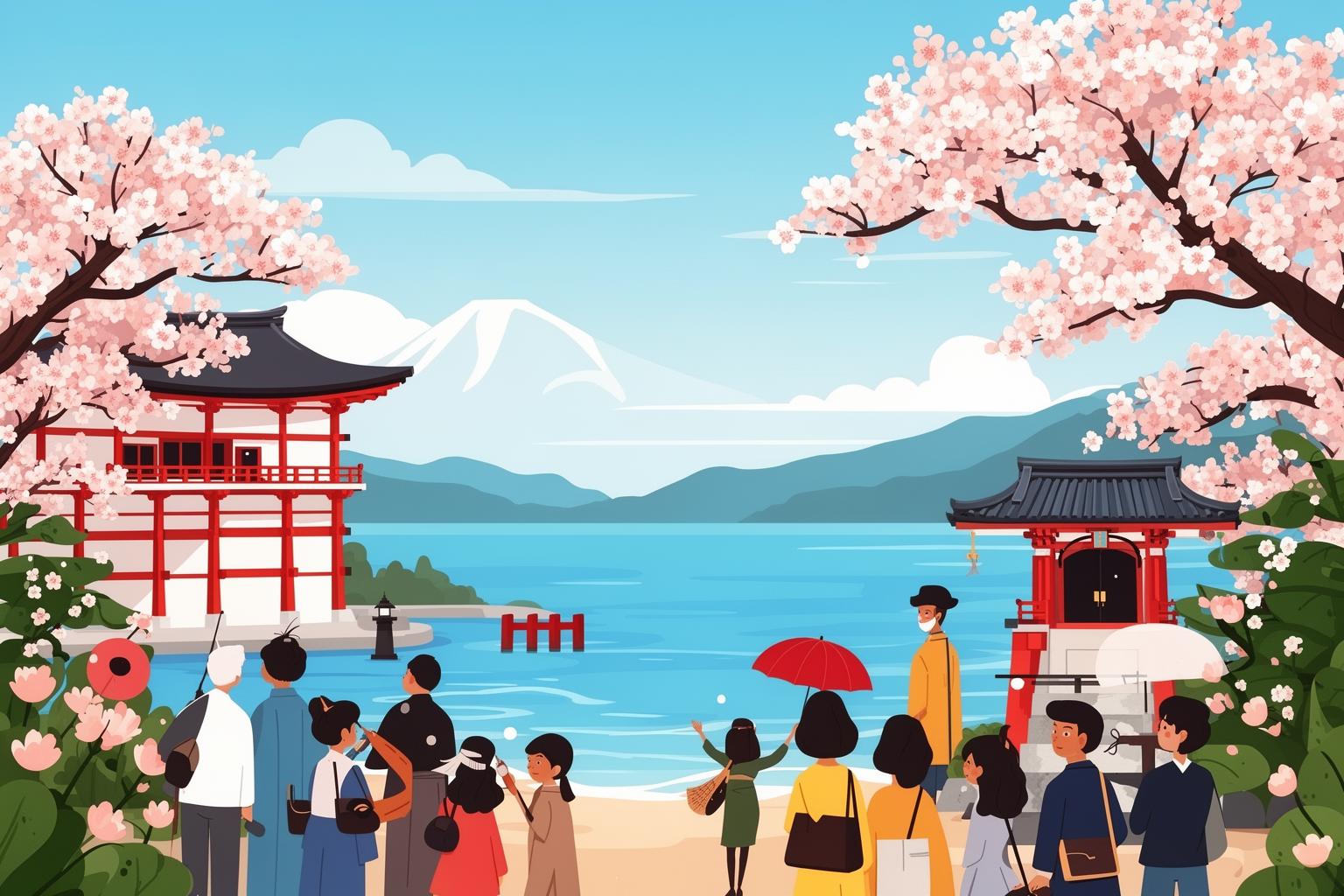
From the ancient, mystical forests, our journey leads us to the gentle, sun-drenched shores of the Seto Inland Sea. Here lies Tomonoura, a picturesque and splendidly preserved port town in Hiroshima Prefecture. With its calm, sheltered harbor, traditional wooden buildings, and a lifestyle governed by the tides, it feels like a town suspended in a beautiful time warp. It was here that Hayao Miyazaki and his team spent several months living and working, immersing themselves in the town’s unique atmosphere. The result was Ponyo, and the moment you arrive in Tomonoura, you can see the film everywhere: in the shape of the curved bay, the cluster of houses ascending the hillside, and the small fishing boats bobbing on the water. The town isn’t merely a backdrop; it’s the heart of the film, and its gentle, nostalgic spirit is carried on the sea breeze.
The Iconic Lighthouse: A Beacon of History
The most recognizable landmark in Tomonoura is the Joyato, an elegant, 11-meter-tall stone lighthouse that has stood at the harbor’s edge since the Edo period. It symbolizes the town’s prosperous past as a vital maritime center where merchants waited for favorable tides to navigate the tricky inland sea. This history of “tide-waiting” gives the town its unique, unhurried character. You can sit on the stone steps of the gangi, the traditional piers sloping down to the water, and watch the fishing boats coming and going, with the lighthouse standing silent guard. It feels timeless and deeply peaceful—a perfect spot simply to sit and absorb the town’s atmosphere. It’s easy to imagine Ponyo’s boat-loving father, Fujimoto, surfacing somewhere in this very harbor.
Wandering the Alleys: A Step Back in Time
The true joy of Tomonoura lies in getting lost within its labyrinth of narrow, winding alleyways. Away from the main harbor, you’ll find beautifully preserved merchant houses with dark wooden lattices, small family-run shops offering local crafts and delicacies, and hidden temples tucked away on quiet corners. The absence of modern development is striking. It feels incredibly authentic, a living museum of a bygone era. As you stroll, you’ll catch glimpses of daily life—laundry drying in the sun, cats dozing on warm stones, neighbors chatting in the street. This quiet, intimate charm is what Miyazaki captured so beautifully. Allow yourself ample time to wander without a destination, to follow your curiosity, and discover the small details that give Tomonoura its soul.
The View from Above: Fukuzenji Temple
For the most breathtaking view of the harbor, one that looks as if it were lifted straight from an animator’s sketch, head to Fukuzenji Temple on the hillside. From its Taichoro reception hall, you can look out through a large, open frame onto a perfect panorama of the bay, the Sensui and Benten islands, and the gentle curve of the coastline. A Korean emissary once deemed this view the most beautiful in all of Japan, and it’s hard to disagree. The way the scene is perfectly framed by the room’s wooden pillars feels incredibly cinematic. It’s here that you can truly appreciate the composition and geography that inspired the setting of Ponyo. It’s a place to sit on the tatami mats, sip tea, and let the sheer beauty of the landscape wash over you.
Accessing the Port: A Journey from Fukuyama
Tomonoura is easy to visit as a day trip but is even more rewarding as an overnight stay. The nearest major transport hub is Fukuyama, a stop on the Sanyo Shinkansen (bullet train) line. From Fukuyama Station, it’s a straightforward and scenic 30-minute bus ride directly to Tomonoura port. The buses run frequently and are simple to navigate. Staying overnight lets you experience the town during the magical, quiet hours of early morning and late evening, when the day-trippers have left and the lanterns begin to glow. Waking to the sound of the sea and the gentle activity of fishermen is an experience that deeply connects you to the rhythm of the place.
Sayama Hills: The Real Totoro Forest
For our final destination, we head back to the outskirts of Tokyo, to a place cherished by Ghibli fans. The Sayama Hills, affectionately known as “Totoro’s Forest,” is an expansive area of woodlands, wetlands, and traditional farmland (satoyama) spanning the border between Tokyo and Saitama prefectures. This landscape inspired the setting of My Neighbor Totoro. While you won’t find a giant camphor tree housing a magical creature, you will experience the very essence of the film: a sense of childhood wonder, the serene beauty of the Japanese countryside, and the comforting embrace of nature just a short distance from the busy city. It’s a place that highlights the importance of preserving these small, precious green spaces.
Kurosuke’s House: A Labor of Love
At the heart of the forest for visiting families is Kurosuke’s House. Named after the little black soot sprites (Makkuro Kurosuke) from the film, this is not a modern tourist facility but a carefully preserved Showa-era home, maintained by volunteers, serving as a community hub and information center for the Totoro Forest Foundation. Stepping inside feels like entering Satsuki and Mei’s home, with its nostalgic, rustic charm. The highlight? In the main room, a giant Totoro is curled up, waiting to be found. Children are encouraged to climb on him and give him a hug. It’s a wonderful, hands-on experience that brings the film to life in a tangible way. The volunteers are friendly and welcoming, eager to share maps and stories about the forest.
Walking the Trails: In the Footsteps of Mei and Satsuki
The Sayama Hills are threaded with walking trails that wind through dense forests, past peaceful lakes, and alongside small vegetable gardens. As you explore, the connection to the film becomes unmistakable. You’ll find yourself searching for acorns on the forest floor, peering into shadowy groves expecting to see a pair of giant eyes, and half-expecting the Catbus to come racing along a country lane. It’s a calm, family-friendly area for hiking, with well-maintained paths and routes of varying lengths. The magic here is subtle and quiet—found in the dappled sunlight filtering through the trees, the sound of cicadas in summer, and the feeling of being immersed in a simple, beautiful, and slightly mysterious natural world.
The Totoro Forest Foundation: A Legacy of Conservation
The story behind this forest is as inspiring as the film itself. In the 1980s, the Sayama Hills faced the threat of development. Hayao Miyazaki lent his support, along with the beloved character Totoro, to a grassroots conservation effort. The Totoro no Furusato Foundation was formed to purchase parcels of land to safeguard them for future generations. This adds a deeper significance to your visit. You are not just walking through a film location; you are experiencing a tribute to the power of community and the environmental message central to many Ghibli films. Small signs mark the plots of land that have been preserved, a tangible testament to this wonderful legacy.
Getting to the Woods: An Escape from Tokyo
Getting to Totoro’s Forest is an easy and enjoyable trip from central Tokyo. The most straightforward route is to take the Seibu Ikebukuro Line from Ikebukuro Station to Nishi-Tokorozawa, then transfer to the Seibu Sayama Line and get off at the final stop, Seibukyujo-mae Station. The station is adjacent to the MetLife Dome (home of the Seibu Lions baseball team), with trailheads leading into the hills just a short walk away. Make sure to visit Kurosuke’s House first to pick up a map. It’s important to keep in mind that this is a natural conservation area, not a theme park. Its charm lies in its authenticity and peacefulness. Bring a picnic, wear comfortable shoes, and prepare for a day of simple, nostalgic exploration.
The Journey Home: Carrying the Magic With You
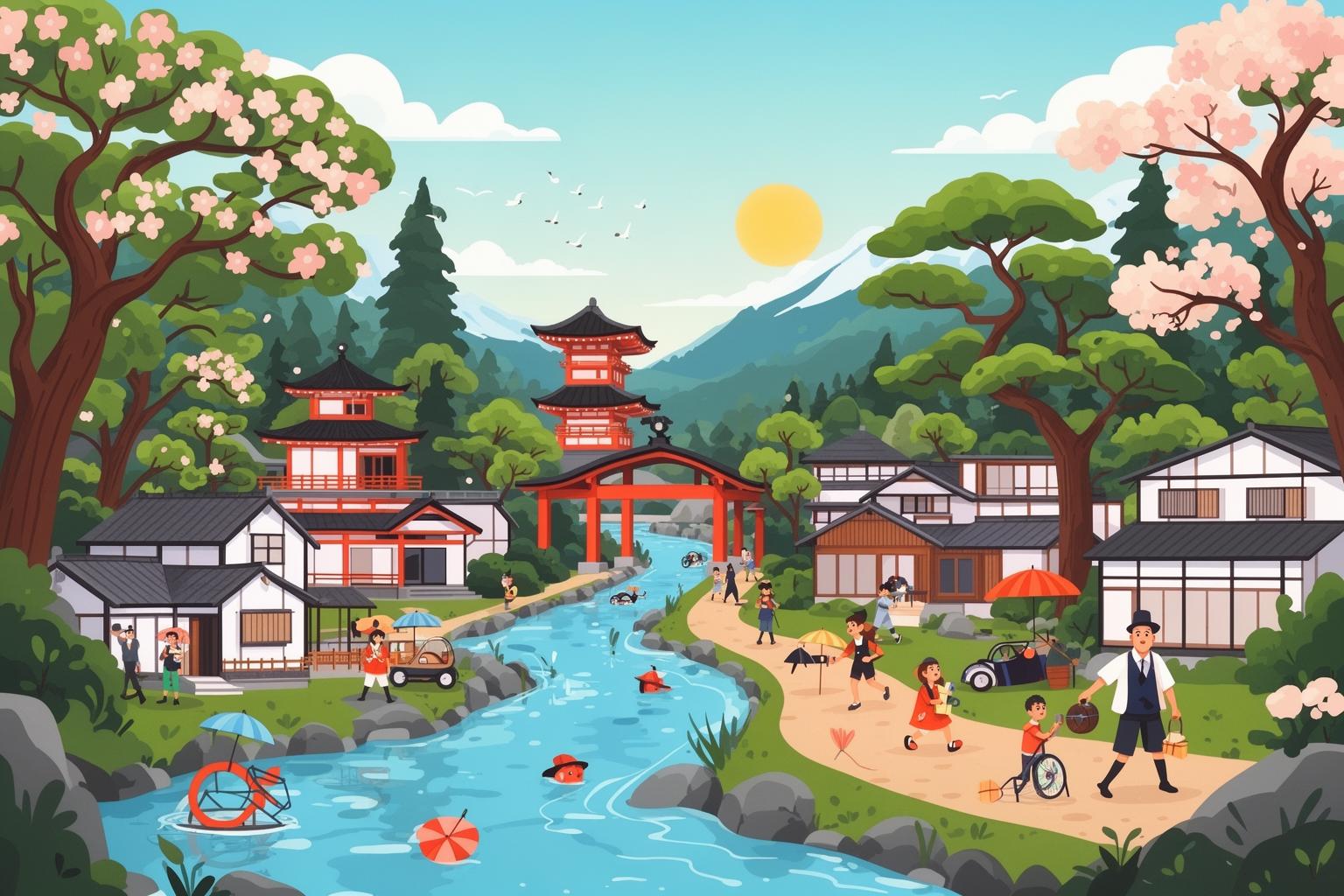
Traveling through these Ghibli-inspired landscapes allows for a deeper, more personal understanding of the films. You come to see that the magic extends beyond the screen. It dwells in the ancient, moss-covered trees of Yakushima, the gentle tides of Tomonoura, and the sun-dappled trails of the Sayama Hills. Hayao Miyazaki didn’t so much create these worlds as unveil the enchantment already present, tucked away in the quiet corners of his homeland. This journey is more than a mere checklist of locations; it’s an invitation to slow down, observe, and reconnect with a sense of wonder. You leave with more than photographs—you carry a feeling: the scent of a damp forest, the warmth of a tranquil coastal town, and the quiet joy of a landscape preserved by love. The spirit of Ghibli is the spirit of Japan itself, and once experienced, it stays with you long after you return home.