There’s a certain kind of magic that lives inside a Studio Ghibli film, a whisper of nostalgia for a childhood we may or may not have had. It’s in the quiet rustle of a forest inhabited by gentle giants, the determined heart of a young witch finding her way in a new city, and the silent, steadfast gaze of a robot tending a forgotten garden in the sky. For so many of us, these worlds feel more like memories than movies. We’ve all dreamt of stepping through the screen, of tasting the food, of breathing that hand-painted air. In the leafy, tranquil Tokyo suburb of Mitaka, that dream finds a physical home. This is the Ghibli Museum, a place that isn’t just about animation, but about the art of wonder itself. It’s less a museum and more a living, breathing storybook, designed by the master Hayao Miyazaki himself as a portal into the soul of his studio. This isn’t just a destination; for fans of art, storytelling, and pure, unadulterated imagination, this is a pilgrimage.
For those enchanted by the museum’s living storybook of art, discovering real-world Ghibli inspirations can offer an enlightening perspective on the magic behind its creation.
The Art of Getting Lost
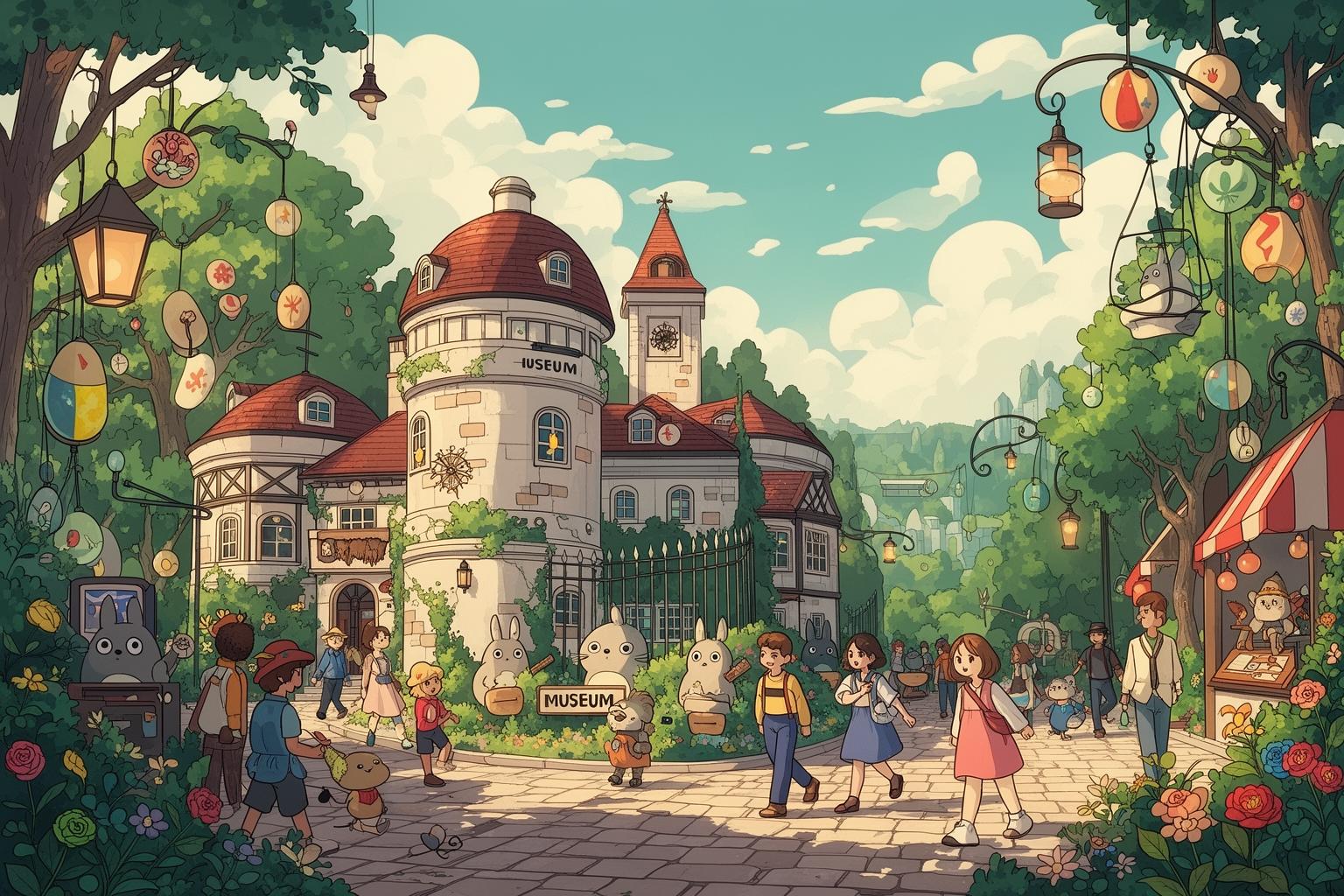
The museum’s official slogan, gracefully printed on the ticket, reads “Let’s Get Lost, Together.” This is more than just a charming phrase; it embodies the central philosophy of the entire experience. From the moment you arrive, you notice there is no fixed path, no map guiding you from one exhibit to another. The building itself is a whimsical labyrinth of spiraling iron staircases, tiny hidden doorways that seem made for children, airy atriums, and a stunning glass dome that fills the central hall with light. The walls are coated in warm, earthy plaster, and the whole structure feels organic, as though it naturally emerged from the ground in Inokashira Park. Every turn offers a new discovery: a stained-glass window depicting Totoro, a whimsical water pump in the courtyard, or a ceiling fresco alive with characters and fantastical plants. Miyazaki designed this place to be explored with the curiosity of a child. It gently invites you to wander, retrace your steps, peek through small windows, and uncover its secrets at your own pace. The delight comes not from ticking off a list of sights, but from the simple, profound pleasure of discovery.
First Encounters with the Familiar
Your journey truly begins even before you step inside. Nestled in what feels like a small forest clearing, the first welcoming sight is a giant, fluffy Totoro peeking out from his own ticket booth. He doesn’t actually sell tickets—that important task must be done well before you arrive—but his presence offers a warm, immediate greeting. He sets the stage for what’s ahead: you are entering his world. When you present your real ticket, a cherished slip of 35mm film from one of the studio’s movies, you enter a space that feels like a blend of an old European workshop and a fairy-tale cottage. The woodwork is rich and detailed, sunlight streams through windows adorned with scenes from My Neighbor Totoro or Kiki’s Delivery Service, and the air hums with a quiet, reverent excitement. This space instantly stills the rush of the outside world and tunes your heart to a slower, more magical rhythm.
Whispers from Another World: Inside the Museum
Once you step into the museum’s vibrant interior, the true adventure begins. The main floor buzzes with motion and wonder, a grand hall that feels both vast and intimate. This is where the museum’s spirit shines brightest, honoring the analogue roots of animation in our overwhelmingly digital era. The space encourages you to look up, down, and all around, discovering every delightful detail thoughtfully placed for you to explore.
The Heart of Animation
The permanent exhibition, titled “Where a Film is Born,” offers a stunning homage to the creative process. This five-room display feels less like a sterile exhibit and more like a chance to wander through the artists’ actual studios mid-project. The rooms are wonderfully, chaotically filled with books, sketches pinned to walls, half-finished paintings, curious artifacts, and jars of pigments. You witness the evolution of an idea, from a single pencil sketch to a vibrant cel, deepening your appreciation for the immense labor and love poured into every frame of a Ghibli film. One of the most captivating exhibits is the collection of zoetropes. In one, models of characters such as Mei and the Catbus are arranged in a circle. As the disc spins and a strobe light flashes, they spring to life, running and bouncing in a breathtaking illusion of movement. It’s a pure analogue magic trick that draws gasps of delight from visitors of all ages.
Rooftop Guardian and Sky-High Dreams
A narrow, caged spiral staircase winds its way to the roof, making the climb feel like an ascent to another world. When you arrive, you find a serene, windswept rooftop garden. There, quietly standing among the overgrown greenery, is the five-meter-tall Robot Soldier from Castle in the Sky. He’s not displayed as a statue on a pedestal but as a guardian, his head gently bowed, as if he has patiently waited here for centuries. There’s a profound sense of melancholy and peace about him. You can approach closely, touch his cool metallic skin, and sense the weight of his story. From this vantage point, you gaze out over the lush canopy of Inokashira Park, feeling a world away from the sprawling metropolis of Tokyo. It is a moment of quiet reflection, a perfect blend of nature and fantasy that is quintessentially Ghibli.
A Film You Can Only See Here
One of the most cherished aspects of the Ghibli Museum experience is a visit to the Saturn Theater. Your film-strip ticket grants you entry to this cozy, eighty-seat cinema. Here, the museum exclusively screens a rotating selection of original short animated films unavailable anywhere else in the world. These charming tales, often without dialogue, are pure Ghibli magic, brimming with the same heart, humor, and stunning artistry as the feature films. The theater ceiling is painted a deep blue night sky, and when the lights dim, the projector hums to life inside its charmingly designed housing. Watching a new, unseen story unfold alongside fellow fans creates a truly special, communal experience. It’s a reminder that the Ghibli universe continues to grow, with new stories yet to be told.
A Taste of Ghibli Life
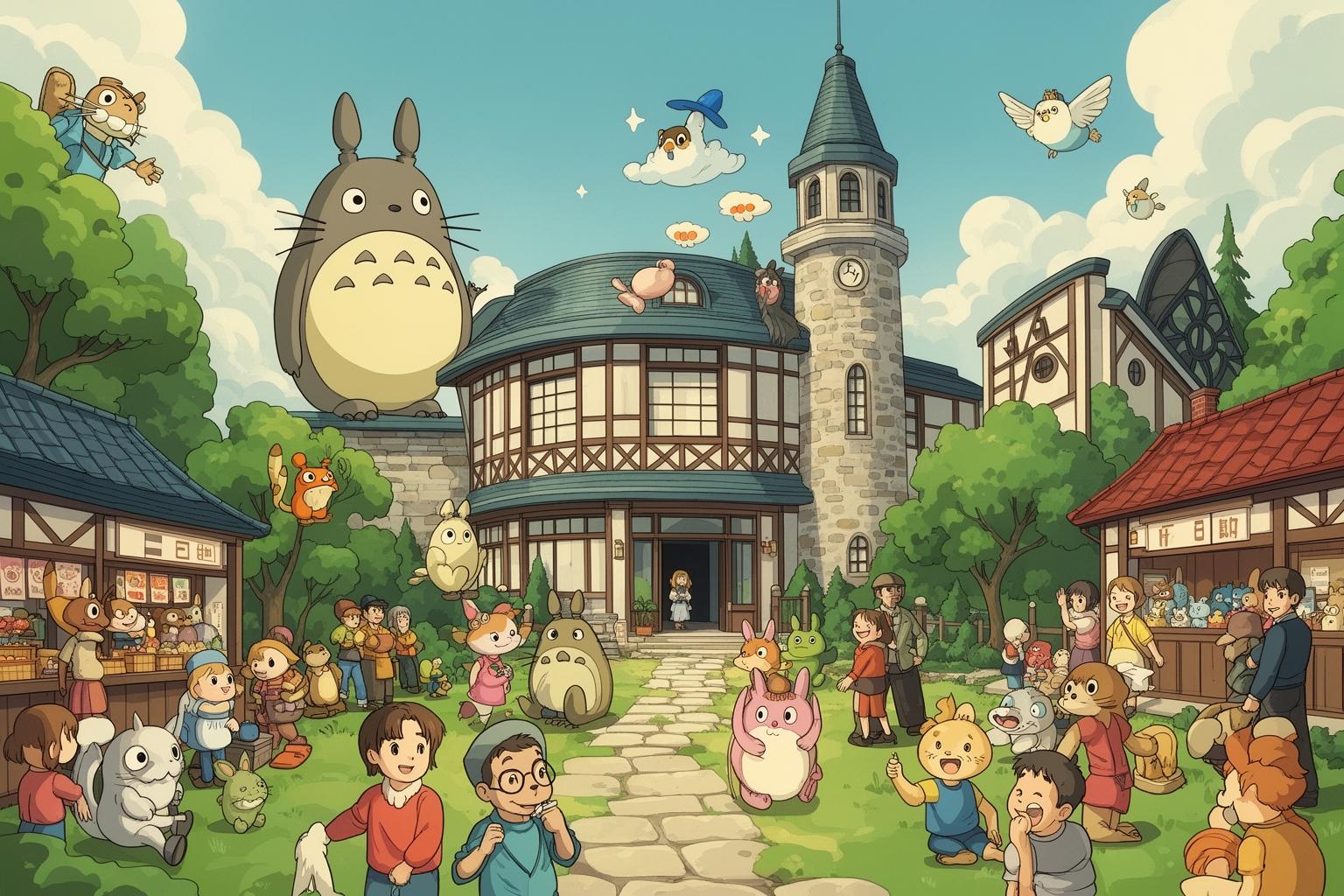
The museum stimulates all the senses, including taste. When you need a break to rest and recharge, the Straw Hat Café offers a menu that feels as if it were taken straight from one of the films. It focuses not on elaborate dishes but on simple, hearty, and wholesome food prepared with care.
The Straw Hat Cafe
Located on the upper floor with an outdoor terrace, the café is as delightful as you would expect. You might enjoy a savory pork cutlet sandwich, a vibrant salad, or a tasty slice of cake. Everything is served on custom Ghibli-themed tableware. Their standout item is a creamy, classic hot or cold milk, but for adults, there’s a special treat: “Valley of the Wind” beer, a unique brew available only here. Waiting in line becomes part of the experience, giving you time to soak in the ambiance and choose your comforting meal. It’s the perfect spot to sit, savor, and talk about all the wonders you’ve just witnessed.
Treasures at Mamma Aiuto
Named after the sky pirates from Porco Rosso, the museum’s gift shop, Mamma Aiuto!, is a treasure chest of exclusive items. You won’t find the usual merchandise seen all over Japan here. Instead, you’ll discover exquisitely crafted goods, from stained-glass-style postcards and detailed models to high-quality stationery and original soundtrack CDs. It’s the perfect place to find a unique keepsake from your pilgrimage—a small piece of the magic to take home with you.
The Pilgrim’s Practical Guide: Planning Your Visit
Visiting the Ghibli Museum takes more than just showing up; it requires some planning and a bit of luck. However, navigating this process is part of the adventure—a small quest that makes the final reward even more satisfying.
The Quest for the Golden Ticket
Here’s the most crucial advice: you must purchase your tickets in advance. Tickets are never sold at the museum entrance. They become available online through the official Lawson website at 10:00 AM Japan Standard Time on the 10th of each month for the following month. For example, tickets for any date in July go on sale on June 10th. These tickets sell out extremely quickly, often within the first hour, especially for weekends and holidays. You need to be online, prepared, and persistent. While it can feel challenging, securing that ticket is a huge victory and marks the true beginning of your Ghibli experience.
Journey to the Forest of Mitaka
The museum is situated in Mitaka, which is easily reachable from central Tokyo. The most common way is to take the JR Chuo Line from major stations such as Shinjuku or Tokyo Station directly to Mitaka Station. The ride is enjoyable, offering views of Tokyo as it shifts from a bustling urban environment to quieter residential areas. From Mitaka Station’s South Exit, you have two charming options. You can take the colorful Ghibli-themed community bus, which is an experience in itself, transporting you straight to the museum entrance in about five minutes. Alternatively, and highly recommended, you can take a scenic 15-minute walk along the Tamagawa Josui canal. This peaceful, shaded path leads into the lush greenery of Inokashira Park, allowing you to unwind and build excitement before even reaching the museum’s gates.
Beyond the Museum Walls: Inokashira Park’s Embrace
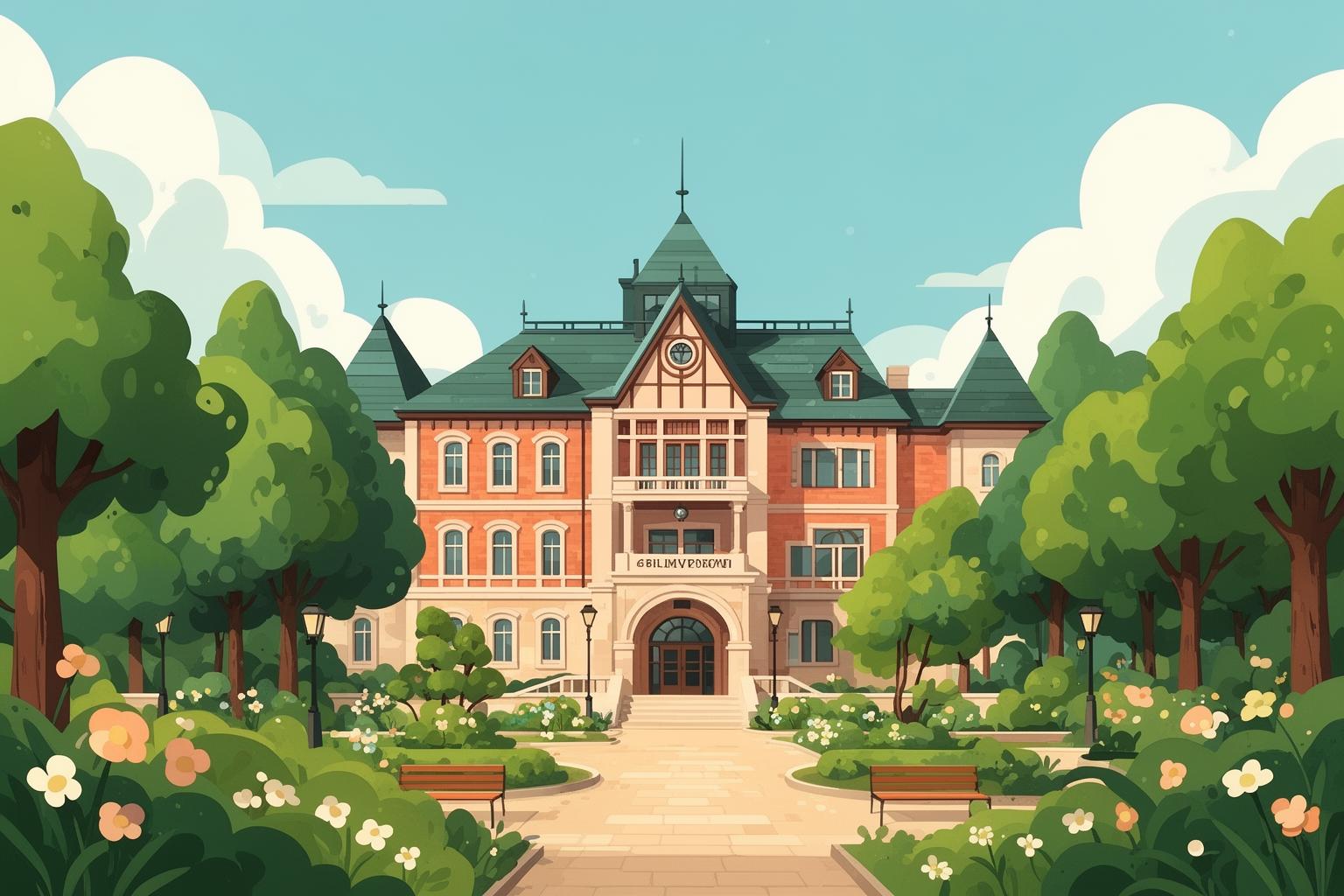
Your visit to the Ghibli Museum shouldn’t conclude the moment you step outside. The museum is situated within Inokashira Park, one of Tokyo’s most beautiful and treasured green spaces, and exploring it is an ideal way to prolong the magic of your day. The park resembles a real-life version of the idyllic natural settings depicted in the films. There’s a large, tranquil pond where you can rent swan-shaped paddle boats, a small zoo, and a lovely shrine dedicated to Benzaiten, the goddess of love and all things that flow.
Seasonal Magic
Inokashira Park changes with the seasons, providing a distinct yet equally stunning backdrop for your Ghibli journey. In spring, it becomes one of Tokyo’s most breathtaking spots for cherry blossoms, with trees arching over the pond and showering petals onto the water. It creates an almost impossibly romantic and picturesque scene. In autumn, the park is ablaze with the fiery reds and golden yellows of maple and ginkgo leaves, offering a crisp, colorful atmosphere that pairs perfectly with the museum’s warm, earthy tones. A leisurely walk through the park after your visit, with the museum’s imagery still vivid in your mind, offers a gentle transition back to the real world.
A Message in a Stained-Glass Bottle
Inside the Ghibli Museum, there is a strict rule: no photography or videography. Initially, this might seem disappointing in our era of constant documentation. However, you soon realize it’s not a limitation; it’s a gift. It invites you to put your phone aside and be genuinely present. It encourages you to observe with your own eyes, not through a lens. You commit to memory the details: how the light falls on a particular sketch, the intricate workings of a zoetrope, the expression on the Robot Soldier’s face. You become fully immersed, sharing a collective, private experience with others there. You leave the Ghibli Museum not with a camera roll full of pictures, but with a heart full of feelings and a mind enriched with vivid, personal memories. It serves as a reminder that the most profound magic isn’t captured; it’s lived. And that feeling, that little spark of wonder, is the most precious souvenir you can take with you.