

There are moments in film that transcend the screen, weaving themselves into the fabric of our own memories. A melody, a line of dialogue, a breathtaking landscape—they become part of us. For millions around the world, Makoto Shinkai’s masterpiece, Your Name. (Kimi no Na wa), was more than just a movie; it was an emotional odyssey. It was a story of connection, of loss, of yearning for someone and some place you’ve never known. And at the heart of this story was a town, Itomori, a place so beautifully rendered it felt real. It felt like home. What if I told you that you could go there? That the soul of Itomori, with its quiet streets, its sacred shrines, and its deep-rooted traditions, beats strong in a real corner of Japan? Welcome to Hida, Gifu Prefecture. This is where the world of Mitsuha Miyamizu comes to life, where the threads of animation and reality intertwine. This journey isn’t just about finding filming locations; it’s a pilgrimage, or seichi junrei as we call it in Japan, a chance to step into the world you fell in love with and feel its rhythm beneath your feet. It’s a quest to find the tangible pieces of a fictional world, to see if the magic so powerfully conveyed on screen still lingers in the mountain air. Prepare to have your heart skip a beat, to feel a sense of déjà vu for a place you’ve never been, as we embark on a journey to the enchanting, timeless region of Hida.
For a different perspective on the film’s urban inspirations, you can also explore the Tokyo locations that inspired ‘Your Name’.
Stepping into the Frame: The Cinematic Streets of Hida-Furukawa

The moment you step off the train at Hida-Furukawa Station, a deep sense of familiarity immediately embraces you. The crisp mountain air, the distinctive wooden architecture, and the unhurried rhythm of life—they’re all here. Hida-Furukawa, a quaint town within the greater Hida City area, served as the main inspiration for the landscapes Taki explores during his desperate search for Mitsuha. The town itself is a treasure, a beautifully preserved slice of old Japan. Its spirit lives in the Setogawa River, a network of pristine canals flowing through the town, their stone-lined banks adorned with weeping willows and traditional storehouses with brilliant white walls, known as shirakabe dozou. In the warmer months, over a thousand colorful koi fish glide lazily in these canals, their vibrant hues contrasting strikingly with the dark wooden lattices of the surrounding buildings. The gentle sound of trickling water becomes your exploration’s soundtrack, a soft, constant murmur that seems to carry stories from centuries past. This isn’t merely a film set; it’s a living, breathing town where tradition is not staged but lived. As you wander, you’ll notice the line between pilgrimage and genuine cultural immersion dissolves entirely. Every turn reveals a scene that feels both deeply authentic and uncannily like a moment from the anime.
The Iconic Station and the Waiting Room of Fate
Your pilgrimage begins, as it did for Taki, at Hida-Furukawa Station. This is more than just a transit point; it’s the gateway to Itomori. The station itself is a modest, charming building, yet for Your Name. fans, it is sacred ground. The first thing to do is cross the tracks via the pedestrian overpass. From here, you can look down at the platform and the waiting train, perfectly recreating one of the film’s most iconic establishing shots. The view of the tracks stretching toward the distant, forest-covered mountains is stunningly cinematic. You can almost sense Taki’s anticipation and confusion as he and his friends arrived, armed only with his fading sketches. Inside the station, be sure to find the small waiting area, which feels just as it did in the movie—a simple, quiet space where pivotal moments unfold. You’ll also spot the friendly local mascot, Hida-gyu, a cartoon representation of the region’s renowned Hida beef cattle, often seen throughout the station and lovingly included in the anime. For photographers: trains on the Takayama Main Line can be infrequent, so it’s wise to check the schedule in advance if you want to capture the perfect shot of a train pulling into the station, as shown in the film. The station staff are exceptionally welcoming to pilgrims, reflecting the town’s warm embrace of its newfound fame.
Echoes in the Old Town: Keta Wakamiya Shrine and the Library
From the station, a short and pleasant walk along the town’s main streets leads you to more key locations. The iconic red steps that Taki climbs in his search belong to Keta Wakamiya Shrine. While the shrine in the film, Miyamizu Shrine, is grander and more central to Itomori, its entrance is clearly inspired by this charming local site. As you ascend the stone steps framed by towering cedar trees and moss-covered stone lanterns, the world seems to quiet down. At the summit, you are greeted by a serene wooden shrine building, a place of peaceful reflection. Here, you can imagine Mitsuha and her sister Yotsuha performing their sacred duties as shrine maidens. The air is rich with the scent of pine and incense, imbued with a deeply spiritual atmosphere that connects you to the ancient traditions portrayed in the film. Another essential stop is the Hida City Library. This beautiful, modern building with its warm wooden interior is the exact place where Taki and his friends finally untangle the history of Itomori. The library staff have fully embraced their role in the phenomenon, dedicating a section for Your Name. fans and permitting photography when you ask for permission at the front desk and remain respectful of other visitors. Sitting at one of the tables, gazing out through large windows at the town, you feel like an investigator in your own story, piecing together the magic of this place. It’s a surprisingly emotional experience to witness the real-world setting of such a pivotal and revelatory scene.
The Soul of Itomori: Beyond the Silver Screen
Visiting the exact locations is certainly thrilling, but the true magic of a pilgrimage to Hida lies in immersing yourself in the culture that so deeply influenced the world of Your Name. The film is rich with themes of tradition, connection (musubi), and the passage of time, all of which are vividly reflected in the daily life and crafts of Hida. To genuinely grasp the essence of Itomori, you must look beyond the camera angles and embrace the spirit of the place.
The Art of Kumihimo: Weaving Your Own Red Thread of Fate
One of the most powerful symbols in Your Name. is the red kumihimo braided cord that Mitsuha wears and later gives to Taki. This cord symbolizes the red string of fate, the unbreakable bond linking the two protagonists across time and space. Kumihimo is not a fictional invention; it is a traditional Japanese art of intricate braid-making, and Hida boasts a long and proud history of this craft. To make your pilgrimage truly meaningful, participating in a kumihimo workshop is essential. Several shops in Hida-Furukawa offer hands-on experiences where you can sit at a traditional wooden stand, a marudai, and learn to weave your own bracelet or keychain. As you manipulate the weighted bobbins, crossing the colorful silk threads in a rhythmic, meditative pattern, you gain a profound appreciation for the skill and patience required. It is in this moment that the concept of musubi—the film’s core philosophy of time and connection as a braided cord—becomes clear. You’re not just crafting a souvenir; you are physically engaging with the film’s central theme, creating your own tangible symbol of connection. Holding the finished braid in your hand, a product of your own focus and effort, is an incredibly special feeling and a perfect memento of your journey into the heart of the story.
A Taste of Hida: Culinary Connections
To fully experience a place, you must taste it. Hida offers a culinary landscape as rich and satisfying as its scenery. The region is most famous for Hida Beef, a brand of wagyu that rivals even the more renowned Kobe beef in marbling, tenderness, and flavor. You can enjoy it in many forms, from luxurious steaks at local restaurants to more casual beef croquettes or steamed buns sold at street stalls. For a direct connection to the movie, keep an eye out for Gohei Mochi. This local specialty—flattened rice cakes skewered, coated in a sweet and savory miso-walnut sauce, and grilled over an open flame—is the snack Taki and his friends enjoy during their search. Biting into one is like tasting a piece of the anime itself—smoky, sweet, savory, and deeply comforting. The town is also home to several historic sake breweries, their entrances marked by traditional sugidama (a ball of cedar fronds). Many offer tastings, allowing you to sample the crisp, clean sake brewed with pure mountain water. Exploring the flavors of Hida is yet another way to connect with the land and understand the environment that shaped the fictional world of Itomori.
The Landscape of Memory: Suwa and the Search for the Crater Lake
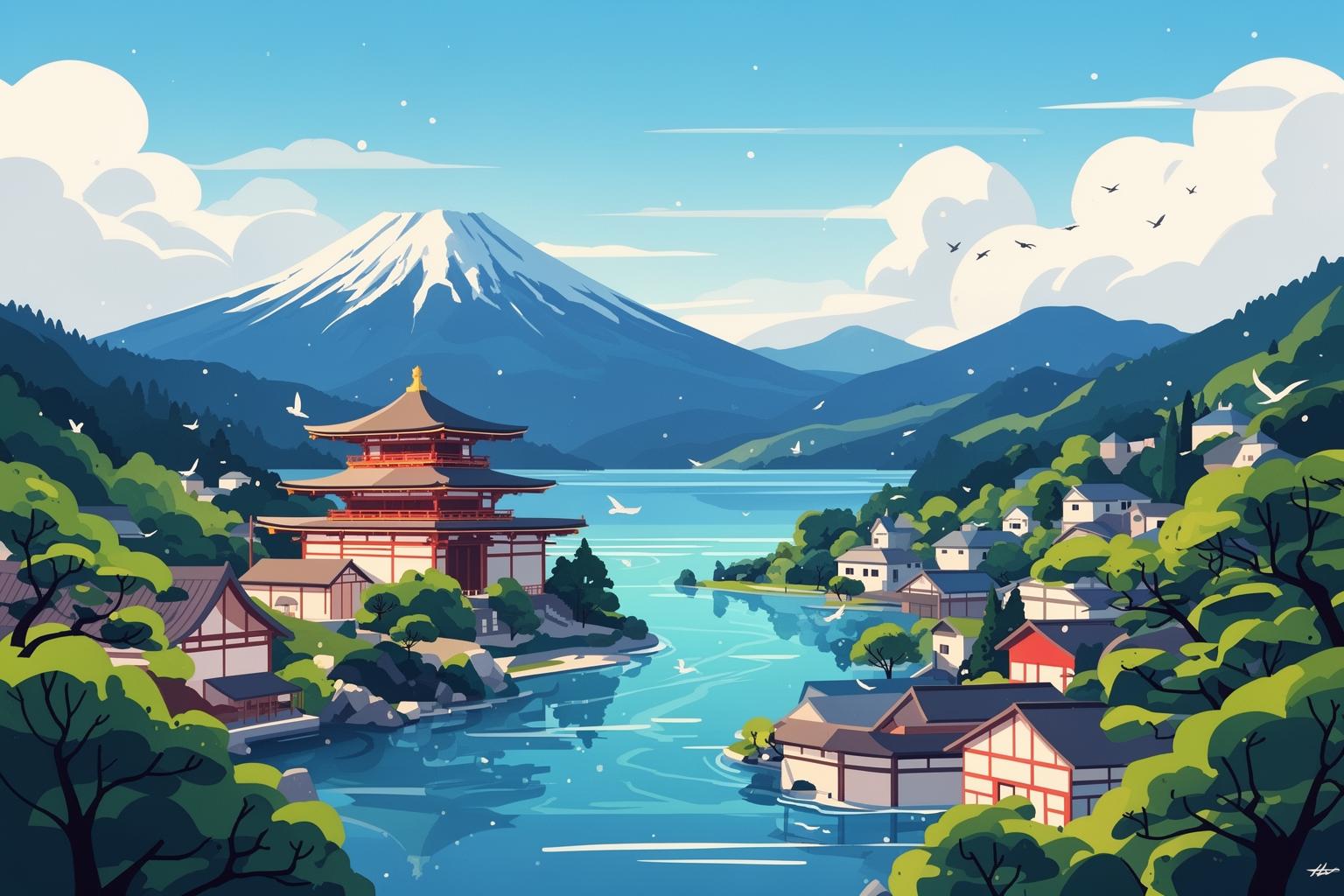
Here is a secret for the dedicated pilgrim: while Hida-Furukawa forms the body of Itomori, its most striking feature—the crater lake created by the comet’s impact—draws inspiration from an entirely different location. Makoto Shinkai based this aspect on his home prefecture of Nagano, specifically the breathtaking Lake Suwa. For those willing to extend their journey, visiting Lake Suwa completes the geographic puzzle of Itomori. Situated about a two-hour drive or scenic train ride from the Hida region, Lake Suwa is a vast, stunning body of water surrounded by mountains. To witness the view that most closely mirrors the panoramic shots in the film, you should head to Tateishi Park. Perched on a hillside overlooking the lake, the viewing platform here offers a spectacular, sweeping perspective. Standing there, especially as the sun sets and the town lights begin to twinkle below, the resemblance to the movie’s portrayal of Itomori is unmistakable and utterly breathtaking. You can almost imagine the comet streaking across the sky. It is a moment of pure cinematic magic, a powerful culmination of the pilgrimage where the pieces of the real world come together to form a complete, heart-stopping image of the fictional one. This detour is a tribute to the film’s artistry, highlighting how Shinkai skillfully merged elements from various real-world places to create a single, unforgettable location.
A Practical Guide to Your Hida Pilgrimage
Setting off for a rural part of Japan might seem intimidating, but Hida is surprisingly easy to reach and warmly welcomes visitors. With some preparation, your pilgrimage can be smooth and profoundly fulfilling. The journey itself is part of the experience, taking you away from bustling cities and deep into the tranquil heart of the Japanese Alps.
Getting There: The Journey to Hida
The most popular and scenic way to get to Hida-Furukawa is by train. The town lies on the JR Takayama Main Line. If you’re traveling from Tokyo, the best option is to take the Tokaido Shinkansen (bullet train) to Nagoya, which takes about 1 hour and 40 minutes. From Nagoya, transfer to the JR Hida Wide View limited express train, a journey that in itself is a highlight. This train winds through stunning river valleys and deep mountain gorges, offering breathtaking views. The trip from Nagoya to Hida-Furukawa takes around 2.5 hours. Alternatively, you can travel via the Hokuriku Shinkansen from Tokyo to Toyama, then transfer to the Hida Wide View train, which is a similarly picturesque route. If you have a Japan Rail Pass, most of this trip is covered. Once you arrive, the town is compact and easy to navigate on foot, so there’s no need to worry about further transportation.
When to Go: The Four Seasons of Hida
Hida showcases dramatic seasonal beauty, and your experience will vary depending on when you visit. Each season brings its own unique charm that reflects different moods from the film. Spring (late April to May) offers delicate cherry blossoms that beautifully frame the canals and shrine grounds. Summer (June to August) is lush and green, filled with the sound of cicadas, perfectly evoking Mitsuha’s everyday life in Itomori. The famous Furukawa Festival also takes place in April, showcasing vibrant local culture. Autumn (October to November) is perhaps the most breathtaking season, as the surrounding mountains burst into a fiery display of red, orange, and yellow leaves. It’s an ideal time for hiking and photography. Winter (December to February) covers the town in a thick blanket of snow, transforming it into a quiet, magical wonderland. The sight of traditional wooden houses and storehouses under snow is evocative and reminiscent of the film’s more solemn, beautiful moments. There’s no bad time to visit—simply pick the season that resonates most with you.
Where to Stay and What to Do
To truly soak in Hida’s atmosphere, consider lodging in a traditional ryokan (Japanese inn) or a minshuku (family-run guesthouse). These provide an opportunity to experience authentic Japanese hospitality, sleep on comfortable futons laid out on tatami floors, and savor exquisite local cuisine. Beyond visiting Your Name. locations, take time to explore. Visit the Takumikan Craft Museum to learn about the region’s renowned woodworking artisans, whose craftsmanship is visible throughout the town’s architecture. Rent a bicycle to ride along the river, or simply sit on a bench by the Setogawa Canal and watch the koi swim. The charm of Hida-Furukawa lies in its unhurried pace—don’t rush. Let yourself get lost in the backstreets, stop by small shops selling crafts and sweets, and chat with the friendly locals. This is how you’ll uncover the true spirit of the town—the gentle, enduring soul that Makoto Shinkai so brilliantly captured on screen.
Beyond the End Credits

Leaving Hida feels like awakening from a beautiful dream. You arrive as a fan of a film but depart with a genuine affection for a real place, its people, and its traditions. The pilgrimage to the land of Your Name. is more than just a list of photo spots; it’s an emotional journey that deepens your appreciation for the story and the remarkable artistry that brought it to life. Whether standing on the station platform, gazing at the shrine steps, or weaving your own braided cord, you sense the powerful, invisible threads linking fiction to reality, past to present, and person to person. You experience musubi. The magic of Itomori is not confined to the frames of an anime; it lives in the whisper of the wind through the cedar trees, in the gentle flow of the canals, and in the warmth of the smiles welcoming you. Hida leaves an imprint on your heart, a nostalgic longing for a town that feels, impossibly, like a memory of your own. And long after you have returned home, you will find the red thread of fate now connects you to this timeless corner of Japan.








