To read a Haruki Murakami novel is to feel the familiar floor of reality give way, just slightly. It’s the sensation of a conversation that lingers too long in the quiet of a late-night diner, the unexpected resonance of a classical song playing on the radio, the sudden appearance of a talking cat, or the profound mystery of a well in a suburban backyard. His stories are woven from the threads of the mundane and the metaphysical, creating a Tokyo that is both unmistakably real and shimmering with the possibility of another world, just beyond a doorway or down a forgotten alley. This city is not merely a backdrop in his work; it is a living, breathing character, a labyrinth of concrete and emotion where his protagonists wander, searching for lost lovers, lost cats, and lost parts of themselves. Embarking on a journey through Murakami’s Tokyo is less about finding exact film-set locations and more about tuning into a specific frequency. It’s about feeling the city’s pulse, its moments of profound loneliness and surprising connection, its jazz-fueled nights and its quiet, sun-drenched mornings. It’s a pilgrimage into the heart of a narrative landscape, a quest to find the atmosphere that hangs in the air between the pages of his books. This is a guide to navigating that feeling, to walking the same streets as Toru Okada, Aomame, and Toru Watanabe, and maybe, just maybe, catching a glimpse of the world on the other side.
For those captivated by the way urban landscapes mirror elusive emotional quests, a glimpse into Matsuyama pilgrimage reveals another narrative realm intertwined with literary heritage.
The Echo of Student Days: Waseda’s Literary Heartbeat
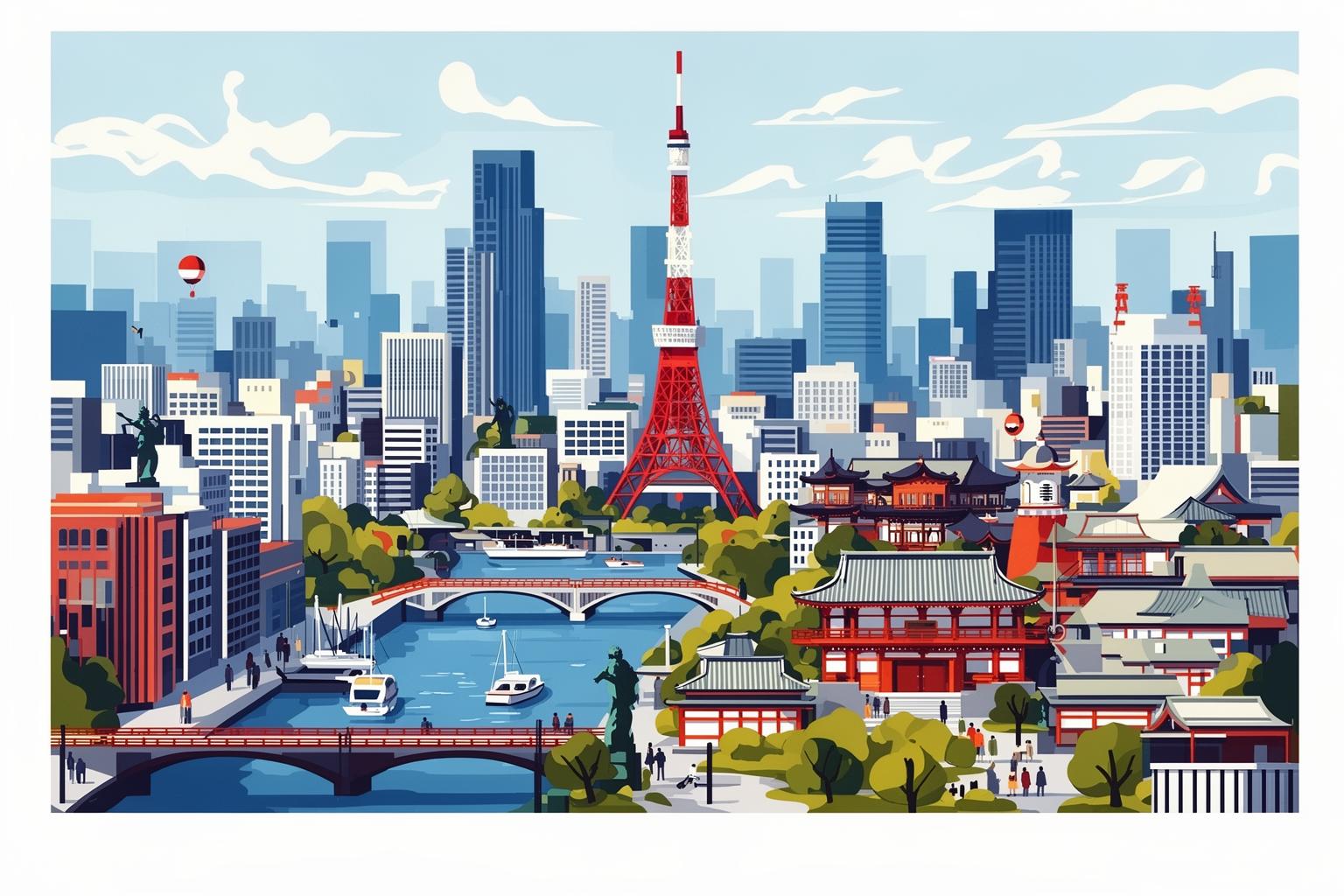
The journey into Murakami’s world often begins with the bittersweet ache of youth, a theme perfectly embodied in the leafy, academic enclave of Waseda. This neighborhood, home to the prestigious Waseda University, serves as the spiritual origin of Norwegian Wood. Stepping out of Waseda Station on the Tozai Line, the atmosphere changes—the relentless pace of central Tokyo softens into a more thoughtful, intellectual rhythm. You can almost imagine Toru Watanabe wandering these streets, lost in his thoughts, burdened by love and loss. The university campus itself offers a beautiful starting point. It is not a closed-off institution but an open, living part of the community. Walk through the grounds, past the iconic Okuma Auditorium, and sense the blend of youthful energy and historical weight. The students hurrying to class, the quiet corners where others are absorbed in books—it’s a scene lifted straight from the novel. The seasons cast the campus in shifting emotional tones. In spring, cherry blossoms create a dreamlike, fleeting beauty, while autumn’s golden ginkgo leaves add a melancholic, reflective mood that resonates with the story’s essence.
Nearby is the Tsubouchi Memorial Theatre Museum, an Elizabethan-style building that feels wonderfully out of place and perfectly Murakami-esque in its peculiar charm. It stands as a testament to the area’s rich literary and artistic heritage. But to truly capture the early-Murakami spirit, you must seek out the essence of the jazu kissa, or jazz cafe. Though many of the specific cafes he frequented have disappeared, the culture persists in the area’s small, intimate venues. These are not merely cafes that play jazz; they are sanctuaries of sound. Patrons speak in hushed tones, sipping their coffee or whiskey, while music—often spun on vintage vinyl and high-fidelity systems—takes center stage. This is the environment where Murakami nurtured his love for the music that would become the soundtrack to his novels, and where he operated his own jazz cafe, Peter Cat, in nearby Kokubunji. Finding a surviving jazz kissa in the Waseda or Takadanobaba area is like stepping through a portal back in time. The aroma of dark roast coffee, the warm glow of vacuum tubes on the amplifier, the intricate notes of a John Coltrane solo filling the air—it is an immersive experience that connects you directly to the author’s formative years and the soulful solitude his characters so often seek.
Shinjuku’s Dual Soul: Neon Dreams and Quiet Escapes
If Waseda represents the nostalgic past, Shinjuku embodies the pulsating, often overwhelming present that dominates many of Murakami’s novels, from After Dark to 1Q84. Shinjuku is not a single place but a collision of multiple worlds. It is a concrete jungle of towering skyscrapers, a chaotic symphony of neon lights, and a labyrinth of tiny, hidden alleyways where time appears to have stopped. This duality lies at the heart of its appeal in Murakami’s universe. His characters are frequently dwarfed by the city’s vastness, navigating its immensity while grappling with their own inner landscapes. To truly experience Shinjuku, one must embrace both aspects of its personality: the grand and the intimate, the loud and the whispered.
The View from Above: The Tokyo Metropolitan Government Building
A recurring motif in Murakami’s work is viewing the city from a great height, a detached vantage point that transforms the chaos below into an abstract pattern of light and movement. The free observation decks of the Tokyo Metropolitan Government Building in West Shinjuku provide this exact experience. As you ascend in the silent, swift elevator, the city stretches out beneath you like a sprawling, seemingly infinite circuit board of life. On a clear day, Mount Fuji can be seen hovering on the horizon, a serene, ancient presence watching over the modern metropolis. At night, the view shifts into a glittering carpet of lights, visually representing the millions of individual stories unfolding below. It is here that you can sense the isolation and wonder his characters often feel, seeing the entire world laid out before them while feeling utterly alone within it. This is a place for contemplation, to grasp the vast scale of the world Aomame and Tengo were striving to navigate in 1Q84.
Golden Gai’s Whispering Alleys
After descending from the cold, clinical heights of the skyscraper, immerse yourself in the warm, chaotic core of Shinjuku’s past: Golden Gai. This preserved fragment of post-war Tokyo is a dense tangle of six narrow alleys filled with over two hundred tiny bars, some seating only a handful of people. Wandering these lanes feels like stepping onto a movie set. The dim glow of paper lanterns, the murmur of conversations spilling out of doorways, and the steep, narrow staircases leading to mysterious second-floor spots create a pure atmosphere. This is exactly the kind of place where you can picture Murakami’s characters striking up fateful conversations with strangers, bartenders sharing cryptic wisdom, or simply sitting with a drink while the city’s stories wash over them. The intimacy of these spaces fosters a unique connection, sharply contrasting with the anonymity of the sprawling station and department stores just a few blocks away.
A Tip for the Timid
For first-time visitors, Golden Gai can be intimidating. Many bars are for regulars only or charge covers. The key is to approach with a sense of adventure. Arrive early, around 7 or 8 PM, when it’s less crowded. Seek out bars with English menus or prices displayed outside, which often indicates they welcome newcomers. Don’t hesitate to peek inside. A friendly smile from the bartender is usually a good invitation. Choose a spot, order a drink, and you might find yourself part of one of those uniquely Tokyo conversations that linger long after you’ve left.
Where Style Meets Silence: Aoyama and Harajuku
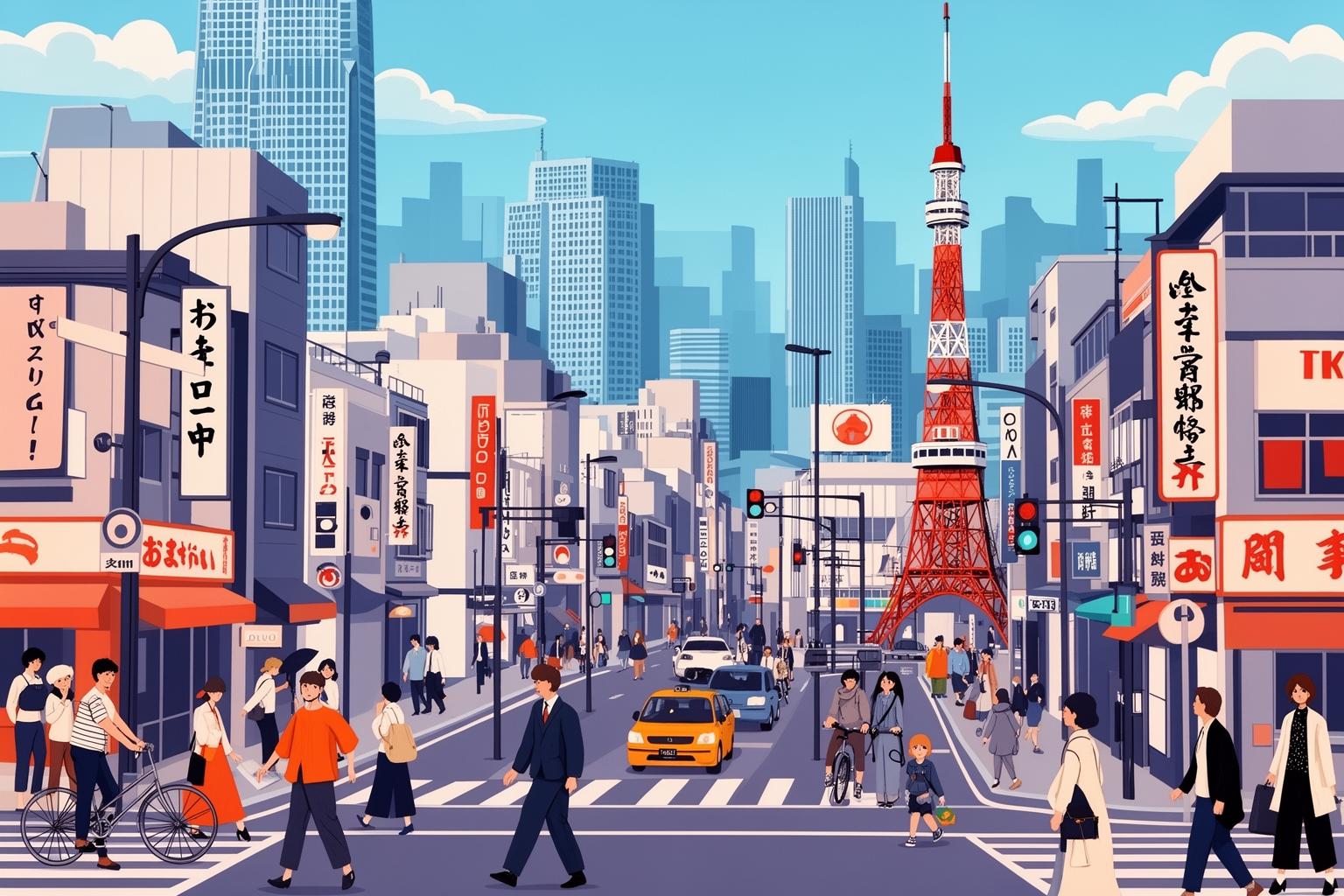
Moving southeast from the vibrant chaos of Shinjuku, you step into the refined, stylish realm of Aoyama and Harajuku. This district showcases another aspect of Murakami’s Tokyo—a world of quiet wealth, carefully chosen tastes, and hidden, reflective spaces beneath a facade of high fashion and contemporary architecture. It’s a scene filled with cool jazz clubs, minimalist art galleries, and tranquil residential streets where a character from The Wind-Up Bird Chronicle might lead a life of calm routine before a mysterious phone call changes everything. The main street, Omotesando, is Tokyo’s counterpart to the Champs-Élysées, a broad, tree-lined boulevard bordered by flagship boutiques from the world’s leading designers. The architecture itself is a spectacle, but the true Murakami experience comes from peeling back this glossy veneer and exploring the side streets.
The Search for the Well
One of the most compelling and mysterious symbols in Murakami’s work is the well—a portal to another dimension, a gateway to the subconscious. Although you won’t find the exact dry well from The Wind-Up Bird Chronicle on any map, searching for its essence offers a perfect way to explore this area. Venture away from the busy crowds of Omotesando and into the quiet residential neighborhoods of Minami-Aoyama and Jingumae. Here, the city’s noise diminishes, replaced by the gentle rhythm of daily life. The streets are narrow and winding, lined with elegant homes, small design studios, and hidden gardens. Within these peaceful pockets, you can sense the spirit of the well. A modest, overlooked Shinto shrine nestled between two modern apartment buildings, a tiny park with a solitary bench, or a walled garden offering a glimpse of serene greenery—these are the places where the ordinary world feels thin, where you might imagine waiting for something extraordinary to unfold. The quest is less about locating a place and more about discovering a state of mind.
From the Blue Note to the Nezu Museum
This neighborhood is also home to cultural institutions that perfectly resonate with the refined tastes of many Murakami characters. The Blue Note Tokyo, situated in Minami-Aoyama, is a legendary jazz club that has welcomed some of the world’s finest musicians. Spending an evening here, enveloped in world-class music, is like stepping into a scene from one of his novels. It’s an experience that honors artistry, atmosphere, and the craft of a well-made drink. For a more peaceful and contemplative outing, the Nezu Museum is an absolute gem. While the museum boasts a stunning collection of Japanese and East Asian art, its true masterpiece is the expansive traditional garden. Meandering paths guide you through a lush, undulating landscape of trees, moss, ponds, and traditional teahouses. It is a sanctuary in the city’s heart—a place to escape, reflect, and feel the gentle passage of time—a perfect setting for any Murakami protagonist, and for any traveler seeking a moment of deep tranquility.
The Runner’s Path: Imperial Palace and Jimbocho
Discipline, routine, and endurance are recurring motifs in both Murakami’s life and his fiction, most notably reflected in his commitment to long-distance running. In his memoir, What I Talk About When I Talk About Running, he explains how the physical act of running parallels the mental process of writing. There is no better place to experience this aspect of his world than the running path around the Imperial Palace. This is where Japan’s historical center meets the modern city, and where runners of all abilities gather for their daily ritual.
The Five-Kilometer Loop of Solitude
The loop around the palace grounds covers roughly five kilometers, an ideal, continuous circuit for running or walking. As you progress along the path, the scenery offers a striking contrast. On one side are the ancient, imposing stone walls and peaceful moats of the former Edo Castle, residence of the Emperor. On the other side, the gleaming glass and steel skyscrapers of the Marunouchi financial district soar into the sky. This ongoing contrast between old and new, nature and commerce, feels profoundly symbolic. The path is a democratic space, used by everyone from office workers on lunch breaks to dedicated marathoners. Joining them, even at a leisurely pace, means participating in a shared Tokyo ritual. You can sense the city’s rhythm in the footsteps on the pavement. It’s a meditative experience, an opportunity to clear your mind and observe the city from a unique, ground-level viewpoint, much like the author himself during his daily runs.
Jimbocho’s Labyrinth of Books
A short walk or subway ride from the Imperial Palace lies Jimbocho, a haven for any book enthusiast. Known as Tokyo’s book town, its streets are filled with hundreds of bookstores, ranging from large, multi-story retailers to small, specialized shops dealing in rare prints, vintage magazines, and antique maps. This is the city’s intellectual core, a place where Murakami’s well-read and endlessly curious characters would feel perfectly at home. The air in Jimbocho seems different, heavy with the scent of old paper and ink. You could easily spend an entire afternoon here, wandering among towering shelves, uncovering forgotten authors, and sensing the weight of accumulated knowledge all around you. It’s a place that champions the physical book in a digital age. Many shops have a yasukuni-dori front for new releases and a back-alley entrance for used gems. Don’t miss the chance to explore these smaller, dustier shops. It’s in these quiet corners that you might discover an old jazz magazine or a translated Western classic that would fit perfectly on a Murakami character’s bookshelf.
Navigating the Narrative: Practical Tips for Your Journey
Embarking on a Murakami-themed journey through Tokyo is as much about your mindset as it is about your movement. It calls for a willingness to wander, to get lost, and to notice the small, peculiar details of the city. To help make your pilgrimage more seamless, here are some practical tips to consider.
Getting Around the City
Tokyo’s public transportation system is a marvel of efficiency and remains the best way to navigate this vast metropolis. Upon arrival, invest in a Suica or Pasmo IC card. These rechargeable cards work effortlessly on all trains, subways, and buses, sparing you the trouble of purchasing individual tickets. While the train network connects major hubs like Shinjuku, Waseda, and Aoyama, the real discoveries happen on foot. The true essence of a Murakami novel lies in the spaces between the stations. Walk as much as possible. Allow yourself to take wrong turns down narrow streets. Follow the sound of a distant train or the sight of an intriguing cat. This is how you’ll uncover your own stories within the city.
When to Visit
Tokyo is a city for all seasons, each offering a unique atmosphere through which to experience your journey. Spring, famous for its cherry blossoms, brings a sense of fleeting beauty and melancholic renewal reminiscent of Norwegian Wood. The weather is mild, perfect for long walks. Autumn is arguably the most reflective season. The crisp air, clear skies, and vibrant hues of changing leaves provide an ideal backdrop for quiet contemplation in parks and temple gardens. Winter reveals a starker beauty, with fewer crowds and a cozy ambiance that invites you to seek refuge in a warm café or a dimly lit bar. Summer may be hot and humid, but it also carries a lively energy, featuring local festivals and long, lingering evenings.
What to Bring
In addition to the essentials, a few items will enrich your pilgrimage. First and foremost, a comfortable pair of walking shoes is essential. You’ll be covering a lot of ground. Second, bring a copy of your favorite Murakami novel. Reading a few pages in a location that inspired it—or one that simply feels like it could have—is a powerful way to link the book to the place. A small notebook and pen are also recommended, as Murakami’s world encourages introspection. You’ll want to jot down observations, feelings, or snippets of overheard conversations. Finally, and most importantly, bring an open and curious mind. Be ready for the unexpected and open to the quiet magic of the everyday.
Beyond the Map: Finding Your Own Story
Ultimately, a journey through Haruki Murakami’s Tokyo is an intensely personal experience. The locations mentioned here serve merely as starting points, gateways into the city’s vast and intricate narrative. The real pilgrimage isn’t a checklist to be ticked off but a frequency to be attuned to. You may discover it not in Golden Gai, but in a small, unnamed bar in a quiet neighborhood like Yanaka. The pull of another world might not come from searching for a mythical well, but from watching the Sumida River flow quietly beneath a bridge at dusk. The Murakami experience could be hearing a Schumann piece in a classical music café, observing a stray cat carefully cleaning its paws on a shrine step, or striking up a brief, unexpectedly profound conversation with a stranger at a laundromat. The map he offers in his novels is emotional rather than geographical. So walk, listen, and observe. Let the city lead you. Let its rhythms seep into your awareness. For in this vast, beautiful, and sometimes lonely city, your own surreal story awaits, just around the next corner.