
There are stories that stay with you, films that weave themselves into the very fabric of your memory. Makoto Shinkai’s Your Name is one such masterpiece, a celestial tapestry of fate, connection, and breathtakingly beautiful animation that captured hearts across the globe. It’s a film that feels both magically distant and intimately familiar, especially in its stunning depiction of Tokyo. The city isn’t just a backdrop; it’s a character, pulsating with life, energy, and the quiet, unseen threads of destiny that bind two souls together. For many, the desire to walk in the footsteps of Taki and Mitsuha, to see the world through their eyes, is a powerful pull. This journey is a modern-day pilgrimage, a seichi junrei, where the sacred sites are not ancient temples but bustling train stations, quiet residential stairways, and soaring architectural wonders. It’s a quest to bridge the gap between fiction and reality, to stand in a place and feel the echo of a story you love. This guide is your map to that feeling, a pathway through the vibrant streets of Tokyo to find the heart of Your Name. Prepare to see the city not just as a tourist, but as a pilgrim, discovering that the magic you saw on screen is very much alive, waiting for you around the next corner.
Embrace your journey beyond Tokyo by exploring the real-life magic that awaits in Japan’s enchanting landscapes.
The Heart of the Connection: The Suga Shrine Steps
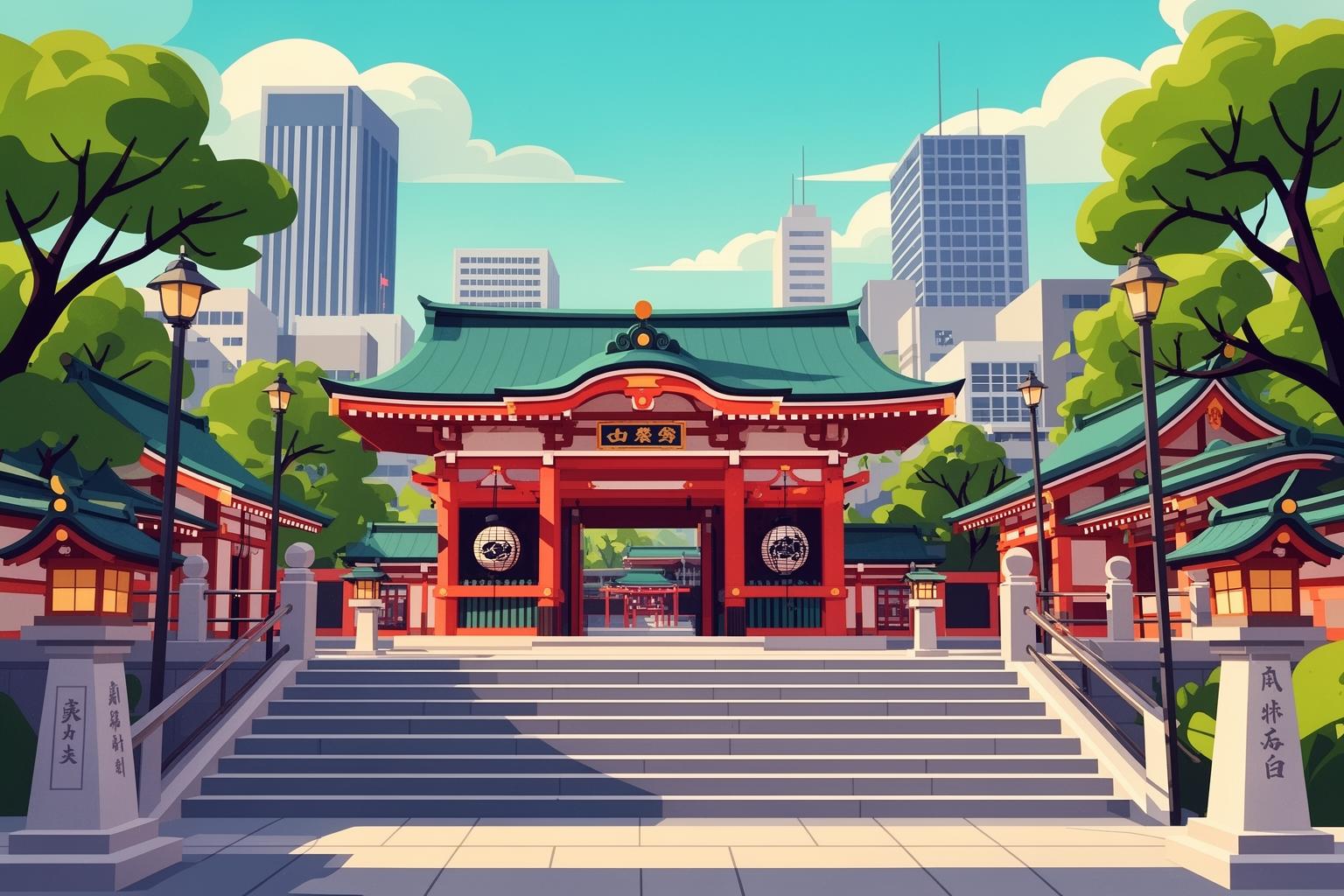
Every pilgrimage has its own sanctum, its most sacred spot, and for fans of Your Name, that place is surely the iconic red-railed staircase of Suga Shrine. This is where the film’s deeply emotional climax unfolds, the site where Taki and Mitsuha, separated by years and worlds, finally and miraculously reunite. The journey to these steps is an experience in itself, perfectly introducing the film’s central theme of discovering the extraordinary within the ordinary. Nestled not in a bustling tourist area but quietly tucked away in a modest residential neighborhood of Yotsuya, part of Shinjuku Ward, the stark contrast is both striking and profoundly meaningful.
Finding the Fated Staircase
The stroll from Yotsuya Station offers a gentle immersion into everyday Tokyo life. You’ll wander through narrow lanes, passing small local shops, apartment buildings adorned with carefully tended potted plants, and the occasional softly humming vending machine. There’s a tangible sense of calm here that sharply contrasts with the grand, sweeping drama of the film’s finale. This quietness only makes the final reveal more impactful. As you turn the corner, there it is—the gentle incline, the distinct green paint on the building walls nearby, and, of course, the vibrant red handrails. It’s a surreal moment when your mind layers the animation onto reality. You can almost hear the soaring soundtrack and feel the frantic heartbeat of the characters searching for a name just out of reach. The atmosphere is hushed and respectful. Other fans are likely present, speaking softly, each patiently waiting their turn to capture their own version of the iconic shot. There’s a shared, unspoken understanding, a collective appreciation for the story that brought everyone to this seemingly unremarkable, yet profoundly significant spot. Standing at the top looking down, or from the bottom looking up, you sense the weight of their journey and the improbable odds they overcame. This is more than just a staircase; it stands as a monument to hope and connection.
Capturing the Perfect Moment
To truly capture the film’s magic, timing and perspective are essential. While the final scene is set in the soft morning light, the late afternoon bathes the staircase in a beautiful golden glow that evokes the film’s nostalgic, dreamlike palette. This time of day also creates long shadows, adding drama to your photos. Remember that this is a residential area — the sounds here reflect daily life, not tourist chatter. Locals live in the homes lining the stairs, so it’s vital to remain quiet and respectful. Avoid blocking the path for people simply trying to get home. This isn’t a film set; it’s someone’s neighborhood. A gentle approach is important. For families, it’s an easy and accessible first stop. The walk is pleasant, and the location is simple enough that it doesn’t require a lengthy visit, making it ideal for shorter attention spans. Children may find joy simply running up and down the stairs, creating their own stories in a place that feels special. It’s a great opportunity to talk about how extraordinary stories can make ordinary places magical. Getting there is straightforward: it’s about a ten-minute walk from Yotsuya Station, which is served by the JR Chuo-Sobu Line and the Tokyo Metro Marunouchi and Namboku Lines, offering easy access from major hubs such as Shinjuku and Tokyo Station.
Navigating the Urban Maze: Shinjuku and Yotsuya
If the steps of Suga Shrine embody the film’s quiet heart, then the expansive urban landscape of Shinjuku represents its racing pulse. This is Taki’s world: a dizzying, exhilarating, and occasionally lonely maze of steel, glass, and nonstop human activity. The film skillfully conveys the immense scale and vibrant energy of this district, and visiting it feels like stepping directly into Taki’s fast-paced life. From the world’s busiest train station to the iconic skylines, Shinjuku is where the lively, modern side of Your Name truly comes alive.
The Crossroads of Fate at Shinjuku Station
It’s impossible to overstate the experience of Shinjuku Station. It’s a city within a city, a complex multi-level hub with over two hundred exits, serving millions of passengers daily. For first-time visitors, it can be a sensory overload, which is exactly the point. This environment shaped Taki. The film depicts him moving through the crowded platforms and walkways with the ease of a local, sharply contrasting with Mitsuha’s rural life in Itomori. Experiencing it firsthand helps you understand him better. The best way to navigate it is not to resist the flow but to go with it. Find a spot on an upper-level walkway overlooking the main concourses and simply watch. The patterns of movement, the symphony of train announcements, footsteps, and conversations—it’s captivating. This setting forms the backdrop of Taki’s daily commute, his meetups with friends, and the rhythm of his everyday life. You’ll recognize the panoramic views of the sprawling train tracks from the bridges connecting the station’s various sections—these are the very scenes Taki witnessed every day. For those traveling with family, a tip: hold hands tightly, as it’s very easy to get separated in the crowd. Plan your route through the station in advance, knowing which exit you’ll need. The South Exit is especially notable for its close proximity to the famous Shinjuku crossings and offers fantastic views of nearby skyscrapers, including the NTT Docomo Yoyogi Building.
A Moment of Calm at Yotsuya Station
In stark contrast to Shinjuku’s bustling chaos, Yotsuya Station provides a quieter, more intimate atmosphere. This is where Taki meets his crush and coworker, the elegant Okudera-senpai, for their date. The film perfectly captures the distinctive look of the platform, with its red-brick details and the view of intersecting tracks below. It’s a moment filled with nervous anticipation in the film, and the real-life location has a surprisingly peaceful, almost nostalgic vibe. Unlike Shinjuku, here you can actually pause. Standing at the end of the JR Chuo Line platform lets you frame the exact shot from the movie, watching the trains curve gracefully into the station. It’s a simple scene, but these small, authentic details make a seichi junrei deeply rewarding. It reinforces the idea that the entire film is rooted in tangible reality. Visiting Yotsuya Station after the intensity of Shinjuku feels like a refreshing breath of fresh air—a moment to reset before continuing your journey. It’s also a convenient stop since it’s the same station used to access Suga Shrine, allowing you to visit both key locations with ease.
A Skyline of Memories: Iconic City Views
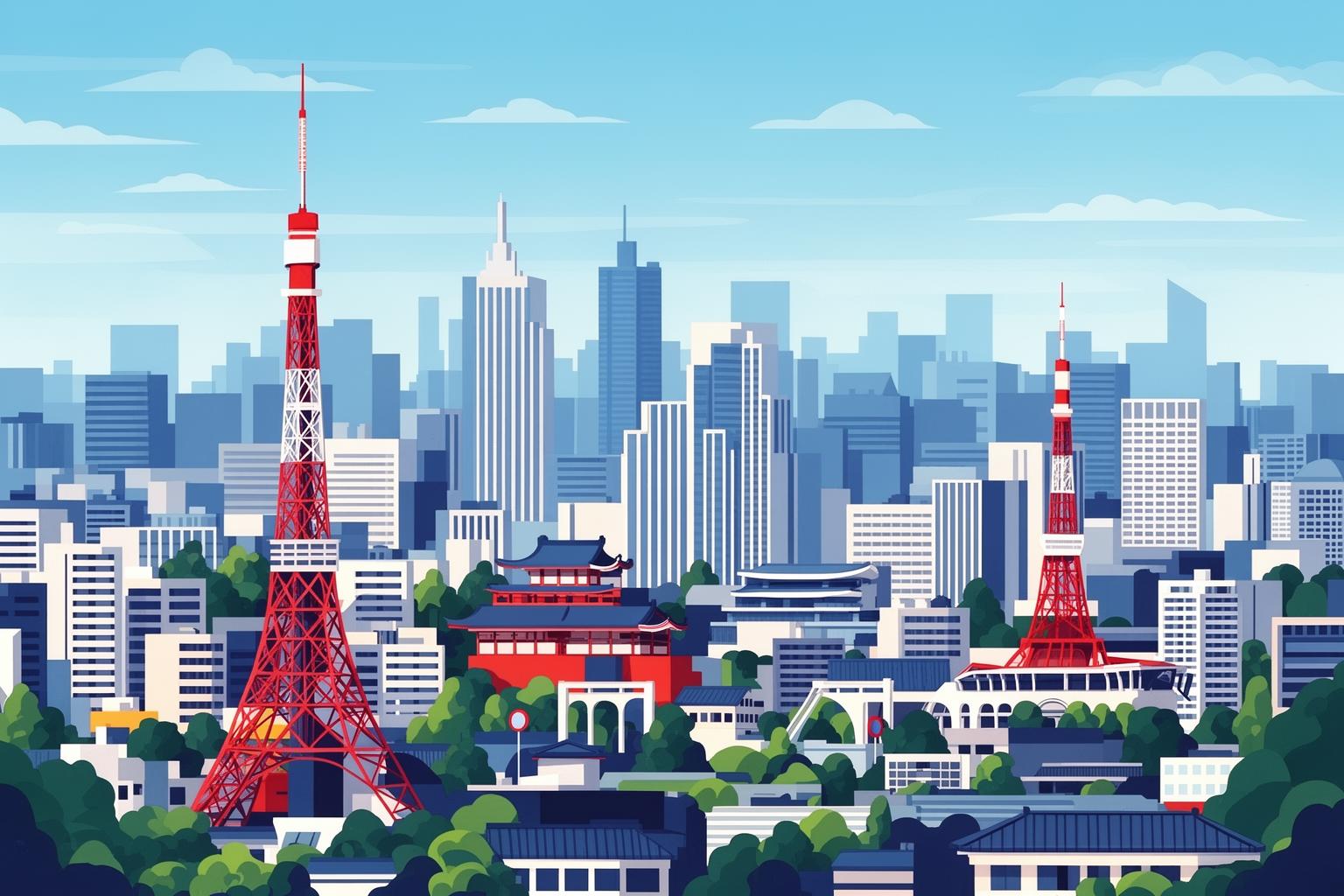
Makoto Shinkai is an expert in portraying skies and cityscapes. His representation of Tokyo serves as a love letter to the city’s verticality and distinctive architectural style. Throughout Your Name, certain buildings and vistas function as visual anchors, rooting the story and Taki’s experiences within a specific, recognizable geography. Seeking out these landmarks adds another dimension to your pilgrimage, allowing you to view the city skyline through the director’s artistic perspective.
The Ever-Present Guardian: NTT Docomo Yoyogi Building
Although you can’t enter the NTT Docomo Yoyogi Building itself, its iconic, Empire State-like clock tower is a prominent feature of the Tokyo skyline and a familiar presence in Your Name. It appears in numerous scenes, often peeking out from behind other structures, silently witnessing the unfolding drama. It acts as a geographical anchor, helping the viewer orient themselves within Taki’s Shinjuku-centered world. One of the best spots to get a clear view of it, similar to how it’s framed in the film, is from the bridges and walkways near Shinjuku Station’s South Exit. Another excellent viewpoint is Shinjuku Gyoen National Garden. From this peaceful oasis, the tower rises above the trees, creating a striking contrast between nature and urban architecture that is characteristic of Shinkai’s style. Spotting the tower becomes a fun game during your exploration. Each time it comes into sight, it serves as a subtle nod to the film, a reminder of the world you’re inhabiting for the day. It isn’t a destination but a constant companion on your journey.
Taki’s Part-Time Job: The National Art Center, Roppongi
One of the most visually captivating locations in the film is the stylish, upscale restaurant where Taki works part-time, called “Il Giardino delle Parole” (The Garden of Words), a clever homage to another of Shinkai’s films. While the restaurant itself is fictional, its architectural inspiration is very real and accessible: The National Art Center in Roppongi. Designed by the renowned architect Kisho Kurokawa, the building is a masterpiece of modern architecture. Its standout feature is a stunning, flowing glass facade that floods the interior with natural light. The moment you step inside, you’ll recognize it. The scale, the light, the soaring open spaces—it’s all exactly as depicted in the film. The real-life counterpart of the restaurant is the Salon de Thé ROND, a café uniquely situated atop a large inverted concrete cone on the second floor. Visiting this café is a highlight for any fan, offering the chance to literally sit inside a piece of the movie.
A Taste of Elegance
Plan to take a break here. Securing a seat at the Salon de Thé ROND may require a wait, as it’s popular with museum visitors and fellow anime pilgrims alike. But the wait is well worth it. The menu includes exquisite cakes, sandwiches, and a wide variety of teas and coffees. As you relax with your tea, you can gaze through the vast glass wall at the city’s greenery beyond. It’s easy to imagine Taki bustling between tables, balancing trays, and navigating the social dynamics of his workplace. The experience is both sophisticated and calming. For families, the museum is an excellent choice. The spacious lobby offers plenty of room for kids to roam without feeling confined, and the architecture itself fascinates visitors of all ages. Beyond the café, the art center hosts a rotating series of world-class exhibitions. Even if you don’t pay to see a specific exhibit, the building itself—with its library and gift shops—is free to enter and explore. It’s an ideal destination for a rainy afternoon, providing a cultural experience that complements your anime pilgrimage beautifully. Access is extremely convenient, with a dedicated exit directly from Nogizaka Station on the Tokyo Metro Chiyoda Line.
Weaving Your Own Narrative: Practical Tips for Your Pilgrimage
A successful pilgrimage hinges on careful planning. While the magic comes from moments of discovery, a bit of preparation guarantees your day is smooth, enjoyable, and stress-free. Tokyo’s public transport system is impressively efficient but can feel daunting. Here’s a guide to structuring your day to get the most out of your Your Name adventure.
Planning Your Route
A sensible and efficient itinerary is to follow the story’s geography. Begin your day in Yotsuya, which is at its quietest in the morning—ideal for a reflective visit to the Suga Shrine steps. After spending time there and exploring near Yotsuya Station, take the JR Chuo-Sobu line just one stop to Shinanomachi Station. Close by is the Shinanomachi pedestrian bridge, another iconic spot where Taki and Okudera-senpai walk after their date. From there, head on to Shinjuku, dedicating a significant portion of your day here. Explore the station, seek out viewpoints of the Docomo tower, and perhaps enjoy a break in the tranquil Shinjuku Gyoen National Garden. As evening falls, the city lights begin to sparkle, offering the mesmerizing views seen in the film’s time-lapses. For your final stop, take the subway’s Oedo Line from Shinjuku to Roppongi to visit The National Art Center. This is ideal since the museum often stays open later than other attractions, making it a perfect way to end your day. To make travel easier, a prepaid IC card like Suica or Pasmo is essential—you can just tap and go on almost all trains and buses, avoiding the hassle of buying individual tickets.
Beyond the Film: Enjoying the Neighborhoods
Although anime locations are your main focus, keep in mind that each is part of a vibrant neighborhood with its own unique charm. In Yotsuya, wander off the beaten path to discover cozy local restaurants that have been part of the community for decades. Near Shinjuku, consider visiting the Tokyo Metropolitan Government Building’s observation decks, which are free to enter and offer spectacular panoramic views of the city—giving you a godlike perspective of all the places you’ve visited. In Roppongi, the area surrounding The National Art Center is a center of art and design, with Roppongi Hills and the Mori Art Museum just a short walk away. Including these additional attractions will deepen your experience, providing a richer understanding of the city that Taki calls home. It turns your day from a list of photo ops into an authentic exploration of Tokyo.
A Note for Traveling Families
Taking this pilgrimage with children can be truly rewarding but requires a slightly different approach. The key is pacing—don’t rush from one spot to the next. Allow plenty of time for breaks. Shinjuku Gyoen is an excellent place for a picnic and for kids to run around and expend energy. When navigating Shinjuku Station, consider using a baby carrier for very young children to ease moving through crowds. Although most major stations have elevators, they can be tricky to locate, so be prepared for occasional stairs when using a stroller. Turn the day into a scavenger hunt by showing your children pictures from the film and challenging them to spot the real-life locations. This sense of play and discovery will make the experience exciting for them, too. Most importantly, welcome detours. Often the most memorable moments are unplanned—like finding a delightful playground or a charming bakery on your way to the next stop.
The Lingering Magic: More Than Just a Location
Completing a journey through the real-world locations featured in Your Name is a deeply moving experience. It transforms the way you perceive the film forever. The next time you watch it, these places won’t just be beautifully illustrated backgrounds; they will become memories. You’ll recall the way the light shone on the Suga Shrine steps, the thunder of trains at Shinjuku Station, and the tranquil grace of the National Art Center. Having shared a physical space with the characters fosters an even deeper, more personal bond with their story. What stands out most is realizing how brilliantly Shinkai and his team merged the ordinary with the extraordinary. These are mostly everyday places—commuter stations, residential streets, public museums—yet, through the artistry and storytelling, they gain an incredible sense of wonder and significance. This pilgrimage encourages you to seek that magic in your own world, to recognize the potential for beauty and connection in daily life. As you depart from your final location, you carry with you more than just photographs—you hold a feeling. It’s the sensation of having stepped through the screen into a world you cherish, a world that now feels a little more like your own. The story of Taki and Mitsuha is about finding connection against all odds, and by walking their paths, you build your own connection—to their story, to the vibrant city of Tokyo, and to the global community of fans who have embarked on this heartfelt journey.