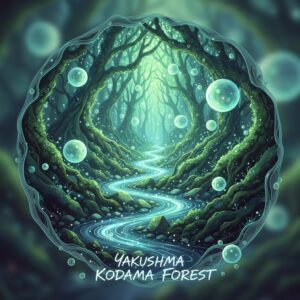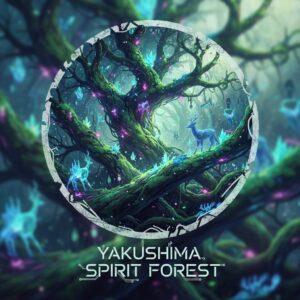
There are places on this earth that feel older than time itself, where the air hums with a silent, ancient energy. Places where every stone, every leaf, every drop of rain tells a story. Yakushima is one such place. It’s an island where reality feels thin, and myth breathes through the moss and mist. For many, its name is synonymous with the wild, enchanting landscapes of Studio Ghibli’s masterpiece, Princess Mononoke. But to stand on its soil is to realize the film wasn’t just inspired by this island; it captured its very soul. As a hiker, I’m drawn to trails that challenge the body, but Yakushima promised something more—a journey that would speak to the spirit. This is not just a destination; it’s a pilgrimage into a living, breathing world that Hayao Miyazaki shared with us on screen, a world of tenacious life, staggering beauty, and the profound, untamable power of nature.
Embracing the island’s ethereal charm, I soon found a trail where every step reverberated with timeless energy, much like an ancient forest walk that mirrors Yakushima’s mysticism.
An Island Forged by Granite and Rain
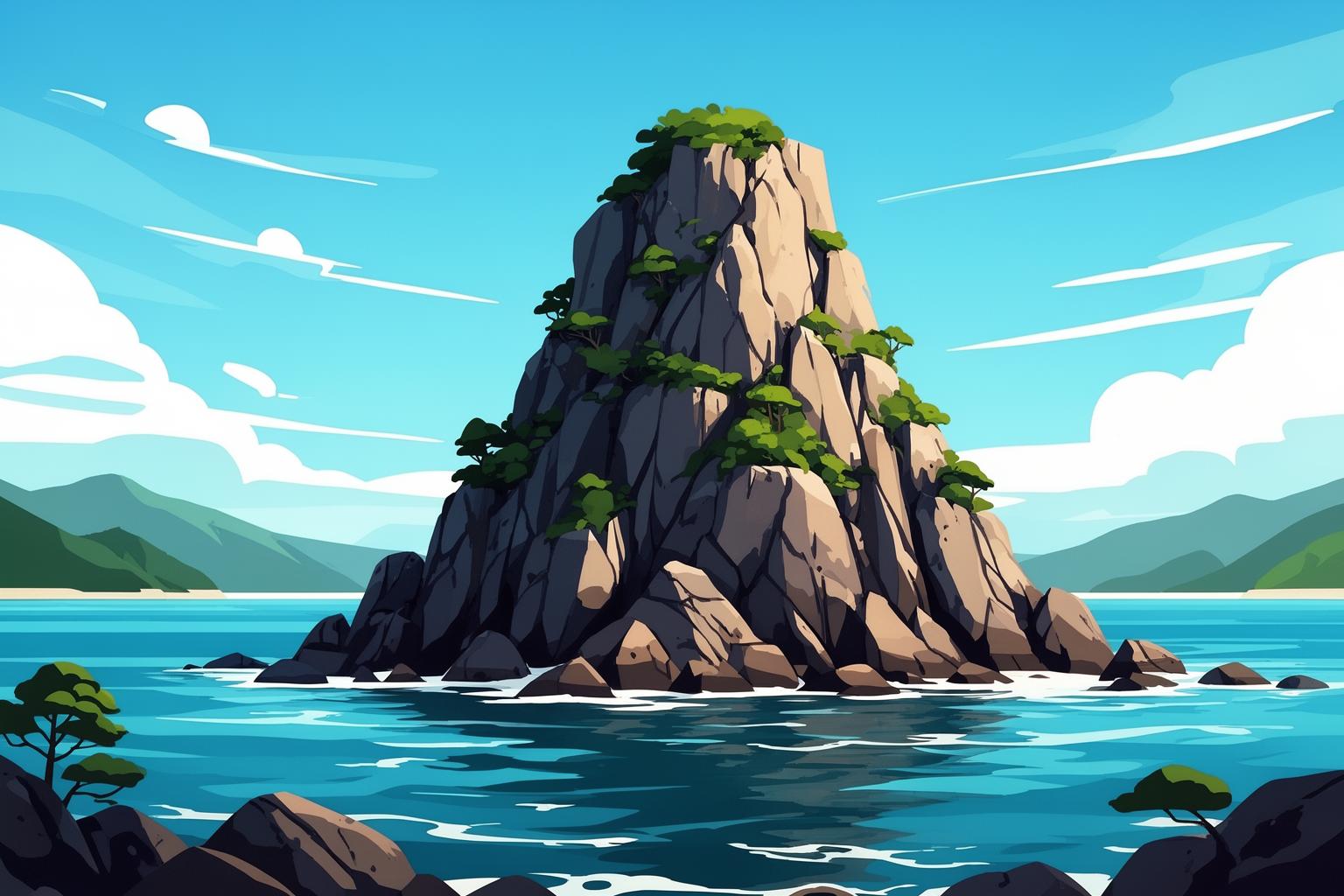
Floating in the waters south of Japan’s main islands, Yakushima forms a near-perfect circle of granite rising from the sea. It is a land of striking contrasts, where coastal beaches transition into towering, alpine-like peaks that reach nearly 2,000 meters into the sky. This striking landscape drives the island’s most renowned feature: its rain. Locals often joke that it rains “35 days a month” here; while exaggerated, this saying contains a grain of truth. The island’s mountains trap moist ocean air, forcing it upward and releasing an extraordinary amount of precipitation. This relentless rain sustains Yakushima, carving ravines, fueling thunderous waterfalls, and covering every surface in a lush, velvety moss. This is not a dull, oppressive rain; rather, it is a creative power, a sacred cleansing that revitalizes the world and supports an ecosystem of fierce vitality.
At the core of this ecosystem are the Yakusugi, the ancient Japanese cedars regarded as the island’s monarchs. These are no ordinary trees. A cedar must be at least 1,000 years old to be called Yakusugi. Their remarkable longevity stems from their high resin content, which protects them from rot and disease, enabling them to withstand centuries of typhoons and heavy rain. Standing before one of these twisted, massive trees is a humbling experience. They are living monuments, their gnarled bark shaped into symbols of wisdom and resilience. The most famous, Jomon Sugi, is believed to be anywhere from 2,000 to over 7,000 years old, silently witnessing the entire span of recorded human history.
Walking into the Frame: The Shiratani Unsuikyo Ravine
For most visitors making the journey here, the main aim is to walk through the real-life Mononoke Forest. This place is Shiratani Unsuikyo Ravine, a protected nature park so stunningly beautiful it feels like a dream. The moment you step onto the trail, the modern world fades away, replaced by a symphony of dripping water and the earthy aroma of decay and renewal. Here, the boundary between animation and reality vanishes completely. It’s a world painted in a thousand shades of green, so lush and ancient that you half-expect to see the little white Kodama, the tree spirits from the film, shaking their heads from a mossy branch.
The Moss Forest: Ghibli’s Vision Realized
The deeper you go, the more intense the experience becomes. The highlight for many is the area officially called the “Moss Forest” (Kokemusu-no-mori). It’s a breathtaking natural amphitheater where everything—the forest floor, twisted roots, fallen logs, and granite boulders—is covered by a thick, plush carpet of countless moss species. Light filters down through the dense canopy of hemlock and fir, casting an ethereal glow over the scene. It’s easy to understand why Miyazaki’s team spent so much time here. The landscape is a character in its own right. Every gnarled root seems to grip the earth with purpose, and the serene, crystal-clear streams winding through the area murmur secrets. It’s a place that demands silence, not just out of respect, but because you instinctively want to hear what it has to tell you.
Practical Trails for Every Type of Explorer
Shiratani Unsuikyo is wonderfully accessible, offering several routes suited to different fitness levels and time commitments. Well-maintained wooden paths and stone steps guide you through the most scenic spots. Shorter loops, which can be completed in an hour or two, are perfect for a gentle introduction to the forest’s magic. For those seeking a deeper connection, longer trails lead further into the wilderness, culminating at the Taikoiwa Rock viewpoint. This four-hour round trip is more challenging but rewards hikers with an astonishing panoramic view of the island’s mountainous interior. No matter which path you choose, proper gear is essential. Sturdy, waterproof hiking boots are a must, as the trails are constantly damp and can be slippery. High-quality rainwear, from jacket to pants, will be your best companion. Don’t shy away from the rain; embrace it. It’s when the forest is at its most vibrant and mystical, with the moss’s colors deepening and the mists swirling among the ancient trees.
The Deeper Pilgrimage: Beyond the Mononoke Trail
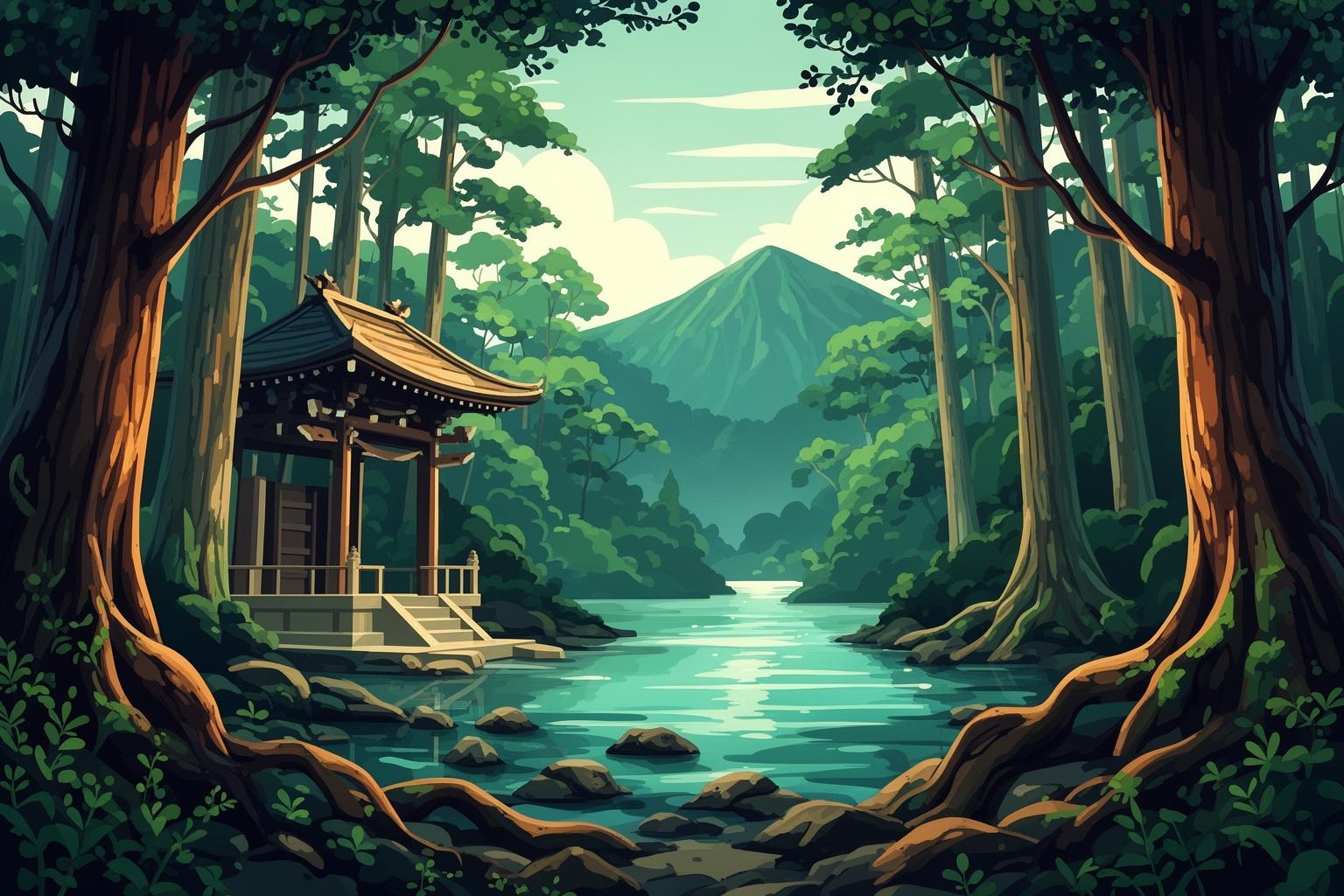
While Shiratani Unsuikyo stands as the heart of the Ghibli pilgrimage, Yakushima’s spirit reaches far beyond its boundaries. To genuinely grasp the island’s essence, you must accept its tougher challenges and venture into its wilder corners. Those who push further are rewarded with profound solitude and encounters with raw, untamed nature.
The Quest for Jomon Sugi
If Shiratani Unsuikyo is a beautiful poem, then the hike to Jomon Sugi is an epic tale. This is the island’s ultimate pilgrimage—a demanding 22-kilometer, 10 to 12-hour trek that tests your endurance and determination. The journey starts before dawn, with hikers setting off under headlamp light. Much of the trail follows the tracks of an old logging railway, the Anbo Forest Railway line, carving a flat yet seemingly endless path through the dense forest. It’s a meditative walk, the rhythmic sound of boots on wooden sleepers setting the pace. Along the route, you encounter other magnificent Yakusugi and natural wonders, including Wilson’s Stump. This enormous, hollowed-out cedar stump, felled centuries ago, is large enough to fit several people inside. If you look up from just the right angle, the opening frames the sky in a perfect heart shape, a moment of unexpected magic. The final ascent is steep and demanding, but the reward is beyond measure. Standing before Jomon Sugi at last is an emotional experience. Its immense size is almost incomprehensible, and its gnarled, ancient presence is deeply powerful. You find yourself in the presence of one of the oldest living beings on Earth—a moment of pure, unfiltered awe.
The Wild West: Seibu Rindo Forest Path
For a different kind of wilderness, the island’s western coast features the Seibu Rindo, a narrow, winding road that traverses the island’s largest remaining wilderness area and a designated World Heritage site. This region is largely uninhabited by humans but densely populated by Yakushima’s other well-known residents: the Yakushika deer and Yakuzaru macaques. Here, they are the true locals. It’s common to see monkeys grooming each other on the warm asphalt road or deer grazing quietly just feet away. Driving or hiking through this area feels like stepping into a nature documentary. The animals are mostly unafraid of humans, providing incredible chances for observation. This is where the animal-gods of Princess Mononoke come to life, where you can witness the island’s native fauna living in a world that truly still belongs to them.
The Rhythm of Island Life: Where to Rest Your Head and Feet
Experiencing the magic of Yakushima calls for some careful planning. This remote, wild island demands respect for its natural rhythms to ensure a successful trip. The logistics of reaching the island and getting around are part of the overall adventure.
Getting There and Getting Around
Yakushima is primarily accessed from Kagoshima, the southernmost major city on mainland Kyushu. From there, you have two main choices. The fastest is the high-speed hydrofoil ferry, often called the “Toppy” or “Rocket,” which crosses the water in about two to three hours. Alternatively, you can take a short but scenic flight directly into the small Yakushima Airport. Once on the island, transportation becomes the next challenge. While a public bus system exists, it is infrequent and doesn’t reach all trailheads or points of interest. To truly explore the island freely and at your own pace, renting a car is highly recommended. The roads are narrow and winding, especially through the mountains, but having the flexibility to chase good weather, stop at scenic viewpoints, or arrive at trailheads before the crowds is invaluable.
Choosing Your Basecamp
Most visitors stay in one of the two main port towns: Miyanoura in the north or Anbo in the east. Miyanoura is larger, where the high-speed ferry arrives, and offers more restaurants, shops, and rental services. Anbo is slightly smaller but popular with those undertaking the Jomon Sugi hike, as the trailhead bus departs from nearby. Accommodations on the island range from cozy, family-run guesthouses called minshuku, often offering delicious home-cooked meals, to more conventional hotels. Booking well in advance is essential, especially during peak seasons such as Golden Week in spring and the Obon holidays in summer.
Fueling the Adventure
Long days on the trail demand proper nourishment. Yakushima’s local cuisine is simple, fresh, and flavorful, drawing heavily from both the sea and mountains. A local specialty found everywhere is flying fish (tobiuo), often served deep-fried and crispy, fins included. Many lodges and bento shops prepare packed lunches specifically for hikers. Ordering a hiking bento the night before a big trek is a local tradition. These typically consist of rice balls (onigiri) and small side dishes, wrapped in bamboo leaves. They make the perfect portable meal to enjoy amid the ancient forest, providing a vital energy boost when you need it most.
More Than a Forest: The Spirit of Yakushima
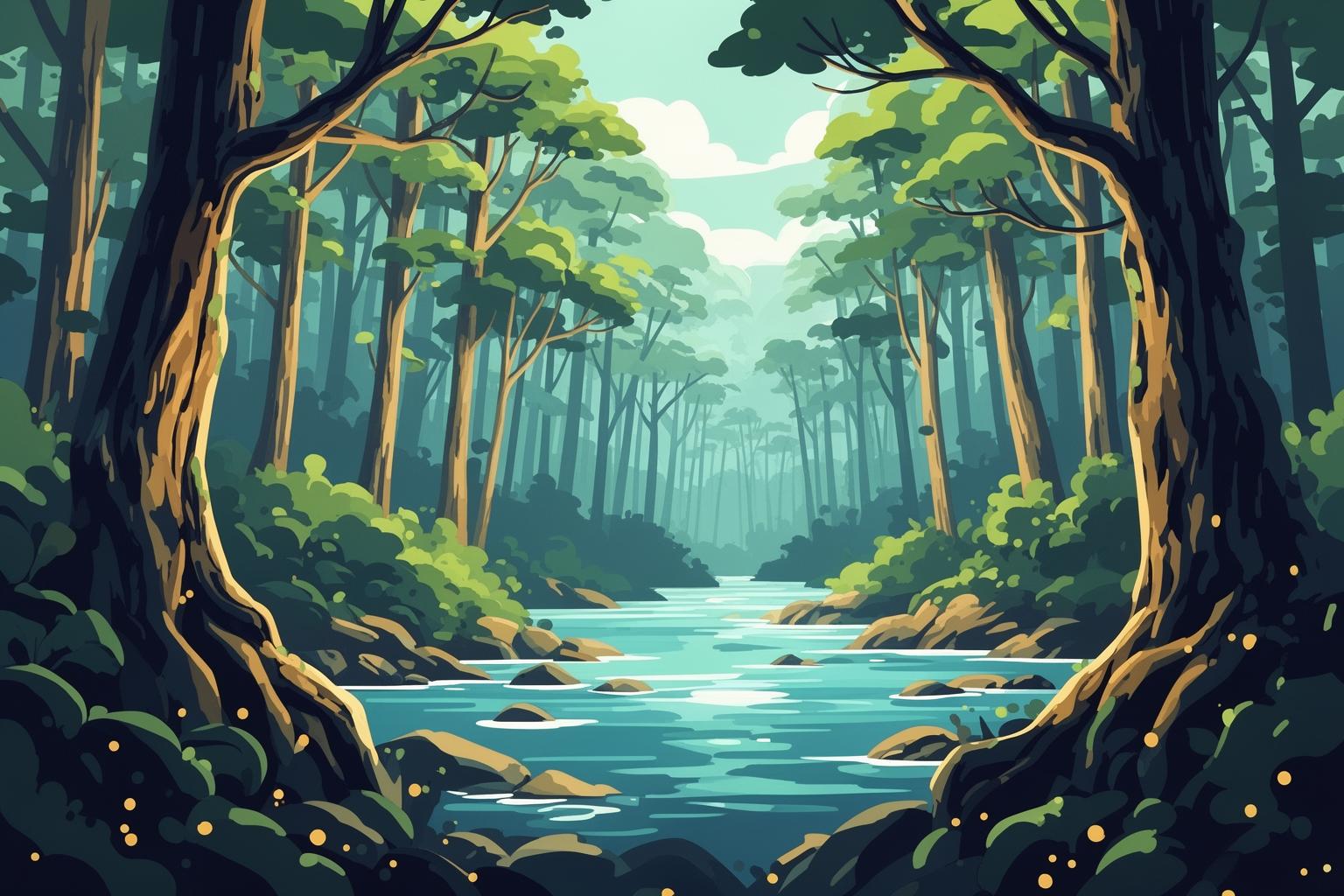
While the forests are the island’s primary attraction, its essence is equally captured in the interplay of water and stone. The same rain that nurtures the moss also forms an impressive network of rivers and waterfalls. A drive around the island passes iconic sites like Senpiro-no-taki and Oko-no-taki, where vast torrents cascade down sheer granite cliffs. The coastline holds its own special charm. Yakushima boasts several natural seaside hot springs, or onsen. The most renowned is Hirauchi Kaichu Onsen, a series of pools sculpted into the rocky shore and accessible only for a few hours daily at low tide. Soaking in the volcanic hot water as waves crash just feet away is an unforgettable experience, an ideal way to relax sore muscles after a long hike.
When to Heed the Mountain’s Call
Yakushima can be visited year-round, but each season reveals the island’s character in a unique way. Spring (March to May) is popular, with mild temperatures and blooming mountain rhododendrons and wild cherry blossoms. Autumn (October to November) is equally breathtaking, featuring crisp air and vibrant fall colors contrasting the evergreen forest. Summer brings heat, humidity, peak tourist crowds, and a higher risk of typhoons. Winter is the quietest time; the coast stays mild, but the high peaks are often blanketed in deep snow, turning the island into a peaceful, monochromatic landscape and closing some high-altitude trails. For the best combination of pleasant weather and lighter crowds, the shoulder seasons of spring and fall are your ideal choices. Whenever you visit, aim to schedule major hikes on weekdays to avoid weekend crowds.
A Traveler’s Final Thoughts
Leaving Yakushima feels like emerging from a vivid dream. The island lingers with you—the scent of damp earth, the sight of impossibly green moss, and the awe-inspiring presence of the ancient Yakusugi trees. You arrive seeking the world of Princess Mononoke, and you discover it. But you also uncover something deeper. You witness a tribute to the raw, enduring power of nature. Yakushima is not merely a setting for a story; it is the story itself. It tells a tale of resilience, of life enduring against all odds, inscribed in bark, stone, and water. For any hiker, artist, or traveler longing to reconnect with something primal and real, this island offers more than just a path. It presents a dialogue with time itself, an opportunity to walk through a masterpiece, and to hear, in the forest’s quiet, the whispers of the gods.