
There’s a feeling, a faint and persistent echo in the back of the mind, that the Japanese call natsukashii. It isn’t just nostalgia; it’s a profound, heart-achingly sweet yearning for a past you may not have even lived. It’s the scent of summer rain on asphalt, the distant chime of a train crossing, the sight of a sunbeam cutting through a dusty room. Director Makoto Shinkai bottled this very essence and poured it into his 2016 masterpiece, Kimi no Na wa, or Your Name. The film captured the world’s imagination not just with its stunning visuals and emotionally resonant story of two teenagers swapping bodies across time and space, but with its powerful sense of place. It created a world so tangible, so deeply rooted in the soil of Japan, that it felt like a memory we all shared. This resonance sparked a modern-day phenomenon: the seichi junrei, or sacred site pilgrimage, where fans journey to the real-world locations that inspired the animated dreamscape. This is not merely tourism; it’s an act of connection, a quest to stand where fictional characters stood and feel the same breeze, see the same sky, and perhaps, understand their story on a deeper, more physical level. Our journey will trace the parallel paths of the film’s protagonists, Taki Tachibana and Mitsuha Miyamizu. We will dive headfirst into the electric, sprawling metropolis of Tokyo, a universe of steel and glass that pulses with infinite stories. Then, we will travel across the heart of Japan to the serene, mountainous region of Hida in Gifu Prefecture, a place where time seems to flow a little differently, where ancient traditions whisper from every wooden lattice and moss-covered stone. This is a tale of two Japans, the hyper-modern and the timelessly traditional, woven together just like the film’s iconic braided cords. It’s a journey to find something, or someone, you’ve been searching for without even knowing it.
For travelers eager to delve deeper into the film’s urban pulse, exploring Tokyo pilgrimage trails offers an immersive encounter with the city’s vibrant legacy.
Tokyo’s Concrete Canvas: Tracing Taki’s Footsteps
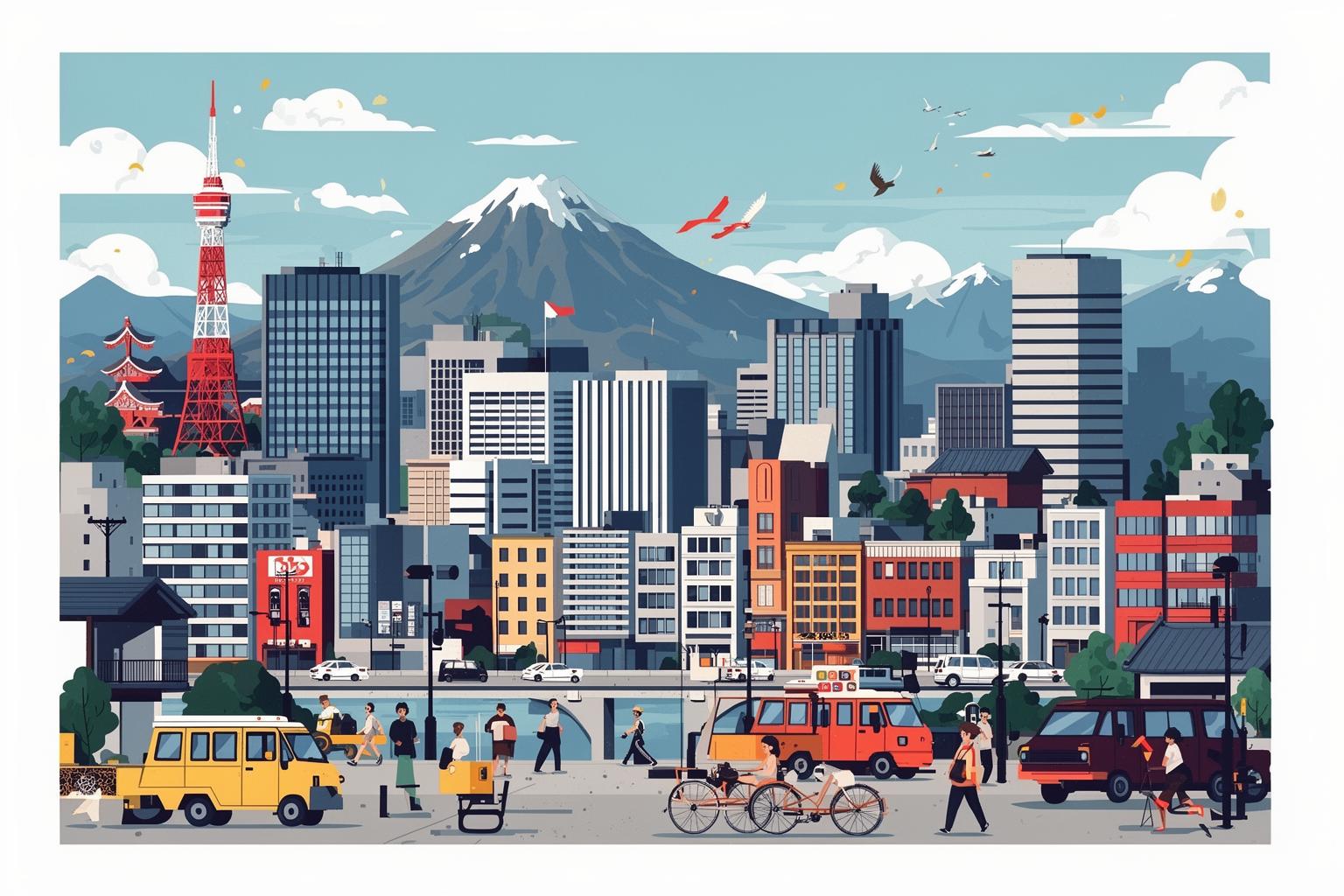
Tokyo is less a city and more a living entity—a dazzling network of arteries pulsing with light, sound, and the relentless forward momentum of millions of lives. This is Taki Tachibana’s world, a landscape of towering skyscrapers, complex train lines, and faceless crowds. Walking through Tokyo in search of Your Name means seeing the city through his eyes—a place of ambition, youthful uncertainty, and fleeting connections. It’s a world drawn in sharp lines and cool urban tones, where the sky is often just a narrow strip of blue framed by concrete giants. Yet beneath the overwhelming scale lie pockets of quiet humanity and unexpected beauty, the very settings where the film’s most poignant moments unfold. Our journey begins here, in the heart of this concrete jungle, to uncover the soul of Taki’s story etched into the city itself.
The Iconic Red Staircase: Suga Shrine in Yotsuya
Few images in modern animation evoke as much emotion as the final scene of Your Name. The shot of Taki and Mitsuha, years after their memories have faded, finally meeting on a striking red-railed staircase is etched into the minds of fans. This staircase is not imaginary; it is real, belonging to Suga Shrine, nestled in a quiet residential corner of Yotsuya, a district worlds apart from the neon glow of nearby Shinjuku. Finding it is an adventure in itself. After exiting Yotsuya Station, you navigate a labyrinth of sloping streets and unassuming apartment buildings, where the city’s roar softens to a gentle hum. The air becomes still. Then, you turn a corner—and there it is. The view is instantly recognizable, a perfect recreation that sends a shiver of recognition down your spine. The steep stone steps, the vivid vermilion handrails, the wall of green trees on one side and dense urban sprawl on the other—it’s all exactly as shown. Standing at the top or bottom, you can’t help but reenact the scene mentally, feeling the weight of their long search. The atmosphere blends the cinematic with the everyday: local residents walk dogs, children cycle by, and life goes on, unaware of the profound emotional significance this spot holds for visitors worldwide. The shrine itself, at the top of the stairs, is a peaceful and charming local Shinto sanctuary offering a moment of quiet reflection. Visiting isn’t about grand spectacle but a personal moment of connection. For the best experience, try to visit on a weekday morning when the light is soft and crowds are few, allowing you to savor the moment and feel the musubi—the connection—that the film beautifully expresses.
Crossroads of Fate: Shinjuku’s Scrambles and Skylines
If Suga Shrine is the film’s emotional core, Shinjuku is its frenetic, pulsing circulatory system. This is the Tokyo of postcards and cyberpunk dreams and serves as the primary backdrop for Taki’s daily life. The film is filled with sweeping panoramic shots of this district—from the uniquely shaped Mode Gakuen Cocoon Tower to the endless rivers of people flowing through Shinjuku Station, the busiest train station in the world. Stepping into Shinjuku means being swept up in a torrent of sensory overload. The cacophony of train announcements, J-pop blaring from storefronts, and the murmur of a thousand conversations create a unique urban symphony. At night, the district transforms into a galaxy of neon, as signs and video screens illuminate the sky in electric hues. One of the film’s most iconic locations is the Shintoshin Pedestrian Bridge, a circular overpass near the Tokyo Metropolitan Government Building. From here, you can capture the classic shot of traffic streams weaving below—a visual metaphor for the countless lives intersecting, diverging, and occasionally, miraculously connecting. This is where Taki’s world feels vast and impersonal, underscoring his sense of being just one small part of an enormous, indifferent city. Another significant spot is Cafe La Bohème, the real-life restaurant inspiring the one where Taki had his part-time job. Visiting these places allows you to piece together Taki’s reality and grasp the urban rhythm that shaped him. The best way to experience Shinjuku is simply to wander—lose yourself in its energy. Let the crowd’s flow guide you from the skyscraper district on the west side to Kabukicho’s chaotic entertainment hub on the east. In this overwhelming, exhilarating chaos, the search for a single meaningful connection—the film’s central theme—feels most urgent and profound.
A Moment of Respite: The National Art Center, Roppongi
Amid the urban sprawl, Taki finds a moment of cultured calm during his date with his coworker Okudera-senpai. Their lunch takes place in the stunning, sunlit atrium of The National Art Center in Roppongi—a testament to Makoto Shinkai’s meticulous eye for architectural beauty. Designed by the legendary Kisho Kurokawa, the building is a masterpiece of modern design, featuring a massive, undulating glass facade that floods the interior with natural light. The film captures the atmosphere of Salon de Thé ROND, a café perched atop a giant concrete cone within the atrium. Visiting this spot feels like stepping right into the anime. You can sit at a table, order a coffee, and gaze out through towering glass walls, just as the characters did. The mood is one of refined tranquility—a serene island amid Tokyo’s storm. It’s a place for quiet conversation and introspection. The center itself is a world-class art institution, hosting rotating special exhibitions rather than a permanent collection, making each visit unique. Even without paying to enter an exhibition, the grand atrium, library, and gift shop remain open to the public. Roppongi, known for its nightlife and international flair, offers a different urban texture than Shinjuku. A visit to the art center provides a perfect cultural interlude—a moment to pause and appreciate the slower, more deliberate aspect of city life, reflecting the nature of Taki’s date—a moment of potential connection that ultimately underscores the one his heart truly seeks.
Hida’s Timeless Heartbeat: Discovering Mitsuha’s World
A journey on the Shinkansen bullet train, followed by a switch to a rattling local line, transports you not only across physical distance but seemingly through time itself. Leaving behind the concrete canyons of Tokyo, the landscape gently transforms into rolling hills, dense forests, and vibrant emerald rice paddies. This is the world of Mitsuha Miyamizu, the fictional town of Itomori, rooted in the very real Hida region of Gifu Prefecture. It is a land carved by mountains and upheld by tradition, where the concept of musubi feels interwoven into the fabric of everyday life. The air is purer, the silence more profound, and the rhythm of life is dictated by the seasons rather than the subway timetable. Exploring Hida is like stepping into a softer, more ancient Japan, gaining insight into the deep cultural roots and spiritual heritage that shape Mitsuha’s identity and her yearning for a realm beyond her own.
The Rural Gateway: Hida-Furukawa Station
Your entry into Mitsuha’s world begins, as it did for Taki, at Hida-Furukawa Station. This modest train station serves as the region’s gateway and a crucial setting in the film. It’s here that Taki and his friends, armed with a single hand-drawn sketch, embark on their desperate search for a town and a girl who might not even exist. The station has quietly embraced its cinematic fame. The wooden benches, ticket gates, and the overhead walkway from which Taki gazes over the tracks remain exactly as shown on screen. Fans often wait patiently for the Limited Express Hida train to arrive, allowing them to capture photos perfectly matching the anime’s frames. You’ll even spot a small figure of the Hida-gyu cow mascot, a charming detail borrowed directly from the film. Stepping outside the station, the atmosphere immediately shifts from Tokyo’s bustle. The air carries the scent of pine and damp earth, while the soundscape is filled with birdsong and the distant clang of a blacksmith’s hammer. The station sets the tone for your Hida exploration: authentic, welcoming, and a genuine piece of rural Japan rather than a theme park. It is the perfect starting point to understand the profound sense of community and place that defines Mitsuha’s life, and why the threat of losing it is so heart-wrenching.
Whispers of Tradition: The Streets of Hida-Furukawa
The town of Hida-Furukawa serves as the primary inspiration for Itomori’s landscapes. A short walk from the station reveals a beautifully preserved townscape. The Seto River, a narrow canal alive with thousands of vibrant orange and white koi fish, runs alongside pristine white-walled storehouses (shirakabe dozogai). The gentle murmur of flowing water is the town’s constant soundtrack. Streets are lined with traditional wooden merchant houses, their dark latticed facades telling centuries-old stories. This is a town of artisans. You can peer into workshops where craftsmen hone intricate woodworking skills or visit local sake breweries operating for generations. Two key film locations are found here. First is the Hida City Library, a modern, welcoming building where Taki uncovers the tragic truth about Itomori. The library staff are familiar with pilgrims and have a designated visitor area where quiet respect is requested, as it remains a functioning public library. Second is the bus stop where Tessie and Sayaka wait, located just outside the station. Strolling through Hida-Furukawa is a meditative experience. You can savor gohei mochi, the grilled rice cake skewer favored by Taki, from a local vendor. The worn wooden beams of the buildings seem to hold the town’s history. The town embodies the beauty and the perceived limitations of Mitsuha’s life—deeply rooted in tradition and a place where everyone knows everyone, a stark contrast to Taki’s anonymous existence in Tokyo.
The Spiritual Core: Hien Shrine and Ketawakamiya Shrine
Mitsuha’s life is deeply intertwined with her role as a miko, or shrine maiden, at the Miyamizu Shrine, a sacred site nestled within the caldera of the comet-struck lake. While the Miyamizu Shrine itself is fictional, its spiritual essence draws from real Shinto sanctuaries in the Hida region. The Ketawakamiya Shrine, perched on a small hill in Hida-Furukawa, is often mentioned by pilgrims as a key inspiration. Its stone steps and guardian statues evoke the entrance to Mitsuha’s family shrine. Walking up the path framed by towering cedar trees, you can easily imagine the setting for the town’s ancient rituals. The air grows cooler and more still, filled with reverence. For a fuller spiritual experience, many pilgrims also visit the nearby city of Takayama to see the Hien Shrine. Although its architecture differs, its hilltop location overlooking the town and the long, atmospheric flight of stairs leading up to it strongly resonate with the imagery of the Miyamizu Shrine. It is here, in the quiet solitude of these sacred grounds, that you can best reflect on the film’s deeper themes. The Shinto belief in the interconnectedness of all things, the spirits (kami) residing in nature, and the importance of ritual and tradition—all serve as the foundation of Mitsuha’s world. Offering a simple prayer, listening to the rustle of leaves and the caws of crows, you can sense the ancient, enduring heartbeat of Japan that pulses so powerfully throughout Your Name.
The Pilgrim’s Practical Guide: Weaving Your Own Story
Embarking on a seichi junrei for Your Name is much more than a simple sightseeing trip; it offers an immersive narrative experience. To ensure the journey is as smooth and enchanting as possible, some practical planning is necessary. Bridging the two distinct worlds of Tokyo and Hida demands a careful approach to travel, timing, and embracing the local culture. This is your opportunity to step beyond the screen and forge a personal connection to the story, creating a journey that serves both as a tribute to the film and a unique adventure in its own right.
Planning Your Itinerary: A Tale of Two Journeys
Traveling between Tokyo’s urban sprawl and Gifu’s alpine heart is a quintessential Japanese experience. The most efficient way is via Japan’s renowned train system. From Tokyo, take the Tokaido Shinkansen to Nagoya, then transfer to the JR Hida Limited Express, which meanders through stunning mountain scenery to Takayama. From Takayama, Hida-Furukawa is just a 15-minute trip on the local Takayama Main Line. Alternatively, you can travel on the Hokuriku Shinkansen to Toyama and catch the Hida Limited Express there. The entire trip takes about four to five hours. For international visitors, the Japan Rail Pass is an excellent cost-effective choice for this route. It’s advisable to allocate at least two full days in Tokyo to absorb its energy and visit key sites without rushing. In the Hida region, plan at least one full day, though two is preferable. This allows exploration of both Hida-Furukawa and the charming nearby city of Takayama, which serves as a convenient base offering more accommodation and dining options. Booking hotels and major train journeys in advance—especially during peak seasons like the spring cherry blossoms or autumn foliage—is strongly recommended to avoid disappointment.
When to Visit: Capturing the Seasons of “Your Name”
Makoto Shinkai masterfully portrays the seasons, and the world of Your Name is alive with nature’s changing moods. Your pilgrimage experience can vary wonderfully depending on when you visit. Spring (late March to April) is enchanting, with cherry blossoms framing scenes in both Tokyo and Hida, reflecting the delicate beauty of Itomori. The Takayama Spring Festival also occurs in April, offering a spectacular cultural event. Summer (June to August) features lush, vibrant greens and the constant chorus of cicadas, creating an atmosphere pulsing with life, mirroring the film’s summer scenes. Be prepared for heat and humidity. Autumn (October to November) might be the most breathtaking season in the Hida mountains. The landscape bursts into fiery reds, oranges, and yellows, providing a stunning backdrop for your trip. The weather is crisp and pleasant, and Takayama hosts its autumn festival. Winter (December to February) blankets Hida in snow, transforming the area into a tranquil, monochrome wonderland. Though beautiful, travel can be more challenging and some mountain paths may be closed. Each season offers a distinctive perspective on these now-iconic landscapes, allowing you to discover your perfect moment in time.
Local Flavors and Souvenirs
A pilgrimage is also a journey of the senses, and the local cuisine of each region offers a delicious connection to the film. In Tokyo, immerse yourself in Taki’s world by dining at a stylish Italian restaurant or grabbing a quick meal at one of the many ramen shops nestled under railway arches. In Hida, the culinary offerings are essential. The region is renowned for its melt-in-your-mouth Hida beef (Hida-gyu), available as steak, skewered, or in steamed buns. Be sure to try gohei mochi, the savory grilled rice cake coated with a sweet miso and walnut sauce that Taki and his friends enjoy. The pure mountain water also produces exceptional sake, and many local breweries in Hida-Furukawa and Takayama offer tastings. Perhaps the most meaningful souvenir from this journey is a kumihimo, the braided cord symbolizing connection and fate in the film. In Hida, you can visit shops selling these exquisite handmade cords, and some even provide workshops where you can braid your own—a tangible memento of the threads linking time, people, and places.
Beyond the Screen: The Deeper Meaning of a Pilgrimage
To journey through the world of Your Name is to understand that this pilgrimage goes beyond simply matching real-life locations to anime screenshots. It’s an exploration of the profound dualities that shape Japan itself. It’s the thrilling contrast between Tokyo’s vibrant modernity and the deep, tranquil traditions of Hida. It’s the experience of Taki’s vast, impersonal city life juxtaposed with Mitsuha’s close-knit, intertwined community. Standing on the Yotsuya staircase, you sense the weight of countless untold stories in the city behind you. Standing in a Hida shrine, you feel the weight of a millennium of history in the ancient trees surrounding you. The film uses this contrast to delve into its core theme of musubi—the Shinto concept of invisible threads that bind and connect all things. Along this journey, musubi reveals itself everywhere. You see it in the intricate web of train lines that connect the country. You see it in the delicate craft of kumihimo braiding, a tangible expression of entwined, tangled, and ultimately united destinies. You see it in the shared experience of standing in a special place beside strangers from across the globe, all drawn by the same story. This pilgrimage becomes a way to physically engage with the film’s message: that even across great distances, differing lifestyles, and the passage of time, powerful bonds can form, break, and re-form. The journey deepens your understanding of the film and, more profoundly, offers a richer, more personal insight into the heart and soul of Japan.
As your journey comes to a close, whether you’re gazing at the Tokyo skyline from a towering skyscraper or listening to the gentle flow of Hida-Furukawa’s canals, a sense of fulfillment settles within you. You set out seeking the world of an anime but discovered something greater: a tangible connection to a story that moved you, and a deeper appreciation for the real places that brought it to life. The landscapes of Taki and Mitsuha are no longer just images on a screen; they have become your own memories, infused with the sounds, scents, and emotions of your personal adventure. You may have arrived searching for someone else’s story, but in the end, you depart with a new chapter of your own, woven from the very threads of time, place, and connection you sought to find.