

There are films that entertain, and then there are films that change you. They weave themselves into the fabric of your memory, their music becoming the soundtrack to your daydreams, their visuals coloring the way you see the world. Makoto Shinkai’s masterpiece, Your Name. (Kimi no Na wa.), is one such film. It’s a breathtaking story of connection, distance, and destiny, painted with light and shadow so vivid you can almost feel the Tokyo sun on your skin or the crisp mountain air of Itomori. The film’s emotional core resonates universally, but its soul is intrinsically Japanese, rooted in tangible, real-world places. For fans across the globe, the story doesn’t end when the credits roll. It’s an invitation to step through the screen and into the world of Taki and Mitsuha. This is the heart of seichi junrei, or anime pilgrimage, a journey to the sacred sites that brought our favorite stories to life. It’s a chance to stand where they stood, see what they saw, and feel the powerful thread of connection—musubi—that ties fiction to reality. This guide is your map, your companion on a quest to rediscover the magic of Your Name. on the very streets that inspired it, a journey through the heart of modern Tokyo, chasing the ghosts of a story that captured the world.
For travelers eager to extend their journey beyond Tokyo, a visit to Yakushima’s ancient forest offers a serene encounter with Japan’s timeless natural spirit.
The Heart of the Connection: Suga Shrine’s Iconic Steps
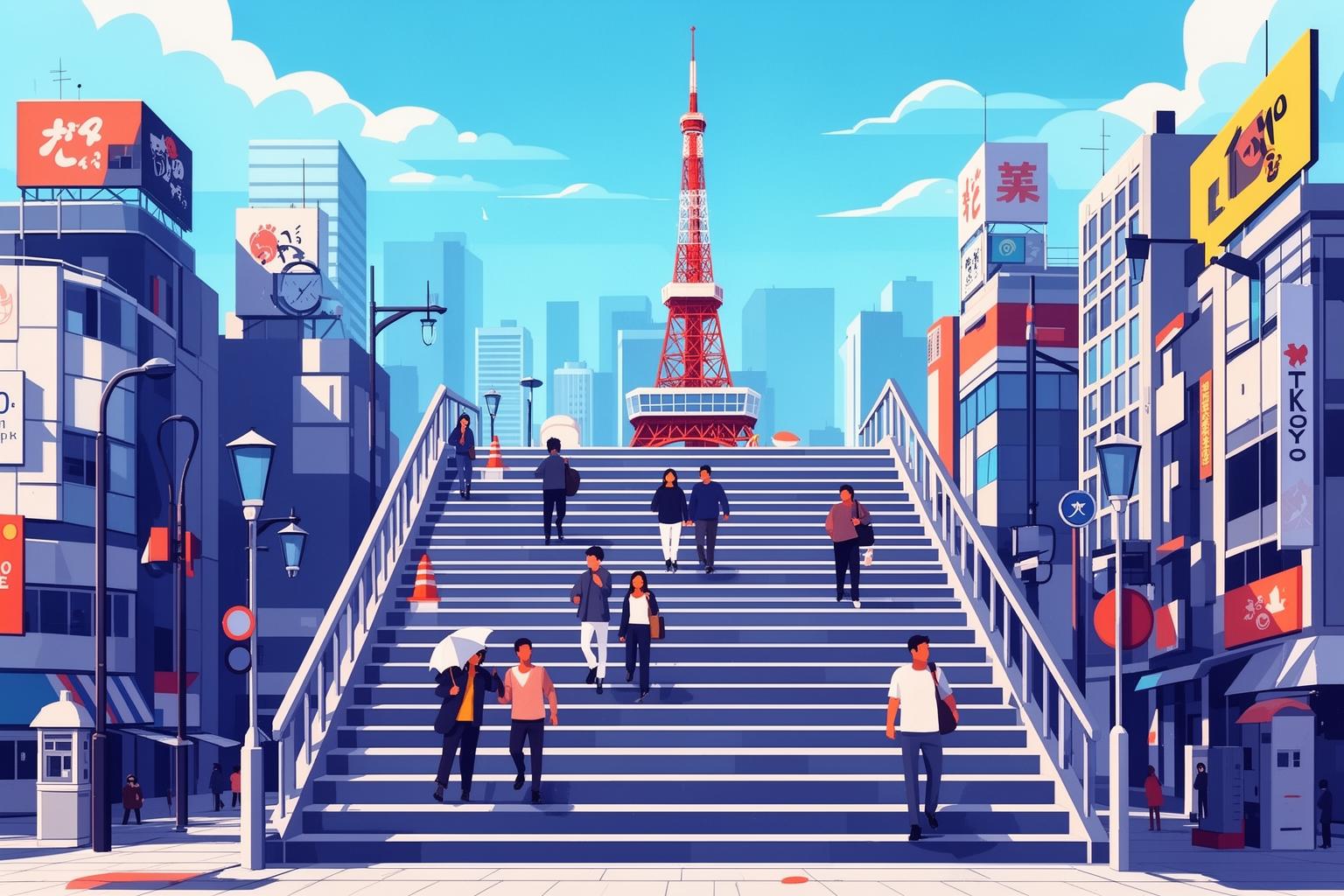
Every great story has its emotional zenith, a single, unforgettable image that captures its entire essence. For Your Name., that image is undoubtedly the red-railed staircase where Taki and Mitsuha, years after their fateful connection, finally reunite. This sacred place exists, and it’s both exactly as you imagined and wonderfully, peacefully different. Tucked away in a quiet residential corner of Yotsuya, a district in Shinjuku ward, are the steps leading up to Suga Shrine. Reaching here is a pilgrimage in itself. You’ll likely arrive at Yotsuya-Sanchome Station on the Marunouchi Line and weave through narrow streets lined with modest homes and small local shops. The contrast with the film’s intense emotional climax is immediate. There’s no dramatic score swelling, just the gentle hum of city life and perhaps the bell of a passing bicycle.
Then, you see it. As you turn the corner, the familiar incline and vibrant red handrails come into view. It’s a surreal moment. The staircase seems smaller in person, more intimate. It’s not a grand monument but a simple, functional part of the neighborhood. This is the magic of the location. It’s a site of deep meaning to millions, yet it remains a tranquil spot where locals go about their daily lives. When you stand at the bottom and look up, or at the top and look down, you can almost see them—Taki in his suit, Mitsuha in her coat, their frantic search finally over. The air itself feels charged with a gentle, hopeful energy. To capture the perfect photo—one that mirrors the movie’s iconic key visual—you’ll need patience and a keen eye for angles. The classic shot is taken from midway down the opposite staircase, looking back with the city skyline framed perfectly between the buildings. The best times to visit are early morning, when soft light filters through the buildings and the streets are quietest, or during the golden hour just before sunset, when the scene is bathed in a warm, nostalgic glow straight from Shinkai’s color palette. Remember, this is a residential area. The most important advice is to be respectful: keep your voice low, avoid blocking the path for residents, and absorb the quiet power of the place. It’s more than a photo opportunity; it’s a moment to stand within the resolution of a beautiful story and feel that profound sense of relief and joy for yourself.
Taki’s Tokyo: A Tour of Shinjuku’s Urban Landscape
If the steps of Suga Shrine embody the emotional core of the film, then the vast, dazzling district of Shinjuku represents its vibrant, pulsating soul. This is Taki’s realm—a vertical city of glass towers, neon-lit streets, and an endless flow of people. It perfectly captures the overwhelming, thrilling, and occasionally lonely reality of life in the world’s largest metropolis. The film skillfully employs actual Shinjuku locations to deepen Taki’s character and to create a striking contrast with Mitsuha’s peaceful, traditional countryside life. Visiting these places offers a richer appreciation of the film’s meticulous attention to detail and a tangible sense of the environment that shaped Taki.
The National Art Center, Roppongi: A Date to Remember
Our first stop in Taki’s world lies not within Shinjuku itself, but in the stylish neighboring district of Roppongi. Here, you’ll find The National Art Center, Tokyo, the setting for Taki’s somewhat awkward yet beautifully portrayed date with his coworker, Okudera-senpai. The moment you see the building, you’ll understand why Shinkai selected it. Its flowing glass facade, designed by the acclaimed architect Kisho Kurokawa, resembles a crystalline wave rising amid the city. It’s a masterpiece of contemporary design, and the film perfectly captures its bright, airy interior.
Upon entering, a sense of calm and elegance envelops you. The expansive atrium is flooded with natural light, and the concrete cones scattered throughout create a captivating visual rhythm. For the ultimate pilgrimage, head to the second floor to Salon de Thé ROND, the very cafe where Taki and Okudera-senpai sat. This circular cafe, perched atop one of the concrete cones, offers panoramic views of the atrium. You can order coffee and cake to recreate the scene yourself. It’s a moment to reflect on Taki’s journey, his feeling of being slightly out of place, and the subtle, persistent memories of Mitsuha that he cannot quite grasp. Beyond the cafe, the center itself is a leading art institution with ever-changing exhibitions—be sure to check their schedule ahead of time. To get here, take the Chiyoda Line directly to Nogizaka Station, which features a dedicated exit leading straight into the museum. The transition from the underground metro to a cathedral of modern art is seamless—a perfect, elegant beginning to your tour of Taki’s Tokyo.
Shinjuku Station and the Concrete Canyons
From the serene art center, we plunge into the dynamic chaos of Shinjuku. Shinjuku Station is the busiest train station in the world, a sprawling maze through which millions pass daily. In Your Name., it serves as a recurring visual motif, symbolizing the vast, interconnected web of lives in the city. The film showcases stunning shots of trains gliding between skyscrapers, brilliantly capturing the scale and motion of the area. While there’s no need to seek out a specific spot inside the station, simply navigating its corridors and platforms immerses you in the experience of being one among countless Tokyo commuters, just like Taki.
Just outside the station, more iconic scenes await. The large, circular pedestrian bridge near the Shinjuku Police Station is one of the most recognizable locations. From this vantage point, the film presents sweeping cityscape shots, with the distinctive Tokyo Mode Gakuen Cocoon Tower dominating the skyline. Standing here, especially at night, is truly unforgettable. The city pulses with a symphony of lights—rivers of red and white car lights flow beneath you, building facades sparkle with advertisements, and the vibrant energy of the place is tangible. This is the Tokyo of Taki’s everyday life, the world he navigated while carrying the strange, beautiful memories of a girl he’d never met. It stands in stark contrast to the quiet steps of Suga Shrine, yet is equally essential to the story’s setting. Experiencing this contrast firsthand is crucial to appreciating the two worlds the film so masterfully weaves together.
A Taste of Mitsuha’s World: Beyond Tokyo
While this journey highlights the accessible and iconic spots within Tokyo, truly understanding Your Name. requires an appreciation of Mitsuha’s world—the fictional town of Itomori. Although Itomori doesn’t exist, it is inspired by a very real and charming place: Hida-Furukawa, a small city nestled in the mountains of Gifu Prefecture. For those dedicated pilgrims willing to travel beyond the capital, a trip to Hida offers a deeply rewarding experience. It’s like stepping back in time to the serene, traditional Japan that Mitsuha called home.
The journey itself is part of the adventure—a scenic train ride on the JR Hida Wide View Express winding through mountains and along rivers, mirroring Taki’s desperate search for Mitsuha’s town. Upon arrival in Hida-Furukawa, you’ll recognize landmarks at every turn. The Hida-Furukawa Station is depicted with remarkable accuracy in the film. The Hida City Library is where Taki and his friends researched the comet disaster’s history. Visitors are welcomed, and there is even a dedicated section for Your Name. fans, though proper photography etiquette should be respected. Perhaps the most significant site is the Keta Wakamiya Shrine, which inspired the Miyamizu family shrine. Climbing its stone steps, surrounded by towering cedar trees, you can almost hear the rustle of Mitsuha’s priestess robes and sense the ancient traditions she upheld. Visiting Hida-Furukawa completes the narrative circle, giving you a tangible connection to the world Mitsuha was striving to protect. It enhances the film’s emotional resonance by showing that the beauty of Itomori is not just an animator’s creation but rooted in the real, enduring charm of Japan’s countryside.
Crafting Your Perfect “Your Name.” Itinerary
Integrating these locations into a seamless one-day Tokyo pilgrimage is simpler than you might expect, thanks to the city’s exceptional public transit system. A well-planned and enjoyable route lets you experience the city’s changing moods and narrative, moving from modern elegance to urban vibrancy, and finally to peaceful reflection. Begin your day around 10:00 AM at The National Art Center in Roppongi, right when it opens. This timing lets you appreciate the architecture and relax at the Salon de Thé ROND in a relatively calm setting before the afternoon crowds arrive. After enjoying art and coffee, take a short subway ride to the lively core of Shinjuku.
Plan to reach Shinjuku by early afternoon. This gives you ample daylight to explore the area around the station, find the pedestrian bridge near the police station, and wander through the city’s concrete canyons, soaking in its rhythm. Shinjuku is also an excellent spot for lunch, offering a wide range of options from basement ramen shops to upscale department store eateries. As late afternoon approaches, head to Yotsuya for the final and most moving stop of the day: Suga Shrine. Arriving during the golden hour gives you the best chance to capture that magical, cinematic light on the iconic steps. The warm, angled sunlight will make the red rails stand out and cast long shadows, creating a deeply atmospheric scene. This timing also allows you to conclude your day with quiet reflection, a peaceful contrast to Shinjuku’s exhilarating energy. This journey echoes the film’s emotional arc, ending with a hopeful and destined moment of connection.
Practical Tips for the Modern Pilgrim
To ensure your trip runs smoothly and pleasantly, a few practical tips can be very helpful. First, invest in an IC card such as Suica or Pasmo. These rechargeable cards are your gateway to the city, letting you tap and ride on almost all trains and buses without the hassle of buying individual tickets for each trip. They can also be used at most convenience stores. Second, wear comfortable shoes. You’ll be walking quite a bit, not only between sites but also through large train stations. Your feet will thank you. Third, stay connected by renting a pocket Wi-Fi device or purchasing a travel SIM card. This will be invaluable for navigating with Google Maps and sharing that perfect shot from the Suga Shrine steps instantly. Finally, embrace the spirit of respect that lies at the heart of Japanese culture. When visiting Suga Shrine, keep in mind it is an active place of worship located in a residential neighborhood. Be considerate of noise and your presence. This quiet respect will not only be appreciated by locals but will also deepen your own experience, allowing you to connect with the places on a richer, more meaningful level.
More Than Just a Movie Set: The Enduring Magic of Seichi Junrei
Completing a seichi junrei for a film like Your Name. offers a uniquely powerful experience. It shifts you from a passive viewer into an active participant in the narrative. These are no longer merely beautifully illustrated backgrounds on a screen; they become tangible places filled with personal memories. You’ve walked the same pavement, seen the same skyline, and felt the same atmosphere. The sun-dappled steps of Suga Shrine become more than just an image—they are a place where you stood and sensed the weight of a story that touched millions. The glass wave of The National Art Center is no longer just a backdrop for a date, but a space where you sat and reflected on the film’s themes of missed connections and searching.
The journey deepens your appreciation for Makoto Shinkai’s craftsmanship. You realize the incredible dedication and passion poured into recreating our world with such accuracy and love. Every telephone pole, vending machine, and crack in the sidewalk feels purposeful, selected to build a world that is both magical and entirely believable. This pilgrimage bridges the divide between the world on screen and the world beneath your feet. It stands as a testament to the power of storytelling to sanctify the ordinary—to transform a simple staircase into a shrine of hope, and a busy intersection into a stage for fate. As you head home, memories of these places will linger, and the next time you watch Your Name., you won’t just be watching a film. You’ll be reliving a journey, recalling the feeling of Tokyo’s air on your skin, and cherishing the unique, personal musubi you’ve formed with a story that continues to resonate across time and space.








