
There’s a peculiar magic that happens when the world of a beloved film bleeds into our own. It’s a faint shimmer in the air, a jolt of recognition in a place you’ve never been, yet know by heart. For millions around the globe, Makoto Shinkai’s animated masterpiece, ‘Your Name’ (Kimi no Na wa), wasn’t just a movie; it was an emotional landscape. Its story of connection, time, and longing was painted across a canvas of real-world Tokyo, blending breathtaking fantasy with the comforting, chaotic rhythm of the city’s streets. To walk these streets is to trace the footsteps of Taki and Mitsuha, to feel the pulse of their world beneath your own feet. It’s a pilgrimage not to a fictional land, but to the very soul of the city that inspired it. This journey invites you to step through the screen, to find the sublime in the everyday, and to experience the quiet, residential lanes of Yotsuya and the electric thrum of Shinjuku not as a tourist, but as a keeper of a shared, beautiful memory. It’s a chance to see if that cinematic magic still lingers in the afternoon light, waiting to be rediscovered.
For those drawn to the film’s evocative blend of fantasy and urban reality, delving into the real-life locations can add an extra layer of connection to its magic.
The Yotsuya Staircase: Where Worlds Finally Collide
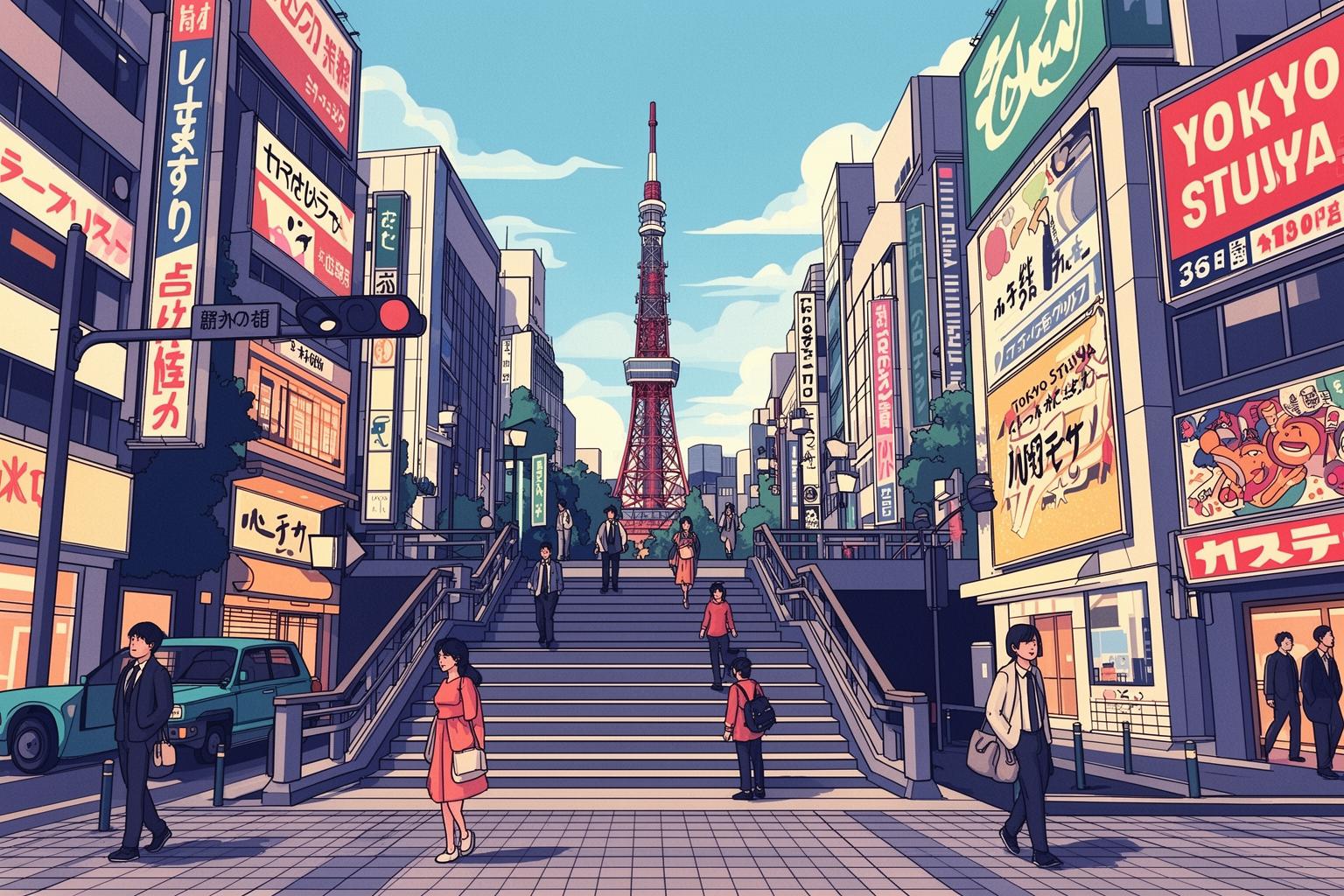
Our adventure begins not with a bang but with a whisper. Stepping off at Yotsuya Station, you leave behind the immediate hustle of central Tokyo and enter a world that feels distinctly more local and lived-in. The air here is quieter, the pace gentler. This is the heart of the pilgrimage, the backdrop for the film’s poignant, unforgettable climax. The walk to Suga Shrine is a crucial part of the experience, a gradual build of anticipation. You’ll wander through narrow residential streets, past modest apartment buildings adorned with carefully tended potted plants, and beneath a web of utility lines that seem to stitch the sky together. It’s wonderfully, beautifully ordinary. There are no grand signs to guide you, no tourist crowds to follow. You navigate with a map and a feeling, sensing that you’re drawing nearer.
And then, you see it. You turn a corner, and there it is: the staircase. It’s an almost surreal moment. Your mind takes a moment to process the image, matching it to the one etched into your memory from the film. The vibrant red handrail slicing sharply against the cool gray stone steps, the leafy canopy of trees framing the scene, and the city skyline peeking through the gaps between buildings beyond. It’s all exactly there. The sense of recognition is so powerful it can take your breath away. Standing at the bottom, looking up, you can almost hear the film’s score swelling in your mind. You can imagine Taki and Mitsuha, their paths finally, impossibly crossing on these very steps. It feels less like a film set and more like a sacred place, where a story so powerful was allowed to reach its conclusion.
For families, this is a surprisingly peaceful moment. Our children, who knew the scene by heart, were hushed with a sense of wonder. They didn’t see just a simple staircase; they saw the place where the magic happened. The best times to visit are either early in the morning, when soft light filters through the trees and the neighborhood remains sleepy, or late in the afternoon. This is the “magic hour,” a recurring theme in Shinkai’s work, when the world is bathed in a warm, golden glow. The light catches the leaves and the railing, making the entire scene feel deeply, achingly cinematic. A word of gentle caution: this is a residential neighborhood. People live here. Their children play here. It’s important to be respectful. Keep your voices low, avoid blocking the stairs for extended periods, and absorb the atmosphere with quiet reverence. The magic of this place lies in its authenticity, and preserving that is a shared responsibility.
Beyond the Steps: Soaking in the Cinematic Atmosphere
While the staircase undeniably stands out as the crown jewel of any ‘Your Name’ tour, the surrounding areas possess their own subtle charm and cinematic ties. The real delight of this pilgrimage lies in discovering how the film seamlessly intertwined with the everyday life of Tokyo, transforming ordinary places into something extraordinary. It invites you to slow down and perceive the city not just as a collection of landmarks but as a living, breathing character within the story.
Yotsuya’s Understated Charm
After your experience at Suga Shrine, try to resist the temptation to jump straight back on the train. Instead, take some time to explore. The neighborhood between Yotsuya Station and the shrine offers a beautiful snapshot of a typical Tokyo residential area. It’s a labyrinth of clean, narrow streets dotted with small, family-run eateries, tiny parks where salarymen enjoy their bento lunches, and the occasional vending machine providing a refreshing drink on a warm day. This is the Tokyo that Taki would have known—a world apart from the neon-lit buzz of Shinjuku. Strolling through these streets helps you grasp the context of his life, the serene backdrop contrasting with the intensity of his connection with Mitsuha. It anchors the fantasy in a relatable, real-world setting. Pausing at a small local coffee shop for a rest is an ideal way to soak in the atmosphere. It’s in these unfilmed, in-between moments that the spirit of the place truly settles, and you begin to appreciate the beauty of the everyday details, just as the film masterfully portrays.
The Art of the Date: The National Art Center, Roppongi
For a change of scenery, head to the sleek, modern district of Roppongi, home to The National Art Center. This stunning architectural gem is where Taki went on his date with his coworker, Okudera-senpai. The building itself is an artistic masterpiece—a flowing wave of glass and steel designed by the renowned Kisho Kurokawa. Even if you’re not deeply interested in art, the structure alone is worth visiting. Inside, you are immediately struck by the vast atrium and the way natural light floods the expansive space. The most iconic spot is the Salon de Thé ROND, the café perched atop a giant concrete cone within the atrium. This is where Taki and Okudera shared their conversation. Enjoying coffee and cake here feels like stepping right into the scene. From a family perspective, the center’s wide, open areas are a definite advantage. It offers a calm, climate-controlled environment where you can relax and recharge. With plenty of benches and open spaces, it’s welcoming to all visitors. While temporary exhibitions may not capture a young child’s interest for long, the experience of being inside such a futuristic and beautiful building captivates people of all ages. The center is easily accessible via Nogizaka Station, which connects directly to the building, ensuring a smooth and hassle-free visit.
The Bustling Heartbeat of Shinjuku: A Cinematic Canvas
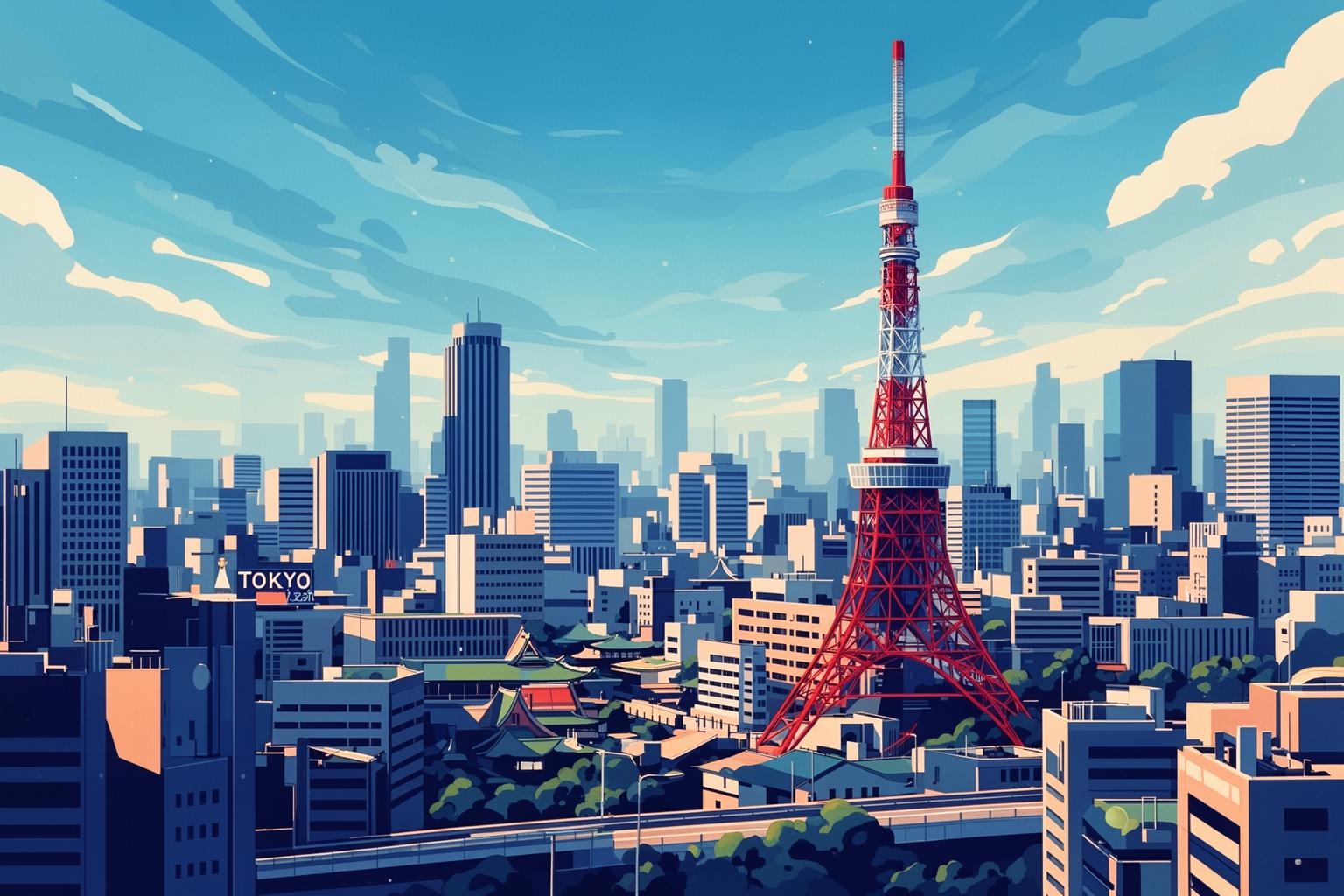
If Yotsuya embodies the quiet, intimate core of the story, Shinjuku represents its loud, chaotic, and exhilarating spirit. This is the Tokyo of dazzling cityscapes, bustling crowds, and limitless possibilities. The film uses Shinjuku to highlight the vast scale of Taki’s world, providing a sharp contrast to Mitsuha’s peaceful mountain town. Visiting these places feels like plunging into the vibrant energy Shinkai brought to life on screen.
The View from Above
Panoramic views of Tokyo are a hallmark of Your Name, conveying a sense of vastness and the myriad lives unfolding below. Although the film’s exact viewpoint is often debated, one of the best ways to experience this feeling is by visiting the Tokyo Metropolitan Government Building. A major plus, particularly for families, is that the observation decks are entirely free to access. After a brief security check, an elevator carries you to the 45th floor, where the city spreads out beneath you. On a clear day, the panorama is breathtaking. The urban sprawl stretches to the horizon, a dense mosaic of buildings, parks, and highways. You can try spotting landmarks you recognize, including the distinctive spire of the NTT Docomo Yoyogi Building, which features prominently in the film. The ideal time to visit is just before sunset, when you can watch the sun dip below the horizon, the sky glowing with shades of orange and purple, and then the city lights gradually flicker to life. It’s a truly magical transformation and a moment that beautifully captures the breathtaking urban beauty celebrated in the movie.
Navigating the Labyrinth: Shinjuku Station and Its Surroundings
Shinjuku Station is more than just a transport hub; it functions like a living organism, holding the title of the busiest train station in the world. The film showcases many scenes of the surrounding area: the bustling crosswalks, the river of commuters, and the towering screens streaming advertisements. Immersing yourself in this organized chaos is a vital part of the Your Name experience. One of the most iconic spots is the Shinjuku Police Station traffic signal, an intersection with a distinctive circular pedestrian bridge that offers a fantastic viewpoint for watching the flow of traffic and people, echoing scenes from the film. The key is not to resist the crowd but to move along with it. For families, this can be the most daunting part of the tour. The crowds are overwhelming. Our approach was to hold on tightly to little hands, set a clear meeting point in case anyone got separated, and avoid visiting during morning and evening rush hours. Don’t try to see everything; instead, focus on soaking up the atmosphere. The sounds, the lights, the dense presence of human life—it’s sensory overload in the best sense. When it becomes too much, the nearby Shinjuku Gyoen National Garden offers a peaceful oasis, a beautiful and tranquil refuge just a short walk from the station’s hectic pace.
A Practical Guide for Your Cinematic Journey
Embarking on a pilgrimage through Tokyo’s cinematic landscapes is a truly rewarding experience, and a bit of planning can make the journey smoother and more enjoyable for everyone, especially when traveling with family in tow. Tokyo’s efficiency is impressive, but knowing a few tips allows you to focus on the magic rather than the logistics.
Getting Around: Your Tokyo Transit Pass
Tokyo’s public transportation system is an incredible model of efficiency and the best way to move between the key locations on your ‘Your Name’ tour. The primary sites in Yotsuya, Roppongi, and Shinjuku are well-connected by the JR and Tokyo Metro subway lines. For maximum convenience, I highly suggest getting a rechargeable IC card like a Suica or Pasmo. These cards are available from machines at any major station. You simply tap the card on the reader at the ticket gates, and the fare is automatically deducted. This saves you the hassle of buying individual tickets for each ride—a real lifesaver when managing kids and bags. You can easily reload them with cash at the same machines. The JR Chuo-Sobu Line and the Tokyo Metro Marunouchi Line will be your best allies on this itinerary, connecting the essential stations seamlessly.
When to Go: Capturing the Magic Hour
Tokyo is a city for all seasons, each offering a unique perspective on these iconic locations. Spring is arguably the most scenic, as cherry blossoms frame the Suga Shrine staircase and fill the parks with soft pink and white hues, adding an ephemeral beauty that deeply resonates with the film’s themes. Autumn brings crisp, clear air and vibrant foliage, while winter offers the clearest long-distance views from observation decks. Summer is well known for its heat and humidity, so plan for early morning and evening outings, making use of air-conditioned spots like The National Art Center during the midday heat. No matter the season, visiting key outdoor locations like the Yotsuya staircase in the late afternoon is highly recommended. The “kataware-doki,” or twilight/magic hour, is more than just a plot element—it’s a real and stunning phenomenon. The low, golden sun softens the cityscape, casts long shadows, and envelops everything in a nostalgic, dreamlike glow that perfectly captures Shinkai’s atmosphere.
A Note on Etiquette and Respect
It’s important to remember these are not theme park attractions. The Suga Shrine remains an active place of worship, and the streets of Yotsuya are home to thousands. The magic of these locations is deeply linked to their everyday life. When visiting the shrine, be respectful of those there to pray. Approach the staircase quietly, avoid loud conversations, and be mindful not to block the way for residents heading home. Taking a quick photo is fine, but organizing extensive photoshoots that disrupt the neighborhood’s peace is not appropriate. A simple bow when passing through the shrine’s torii gate is a small gesture of respect that goes a long way. By being considerate visitors, we help keep these special places welcoming for both pilgrims and locals for many years to come.
Weaving Your Own Story
As our day of chasing cinematic ghosts came to an end, standing on the observation deck and watching Shinjuku’s lights come alive, I realized this journey was about more than just recreating scenes from a film. It was about connection. It was about seeing a city we thought we knew through a fresh, more romantic perspective. It was about sharing that sense of wonder with my family, witnessing their eyes light up with the same recognition I felt. ‘Your Name’ is a story of searching, memory, and discovering something precious in an unexpected place. Following in the footsteps of Taki and Mitsuha lets you do the same. You search for a staircase and find a quiet moment of calm. You look for a cafe from the movie and uncover a masterpiece of architecture. You navigate a bustling station and experience the vibrant, beating heart of one of the world’s greatest cities. The film provides a map, but the journey is yours to shape. So go, explore, and let the magic of the city weave itself into your own story. You might find that the connection you’re seeking is waiting for you, somewhere between the fiction you love and the reality you have yet to discover.