Imagine a place where history isn’t just written in books, but steams from the very ground beneath your feet. A place where mythical gods once bathed, where Japan’s greatest literary minds found inspiration, and where the magical bathhouse from an animated masterpiece feels breathtakingly real. This is Dogo Onsen, a district in Matsuyama, Ehime Prefecture, that cradles one of Japan’s oldest and most revered hot springs. With a legacy stretching back an astonishing three millennia, Dogo is more than a destination; it’s a passage through time, a living storybook where ancient legends and modern pop culture flow together like the rejuvenating waters that made it famous. It’s a labyrinth of wooden architecture, glowing lanterns, and the gentle clatter of wooden sandals on stone, inviting you to shed the modern world and soak in the essence of Japanese heritage. For travelers seeking a bridge between the fantastical worlds of anime and the profound depths of Japanese history, the journey begins here, in the ethereal mists of Dogo.
For those enchanted by this interplay of ancient lore and modern charm, delving into a Matsuyama cultural journey can uncover even more of Japan’s timeless allure.
The Bathhouse of the Gods: A Spirited Away Connection
For countless Studio Ghibli fans, the first sight of the Dogo Onsen Honkan, the area’s main bathhouse, is a moment of pure, unfiltered magic. Your heart skips a beat as you recognize the towering, multi-tiered wooden structure, the intricate maze of windows and balconies, and the majestic, sweeping rooflines. This is it—the architectural counterpart to the Aburaya, the unforgettable bathhouse for gods and spirits in Hayao Miyazaki’s Oscar-winning film, Spirited Away. While Miyazaki has cited various inspirations, the resemblance is so strong that the connection has become an undeniable part of Dogo’s modern identity. The building radiates a powerful, otherworldly aura, especially as dusk falls and its countless windows begin to glow with a warm, welcoming light. You can almost envision the spirits arriving, crossing the threshold from their realm into this sanctuary. The Honkan’s complex, almost chaotic design, with its labyrinthine corridors, steep staircases, and hidden rooms, reflects the very structure of the Aburaya where the protagonist, Chihiro, found herself lost. Walking its polished wooden floors, you feel like an explorer within a living, breathing entity, a building that harbors countless stories within its walls. It’s this atmosphere—the sense that you’ve stepped through the screen and into a world of wonder—that makes Dogo Onsen an essential pilgrimage for animation enthusiasts worldwide. It’s a tangible connection to a realm of fantasy, rooted deeply in the rich soil of Japanese history.
Echoes of Botchan: A Literary Pilgrimage
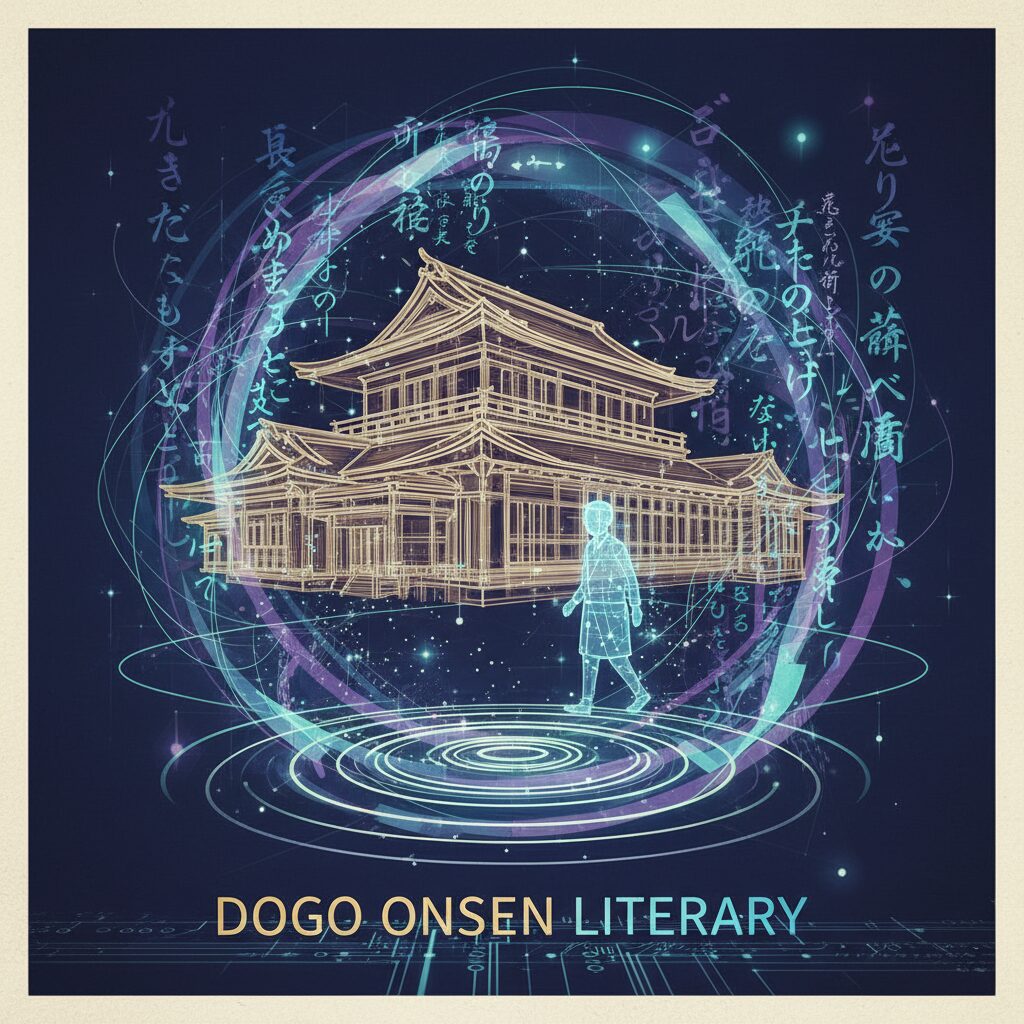
Long before it inspired animators, Dogo Onsen captivated one of Japan’s most celebrated novelists, Natsume Soseki. His cherished 1906 novel, Botchan, is a cornerstone of modern Japanese literature, set deeply in the Matsuyama of the Meiji Era. The story, a witty and satirical portrayal of a young, headstrong teacher from Tokyo clashing with the provincial customs of his new post, immortalized the city and its famous onsen. For literary pilgrims, Dogo is a journey into Soseki’s world. The novel’s protagonist frequently visits the hot springs, describing it as a magnificent, three-story structure. Visiting the Dogo Onsen Honkan today feels like tracing his very footsteps. The entire area lovingly honors this literary connection. You can ride the “Botchan Train,” a charming diesel-powered replica of the original steam locomotives from the era, which chugs from the city center to the onsen district. Near the main shopping arcade’s entrance stands the Botchan Karakuri Clock, a mechanical marvel that comes to life every hour, as miniature figures of the novel’s characters emerge to reenact charming scenes. The air is thick with nostalgia for this transformative period in Japanese history, a time of rapid westernization and cultural change that Soseki captured with brilliant clarity. This literary legacy adds profound depth to Dogo, layering its mythical past and cinematic present with a rich intellectual history that continues to enchant readers and travelers alike.
The Heart of Dogo: Exploring the Honkan
The Dogo Onsen Honkan is not just a building; it’s an experience, a National Important Cultural Property that has welcomed bathers for over a century since its last major rebuild in 1894. Its grand, castle-like silhouette is dominated by the Shinrokaku, a central drum tower that chimes three times daily, its resonant sound echoing through the streets. A key note for visitors is that this grand dame of onsen is currently undergoing a multi-year restoration project to preserve it for future generations. While this means some sections may be covered or inaccessible, the main baths, including the legendary Kami-no-Yu (Bath of the Gods), remain open, allowing you to partake in its timeless ritual. Visiting the Honkan involves choosing from various bathing plans, each offering a unique level of immersion. The simplest plan grants access to the main bath, a large stone-lined public pool where you can soak alongside locals and travelers. More elaborate plans include access to the smaller, more refined Tama-no-Yu (Bath of the Spirits) and the chance to relax afterward in a communal tatami lounge on the second floor, clad in a rented yukata and sipping hot tea served with a local rice cracker. The building’s interior is a marvel of Meiji-era architecture, a maze of polished wood and sliding paper screens. The pinnacle of its design is the Yushinden, a private bathing area built exclusively for the Imperial Family in 1899—the first of its kind in Japan. While bathing there is prohibited, it is often open for tours, offering a glimpse into a world of unparalleled luxury and craftsmanship.
Beyond the Main Bathhouse: The Asuka-no-Yu and Tsubaki-no-Yu
While the Honkan is the undisputed star, the Dogo Onsen experience extends to its sister bathhouses, each with its own distinct character. Opened in 2017, the Dogo Onsen Asuka-no-Yu is a stunning modern interpretation of tradition. Its architecture is inspired by the Asuka period (592–710), a formative era in Japanese history. The bathhouse is a work of art, incorporating traditional Ehime crafts like Tobe-yaki porcelain and Iyo-kasuri textiles into its design. It features spacious baths, open-air sections, and even a large recreation of the Yushinden from the Honkan. The Asuka-no-Yu offers a more contemporary and spacious bathing experience while remaining deeply connected to Japan’s artistic heritage. For those seeking a truly local, no-frills experience, there is the Tsubaki-no-Yu (Camellia Bath). Beloved by the residents of Matsuyama, this bathhouse is simpler, less crowded with tourists, and offers the same legendary Dogo spring water without the historical pageantry of the Honkan. Bathing at the Tsubaki-no-Yu feels less like a tourist activity and more like participating in a cherished daily ritual of the community. Visiting all three provides a wonderfully complete picture of Dogo’s onsen culture, from its imperial grandeur to its local heart.
A Stroll Through Time: The Dogo Hai-kara Dori Shopping Arcade
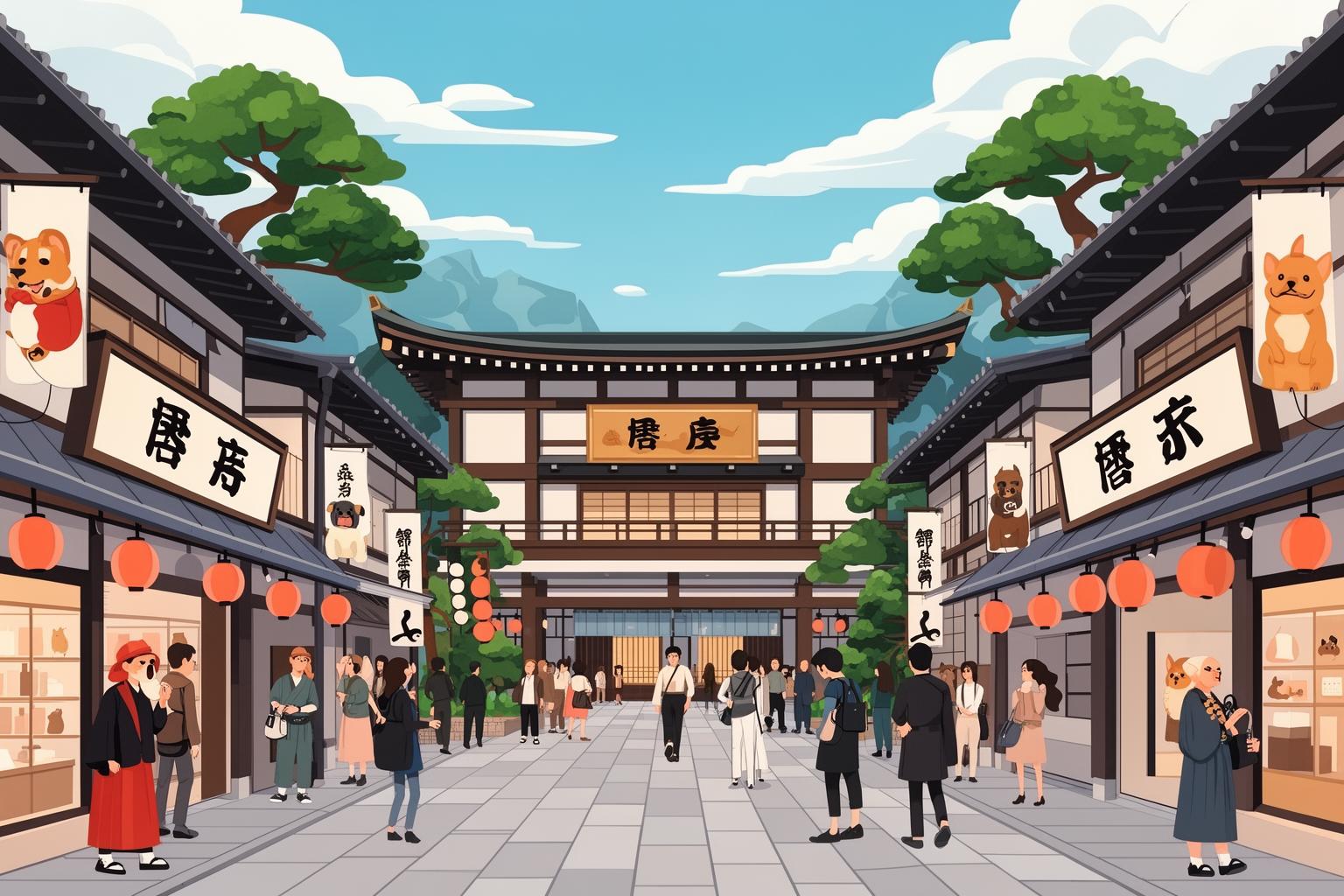
Leading directly to the Dogo Onsen Honkan is the Dogo Hai-kara Dori, a vibrant covered shopping arcade that acts as the lively main artery of the town. The term “Hai-kara” originates from the Meiji era and means “high collar,” a reference to the fashionable, Western-influenced styles of that time, and the arcade perfectly embodies this nostalgic charm. This bustling street is a delight for the senses. The air is filled with the sweet aroma of roasting dango and the savory scent of freshly fried jakoten. The sounds are a cheerful blend of shopkeepers calling greetings, visitors chatting, and the soft clatter of people walking in yukata and geta (wooden sandals) after a bath. The shops are a showcase of Ehime specialties. You can find everything from beautifully packaged Botchan Dango—skewers of sweet rice dumplings flavored and colored with red bean, egg, and green tea—to the region’s renowned Ichiroku Tart, a delicate roll cake with citrusy yuzu jam swirls. Since Ehime is known as Japan’s citrus kingdom, numerous shops sell fresh mikan (mandarin oranges), rich juices, and citrus-flavored jellies and sweets. It’s the perfect spot to pick up souvenirs, sample local treats, or simply soak in the vibrant atmosphere. The arcade is more than just a shopping destination; it is the social heart of Dogo, where the energy of past and present mingle seamlessly.
The Mechanical Marvel: Botchan Karakuri Clock
Proudly standing at the entrance of Dogo Hai-kara Dori, the Botchan Karakuri Clock is an enchanting spectacle that delights visitors of all ages. From 8:00 AM to 10:00 PM, on the hour (and every half hour during peak seasons), this whimsical clock tower puts on a show. As cheerful music begins, the clock’s tiers rise and rotate to reveal intricately crafted miniature figures of characters from Natsume Soseki’s Botchan. These characters come to life, reenacting scenes from the beloved novel in a charming mechanical performance. The clock draws a crowd of smiling spectators who gather to watch the story unfold, becoming the center of attention. It offers a wonderful theatrical tribute to the literary heritage that shapes the town. A great local tip is to enjoy the show while soaking your feet in the free ashiyu (footbath) located right in front of the clock. It’s a simple pleasure that perfectly captures the relaxing and welcoming spirit of Dogo—savoring a piece of history and art while the warm, healing waters soothe your tired feet.
Practical Guidance for the Modern Pilgrim
Navigating your journey to this historic onsen town is part of the experience, and Matsuyama makes it wonderfully accessible. Here’s how to ensure your pilgrimage is smooth and unforgettable.
Reaching the Springs: Access and Transportation
Matsuyama is easily reachable via a short flight to Matsuyama Airport from major cities like Tokyo or Osaka, or by JR train, including the Shinkansen to Okayama followed by a scenic ride on the Shiokaze Limited Express. Upon arriving in Matsuyama, the most charming way to get to Dogo Onsen is by taking the Iyotetsu streetcar. These trams, some of which are vintage models, rattle through the city streets, offering a nostalgic and picturesque journey. You can board a tram directly from JR Matsuyama Station or Matsuyama-shi Station, the city’s two main railway hubs. The ride itself feels like stepping back in time, ending at the beautiful Meiji-style Dogo Onsen station building. This elegant structure, a reconstruction of the original 1895 station, serves as a grand entrance to the onsen district and sets the tone for the historical immersion ahead.
Timing Your Visit: Seasons and Crowds
Dogo Onsen is a year-round destination, with each season bringing its own unique charm. In spring, nearby parks like Dogo Park burst into a riot of pink cherry blossoms, creating a perfect backdrop. Summer evenings invite leisurely strolls in a light yukata after a refreshing bath. Autumn transforms the landscape into a palette of warm colors, while winter offers the cozy joy of soaking in steaming hot springs as the air grows crisp. The true magic of Dogo, however, emerges at night. As dusk falls, gas lamps along the streets flicker on, and the Dogo Onsen Honkan glows like a lantern from a dream. The entire area takes on a fantastical, almost cinematic atmosphere. To avoid the biggest crowds, aim to visit on a weekday. Weekends and national holidays tend to be busy but carry their own festive charm. Whatever the time of your visit, an evening walk through the lantern-lit streets is an absolute must.
Onsen Etiquette for First-Timers
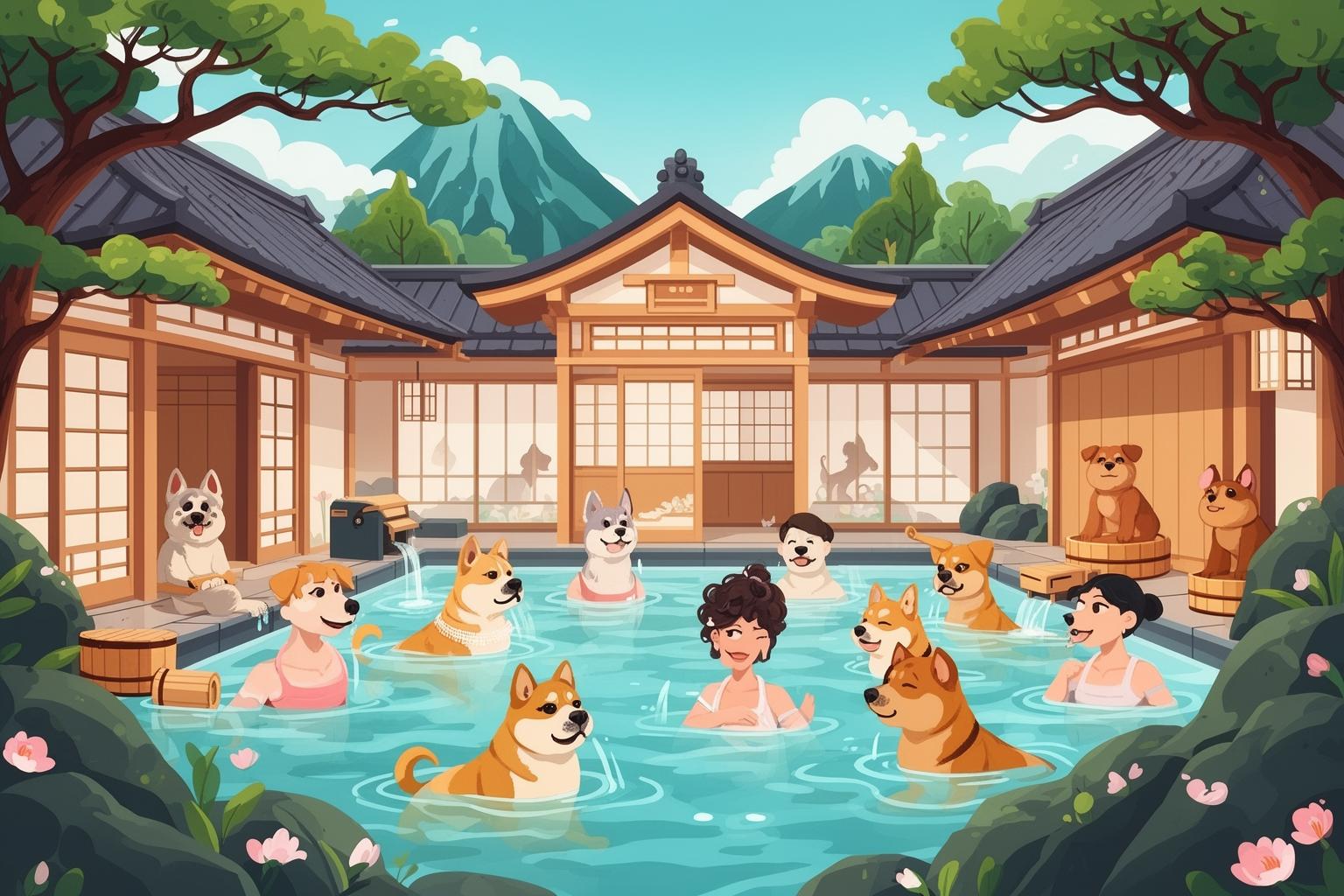
For newcomers to Japanese onsen culture, the experience might seem intimidating, but the guidelines are simple and grounded in respect for the shared space. Think of it as a beautiful, calming ritual. Before entering the bath, you must wash your body thoroughly at the shower stations provided. Small stools and buckets are available for sitting and scrubbing. This practice keeps the bathwater pure for everyone. The small towel provided is for washing and modesty when walking around, but it should never be placed in the bathwater itself. You can place it on your head, as many Japanese do, or set it on the edge of the tub. The onsen is meant for quiet relaxation, so loud conversations should be avoided. Simply sink into the mineral-rich water, let the heat ease your worries, and enjoy the tranquil atmosphere. It’s a wonderfully restorative experience, and the locals are accustomed to visitors, so there’s no need to feel self-conscious.
A Taste of Ehime: Culinary Delights
Your journey through Dogo isn’t complete without savoring the local cuisine, which showcases the rich offerings of the Seto Inland Sea. Ehime’s must-try dish is Taimeshi, or sea bream rice, presented in two distinct regional variations. The Hojo style, typical of Matsuyama, involves cooking a whole sea bream on a bed of seasoned rice, then flaking and mixing the fish into the rice, allowing every grain to absorb its delicate flavor. Meanwhile, the Uwajima style from southern Ehime features fresh sea bream sashimi marinated in a savory blend of soy, egg yolk, and dashi, which is then poured over a bowl of hot rice. Sampling both offers a delicious way to explore the prefecture’s culinary variety. Another local favorite is Jakoten, a rustic patty made from ground small fish, fried to a crispy, savory perfection, and commonly enjoyed as a snack along the Dogo Hai-kara Dori. Naturally, your visit wouldn’t be complete without tasting the citrus—whether it’s freshly squeezed mikan juice or tangy citrus-infused sake, the flavors of Ehime are bright, refreshing, and unforgettable.
A Final Thought: Where Legends Bathe
Dogo Onsen is a rare and treasured place where the boundary between worlds seems thin. It is where the ancient myths of gods finding comfort in its waters feel as present as the literary spirits of Natsume Soseki’s characters and the animated figures from Studio Ghibli. Visiting Dogo is more than just seeing a famous landmark; it is taking part in a ritual practiced for thousands of years. It’s the sensation of supernaturally soft, alkaline water on your skin, the sound of the Taiko drum resonating from the Shinrokaku tower, the taste of a sweet Botchan Dango after your bath. This is a place that captivates all your senses and leaves you with a deep sense of connection—to history, to art, and to the enduring Japanese reverence for renewal and peace. It is a journey into the heart of a story still unfolding, with every visitor becoming a small part of its ongoing legend.