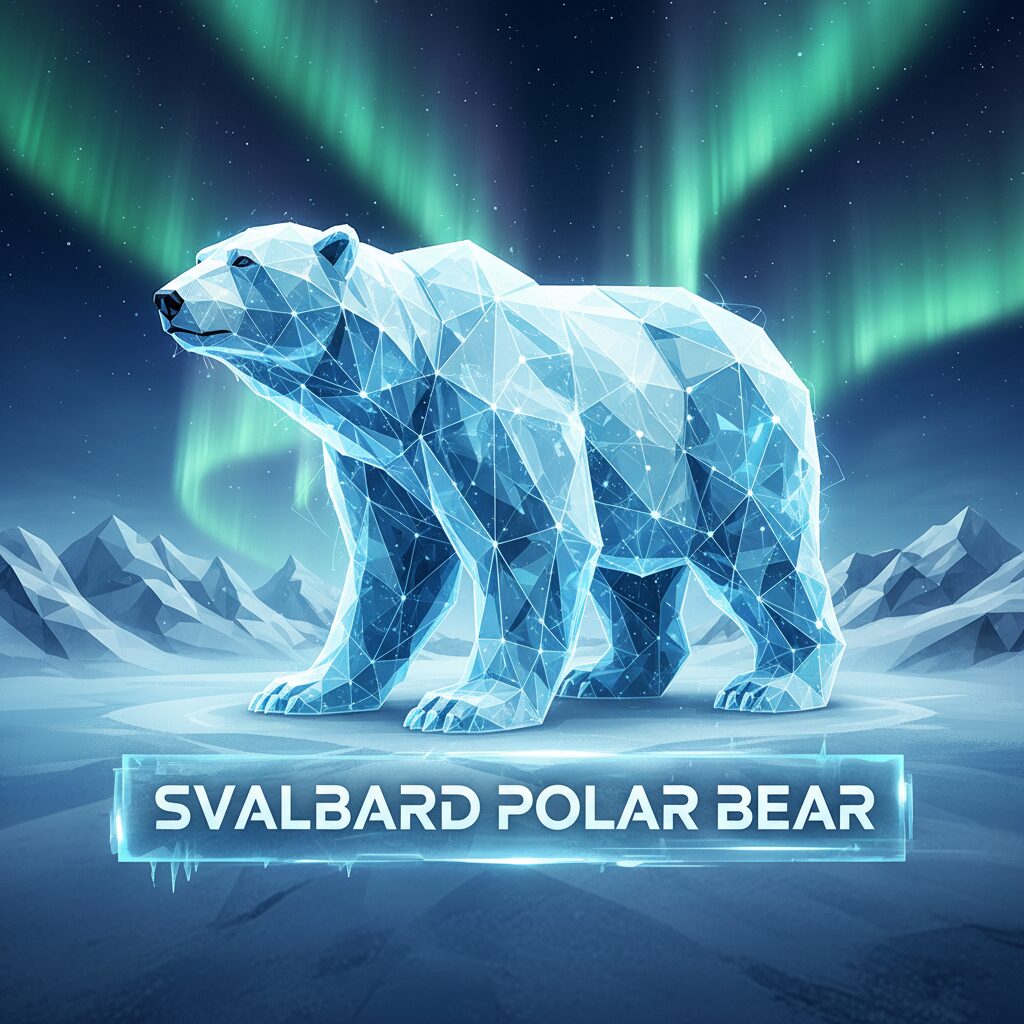
The world has edges, places where maps give way to myth and the compass needle dances with a wild, untamed energy. Svalbard is one such edge. A jagged archipelago adrift in the Arctic Ocean, halfway between mainland Norway and the North Pole, this is a land sculpted by ice, wind, and geological time. It’s a realm of profound silence, broken only by the crack of a calving glacier or the call of a kittiwake. But above all, it is a kingdom, and its ruler is the magnificent Ursus maritimus—the polar bear. To journey here is not merely a vacation; it is a pilgrimage to witness the raw, untethered power of nature in one of its last great strongholds. It’s a quest to find a connection to a world that feels both ancient and alarmingly fragile. This is not a trip you simply book; it’s an experience you prepare for, body and soul, stepping into a landscape that demands respect and rewards the patient observer with moments of sublime, life-altering beauty. The adventure begins in Longyearbyen, the world’s northernmost town, a colorful outpost of humanity clinging to the frozen shore, serving as the gateway to the vast, white wilderness that stretches to the pole. Here, the rules of civilization are rewritten by the laws of the Arctic, and the journey into the ice begins.
Just as a journey to Svalbard is a pilgrimage to the raw power of nature, some travelers seek a different kind of profound connection through a literary pilgrimage to Dostoevsky’s Russia.
The Magnetic Pull of the Arctic Monarch
Why choose Svalbard? For many, the answer is clear and deeply meaningful: the polar bear. This is the undisputed realm of the King of the Arctic. More polar bears inhabit these islands than people, a fact that instantly shifts your perspective on humanity’s place in the world. Seeing a polar bear in captivity is one thing; encountering one in its natural habitat is a profound, almost spiritual experience. It’s witnessing a powerful predator expertly traverse a sea ice landscape, its creamy white fur strikingly set against the deep blue Arctic waters or the glowing face of a glacier. The quest for the bear sets the pace of the journey. Days are spent scanning the horizon with binoculars from an expedition vessel’s deck or a snowmobile’s seat, a shared, focused silence falling over the group as every yellowish speck on a distant ice floe is examined. This anticipation is tangible, an electric current that flows through every traveler. And the moment of sighting is pure enchantment. A quiet whisper from the guide, a pointed finger, and then the breathtaking realization that you stand before a symbol of the wild. It’s more than a sighting; it’s an audience. You sense the immense power, the intelligence in its eyes, and its perfect adaptation to a harsh environment hostile to humans. This experience is the core of the Svalbard pilgrimage, a moment justifying the long journey and freezing cold, leaving an unforgettable impression. It also serves as a poignant reminder of what is at stake. In Svalbard, climate change is no abstract idea but a visible reality. The retreating sea ice is the bear’s shrinking domain, and seeing them here emphasizes the urgency of conservation. What begins as a wildlife safari evolves into a lesson in ecology, responsibility, and our planet’s interconnectedness. This is why we come: for the thrill, but we leave with a deeper sense of purpose and a story not just about what we witnessed, but about why it matters.
Longyearbyen: A Colorful Outpost on the Frozen Frontier
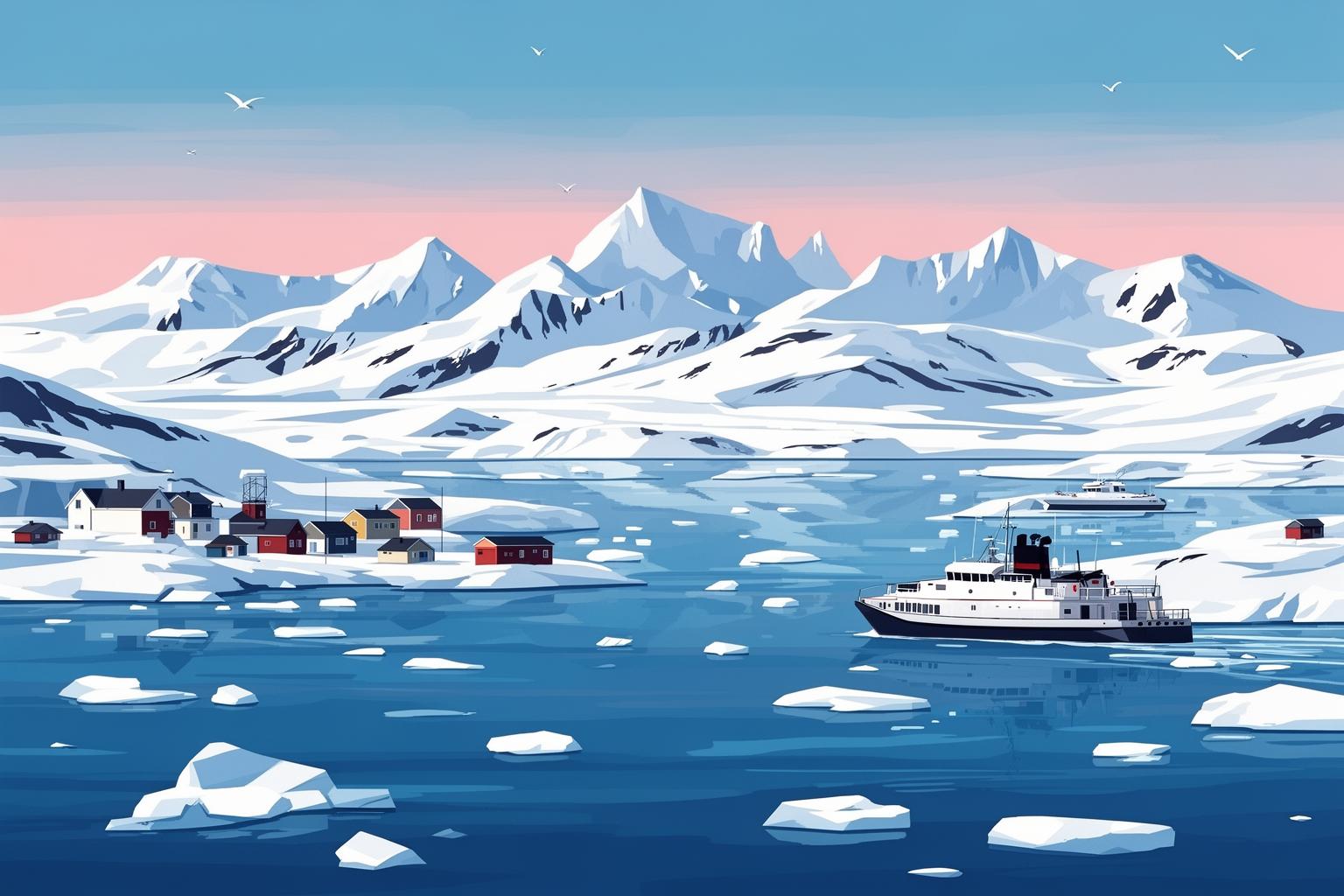
Your journey to the ice both begins and ends in Longyearbyen, the administrative center of Svalbard and a town unlike any other on Earth. Nestled in a valley and surrounded by stark, flat-topped mountains, this settlement of around 2,400 people stands out as a vibrant splash of color against an otherwise monochrome landscape. The houses, built on stilts to stay stable above the shifting permafrost, are painted in bold reds, blues, and yellows—a cheerful defiance against the long, dark polar night. Strolling through its streets feels like exploring a frontier town on another planet. Snowmobiles, or “scooters” as locals call them, are the preferred mode of transport, often outnumbering cars and parked in neat rows outside the supermarket, the school, and the town’s surprisingly diverse range of excellent restaurants. The atmosphere is a unique blend of rugged Arctic practicality and a sophisticated, international community. Scientists, miners, artists, and tourism professionals from over fifty countries call this place home, drawn by the stark beauty and the spirit of adventure that fills the air. The town’s history is deeply rooted in coal mining, with the skeletal remains of old mining cableways crisscrossing the hillsides—silent monuments to the industry that founded this community. Today, research and tourism drive the town. You can sense the intellectual curiosity at the University Centre in Svalbard (UNIS) and admire artistic interpretations of the Arctic landscape at Galleri Svalbard. A visit to the Svalbard Museum is essential; it offers a comprehensive narrative of the islands’ history, from early whalers and trappers to the geopolitical negotiations of the Svalbard Treaty, which established Norwegian sovereignty while granting signatory nations rights to engage in commercial activities. This treaty explains the presence of the Russian mining settlement of Barentsburg, a quirky, Soviet-era time capsule just a boat or snowmobile ride away. Longyearbyen operates under its own set of fascinating rules. It’s customary to remove your shoes when entering most buildings, a tradition from the coal-dusted past that now helps keep interiors clean of snow and mud. More notably, it is legally required to carry a firearm and know how to use it when leaving the settlement’s limits—a stark reminder that you are in polar bear territory. This isn’t a suggestion; it’s a law born of necessity. The town is a place of profound contrasts: you can enjoy a gourmet meal with fine wine in the evening after spending the day navigating a glacier. You can connect to high-speed internet while knowing that just beyond the last streetlamp lies wilderness unchanged for millennia. Longyearbyen is not just a basecamp; it is an integral part of the Svalbard experience, a place that prepares you for the wild and welcomes you back with its unique kind of Arctic hospitality.
The Practicalities of a High Arctic Journey
Reaching this remote archipelago requires planning but is simpler than you might expect. The journey starts with a flight to Oslo, Norway’s capital. From there, Scandinavian Airlines (SAS) and Norwegian Air Shuttle operate regular flights to Svalbard Airport, Longyear (LYR), the world’s northernmost commercial airport. The flight itself is part of the adventure, as you fly over the Norwegian coastline and the Barents Sea, watching the world below shift into a mosaic of sea ice and snow-covered peaks. The best time to visit depends entirely on the experience you seek. The year is sharply divided into two main seasons: the Midnight Sun season and the Polar Night season. Summer, from late May to late August, is defined by 24-hour daylight. This is the prime time for wildlife viewing via expedition cruises. The Midnight Sun thaws the coastal ice, allowing ships to navigate fjords and circumnavigate Spitsbergen, the main island. This period offers the best chances to see polar bears hunting on remaining ice floes, walrus colonies hauled out on beaches, and vast seabird cliffs teeming with life. The constant daylight enables endless exploration, with zodiac cruises and shore landings happening at any hour. In contrast, late winter and spring, from March to early May, bring a different kind of magic. While the sun has returned after the long Polar Night, the landscape remains blanketed in deep snow, and the sea ice is at its thickest. This is the season for land-based adventures like snowmobiling across vast frozen valleys, dog sledding with eager huskies, and exploring surreal, blue-lit ice caves. The ethereal glow of the Northern Lights, or Aurora Borealis, can still be seen in the dark skies of March, adding another layer of wonder. No matter when you choose to visit, booking well in advance is essential. Tours, expeditions, and accommodation in Longyearbyen fill up months, sometimes years, ahead—especially the popular expedition cruises. It’s also important to remember that in Svalbard, nature rules. Itineraries are never fixed and are always subject to change based on weather and ice conditions. Flexibility and a spirit of adventure are your most valuable travel companions.
Arctic Chic: Dressing for the Edge of the World
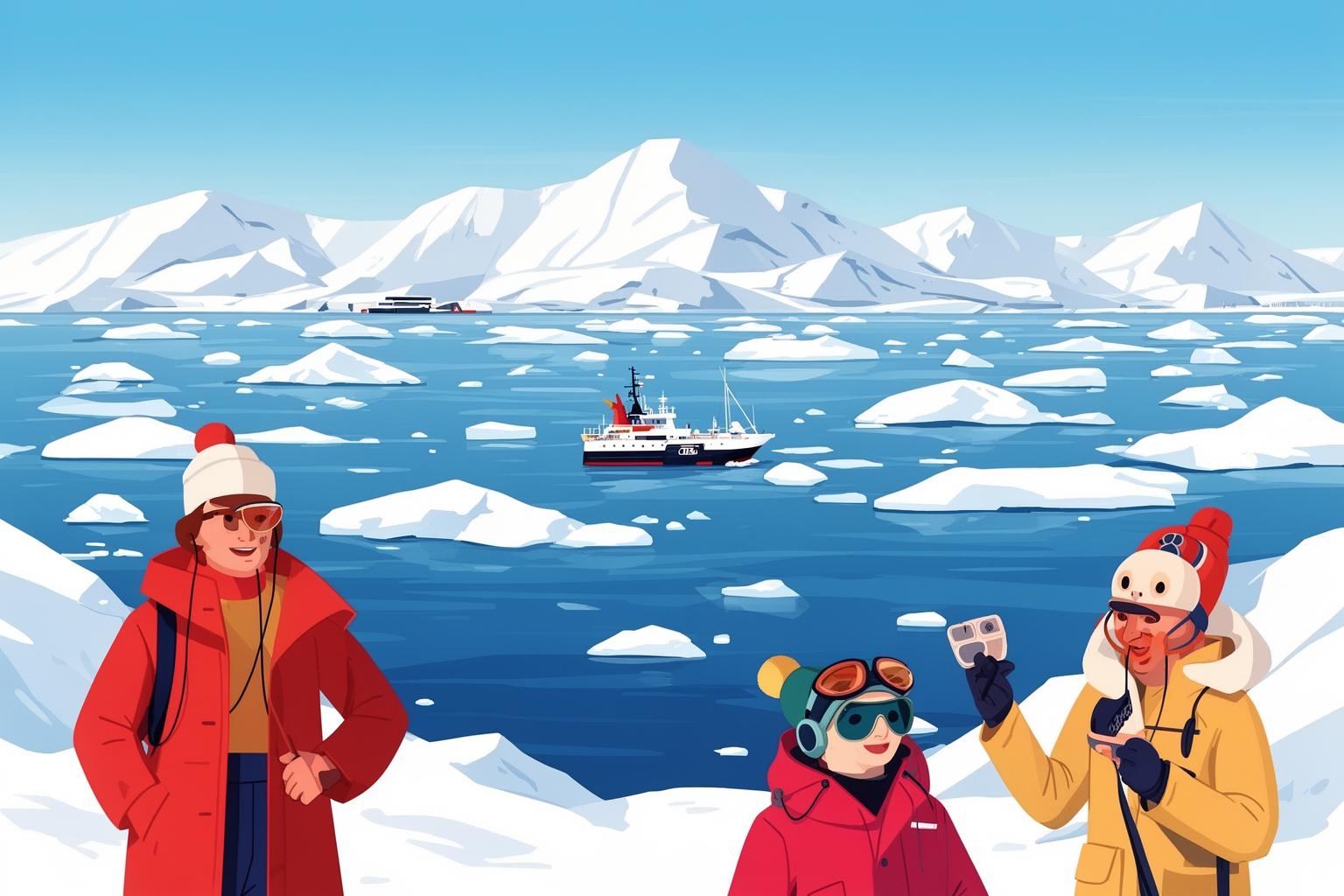
Packing for Svalbard is both a technical and deeply personal exercise in survival. This is not a place for frivolous fashion; every item must have a purpose. However, functionality does not exclude style. Arctic exploration carries a distinct aesthetic—a look born from necessity, expert craftsmanship, and a quiet respect for the elements. Think of it as survivalist chic. The key to comfort and safety lies in the layering system, a trio of garments working together to manage moisture, retain heat, and block wind. The base layer is your foundation. Avoid cotton, which traps moisture and chills you to the bone. Instead, invest in high-quality merino wool. It’s soft, breathable, moisture-wicking, and naturally odor-resistant, making it ideal for multi-day expeditions. Long-sleeved tops and bottoms are essential. The second layer is your insulation, where fleece or down becomes important. A fleece jacket is versatile and breathable, perfect for active pursuits like hiking or dog sledding. A packable down or synthetic-fill vest or jacket provides exceptional warmth for its weight and is ideal for colder moments, such as standing on the ship’s deck for hours watching wildlife. Depending on the temperature and your metabolism, you may need one or two mid-layers. The final and most crucial layer is the outer shell—your protection against the Arctic elements. This must be a fully windproof and waterproof jacket and trousers. Look for garments made with Gore-Tex or a similar high-performance membrane. Essential features include a well-designed hood that fits over a hat, taped seams, and waterproof zippers. Choose a jacket with a slightly loose fit to comfortably wear over other layers. For winter and spring adventures involving snowmobiling, many tour operators provide insulated outer suits, but owning a reliable shell is still a smart investment. Your extremities are the most vulnerable to the cold, so head, hands, and feet demand serious protection. A warm wool or fleece hat (such as a beanie or toque) is a must, along with a balaclava or neck gaiter (like a Buff) to shield your face from windburn. For your hands, a two-layer system works best: thin liner gloves for dexterity beneath thick, waterproof, insulated mittens. Wool socks are vital for your feet—bring several pairs of varying thickness. Your boots should be insulated, waterproof, and equipped with sturdy, thick soles providing good traction on snow and ice. Brands like Sorel or Baffin are common sights in Longyearbyen for good reason. Lastly, remember sunglasses or ski goggles. The sun’s reflection off snow and ice can be blindingly intense, even on cloudy days, so high-quality UV protection is essential to prevent snow blindness. Packing for Svalbard is an investment in your comfort and safety. Choosing quality gear will not only keep you warm but also enhance your experience in this extraordinary environment, allowing you to focus on its beauty rather than the creeping cold.
The Expedition: Choosing Your Path into the White Wilderness
To truly experience Svalbard—the vast wilderness beyond Longyearbyen’s limits—you must join a guided expedition. The mode of travel you select will significantly influence your journey. The two main options are sea-based expedition cruises and land-based safaris. The expedition cruise offers the classic Svalbard experience, especially in summer. These are not typical Caribbean-style cruise ships; they are smaller, purpose-built vessels, often with ice-strengthened hulls, designed for polar waters. Ship sizes vary, from intimate vessels carrying a few dozen passengers to larger ones holding a couple hundred. The ship’s size is important: smaller ships can access narrower fjords and provide a more authentic expedition feel, fostering close camaraderie among passengers and crew. Life onboard follows a comfortable, enriching routine of exploration and learning. Days are spent scanning for wildlife on deck, attending engaging lectures by onboard experts—glaciologists, marine biologists, historians—or going out on excursions. The Zodiacs, rugged inflatable boats, serve as the workhorses of the expedition cruise, ferrying passengers from ship to shore for tundra hikes or cruising along towering glaciers and through fields of brash ice. This is how you get up close to the landscape, visiting walrus haul-outs or silently observing seals resting on ice floes. Each day offers a new vista, a fresh landing spot, and another chance for wildlife encounters. The ship acts as your mobile base camp, providing a warm, comfortable refuge with excellent food and amenities after days filled with breathtaking exploration. In contrast, the land-based adventure—most common in late winter and spring—provides a different, perhaps more intense, connection to the environment. This realm belongs to snowmobiles and dog sleds. Multi-day snowmobile safaris take you deep into Spitsbergen’s interior, across vast glaciers and frozen fjords, reaching destinations unreachable by boat at that time of year, such as the remote east coast, a prime polar bear habitat. These trips require good physical fitness but reward you with an unmatched sense of freedom and immersion in the raw, frozen landscape. Nights are spent in remote wilderness lodges or trapper’s cabins, far from civilization and under skies that may dance with the aurora. Dog sledding offers another iconic Arctic experience: a quieter, more intimate way to travel. You learn to work with your husky team, hearing only the dogs’ panting, the sled runners whispering over the snow, and your own heartbeat. It is a timeless transport mode that connects you to the history of polar exploration. Whether traveling by sea or land, the guide is crucial. In Svalbard, guides are highly trained professionals—experts in wildlife, geology, history, and, above all, safety. They protect you from polar bears, navigate the challenging terrain, and ensure all activities honor the fragile Arctic environment. Your choice of expedition depends on your travel preferences, interests, and the season, but both routes lead to the same destination: the heart of an unforgettable wilderness.
The Rich Tapestry of Arctic Life and Landscapes
While the polar bear may be the primary attraction, Svalbard offers a multitude of wonders. The archipelago is a complete and intricate ecosystem, a grand stage where a captivating cast of characters enacts the drama of survival against a backdrop of stunning scenery. The wildlife you might encounter includes a lineup of Arctic icons. Massive walruses, with their imposing tusks and bristly whiskers, gather in large, noisy groups on beaches, their social interactions continuously fascinating. Three species of seals—the ringed, bearded, and harp seal—can be seen often resting on ice floes, always cautious of hungry bears. In the waters, you may be fortunate enough to spot the ghostly white beluga whale or the majestic bowhead whale. The Arctic fox, a master of disguise, can be observed darting across the tundra, its fur shifting from brown in summer to pure white in winter. The endemic Svalbard reindeer, a small and sturdy subspecies, roam the valleys, seemingly undeterred by the harsh environment. For birdwatchers, Svalbard is a haven, especially in summer. Towering bird cliffs, known as “sea-bird cities,” are packed with tens of thousands of nesting birds. You’ll encounter Brünnich’s guillemots, little auks, and black-legged kittiwakes, their calls reverberating across the water. The Atlantic puffin, with its colorful beak, adds a touch of whimsy to the scene. The landscape itself plays a central role in Svalbard’s story. This is a realm dominated by glaciers. Tidewater glaciers flow from vast inland ice caps down to the sea, their faces forming towering cliffs of blue and white ice. The sound of a glacier calving—when a massive chunk of ice breaks off and crashes into the water—is a thunderous, unforgettable roar, a visceral testament to nature’s power. The fjords, carved by these ancient rivers of ice, are framed by dramatic, pointed mountains called “nunataks.” In summer, the tundra bursts into color with resilient, miniature flora like the purple saxifrage and the delicate Svalbard poppy blooming during the brief spell of warmth and endless sunlight. Then there are the celestial phenomena. The Midnight Sun of summer bathes the landscape in a soft, golden light 24 hours a day, creating a dreamlike atmosphere where time seems to suspend. During the dark season, the Polar Night is not total darkness but a deep, ethereal twilight blue, and the sky becomes a canvas for the Northern Lights. Watching the green, pink, and purple ribbons of the aurora dance silently across the star-filled sky is a moment of pure, unfiltered magic. Each element, from the tiniest flower to the grandest glacier, contributes to the rich, layered experience of Svalbard. It is a destination that engages every sense and leaves you with a deep appreciation for the beauty and resilience of life at the top of the world.
Final Thoughts from the High Arctic
Returning from Svalbard is like waking from an intense dream. The world of traffic, deadlines, and digital noise feels remote and somewhat surreal after spending time in a place of such raw simplicity and immense scale. The silence of the Arctic remains with you, a quiet refuge you can revisit in your mind. The journey is more than just a series of photographs and sightings; it represents a profound shift in perspective. To stand at the edge of a glacier that has been shaping the earth for millennia, to meet the gaze of a polar bear, to experience the intense cold and the life-giving warmth of the returning sun—these moments recalibrate your soul. You depart with a heightened awareness of the vulnerability of this pristine environment. The story of the Arctic in the 21st century is inseparably connected to the story of our changing climate. Witnessing it firsthand turns abstract knowledge into a deep, personal responsibility. This is not a passive destination; it demands your attention, your respect, and your active commitment to its preservation. If you feel the call of the wild, the pull of the north, answer it. Come to Svalbard with an open heart and a curious mind. Let the silence speak to you, let the vastness humble you, and let the sight of the ice bear kindle a fire within you. This is a pilgrimage that transforms you, leaving you not merely a traveler, but a lifelong ambassador for the wild and precious kingdom of ice.