There are places on this earth that feel less like destinations and more like whispered legends, landscapes pulled from the pages of an ancient saga. The Faroe Islands are such a place. Floating in the tempestuous heart of the North Atlantic, halfway between Norway and Iceland, this archipelago of eighteen volcanic islands is a world unto itself, a realm where nature writes its own epic poetry in strokes of emerald green, basalt black, and misty grey. This is not a land of gentle persuasion; it is a land of dramatic pronouncements. Cliffs plummet thousands of feet into a churning ocean, waterfalls spill directly from lush meadows into the sea foam, and tiny villages with turf-covered roofs huddle in dramatic fjords, defiant against the elements. To visit the Faroe Islands is to step into a living painting, a place so raw and primordial that it feels like witnessing the world at its creation. For the hiker, the artist, the dreamer, this is a pilgrimage. It’s a journey to the edge, not just of a continent, but of your own sense of scale, a place to feel profoundly small and yet infinitely connected to the wild, rhythmic pulse of the planet. Here, the trails are not just paths across the land; they are threads leading you back in time, into folklore, and deep into the very soul of the North.
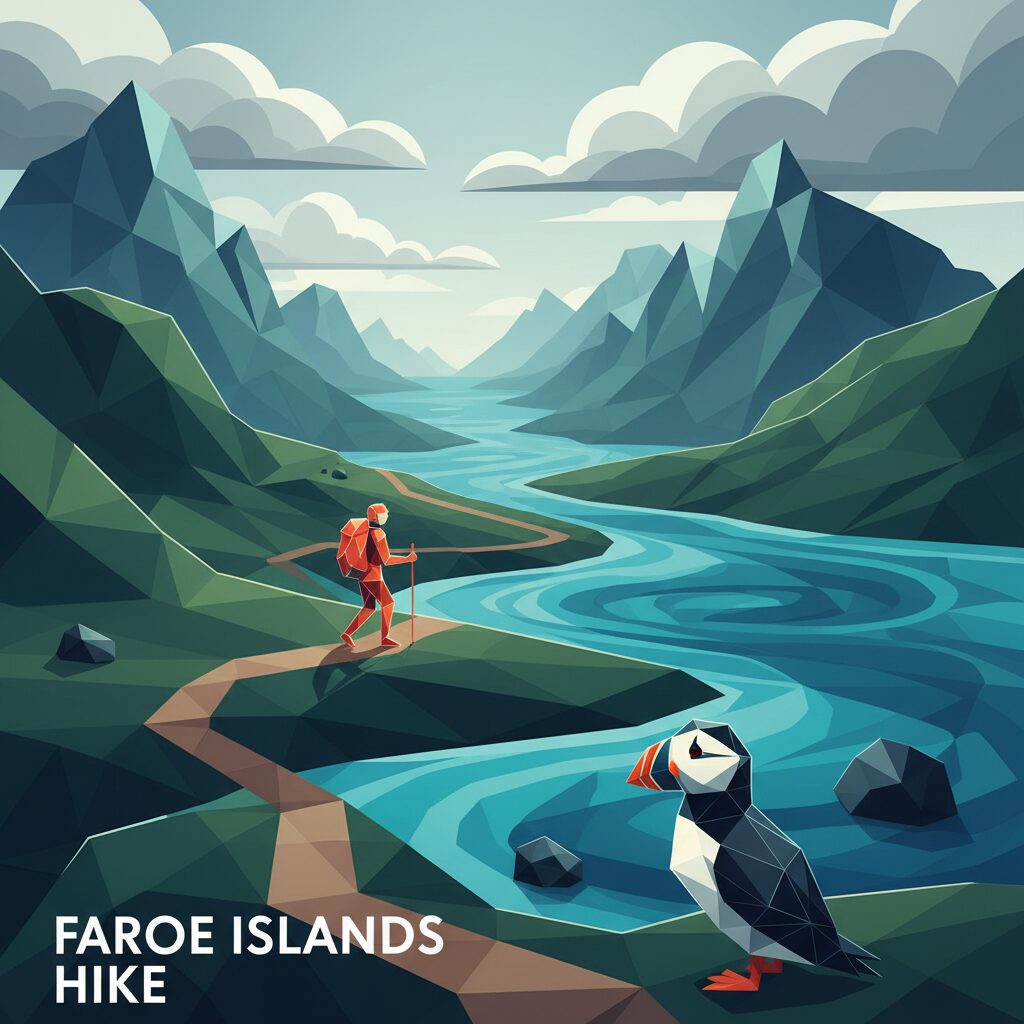
For a deeper exploration of these mythic landscapes and their unique hiking trails, consider reading our guide to the Faroe Islands’ puffin trails and dramatic vistas.
The Soul of the Archipelago: Weather as a Character
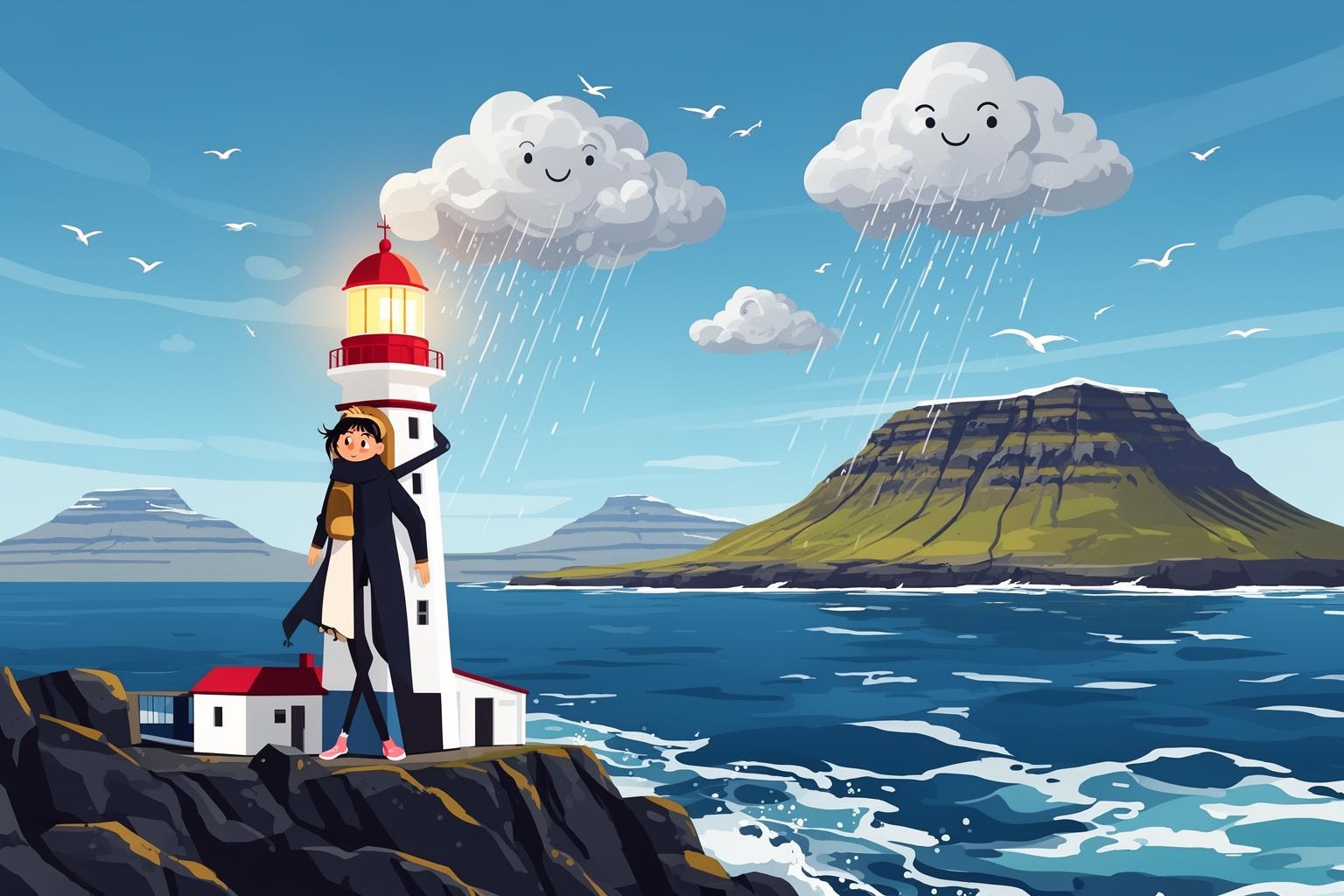
Before you can truly understand the trails or the villages, you must first grasp the sky. In the Faroe Islands, the weather is not merely a backdrop; it is the main character, a mercurial and ever-present force that shapes every facet of life and landscape. The Faroese have a saying: if you don’t like the weather, just wait five minutes. This is no exaggeration. A day might start with a brilliant, crisp sun that makes the green hillsides vibrate with impossible color. An hour later, a thick, silent fog can roll in from the sea, swallowing entire mountains and reducing visibility to just a few feet. Then, a sudden squall can lash out with horizontal rain and furious winds, only to be replaced moments later by a breathtaking double rainbow arching over a fjord.
This relentless flux is the rhythm of the islands. It teaches patience, humility, and a profound respect for nature’s power. It also creates a quality of light that is nothing short of magical. The soft, diffused light filtered through mist can transform even the most ordinary scene into something ethereal. When the sun breaks through, its low, northern angle casts long, dramatic shadows, sculpting the mountains and cliffs into forms of breathtaking beauty. Hiking here means learning to read this atmospheric language. It means dressing in layers not as a recommendation, but as a rule of survival. A waterproof shell, sturdy boots, and warm wool become your closest companions. You come to appreciate the shelter of a deep valley, the sudden warmth of a sunbeam, and the sheer drama of a storm cloud gathering on the horizon. This isn’t an inconvenience; it is the very essence of the Faroese experience. To embrace the unpredictable weather is to embrace the wild, untamable spirit of the islands themselves. It’s a dynamic, living world where the landscape is in constant conversation with the sky, and you are a privileged witness to their powerful dialogue.
Icons Carved by Wind and Wave
The Faroe Islands serve as a gallery of natural masterpieces, each more breathtaking than the one before. These are not mere points on a map; they are destinations that inspire awe, places where the planet’s geological artistry is fully showcased. They are the very reasons many undertake the long journey to this remote archipelago, and they never fail to impress.
Sørvágsvatn: The Lake Above the Ocean
Perhaps the most renowned and mind-bending view in all the Faroes is that of Sørvágsvatn, the largest lake on the islands. From a certain vantage point, it produces a striking optical illusion, appearing to float hundreds of feet above the ocean. This extraordinary sight is located on the island of Vágar, close to the airport, making it an accessible yet utterly otherworldly introduction to the islands. The hike to the viewpoint is relatively easy, a gentle walk across springy turf and past grazing sheep. The trail leads toward the southern end of the lake, where it flows into the sea through the Bøsdalafossur waterfall, a cascade often unseen but always audible.
The true highlight, however, is the climb up the cliff known as Trælanípa, or Slave Cliff. Legend holds that in the Viking age, old and infirm slaves were pushed from this cliff into the sea. Today, its grim name contrasts sharply with the stunning beauty of the view it affords. As you ascend, your perspective changes. The lake, which at ground level appears only slightly above sea level, begins to rise in your sight. The higher you climb, the more dramatic the illusion becomes. At the top, you are rewarded with the iconic view: the vast, tranquil surface of the lake seemingly suspended in mid-air, with the roaring North Atlantic crashing against the sheer cliffs far below. It’s a moment of geological wonder that challenges your sense of perception. You stand on the precipice, with calm freshwater on one side and wild saltwater on the other, separated by a narrow wall of ancient rock. The wind whips around you, carrying the cries of seabirds, and the sheer, impossible beauty of the scene is enough to leave you breathless. It is a testament to the strange and marvelous forms nature can create.
Múlafossur: The Waterfall into the Atlantic
On the same island of Vágar lies another Faroe gem: the waterfall of Múlafossur. It is situated just outside the tiny, impossibly picturesque village of Gásadalur. For centuries, Gásadalur was among the most isolated settlements in the country. Surrounded by towering, steep mountains on three sides and the ocean on the fourth, the only access was either a strenuous, dangerous hike over the mountain pass or by boat, if the sea was calm. This isolation preserved a way of life untouched for generations. The postman famously had to make the arduous mountain trek several times a week.
Everything changed in 2004 with the opening of a tunnel blasted through the mountain. Suddenly, this secluded village was connected to the outside world, yet it has retained its quiet, timeless charm. The village itself is a cluster of traditional houses, some with iconic turf roofs, nestled in a perfect green valley. A short walk from the village’s edge brings you to the viewpoint for Múlafossur. While not large in volume, the waterfall’s location makes it spectacular. The stream flows peacefully through village meadows and then, without warning, plunges over a steep cliff directly into the churning waves of the Atlantic below. The sight is captivating—the white ribbon of fresh water dissolving into the deep blue-green sea, with the dramatic, pointed sea stack of Gáshólmur in the background, creating a scene of perfect natural beauty. On a windy day, mist from the waterfall is carried upwards, forming an ethereal halo around the cascade. It is a place that feels both powerful and serene, a flawless harmony of land, freshwater, and sea.
The Kingdom of Puffins on Mykines
For wildlife enthusiasts, a visit to the Faroe Islands in summer is incomplete without a pilgrimage to the island of Mykines. This westernmost island is a seasonal sanctuary for thousands of seabirds, most notably the Atlantic Puffin. Reaching Mykines is an adventure in itself, involving a ferry ride often dependent on the weather. The seas here are rough, and landing at Mykines harbor can be challenging, but the reward is immense. Stepping off the boat into the island’s sole village feels like entering another world.
The hike across Mykines to the lighthouse on the islet of Mykineshólmur is one of the Faroes’ most unforgettable experiences. The trail climbs steeply before running along the edges of breathtaking cliffs. During nesting season, roughly May to August, the air is filled with birdsong, and grassy slopes are dotted with puffin burrows. The puffins themselves are comical, beautiful, and utterly captivating. They seem unafraid of humans, often landing just a few feet away, their brightly colored beaks stuffed with sand eels. Hours can be spent watching their antics as they waddle, fly, and interact. The path leads to a dramatic bridge spanning a deep chasm, connecting Mykines to Mykineshólmur. Crossing this bridge, with the sea raging below, feels like entering a sacred sanctuary. The final stretch to the lighthouse offers sweeping views of the ocean and countless gannets nesting on the towering sea stacks. A day on Mykines is a day fully immersed in the vibrant, thriving life at the wild edges of our world.
The Hiking Pilgrim’s Sacred Trails
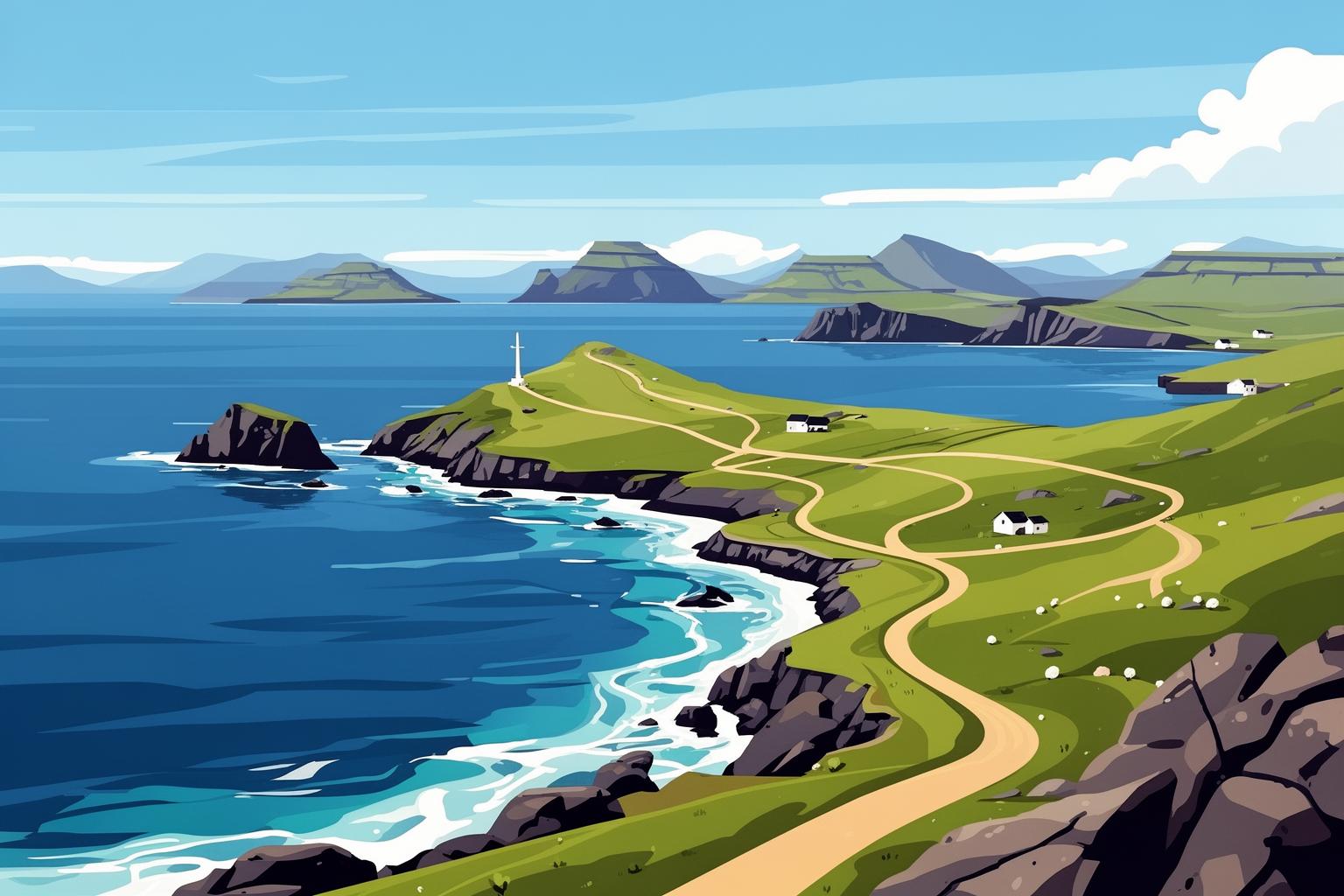
While the iconic landmarks captivate you, it is on the hiking trails that you genuinely connect with the Faroe Islands. Walking these ancient paths, often the very routes shepherds and villagers have used for centuries, offers a meditative and profound experience. Each trail tells its own story, unveiling new perspectives and hidden corners of this remarkable landscape.
The Kallur Lighthouse: A View Fit for a Spy
On Kalsoy, the northern island known as ‘the flute’ due to its slender shape and numerous tunnels, lies one of the most spectacular hikes in the archipelago. The trek to Kallur Lighthouse is an adventure from beginning to end. It starts with a car ferry from Klaksvík, followed by a drive through a series of narrow, dark, single-lane tunnels linking the island’s four tiny villages. The hike itself begins in the northernmost village of Trøllanes.
Though not particularly long, the path is steep and can be very muddy and slippery. It snakes up the side of a lush mountain, with the ocean always visible on your left. Sheep graze nonchalantly on slopes that seem impossibly steep, your constant companions. As you ascend, the views grow more dramatic. Eventually, you reach a ridge where the modest Kallur Lighthouse comes into sight. Yet, the lighthouse itself isn’t the main attraction. The real magic lies just beyond it, along a narrow, knife-edge ridge. Here, you’re rewarded with one of the most breathtaking views on Earth. To the north, Cape Enniberg’s sheer cliff—one of Europe’s highest sea cliffs—descends into the ocean. To the south, the rugged spine of Kalsoy stretches behind you, with the islands of Kunoy and Viðoy rising like giants from the sea. This stunning panorama was famously featured in the James Bond film No Time to Die, and a gravestone for the character has even been placed here. Standing on that ridge, with the wind roaring in your ears and the vast Atlantic stretching before you, it feels as if you’re at the world’s end. It’s a place of immense power and humbling beauty, a true pilgrimage for any hiker.
Journey to Saksun: A Tidal Lagoon Village
Saksun is less a hike and more a stroll through a fairytale. Tucked away at the end of a long, narrow valley on Streymoy island, this tiny village is one of the Faroes’ most photographed and beloved spots. It consists of a few charming, traditional stone and timber houses with thick turf roofs, clustered around a small white church. The entire scene is framed by a stunning natural amphitheater, with a waterfall tumbling down the mountainside.
What makes Saksun truly special is its tidal lagoon. A narrow inlet connects what was once a deep natural harbor to the open ocean. Over time, storms silted up the entrance, creating a sandy lagoon that fills with seawater at high tide and empties onto a vast black sand beach at low tide. When the tide is out, you can walk from the village all the way to the ocean. This walk is magical. You are flanked on both sides by steep, grassy mountains, and the peace and seclusion are complete. Here you can explore the wide expanse of wet, rippled sand, discovering small streams and rock pools left by the receding water. It’s a place to slow down, breathe in the crisp, salty air, and marvel at the simple, profound beauty of a landscape shaped by the steady, powerful rhythms of the tide. Be mindful of the tide schedule, as the path becomes impassable when the water returns, but with perfect timing, the experience is serene and unforgettable.
Tjørnuvík and the Giants of the Sea
At the northernmost point of Streymoy, at the end of another winding, scenic road, lies the village of Tjørnuvík. This charming village is known for two things: its striking black sand beach, a surprising hotspot for North Atlantic surfing, and its incredible view of two legendary sea stacks. Rising dramatically from the sea off the coast of Eysturoy island are Risin and Kellingin—’The Giant and the Witch’.
Faroese folklore tells of how these two figures were sent from Iceland to drag the Faroe Islands home. They toiled through the night, but were so absorbed in their task that they failed to notice the sunrise. As the first light touched them, they were turned to stone, remaining frozen in their eternal attempt to steal the islands. The view of these majestic sea stacks from Tjørnuvík’s beach is iconic. They possess an almost human-like presence, truly resembling two giant figures against the horizon. An excellent hike begins here as well, climbing steeply up the mountainside toward Saksun. This ancient path offers breathtaking views back down over the village and across to the sea stacks. With every step upward, the vastness of the landscape becomes clearer. It’s a hike rich in mythology, where the land’s stories feel vivid and close to real.
A Practical Saga: Navigating the Islands
Embarking on a Faroese adventure requires some planning, but the logistics themselves are part of the experience. Knowing how to get around, when to travel, and what to pack will help make your journey as smooth and rewarding as possible.
Arrival and Movement: Tunnels, Ferries, and Roads
The Faroe Islands’ main entry point is Vágar Airport, with the most frequent flights routed through Copenhagen, Denmark. From the moment you arrive, having your own transportation is essential. Renting a car isn’t merely convenient; it’s crucial for exploring the islands at your own pace. The road network is excellent, connecting most major islands via a series of bridges and impressive sub-sea tunnels. These tunnels are engineering feats, stretching for miles beneath the ocean floor. The newest, the Eysturoyartunnilin, features the world’s first undersea roundabout, enhanced with stunning light installations by a Faroese artist, turning a simple drive into a surreal and artistic experience.
For islands not linked by road, a dependable network of car ferries and smaller passenger boats operates. Planning your itinerary around ferry schedules, especially for destinations like Kalsoy or Mykines, is essential. Booking your car, accommodations, and any high-demand ferry trips or tours well in advance is also crucial, particularly during the busy summer months. While the infrastructure is strong, capacity is limited. Driving here is a pleasure; the roads are usually quiet and well-maintained, though many are narrow and winding, demanding your full attention. The views from the road rival those from hiking trails, with every turn revealing a new fjord, valley, or dramatic coastal scene. Be prepared to stop frequently for sheep, which roam freely and have absolute right of way.
The Faroese Calendar: Choosing Your Season
The Faroe Islands change dramatically with the seasons, and the best time to visit depends on what you want to experience. The most popular season is summer, from June to August. This period features ‘white nights,’ when the sun barely sets, providing nearly endless daylight for hiking and exploration. The weather is mildest, and the landscape bursts with vibrant, almost fluorescent green. Summer is also the only time to see puffins on Mykines and experience the islands at their liveliest.
The shoulder seasons of spring (May) and autumn (September and October) have their own unique appeal. You’ll encounter fewer crowds, and although the weather can be unpredictable, these months often bring stunning atmospheric conditions. Autumn, especially, bathes the landscape in a soft golden light, with moody skies that are strikingly beautiful. Winter, from November to April, suits the truly adventurous. Daylight is scarce, weather harsh, and many hiking trails may be inaccessible or hazardous due to snow and ice. Yet the rewards are great: the awe-inspiring power of Atlantic storms, snow-dusted mountains, and the magical Northern Lights illuminating cold, clear night skies. Winter offers an opportunity to cozy up in a traditional house, read a saga, and experience the islands’ profound solitude.
Gearing Up for the Elements: The Hiker’s Armor
In the Faroe Islands, there’s no such thing as bad weather, only inappropriate clothing—this saying is the most important advice for any visitor. The key to comfort and safety is layering. Begin with a moisture-wicking base layer, add a warm mid-layer such as fleece or wool, and finish with a high-quality, fully waterproof and windproof outer shell. Waterproof pants are essential, not optional, as sudden downpours can leave you soaked and cold within minutes.
On your feet, sturdy waterproof hiking boots with strong ankle support and excellent grip are a must. The trails are often steep, rocky, muddy, and very slippery. Protecting your feet is vital. Bring a warm hat, gloves, and a buff or scarf since the wind can be biting, even on summer days. For navigation, many popular trails are well-marked, but fog can descend suddenly, causing disorientation. Always carry a map and compass and know how to use them; better yet, use a reliable GPS app with offline maps on your phone. And of course, pack a small daypack with water, high-energy snacks, a first-aid kit, and an extra warm layer. Proper preparation not only keeps you safe but also allows you to fully embrace and enjoy whatever Faroese weather you encounter.
Echoes of Culture and History
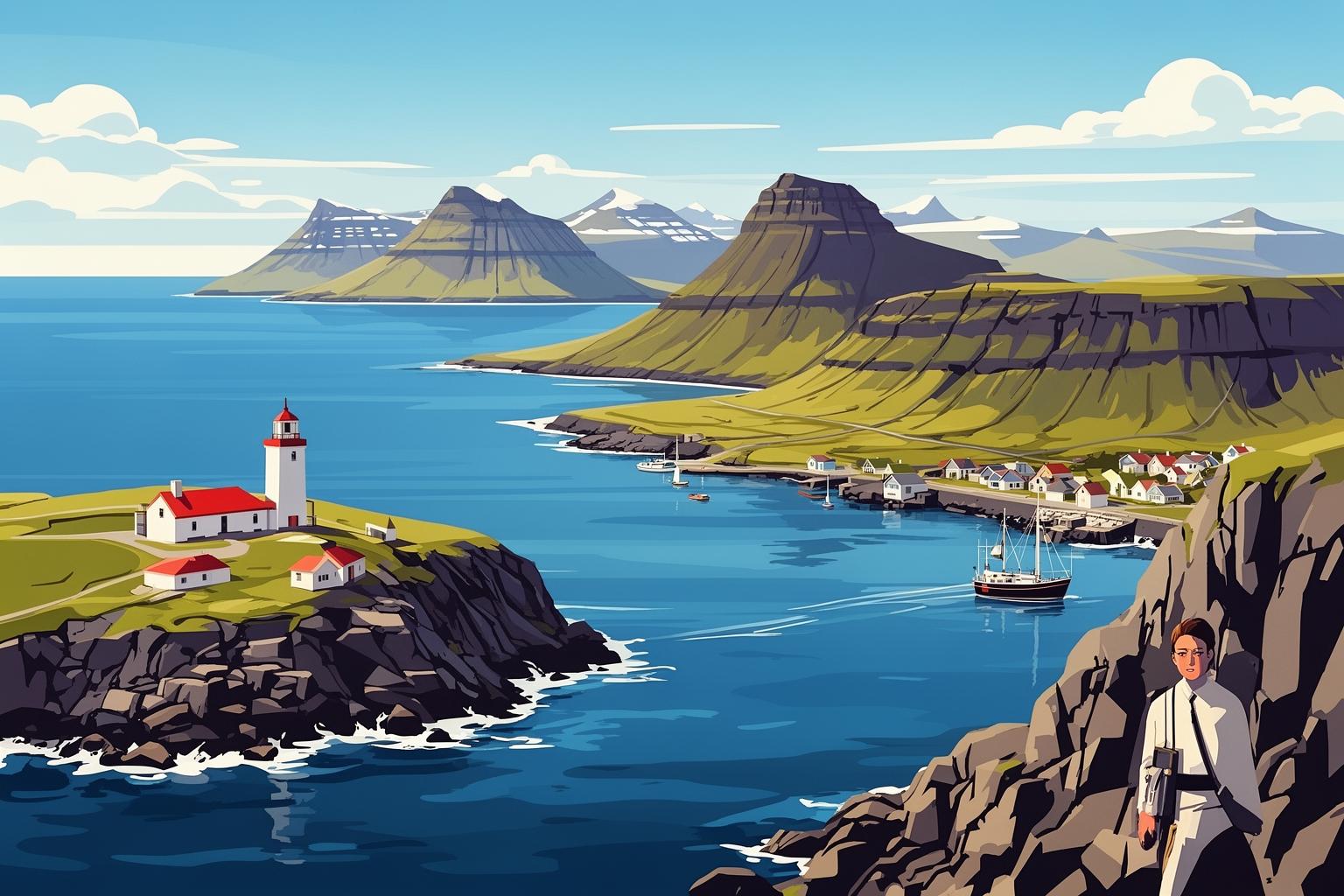
To walk through the Faroe Islands is to journey through a living history book. This land has been shaped not only by ice and water but also by the resilient people who have inhabited it for over a thousand years. Gaining insight into their culture adds a profound richness to the stunning landscape.
Tórshavn: The Smallest Big Capital
Tórshavn, meaning ‘Thor’s Harbor,’ is among the smallest yet most charming capital cities globally. It serves as an ideal base for exploration and a delightful place to spend a day or two. The city’s heart is the old town, Reyn, with its narrow, winding streets and traditional black-tarred wooden houses crowned with bright green turf roofs. Walking through this area feels like stepping back in time. Next to Reyn lies the Tinganes peninsula, home to one of the oldest parliamentary sites in the world. The Faroese parliament, the Løgting, has convened here since the Viking Age. The modest, red-painted government buildings remain in use today, symbolizing the islands’ long, continuous history of self-governance. The harbor bustles with activity, where fishing boats come and go, and some of the country’s best restaurants can be found. Tórshavn effortlessly blends its rich heritage with modern creative energy, featuring a vibrant music scene, unique design shops, and an unexpectedly sophisticated culinary landscape.
The Taste of the North Atlantic: Food and Hospitality
Faroese cuisine directly reflects its environment: pure, rugged, and deeply tied to the seasons. The ocean offers an abundance of fresh, high-quality seafood like cod, halibut, langoustines, and salmon. Lamb is another dietary staple. Faroese sheep, which nearly outnumber the population two to one, roam freely on the mountainsides, feeding on herbs and grasses, which imparts a distinct, delicious flavor to their meat.
One of the most distinctive elements of Faroese food culture is the tradition of ræst, a fermentation or air-drying process for meat and fish carried out in specially built sheds called hjallur. The constant, cool, salty wind plays a crucial role, giving the food a complex, pungent taste that truly embodies the islands. For an authentic cultural experience, seek out a heimablídni, meaning ‘home hospitality.’ Several local families open their homes to visitors, offering traditional home-cooked meals and sharing stories about their lives and culture. It is an intimate and wonderful way to connect with the Faroese people and appreciate the deep-rooted traditions of hospitality that define this close-knit community.
A Traveler’s Code: Respecting the Green Islands
The very qualities that make the Faroe Islands so enchanting—their pristine nature, delicate ecosystems, and unspoiled beauty—also render them vulnerable. As a visitor, you have a duty to travel thoughtfully and respectfully. The principle of ‘leave no trace’ is essential. Carry out everything you bring in, and never leave litter on the trails or in the countryside.
It is also important to recognize that nearly all the land is privately owned, mainly by sheep farmers. Always stay on the marked paths and cairns. Straying from the trail can harm the fragile vegetation and disturb grazing livestock. Many of the most popular hiking routes now charge a small fee, which goes directly to the landowners for the upkeep and preservation of the paths and stiles. Paying this fee is a small but meaningful way to support the local community and help ensure these beautiful trails remain accessible for years to come. By traveling mindfully and respectfully—honoring the land, wildlife, and local culture—you contribute to preserving the very magic you came to enjoy.
The Unforgettable Farewell
Leaving the Faroe Islands feels like emerging from a vivid dream. The vivid landscapes—the impossible greens, the deep blues, and the dramatic, sculptural cliffs and mountains—leave a lasting impression on your memory. You depart with lungs filled with the purest air on earth and a renewed awe for the raw, untamed beauty of our planet. This is more than just a hiking destination; it is a place that recalibrates your spirit. It reminds you of the power of solitude, the charm of simplicity, and the profound, primal bond we all share with nature. The echoes of the Atlantic, the calls of the seabirds, and the whisper of the wind over ancient hills will linger long after you’ve gone, drawing you back to these mythic, magical islands at the world’s edge.