The air in London carries a weight, a palpable sense of history etched into the very stones of its streets. It’s a city that has witnessed empires rise and fall, withstood plagues and fires, and stood defiant against the darkest of storms. Few moments in its long, storied past were darker than the spring of 1940, a period captured with breathtaking intensity in Joe Wright’s cinematic masterpiece, “Darkest Hour.” The film is more than just a biopic; it is a visceral, claustrophobic, and ultimately triumphant journey into the mind of Winston Churchill during the critical days when the fate of Western civilization hung precariously in the balance. To walk through the locations where this powerful story was brought to life is to step through a celluloid portal, to feel the echoes of history reverberating in the present, and to connect with the titanic spirit of a leader who roared when the world expected a whimper. This is not merely a tour of film sets; it is a pilgrimage to the nerve centers of courage, the rooms where words changed the world, and the streets that bore silent witness to a nation’s resolve. It’s an exploration of how a film can resurrect a city’s past, allowing us to see familiar landmarks through a new, more profound lens, feeling the tension, the doubt, and the unyielding defiance that defined Britain’s finest, and indeed, darkest hour.
For a different kind of pilgrimage that explores the profound connection between landscape and memory, consider the haunting vistas of Paris, Texas.
The Heart of the War: The Churchill War Rooms
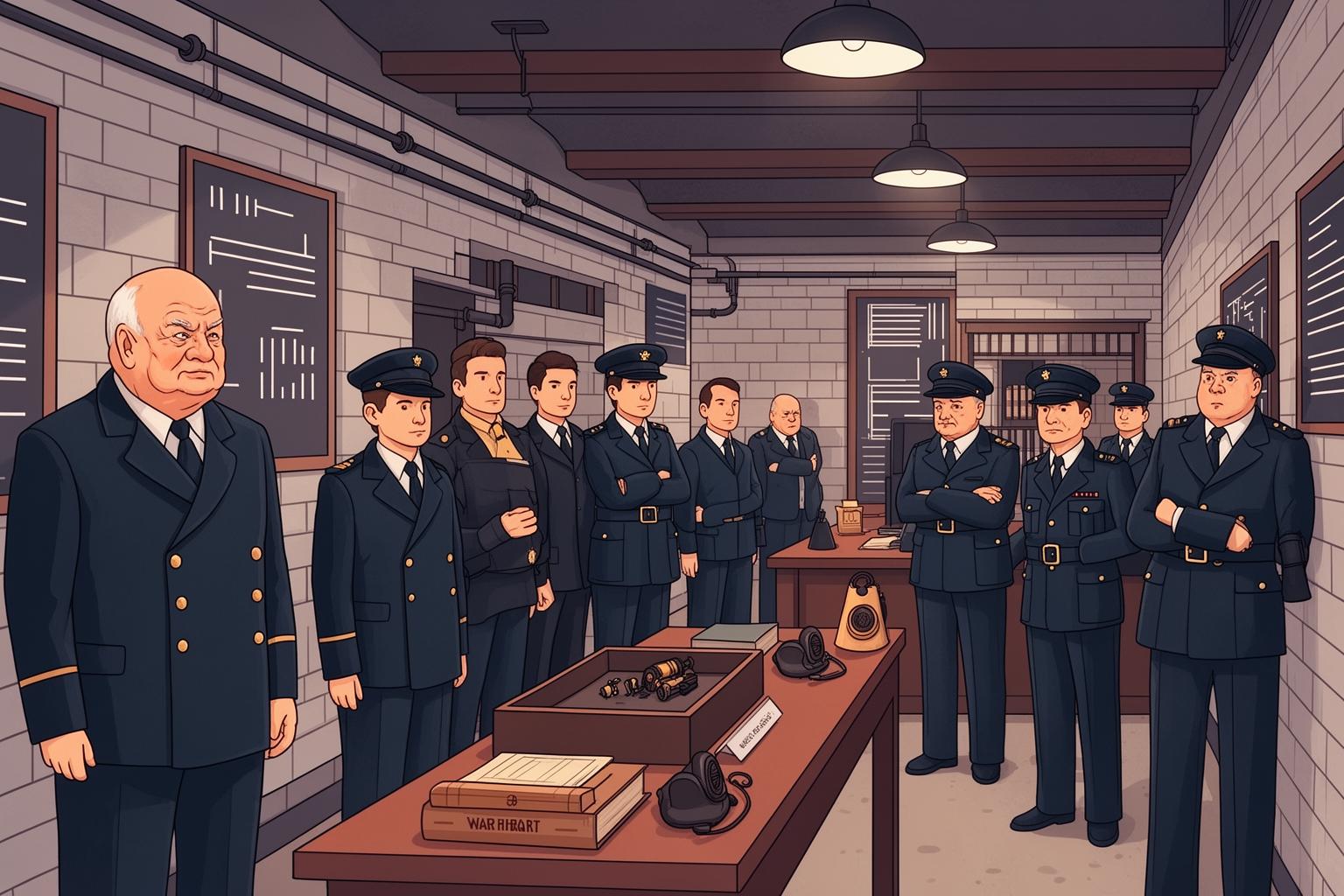
To genuinely embark on this pilgrimage, you must go underground. You need to descend from the busy, sunlit streets of Westminster into the subterranean maze that was the fortified core of Britain’s war effort. The Churchill War Rooms are not a replica; they are the authentic site, a time capsule sealed in 1945 and reopened for the world to see. The film anchors itself in this confined space, and visiting it feels like stepping directly onto the set, only to realize the set is chillingly real. The air down here is different—still, heavy, and thick with the lingering scent of cigar smoke and sleepless nights.
Descending into History
The entrance is modest, tucked near the grand Treasury building. But as you begin your descent down the narrow stairs, the modern world fades away. The bright museum lights give way to the dim, warm glow of the bunker. The ceilings are low, reinforced with massive steel beams, while a network of pipes and wires crisscrosses overhead like mechanical veins. Joe Wright expertly used these tight, oppressive corridors in the film to convey the immense pressure closing in on Churchill and his government. Long tracking shots follow characters as they rush through the maze, their footsteps echoing, creating a sense of unrelenting urgency. Walking these same hallways, you feel that same pressure—a physical embodiment of a nation trapped, its back against the sea. It is an immediate, immersive experience that no film set, however detailed, could truly replicate. Take a moment to stand in a corridor, close your eyes, and listen. You might almost hear the frantic clatter of typewriters, the distant ringing of telephones, and the hushed, anxious murmur of strategy in debate.
The Cabinet War Room: Where a Nation’s Fate Was Decided
This is the sanctum sanctorum, the spiritual center of the entire complex and the dramatic heart of Darkest Hour. It is a surprisingly small, simple room dominated by a long table covered in green baize, surrounded by plain wooden chairs. Here, Gary Oldman, in his transformative portrayal of Churchill, confronted his War Cabinet, battling the powerful faction led by Halifax and Chamberlain who pushed for negotiated peace with Hitler. The film captures these scenes with an almost suffocating intimacy, focusing on strained faces, beads of sweat, and subtle flickers of doubt and defiance. Standing in the actual room, peering through the preserved glass, is profoundly moving. You see Churchill’s chair, its arms deeply scarred and gouged by his signet ring and nervous fingernails—a physical testament to the immense stress he endured. The room’s simplicity is what makes it so powerful. There is no grandeur, no lavish decoration. It is a functional, austere space where only the spoken words and weighty decisions mattered. You can trace the lines of debate, imagine the impassioned speeches, and feel the heavy gravity that filled the air in this chamber. It’s a place that compels reflection on leadership and the courage needed to stand alone against a seemingly overwhelming tide.
The Map Room: A Ticking Clock on the Wall
Next to the Cabinet Room is the Map Room, a space frozen in time. It remains exactly as it was the day the lights went out in 1945. The room is a controlled chaos of maps, telephones, and colored pins marking the movements of armies and convoys worldwide. This was the operational brain of the war effort, staffed around the clock by officers from the Royal Navy, Army, and RAF. In Darkest Hour, the camera often lingers on the vast map of Western Europe, the relentless German advance shown by shifting pins—a silent, terrifying story of defeat. Seeing it in person reveals the staggering scale of the global conflict. Pins mark oceans where convoys faced U-boat attacks, and the front lines in Europe are sharply defined. Notice little details the film couldn’t fully capture—the special clocks showing different time zones, secure telephone lines, and scuff marks on the floor from chairs scraping back and forth during crises. It feels less like a museum and more like its occupants have just stepped out for tea. It’s a powerful, tangible connection to the daily grind of war, a reminder that behind every historic speech in the Cabinet Room, a thousand small, critical details were managed here.
Churchill’s Sanctuary: The Prime Minister’s Suite
Deep within the bunker lies the small three-room suite reserved for the Prime Minister: a bedroom, a study, and a private kitchen. The film offers glimpses of Churchill in these private moments—writing speeches or consulting with his wife, Clementine. Seeing the actual space reveals the man behind the myth. The bedroom is austere, little more than a bed and a chamber pot. It was from here he often addressed the nation via BBC broadcasts. The microphone stands ready on his desk, and you can almost hear his iconic gravelly voice echoing through the small room, broadcasting defiance from deep underground. His study, connected to the Transatlantic Telephone Room, was his direct secure link to President Roosevelt. This tiny soundproofed cubicle—disguised as a private lavatory—was a lifeline to Britain’s most powerful potential ally. Visiting these rooms humanizes the titan. It shows the conditions under which he lived and worked, stripped of power’s trappings, focused with singular intensity on the task at hand. It’s a poignant reminder that history’s great decisions are made by mortals, in small rooms, under immense pressure.
A Pilgrim’s Practical Guide to the War Rooms
Visiting the Churchill War Rooms requires some planning, as it is one of London’s most popular historic sites. Booking tickets online in advance is highly recommended, especially during peak tourist periods, to avoid long lines. The entrance is on Clive Steps, King Charles Street, just a short walk from Westminster or St. James’s Park tube stations. Allow at least two to three hours to explore. The audio guide, included with your ticket, is excellent and offers rich detail and personal anecdotes that deepen the experience. The bunker is a maze with a one-way route, so take your time; rushing would detract from the atmosphere. Lighting is dim and corridors narrow, which may challenge those with claustrophobia, but this helps convey the environment’s reality. Photography without flash is allowed, letting you capture the incredible preservation. The best time to visit is often a weekday morning right at opening, when the corridors are less crowded and the place’s quiet solemnity truly resonates.
The Halls of Power: Westminster and Whitehall
Emerging from the underground bunker, your journey continues into the highly public arenas of power: the majestic, gothic spires of the Palace of Westminster and the formidable government buildings of Whitehall. This is the stage where the political drama of “Darkest Hour” unfolds, with Churchill the orator fighting his battles not with generals and maps, but with words and determination. The film captures the grandeur and intimidation of these institutions—hallowed grounds where the nation’s fate was publicly debated and decided.
The Roar of the Commons: Recreating the Palace of Westminster
The scenes set in the House of Commons are among the film’s most electrifying moments. This is where Churchill, initially mistrusted by his own party and scorned by the opposition, had to persuade Parliament through sheer rhetorical force. His famous speeches—“Blood, toil, tears, and sweat” and “We shall fight on the beaches”—are delivered in a chamber brimming with hostility and skepticism. What many viewers may not know is that filming inside the actual House of Commons chamber is strictly forbidden. Moreover, the original chamber was destroyed by a bomb in 1941. Thus, the production team, led by the brilliant Sarah Greenwood, undertook the monumental task of constructing an exact, to-the-inch replica at Ealing Studios. Their attention to detail was astounding, from the precise shade of green on the leather benches to the intricate gothic woodwork. While you cannot visit the film set, you can—and should—visit the Palace of Westminster itself. Exterior shots reveal the iconic building, its spires defiantly piercing the London sky. You can book a tour of Parliament, which includes a visit to the rebuilt Commons chamber. Standing there, even in its modern form, you can sense the adversarial energy embedded in the room’s design, where government and opposition benches face each other just two sword-lengths apart. It’s a space built for confrontation and debate, and knowing the history—both real and cinematic—that unfolded there makes the experience all the more powerful.
St. Stephen’s Hall: The Echoes of Debate
While the main chamber was a set, other parts of the Palace of Westminster were used for filming. One key location is the magnificent St. Stephen’s Hall. This long, vaulted chamber, lined with statues of famed parliamentarians and adorned with vast murals depicting moments in British history, serves as the palace’s main public lobby. In “Darkest Hour,” this is where Members of Parliament are seen walking, conferring in hushed tones, and plotting. The filmmakers utilized this space to convey the political maneuvering and constant buzz of gossip and speculation surrounding Churchill’s early premiership. When you walk through St. Stephen’s Hall on a tour, you tread the very floor tiles featured in the film. The hall’s scale, with its soaring ceiling and historical grandeur, is palpable—it feels like a cathedral of politics. You can pause by the statue of the Earl of Clarendon and imagine Churchill striding past, his bulldog-like determination etched on his face as colleagues whisper and stare. This space perfectly captures the sense of history and tradition that Churchill both revered and contended with.
Manchester’s Gothic Stand-In: The Manchester Town Hall
Here lies a fascinating piece of cinematic magic. For many of the grand interior shots of the Palace of Westminster, the filmmakers traveled north to Manchester. The Manchester Town Hall, a masterpiece of Victorian Gothic Revival architecture designed by Alfred Waterhouse, is among the most magnificent municipal buildings in the world. Its interiors closely resemble the style and grandeur of Westminster and have frequently served as a stand-in for the Houses of Parliament in films and television. In “Darkest Hour,” its ornate committee rooms, with dark wood paneling and vaulted ceilings, along with its grand tiled corridors, were used to evoke the labyrinthine world of parliamentary power. This is a valuable tip for the dedicated film pilgrim. A visit to Manchester reveals a crucial piece of the filmmaking puzzle. Touring the Town Hall (when possible) lets you step into rooms that feel both authentically historical and cinematically familiar. You can admire the exceptional craftsmanship of the building while recognizing the backdrops for some of the film’s most tense political confrontations. It’s a reminder that filmmaking is an art of illusion, and that the search for the perfect location can take you far beyond the story’s immediate geography.
Number 10: The Most Famous Door in Britain
Just a short walk from Parliament lies Downing Street, home to the Prime Minister’s official residence behind its simple black façade. The exterior of 10 Downing Street, with its iconic, glossy black door, features prominently in the film as Churchill arrives to accept the premiership and departs for critical meetings with the King. In reality, Downing Street is a heavily guarded, gated cul-de-sac, off-limits to the public. It can only be viewed from the gates at the street’s end on Whitehall. However, for the film, the crew built a faithful replica of the street’s façade, allowing for dynamic shots of arrivals and departures. The interiors of Number 10—including the famous Cabinet Room (distinct from the one in the War Rooms) and the grand staircase lined with portraits of past Prime Ministers—were meticulously recreated on a soundstage. While the real building is off limits, standing at the gates on Whitehall is a quintessential London experience. Here, you stand at the political epicenter of the United Kingdom. From this vantage point, you can see the Cenotaph war memorial and the Foreign and Commonwealth Office, forming a panorama of British power and history central to the film’s visual narrative.
A Royal Compact: Buckingham Palace and the King

The relationship between Winston Churchill and King George VI forms one of the most emotionally compelling arcs in “Darkest Hour.” Their early encounters are marked by awkwardness and mistrust, but gradually they develop a bond of mutual respect and dependence that becomes fundamental to the nation’s leadership. The scenes between them, set within the grand surroundings of Buckingham Palace, are quiet, powerful, and intensely personal.
Forging an Alliance: Churchill and King George VI
The film showcases several pivotal meetings between the Prime Minister and the King. These moments, expertly portrayed by Gary Oldman and Ben Mendelsohn, strip away the ceremony to reveal two men weighed down by immense responsibility. The King, still grappling with the legacy of his brother’s abdication and his own speech impediment, initially views the flamboyant and divisive Churchill with caution. Churchill, conversely, must earn the sovereign’s trust. Their dialogues are a careful balance of protocol and personality. The settings for these encounters play a crucial role, highlighting the burden of tradition and the solitude of leadership. Ornate rooms, vast empty spaces, and formal furnishings all contribute to the initial formality between the two men. As their rapport deepens, the camera draws closer, fostering an atmosphere that is more intimate and conspiratorial.
Wentworth Woodhouse: A Palace in Disguise
Once more, the filmmakers chose a stunning location outside London to double for a famous landmark. The magnificent interiors of Buckingham Palace were primarily recreated using Wentworth Woodhouse in South Yorkshire. This enormous country manor, boasting Europe’s longest facade, is a place of immense scale and faded splendor. Its Marble Saloon, an exquisite cubic room designed in Italianate Baroque style, provided the setting for the royal audiences. The room’s vastness and opulence in the film effectively convey the daunting nature of meeting with the monarch. Wentworth Woodhouse itself has a rich history, from its aristocratic heyday through its 20th-century decline, and is now undergoing extensive restoration. For devoted fans of the film and British heritage alike, visiting here is a remarkable experience. You can stand within the very room where Churchill and the King deliberated the nation’s fate and appreciate how the filmmakers transformed this Yorkshire mansion into the symbolic heart of the British monarchy. It adds a deeper dimension to a pilgrimage, leading you off the beaten path to discover the secrets behind the film’s visual grandeur.
Visiting the Royal Quarter
Back in London, while the exact rooms featured in the film are not open to tours, the area surrounding Buckingham Palace is an essential part of the “Darkest Hour” experience. The palace itself presents a formidable and striking sight. Plan your visit to coincide with the Changing of the Guard ceremony for a taste of classic British pageantry. Afterwards, take a walk down The Mall, the grand ceremonial route leading from the palace. This is the very path Churchill’s car would have taken. In the film, these drives serve as moments of quiet reflection, burdened with the world’s weight as he moves between the centers of power. Wander through nearby St. James’s Park, a beautiful green space where you can look back at the palace and imagine the discussions taking place behind its walls. The entire district, with its regal architecture and manicured gardens, exudes a sense of formality and history that is central to the film’s mood.
The People’s Journey: Churchill on the Underground
One of the most memorable and debated scenes in Darkest Hour occurs when Churchill, burdened by his decision and feeling distant from his people, spontaneously chooses to ride the London Underground for the first time. He travels just one stop, asking ordinary Londoners—a cross-section of society—their opinions on the war. Should Britain continue the fight? Their unanimous, defiant answer strengthens his determination. Although this moment is a piece of historical fiction, it serves a powerful narrative purpose, connecting the isolated leader with the very people he aims to protect.
A Fictional Journey into the Heart of London
Screenwriter Anthony McCarten created this scene to dramatize a pivotal point: Churchill’s choice to continue fighting was not made in isolation but, he believed, reflected the true will of the British people. It’s a moment of deep connection and cinematic brilliance. It breaks the claustrophobia of bunkers and committee rooms and injects the voices of everyday men and women into the story. The scene is beautifully filmed, capturing the warm, muted light of the Tube carriage and the diverse, expressive faces of the passengers as they realize who is among them. The raw emotion, surprise, fear, and ultimately unwavering resolve—it encapsulates the national mood.
Aldwych Station: London’s Ghost Station
To film this scene, the production likely used Aldwych station, a disused stop on a short branch of the Piccadilly line. Closed to the public since 1994, Aldwych has been impeccably preserved and has become London’s most famous film set. Its period tiling, vintage posters, and atmospheric platforms make it an ideal location for historical productions. It has appeared in numerous films and TV shows, but its role in Darkest Hour holds special significance. While you cannot simply walk into Aldwych station, the London Transport Museum occasionally offers guided tours called “Hidden London.” Booking one of these tours is a unique opportunity for any film enthusiast. You can stand on the very platform where Churchill waited for his train, wander through eerie, silent tunnels, and experience a hidden piece of London’s history. It’s an unforgettable experience that immerses you in both the city’s past and the magic of filmmaking.
The Spirit of the Blitz
The Underground scene also resonates with a deeper historical truth. During the Blitz, which began months after the film’s events, Tube stations became the city’s largest air-raid shelters. Night after night, hundreds of thousands of Londoners descended underground to sleep on the platforms, seeking safety from the bombing above. This shared experience forged a unique sense of community and resilience—the very spirit the film’s fictional scene aims to evoke. So, the next time you travel London’s Tube, take a moment to look around the platforms and tunnels. Imagine them not filled with commuters rushing to work, but with families huddled together, singing songs, and embodying the quiet, stubborn courage that carried the city through its darkest days. The Underground is more than just a transport system; it stands as a symbol of London’s endurance.
Chartwell: The Private Man Behind the Public Figure
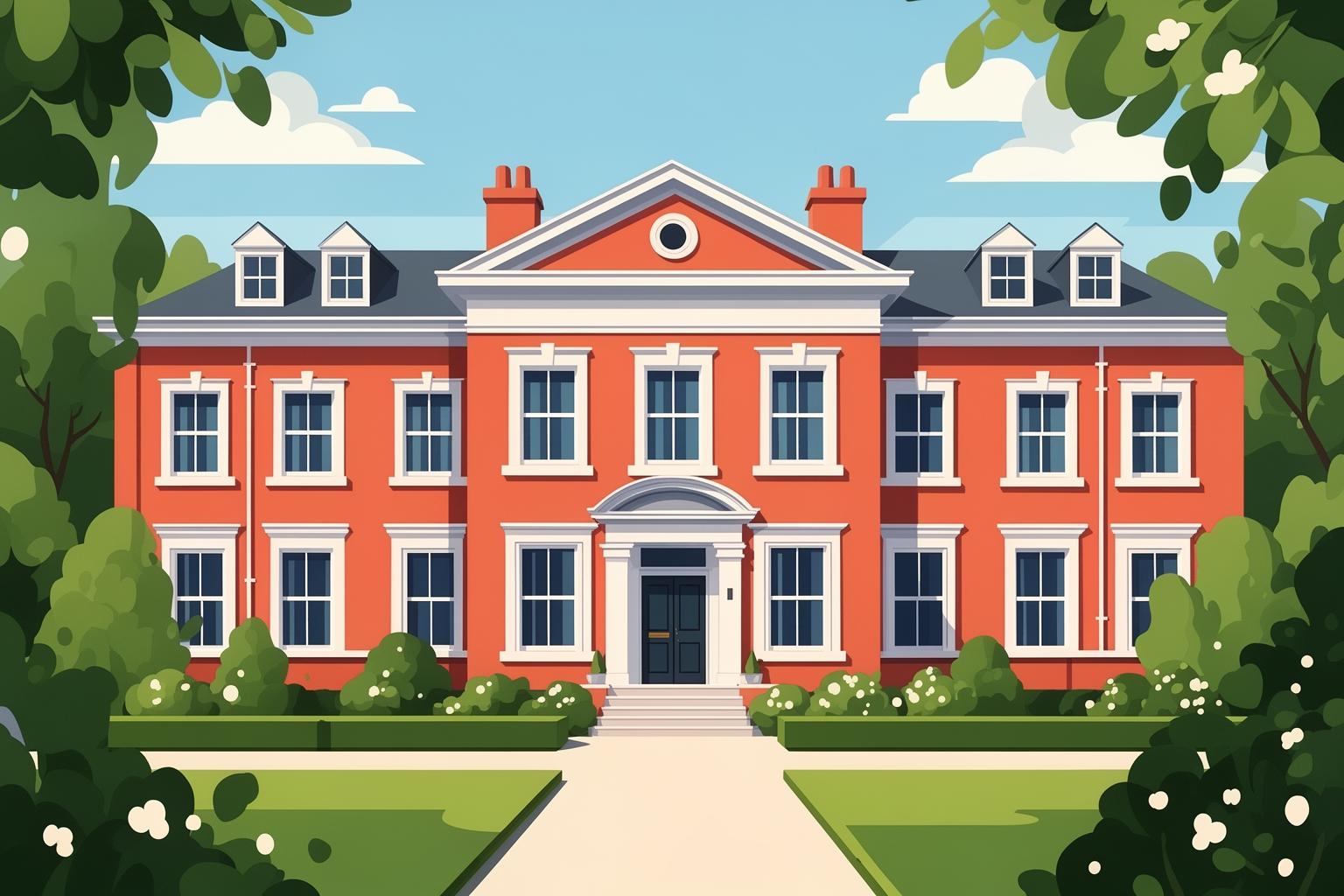
Although Chartwell was not used as a filming location for “Darkest Hour,” any journey into Winston Churchill’s world is incomplete without visiting his cherished family home in Kent. The film centers on a specific, public chapter of his life, but to truly grasp the man behind those historic decisions, one must see where he was most himself.
An Essential Pilgrimage Beyond the Film Set
Chartwell served as Churchill’s refuge, sanctuary, and creative workshop. It was here that he penned many books, painted landscapes, and sought respite from the intense pressures of public life. Touring the rooms of Chartwell—preserved much as he left them—offers a full vision of the man. His library, piled high with books; his study featuring the famous standing desk; and the garden studio, housing over a hundred vibrant paintings, all reveal a passionate, artistic soul. While the film presents Churchill as the resolute bulldog and defiant warrior, Chartwell reveals him as husband, father, historian, painter, and builder. It exposes his humanity, quirks, and the profound depth of the man Gary Oldman masterfully portrayed.
Discovering Churchill in Kent
Visiting Chartwell makes for a worthwhile day trip from London. The simplest route is by train from London Charing Cross to Sevenoaks, followed by a short taxi ride to the house. The National Trust manages the property, so booking in advance—especially for timed entry to the house—is recommended. Allow a full day to explore. The house itself is captivating, but the grounds are equally significant. Stroll through gardens he helped design, view the brick walls he built with his own hands, and relax by the lakes where he fed his prized golden orfe. The peaceful, deeply domestic atmosphere at Chartwell stands in stark contrast to the intense tension of the War Rooms. It represents the private world that sustained the public figure. Standing in his studio, surrounded by his art, one gains fresh appreciation for the multifaceted genius who led Britain through its darkest hour.
Crafting Your “Darkest Hour” Itinerary
Connecting these locations can craft a compelling and immersive experience. How you arrange them depends on the time you have and your level of commitment to the pilgrimage.
A One-Day Westminster Experience
For those short on time, dedicating a single day to the heart of London is ideal. Begin your morning at the Churchill War Rooms—arrive early to avoid the crowds. After leaving the bunker, take a reflective stroll through St. James’s Park toward Buckingham Palace. Next, proceed to Parliament Square. Admire the exterior of the Palace of Westminster and observe the iconic statue of Churchill standing there, a permanent and somber presence. Walk along Whitehall, passing the entrance to Downing Street, toward Trafalgar Square. This route covers the key geographical and spiritual landmarks featured in the film, allowing you to capture the intense atmosphere of Churchill’s London in one unforgettable day.
The Extended Pilgrimage: Manchester and Beyond
For the devoted enthusiast, a multi-day itinerary is essential. Spend two days in London to explore the Westminster sites more thoroughly, possibly including a full Parliament tour and a Hidden London tour of Aldwych station if available. On the third day, take a train north to Manchester to see the magnificent Town Hall and the ‘set’ used for Westminster’s interiors. On the fourth day, travel south from London to Kent, the Garden of England, for a tranquil and insightful day at Chartwell. This extended journey offers a chance to appreciate not only the historical reality but also the cinematic craft, seeing how various locations were skillfully combined to create the film’s seamless world. It’s a journey that leads you from the heart of the conflict to the core of the man himself.
Travel Tips and London Logistics
The best way to navigate London is via its public transport network. Get an Oyster card or use a contactless payment card for easy travel on the Tube, buses, and trains. When planning your visits, always check official websites for opening hours, ticket prices, and booking details, as these often change. Most key sites are within walking distance in central London, so wear comfortable shoes. The ideal time to visit is typically spring or autumn, when the weather is pleasant and the crowds are smaller than in peak summer. However, London has its own charm in every season, and the historical weight of these locations is powerful regardless of the weather.
The Enduring Echo of Defiance

To follow in the footsteps of “Darkest Hour” is to do more than merely visit filming locations. It involves connecting with a crucial moment in modern history on a deeply personal level. The film serves as a key, revealing the human drama concealed within these grand, imposing structures. Standing in the Cabinet War Room, you don’t just view a historical relic; you feel the immense pressure of a decision that could determine freedom or subjugation for millions. Walking through the halls of Parliament, you don’t simply admire Gothic architecture; you hear the distant echoes of speeches that rallied a nation. This pilgrimage transforms the city. Streets become stages, buildings become characters, and the past becomes vividly, thrillingly present. It powerfully reminds us that history is not merely a series of dates and events; it is the shared story of human beings confronting unimaginable challenges with courage, vulnerability, and, ultimately, an unyielding will to persevere. The journey leaves you with not only a deeper appreciation of a great film and a great leader but also a renewed sense of the enduring power of the human spirit in the face of encroaching darkness.