
There’s a curious tremor that runs through you when you first see a place you feel you already know. It’s a phantom memory, a sense of déjà vu for a life unlived. For countless souls across the globe, that feeling crystallizes into breathtaking reality upon the first glimpse of Lake Suwa in Nagano Prefecture. This isn’t just any body of water; it is the mirror-calm, mountain-ringed heart of a story that captured the world. It is the lifeblood of Itomori, the fictional town at the center of Makoto Shinkai’s animated masterpiece, Your Name (Kimi no Na wa). As a photographer, I chase light and landscapes, but here, I was chasing something more intangible: the echo of a feeling, the ghost of a painted sky. The journey to Suwa is more than a simple trip; it’s a pilgrimage to a place where the barrier between cinematic fiction and tangible existence becomes beautifully, poetically thin. It’s a landscape imbued with a quiet, profound magic, one that existed long before it was immortalized on screen, and one that waits to share its ancient stories with those who come to listen. Here, the twilight hour feels different. The air itself seems to hum with the possibility of connection, of lives intertwined across time and space, just as the film so powerfully portrayed.
This quiet, profound magic is what draws many to embark on their own photographic pilgrimage to Japan’s dreamy art island of Naoshima.
The Soul of Itomori: Art Imitating Life
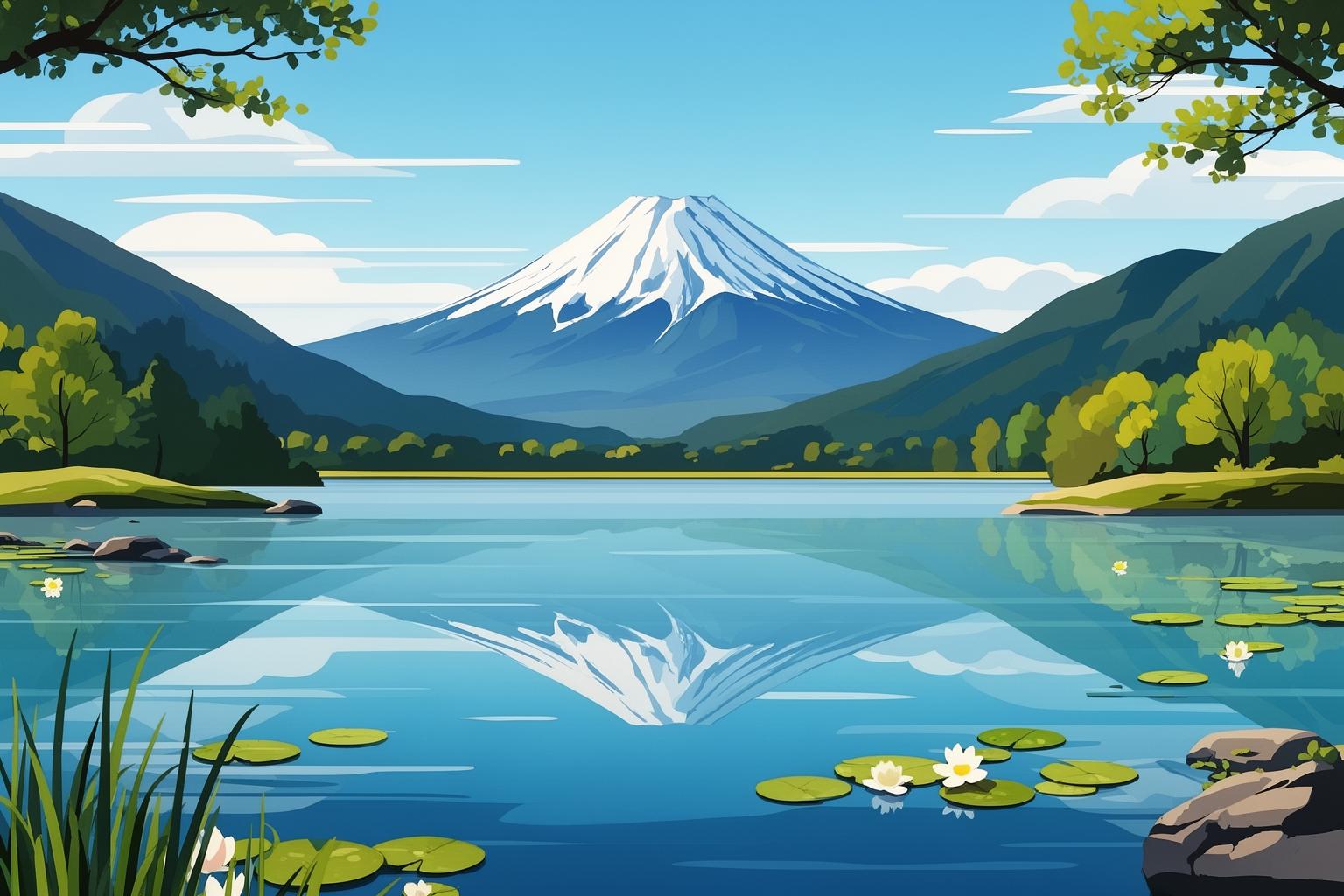
The connection between Lake Suwa and Your Name is far from a simple coincidence or a mere scenic backdrop. It is deeply personal. Director Makoto Shinkai grew up in Nagano Prefecture, and the landscapes of his childhood are intricately woven into the essence of his storytelling. Lake Suwa serves not only as a visual model for Itomori’s lake but also as the emotional and spiritual heart from which the fictional town draws its life. Standing on its shores, you begin to grasp why. The lake sits in a basin, a vast caldera-like hollow embraced by surrounding mountains. This geography creates a sense of a contained world, a microcosm shielded from the outside, much like the isolated, tradition-bound Itomori. The quality of light here is distinctive, filtering through mountain passes and casting long, dramatic shadows as the day fades. It’s this ambiance, this sensation of a world held gently in a mountainous palm, that Shinkai masterfully captured in his animation. The film’s narrative is deeply infused with themes of memory, tradition, and the invisible bonds linking us all. These themes extend beyond mere storytelling elements; they mirror the Suwa region’s profound history, a place where ancient rituals and deeply rooted beliefs have shaped the land for millennia. Visiting Lake Suwa is like stepping into the director’s sketchbook, witnessing the raw, unfiltered inspiration and sensing the heartbeat of the land that breathed soul into a global phenomenon. You see it in the curve of the shoreline, the silhouette of distant peaks, and the way the town’s lights begin to sparkle across the water as dusk falls, reflecting the film’s most touching and visually breathtaking moments.
Chasing Kataware-doki: The View from Tateishi Park
For any pilgrim on the Your Name trail, there is one vista that is indispensable, one image etched deeply into memory. It is the sweeping overlook of the lake—the very scene that stirred millions with its beautiful melancholy. This view is real, and it can be found at Tateishi Park. The journey to the park is part of the allure. Perched high on a hillside, the climb builds anticipation with each twist and turn. Whether you arrive by a winding taxi ride or a vigorous uphill walk, the moment you step onto the observation deck is pure cinematic revelation. The world fades away, and there it lies: Lake Suwa, stretched out in serene splendor, the towns of Suwa and Okaya outlining its shores, with distant mountains framing the scene in soft layers of blue and grey. It is a breathtaking landscape in its own right, but for fans of the film, it is a moment of deep connection. This is the place. This is where the sky breaks open, where twilight, or kataware-doki, descends. To witness this spot during that magical hour is to grasp the film on a fundamental level. As the sun sinks beneath the horizon, the sky bursts into a symphony of orange, magenta, and violet. The lake turns into a dark mirror, reflecting the fiery sky, and the town lights across the water begin to sparkle like a fallen constellation. The air grows still and cool. In this instant, time seems to thin, and the fictional world of Taki and Mitsuha feels vividly, almost tangibly close. It is a powerful, almost spiritual experience that goes beyond mere sightseeing. A practical tip for visitors: the golden hour is brief. Plan to arrive at least an hour before sunset to witness the full transition, to see the light shift and colors deepen. The park is small, and the best vantage points fill up quickly, especially on clear days. Be patient, find your spot, and let the spectacle unfold naturally.
More Than Just the Anime Frame
Although the link to Your Name is the main attraction for many, it would be a mistake to view Tateishi Park solely through that perspective. The park itself is a charming, tranquil spot, a local treasure long before it gained international fame. There is a simple clock tower and a gently sloping slide enjoyed by neighborhood children. It is a place for quiet reflection. The wind sweeping up the mountainside carries the scent of pine and fresh alpine air. It’s the perfect place to sit with a warm drink from a thermos and simply watch the world breathe. Notice the faint wakes of tour boats crossing the lake, the distant toll of a town clock, and watch the clouds drift and shift against the sky’s canvas. The view changes dramatically with the weather. On a crisp, clear day, the Japan Alps are sharply outlined on the horizon. On a misty morning, the lake is shrouded in a soft, ethereal fog, lending the entire basin a dreamlike quality. Each visit offers a new painting, a new mood. It’s a reminder that while a film can capture a single moment of beauty, the landscape itself is alive and ever-changing, offering endless variations of its splendor to those who take the time to look beyond the iconic frame.
Whispers of Ancient Gods: Suwa Taisha Grand Shrine
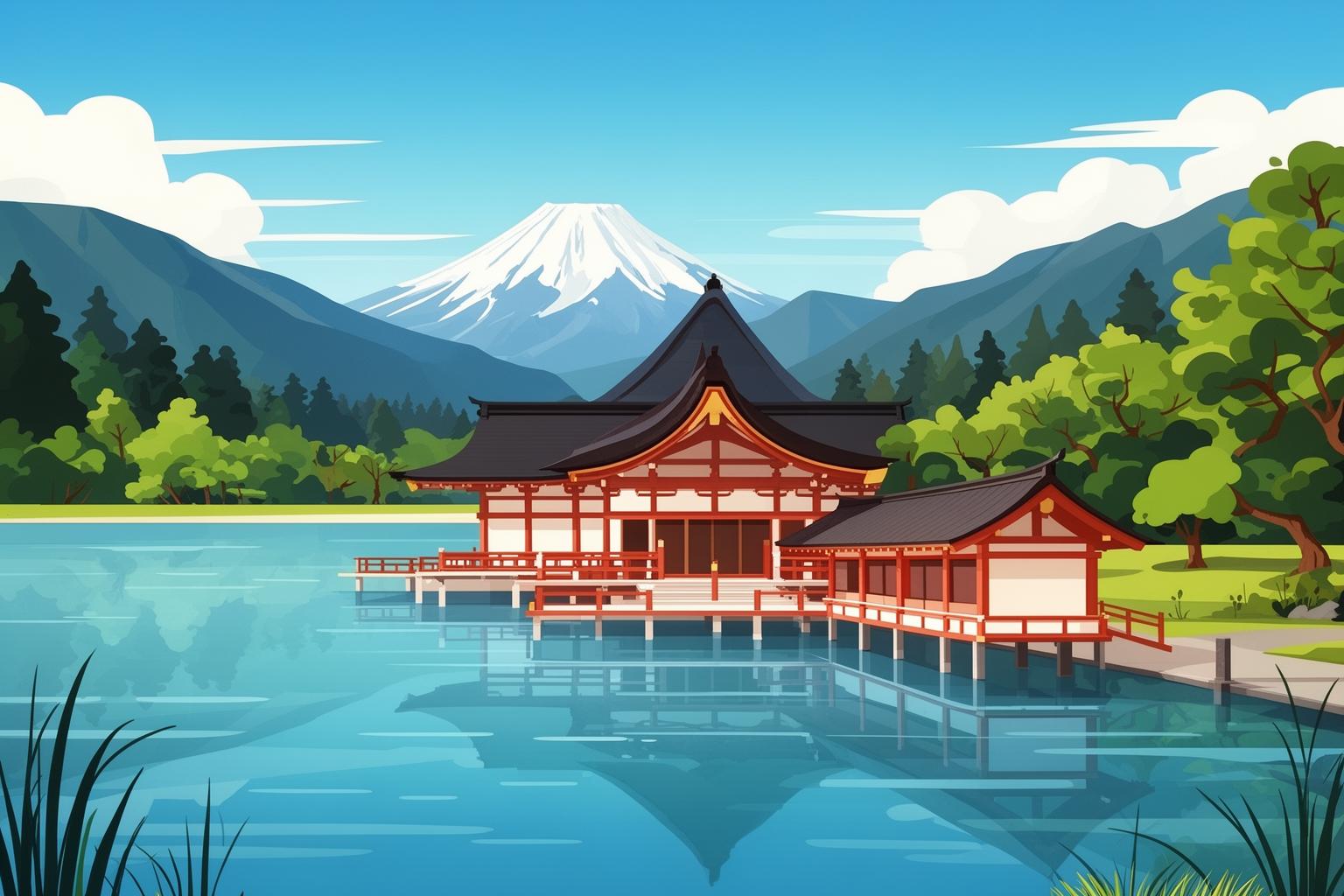
To truly grasp the cultural foundation from which Your Name emerged, one must look beyond mere perspectives and delve into the spiritual core of the region: the Suwa Taisha Grand Shrine. This is not a single shrine but a complex of four ancient sanctuaries, collectively regarded as one of Japan’s oldest and most significant Shinto shrines. Its history reaches back into the depths of time, well before written records. The shrine’s profound connection to nature, its powerful and sometimes fearsome deities, and its distinctive ancient rituals deeply resonate with the spiritual motifs woven throughout the film. The Miyamizu family shrine, with its traditions of kuchikamizake (rice wine chewed and fermented with saliva) and its strong reverence for the local god, serves as a fictional embodiment of the genuine, primal spirituality that permeates the Suwa region. As you walk through the grounds of Suwa Taisha, a tangible sense of age and power surrounds you. Towering over the paths are giant, centuries-old cryptomeria trees whose presence commands silent respect. The architecture is rustic and imposing, constructed from unpainted wood that harmonizes with the surrounding forest. This is not a place of delicate, ornate beauty; rather, it is a site of raw, elemental power, a direct connection to the animistic beliefs of ancient Japan where gods, or kami, dwell in mountains, trees, and water. Exploring these grounds adds a profound layer of context to the film, anchoring its fantastical aspects in a living, breathing tradition.
A Tale of Four Sanctuaries
Exploring Suwa Taisha means visiting its four distinct sections, which are organized into two main complexes. On the southern shore of the lake lies the Kamisha, or Upper Shrine, composed of the Honmiya (Main Shrine) and the Maemiya (Front Shrine). The Honmiya is the most grand of the four, radiating a solemn authority. Its vast grounds and impressive structures testify to its historical significance. Just a short walk away, the Maemiya feels more rustic and ancient, closely linked to the spring water flowing nearby. Across the lake on the northern side, in Shimosuwa town, lies the Shimosha, or Lower Shrine, comprising the Harumiya (Spring Shrine) and Akimiya (Autumn Shrine). The Akimiya is especially striking, guarded by a massive bronze komainu (guardian dog-lion) and featuring a magnificent kaguraden (sacred dance hall) adorned with a huge shimenawa (sacred rope). Nearby, the Harumiya rests beside the Togawa River, known for its picturesque wooden bridge and peaceful atmosphere. A unique feature shared by all four shrines is the Onbashira—four enormous fir tree trunks positioned at each corner of the shrines. These logs are replaced every six years during the famously perilous and spectacular Onbashira Matsuri festival, where men ride the massive logs down steep hillsides. This raw and powerful tradition perfectly captures the untamed spirit of the Suwa faith and offers insight into the deep cultural psyche that shapes the world of Your Name.
Circling the Mirror of the Sky: Life on the Lakeside
The charm of Suwa goes well beyond its cinematic and spiritual landmarks. At the heart of it all lies the lake, a vast, shimmering expanse that beckons exploration. One of the most fulfilling ways to experience the region is to bike around the lake, a route of about 16 kilometers. Renting a bicycle is a popular choice, allowing you to travel at a relaxed pace and pause whenever a particular view or attraction catches your eye. The dedicated cycling path is mostly flat and provides uninterrupted, stunning views of the water and surrounding mountains. Along the way, you’ll come across various points of interest. The Suwa City Lake Suwa Geyser Center is a fascinating spot where a powerful geyser erupts several times daily, shooting hot spring water high into the air. Scattered along the shore are numerous free public ashiyu, or footbaths. Soaking your tired feet in the naturally warm, mineral-rich water while gazing out at the lake is a simple, refreshing pleasure that feels distinctly Japanese. For art enthusiasts, the Suwa City Museum of Art and the Taizi Harada Art Museum provide cultural retreats, showcasing works by both local and national artists. Simply wandering the lakeside promenade, watching swans glide by, and observing daily life—fishermen casting lines, families picnicking—offers a peaceful and authentic contrast to the more dramatic pilgrimage sites.
The Lake’s Changing Moods
Lake Suwa dons the seasons like a series of splendid kimonos, each providing a completely different yet equally enchanting experience. Spring brings delicate beauty, with thousands of cherry trees blooming along the shore, their pale pink petals scattered across walking paths and mirrored in the still water. The air feels fresh and full of promise. Summer pulses with vibrant energy as the lake comes alive with boating and water sports, culminating in one of Japan’s most spectacular fireworks displays in August, where pyrotechnics launched from platforms on the lake create radiant reflections in the water below. Autumn is often the most poetic season. The mountains surrounding the lake burst into a tapestry of fiery reds, brilliant oranges, and deep golds. The crisp, clear air makes it ideal for hiking and photography. Winter casts a serene, monochrome magic over the landscape. The mountains are frequently capped with snow, and in the coldest years, the lake itself may freeze over—a rare event known as omiwatari, or “the god’s crossing,” where ice ridges form across the surface, said to mark the path of gods traveling between the upper and lower shrines. Regardless of when you visit, the lake reveals a unique and unforgettable face, ensuring every trip to Suwa tells its own special story.
Your Pilgrimage Blueprint: Navigating the Suwa Basin
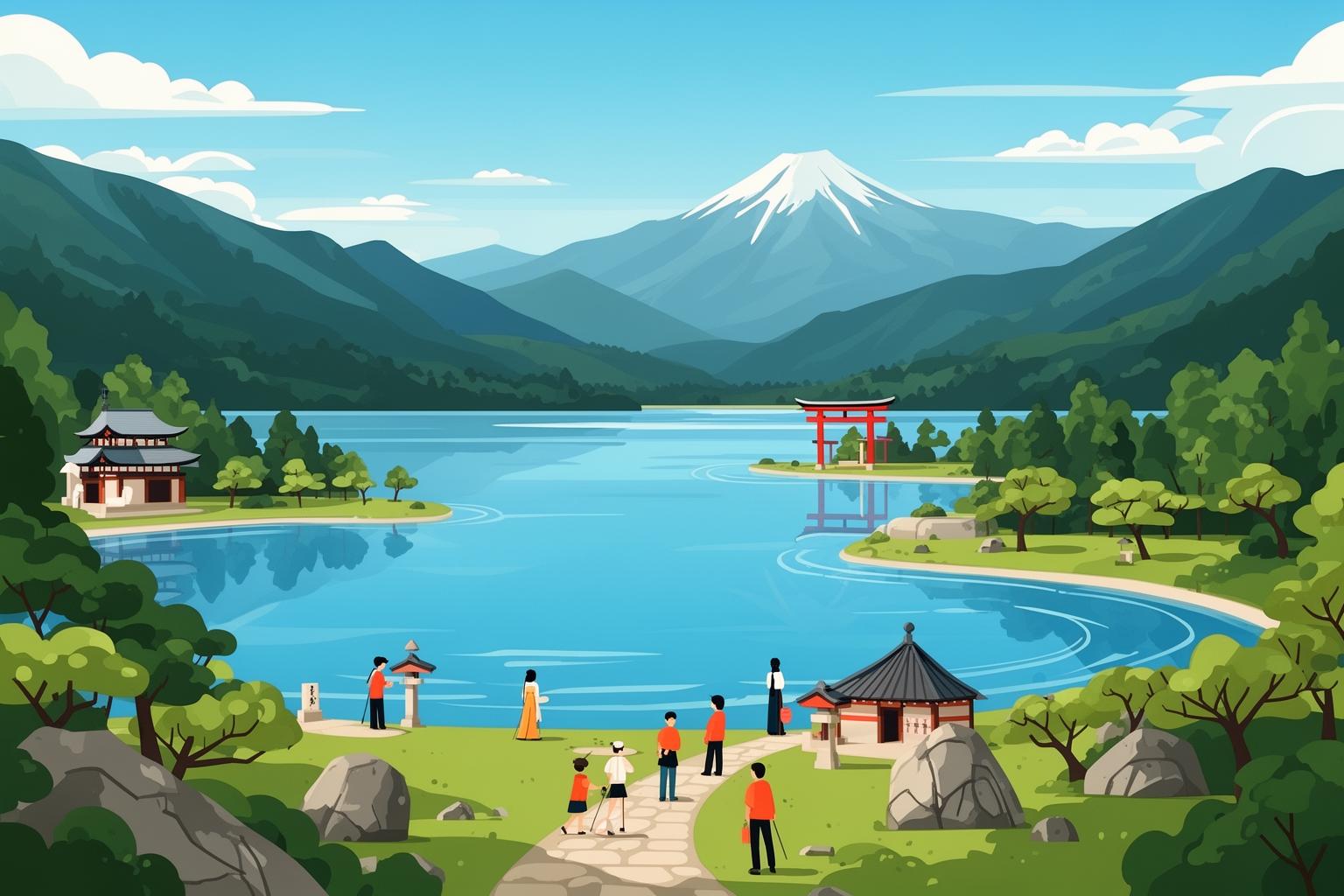
While the journey to Suwa is deeply emotional, it also demands a bit of practical planning to ensure a smooth and enjoyable experience. The region is well-connected and easy to navigate, even for first-time visitors to Japan, but having a sense of the layout beforehand can make a significant difference. The area is compact enough to explore leisurely over two days, allowing plenty of time to absorb the atmosphere without feeling rushed. Thoughtful planning of transportation between key sites—especially Tateishi Park and the various Suwa Taisha shrines—will help you make the most of your time and fully immerse yourself in the magic of the place. Consider this your personal map, the logistical foundation upon which your memories will be built. A little preparation can transform a good trip into an unforgettable pilgrimage.
The Journey Inward: Access and Mobility
Traveling to the Suwa area from Tokyo is surprisingly straightforward. The most direct way is via the JR Azusa Limited Express train from Shinjuku Station, which takes you straight to Kami-Suwa Station in about two and a half hours. The journey itself is a scenic pleasure, winding through mountains and valleys as you leave Tokyo’s urban sprawl behind. Upon arrival at Kami-Suwa Station, conveniently located near the lake shore, you have several transportation options. The local bus system, including the charmingly named Karin-chan Bus, can take you to many main attractions, such as the Suwa Taisha lower shrines. However, getting to the hillside Tateishi Park by public transit can be infrequent and tricky. For this iconic viewpoint, taking a taxi from Kami-Suwa Station is the most reliable and efficient choice; the ride lasts around 15 minutes. To explore the immediate lakeside area or travel between the Harumiya and Akimiya shrines of the Shimosha, renting a bicycle from one of the shops near the station is an excellent option. It lets you explore at your own pace and discover hidden spots you might otherwise miss. The Kamisha shrines are a little farther out but can be reached by bus or a short taxi ride from the station.
Sustenance and Slumber: Local Flavors and Ryokan Stays
A trip to Suwa is also a delight for the senses, especially when it comes to food. The Nagano region is renowned for its Shinshu soba, and you’ll find many restaurants serving delicious handmade buckwheat noodles—either hot in a savory broth or chilled with dipping sauce. Thanks to the pristine mountain water, it’s a must-try. The area is also famous for wasabi, so watch out for wasabi-flavored treats, from ice cream to pickles. For a heartier meal, freshwater eel, or unagi, from Lake Suwa is a local specialty. To complete an immersive experience, consider staying at a traditional Japanese inn, or ryokan. Many ryokan in the Kami-Suwa area sit along the lake and offer their own onsen, or hot spring baths. There is nothing quite like ending a day of exploration soaking in a natural hot spring, feeling your fatigue melt away while gazing out at the tranquil, moonlit lake. It’s a moment of pure serenity that connects you to the region’s long history as a place of rest and healing—an ideal closing to a day spent journeying between worlds.
Through the Viewfinder: A Photographer’s Perspective
As a photographer, Suwa offers a distinctive and fulfilling challenge. The urge is to merely recreate the famous anime scenes, to stand in the exact spot in Tateishi Park and capture the postcard-perfect view. And you should—it’s a cathartic experience. However, the true essence of this place is found in the details, in the moments nestled between the iconic shots. My advice is to slow down. Set the camera aside for a time and simply observe. Notice how the light shifts on the water’s surface, changing from a metallic sheen at midday to a soft, liquid gold in the late afternoon. At Tateishi Park, a wide-angle lens is crucial for encompassing the vast panorama, but don’t overlook a telephoto lens. Use it to compress the layers of distant mountains or to isolate details in the towns lining the lake. Seek out unique compositions; frame the lake with the twisted branches of an ancient pine tree in the park. At Suwa Taisha, pay attention to textures: the rough, mossy bark of aged trees, the intricate grain of unpainted wooden beams, the way sunlight filters through the dense canopy to dapple the sacred ground. The beauty here is subtle and understated—about mood and atmosphere. Employ a slower shutter speed to capture the flowing water at a purification fountain or the gentle blur of incense smoke. The aim is not only to document your presence but to convey the feeling of the place—the reverence, tranquility, historical weight, and that faint, magical shimmer of a beloved story brought to life.
Fading into Twilight: A Parting Reflection
Leaving Lake Suwa feels like emerging from a vivid dream. The colors appear slightly less vibrant in the real world, the air a bit less charged with possibility. A pilgrimage like this changes you in a unique way. It rewires your connection to a story you love, turning it from something you watched into something you lived. The lines on a map become footsteps you’ve walked, animated backgrounds turn into treasured memories of an actual sunset, and a fictional world gains a real, geographic anchor in your heart. You no longer just watch the film; you feel it in the breeze off the lake and hear it in the stillness of the ancient shrine. Lake Suwa stands as a testament to the power of place, reminding us that the landscapes inspiring our cherished stories often hold a magic of their own, patiently waiting to be discovered. Whether you arrive as a fan, a photographer, or simply a curious traveler, you will leave with a piece of its quiet, profound beauty etched into your memory, a subtle echo of a comet’s long and graceful tail.