

There’s a hum that resonates deep in your soul when a story truly connects, a frequency that blurs the line between the world on the screen and the world beneath your feet. For millions, that story was Makoto Shinkai’s breathtaking anime, ‘Your Name’ (Kimi no Na wa). It was a tale of star-crossed lovers, a dance of destiny and disaster, woven together by the invisible red threads of fate. We watched Taki’s desperate search for Mitsuha, a girl whose name he could barely remember but whose presence was an ache in his heart. His journey led him to a town he’d only seen in dreams, a place of stunning rural beauty and deep-rooted tradition called Itomori. And while Itomori may be a work of fiction, its soul, its very blueprint, is breathtakingly real. It lives and breathes in the heart of the Japan Alps, in the quiet, charming town of Hida-Furukawa in Gifu Prefecture. To visit Hida-Furukawa is more than just a trip; it’s a pilgrimage, a ‘seichi junrei’ for fans who want to walk the same paths, see the same sights, and feel that same quiet magic that captivated the world. It’s a chance to step through the screen and find that the powerful connection, the sense of longing and belonging, wasn’t just in the story—it’s waiting for you, whispering in the mountain air.
For those who feel the stirrings of wanderlust, a pilgrim’s journey invites you to trace the real-life footsteps that inspired the film’s enchanting allure.
Stepping into the Frame: The Station and the Shrine
Your pilgrimage begins the moment you step off the train, just as Taki’s physical search did. The journey itself, a rhythmic rumble aboard the JR Wide View Hida express, serves as a prelude to the magic. The train meanders through dramatic river gorges and dense, emerald forests, ascending deeper into the mountains and leaving the city’s concrete sprawl far behind. With each tunnel, anticipation builds. Then, the announcement comes: Hida-Furukawa. The doors slide open, and you’re greeted by the crisp, clean mountain air. This isn’t merely a station; it’s the threshold.
The Iconic Hida-Furukawa Station
The feeling is surreal, a cinematic déjà vu that sends a shiver down your spine. You stand on the platform where Taki and his friends arrived, sketchbook in hand. Every detail is meticulously, uncannily precise — the wooden benches, the signposts, the distinctive slatted roof of the footbridge spanning the tracks. The most coveted view, of course, is from that very footbridge. Looking down, you see the tracks curving away into the distance, framed exactly as in the film. Fans patiently wait for the Wide View Hida train to arrive, its sleek, modern form contrasting perfectly with the rustic setting, all to capture that flawless, frame-for-frame photograph. It’s a moment of pure, unfiltered fan joy. Even the region’s mascot, a charming little cow-like figure named Hidakuro, seems to welcome pilgrims from its perch on a station sign. Don’t rush this moment. Linger in the small waiting room, absorb the slow rhythm of a rural station, and imagine the mix of hope and confusion that must have filled Taki as he stood in this very spot, worlds away from his Tokyo life.
Taki’s Search and the Hilltop Shrine
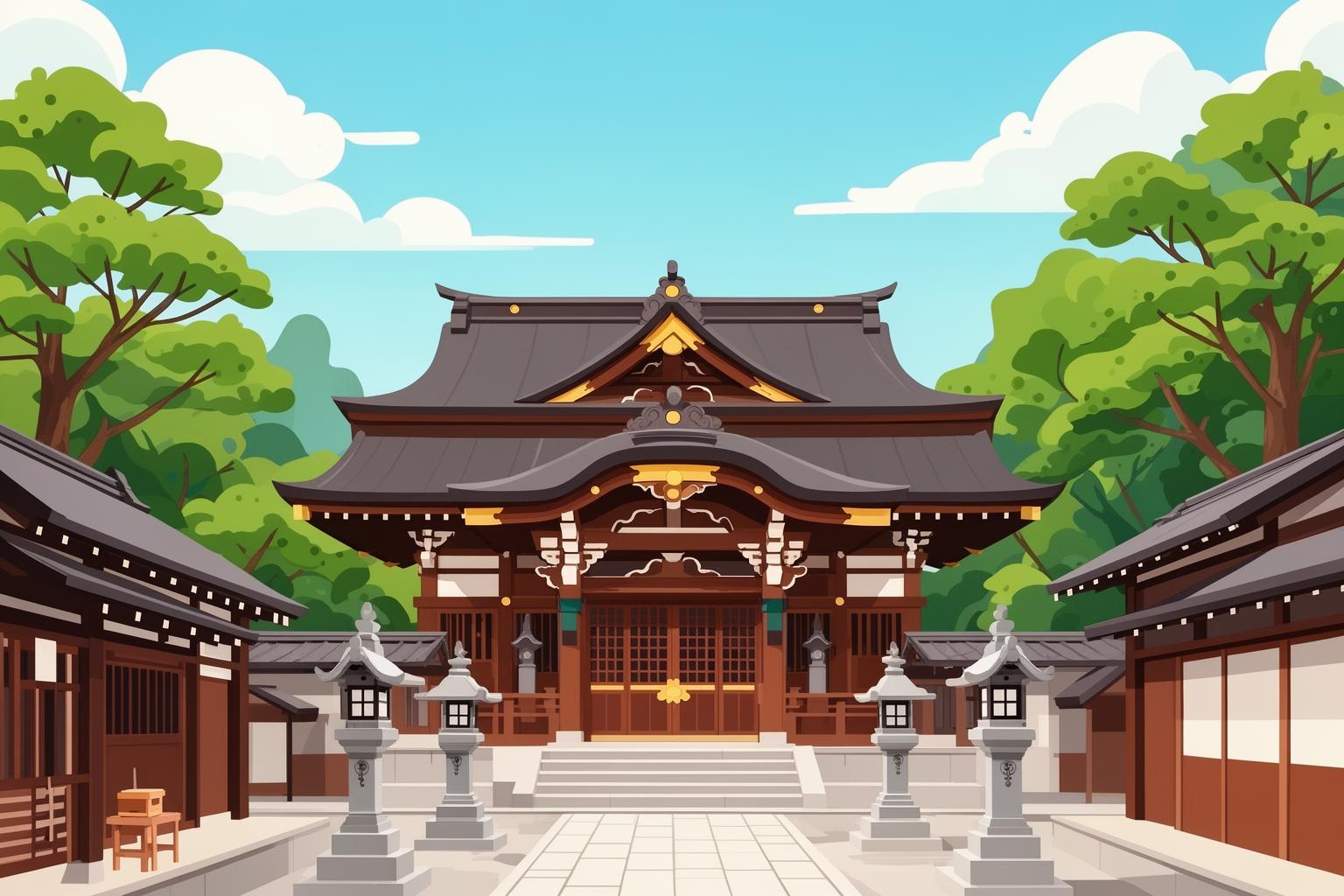
From the station, Taki’s quest truly begins — and so does yours. A short, pleasant walk through the town’s orderly streets leads you to the base of a stone staircase flanked by towering cedar trees reaching toward the sky. This is Keta Wakamiya Shrine, the setting where Taki, clutching his amateur sketch of Itomori, asks two locals for information. The steps are steep, a gentle challenge encouraging you to slow down. As you ascend, the sounds of the town fade, replaced by the rustling leaves and occasional bird cry. The air grows cooler, heavy with the scent of damp earth and ancient wood. The shrine atop is modest and unpretentious, exuding a humble, profound stillness. Weathered wooden structures, adorned with intricate carvings, rest peacefully under a canopy of green. It’s a place for quiet contemplation. You can almost hear the echoes of Taki’s anxious questions and the locals’ kind but unhelpful responses. Standing there, you understand why this location was chosen — it feels sacred, timeless, where past and present converge, a perfect physical embodiment of the film’s core themes of memory and time.
The Soul of Itomori: Weaving Tradition and Daily Life
While the station and shrine are exact, frame-for-frame replicas, the true spirit of Itomori is interwoven with the daily life of Hida-Furukawa. It lives in the architecture, the crafts, and the gentle flow of water that seems to set the town’s rhythm. The animators didn’t merely reproduce locations; they captured an essence, and that essence is what makes exploring the town so richly rewarding.
The Hida City Library: A Repository of Memories
Perhaps the most moving site along the pilgrimage is the Hida City Library. This is where Taki ultimately discovers the historical records of the comet strike, the poignant evidence that his bond with Mitsuha transcended not only distance but time itself. From outside, the building is a striking example of modern architecture, with clean lines and warm wood, designed by a renowned architect to harmonize with the historic surroundings. Inside, it is a sanctuary of light and knowledge. Sunlight pours through vast windows, highlighting the elegant wooden beams and creating a serene, almost cathedral-like ambiance. The staff, well acculturated to the steady stream of anime pilgrims, are exceptionally welcoming. They have a designated desk for photo permissions, ensuring visitors do not disturb locals who come to read and study. Finding the exact spot where Taki sat—the precise table and view across the stacks—is a profoundly moving moment. This is a place where fiction feels deeply real. You can settle into one of the comfortable chairs, gaze out at the mountains, and feel the story’s weight settling around you. This isn’t just a backdrop; it’s a vital part of the narrative, where the puzzle pieces come together.
Whispers of the Old Town: Canals and Carp
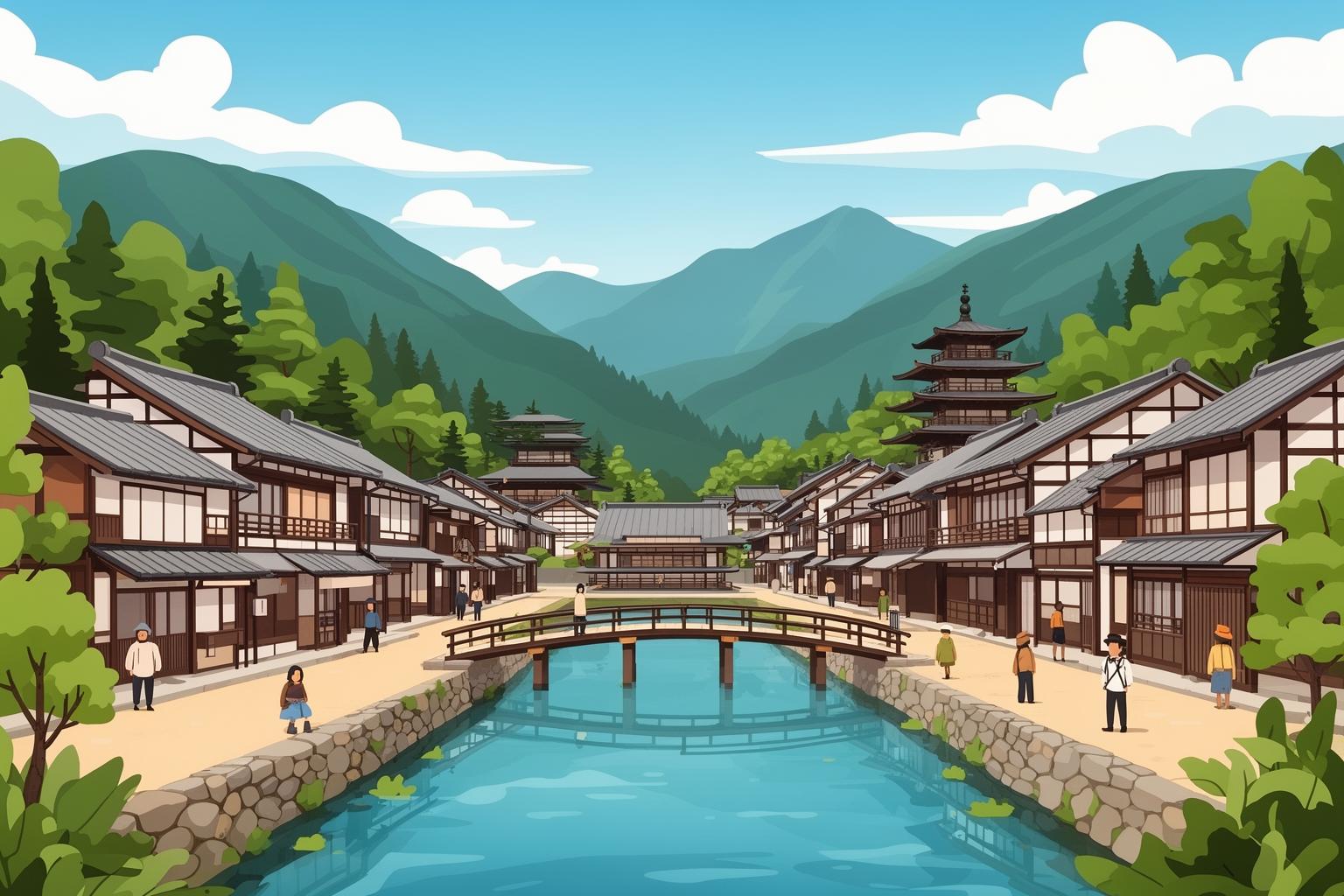
A short walk from the library leads you to the Shirakabe Dozogai district, the town’s beautifully preserved historic core. Here, Hida-Furukawa’s unique character truly shines. A narrow canal, the Seto-gawa, flows crystal clear along streets lined with brilliant white-walled storehouses (‘kura’) and traditional wooden merchant houses. From April through November, this canal transforms into a vibrant, living river of color, hosting over a thousand massive, multi-colored koi fish. The sight is captivating. The gentle murmur of water, the slow, graceful dance of the carp, the dark wood of buildings mirrored on the surface—it’s a scene of perfect, peaceful beauty. As a foodie, I was thrilled to discover you can even buy small bags of fish food at unmanned stalls along the canal, operated on an honor system. Tossing pellets into the water and watching it erupt with eager mouths is a simple, joyful delight. This area, with its timeless atmosphere, feels like the very soul of Itomori’s traditional side. It’s easy to imagine Mitsuha and her friends strolling these paths, their daily lives unfolding against this enduring historical backdrop.
A Taste of Tradition: The Sake Breweries
The white-walled storehouses are not merely decorative; many remain active, family-run sake breweries, a tribute to Hida’s centuries-old brewing heritage. The region’s pure mountain water and high-quality rice provide ideal conditions for producing premium sake. Two main breweries, Watanabe Shuzoten and Kaba Shuzojo, anchor the old town. You can often spot a ‘sugidama’ (a ball made of cedar sprigs) hanging above the entrance, a traditional sign signaling a new batch of sake has been pressed. Stepping inside is like stepping back in time. The air is filled with the sweet, fruity aroma of fermenting rice. Many breweries offer tours or tastings, allowing visitors to sample local flavors. This experience resonates deeply with ‘Your Name’, since Mitsuha’s role as a shrine maiden involved the ritual creation of ‘kuchikamizake’ (rice chewed to start fermentation). While the modern method is far more scientific, the connection to rice, water, and ritual remains palpable. Tasting the local sake here connects you to a fundamental cultural element of the story in a vivid, flavorful way.
Beyond the Screenplay: Experiencing Hida’s Culture
A pilgrimage to Hida-Furukawa offers far more than simply checking off destinations. To genuinely connect with the essence of the place, you need to immerse yourself in its vibrant culture, crafts, and flavors. This is how the fictional world of Itomori turns into a personal, unforgettable experience.
The Art of Kumihimo: Weaving Your Own Red Thread of Fate
The most significant visual symbol in ‘Your Name’ is the ‘kumihimo’, the intricate braided cord Mitsuha wears in her hair and later gives to Taki. This cord represents ‘Musubi’—the film’s core concept of connection, intertwining people, places, and time. It embodies the red thread of fate made visible. Remarkably, Hida is renowned for this traditional craft. Numerous shops and even the tourist information center offer hands-on kumihimo workshops. Sitting at a traditional wooden ‘marudai’ stand, guided by a local artisan, you braid your own cord. The process is meditative and deeply rewarding. You cross the weighted silk bobbins in a rhythmic, repetitive pattern. As you weave, you naturally reflect on the film’s themes. You are literally intertwining threads, forging connections and bonds. Leaving with a kumihimo bracelet you crafted yourself, in the very town that inspired Itomori, makes for perhaps the most meaningful souvenir possible—a personal memento of the story to carry with you.
Flavors of the Mountains: Hida’s Culinary Delights
No visit to this region is complete without savoring its rich, mountain-grown cuisine. The star attraction is undoubtedly Hida beef. This premium wagyu, known for its intense marbling and melt-in-your-mouth texture, is a genuine delicacy. While a full steak dinner is a luxurious treat, you can also enjoy it casually. Look for street vendors near the old town offering Hida beef croquettes or skewers (‘kushi-yaki’), perfect savory snacks to enjoy as you explore. But the local food scene extends well beyond beef. Don’t miss ‘mitarashi dango’, grilled rice dumplings on a stick. Unlike the sweet, syrupy versions common elsewhere in Japan, Hida’s style is savory, brushed with light soy sauce and toasted over charcoal, imparting a delightful smoky flavor. Another specialty is ‘gohei mochi’, a flattened oval of pounded rice skewered, coated with a sweet-savory miso-walnut sauce, and grilled. It’s hearty, flavorful, and deeply comforting. Finding a small, family-run restaurant and ordering a ‘teishoku’ (set meal) offers a wonderful way to experience local hospitality and truly taste the mountains’ authentic flavors.
Practical Pilgrimage: Planning Your Journey
Reaching Hida-Furukawa is part of the journey’s charm, offering a picturesque transition from Japan’s bustling urban areas to its tranquil mountainous heartland. With some thoughtful planning, the trip can be just as pleasant and rewarding as the destination itself.
Getting to Hida-Furukawa
Situated on the JR Takayama Main Line, the town is easily accessible by train. The most popular route starts from Nagoya, where the Limited Express Wide View Hida takes you directly to Hida-Furukawa in approximately two and a half hours. This ride is renowned for its large windows that provide sweeping views as the train follows the Hida River. Travelers from Tokyo can take the Hokuriku Shinkansen (bullet train) to Toyama and then transfer to the southbound Wide View Hida, which reaches Hida-Furukawa in about an hour from Toyama. For international tourists, a Japan Rail Pass makes this trip especially convenient and economical, as the entire route is included.
When to Visit: A Town for Every Season
Hida-Furukawa beautifully reflects the character of each season, offering unique experiences year-round. Winter covers the town in a thick layer of snow, turning the scenery into a quiet, monochromatic wonderland reminiscent of the latter half of the film. The canals are free of carp, but the sight of snow-dusted old storehouses is enchanting. Spring, especially in late April, is a festive time as cherry blossoms bloom, carp return to the canals, and the town comes alive with the famous Furukawa Festival, one of Japan’s notable ‘naked festivals.’ Summer brings lush greenery and refreshing mountain air, providing a cool break from city heat. Autumn arguably offers the most breathtaking views, with the surrounding mountains ablaze in vibrant reds, oranges, and golds, framing the historic town in stunning color.
A Traveler’s Notebook: Tips for the First-Time Pilgrim
To fully enjoy your journey into the world of ‘Your Name’, a few simple tips can make a big difference. This is a unique place, and approaching it with the right attitude will enrich your entire experience.
Respectful Exploration
Above all, it’s important to remember that Hida-Furukawa is a living community, not a theme park. The library, the shrine, and the streets are all part of daily life for local residents. Be a considerate visitor. When taking photos, stay aware of your surroundings and avoid including residents in your shots without their clear permission. Inside the library, follow the rules regarding photography and maintain a quiet, respectful atmosphere. The town’s warm welcome of visitors is something precious, and it’s up to each traveler to help preserve this by being thoughtful. The calm, peaceful environment is the town’s biggest asset; do your part to protect it.
Navigating the Town
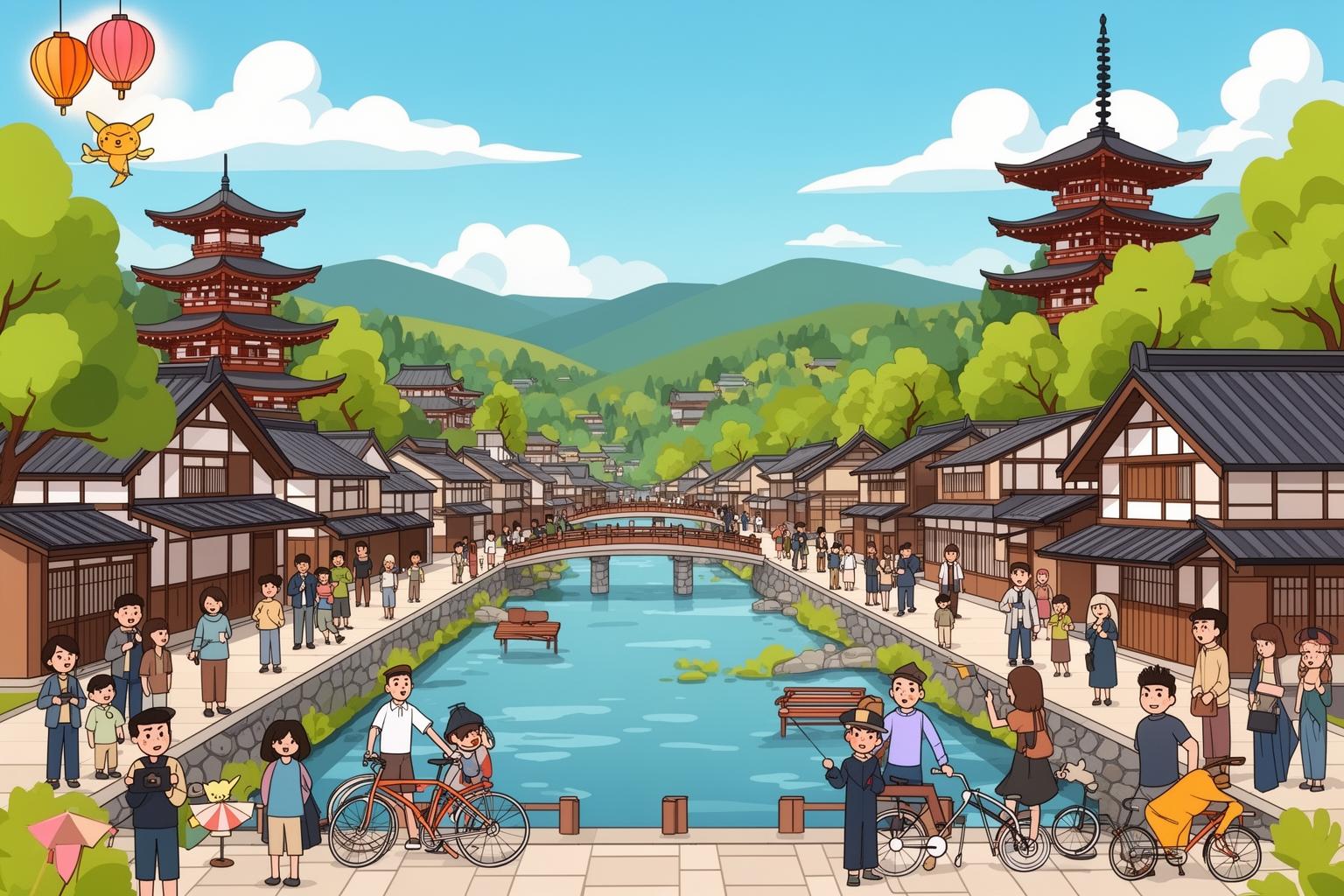
Hida-Furukawa is delightfully compact and mostly flat, making it an ideal place to explore on foot. All the key anime sites and the historic district are within a 15-minute walk from the station. For those wishing to go a bit further or enjoy a new perspective, renting a bicycle is a great choice. Several rental shops are located near the station. When you arrive, be sure to visit the Tourist Information Center nearby. The helpful staff can provide you with an English map that clearly marks all the ‘Your Name’ pilgrimage spots, as well as details about kumihimo workshops and dining suggestions. They are an excellent resource to help you get oriented.
Looking Beyond the Checklist
While it’s thrilling to locate all the specific spots from the movie, the true magic of Hida-Furukawa is revealed when you slow your pace. The greatest reward of the pilgrimage goes beyond recreating scenes—it lies in uncovering the town’s distinct spirit. Allow yourself some time to wander without a map. Follow the sound of the canals, peek down narrow alleys, or step into a small shop offering local crafts or sweets. Sit at a riverside café and simply watch the world pass by. Engage with shopkeepers; a friendly ‘konnichiwa’ can open the door to warm smiles and pleasant conversation. It’s in these spontaneous moments, between the well-known photo spots, that you truly connect with the town’s gentle, timeless rhythm—the very rhythm that inspired the world of Itomori.
Your journey to Hida-Furukawa starts as a search for a movie location but ends up as something much deeper. You arrive seeking Itomori and leave having discovered a real town with its own history, culture, and quiet beauty that moves just as powerfully as anything Shinkai created on screen. The boundaries blur—not between two characters, but between fiction and reality, between a story you loved and a place you now cherish. You came chasing a comet, a film memory, but leave carrying your own memory, a tangible connection woven, like a kumihimo cord, into the fabric of your travels. And that feeling—the sense of having found a place that feels like a half-remembered dream—is the true magic of Hida-Furukawa.








