There’s a certain kind of magic that Makoto Shinkai weaves into his films. It’s a quiet, shimmering alchemy that transforms the mundane into the profound, the ordinary into the epic. He takes the sprawling, often overwhelming urban landscapes of Tokyo and finds the pockets of stillness, the moments of heart-stopping beauty that hide in plain sight. And nowhere is this more true than in Shinjuku, a district that serves as both a backdrop and a character in two of his most beloved works: the global phenomenon Your Name (Kimi no Na wa) and the poignant, rain-drenched poem that is The Garden of Words (Kotonoha no Niwa). To walk through Shinjuku with these films in your mind is to see the city with new eyes. It’s a pilgrimage not just to filming locations, but to the very feelings they evoke—longing, connection, and the quiet hope of a chance encounter. This isn’t just about matching a scene from a movie to a real-life spot; it’s about stepping into the frame and feeling the pulse of the story beat in time with your own. It’s about discovering that the hyper-realistic, beautifully rendered world on screen is not a fantasy, but a tangible reality waiting to be explored. This journey through Shinjuku is an invitation to find your own cinematic moment, to stand where Taki and Mitsuha finally met, to sit where Takao and Yukino found sanctuary, and to feel the powerful, invisible threads that connect us all, even in the heart of the world’s most populous metropolis.
For those drawn to a pilgrimage of both urban and natural wonder, exploring the vivid allure of Yakushima’s ancient forests offers a parallel narrative to Shinkai’s cinematic magic in Shinjuku.
The Rain-Soaked Sanctuary: Finding ‘The Garden of Words’ in Shinjuku Gyoen
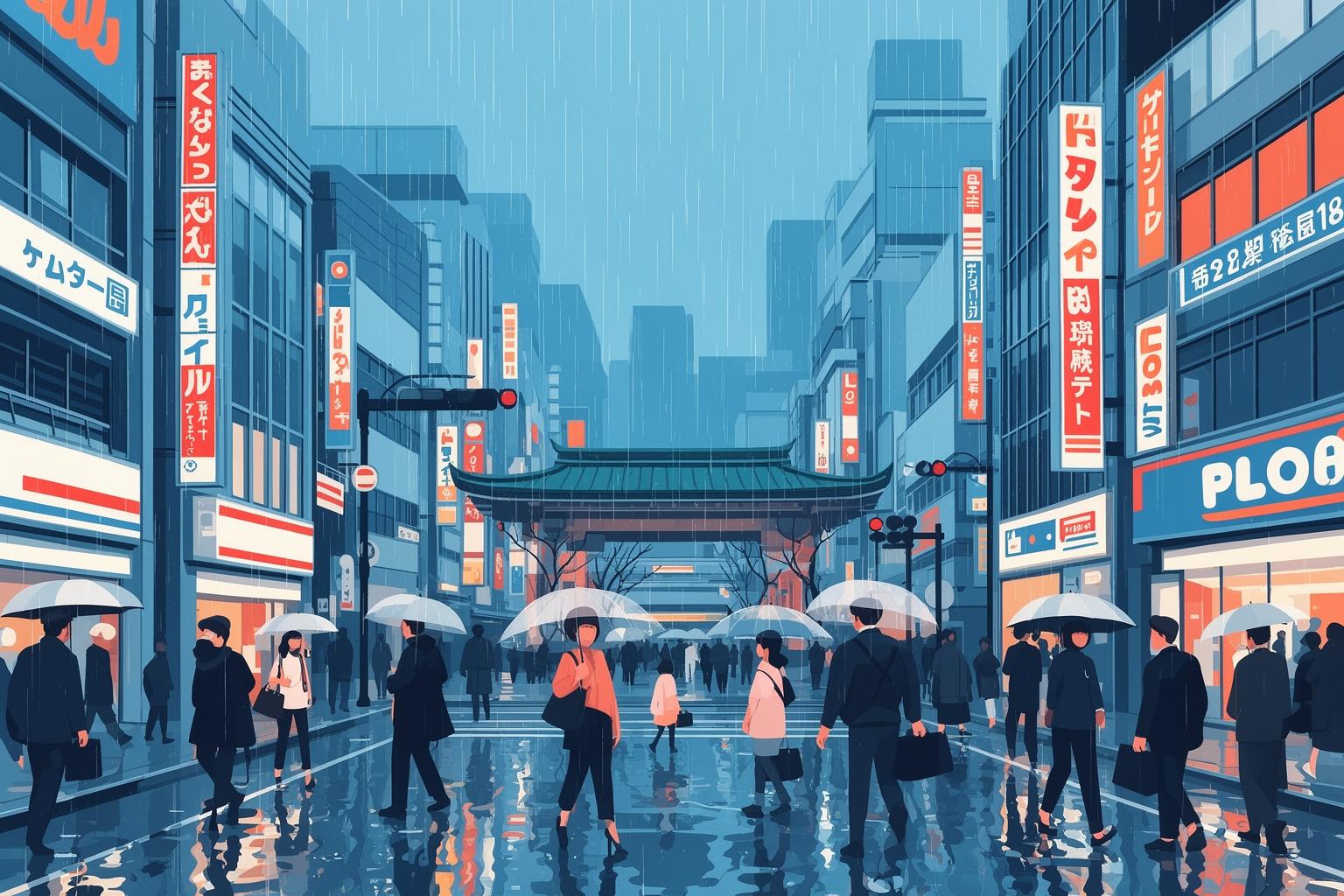
The moment you pass through the gates of Shinjuku Gyoen National Garden, the city seems to dissolve. The roar of traffic, the chime of crosswalks, the constant motion of millions—all fade into a gentle hum, replaced by the rustle of leaves and the distant caw of a crow. This expansive emerald heart, a tranquil lung breathing life into Tokyo’s concrete and steel, is more than just a park. For fans of The Garden of Words, it is sacred ground. The entire film is essentially a love letter to this space, especially during the rainy season, or tsuyu, which typically cloaks Tokyo in a soft, gray melancholy from early June to mid-July. Shinkai doesn’t simply depict the garden; he captures its essence, turning it into a sanctuary where two lonely souls find an unspoken bond, a shared solitude removed from the world’s judgment.
A World Painted in Green and Gray
Visiting Shinjuku Gyoen on a damp, overcast day feels like stepping directly into the film’s color palette. The greens become impossibly vivid, saturated by the rain until each leaf seems to hold a tiny world of light. The grays of the sky and the dark, wet tree bark provide a backdrop of serene contemplation. The air is thick and pure, heavy with the scent of damp earth and blooming flowers. Shinkai’s trademark attention to detail shines here: the way raindrops ripple the ponds; the slow, deliberate drip from a maple leaf onto moss-covered stone; the muted reflections on winding paths. The soundscape is equally essential—the gentle patter of rain on a wooden shelter, the rhythmic splash into puddles, the whisper of wind through the canopy—creating a symphony of tranquility that silences outside anxieties. This atmosphere defines the film, and experiencing it firsthand is a deeply meditative and moving experience. It feels less like sightseeing and more like stepping into a living painting, where time slows down and quiet introspection becomes possible—a rare gift in modern life.
Tracing Takao and Yukino’s Steps
The garden is vast, a blend of distinct landscapes seamlessly woven together. While the entire park radiates the film’s spirit, some spots attract pilgrims—places where the boundary between animation and reality feels especially thin. The journey to find them unfolds slowly, revealing familiar sights that evoke a strong sense of déjà vu.
The Iconic Gazebo (The Taiwan Pavilion)
Deep in the Japanese Traditional Garden, beside the Upper Pond, lies the gazebo. Known as the Kyu Goryo Tei or Taiwan Pavilion in real life, it is the emotional heart of the film. This shelter is where Takao, the aspiring shoemaker, and Yukino, the troubled teacher, share their rainy mornings. Discovering it feels like a genuine revelation. You’ll likely turn a corner on the path, and there it stands—smaller and more intimate than expected, yet instantly recognizable. The wooden structure, the view across the water to the arched bridge, the stone lanterns scattered around—all exactly as Shinkai portrayed them. Sitting on the bench inside, gazing out at the rain-speckled pond, is a profound experience. You can almost hear Takao’s pencil scratching in his sketchbook and feel Yukino’s quiet presence as she reads, with a can of beer and a bar of chocolate beside her. For the truest experience, visit on a weekday morning. Weekends can be busy, but during the week, especially in less-than-perfect weather, you might be lucky enough to have the pavilion nearly to yourself. It is a place that encourages stillness, listening to the rain, and simply being present in the moment.
The Greenhouse and Beyond
Though the gazebo is the main draw, other garden areas also play a key role. The large Victorian-style greenhouse near the Okido Gate is another significant location. Inside, the air is warm and humid, a striking contrast to the cool rain outside. It’s a tropical haven filled with exotic plants, vibrant flowers, and the gentle sound of trickling water. You can easily imagine Takao studying these intricate plants, drawing inspiration for his shoemaking designs. Beyond specific sites, the joy of visiting Shinjuku Gyoen lies in wandering. The park is divided into three distinct styles: the aforementioned Japanese Traditional Garden with its meticulously pruned pines and tranquil ponds; the formal, symmetrical French Garden lined with plane trees and rose beds; and the wide, open lawns of the English Landscape Garden. Each section offers a different mood and interplay of light and shadow, inviting you to lose yourself for a few hours and craft your own story within this urban oasis.
Practical Pilgrim’s Notes for the Garden
Shinjuku Gyoen is easily accessible through three main gates: Shinjuku Gate, Okido Gate, and Sendagaya Gate. The best entrance for reaching the Taiwan Pavilion is the Shinjuku Gate, about a ten-minute walk from the New South Exit of JR Shinjuku Station. There is a modest admission fee, which helps keep the grounds pristine. Be sure to check the opening hours before you visit, as they vary by season, and note that the park is closed on most Mondays. One important rule to remember is that alcohol is strictly prohibited—a bit ironic for fans who recall Yukino’s morning beers. This rule is enforced, so it’s best to respect it. To fully savor the experience, consider bringing a thermos of tea, a good book, or a sketchbook. Find a bench, perhaps even in the famous gazebo, and let the peaceful ambiance wash over you. While the rainy season offers the most authentic Garden of Words experience, the park is stunning year-round, with spectacular cherry blossoms in spring and brilliant maple foliage in autumn.
A Tale of Two Souls: Chasing ‘Your Name’ Across Shinjuku
If The Garden of Words whispers quietly, Your Name sings loudly like a soaring chorus. This film captivated millions worldwide with its tale of cosmic connection, missed encounters, and the invisible threads of fate. Though the story moves from the rural, traditional town of Itomori to the bustling heart of Tokyo, Shinjuku serves as the main stage for the life of the male protagonist, Taki Tachibana. His world is filled with rushing trains, towering skyscrapers, and the endless, anonymous river of humanity flowing through the city’s veins. Following his footsteps allows you to experience the dizzying scale and electrifying energy of modern Tokyo while seeking out the small, quiet places where a fateful connection might still be possible.
The Heartbeat of the City: Shinjuku Station and its Surroundings
Shinjuku Station is more than a train station; it is a city within a city—a labyrinth of concrete and light serving over three and a half million people each day. It perfectly captures Taki’s fast-paced, urban lifestyle. The film skillfully conveys the overwhelming scale—the extensive web of train lines, towering digital billboards flashing ads, and the dense crowds moving in a synchronized yet chaotic dance. Walking through the station, you become part of that flow, feeling the vibrations of trains rumbling beneath your feet and seeing city lights reflected in passing carriage windows. This is the world Mitsuha inhabiting Taki’s body finds both thrilling and terrifying. The area around the station, featuring iconic buildings like the curving Cocoon Tower and massive department stores, appears frequently, establishing the visual identity of Taki’s Tokyo. It’s a place of constant motion, symbolizing the relentless momentum of modern life, which makes the film’s quieter, more personal moments feel all the more precious.
The Red Steps of Destiny: Suga Shrine
Among all the locations in Your Name, none is more iconic or emotionally charged than the red-railed staircase of Suga Shrine. This is where the film’s breathtaking climax unfolds—the place where Taki and Mitsuha, years after their connection has faded into a dream, finally reunite. The real-life spot is surprisingly peaceful, far removed from the film’s drama and the chaos of central Shinjuku. It’s a pilgrimage every fan must undertake.
Finding the Fateful Staircase
The stairs are not located in central Shinjuku, but in a quiet residential neighborhood in Yotsuya, a short train ride away. The easiest way to reach them is by taking the JR Chuo-Sobu Line to Shinanomachi Station or the Tokyo Metro Marunouchi Line to Yotsuya-Sanchome Station. From either station, it’s about a 10-15 minute walk through charming, narrow streets lined with homes and small shops. The walk itself forms part of the experience—a gradual shift from urban rush to local tranquility. You’ll likely encounter other fans on the same journey, sharing a quiet understanding as you navigate with maps on your phones. When you finally arrive, the sight is unmistakable. The curve of the road, the steep incline of the steps, and the iconic red railings match your memories perfectly, a moment that can genuinely give you goosebumps.
The Atmosphere of the Moment
Standing at the top looking down or at the bottom looking up, you can’t help but replay that heart-wrenching scene in your mind. Radwimps’ score nearly swells as Taki and Mitsuha pass each other, a flicker of recognition in their eyes, before Taki finally musters the courage to ask the unforgettable question: “Haven’t we met?” The real location is a functioning neighborhood staircase leading to Suga Shrine, a small, peaceful local Shinto shrine. Visitors must be mindful and respectful—it is not a tourist set, but a lived-in community. Avoid loud noises, blocking the stairs for prolonged photo sessions, or disturbing residents’ privacy. The best time to visit is on a clear afternoon. The “magic hour” light at sunset casts long shadows and bathes the scene in a warm, golden glow that echoes the film’s aesthetic beautifully. It’s a place charged with possibility, a testament to how a simple staircase can carry profound emotional weight through the power of storytelling.
More Than Just a Crossing: The Shintoshin Pedestrian Bridge
Another memorable location from Your Name is the circular pedestrian bridge near the Shinjuku police station. This is where Taki is seen on a date with his coworker, Okudera-senpai. The bridge is a striking piece of urban architecture, a network of interlocking pathways suspended above a busy intersection. From here, you get a fantastic view of the West Shinjuku skyline, dominated by the Tokyo Metropolitan Government Building and other sleek skyscrapers. This view embodies the cold, modern beauty of Taki’s world. Standing there, watching the endless streams of traffic below, you sense the urban isolation that often pervades city life—the feeling of being a small part of a vast, impersonal machine. It’s an excellent spot for photography, capturing the lines and lights defining Shinkai’s vision of Tokyo.
A Cafe with a View (and a Question)
The restaurant where Taki works part-time, an elegant Italian place called ‘Il Giardino delle Parole’ (a nod to The Garden of Words), is widely believed to be inspired by Cafe La Bohème near Shinjuku Gyoen. While the interior isn’t an exact replica, the atmosphere perfectly matches—sophisticated, warm, with large windows overlooking greenery. It serves as a great resting spot for fans after a day of sightseeing. You can enjoy a plate of pasta or a coffee, imagining Taki bustling between tables. It’s a tangible connection to his daily life and a wonderful place to relax and reflect on the journey, bridging the gap between the two films and their shared Shinjuku setting.
Beyond the Screen: Experiencing the Shinjuku Vibe
A pilgrimage to Shinjuku goes beyond just ticking off a list of locations. It involves immersing yourself in the atmosphere that inspired these films. Shinkai excels at capturing the essence of a place, and to fully appreciate his work, you need to experience the city’s energy, contrasts, and hidden beauty firsthand. Shinjuku is the ideal district for this, as it embodies profound and fascinating dualities.
The Dichotomy of a District
Shinjuku is famously divided into two distinct areas. To the west of the station lies Nishi-Shinjuku, the business district. This zone features gleaming skyscrapers, wide, clean streets, and an air of corporate order. It’s home to the Tokyo Metropolitan Government Building, or Tocho, an architectural masterpiece that offers free panoramic views of the entire city from its observation decks. This polished, professional Tokyo is often seen in wide shots of Your Name. On the opposite side of the tracks is Higashi-Shinjuku, the entertainment district where the city truly comes alive after dark. It’s a burst of neon signs, bustling crowds, and countless options for dining, shopping, and entertainment. Here you’ll find Kabukicho, Japan’s largest red-light district, a place that’s intense and overwhelming but also vibrant and full of energy. Nearby are Golden Gai’s tiny, atmospheric bars and the smoky, nostalgic eateries of Omoide Yokocho (Memory Lane). This lively, chaotic, and deeply human side of Shinjuku offers dynamic energy that contrasts with the calm of places like Shinjuku Gyoen.
Finding Your Own Shinkai Moment
The true magic of this pilgrimage lies in discovering that Shinkai’s vision isn’t an exaggeration. The beauty he portrays is real and all around you. The key is to slow down and observe. Find a cafe on a second or third floor and watch the people passing by below. Wander through the station’s underpasses on a rainy day and notice how the fluorescent lights reflect off the wet floor. Take the elevator up to the Tocho observation deck on a clear winter day for a chance to see Mount Fuji on the horizon, a view that feels both ordinary and miraculous—a perfect Shinkai-esque moment. Pay attention to the details he cherishes: the tangled overhead power lines against a twilight sky, the rhythmic flashing of railway crossing signals, the quiet dignity of a small neighborhood shrine nestled between towering apartment buildings. These elements form the fabric of Tokyo, and by noticing them, you begin to see the city through his eyes.
A Taste of Taki’s Tokyo
To fully immerse yourself, eat like a local. Taki’s life reflects that of a typical Tokyo high school student, filled with quick, tasty, and affordable meals. Venture into a narrow alley like Omoide Yokocho for yakitori (grilled chicken skewers) and a beer, surrounded by office workers candidly chatting after a long day. Slurp a bowl of steaming ramen from one of the many tiny shops, each boasting its own secret recipe. For an authentic and budget-friendly experience, visit the basement food hall of a department store such as Isetan or Takashimaya. These depachika are wonderlands of exquisite bento boxes, fresh sushi, beautiful pastries, and free samples. Even simply grabbing an onigiri (rice ball) and a bottle of tea from a convenience store to enjoy in a small park can feel like a scene straight from an anime—a simple pleasure connecting you to the city’s daily rhythm.
A Traveler’s Guide to the Pilgrimage
Navigating a city as vast as Tokyo can be daunting for a first-time visitor, but with a bit of preparation, your Shinkai pilgrimage can be both smooth and enjoyable. The city’s public transportation system is remarkably efficient, and Shinjuku, as one of its main hubs, serves as an ideal base for exploration.
Navigating the Metropolis
Shinjuku is served by numerous train and subway lines, including the crucial JR Yamanote Line, which circles central Tokyo. To travel efficiently, a prepaid IC card such as Suica or Pasmo is essential. You simply tap it on the readers at ticket gates and reload it when necessary, saving you the trouble of purchasing individual tickets for every trip. Apps like Google Maps or Japan Transit Planner are invaluable for navigating the intricate network of lines, offering real-time schedules, platform details, and optimal routes. Note that reaching Suga Shrine requires a short trip from central Shinjuku to Yotsuya, easily accessible via the JR Chuo-Sobu Line or the Tokyo Metro Marunouchi Line. Most other key sites are within walking distance of Shinjuku Station itself, so be prepared for plenty of walking.
When to Visit
Tokyo welcomes visitors year-round, with each season offering a unique perspective for your pilgrimage. For the full Garden of Words atmosphere, the rainy season from early June to mid-July is ideal, as the city takes on a moody beauty and Shinjuku Gyoen is at its most lush and vibrant—though expect humidity and steady rain. Spring, from late March to early April, showcases cherry blossoms; seeing Shinjuku Gyoen covered in soft pink petals is unforgettable but also the busiest time of year. Autumn, from mid-November to early December, brings cool, pleasant weather and spectacular fall foliage, especially in the parks. Winter offers colder temperatures but clearer air, improving visibility from viewpoints like the Tocho Building and increasing the chance of glimpsing Mount Fuji. It is also less crowded, making for a quieter experience.
A Word on Etiquette
One of the most important things to keep in mind during your pilgrimage is that you are visiting a living city. These locations are not film sets; they are public parks, active places of worship, and residential areas. When at Suga Shrine, be quiet and respectful. Avoid blocking the staircase for long periods or disturbing local residents. Shrines are sacred sites—if you approach the main hall, follow the customs and maintain proper decorum. In Shinjuku Gyoen, observe park rules, including no alcohol and taking all trash with you. On public transport and in public spaces, it is customary to remain quiet and considerate of others around you. By being a thoughtful and respectful traveler, you ensure a better experience for yourself, the locals, and fellow fans who will come after you.
The Lingering Magic of Shinjuku
To walk the streets of Shinjuku following in the footsteps of Taki, Mitsuha, Takao, and Yukino is to become part of their stories. It is a journey that bridges the gap between fiction and reality, uncovering the extraordinary beauty hidden within our everyday world. You seek out a staircase, a gazebo, a pedestrian bridge—and you find them. Yet you depart with something more. You carry with you the memory of light filtering through ginkgo trees in the late afternoon, the sensation of the city’s buzz beneath your feet, the taste of a warm bowl of ramen in a narrow alley, and the quiet wonder of witnessing a landscape you thought you knew only from a screen unfold before you in three vibrant dimensions. Makoto Shinkai’s remarkable gift lies in his ability to perceive poetry in the mundane. He reminds us that our cities, despite their concrete, steel, and noise, are also places of immense beauty, deep emotion, and profound human connection. A pilgrimage through his Shinjuku is not about escaping reality but discovering a deeper, more magical version of it. It’s a testament to the idea that the potential for a life-changing encounter, a moment of sublime beauty, or an unspoken connection exists everywhere—even, and perhaps especially, in the heart of the world’s busiest city.