
There are stories that feel like a dream you can’t quite shake, and then there are stories that invite you to step into the dream itself. Makoto Shinkai’s breathtaking 2016 masterpiece, Your Name. (Kimi no Na wa), is firmly the latter. It’s a film that didn’t just captivate audiences worldwide with its stunning animation and heart-wrenching tale of love, time, and fate; it ignited a cultural phenomenon in Japan known as seichi junrei, or anime pilgrimage. This is the art of journeying to the real-life locations that inspired the settings of our favorite fictional worlds. For fans of Your Name., this pilgrimage is a profound experience, a chance to walk the same streets as Taki and Mitsuha, to feel the electric pulse of Tokyo and the sacred stillness of rural Gifu, and to discover that the magic on screen is deeply rooted in the tangible beauty of Japan. This is more than a simple sightseeing tour; it’s a quest to find the invisible threads—the musubi—that connect a beloved story to the very soul of a place. It’s an invitation to stand at the intersection of animation and reality and ask yourself, “What was your name?”
In addition to experiencing the cinematic magic of Tokyo and Gifu, many fans extend their pilgrimage to uncover the rustic charm of Shirakawa-go, where traditional thatched roofs and local folklore amplify the enchanting connection between the film and Japan’s captivating heritage.
The Urban Symphony: Tracing Taki’s Footsteps in Tokyo
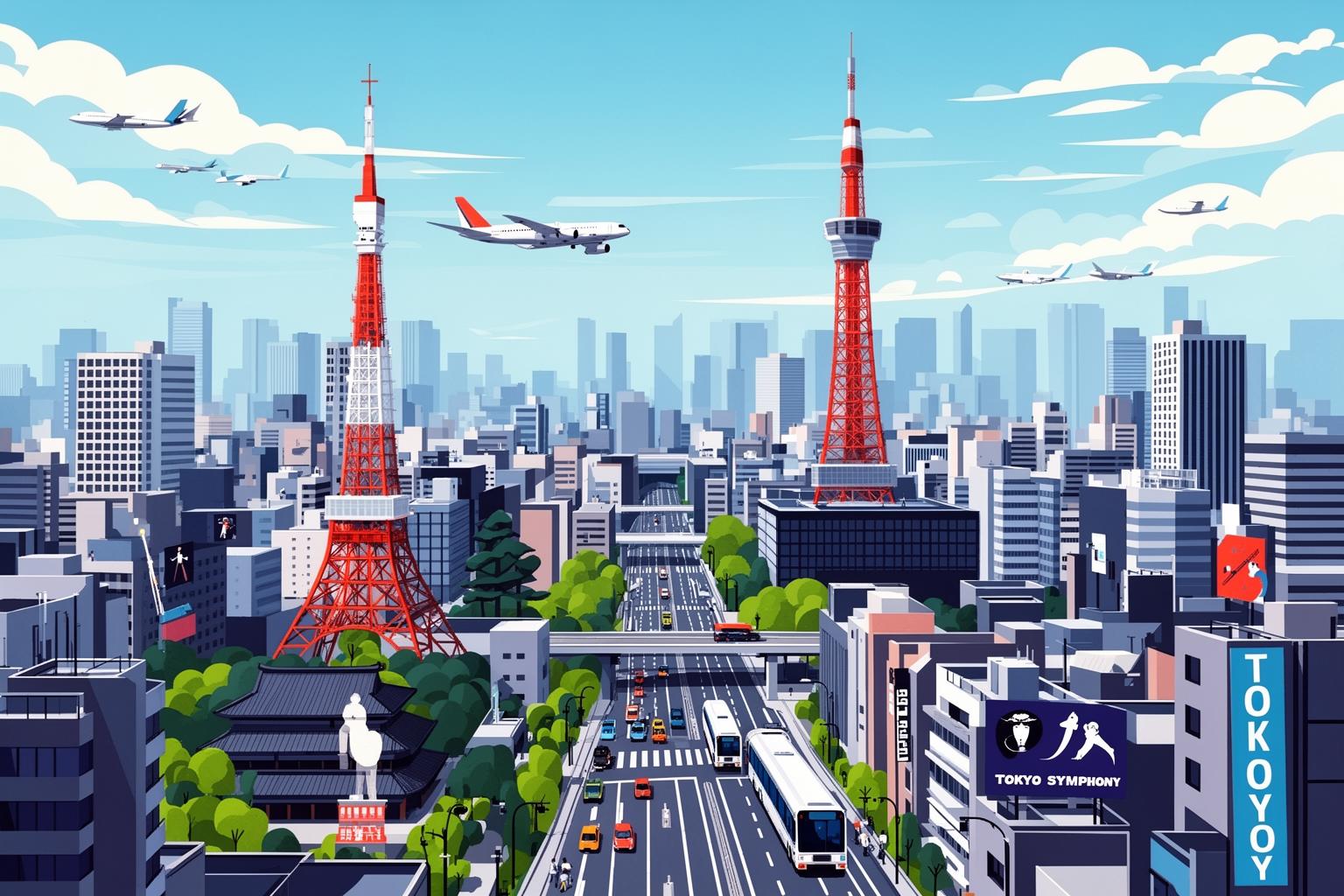
Tokyo is a city where a million stories unfold simultaneously, a vast canvas of neon, steel, and quiet, hidden corners. For Taki Tachibana, it is his entire world—a dynamic, sometimes overwhelming, yet deeply familiar landscape. Our journey begins here, in the heart of this urban sprawl, where Shinkai exquisitely captures the pulse of modern life, turning everyday moments into cinematic poetry. Following Taki’s footsteps means seeing Tokyo through a fresh perspective, where familiar landmarks are infused with emotion and narrative significance.
A Fateful Intersection: The Suga Shrine Stairs
No location is more emblematic of Your Name. than this one. The red-railed staircase ascending to Suga Shrine in Yotsuya serves as the film’s poignant, breathtaking climax. It physically embodies Taki and Mitsuha’s desperate quest for each other, symbolizing their reunion across time and space. Visiting it means experiencing the full weight of that moment.
Reaching the shrine involves a short, pleasant stroll from Yotsuya Station through a quiet, unassuming residential area. The peaceful neighborhood stands in sharp contrast to the bustling Shinjuku just a few stations away. As you turn the corner, the stairs appear almost exactly as they do in the film. The vivid red handrails, the gentle incline, and the tree canopy overhead create a surreal moment of recognition. Whether standing at the bottom looking up, or at the top looking down, you can almost hear the film’s score rising. You’ll likely find fellow pilgrims here, each patiently waiting their turn to capture that iconic shot. There’s a silent, shared understanding among visitors, a mutual reverence for the site’s emotional significance. The best time to visit is early weekday mornings, when the light is soft and crowds are minimal. This provides a moment of quiet reflection, allowing you to fully absorb the atmosphere and perhaps feel a spark of that cinematic magic yourself.
Shinjuku’s Neon Labyrinth
Shinjuku is the electric, pulsating heart of Taki’s Tokyo. It’s a place of immense scale and energy, blending commerce, culture, and the flow of humanity. Shinkai uses this setting not just as a backdrop, but as a character itself, embodying the vast, anonymous world Taki navigates.
Navigating the Current: Shinjuku Station
The film masterfully captures the organized chaos of Shinjuku Station, one of the world’s busiest transit hubs. The fleeting shots of Taki weaving through its labyrinth of platforms and corridors resonate with anyone who has ever felt like a single drop lost in a rushing river. While it’s best to avoid peak rush hour, walking through the station offers a visceral sense of the scale of Taki’s daily life. It’s a tribute to the beauty Shinkai finds in the everyday choreography of urban living.
A Moment of Peace: Shinjuku Gyoen National Garden
Though not directly featured in Your Name., the restaurant where Taki works part-time, “Il Giardino delle Parole,” is a loving nod to Shinkai’s earlier film, The Garden of Words, set almost entirely within the lush surrounds of Shinjuku Gyoen National Garden. Visiting the park feels like entering a wider Shinkai universe. It’s an oasis of tranquility just steps from Shinjuku’s concrete jungle. For a small admission fee, you can wander through meticulously designed gardens, serene ponds, and a traditional Taiwanese-style pavilion. It’s the perfect spot to unwind after exploring the station, offering a glimpse into Tokyo’s gentler side that coexists with the urban frenzy.
City Icons and Pedestrian Dreams
Shinjuku features several other key locations seen in Your Name. The iconic “LOVE” sculpture by Robert Indiana, situated in front of the Shinjuku i-Land Tower, is a favorite photo spot and a landmark within the urban terrain Taki traverses. Nearby, a distinctive ring-shaped pedestrian bridge close to the Shinjuku Police Station provides an ideal viewpoint to recreate another memorable film shot, capturing the endless flow of traffic below. And the Yunika Vision building, with its three vast LED screens broadcasting ads and music videos to the crowds beneath, mirrors the dazzling Tokyo montages from the movie. Each of these sites adds depth to Taki’s world, anchoring the fantastical narrative in a vibrant, very real place.
An Afternoon of Art and Ambition: Roppongi and Azabu
The film also takes us to the stylish, refined neighborhoods of Roppongi and Azabu for a key scene: Taki’s date with his coworker, Okudera-senpai. This part of the pilgrimage offers a glimpse into Tokyo’s more cosmopolitan and artistic side.
The National Art Center, Tokyo, with its striking wave-like glass façade designed by Kisho Kurokawa, is the architectural highlight of the scene. Inside, the sunlit café where Taki and Okudera-senpai dine is the Salon de Thé ROND, perched atop a massive inverted concrete cone. You can sit there yourself, enjoying coffee and cake while soaking in the spacious, airy environment. The center hosts a rotating lineup of world-class exhibitions, making it a must-visit for art enthusiasts. It’s a place that embodies aspiration and dreams, a fitting setting for Taki’s growing maturity. After the museum, the two proceed to the Roppongi Hills Observation Deck, Tokyo City View. From there, the city spreads out in a breathtaking panorama. On clear days, you can spot Tokyo Tower, the Tokyo Skytree, even Mount Fuji far away. It’s a view that encapsulates the vastness of Taki’s world, a striking counterpart to the distant, starry skies of Mitsuha’s Itomori.
Whispers of the Past: Finding Itomori in Hida
If Tokyo represents the film’s mind, then the fictional town of Itomori is its soul. Steeped in ancient tradition, surrounded by lush mountains, and centered around a mystical lake, Itomori is where Mitsuha’s story takes place. Although Itomori doesn’t appear on any map, its spirit was lovingly inspired by the landscapes of the Hida region in Gifu Prefecture. Traveling here from Tokyo feels like stepping through a portal into another world—one that is slower, quieter, and deeply intertwined with nature and spirituality. This is where the heart of the pilgrimage resides: in the quest to find the tangible origins of a fictional dream.
Arrival in a Dream: Hida-Furukawa Station
Your journey into Itomori’s world begins the moment you step off the train at Hida-Furukawa Station. This quaint, charming station is where Taki and his friends arrive as they search for Mitsuha. The animators recreated it with remarkable accuracy, from the platform design and overhead walkway to the taxi stand outside. It’s a powerful moment of arrival for any fan. Inside the station, you’ll find a friendly display honoring the film, and you can even spot the small, plush mascot of the local Hida-gyu (Hida beef) cattle, just as seen in the movie. The town of Hida-Furukawa itself is a joy to explore, featuring beautifully preserved wooden buildings and canals filled with koi fish. Renting a bicycle is a great way to immerse yourself in the relaxed, timeless atmosphere that clearly inspired the essence of Itomori.
The Library of Memories: Hida City Library
A short walk from the station brings you to another impeccably recreated location: the Hida City Library. This is where Taki studies local records, desperately piecing together Itomori’s history and the truth about the comet. The library is a beautiful, modern building with a warm wooden interior and large windows that flood the space with natural light. It functions as a public library, and the staff have embraced their cinematic fame with admirable grace. They maintain a small section dedicated to the film and welcome pilgrims while kindly asking visitors to respect local patrons. Photography inside is allowed only with prior permission from the front desk, where a photographer’s pass is issued. It exemplifies the community’s positive relationship with the film’s legacy. Amid its quiet halls, you can sense the same urgency and discovery that Taki experienced.
In Search of Miyamizu Shrine: Sacred Grounds and Ancient Rites
The Miyamizu Shrine, home to Mitsuha and her family, serves as the spiritual center of Itomori. It symbolizes the town’s profound connection to ancient Shinto traditions, a place where rituals like the creation of kuchikamizake and sacred dances take place. There isn’t a single shrine that perfectly matches the film’s depiction, but its design is thought to be a blend of several shrines from the Hida region. Two primary candidates stand out.
Keta Wakamiya Shrine in Hida-Furukawa is a strong contender. Nestled on a small hill, its stone steps and lantern-lined path evoke the approach to Miyamizu Shrine. The shrine is a quiet, atmospheric spot surrounded by towering cedar trees that filter sunlight, creating a serene and mystical ambiance.
Further south, in the larger city of Takayama, stands the Hie Shrine. Many fans regard it as the primary inspiration, notably for its large, imposing stone torii gate and the long stairway leading to the main hall, closely resembling key scenes from the movie. Set within a forest, the shrine’s air feels ancient and sacred. Visiting these shrines is about more than finding a visual counterpart; it’s about experiencing the region’s spiritual atmosphere that director Shinkai infused into Itomori. It offers a chance to feel musubi—the connecting force of time, tradition, and fate—that lies at the core of the film’s theme.
The View from a Vanished Town: Lake Suwa
The most breathtaking aspect of Itomori is its crater lake—a silent, shimmering witness to the town’s history and its ultimate fate. While the Hida region is mountainous, it lacks a lake of this particular shape and scale. For this, Shinkai turned to a different prefecture: Nagano. The stunning model for Itomori’s lake is Lake Suwa.
To capture the iconic god’s-eye view seen in the film, you need to visit Tateishi Park, located on a hill overlooking the lake. The panoramic vista here is truly spectacular. The curve of the lake, the cluster of the town on its shores, and the surrounding mountains make it feel as if a frame from the anime has come to life. The best time to visit is during kataware-doki, or twilight—the “magic hour” when the sky is ablaze with sunset colors. As day transitions to night, the town lights below begin to twinkle, and it’s easy to imagine a comet streaking across the sky. It is a profoundly moving experience, a perfect culmination of the search for Itomori, and a moment that powerfully links the beauty of the real world with the emotional landscape of the film.
Weaving Your Own Journey: A Practical Guide to the Pilgrimage

Embarking on the Your Name. pilgrimage is an adventure that calls for some planning to truly appreciate the journey between its two contrasting worlds. Creating your own route through Tokyo’s vibrant neon streets and the serene mountains of Hida is part of the enchantment. Here’s how to design a smooth and stylish trip.
From Metropolis to Mountains: Mastering Transit
Navigating Japan’s top-tier public transportation system is an experience in its own right. In Tokyo, a rechargeable IC card like Suica or Pasmo will be your best ally, making it easy to hop on and off the complex network of JR lines and subways. Most of Taki’s key spots in Shinjuku, Yotsuya, and Roppongi are conveniently reachable via the JR Yamanote Line and Tokyo Metro.
The journey from Tokyo to the Hida region marks a beautiful shift from urban sprawl to rustic beauty. The fastest route is the Tokaido Shinkansen (bullet train) from Tokyo to Nagoya, a swift, comfortable ride lasting about 1.5 to 2 hours. From Nagoya, you transfer to the JR Hida Limited Express train, where the scenery begins to change dramatically. The train meanders through striking river valleys and deep mountain gorges, offering breathtaking views that heighten your anticipation for arriving in Itomori’s heartland. The entire journey takes roughly four to five hours, making for an ideal scenic travel day.
When the Stars Align: Picking the Best Time to Visit
Although the pilgrimage can be enjoyed year-round, certain seasons particularly complement the film’s aesthetic. Autumn, from late October to November, is perhaps the most enchanting time. The Hida mountains burst into fiery reds, brilliant oranges, and golden yellows, reflecting the vibrant hues characteristic of Shinkai’s works. The crisp, cool air is perfect for strolling and exploring.
Spring (April to May) is another lovely option, with cherry blossoms adorning Tokyo and fresh green foliage blanketing the Gifu mountains. Summer brings lush, verdant landscapes but can be hot and humid, especially in Tokyo. Winter turns the Hida region into a peaceful, snow-covered wonderland, offering a quiet and completely different perspective, though you’ll need to prepare for cold temperatures.
Living the Story: Local Flavors and Stylish Accommodations
To fully immerse yourself, consider your lodging and dining choices. In Tokyo, staying in or near Shinjuku is extremely convenient for reaching many pilgrimage sites and provides direct access to the city’s vibrant energy. For a more stylish, artistic atmosphere, neighborhoods like Shibuya or Daikanyama are excellent options.
In the Hida region, you can choose between the quaint charm of Hida-Furukawa or the livelier, historic city of Takayama, just a short train ride away, offering more accommodation choices. For an unforgettable experience, book a night at a traditional ryokan (Japanese inn). Here, you can savor multi-course kaiseki dinners, rest on comfortable futons laid out on tatami floors, and unwind in a soothing onsen (hot spring).
Don’t miss the local cuisine. In Hida, tasting the world-renowned Hida beef—which is tender and richly flavorful—is a must. Also, be sure to try goheimochi, a grilled rice cake coated with sweet miso and walnut sauce, famously enjoyed by Mitsuha in the film. It’s a simple yet delicious and authentic regional delicacy.
A Note on Etiquette and Safety
As a pilgrim, being a respectful visitor is essential. These places are not movie sets but living communities, workplaces, and sacred sites. When visiting shrines, maintain silence and be mindful of worshippers. At the Hida City Library, follow photography rules and avoid disturbing visitors. In residential areas like the neighborhood near Suga Shrine, keep voices low and do not block pathways. The positive relationship between fans and these communities relies on such mutual respect.
From a solo traveler’s perspective, Japan is exceptionally safe, making it a fantastic destination for an independent pilgrimage. However, it’s always wise to stay alert, especially in busy areas like Shinjuku Station. Keep your valuables secure and familiarize yourself with your route before setting out. The politeness of Japanese culture means asking for directions is easy—a simple “Sumimasen” (Excuse me) is almost always met with a helpful response, even if there is a language barrier.
Beyond the Frame: The Enduring Magic of a Place
Completing a pilgrimage for Your Name. is more than merely ticking off a list of locations. It’s about experiencing the profound dialogue between fiction and reality. It’s standing on a train platform in rural Japan and feeling a story you believed was only on screen become part of your own lived experience. The journey unveils Makoto Shinkai’s true brilliance: his talent for seeing the extraordinary in the everyday, transforming a simple staircase or a busy intersection into a vessel of deep human emotion.
As you walk these paths, you begin to perceive musubi not as an abstract idea, but as a tangible presence. You sense it in the thread of train tracks linking city and countryside. You sense it in the quiet, shared appreciation of fellow fans from around the globe gathered atop a staircase. You sense it in the way a centuries-old shrine resonates so strongly with a modern animated tale. The film provides a map, but the landscape it guides you to is one of personal discovery. You may arrive searching for Taki and Mitsuha, but you will depart having found a deeper connection to Japan itself, and perhaps, a small piece of yourself you had been seeking all along.