There are places in this world that feel like they were dreamed into existence, whispered into being by storytellers and artists. They possess an atmosphere so thick with magic, so ancient and alive, that to walk through them is to step inside a myth. For anyone whose heart has been captured by the breathtaking worlds of Studio Ghibli, and specifically the wild, untamed spirit of Hayao Miyazaki’s masterpiece Princess Mononoke, that mythical place is breathtakingly real. It’s an island floating in the East China Sea, a teardrop of emerald green off the southern coast of Kyushu, Japan. It is called Yakushima, and it is the living, breathing soul of the forest that San, the Wolf Princess, fought so fiercely to protect. This isn’t just a filming location; it’s the spiritual bedrock of the film, a place Miyazaki himself wandered to find the pulse of his story. To visit Yakushima is to embark on a pilgrimage, not just to a dot on a map, but into the very heart of one of the most powerful environmental tales ever told. It’s a journey into a world where gods walk as beasts, trees live for millennia, and the air hums with the primal energy of nature itself. Prepare to have your senses overwhelmed by the sheer, relentless green of it all, to feel the cool mist on your skin, and to listen to the whispers of a forest that remembers the dawn of time.
Visitors captivated by this mystical landscape can further explore the island’s storied past on an immersive journey through ancient Yakushima trails.
The Soul of the Forest: Echoes of Ghibli’s Masterpiece
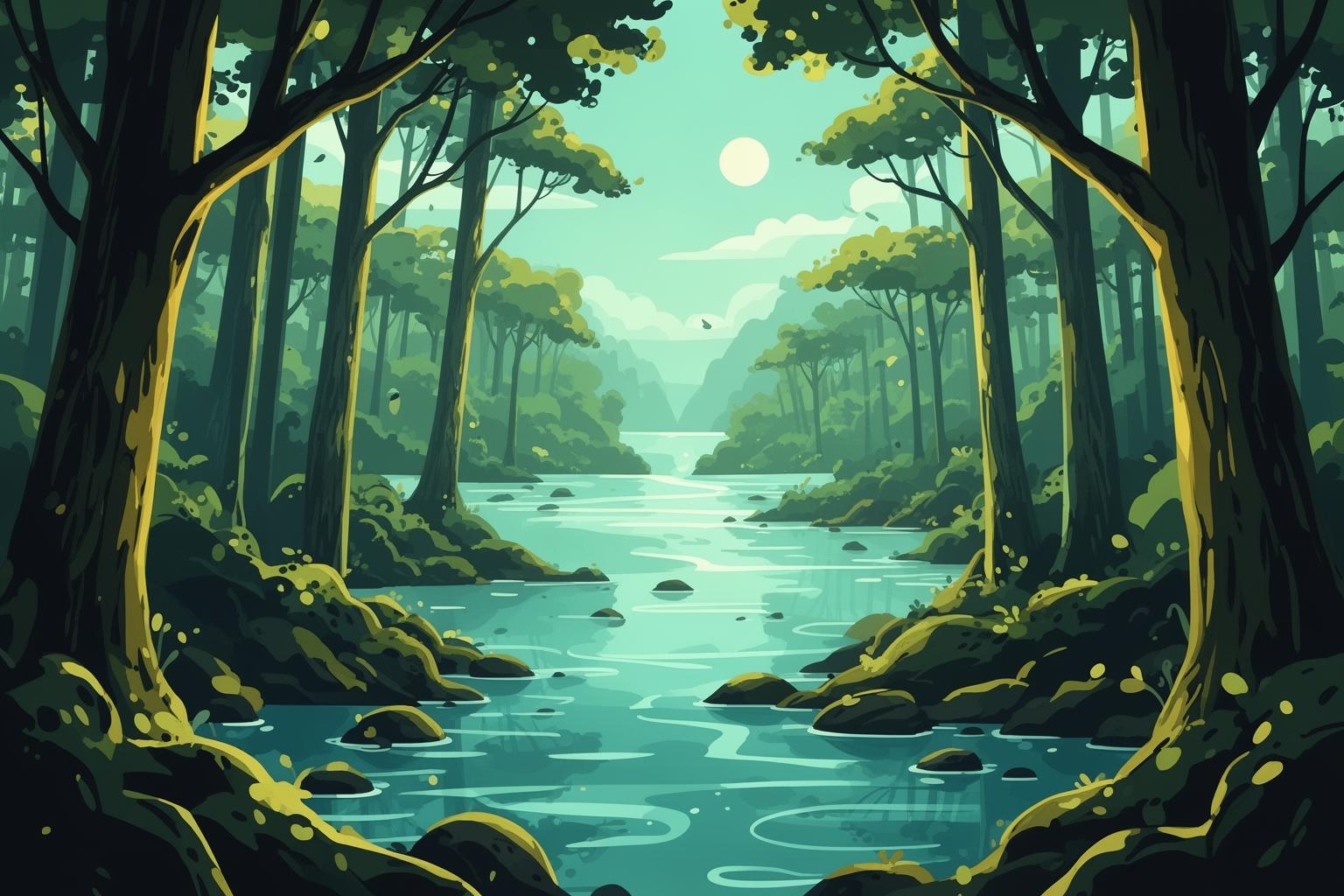
The connection between Yakushima and Princess Mononoke is unmistakable; it’s a deep, tangible bond you sense as soon as you step beneath the island’s dense canopy. When Hayao Miyazaki and his team searched for inspiration for the film’s setting, the Shishigami Forest, they found its essence here. Rather than recreating a single place, they sought to capture an atmosphere—the island’s profound, resonant spirit. The result is a film that serves as a perfect visual and emotional introduction to the real-world experience. You’ll find yourself frequently pausing on the trail, overcome by a strong sense of cinematic déjà vu. A twisted, moss-covered root becomes the perch of a playful kodama, the forest spirit. A clear stream cascading over granite boulders is the very spot where Ashitaka knelt to tend his wound. The towering ancient trees with their wide canopies stand as silent, watchful giants who witnessed the clash between Lady Eboshi’s Irontown and the forces of nature. The film’s central theme—the conflict between industrial progress and the preservation of nature—resonates deeply on Yakushima. The island itself has a history of logging, a past that makes its current designation as a UNESCO World Heritage site even more meaningful. Walking here allows you to grasp what was at stake in the film, to feel the sacredness of a place that has been fiercely protected and, thankfully, preserved. You begin to realize that the Shishigami, the Great Forest Spirit, is not merely a character but a symbol of Yakushima’s life force—powerful, cyclical, and worthy of profound respect.
A Realm of Ancient Giants: The Yakusugi Cedars
Yakushima’s most venerated residents are its trees, particularly the Yakusugi, ancient Japanese cedars that have stood for over a thousand years. These are far more than just trees; they are living monuments, their bark twisted into elaborate patterns that narrate tales of typhoons, droughts, and the slow, patient passage of centuries. Their presence is humbling—a quiet, yet powerful reminder of a timescale much grander than our own. Being among them evokes a sense of smallness, yet also a connection to something eternal. The air in these old-growth forests feels different—cleaner, denser, and imbued with a certain weight. Sunlight struggles to break through the thick canopy, casting a perpetual twilight on the forest floor, where everything is cloaked in luminous, velvety green moss. Hiking among these giants is the main reason pilgrims of all kinds journey to this remote island, and it is an experience that changes you.
The Journey to Jomon Sugi
Central to the Yakusugi legend is the Jomon Sugi, the island’s oldest and most enormous tree. Its age is debated, with estimates ranging from 2,170 to an astonishing 7,200 years. If the latter is accurate, it would have been a sapling as the last ice age ended. The pilgrimage to stand before this ancient titan is not for the faint-hearted. It is a strenuous ten to twelve-hour round trip that begins before dawn. The trek follows the Arakawa Trail, initially tracing an old logging railway for several hours. This flat section offers a beautiful, meditative walk through lush forest, accompanied by the gentle rhythm of boots tapping on wooden sleepers. But that is only the beginning. The path soon rises sharply, becoming a demanding mountain hike across a tangle of roots, rocks, and steep wooden stairs. Along the way, hikers encounter other notable landmarks, including the Wilson Stump—the massive, hollowed remains of a felled cedar. Peering up from its cavernous interior reveals a perfect heart-shaped opening to the sky—a truly photogenic natural artwork. Although physically exhausting, the spiritual and emotional rewards are immeasurable. Finally reaching the viewing platform and beholding the Jomon Sugi in all its gnarled, majestic splendor is profoundly moving. It stands as a testament to resilience—a living being that has endured millennia. You don’t just see the Jomon Sugi; you feel its presence and its immense, silent wisdom.
Whispers of the Past: Other Legendary Trees
While Jomon Sugi is the ultimate treasure, the island is home to many other remarkable Yakusugi that are more accessible and equally enchanting. For those not prepared for the epic Jomon Sugi trek, trails in Yakusugi Land park provide incredible encounters with these giants. Here, you can find trees like Buddhasugi, Kigensugi, and Yayoisugi. Each has its own unique character. The Yayoisugi, for example, is a popular stop as it is easily reachable by car followed by a short walk. It offers an excellent introduction to the scale and beauty of the Yakusugi without committing to a full-day hike. Kigensugi, another roadside giant, is so twisted and weathered it resembles a sculpture carved by the forces of nature. These encounters allow you to appreciate the ancient forest at a more leisurely pace, giving time to take in the remarkable details of the bark, the moss, and the surrounding plant life.
Shiratani Unsuikyo: The Moss-Covered Kingdom
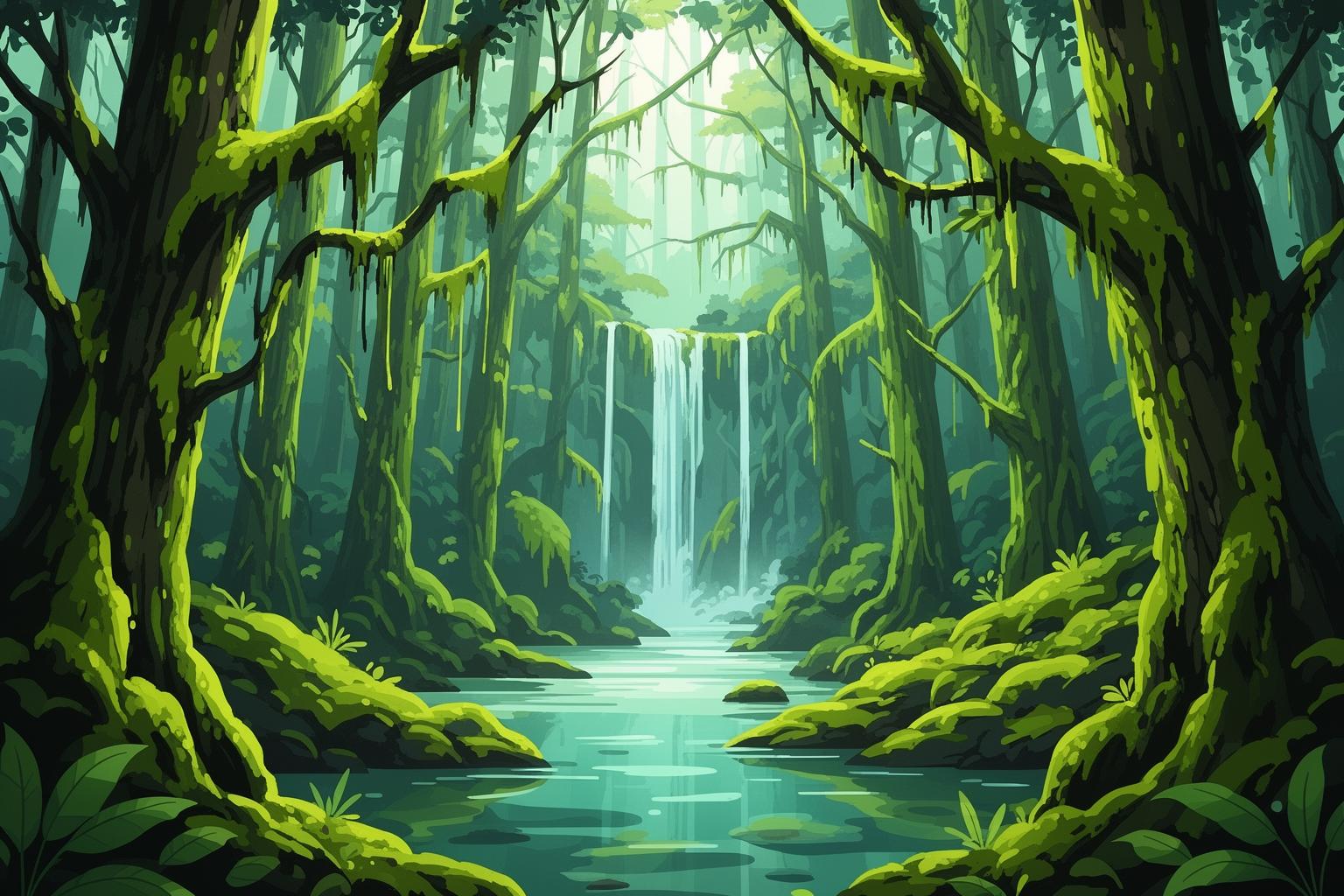
If there is one place on Yakushima that unmistakably embodies the Princess Mononoke forest, it is Shiratani Unsuikyo. This ravine presents a surreal, otherworldly landscape where every surface—rocks, tree trunks, fallen logs, and the very ground—is covered in a thick, vibrant blanket of countless shades of green moss. It is a realm teeming with moisture and life. The name itself, meaning “White Valley Cloud Water Ravine,” poetically captures its essence. The air is cool and damp, and the only sounds are water droplets falling, the chirping of hidden birds, and the rushing of the pristine river as it carves through the granite terrain. This is the place that most directly inspired Miyazaki’s vision, and it’s easy to understand why. The forest feels enchanted, a place where the boundary between the physical and spiritual worlds is remarkably thin.
Weaving Through the Verdant Maze
Shiratani Unsuikyo features a variety of well-maintained trails suitable for different fitness levels. You can opt for a simple one-hour loop or undertake a more demanding five-hour hike that takes you deeper into the ancient forest. The trails consist of earthen paths, wooden boardwalks, and stone steps, leading you through a labyrinth of stunning scenery. You’ll cross charming wooden bridges over crystal-clear streams and climb through tunnels woven by intertwined roots. One highlight is Taikoiwa Rock, a massive granite boulder at the trail’s highest point. After a steep final climb, you’re rewarded with a breathtaking panoramic view of the island’s mountainous interior. On a clear day, the vista is spectacular, but even when shrouded in mist, the scene holds a mysterious, ink-painting quality that feels utterly magical.
Finding the Kodama’s Perch
The most coveted destination within the ravine is an area officially called Kokemusu-no-mori, or the Moss Forest. This particular patch of woodland perfectly mirrors the sacred heart of the Shishigami Forest from the film. Here, the green is absolute. Light filters through in ethereal beams, illuminating the moisture in the air and causing the moss to glow with an inner radiance. It is quiet and reverent. People speak only in whispers, if at all. It is impossible to stand here without imagining the gentle, rattling heads of the kodama, the little white tree spirits, peeking out from behind a moss-covered stone. This is the photogenic soul of Yakushima, the place where Ghibli’s fantasy and nature’s reality blend into one unforgettable experience. Take your time here. Sit on a rock, breathe in the pure, oxygen-rich air, and simply be present in the magic of it all.
The Rhythm of the Island: Practical Magic for Your Pilgrimage
Getting to and exploring a mythical island calls for some practical preparation. Although Yakushima feels like a world apart, it is surprisingly accessible, albeit requiring a bit of travel. Planning the logistics ahead of time will help make your adventure smooth and stress-free, giving you more opportunity to fully appreciate the island’s marvels.
Reaching the Enchanted Isle
Your trip to Yakushima will most likely start in Kagoshima, the southernmost major city on Japan’s Kyushu island. From there, you have two main options. The quickest way is by air. Japan Air Commuter runs multiple daily flights from Kagoshima Airport to the small Yakushima Airport. The flight takes about 40 minutes and provides stunning aerial views as you approach the island. The other, more commonly used option is by sea. High-speed jetfoil ferries named Toppy and Rocket operate between Kagoshima and Yakushima’s Miyanoura or Anbo ports in roughly two to three hours. This ride is exhilarating and often more convenient since the ports are closer to the main towns than the airport. For budget travelers with extra time, there is also a slower, much cheaper car ferry that takes around four hours. Whichever method you choose, booking early is essential, especially during busy periods like Golden Week in spring or Obon in August.
Navigating Yakushima’s Wild Heart
Once you arrive, you’ll notice how spread out everything is on the island. While Yakushima has a public bus system, its services are infrequent and don’t reach all the trailheads and natural sites. To freely explore at your own speed and catch the best light for photos, renting a car is by far the best choice. Several rental agencies are available near the ports and airport. Be sure to bring your International Driving Permit. The island features one main ring road, and driving is generally straightforward, though some mountain roads are narrow and winding. For solo travelers or those who prefer not to drive, hiring a local guide who also provides transportation is a great alternative. They take care of logistics and enhance your experience with their extensive knowledge of the island’s ecology, history, and folklore.
When to Answer the Forest’s Call
Yakushima can be visited year-round, with each season offering a distinct experience. Spring (March to May) is an excellent time to visit, with mild weather and mountain cherry blossoms that bloom later than on the mainland, adding pink hues to the lush greenery. Autumn (October to November) is arguably the most popular season, presenting cool, comfortable hiking weather and the year’s most stable conditions. The fall foliage contrasts beautifully with the evergreen cedars. Summer (June to September) is hot and very humid, marking the height of the rainy and typhoon seasons. While the forest is at its most lush and vibrant, visitors must be prepared for heavy rains and possible travel disruptions. Winter (December to February) offers a quieter, more solitary visit. Coastal areas stay mild, but the high mountains receive heavy snow, often closing trails to Jomon Sugi and Shiratani Unsuikyo. Still, the sight of ancient forests dusted in snow is uniquely stunning for those ready for the cold.
A Haven for the Night
Despite its wild character, Yakushima offers a broad range of accommodations. Options include luxurious resort hotels with on-site onsen, cozy family-run guesthouses known as minshuku, and budget-friendly hostels. The main lodging hubs are in Miyanoura and Anbo, also home to the ferry ports. Staying in a minshuku is a wonderful way to experience Japanese hospitality and enjoy delicious home-cooked meals made with local island ingredients. Whatever your preference, booking accommodation well in advance is vital, as the best spots fill up months ahead, especially during the popular spring and autumn seasons.
Beyond the Forest: Yakushima’s Coastal Charms and Hidden Gems
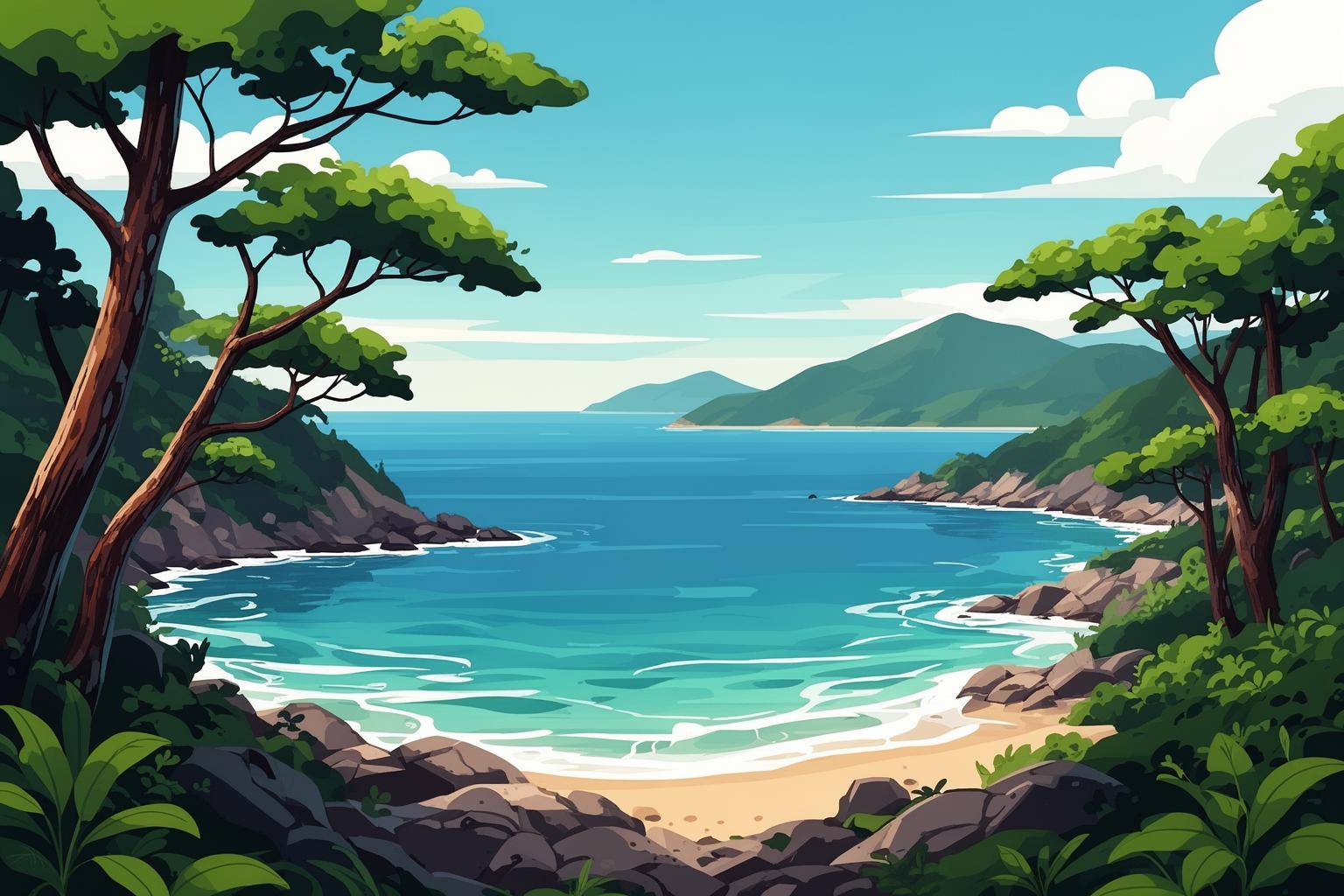
While the ancient forests remain the island’s main attraction, Yakushima’s enchantment also reaches its stunning coastline and dramatic waterfalls. To fully appreciate the island, you must explore its varied landscapes. The interaction between the towering, rain-catching mountains and the surrounding sea defines Yakushima’s unique character and gifts it with abundant fresh water and breathtaking natural features.
Sun, Sand, and Sea Turtles
The island is encircled by small beaches, but Nagata Inakahama Beach on the northwest coast stands out. This beautiful stretch of golden sand is the most important nesting site for endangered loggerhead sea turtles in the North Pacific. From May through July, hundreds of female turtles emerge silently from the sea under the cover of darkness to lay their eggs. It is a powerful and humbling spectacle. Local conservation groups run guided viewing tours that let you observe this ancient ritual without disturbing the turtles. This strictly managed, respectful experience highlights the island’s dedication to coexisting with its wildlife. Between July and September, you might even be fortunate enough to see the tiny hatchlings embark on their perilous first journey to the ocean.
The Cleansing Power of Water
Yakushima is said to rain “35 days a month,” and all that water flows down the mountains in a series of stunning waterfalls. Oko-no-taki, in the southwest, is one of Japan’s tallest waterfalls, plunging 88 meters down a sheer cliff. You can walk right to its base and feel the immense power and refreshing spray. Senpiro-no-taki, near the island’s center, offers a different kind of beauty, as it roars through a vast granite gorge. For a truly unique Japanese experience, visit the island’s seaside hot springs, or onsen. Hirauchi Kaichu Onsen is a natural rock pool accessible only for a few hours each day at low tide. Soaking in the volcanically heated water while watching the Pacific Ocean waves crash just feet away is an unforgettable, elemental experience. It’s a rustic, co-ed setting that connects you directly to the island’s raw geothermal energy.
A Taste of the Island
The island’s bounty is also reflected in its delectable local cuisine. A specialty found on every menu is flying fish (tobiuo), usually served fried to a crisp, fins and all, creating a dramatic and flavorful presentation. Yakushima is also renowned for its citrus, particularly the sweet tankan and ponkan oranges, which appear in juices, desserts, and sauces. No visit is complete without sampling the local shochu, a distilled spirit. The most famous brand, Mitake, is made with Yakushima’s famously pure, soft water and pairs perfectly with a meal of fresh, local ingredients.
Preparing for Your Quest: A Traveler’s Guide to Respect and Readiness
A trip to Yakushima is an adventure that, like any great journey, demands preparation. The island’s wild, unpredictable weather and rugged terrain require respect. Being well-equipped and mentally ready will not only keep you safe and comfortable but also allow you to fully embrace the raw beauty of this remarkable place.
Preparing for the Elements
First and foremost: waterproof everything. The island’s rainy reputation is well-deserved. A high-quality, breathable rain jacket and waterproof pants are essential, not optional. Durable, waterproof hiking boots with good traction are a must, as trails can become slippery and muddy. Dress in layers of synthetic, quick-drying fabrics (avoid cotton, which stays wet and cold). Even during summer, temperatures can drop at higher elevations. A waterproof cover for your backpack is crucial to protect your camera and other electronics. Many shops on the island offer full hiking gear rentals, which is a great choice if you prefer not to carry bulky equipment.
Respecting Nature
Yakushima’s ecosystem is a rare, fragile treasure. As a visitor, you have a duty to help preserve it by strictly following Leave No Trace principles. Carry out every piece of trash you bring in. Stay on marked trails to prevent erosion and protect the delicate moss. The island hosts unique wildlife, including the Yaku monkey and Yaku deer, which are smaller than their mainland counterparts. Never feed the animals, as it disrupts their natural behavior and can harm their health. For longer hikes like the Jomon Sugi trail, where no toilet facilities are available, carrying a portable toilet kit—available at local shops—is highly recommended. This small effort goes a long way in keeping the trails pristine.
Mind and Body
Be honest about your physical condition. While there are many easy walks, the island’s most renowned trails are demanding. The Jomon Sugi hike, in particular, requires good stamina. It’s a long day with significant elevation changes. If you have doubts about your fitness or navigation skills, hiring a licensed local guide is a wise choice. A guide not only ensures your safety but also enriches your hike by sharing knowledge about unique plants, local legends, and pacing you for the best experience. They bring the forest to life in ways you wouldn’t discover on your own.
An Invitation from the Ancient Forest
A journey to Yakushima is far more than just a box to tick on a Ghibli fan’s bucket list. It is an immersion, a profound plunge into a world that feels both magical and deeply real. It’s a place that shifts your sense of time, where a single day of hiking can seem like a lifetime, and where standing before a 5,000-year-old tree offers a beautiful, humbling perspective on your own existence. You arrive in search of the forest from Princess Mononoke, but you leave having discovered something even more meaningful: a deep, personal connection to the lasting power of the natural world. You depart with the scent of damp earth and cedar etched in your memory, the sound of rushing water lingering in your ears, and a newfound appreciation for the quiet, resilient magic that still thrives in the wild corners of our planet. The forest awaits. It holds stories to share, and all you need to do is show up and listen.