
There’s a certain kind of magic that lingers in the mountain air of Gifu Prefecture, a quiet hum that feels both ancient and deeply familiar. It’s the feeling of a story waiting to be told, or perhaps, a story you already know by heart. For millions around the globe, this story is Kimi no Na wa, or Your Name, Makoto Shinkai’s breathtaking anime masterpiece that intertwined the lives of two teenagers across time and space. The film’s fictional town of Itomori, with its celestial traditions and stunning alpine scenery, captured our collective imagination. But Itomori isn’t just a fiction; its soul resides in a very real place, a place you can walk, breathe, and experience for yourself. This is the Hida region, a cluster of towns nestled in the northern mountains of Gifu, where the cinematic world of Taki and Mitsuha bleeds seamlessly into reality. Our journey begins in Hida-Furukawa, a town so faithfully recreated in the film that to visit is to step directly through the screen. This isn’t just a trip to a film location; it’s a pilgrimage to the heart of a story about connection, memory, and the invisible threads that bind us. It’s an invitation to find your own musubi, your own connection, in the quiet streets and sacred groves of a town touched by a falling star.
The interplay of memory and place continues to resonate, inviting travelers to explore a hidden ghibli-esque harbor where timeless charm awaits.
The Echo of a Train Whistle: Arriving in Hida-Furukawa
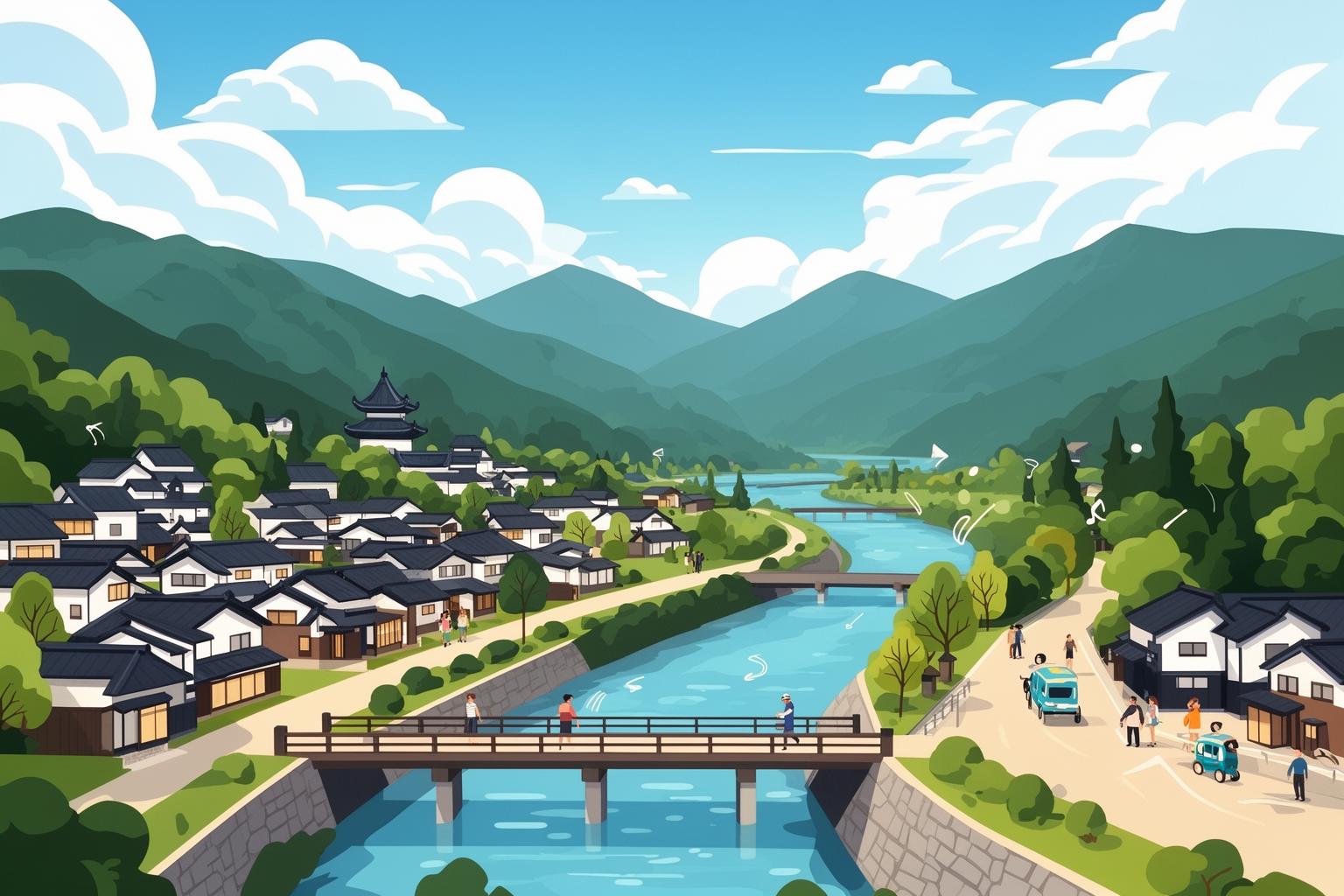
The journey to Hida often starts with the gentle sway of a train, the JR Hida Wide View Express, as it meanders through dramatic river gorges and dense cedar forests. The windows frame a moving tableau of rural Japan, a landscape that grows quieter and more profound with every kilometer passed. Then, the announcement sounds, and you arrive at Hida-Furukawa Station. The moment you step onto the platform, a strong sense of déjà vu envelops you. This is it. This is precisely the station where Taki, the city boy from Tokyo, arrives in his desperate search for Mitsuha. The details are remarkably exact: the wooden sign, the simple benches, the overhead pedestrian bridge offering a perfect view of the tracks curving into the distance. Even the Hida-gyu mascot, a charming cartoon cow, welcomes you, just as it did in the film. The air here is unlike the city—it’s crisp, clean, and carries a faint scent of pine and damp earth. You can hear the silence between sounds: the chirp of a distant bird, the low rumble of the departing train, the rustle of leaves in the breeze. Take a moment on that pedestrian bridge. Look down at the tracks. It’s here the pilgrimage truly begins, the feeling that you are no longer just an observer of a story, but a participant. It’s an uncanny, thrilling sensation, the first clear sign that the world Shinkai created is firmly rooted in this beautiful, unassuming town.
Weaving Threads of Time: The Hida City Library
A short, pleasant walk from the station, along streets lined with traditional wooden houses, leads you to another significant landmark: the Hida City Library. From the outside, it appears as a modern, attractive building, but it’s the interior that truly captivates you. For fans of Your Name, the setting is instantly recognizable. This is the very library where Taki and his friends studied town records, trying to uncover the history of Itomori and the truth about the comet. The warm, honey-colored wood that covers nearly every surface, the high ceilings, the gentle curve of the main desk, and the soft light filtering through the large windows—it’s all depicted with meticulous accuracy. The library staff are well aware of their building’s fame and warmly welcome visitors who come because of the film. They appreciate the importance of this place. Often, a small corner is dedicated to the movie, featuring production sketches and a guestbook for visitors to sign, a testament to the global community drawn to this quiet spot in Japan. Standing here, it’s easy to feel part of Taki’s journey. You can almost hear the rustle of turning pages, the soft conversations, and the growing realization of the town’s tragic fate. Yet, remember that this is a real, active library and a treasured community space for the people of Hida. The key advice for any visitor is to be respectful: move quietly, avoid loud conversations, and always ask permission at the front desk before taking photographs. The staff are usually happy to accommodate, asking only that you do not disturb the local patrons. It’s a lovely exchange: for a brief moment, you become part of cinematic history, and in return, you show your appreciation by honoring the tranquility of this wonderful public space.
A Taste of Itomori: Flavors and Crafts of an Ancient Town

While Hida-Furukawa provides the exact locations, the wider essence of Itomori—its history, its flavors, and its deeply rooted traditions—is shaped by the entire Hida region, particularly the nearby city of Takayama. A visit here feels incomplete without fully immersing yourself in these sensory details. Strolling through the Sanmachi Suji district in Takayama is like traveling back to the Edo period. The beautifully preserved wooden merchant houses, with their dark lattice fronts and hanging cedar leaf balls signaling a sake brewery, line the narrow streets. Small canals, alive with vibrant orange and white koi, flow alongside the pathways. This timeless scenery inspired Itomori’s charming townscape. As you wander, let the local tastes guide you. Pause at a small stall to try gohei mochi, a flattened oval of pounded sticky rice grilled over charcoal and coated in a sweet and savory sauce made of miso, soy, and walnuts. The smoky, slightly charred aroma is irresistible. Or savor a skewer of Hida beef, a regional delicacy known for its remarkable marbling and melt-in-your-mouth texture. The rich, savory flavor offers a true taste of the mountains. Yet, the most meaningful cultural experience, directly linked to the film’s core theme, is discovering the art of kumihimo. These intricately braided cords physically embody musubi—the film’s idea of connection, the flow of time, and the intertwining of destinies. Mitsuha’s red braided cord serves as the tangible bond connecting her to Taki across dimensions. In Hida, you can visit shops that have preserved this craft for generations. Watch artisans at work, their hands moving with a practiced, hypnotic rhythm, and even sit at a traditional wooden stand, a marudai, to try weaving your own. As you pass the threads over and under, creating your own colorful cord, you develop a deeper appreciation for the film’s symbolism. It’s a meditative, beautiful process and a way to form a lasting memory of your journey and a personal understanding of the invisible threads that connect us all.
The Steps to the Divine: In Search of Miyamizu Shrine
At the spiritual core of Itomori sits the Miyamizu Shrine, the ancestral home of Mitsuha’s family, perched on a hill overlooking the town and its mystical lake. This sacred site, with its ancient rituals and profound connection to the cosmos, is not a single place but a skillful blend of several real-world shrines. The two main inspirations are Ketawakamiya Shrine in Hida-Furukawa and, most notably, Hie Shrine in Takayama. The journey to Hie Shrine is an experience in itself and a defining moment for any pilgrim. As you draw near, you are greeted by a towering stone torii gate marking the entrance to the sacred grounds. Beyond it lies a long, steep staircase flanked by massive, centuries-old cedar trees, whose canopies form a cathedral of green overhead. This is the iconic staircase Taki desperately sketches from memory. With each step upward, the sounds of the city below fade, replaced by the hum of cicadas in summer or the crunch of leaves in autumn. The air cools, heavy with the scent of moss and damp stone. The climb is breathless, both physically and emotionally, charged with purpose and mirroring Taki’s urgent ascent. At the summit, you are rewarded with the sight of the shrine’s main hall, a beautiful wooden structure radiating quiet, powerful dignity. The atmosphere exudes profound peace and timelessness. You can envision Mitsuha performing her duties as a shrine maiden here, her crisp white and red robes a vivid contrast to the deep greens and browns of the forest. The shrine in the film is closely tied to the kuchikamizake ritual, where Mitsuha creates a sacred sake offering for the gods. This practice has genuine roots in ancient Shinto traditions, representing a pure, personal offering that carries part of the maker’s spirit. Standing on the tranquil grounds of Hie Shrine, you sense the weight of this history and understand why Shinkai chose these sacred sites to ground the film’s most mystical themes. It is a place that highlights the deep spiritual bond between the Japanese people, their landscape, and the heavens above.
Beyond the Frame: Exploring the Hida Landscape
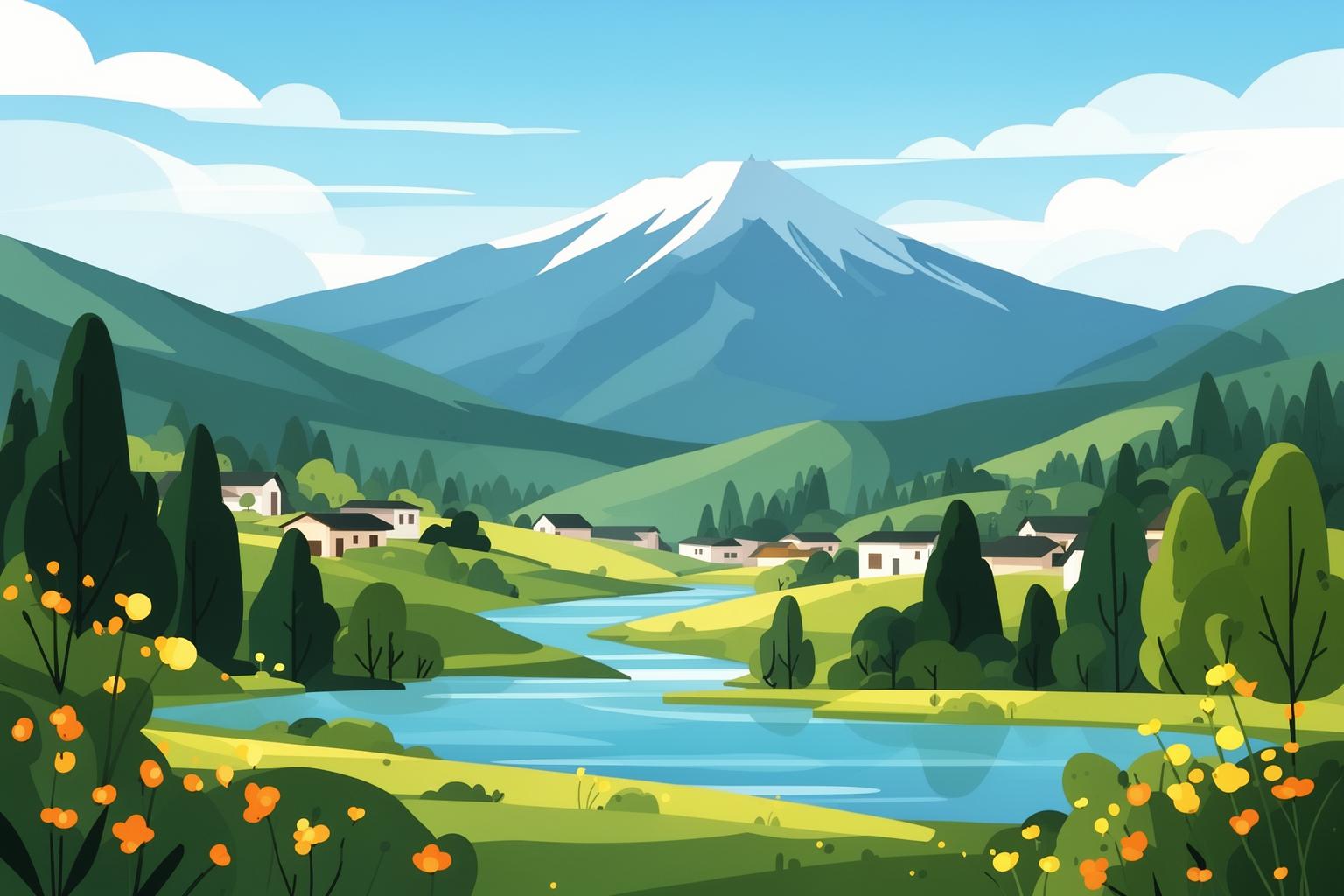
While the precise, screen-accurate locations are the initial attraction, the real enchantment of Hida emerges when you move beyond the checklist and allow yourself to simply be present in its breathtaking landscape. Nestled within the Japanese Alps, their majestic presence provides a constant, humbling backdrop to daily life. The clear, swiftly flowing Miyagawa River winds through the town, its banks adorned with cherry trees that burst into delicate pink blossoms each spring. In April, Hida-Furukawa comes alive with the Furukawa Festival, one of Japan’s most renowned “naked festivals,” where hundreds of men parade through the streets carrying enormous, intricately decorated floats and pounding giant taiko drums in a vibrant display of community spirit. As summer arrives, the landscape turns lush and vibrant green, with rice paddies flooded to mirror the sky above. Autumn is perhaps the most stunning season, as mountainsides blaze with fiery reds, oranges, and golds. The crisp air invites hiking and exploring mountain trails that provide panoramic valley views. Winter covers the town in a thick blanket of soft, silent snow, turning traditional wooden houses and temple roofs into a tranquil, monochrome wonderland. This ever-shifting seasonal beauty is the heart of Itomori. It’s the reason Mitsuha cherished her town, even as she longed for the excitement of Tokyo. It’s the powerful, ever-present force of nature that shapes life, tradition, and belief. To truly connect with the spirit of the film, take time for these simple experiences. Rent a bicycle and ride along the river. Discover a small, family-run café and savor a cup of coffee while watching the world pass by. Visit a local sake brewery for a tasting and learn about the pure mountain water that makes it exceptional. It’s in these quiet, unscripted moments that you’ll sense the true rhythm of Hida and grasp the profound sense of place Makoto Shinkai so masterfully captured.
Practical Pilgrimage: Planning Your Hida Adventure
Embarking on your own trip to Hida is surprisingly straightforward, though a bit of planning can greatly enhance the smoothness and memorability of the experience. The region is most easily reached by train. From major cities such as Tokyo or Osaka, you take the Shinkansen (bullet train) to Nagoya or Toyama, then transfer to the JR Hida Wide View Express. The journey itself is part of the adventure, showcasing some of Japan’s most scenic train views. If you are traveling around the country, the Japan Rail Pass is an excellent and cost-effective choice that covers the entire route. In terms of accommodation, the area provides a wonderful variety of options. Takayama, being a larger and well-established tourist destination, offers a broad range of hotels, hostels, and guesthouses. For a more intimate experience that immerses you in the Your Name atmosphere, consider staying at a traditional ryokan (Japanese inn) in Hida-Furukawa. Here, you can enjoy top-notch Japanese hospitality, sleep on tatami mats, savor exquisite multi-course kaiseki dinners, and relax in a hot bath. It’s recommended to book your lodging well in advance, especially if you plan to visit during peak seasons such as the cherry blossom bloom, autumn foliage, or major festivals. Once you arrive in Hida-Furukawa or Takayama, the main town centers are compact and ideal for exploring on foot. This is the best way to absorb the atmosphere and discover hidden alleyways and charming shops. For venturing further afield, rental bicycles are an excellent option. As a polite reminder: when visiting shrines, be sure to bow at the torii gate both upon entering and leaving, and perform the purification ritual at the water basin before approaching the main hall. In libraries and other public spaces, please maintain a quiet demeanor. The people of Hida take pride in their town’s connection to the film but also live their daily lives. A friendly smile and respectful attitude will be warmly welcomed. The best time to visit varies depending on your interests, but the mild weather of spring and autumn generally provides the most comfortable conditions for exploring.
The Unseen Connections

A journey to Hida lingers with you long after you’ve boarded the train home. You arrive as a fan of a film, eager to walk the same streets and see the same sights as its cherished characters. Yet you depart with something deeper. You leave feeling the cool mountain air against your skin, savoring the sweet miso on your tongue, and holding the quiet satisfaction of weaving your own thread into a vibrant braid. Hida is not a movie set; it is a living, breathing community rich in history and deeply connected to its natural surroundings. The film didn’t create the magic here; it merely reflected it back to the world. To visit Hida is to grasp musubi not as a plot device, but as a living truth. It’s seen in the way local artisans keep the ancient craft of kumihimo alive, in the community gathering for the annual festival, and in how the town itself is woven into the vast tapestry of mountains, rivers, and sky. You sense the threads of time linking old wooden houses to the modern library, the ancient shrine to the visiting anime pilgrim. You came seeking Itomori, but what you discover is Hida. And you realize, ultimately, they are one and the same—a place where stories, memories, and dreams intertwine like the delicate threads of a braided cord.