

There’s a curious magic that happens when a place you’ve only seen on screen materializes before your very eyes. The colors are richer, the sounds are clearer, and the air itself feels charged with a story you already know by heart. It’s a feeling of stepping through a portal, where the boundary between a fictional world and our own gracefully dissolves. For countless fans of Makoto Shinkai’s breathtaking anime masterpiece, “Your Name.” (Kimi no Na wa.), that portal opens in Hida, a quiet, unassuming city nestled deep within the mountainous embrace of Gifu Prefecture. This isn’t just a filming location; it’s the living, breathing soul of the film’s fictional town of Itomori. To walk the streets of Hida is to trace the footsteps of Taki and Mitsuha, to feel the weight of tradition and the pull of destiny that so beautifully defined their story. It’s a pilgrimage, a seichi junrei, that transcends simple sightseeing, inviting you into a waking dream woven from animation, history, and the gentle, enduring spirit of rural Japan. Here, the cinematic fantasy feels startlingly, wonderfully real, waiting to be discovered not on a screen, but with every step you take on its storied ground.
For those enchanted by the magic of Hida, exploring the Tokyo pilgrimage spots offers another captivating way to experience the legacy of Your Name.
The Arrival: Echoes at Hida-Furukawa Station
Your adventure into the world of “Your Name.” truly starts the moment you step aboard the JR Hida Wide View Express. This is more than just a train; it’s a prologue. As it winds its way from the bustling Nagoya or the historic city of Takayama, the urban scenery fades away, replaced by a breathtaking vista of emerald valleys and crystal-clear rivers. The train’s signature wide windows are made for this exact experience, turning the ride into a cinematic spectacle. You’ll find yourself pressed against the glass, watching the landscape blur by, feeling the anticipation grow with every click-clack of the rails. Then, you arrive at Hida-Furukawa Station. Simple and rural, it may seem unremarkable, but to a fan, it stands as iconic as any grand terminal worldwide. The feeling hits instantly and powerfully. Stepping onto the platform, the crisp mountain air fills your lungs. You notice the distinct green and white railings, the wooden benches, the very signs that Taki and his friends saw when they arrived on their quest for Mitsuha. The sensation of déjà vu is strong, a gentle thrill of recognition that courses through you. The truly breathtaking moment for many visitors comes when they find the pedestrian footbridge crossing the tracks. From this vantage point, one of the film’s most precisely recreated shots unfolds. You gaze down the parallel railway lines stretching into the distance, framed by the peaceful town and mountains beyond. Pilgrims wait patiently, cameras poised, for the Hida Wide View Express to roll in, perfectly reenacting the scene from the film. It’s a shared moment of quiet reverence, a collective understanding of why everyone has come. Near the station’s entrance, you’ll spot another small, charming detail that anchors the anime in local reality. By the taxi stand stands a large, cartoonish statue of a cow, the mascot of Hida-gyu, the region’s prized beef brand. It’s a quirky, genuine touch that wasn’t featured in the movie but provides a warm welcome, reminding you that while you’ve come for a story, you’ve arrived in a real place with its own distinct identity and pride. The station is more than just a location; it’s a gateway. It marks the point where your journey as a viewer ends and your journey as a participant begins.
A Timeless Current: The Shirakabe Dozogai District
Just a short, pleasant walk from the station, the rhythm of Hida slows to a gentle, unhurried pace. You’ll find yourself drawn to the murmur of flowing water, a sound that leads you to the town’s historic center: the Shirakabe Dozogai, or White-Walled Storehouse Street. This is where the soul of old Hida resides, in a beautifully preserved canal district that feels worlds apart from the present day. The centerpiece is the Seto River, a narrow, stone-lined waterway flowing with serene clarity. Its most famous inhabitants are the thousands of vibrant koi carp that swim lazily in its currents. From April to November, these fish, shimmering in brilliant shades of orange, white, and gold, transform the canal into a living work of art. The sight of them gliding through the water, their colors striking against the monochrome stones of the canal bed, is utterly mesmerizing. It’s a scene of profound tranquility, a perfect picture of the harmonious relationship between the town and its natural environment. Lining the canal are the eponymous white-walled storehouses, known as kura, with their distinctive black-lattice bases. These historic buildings once belonged to wealthy merchants and sake brewers, their thick earthen walls built to protect precious goods from fire. Today, they stand as silent witnesses to Hida’s prosperous past. The stark white plaster contrasts beautifully with the dark, weathered wood beams, creating stunning visual geometry. You can almost sense the history seeping from the walls, a feeling of the generations who have walked the same flagstone paths. The atmosphere here changes dramatically with the seasons, each bringing its own unique charm. In spring and summer, weeping willows droop gracefully over the canal, their green fronds trailing in the water to form a soft, verdant canopy. In autumn, the surrounding trees blaze with color, their reflections dancing on the water’s surface alongside the koi. Yet it may be in winter that the district is most magical. A thick blanket of pure white snow covers rooftops and streets, muffling all sound except for the gentle gurgle of the Seto River. The black and white storehouses stand out even more sharply against the snow, creating a striking scene reminiscent of an ink wash painting. It’s a quiet, contemplative beauty that resonates deeply with the more melancholic, wistful moments of “Your Name.” As you wander, you’ll also notice the distinct aroma of sake in the air, drifting from local breweries that have operated here for centuries. Stepping inside one for a tasting connects you to one of Hida’s most enduring traditions, a craft passed down through generations. The Shirakabe Dozogai isn’t just a backdrop; it’s a sensory experience that captures the essence of Itomori’s timeless, traditional spirit.
Ascending to the Sacred: The Steps of Keta Wakamiya Shrine
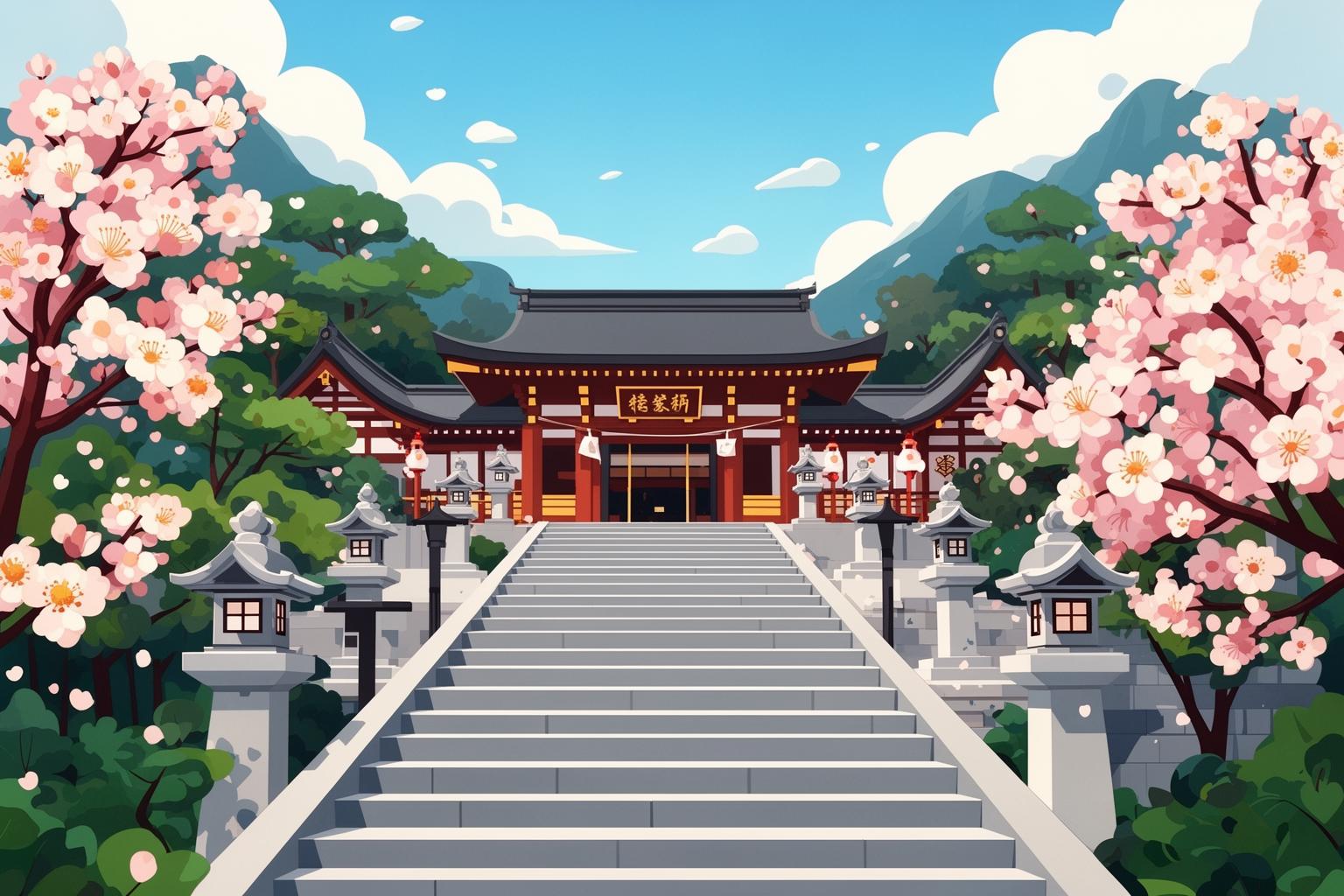
While Hida-Furukawa serves as the tangible town setting for “Your Name.,” the spiritual heart of Itomori, the Miyamizu Shrine, has its real-world counterpart just outside the main town at Keta Wakamiya Shrine. The journey to this sacred site feels like a pilgrimage, a deliberate ascent from everyday life into a realm of quiet spirituality. The most iconic feature, instantly familiar to any fan, is the long, moss-covered stone staircase leading up to the shrine. Flanked by towering cedar trees that seem to reach the sky, the steps form a natural cathedral of green and shadow. As you begin the climb, the sounds of the town fade, replaced by the rustling leaves, birdsong, and the rhythm of your own breathing. Each step feels intentional, a shedding of the outside world as you approach the sacred space above. The air grows cooler, carrying the scent of damp earth and ancient wood. Light filters through the dense canopy, casting shifting patterns of light and shade on the stone. This is the path Mitsuha and her sister Yotsuha would have taken, a route steeped in centuries of ritual and reverence. Reaching the top, you encounter not a grand, ornate structure, but a collection of humble, weathered wooden buildings blending harmoniously with their natural surroundings. This is the essence of a Shinto shrine: it does not dominate nature but exists within it. The main hall, with its elegant, sloping roof and intricate wooden carvings, radiates a profound sense of tranquility. There is a palpable stillness here, an ancient energy inviting quiet reflection. Although the layout isn’t an exact replica of the Miyamizu Shrine, the feeling is unmistakably the same. Here, you can deeply grasp the film’s central theme of musubi—the invisible, interconnected threads of time, tradition, and fate. You can picture Mitsuha performing her duties as a shrine maiden, her life intertwined with her family’s history and her town. You see the goshintai, the sacred object of worship, and sense the weight of the traditions she both cherished and longed to escape. Visitors may offer a prayer, purchase a protective amulet, or simply sit on a bench to absorb the profound peace of the place. It serves as a powerful reminder that while anime brought you here, the spirituality of the shrine is genuine and deeply embedded in regional culture. It’s a place that existed long before the film and will endure long after—a timeless sanctuary connecting the past, the present, and perhaps, as the film suggests, parallel threads of existence.
A Universe of Knowledge: The Hida City Library
Amidst a story rich with ancient shrines and traditional townscapes, one surprisingly modern location stands out: a library. The Hida City Library is where Taki uncovers the truth about Itomori, and visiting it is one of the most surreal and moving moments of the pilgrimage. From the outside, it appears as a handsome, contemporary structure, but it’s the interior that truly captivates and strengthens the connection to the film. The architect, motivated to use local materials, designed the library with a stunning, intricate wooden ceiling and warm, inviting furniture, creating a space that feels both grand and intimate. Upon entering, you are greeted by the scent of wood and old paper. Sunlight pours through large windows, illuminating the countless rows of books. The atmosphere embodies a quiet reverence for knowledge, serving as a peaceful sanctuary for the community. For a “Your Name.” fan, the space is instantly and uncannily familiar. You can immediately recognize the exact seating area where Taki and his friends sat, examining historical records. The distinctive round tables, comfortable chairs, and gently curved bookcases are all precisely as they were animated. Discovering this spot feels like uncovering a secret portal. You can sit in the very chair, gaze out the same window, and experience a deeply direct connection to the film’s story. It was in this very place that the narrative’s most shocking twist unfolded, and being there in person adds a profound emotional depth to that memory. The library and the city of Hida have welcomed their newfound fame with warmth and grace. Acknowledging the influx of anime pilgrims, they have established a small, dedicated “Your Name.” corner, featuring a guestbook filled with messages and drawings from fans worldwide—a testament to the film’s global reach. It is a beautiful communal space where pilgrims can leave their mark and witness the enthusiasm of those who came before. However, it is important to remember this is an active public library. The staff are friendly, but visitors are expected to be respectful. Photography is generally allowed only in the designated area, and only after obtaining permission at the front desk. The true wonder of visiting the Hida City Library lies in seeing how this real place, with its everyday role serving the community, has become an essential part of a global pop culture phenomenon. It stands as a beautiful example of how fiction can illuminate reality, enabling people to appreciate its beauty and significance in a brand-new way. It is a quiet refuge of stories—both those on its shelves and the one that has drawn countless people through its doors.
The Flavor of Itomori: Tasting the Soul of Hida

No journey feels complete without savoring the flavors of the region, and in Hida, the local cuisine offers a delicious, tangible link to the world you’ve been discovering. The food here is hearty, genuine, and deeply connected to the mountain environment. While Mitsuha lamented her town’s lack of cafes, the culinary delights you’ll encounter here provide an authentic experience far more memorable. The undisputed star of the local gastronomy is Hida Beef, or Hida-gyu. This premium wagyu brand is celebrated for its intense marbling, which creates a melt-in-your-mouth texture and a rich, buttery taste. Though it can certainly be enjoyed as a luxurious steak dinner, one of the best ways to try it is from the small street-side stalls and butcher shops. You’ll find sizzling Hida beef skewers, crispy croquettes filled with creamy beef, or steamed buns packed with savory meat. Grabbing one of these snacks while wandering through the old town is a quintessential Hida experience, the rich aroma blending with the crisp mountain air. Another must-try local specialty is Gohei Mochi. This isn’t the soft, round mochi you might expect. Gohei Mochi is made from pounded non-glutinous rice, skewered, flattened into a paddle shape, and grilled over an open flame. It’s generously coated with a sweet and savory sauce, typically made from miso, soy sauce, and walnuts or perilla seeds. The result is a delightful mix of textures and flavors: a slightly crispy, charred exterior gives way to a soft, chewy inside, and the rich, nutty sauce is utterly addictive. It’s the perfect rustic snack, a true taste of Japanese mountain home cooking. Also watch for another local favorite: Mitarashi Dango. Unlike the sweet, syrupy version common in much of Japan, Hida’s Mitarashi Dango is savory. The small, plain rice dumplings are skewered, grilled, and brushed with a simple soy sauce glaze. It’s a simple, fragrant, and surprisingly complex snack that locals have loved for generations. These dishes are more than mere sustenance; they are part of Hida’s essence. They anchor the magical experience of the anime pilgrimage in something authentic and satisfying. Sharing a Gohei Mochi or a Hida beef skewer on a bench by the Seto River, you are no longer just a visitor; you become part of the town’s daily life and culture, creating your own memories in this enchanting storybook setting.
Beyond the Frame: Hida’s Enduring Craft and Spirit
While the charm of Your Name. acts as a strong draw, truly appreciating Hida means looking beyond the anime’s visuals to uncover the rich culture and traditions that inspired its creators. The film perfectly captured the town’s spirit because that spirit is genuine, cultivated over centuries. Hida boasts a long, proud history of master craftsmanship, especially in woodworking. The dense forests surrounding the city have provided generations with abundant, high-quality timber, and the artisans of Hida, known as Hida no Takumi, gained renown throughout Japan for their extraordinary skill. Their legacy lives on in the intricate wooden latticework of old houses and the magnificent architecture of local temples. You can experience this heritage firsthand by visiting shops that sell Hida Shunkei lacquerware, a unique craft where the wood’s natural grain is enhanced with translucent lacquer, creating a golden glow. Another exquisite local craft is the production of traditional Japanese candles, or warosoku. Made from the wax of the haze tree nut, these candles burn with a larger, warmer, and steadier flame than modern paraffin candles. Stepping into a traditional candle shop like Mishima Candle Shop in the old town feels like traveling back in time. You can watch artisans at work using techniques unchanged for centuries and appreciate the simple, elegant beauty of their creations. Yet, the most vivid expression of Hida’s spirit is undoubtedly the Furukawa Festival, held annually on April 19th and 20th. It is one of Japan’s most spectacular and vibrant festivals. The highlight is the Okoshi-Daiko, a breathtaking event where hundreds of men in traditional loincloths carry a massive drum through the streets, while others carrying smaller drums on long poles attempt to attach their poles to the main drum platform in a chaotic, thrilling display of strength and courage. The following day features a procession of magnificent, ornate floats, or yatai, showcasing Hida’s traditional craftsmanship at its finest. Witnessing this festival reveals a powerful, raw side of Hida, full of communal energy that has united its people for generations. Exploring these cultural facets greatly enriches the pilgrimage, allowing you to see that Itomori was not merely a fantasy but a reflection of a real town with a proud identity, a deep connection to its past, and a vibrant spirit that thrives long after the film’s credits roll.
A Pilgrim’s Practical Path: Navigating Your Journey
Embarking on a pilgrimage to Hida is a rewarding adventure, and a bit of planning can make the experience even smoother and more magical. The journey to this mountain town itself is part of the charm, offering scenic views that set the perfect tone for your arrival.
Getting There
The most popular and scenic way to reach Hida-Furukawa is by train. From major cities such as Tokyo, Kyoto, or Osaka, you will first take the Shinkansen (bullet train) to Nagoya. From there, transfer to the JR Hida Wide View Express line. This train ride, lasting about two and a half hours, is spectacular, winding through deep gorges, following the emerald Hida River, and providing breathtaking views of the Japanese Alps. Be sure to secure a window seat if possible. Alternatively, if you plan to visit nearby Takayama—a popular tourist destination—Hida-Furukawa is just a short 15-minute local train ride away, making it an easy and highly recommended day trip.
When to Go
Hida experiences four distinct and beautiful seasons, each offering a different ambiance. Spring (late April to May) brings the iconic cherry blossoms, painting the town in soft pink and white hues, though these bloom later here than in larger cities. Summer (June to August) is lush and green, filled with the sound of cicadas and koi happily swimming in the canals. Autumn (October to November) is arguably the most stunning season, as the surrounding mountains burst into fiery shades of red, orange, and yellow. Winter (December to February) blankets the town in deep, quiet snowfalls, transforming it into a magical monochrome wonderland reminiscent of Taki’s visions. Prepare for cold temperatures and heavy snow, but the serene beauty is truly worthwhile.
Getting Around
Upon arriving at Hida-Furukawa Station, you’ll find that the main pilgrimage sites are within a compact, easily walkable area. The best way to explore the town is on foot, allowing you to wander narrow alleys, discover charming shops, and soak in the atmosphere at your leisure. A map of the “Your Name.” locations is available at the tourist information center just outside the station. For those wishing to cover more ground or explore the surrounding areas, bicycle rentals are also available nearby, providing a wonderful way to experience the town like a local.
A Gentle Reminder
As you embark on your pilgrimage, it’s important to remember that these locations are not film sets; they are real places integral to the daily lives of Hida’s residents. The library is for study, the shrine is for worship, and the streets are people’s homes. Please be a respectful visitor by avoiding loud noises, asking permission before photographing inside private spaces or of individuals, and never leaving behind any trash. Demonstrating kindness and respect honors both the world of “Your Name.” and the wonderful community that brought it to life, ensuring future pilgrims can enjoy the same magical experience.
This journey is more than just a visit; it’s a profound connection between a beloved story and a genuine, beautiful place. The threads of fate in “Your Name.” felt magical and grand, but in Hida, you discover that the real magic lies in the simple, enduring bonds of everyday life. It’s found in the taste of grilled mochi, the sound of water flowing over stones, the quiet reverence of a shrine, and the shared smile with a fellow fan on a train station platform. Hida is not only the town that looks like Itomori; it’s the town that truly feels like it. It’s a place where you can walk through a dream and realize it was real all along—a place that leaves an indelible mark on your heart long after you’ve boarded the train home. While Taki and Mitsuha’s story may have ended, the story of Hida is one you can step into—a beautiful, waking dream waiting just for you.








