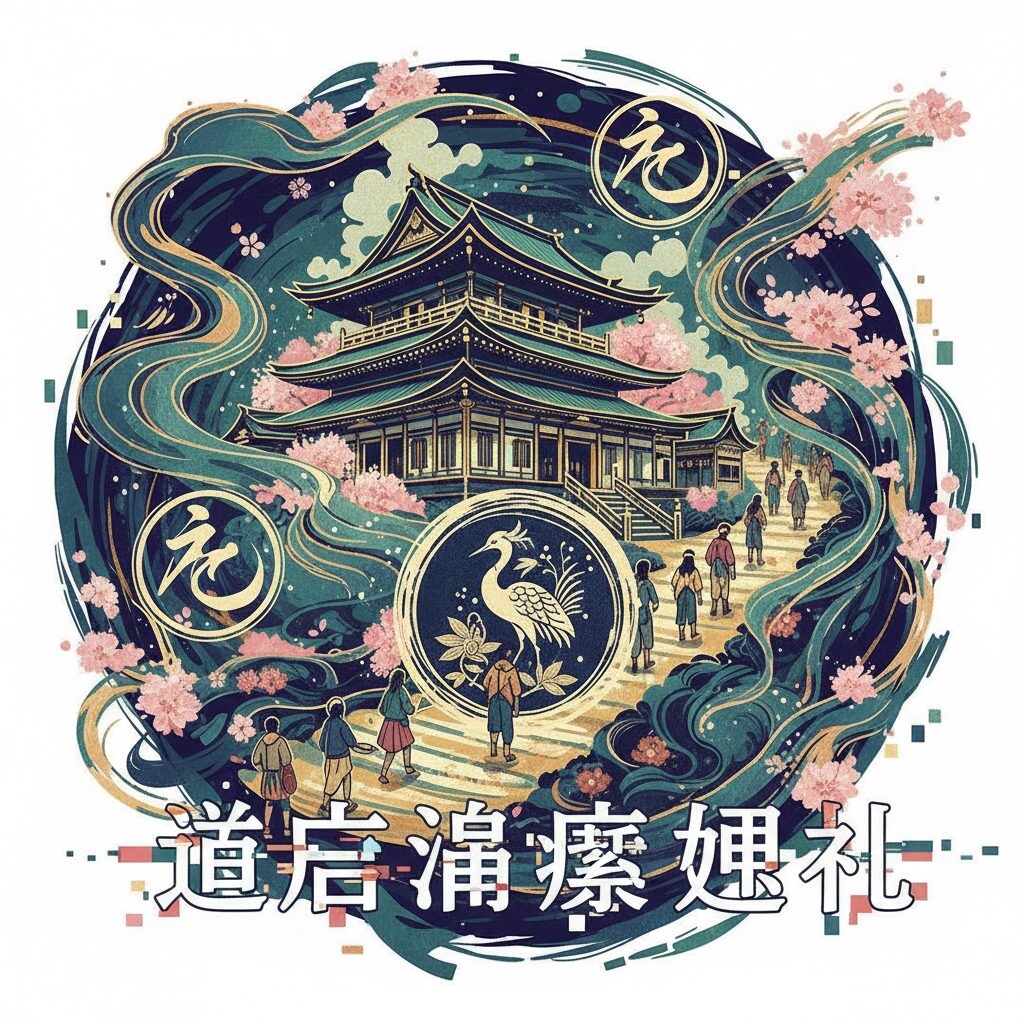
There are places on this earth where the veil between worlds feels thin, where history breathes in the steam rising from the streets and myths whisper on the evening breeze. Dogo Onsen, nestled in the city of Matsuyama in Ehime Prefecture, is one such place. It isn’t merely a destination; it’s a passage into a living, breathing storybook. With a legacy stretching back an astonishing 3,000 years, it lays claim to being the oldest hot spring in Japan, a sanctuary where ancient gods, revered emperors, and literary giants have come to seek solace and rejuvenation in its fabled waters. But for a new generation of pilgrims from across the globe, its fame is intertwined with a more modern mythology: the ethereal, enchanting world of Studio Ghibli’s masterpiece, Spirited Away. The moment you step off the quaint city tram and see the labyrinthine wooden structure of the Dogo Onsen Honkan, its multi-tiered roofs reaching for the sky like a benevolent spirit, you understand. You’re not just visiting a hot spring; you’re stepping onto the set of a beloved memory, a place that feels impossibly, wonderfully familiar. The air itself seems to hum with a creative energy, a fusion of deep tradition and fantastical animation that invites you to lose yourself, to be spirited away into the heart of Japanese culture.
Immerging from the captivating magic of Dogo Onsen, travelers might well find that the Takayama pilgrimage unveils another layer of Japan’s enduring mystique.
The Bathhouse of the Gods: Deciphering the Dogo Onsen Honkan
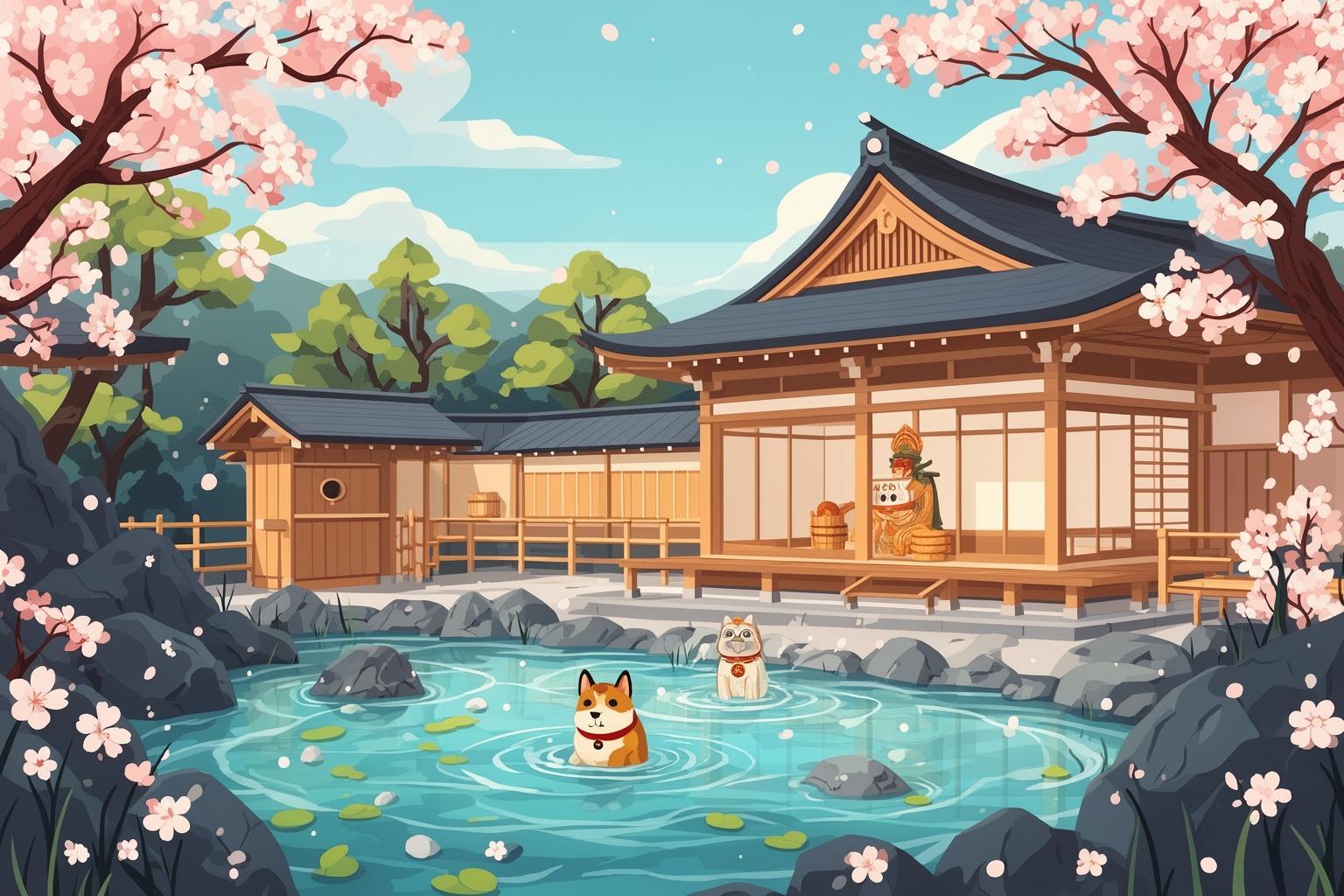
The centerpiece and undisputed heart of Dogo is the Honkan. More than just a building, it stands as a monument to the art of bathing—a complex wooden puzzle box built in 1894 during the Meiji Restoration, a time when Japan was swiftly modernizing while striving to preserve its essence. The Honkan perfectly captures that spirit, feeling both chaotic and meticulously ordered—a charming maze of corridors, staircases, and tatami rooms all woven around the lifeblood of mineral-rich spring water. Its design is said to have directly inspired Yubaba’s bustling bathhouse, the Aburaya, in Spirited Away, a connection that is vividly felt. Gazing upward at its layered roofs, intricate latticework, and the iconic Shinrokaku drum tower, one can almost envision spirits and kami arriving for their nightly purification. The Shinrokaku itself is a standout feature—a magnificent red-accented tower housing a drum struck three times daily—at 6 a.m., noon, and 6 p.m.—its deep, resonant booms echoing through town as a timeless call to the baths.
Stepping inside is like traveling back in time. The air carries the scent of aged hinoki wood mixed with a faint, clean aroma of sulfur. The sounds form a gentle symphony of splashing water, hushed conversations, and the soft shuffling of feet on wooden floors. The Honkan offers two main public baths: the larger, communal Kami no Yu (Bath of the Gods) on the first floor, and the more intimate, luxurious Tama no Yu (Bath of the Spirits) on the second, crafted from exquisite Aji granite. Choosing your experience is part of the ritual; you may opt for a simple soak in Kami no Yu or enhance your visit with access to Tama no Yu, followed by relaxation in a shared tatami lounge upstairs where tea and Botchan dango, a local sweet, are served. This post-bath tradition is essential. Wrapped in a rented yukata, feeling the warmth of the bath radiate from your skin as you sip tea, you become more than a tourist—you partake in a centuries-old tradition of healing and rest. It is a moment of profound peace, a communal cleansing of both body and spirit deeply connected to East Asian philosophies of wellness and balance.
A Glimpse into Imperial Rest: The Yushinden
Among the Honkan’s most remarkable and exclusive sections is the Yushinden, Japan’s only bathing facility built solely for the Imperial Family. While bathing here is not permitted, visitors can tour this exquisite wing. Constructed in 1899, it exemplifies Momoyama Period architecture, with gilded screen doors, ornate carvings, and rooms of breathtaking elegance. A special entrance and a dedicated bath, the Onarinyu, made from the finest Izumo granite, were reserved for the emperor alone. Walking through these silent, hallowed halls offers a rare glimpse into the reverence accorded both the onsen and the imperial line. It underscores that Dogo has always been more than just a public bath; it is a place of national and cultural importance, a sanctuary fit for deities and emperors alike. This historical gravity serves as a profound counterpoint to the playful, fantastical world of Ghibli, anchoring the animated dreamscape in a very real and prestigious past.
Navigating the Great Renovation: A Living History
It is essential for any modern visitor to know that the Dogo Onsen Honkan has been undergoing a major preservation and renovation project since 2019. This should not deter visitors but rather be seen as a unique opportunity. Although some areas of the bathhouse may be closed, the project reveals the intricate process of preserving a national treasure. The main bathing area of Kami no Yu has remained open for much of this time, allowing tradition to continue uninterrupted. Scaffolding that sometimes envelops the building is often adorned with artwork—including pieces by renowned artists—turning the renovation itself into a dynamic exhibition. Visiting during this period is to witness history in the making, to see the careful, loving work ensuring this architectural marvel will endure for another century. It serves as a powerful reminder that culture is not static; it is continually maintained, restored, and reborn for future generations.
Beyond the Bath: Wandering the Spirited Streets of Dogo
While the Honkan serves as the magnetic heart, the true enchantment of Dogo Onsen reveals itself as you wander through the quaint town radiating from its center. The experience is meant to be immersive. Locals prefer yukata attire, and you’ll see numerous visitors—couples, families, and groups of friends—strolling the streets in these light cotton robes, their wooden geta sandals producing a distinctive ‘clack-clack’ sound on the stone pavements. This simple change of clothing shifts your entire perspective. It slows your pace and breaks down the barrier between you and your surroundings, making you feel woven into the town’s living fabric.
The Dogo Haikara Dori Arcade: A Tunnel of Delights
Leading straight to the Honkan is the Dogo Haikara Dori, a covered shopping arcade that feels like an endless festival. The name ‘Haikara’ is a charming Meiji-era term derived from ‘high collar,’ referring to the Western-influenced, fashionable styles of the period, and the arcade perfectly captures this nostalgic, slightly quirky vibe. It’s a lively corridor brimming with souvenir shops, craft stores, and above all, food vendors. Here you can sample local specialties from Ehime Prefecture. The Botchan Dango, a tri-colored sweet skewer named after the famous novel set here, is a must-try. You’ll also find stalls selling Jakoten, a savory fried fish paste patty, and a wide variety of products made from mikan, the region’s famously sweet mandarin oranges—from fresh juice and ice cream to soaps and cosmetics. The arcade is a sensory delight, bustling with energy while maintaining a warm, small-town friendliness. It’s the ideal spot to pick up a unique souvenir, such as the beautiful towels from nearby Imabari, or simply to snack your way toward the onsen.
The Botchan Karakuri Clock and the Healing Footbaths
At the entrance to Haikara Dori stands one of Dogo’s most beloved icons: the Botchan Karakuri Clock. This delightful clock tower springs to life every hour (and every 30 minutes on weekends and holidays) from 8 a.m. to 10 p.m. As cheerful music plays, the clock lifts and transforms, revealing animated scenes and characters from Natsume Soseki’s novel Botchan. The story’s protagonist—a clumsy yet kind-hearted teacher from Tokyo—along with other characters like Madonna and Red Shirt, parade around in a charming mechanical show. It’s a whimsical spectacle that gathers a crowd each time, celebrating the town’s literary legacy. Right beside the clock is a free public footbath, or ashiyu. Soaking your feet in the warm, healing onsen water while watching the clock’s display or simply observing the flow of passersby in the square is one of Dogo’s simple, perfect pleasures. It’s a moment of shared relaxation, capturing the very essence of the onsen experience.
A Deeper Dive: The Sister Springs of Dogo
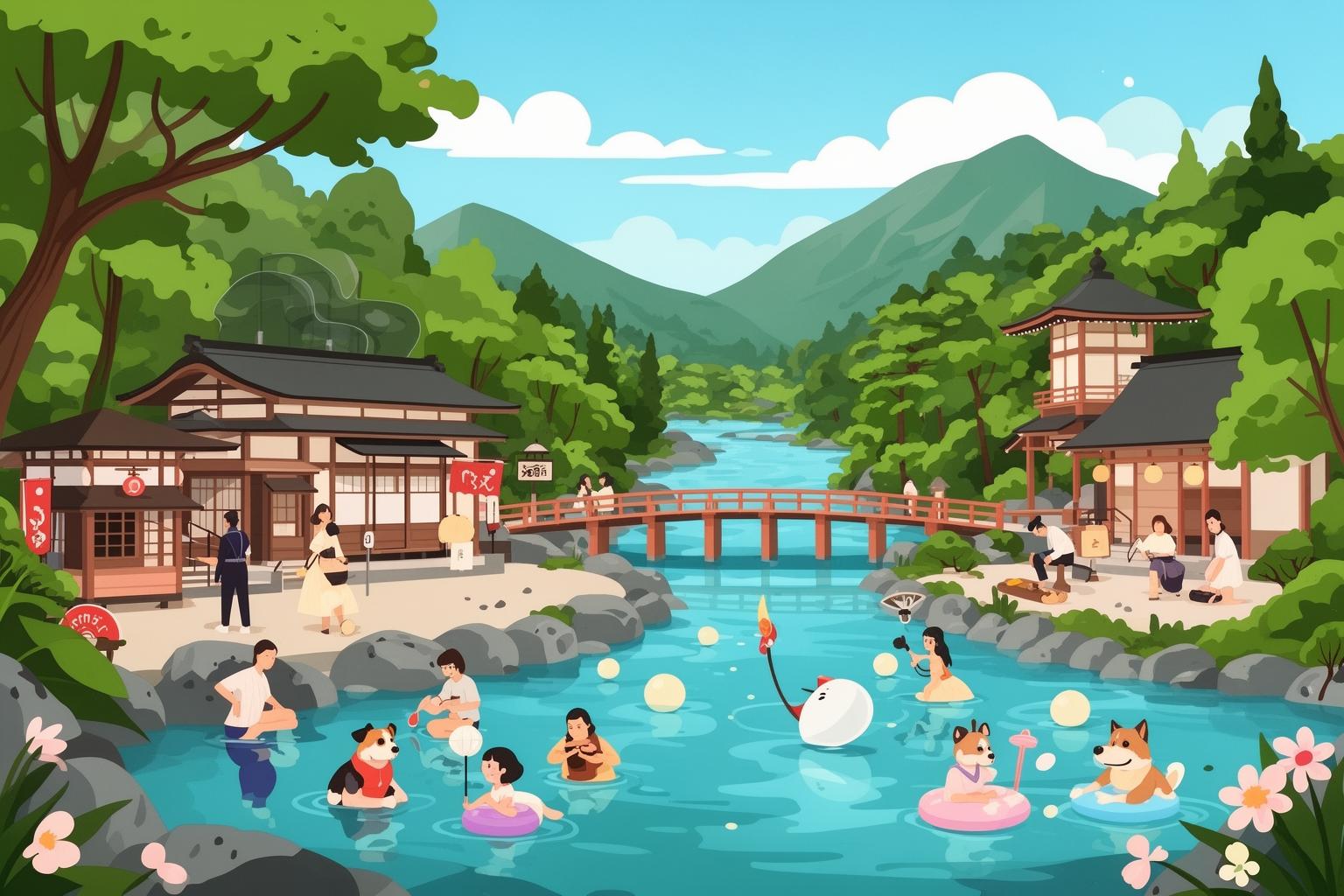
While the Honkan naturally attracts the most attention, Dogo’s bathing culture is further enriched by two other magnificent public bathhouses, each offering a unique experience. Visiting these allows for a fuller appreciation of how this ancient tradition continues to evolve and serve the community.
Tsubaki no Yu: The Local’s Retreat
Just a short distance from the Honkan, Tsubaki no Yu (Camellia Hot Spring) presents a more modern and functional appearance. Rebuilt in 1953, it is known as the bath favored by locals. The interior is simpler, with an atmosphere less focused on tourists and more on the everyday ritual of bathing. The spacious granite bathhouse is bathed in natural light and offers the same high-quality spring water—without the historical grandeur or long lines of its famous neighbor. For visitors seeking a more authentic, everyday experience, Tsubaki no Yu is highly recommended. Here, neighborhood residents catch up, their bathing routine deeply woven into the social fabric. It serves as a humble yet profound reminder that an onsen is, at its core, a community hub.
Asuka no Yu: A Modern Tribute to Ancient Grandeur
Opened in 2017, Asuka no Yu is the newest and most artistically ambitious of the Dogo bathhouses. Its architectural style pays stunning homage to the Asuka Period (538-710 AD), a formative era in Japanese history when Buddhism arrived from the continent and a distinctly Japanese culture began to flourish. The bathhouse features traditional crafts from Ehime Prefecture, including intricate woodwork and decorative tiles. The main bathing hall is an exquisite replica of the Yushinden’s imperial bath, but the true highlight is its special bathing rooms. Visitors can reserve a private tatami room designed to replicate the legendary quarters of Prince Shotoku, a key figure from the Asuka period who, according to legend, was healed by Dogo’s waters. The annex creatively blends tradition with technology, featuring a projection mapping show in its courtyard that tells the myths of Dogo Onsen. Asuka no Yu stands as a bold statement—a bridge between Japan’s ancient origins and its artistic future. Seen from an East Asian perspective, its design beautifully reflects the continental influences of that era, showcasing architectural elements reminiscent of ancient Chinese and Korean palaces, testifying to the shared cultural heritage of the region.
The Literary Heartbeat: Natsume Soseki and the World of Botchan
To truly appreciate Dogo Onsen, one must recognize its profound link to modern Japanese literature, especially through the figure of Natsume Soseki, one of Japan’s most renowned novelists. In 1895, Soseki spent a year in Matsuyama working as an English teacher, an experience that was both challenging and inspiring for him. He channeled these experiences into his beloved 1906 novel, Botchan. The book offers a humorous and satirical portrayal of the clash between the protagonist’s straightforward morality, shaped by Tokyo upbringing, and the intricate, gossipy social dynamics of a rural town. Dogo Onsen serves as a key setting in the story and is the only place the titular character Botchan truly enjoys, famously praising it as a place worth admiring. The novel made Dogo Onsen famous among domestic readers long before it gained international recognition. Inside the Honkan, visitors can see the ‘Botchan no Ma,’ a small tatami room on the third floor where Soseki is said to have spent time. Gazing out the window from this modest room, one can almost sense the writer’s presence, imagining him relaxing after a bath and observing the world that would soon inspire his masterpiece. The entire city of Matsuyama honors this connection, most charmingly through the ‘Botchan Train,’ a diesel-powered replica of the steam locomotives from Soseki’s era. Riding this quaint, puffing train from the city center to Dogo Onsen offers a delightful, nostalgic experience that immerses you in the Meiji-period atmosphere of the novel.
A Pilgrim’s Practical Guide: Navigating Your Dogo Onsen Journey
Planning a trip to a destination so rich in history can feel overwhelming, but Dogo Onsen is exceptionally accessible and inviting to first-time visitors from all over the world. A bit of preparation will help ensure that your experience is as smooth and relaxing as the baths themselves.
Getting There: How to Reach Matsuyama’s Legendary Baths
Matsuyama, the capital of Ehime Prefecture on Shikoku Island, is well connected. The easiest way to get there is by flying into Matsuyama Airport (MYJ), which offers frequent domestic flights from major cities such as Tokyo (Haneda), Osaka (Itami), and Fukuoka. From the airport, a convenient limousine bus will take you directly to the Dogo Onsen area in approximately 40 minutes. Alternatively, you can use the Japan Rail (JR) network. Take the Sanyo Shinkansen (bullet train) to Okayama, then transfer to the JR Shiokaze Limited Express for a scenic 2.5-hour ride to Matsuyama Station. Once in the city, the best way to reach Dogo Onsen is by taking the Iyo Railway tram. From JR Matsuyama Station or Matsuyama City Station, board tram line 5, a pleasant 20-minute journey that ends at Dogo Onsen Station, a charming replica of the original Meiji-era station building.
Timing Your Visit: Seasonal Highlights and Ambiance
Dogo Onsen is a delightful destination throughout the year, with each season offering its own special appeal. Spring (late March to April) is breathtaking, as Matsuyama Castle and nearby parks burst with cherry blossoms. Autumn (October to November) features comfortable, cool weather and vibrant fall colors, perfect for leisurely strolls. Summers can be hot and humid, but the onsen provides a refreshing way to relax in the evenings. Winter is the quietest time, offering a more serene and intimate atmosphere. The true magic of Dogo reveals itself in the evening. As dusk falls, the Honkan and nearby ryokans light lanterns that cast a warm, golden glow across the town. Streets fill with people wearing yukata, and steam rising from the baths blends with the night sky. Whenever you visit, be sure to spend at least one evening wandering and soaking in this enchanting ambience.
Onsen Etiquette for First-Time Visitors: A Simple Overview
For many international travelers, entering a public bathhouse can be intimidating, but the guidelines are straightforward and rooted in respect and cleanliness. Upon arrival, remove your shoes and store them in a locker. After paying and receiving a ticket, head to the gender-separated changing room where you will undress completely and place your belongings in a locker or basket. Only bring a small towel with you into the bathing area. The key rule is to wash your body thoroughly before entering the onsen water. Small stools and washing stations with soap and shampoo are provided. After cleaning, you can enter the bath. The small towel should not be dipped into the water; you may place it on your head, as commonly done in Japan, or set it aside by the bath. The water is usually hot, so enter slowly and avoid staying in too long during your first visit. The onsen is a place for quiet relaxation, not for swimming or loud conversations. Following these simple steps will show respect for the culture and ensure a more enjoyable and authentic experience.
As you leave Dogo Onsen, stepping onto the tram and watching the bathhouse’s ornate roofline fade into the distance, you carry more than memories. You carry the warmth of its waters in your bones, the flavors of the local cuisine on your palate, and the echoes of its stories in your mind. It is a place that uniquely blends deep history with vibrant present-day life—a pilgrimage site for admirers of history, literature, and animation. Dogo Onsen doesn’t just invite you to observe its past; it welcomes you to step inside, immerse yourself in its legends, and become, if only for a short time, part of its timeless, flowing narrative. It’s a journey that cleanses, inspires, and lingers long after you’ve dried off.