
There’s a certain kind of magic that lives in the celluloid dreams of Studio Ghibli, a quiet, profound hum of nostalgia for a childhood you may or may not have lived. For millions around the world, that magic is synonymous with a single, whiskered, forest-dwelling creature: Totoro. We remember the thrill of the Catbus, the comforting weight of a giant, furry belly, and the deep, resonant green of a forest teeming with life. What if I told you that forest, that feeling, is real? Tucked away on the border of Tokyo and Saitama Prefectures, the Sayama Hills, or ‘Totoro’s Forest’ as it’s affectionately known, is the living, breathing landscape that inspired Hayao Miyazaki’s 1988 masterpiece, ‘My Neighbor Totoro.’ This isn’t just a filming location; it’s the very soul of the movie, a place where the wind rustling through ancient camphor trees sounds like a lullaby and every sun-dappled path feels like a portal to another world. As an event planner in Tokyo, I’m constantly surrounded by the city’s electric energy, but my true passion lies in rediscovering the quiet, cultural heartbeats that exist just beyond the urban sprawl. The Sayama Hills pilgrimage is more than a walk in the park; it’s a journey back in time, into the heart of Japanese ‘satoyama’ culture, and deep into the verdant, wondrous world that Satsuki and Mei called home. It’s a chance to unplug, to breathe, and to perhaps, if you’re quiet enough, hear the distant roar of a friendly forest spirit.
For those inspired by Totoro’s enchanting forest, a journey to Hida’s mesmerizing landscape offers another chance to experience the magic of anime’s real-world inspirations.
The Whispers of the Camphor Trees: Finding Ghibli’s Soul in Nature
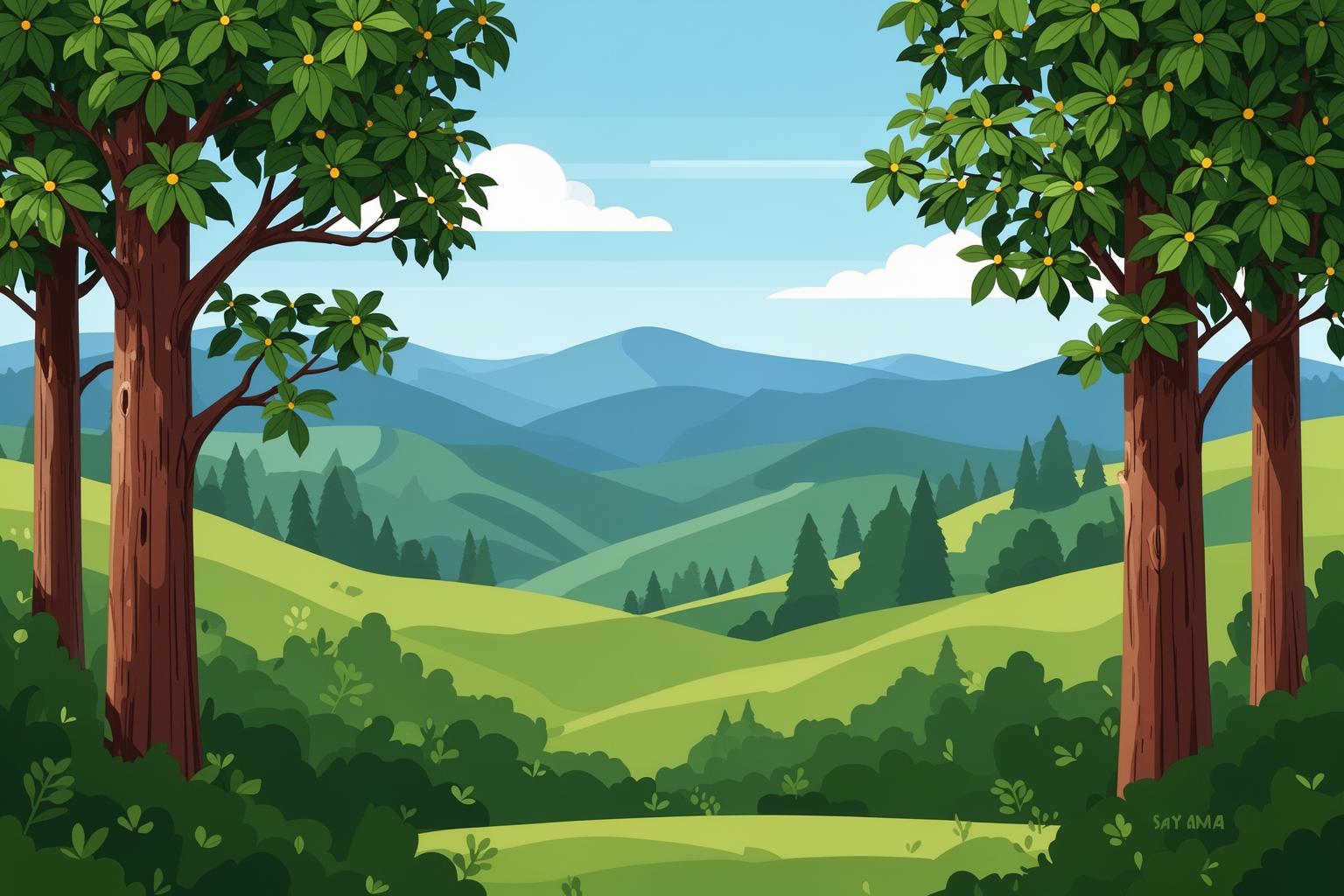
Entering the trails of Sayama Hills feels less like stepping into a park and more like crossing a threshold. The sharp angles and constant hum of the city fade away, replaced by a symphony of natural sounds and the gentle chaos of untamed growth. This is the essence of ‘satoyama’—a traditional Japanese landscape where woodlands, farmlands, and human settlements coexist in a delicate, sustainable balance. It’s a concept central to Miyazaki’s work, a tribute to a disappearing way of life where humanity lived with nature, not merely within it. Here, that ideal remains palpable. The air itself feels different, rich with the scent of damp earth, decaying leaves, and the subtle fragrance of wildflowers. Sunlight doesn’t just illuminate the forest; it filters through in shifting, ethereal beams, casting patterns on the forest floor that seem to move as if alive. You can almost sense the presence of the film’s nature spirits—the unseen forces that make acorns sprout and the wind blow.
The true stars of this landscape, of course, are the trees. Mighty camphor trees, like the one Totoro inhabits, stand as ancient sentinels, their massive trunks gnarled and wise, their branches reaching for the sky in an almost human-like manner. Standing at the base of one makes you feel incredibly small, evoking the deep-rooted Shinto belief that gods, or ‘kami,’ dwell within such powerful natural objects. It’s easy to imagine a hidden doorway among the roots or to expect a trio of Totoros to emerge from the shadows. The walking paths, many unpaved dirt trails, wind through dense groves of bamboo. When a breeze stirs, the tall stalks sway and knock together, creating a hollow, percussive music that is both soothing and mysterious. It’s the sound of the Japanese countryside, a rhythm as old as the hills themselves. Every aspect here echoes a scene from the film. A small, overgrown patch of grass transforms into the bus stop where the sisters waited in the rain. A dark tunnel of trees feels like the path Mei took to first discover Totoro’s den. The magic of Sayama Hills lies not in literal recreations but in its authentic atmosphere. It requires no signs pointing out what you see; the landscape speaks for itself, whispering stories directly to the part of your heart that still believes in forest spirits.
The Heart of the Forest: Kurosuke’s House
While the entire park serves as the spiritual home of Totoro, there is one location that acts as its physical heart: Kurosuke’s House. ‘Kurosuke’ is the Japanese name for the ‘soot sprites’ or ‘dust bunnies’ that scurried through the attic of the Kusakabe family’s new home. Discovering this house, nestled in a quiet residential area on the forest’s edge, feels like a special find. It is neither a modern museum nor a theme park attraction. Instead, it is a preserved Showa-era house, a true piece of history maintained by the Totoro no Furusato Foundation, the organization dedicated to protecting these woodlands.
A House Frozen in Time
From the moment you arrive, you are transported back to the mid-20th century. The weathered wooden building, with its traditional tiled roof and sliding screen doors, resembles exactly the kind of house you’d expect to find in Japan’s countryside of the past. Following custom, you remove your shoes at the ‘genkan’ (entranceway) before stepping onto the cool tatami mats inside. The interior is filled with nostalgic details. You can wander through the rooms, from the kitchen with its old-fashioned stove to the living area offering a view of the garden. The air is still and carries the faint, pleasant scent of aged wood and tatami. At the center of the main room, a massive, life-sized Totoro plush sits regally, providing a perfect photo opportunity and a delightful surprise that brings a smile to every visitor’s face. Guests are encouraged to explore, opening the drawers of the old ‘tansu’ chests and peering up the steep, narrow staircase that seems to lead straight to an attic full of soot sprites. The entire experience is intimate and gentle. It’s not about simply visiting an attraction; it’s about inhabiting a space, sensing the history within its walls, and appreciating the understated, beautiful design of a traditional Japanese home.
More Than Just a Landmark
Kurosuke’s House is more than a charming photo spot; it functions as the operational base for the Totoro no Furusato Foundation. This non-profit group was formed to purchase parcels of land within the Sayama Hills to protect them from development, ensuring that ‘Totoro’s Forest’ will be preserved for future generations. When you visit the house, you’ll see maps outlining the specific plots of land—labeled ‘Totoro’s Forest No. 1,’ ‘Totoro’s Forest No. 2,’ and so forth—that have been saved through donations. Stopping by the house and leaving a small donation in the box lets you actively participate in the film’s conservationist message. The dedicated, friendly volunteers staffing the house embody the community’s affection for this place and are happy to share stories and recommend the best walking trails. Visitors should note practical details: the house is open only on Tuesdays, Wednesdays, and Saturdays, usually from 10:00 AM to 3:00 PM. Checking the official website before visiting is advisable, as schedules can change. This limited access enhances its charm, making a visit feel like a special, eagerly anticipated treat rather than a routine tourist stop.
Charting Your Own Path: Exploring the Sayama Hills Trails

Sayama Hills is not a singular, enclosed park but an extensive network of forests, reservoirs, and green spaces. The pleasure of visiting comes from the freedom to explore, to get slightly lost, and to craft your own adventure. The area is interwoven with well-marked trails, suitable for everyone from casual walkers to dedicated hikers. Equipped with a map from Kurosuke’s House or a navigation app on your phone, you can spend hours wandering through this enchanting landscape.
Recommended Walking Routes
A popular starting point is Seibukyujo-mae Station, located right beside the Belluna Dome, home to the Seibu Lions baseball team. The contrast between the futuristic dome and the ancient forest behind it is striking. From there, you can follow trails leading toward Lake Sayama and Lake Tama, two vast reservoirs supplying drinking water to Tokyo. The lakeside paths are wide and offer breathtaking panoramic views, especially on clear days. For a deeper forest experience, venture into the network of smaller trails branching off the main paths. These routes feature the ‘Totoro no Mori’ signs—small wooden posts marking plots of land protected by the foundation. Following these signs feels like a scavenger hunt guided by Totoro himself. One of the most rewarding routes takes you on a loop from Kurosuke’s House, through the dense woods of Totoro’s Forest No. 1, and up to a viewpoint overlooking the valley. It’s on these quieter trails that the magic truly comes alive. You’ll encounter small, hidden shrines, moss-covered stones, and clearings where you can imagine Satsuki and Mei playing. The key is to take your time. This isn’t a place to rush. Pause, listen to the birds, observe how the light shifts, and simply be present in the moment.
Seasonal Splendor: When to Visit
The charm of Sayama Hills lies in its ability to offer a completely different yet equally magical experience in each season. There is truly no bad time to visit. In spring, the area bursts with life. The famous cherry blossoms create clouds of pale pink along the lakeshores, but the true beauty lies in the subtler ‘yamazakura’ (mountain cherry trees) that dot the forests with delicate colors. The air is fresh and cool, perfect for long walks. Summer is perhaps the most quintessentially ‘Totoro’ season. The forest is at its most vibrant, a deep, almost overwhelming green. The sound of cicadas provides a constant, energetic soundtrack, just as in the film. The humidity can be intense, but it adds to the sensation of a world brimming with life. It’s a time of lush growth and hidden depths. Autumn transforms the hills into a canvas of fiery hues. The leaves of maple and zelkova trees turn brilliant shades of red, orange, and gold. The air becomes crisp and clear, and the crunch of fallen leaves beneath your feet is deeply satisfying. It’s a peaceful, reflective time to visit. Winter reveals a more stark, subtle beauty. The bare tree branches form intricate patterns against the sky, and the silence is profound. With the foliage gone, the views across the reservoirs and surrounding landscape open wide. On a crisp, clear winter day, you might even be rewarded with a spectacular view of Mount Fuji in the distance. Each season possesses its own unique charm, inviting you to return time and again to see the forest anew.
Beyond the Forest: Practical Tips for Your Pilgrimage
A trip to Totoro’s Forest is delightfully simple, but a bit of preparation can make your experience smoother and more enjoyable, especially if it’s your first time navigating the extensive train system in the Tokyo area.
Getting There: Access and Transportation
The Sayama Hills are most easily reached via the Seibu Railway lines from central Tokyo. From Ikebukuro Station, take the Seibu Ikebukuro Line to Nishi-Tokorozawa, then transfer to the Seibu Sayama Line to its final stop, Seibukyujo-mae. The trip takes about 40 to 50 minutes. This station positions you right on the forest’s edge and close to the lakes. If your main destination is Kurosuke’s House, taking the Seibu Ikebukuro Line to Tokorozawa followed by a local bus or a pleasant 20-minute walk may be more direct. Using a Japanese transit app and an IC card such as Suica or Pasmo will help make your travel hassle-free. Once you arrive, be ready to walk. The area is expansive, and the best experiences come on foot. Trails are generally well-kept but remain natural paths with uneven terrain, roots, and inclines. Navigation is crucial, so carrying a charged phone with map apps or a physical map is highly advised.
What to Bring and What to Wear
Comfort is key for a day exploring Sayama Hills. Durable, comfortable walking shoes are essential. Even on easier trails, you’ll be on your feet for hours. Dress in layers since the temperature in the shaded forest can be cooler than the surrounding city. In summer, lightweight, breathable clothing is important, and long sleeves and pants help protect against sun and insects. Remember sunscreen and a hat. Bring your own water and some snacks, as while vending machines are near the train stations and baseball dome, there are no convenience stores or cafes deep in the trails. Packing a small bag to carry out your trash is also important, following the Japanese custom of leaving a place cleaner than you found it. A camera is a wonderful companion for capturing the scenery, but consider putting it away at times to fully absorb the atmosphere with your own eyes.
Local Etiquette and Respecting Nature
Visiting Sayama Hills is a privilege made possible through the hard work of the conservation foundation. As a visitor, it’s important to be a respectful guest in this special environment. Stay on designated paths to prevent erosion and protect the fragile undergrowth. This is a living ecosystem, so avoid picking plants or disturbing wildlife. The forest is also a place of peace for many local residents, so keep noise to a minimum and refrain from playing loud music. This quiet respect preserves the tranquil atmosphere and increases your chances of seeing local birds and other wildlife. In essence, the key principle is to leave no trace. The beauty of this place lies in its natural, untouched state, and every visitor has a role in maintaining this.
A Totoro-Sized Appetite: Local Flavors and Rest Stops

After a long day of walking and exploring, you will undoubtedly have worked up an appetite. Although the forest itself lacks dining options, the nearby towns provide an opportunity to enjoy authentic local food and hospitality. Tokorozawa, a major hub on the Seibu line, offers a wide range of restaurants, from lively ramen shops to cozy cafes and traditional Japanese eateries. It’s an excellent place to stop for a satisfying meal before returning to Tokyo. You might discover a small, family-run restaurant serving ‘musashino udon,’ a local specialty featuring thick, chewy noodles with a savory dipping sauce. This kind of simple, hearty dish makes for the perfect end to a day spent in the countryside.
For a more immersive experience that truly captures the spirit of ‘My Neighbor Totoro,’ consider planning ahead and bringing your own ‘bento’ lunch box. There are countless scenic spots along the shores of Lake Sayama or in quiet forest clearings ideal for a picnic. You can pick up a pre-made bento from a convenience store or department store food hall in Tokyo before you leave. There is something truly special about sitting on a bench, surrounded by the sounds of nature, and enjoying a simple meal, just as Satsuki and Mei did. This turns your visit from a simple hike into a full-day experience, allowing you to slow down and savor the peaceful atmosphere you came all this way to find.
The Enduring Magic of a Childhood Dream
A journey to the Sayama Hills is more than merely an anime pilgrimage. It serves as a powerful reminder that the worlds we cherish on screen often have roots in real, tangible places. The magic of Totoro lies not only in its fantastical creatures but also in its deep appreciation for the quiet beauty of nature, the strength of family, and the wonder of childhood. As you walk through these forests, you feel a direct connection to that vision, understanding why Hayao Miyazaki fought to protect this landscape, which symbolizes a piece of Japan’s soul that is rapidly vanishing.
While you may not see a Catbus racing down country lanes or a giant Totoro resting in the hollow of a tree, you will discover something equally magical: a sense of peace, a bond with nature, and the joy of wandering through a landscape that feels both familiar and enchanting. It’s a place that refreshes the spirit and rekindles a childlike sense of wonder. As you board the train back to the vibrant metropolis of Tokyo, the quiet hum of the forest lingers with you—a gentle reminder that even in our modern world, there are still enchanted places where spirits dwell, acorns sprout, and the magic of childhood dreams remains very much alive.








