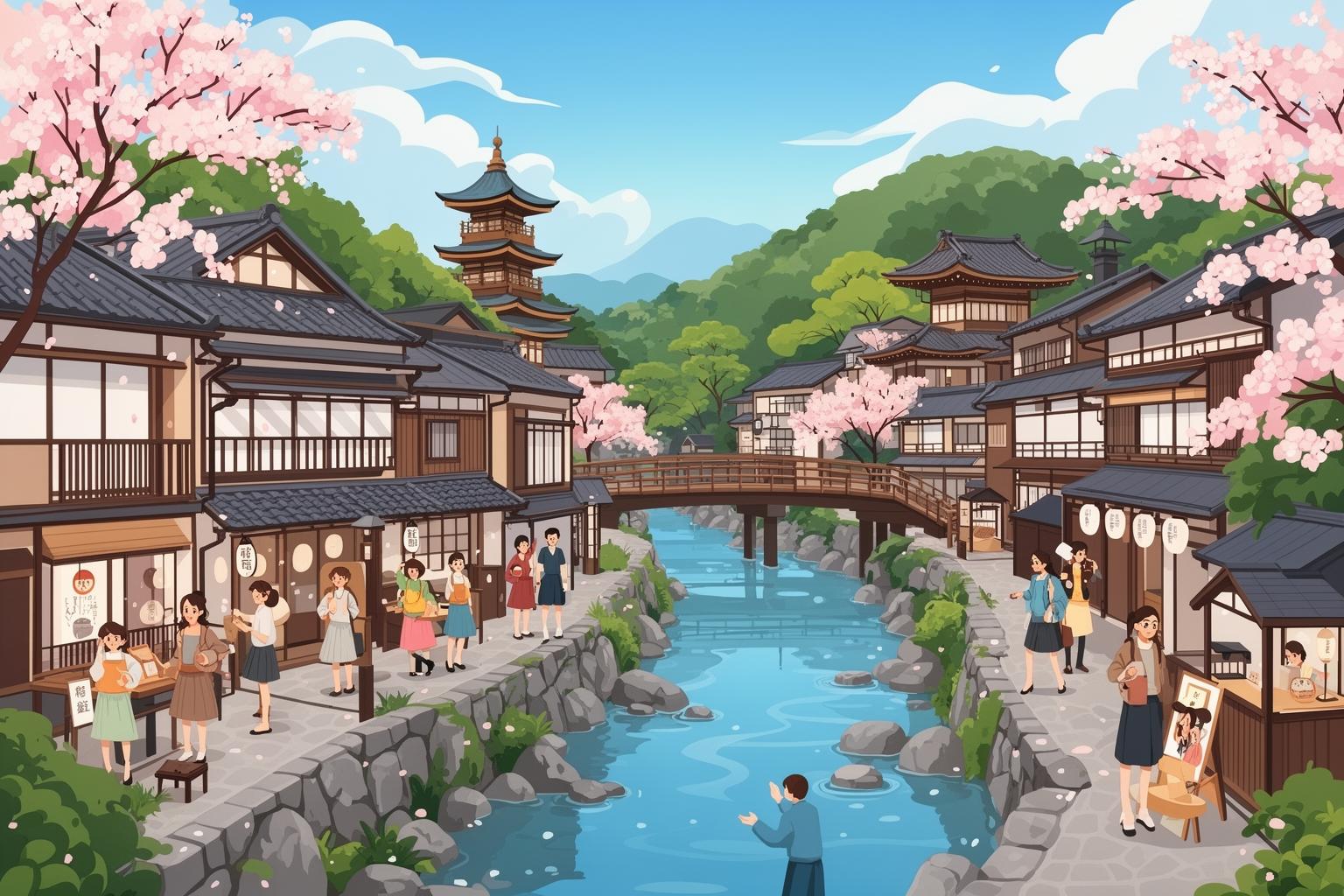
There’s a sound that defines Kinosaki Onsen. It’s not the gentle rush of the Otani River that bisects the town, nor the whisper of willow branches dancing in the breeze. It’s the clip-clop, clip-clop of wooden sandals, or geta, on stone bridges and paved streets. This gentle, rhythmic percussion is the town’s heartbeat, a sound that echoes from morning until the lanterns cast a warm, golden glow on the water at night. It’s the sound of people shedding the hustle of the modern world and embracing a slower, more deliberate pace. This isn’t just a place you visit; it’s a world you step into. Nestled in a verdant valley in northern Hyogo Prefecture, Kinosaki Onsen has been a sanctuary for weary travelers for over 1,300 years. But its fame extends far beyond the healing properties of its mineral-rich waters. This is a town steeped in art and literature, a living museum where the entire village is your hotel, the streets are its hallways, and the seven public bathhouses, the sotoyu, are its luxurious, communal bathrooms. For literary pilgrims, Kinosaki holds a special reverence. It is the setting for one of Japan’s most cherished short stories, “In Kinosaki” (Kinosaki nite), by the master storyteller Naoya Shiga. He came here to recover from a serious injury and left having penned a profound meditation on life, death, and the quiet observations that connect us to the natural world. To walk these streets is to walk through the pages of his story, to see the world through his contemplative eyes, and to feel the same sense of peace and introspection that has drawn artists and writers here for centuries. It’s a journey not just to a destination, but into a state of mind.
The enduring charm of Kinosaki Onsen invites travelers to expand their cultural horizons through a literary pilgrimage in Tokyo.
The Soul of the Stroll: The Yukata and Geta Experience
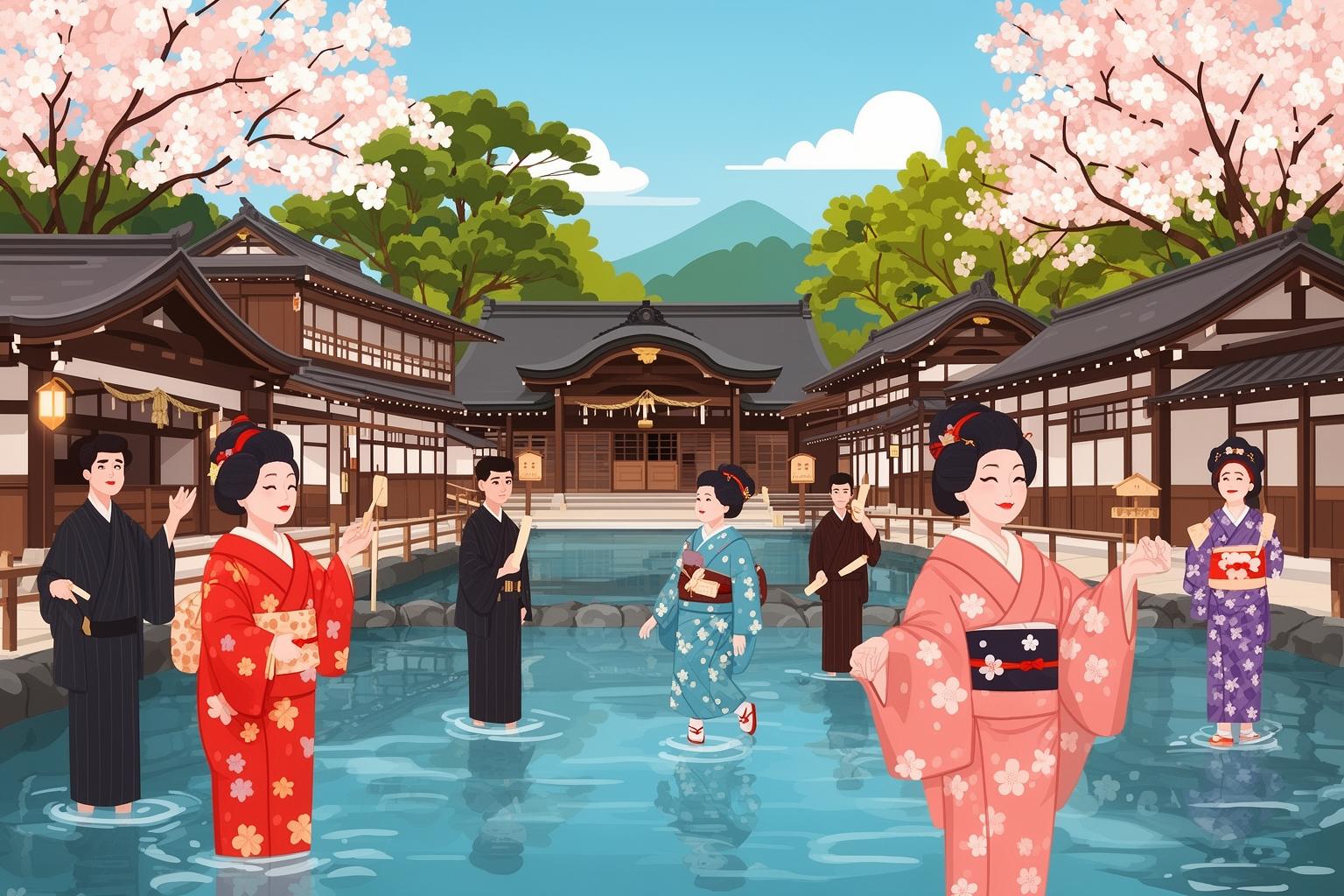
The magic of Kinosaki truly begins the moment you check into your ryokan, a traditional Japanese inn. Here, you don’t simply receive a room key; you are given a key to the entire town in the form of a light cotton robe, the yukata, and a pair of geta. This official attire of Kinosaki is not a tourist novelty but a deeply rooted local tradition. The instant you slip into the crisp, clean yukata and step into the geta, your transformation is complete. You become more than just an observer; you become a participant in the town’s living theater. The concept is beautifully simple: “The town is one large inn.” Your ryokan serves as your private room, the streets become corridors, the train station acts as the lobby, and the seven public onsen are shared baths. This philosophy blurs the line between public and private spaces, fostering a unique sense of community and shared experience. As you walk through town, you’ll see everyone—from young couples to elderly locals, families with children to solo travelers—dressed in the same elegant attire. It creates a remarkable feeling of timelessness and equality. The soft fabric of the yukata against your skin, the cool evening air, and the rhythmic sound of your footsteps create a meditative atmosphere. It invites you to slow down and appreciate the details: the intricate woodwork on an old building, the orange koi swimming lazily in the river, the steam rising from a small foot bath by the roadside. This shared uniform is more than mere clothing; it’s an invitation to fully immerse yourself in the town’s gentle rhythm. It represents a core part of the pilgrimage, a physical act that connects you with generations of visitors who have sought solace and inspiration here before you.
In the Footsteps of a Literary Giant: The Legacy of Naoya Shiga
While the hot springs form the town’s ancient core, its essence is deeply linked to literature. The most notable figure in Kinosaki’s literary legacy is Naoya Shiga (1883–1971), a towering presence in modern Japanese fiction often hailed as the “God of the short story.” In 1913, Shiga was seriously injured after being struck by a train in Tokyo. Seeking a place to recover, he spent three weeks at Kinosaki Onsen. This experience proved transformative. The unhurried pace of life, the healing waters, and his keen observations of nature—a bee trapped in a spider’s web, a rat drowned in a stream, a lizard flicking its tongue—prompted him to write his masterpiece, “In Kinosaki.” The story is not about dramatic incidents but quiet, profound introspection. From his ryokan room, Shiga reflected on the fragile boundary between life and death, discovering deep meaning in the fates of these small creatures as he contemplated his own near-death experience. A visit to Kinosaki feels incomplete without retracing his footsteps. You can stay at the very inn where he lodged, Mikuniya Ryokan, and sense the history embedded in its walls. More importantly, you can witness the landscape that influenced his thoughts. The walk to the rear of town, where he noticed the drowned rat, carries a somber yet meditative mood. The panorama from the Kinosaki Ropeway, overlooking the town and the Sea of Japan, offers the same broad perspective that helped him place his own existence in a wider context. Exploring Kinosaki Bungeikan, the local literature museum, offers further insight into Shiga and other writers inspired by this unique setting. Yet the true connection arises not from visiting a particular landmark, but from embracing the contemplative atmosphere he experienced. It comes from sitting by the river, observing life’s quiet passage, and letting the town’s calmness permeate your soul. Here, you begin to grasp how this peaceful environment could nurture such deep philosophical reflection. Kinosaki invites you to become your own observer, to find significance in small details, just as Shiga did more than a century ago.
The Seven Mystical Baths of Kinosaki
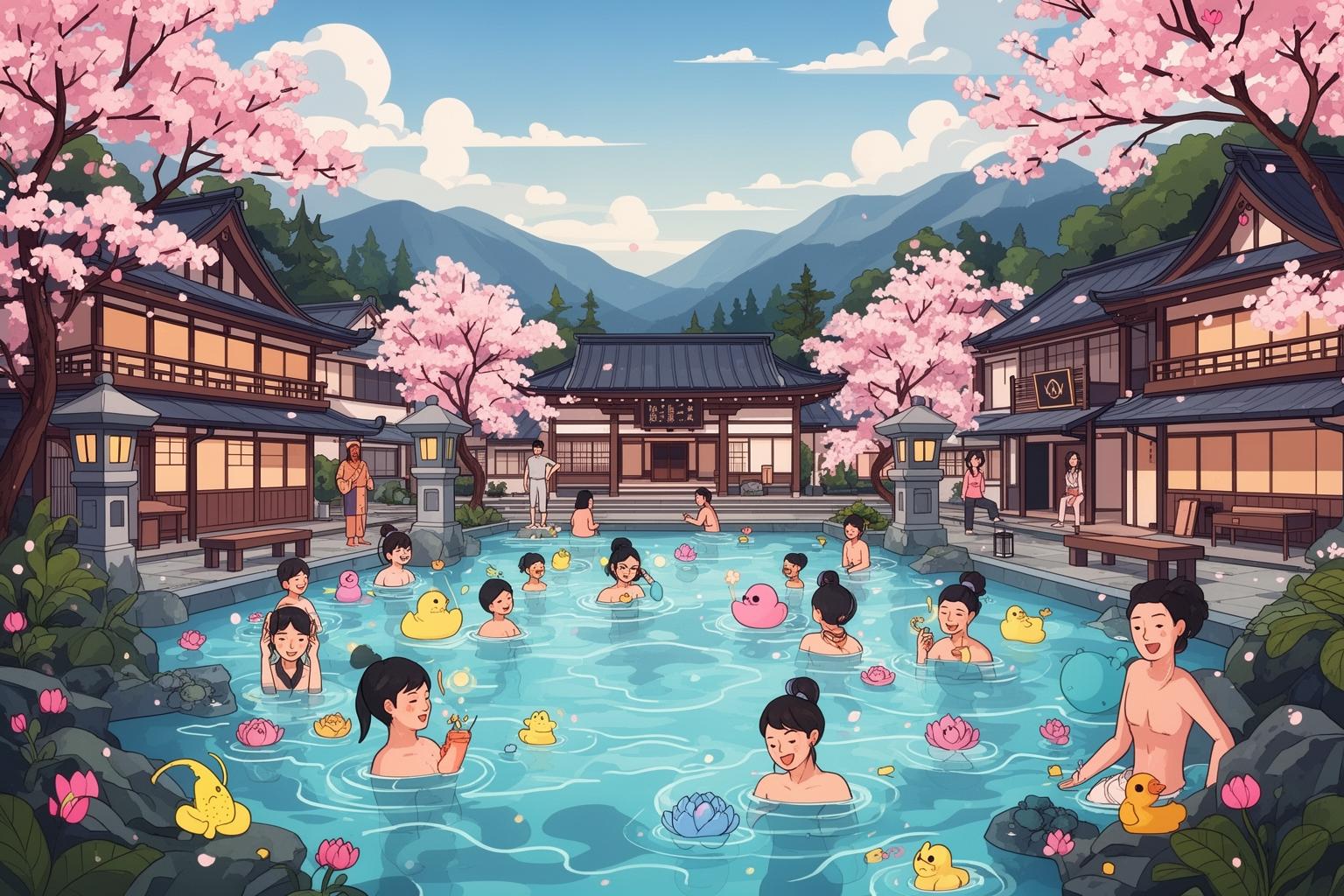
The heart of the Kinosaki experience is the sotoyu meguri, the pilgrimage to the seven public hot spring baths. When you check into your ryokan, you receive a “yumepa,” a digital pass that grants unlimited access to all seven bathhouses until you check out. Each bath possesses its own unique character, history, and reputed blessing, making the journey an enjoyable exploration of varied atmospheres and architectural styles. The aim is not to rush but to savor each bath, allowing the distinct mineral properties and ambiences to work their magic. It’s a ritual that cleanses both body and soul.
Kouno-yu: The Bath of the Stork
According to legend, Kinosaki’s onsen waters were discovered when an Oriental white stork was seen healing its injured leg in a marshy pool. Kouno-yu is said to be that original spring, making it the oldest bathhouse in town. Nestled at the far end of the village, it exudes a wonderfully peaceful and secluded atmosphere. Surrounded by lush greenery, its outdoor rock bath (rotenburo) lets you soak while gazing at the forested hillside. The atmosphere here is quiet and deeply calming, believed to bring happiness and marital bliss. It’s the ideal place to start your journey, connecting with the very origins of Kinosaki’s healing traditions.
Goshono-yu: The Palace of Water
In stark contrast to the rustic charm of Kouno-yu, Goshono-yu is a showcase of architectural grandeur. Built in the style of the Kyoto Imperial Palace, its impressive facade with sweeping cypress-bark roofs is unmistakable. Inside, the bathing hall is equally spectacular, featuring high ceilings made from Japanese cypress and intricately carved panels. The outdoor bath is a multi-level rock pool with a striking waterfall cascading down one side. Soaking here feels indulgent—a truly luxurious experience. Often called the “bath of beauty,” it’s believed to bring luck in love and protect against fires. It’s a popular destination, its vibrant energy as invigorating as its waters.
Ichino-yu: The First Bath
Situated in the heart of town, Ichino-yu is named for being ranked as the best spring in Japan by a renowned Edo-period doctor. Its striking, kabuki-theater-inspired entrance leads to a unique semi-outdoor bath set inside a natural cave. Steam fills the rocky enclosure, creating a mystical and otherworldly ambiance. The mineral-rich water is slightly hotter here and is thought to bring good fortune in academics and ensure traffic safety. Its central location, fascinating history, and distinctive cave bath make Ichino-yu one of the most iconic and essential stops on any sotoyu meguri.
The remaining four baths each have their own special appeal. Mandara-yu, with its tranquil outdoor ceramic tubs, is said to grant prosperity in business. Jizo-yu, a local favorite, is known for its hexagonal lantern-shaped window and is believed to safeguard one’s family. Yanagi-yu, the smallest and most traditional bath, is housed in a beautiful wooden building and is thought to ensure fertility and safe childbirth. Lastly, Satono-yu, located right next to the train station, features a panoramic rooftop bath offering stunning views of the town and surrounding mountains. Collecting a stamp from each bathhouse is a fun custom, providing a tangible record of your restorative pilgrimage through the waters of Kinosaki.
Beyond the Baths: Savoring Kinosaki’s Rhythms
While the onsen are the main attraction, the true charm of Kinosaki is found in the moments between soaks. The town is designed for leisurely wandering, with numerous delights waiting to be uncovered along its willow-lined streets and peaceful back alleys. It’s a place that invites a slower pace and a curious mind, offering rich experiences for food lovers, nature enthusiasts, and culture seekers alike.
Culinary Journeys: From Tajima Beef to Fresh Crab
The Tajima region is famous for its outstanding cuisine, and Kinosaki is an excellent spot to indulge. The most celebrated local specialty is Tajima beef, the original breed from which the world-renowned Kobe beef originates. Many ryokan offer exquisite multi-course kaiseki dinners featuring this richly marbled, melt-in-your-mouth beef prepared in various styles—as steak, in a sukiyaki hot pot, or as delicate shabu-shabu. During the winter months, from November to March, the town celebrates Matsuba crab season. These large, sweet snow crabs are caught in the nearby Sea of Japan and are a prized delicacy, often served boiled, grilled, or as sashimi. Beyond these star offerings, charming local eateries serve everything from fresh soba noodles to tasty seafood rice bowls. A quintessential Kinosaki experience is making your own onsen tamago. You can purchase fresh eggs from a local vendor, place them in a net, and lower them into a public geothermal spring to cook. Peeling the warm, custard-like egg and savoring it with a pinch of salt is a simple, perfect delight.
A View from Above: The Kinosaki Ropeway
For a different vantage point of the town and its stunning natural surroundings, a ride on the Kinosaki Ropeway is essential. The cable car climbs Mount Daishi, offering breathtaking views of the town nestled in the valley, the winding Maruyama River, and the distant, glistening Sea of Japan. At the summit, you’ll find the main hall of Onsenji Temple, an ancient temple dedicated to the Buddhist guardian who, according to legend, prayed for 1,000 days to bring forth the hot springs. The view from the observation deck is the same one that gave Naoya Shiga a sense of scale and perspective during his stay. It’s a powerful place for reflection, where you can appreciate the harmony between the human-made town and the wild, beautiful nature that surrounds it. The air is fresh and pure, and the sense of peace is tangible, providing a wonderful contrast to the steamy intimacy of the bathhouses.
The Quiet Corners: Temples and Hidden Shops
Away from the main street, Kinosaki’s charm continues in its quieter corners. A short walk from the town center leads you to Gokurakuji Temple, a serene Zen temple with a stunning rock garden, offering a moment of calm contemplation away from the gentle bustle of the main street. The town is also renowned for its traditional craft, mugiwara zaiku, or straw craft. This intricate art, practiced here for over 300 years, involves creating detailed patterns and images on wooden boxes and other items using dyed slivers of straw. You can visit artisan shops to watch the masters at work and purchase a unique, handcrafted souvenir that embodies the artistic spirit of Kinosaki. These small discoveries—a hidden café, a tiny shrine, a friendly shopkeeper—are what make a stroll through Kinosaki so rewarding. It’s a town that slowly reveals its secrets to those who take the time to explore.
Practical Guidance for the Perfect Pilgrimage
Planning a trip to Kinosaki Onsen is simple, and a bit of preparation will ensure a smooth and deeply fulfilling experience. The town warmly welcomes international visitors, with English signs and information easily accessible.
The journey here is part of the charm. From major cities like Kyoto or Osaka, the quickest route is by a Limited Express train, such as the Kounotori or Hamakaze. The trip takes around 2.5 to 3 hours, passing through scenic countryside and providing a lovely transition from the urban environment to the peaceful Tajima region. This trip is fully covered by the Japan Rail Pass, making Kinosaki an ideal side excursion for pass holders. Upon arriving at Kinosaki Onsen Station, you’ll find a hospitality center where staff can assist you in finding your ryokan and even help arrange luggage transport, allowing you to start your exploration without delay.
Regarding the best time to visit, Kinosaki presents a unique charm during every season. Spring (March-April) showcases the famous cherry blossoms along the Otani River in a stunning mix of pink and white. Summer (June-August) is vibrant and green, with lively festivals and fireworks displays. Autumn (October-November) offers a breathtaking spectacle of fiery foliage as the surrounding mountains burst into vivid reds, oranges, and golds. That said, many believe winter (December-February) provides the quintessential Kinosaki experience. The town is often covered in a pristine blanket of snow, creating a magical, fairytale-like setting. Soaking in a steaming outdoor rotenburo while snowflakes gently fall is truly unforgettable. Winter also coincides with the peak season for Matsuba crab, delighting seafood enthusiasts.
For a fully immersive experience in Kinosaki, staying at a traditional ryokan is strongly recommended. The ryokan is more than just accommodation; it is a vital part of the cultural journey. Your stay typically includes yukata and geta, a yumepa pass granting access to seven public baths, and often an elaborate multi-course kaiseki dinner along with a traditional Japanese breakfast. Waking up on a comfortable futon laid on tatami mats, sliding open a paper screen to reveal a view of a Japanese garden, and beginning your day with a healthy, artfully presented meal is a special experience. Ryokan accommodations cater to various budgets, ranging from historic luxury inns to modest family-run establishments, all offering warm hospitality and a gateway to the town’s distinctive culture.
An Echo in the Willow-Lined Streets
As evening falls over Kinosaki Onsen, the town undergoes a final, enchanting transformation. Paper lanterns hanging from the eaves of the old wooden buildings begin to glow, their warm light reflecting on the dark, still river water. The clip-clop of geta sandals grows louder, more distinct in the quiet air. Families and couples, wrapped in their yukata, stroll from one bath to another, their silhouettes framed by the illuminated shoji screens of shops and inns. Steam from the onsen rises into the cool night, blending with the scent of cypress wood and the subtle, delicious aroma of dinner being prepared. This is the moment when past and present seem to align perfectly. You walk the same paths, soak in the same healing waters, and experience the profound peace that Naoya Shiga and countless others have cherished for centuries. Kinosaki is more than just a destination; it is a feeling. It is the release of tension in a hot bath, the simple pleasure of a perfectly cooked egg, the quiet contemplation of a mountaintop view, and the gentle rhythm of footsteps crossing a stone bridge. It reminds us that sometimes the most meaningful journeys are those where you don’t travel far at all, but simply slow down enough to truly arrive.