
There’s a feeling, a subtle hum in the universe, that the Japanese call musubi. It’s the invisible thread that ties people, places, and moments together across time. It’s the knot of a braided cord, the flow of a river, the twist of fate. No story in recent memory has captured this feeling quite like Makoto Shinkai’s animated masterpiece, Kimi no Na wa, or Your Name. It’s a film that leaves you with a profound sense of longing for a place you’ve never been, a nostalgic ache for a memory that isn’t yours. But what if that place, or at least its soul, was real? What if you could walk its streets, breathe its air, and feel its history? Deep within the soaring Japanese Alps, nestled in a valley carved by the Miyagawa River, lies the town of Hida-Takayama. This is the place that sparked the imagination, the living, breathing inspiration for the film’s fictional town of Itomori. To visit Takayama is to embark on a pilgrimage where the veil between a cinematic dream and tangible reality becomes wonderfully, beautifully thin. It’s a journey not just to see the sights from a beloved film, but to discover a town so rich with its own stories, its own traditions, and its own unique rhythm, that it feels like a character in its own right. Here, ancient craftsmanship meets heartfelt animation, and every cobblestone corner seems to whisper a story, inviting you to find your own connection, your own musubi, in its timeless embrace.
For travelers drawn to the interplay of cinematic magic and tangible heritage, a detour to the enchanting Ghibli museum offers another glimpse into Japan’s living stories.
The Living Scenery of a Cinematic Dream
Your initial steps in the Hida region might seem like a waking dream, with a strange sense of déjà vu enveloping you. The landscapes that appeared so beautifully crafted on screen are suddenly all around you, vivid and real. This is the magic of a sacred place pilgrimage—the thrill of tracing fiction’s footprints on the map of the real world. While the film’s Itomori is a blend of several locations, its true heart beats strongest here, in the towns of Takayama and its neighbor, Hida-Furukawa.
Hie Shrine: Echoes of Miyamizu
Every pilgrimage needs a spiritual starting point, and for fans of Your Name, that is undoubtedly the Miyamizu Shrine, the spiritual center of Itomori and Mitsuha’s family home. Though multiple places influenced its design, the overwhelming atmosphere and visual elements are most strongly felt at Takayama’s Hie Shrine. To reach it, you leave the bustling town center behind and begin a gentle climb. The air cools. City sounds fade, replaced by the rustle of leaves and the occasional caw of a distant crow. Then you see it: a long, imposing flight of stone steps, flanked by towering cedar trees that seem to reach the sky. Moss clings to ancient stone lanterns, their surfaces worn smooth by centuries of rain and wind. As you ascend, each step feels like a deliberate passage into another world. Light filters through the dense canopy above, dappling the path with shifting patterns of sun and shade. At the summit, the shrine stands as a portrait of quiet dignity, its wooden structure radiating serene, sacred energy. You can almost envision Mitsuha and her sister performing their ceremonial duties here, ancient traditions feeling right at home in this tranquil clearing. It’s here you realize Shinkai didn’t simply replicate a location; he captured its essence. The sense of timelessness, where nature and spirituality are intimately intertwined, is tangible. Take a moment. Listen to the silence. This is the quiet heart of Itomori, steadily beating in the real world.
Hida-Furukawa Station: Where Paths Cross
A short, picturesque train ride from Takayama leads you to Hida-Furukawa, a smaller, quieter town that hosts another key scene from the film. Here, the character Taki, seeking clues about Mitsuha, steps off a train into a town he only knows from sketches and memory. Hida-Furukawa Station is immediately and breathtakingly recognizable. Standing on the pedestrian overpass, you can look down at the very same tracks, the very same platform, the familiar view of the sleepy town and the mountains rising beyond it. The sense of place is so strong it feels almost disorienting. You’ll find other visitors, cameras in hand, trying to perfectly reproduce the movie’s iconic shot. There’s a shared spirit of reverence and excitement in the air. Wait for the local train to arrive—a simple one- or two-car affair—and the scene becomes complete. The rumble of its approach, the chime of the crossing gates, the hiss of the brakes—it’s the ambient soundtrack of Taki’s quest. The station serves as more than just a backdrop; it represents a point of connection, a place where different worlds and timelines converge. It’s the portal through which the film’s central mystery begins to unfold, and standing there, you feel part of that search, part of that story.
The Hida City Library: A Search for Answers
Another crucial location in Hida-Furukawa is the Hida City Library, where Taki and his friends delve into the town’s history, desperately seeking information about the comet and Itomori’s fate. From the outside, it appears as a modern, attractive building, but stepping inside is what truly completes the cinematic illusion. The interior is stunning, with warm wood paneling and a unique, gently curving design that draws your eyes toward the expansive windows overlooking the town. The light is soft, and the atmosphere hushed and contemplative. The scent of aged paper and polished wood fills the air. The librarians are well aware of their building’s fame and are remarkably welcoming. With a simple request at the front desk, visitors are allowed to take photos—a rare and generous exception for a Japanese public library. They’ve even created a small corner dedicated to Your Name, a beautiful gesture that celebrates the bond between their community and the global audience now drawn here. Sitting at one of the reading tables, surrounded by the quiet intensity of research, it’s easy to share the same urgency and hope felt by the characters. The library becomes a symbol of knowledge, memory, and the effort to preserve what is precious. It is a quiet, reflective stop on the pilgrimage but one that deeply resonates with the film’s core themes.
Beyond the Frame: Takayama’s Timeless Soul
While the anime pilgrimage might be the initial reason you come here, stopping there would mean missing the true enchantment of Takayama. This town has captivated travelers long before it appeared on screen. Known as “Little Kyoto,” it is a perfectly preserved Edo-period merchant town where the past isn’t simply remembered but is a living, breathing part of today. The real pleasure of visiting Takayama lies in peeling back its layers to uncover the rich history and vibrant culture that make it much more than just a film setting.
Sanmachi Suji: A Walk Through Edo’s Echoes
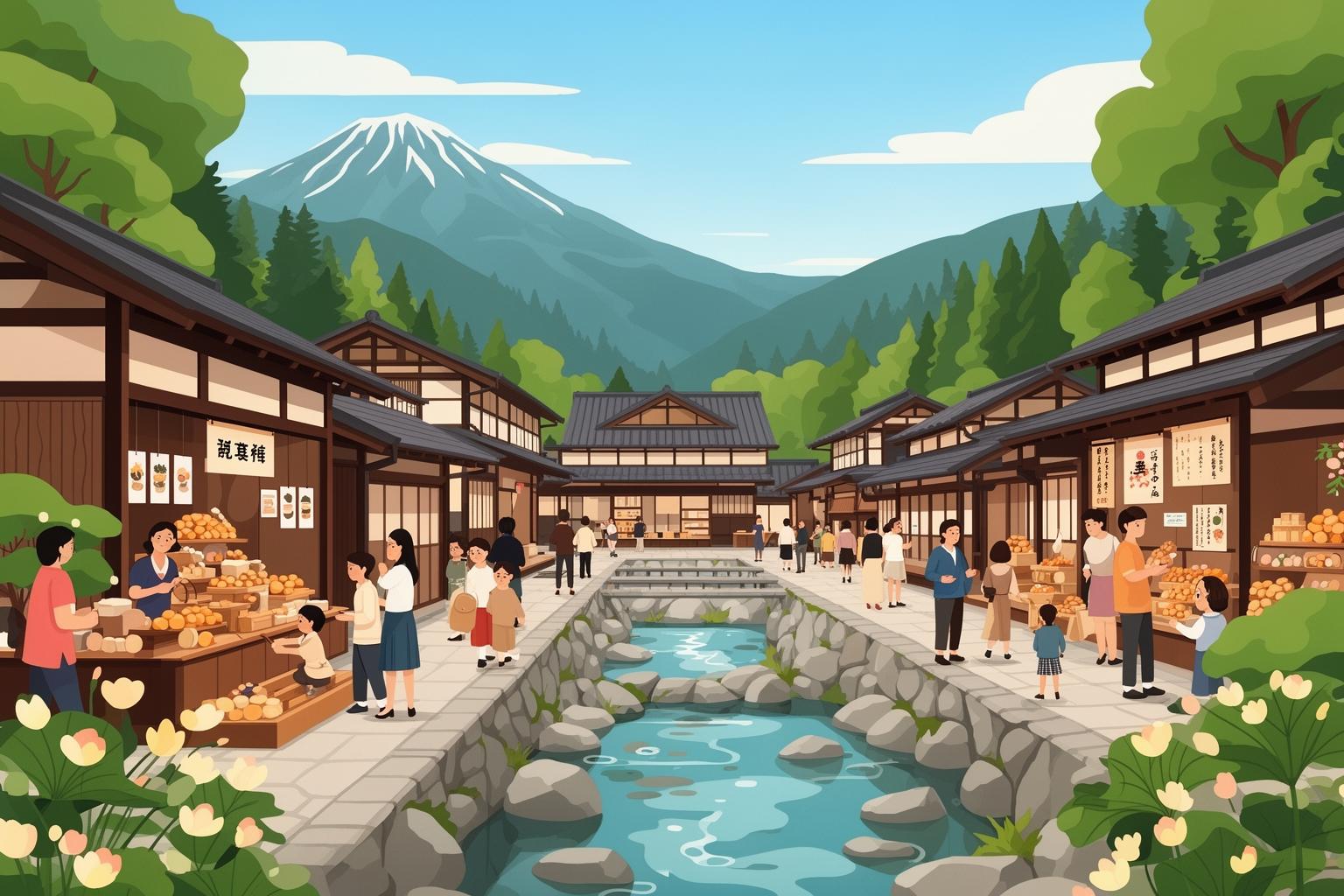
At the heart of historic Takayama lies the Sanmachi Suji district, a trio of streets where time seems to have stood still for three centuries. The moment you step onto these streets, you are transported to another era. The buildings, with their dark, latticed wooden facades and overhanging eaves, create a stunning, unified streetscape. These were once the homes and shops of affluent merchants, their wealth evident in the exquisite craftsmanship. The stone underfoot is worn smooth, and narrow canals of fresh water run alongside the streets—a quaint detail from a bygone time. The air is rich with tantalizing aromas: the sweet, smoky scent of grilling mitarashi dango, the earthy fragrance of miso roasting, and the fruity sweetness of fermenting rice drifting from the historic sake breweries. The whole district is a feast for the senses. Peek inside shops selling intricate lacquerware, handmade indigo textiles, and razor-sharp cutlery, crafts for which the Hida region is celebrated. The pace of life here is relaxed, inviting you to wander, lose yourself in narrow alleys, and discover hidden courtyards or tiny, family-run tea shops. It’s a place to be experienced, not merely observed.
A Taste of Tradition: Sake and Local Delights
One of the standout features of the Sanmachi Suji district is its sake breweries, marked by large cedar balls called sugidama hanging above their entrances. When a new batch of sake is brewed, a fresh, green sugidama is hung; as it slowly browns over the months, it signals to patrons that the sake is maturing. Many of these centuries-old breweries offer tastings, allowing visitors for a small fee to sample a variety of their brews, from crisp and dry to sweet and unfiltered. This is a wonderful way to connect with a craft central to the region’s identity. But the culinary journey goes beyond sake. Takayama is a food lover’s paradise, and the crown jewel of local cuisine is Hida beef, a type of wagyu famed for its intense marbling and exquisite, melt-in-your-mouth texture. You can savor it in numerous forms: as a luxurious steak in an upscale restaurant, as lightly seared nigiri sushi at a street stall, or as savory skewers grilled right before your eyes. Another local specialty is mitarashi dango. Unlike the sweet, syrupy versions found elsewhere in Japan, Takayama’s dango are plain rice dumplings grilled over charcoal and brushed with savory soy sauce—a simple yet addictive snack. Don’t miss Gohei Mochi, a flattened rice cake coated with a sweet and savory miso-walnut sauce and grilled on a stick. It’s a rustic, comforting treat, perfect for a chilly mountain day.
The Morning Markets: A Slice of Local Life
To truly grasp Takayama’s daily rhythm, rise early and visit one of its morning markets. There are two main ones: Jinya-mae Market, located in the square in front of the historic Takayama Jinya, and the larger Miyagawa Market, which stretches along the scenic banks of the Miyagawa River. Both have been operating for hundreds of years and aren’t tourist traps but genuine markets where locals shop for daily essentials. The stalls are tended by friendly, often elderly farmers and artisans from the surrounding countryside. You’ll discover an incredible assortment of fresh, seasonal produce: glistening vegetables, mountain herbs, homemade pickles in countless varieties, and the region’s famous red turnips. It’s a fantastic place to sample local flavors and chat with vendors whose warm smiles bridge any language gap. The Miyagawa Market, set beside the flowing river and backed by traditional buildings, is especially picturesque. Grab a coffee and a freshly baked pastry, and simply watch the gentle rhythm of the community. It’s a peaceful, authentic experience that connects you intimately to the land and people of Hida.
The Takayama Matsuri: A Spectacle of Craftsmanship
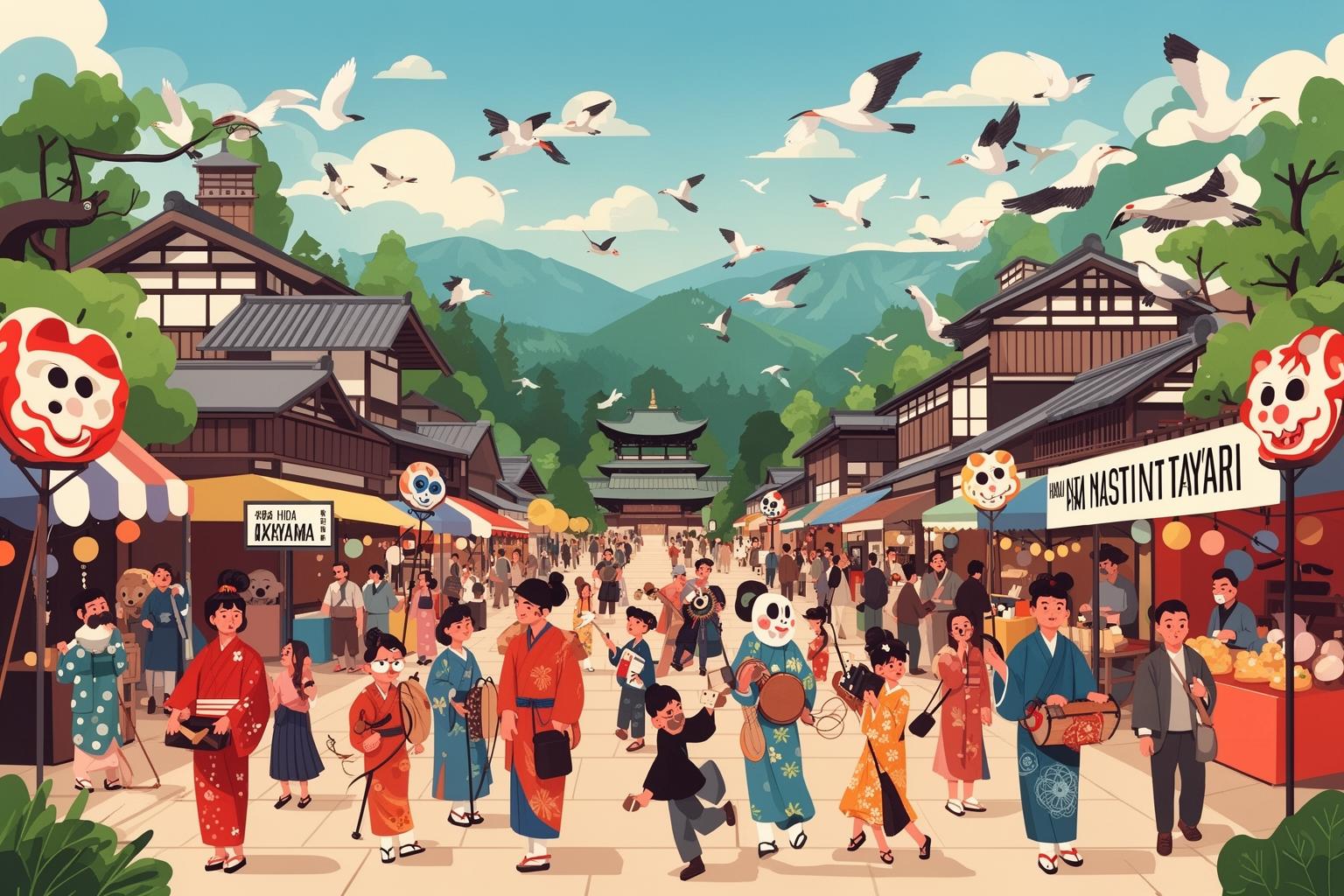
If you’re fortunate enough to plan your visit during spring or autumn, you will experience one of Japan’s most stunning festivals: the Takayama Matsuri. This biannual event epitomizes the region’s artistic and communal spirit, creating a breathtaking spectacle that transforms the entire town. Speaking as a festival planner myself, I can confidently say this is an event of global significance, a true masterpiece of cultural expression. The festival takes place twice yearly: the Sanno Spring Festival on April 14th and 15th, and the Hachiman Autumn Festival on October 9th and 10th. Each celebration honors a different shrine, but both showcase the festival’s incredible highlights: the yatai.
The Magnificent Yatai
The yatai are enormous, ornate floats, some dating back to the 17th century. These are not simply parade floats; they are mobile architectural wonders, regarded as some of the finest examples of Japanese decorative arts. Each of the roughly dozen floats is a one-of-a-kind masterpiece, adorned with intricate carvings, gilded metalwork, and exquisite lacquerwork. They are the pride of the various neighborhoods in Takayama, who have diligently preserved and maintained them over generations. The sheer level of craftsmanship is astonishing. These floats stand as a tribute to the legendary skill of the Hida no Takumi, the master carpenters of the Hida region. Their woodworking expertise was so esteemed throughout feudal Japan that they were frequently commissioned to help construct the great temples and imperial palaces in Kyoto and Nara. In the yatai, you witness the pinnacle of this tradition. During the day, the floats are displayed throughout the town, allowing visitors to admire their artistry up close. However, the festival’s climax occurs at night during the yomatsuri. As dusk falls, each yatai is decorated with hundreds of glowing paper lanterns. These massive floats are then pulled through the dark, narrow streets of the old town, their lanterns gently swaying and casting a warm, magical glow. The sound of traditional flutes and drums fills the air, creating an atmosphere that is simply ethereal. It feels like a dreamlike procession, a flowing river of light and sound weaving through history.
Practical Pilgrimage: Navigating Your Journey
Planning a trip to a destination that feels this magical requires some practical knowledge to ensure your journey is as seamless and enjoyable as the place itself. Takayama’s mountainous location means it’s a bit off the beaten path, but that remoteness is a major part of its appeal. The trip there is part of the adventure.
Reaching the Heart of the Alps
Your adventure doesn’t start upon arrival but begins on the train itself. The most scenic and popular way to reach Takayama is via the JR Hida Wide View Limited Express. This route connects Takayama to Nagoya in the south and Toyama in the north. The “Wide View” name is well-deserved; the train boasts large panoramic windows designed to showcase the stunning scenery. The journey from Nagoya is especially breathtaking as the train winds along deep river gorges, following the emerald-green Hida River. You’ll travel through dense forests, past cascading waterfalls, and charming small villages, with the mountains of the Japanese Alps growing ever closer on the horizon. It’s a beautiful transition from the urban bustle to the pristine countryside, perfectly setting the tone for your arrival in Takayama. For international visitors with a Japan Rail Pass, this entire trip is covered, making it both convenient and affordable.
When to Visit: A Town for Every Season
Takayama is a town that shines in every season, each offering a unique experience. Spring is enchanting, especially in April when cherry blossoms bloom, framing the iconic red Nakabashi Bridge in a delicate pink haze. This coincides with the spectacular Spring Festival. Summer brings rich greens to the surrounding mountains, providing a cool escape from Japan’s coastal heat. The vibrant morning markets overflow with fresh produce at their peak. Autumn is arguably the most popular season to visit, as the mountains explode in fiery hues of red, orange, and yellow, creating a stunning backdrop for the elegant Autumn Festival. The crisp, cool air is perfect for exploring on foot. Winter turns the town into a serene, monochrome wonderland. A thick layer of snow blankets the traditional dark-wood buildings, muffling sound and creating a peaceful atmosphere. It’s an ideal time to visit a cozy sake brewery or relax in a nearby onsen (hot spring) while snow gently falls outside.
Getting Around: A Walker’s Paradise
Once in Takayama, you can mostly forget about transportation. The town is compact, and nearly all main attractions—including the Sanmachi Suji district, the morning markets, and Takayama Jinya—are within easy walking distance of the train station. Walking is truly the best way to experience Takayama, letting you appreciate small details: the intricate wood carvings on merchant houses, small stone Jizo statues hidden in alleyways, and the sound of water flowing through street-side canals. For destinations a bit farther out, such as the Hida Folk Village (Hida no Sato), an open-air museum of traditional farmhouses, local buses are available. Bicycle rentals are also popular on clear days, allowing you to explore more while staying connected to the town’s atmosphere.
Tips for the First-Time Traveler
A little local insight goes a long way. First, wear comfortable shoes—you’ll be walking a lot on stone streets and climbing shrine steps. While many larger hotels and restaurants accept credit cards, Japan remains largely a cash-based society, especially at smaller shops and morning markets, so it’s wise to carry enough yen. If you plan to visit during a festival, book accommodations months, or even a year, in advance, as the small town fills up quickly. Finally, embrace Takayama’s unhurried pace. It’s not a place to rush. Wake early for the markets, take a leisurely stroll through the old town, sit by the river, and simply soak up the atmosphere. It’s in these quiet moments that you’ll discover the true heart of this special place.
Your journey to Hida-Takayama begins as a quest to find the world of an anime but ends as something much deeper. You arrive searching for Itomori, yet leave having found Takayama. The town is more than just a backdrop; it enriches the story with a profound history and soulfulness impossible to capture with pure fiction. You come to understand that the sense of tradition, the deep bond with nature, and the spiritual undertones of Your Name aren’t merely narrative elements—they are the essence of life in this part of Japan. Here, cinematic fantasy and historical reality intertwine, creating a beautifully intricate tapestry. When you leave, you carry more than photographs of familiar scenes—you take with you the feeling of mountain air, the taste of pure sake, and the echoes of festival music. You carry the spirit of musubi—the profound and beautiful connection forged with a place that was once just a dream.








