
There are places in this world that feel unstuck in time, valleys where the rush of the modern world fades into a whisper carried on the mountain wind. Shirakawa-go is one such place. Tucked away in a remote corner of Gifu Prefecture, this quiet village is a living museum, a testament to centuries of resilience and tradition. Its name conjures images of steep, thatched-roof farmhouses huddled together against the heavy snows of winter, a scene so perfectly preserved it was designated a UNESCO World Heritage site. It’s a vision of an older, slower Japan, a world of communal living and harmony with nature. But for a generation of anime fans, this idyllic landscape holds a second, far more unsettling identity. This is Hinamizawa, the deceptively peaceful setting for the legendary psychological horror series, Higurashi: When They Cry. To walk the paths of Shirakawa-go is to walk a razor’s edge between serene reality and chilling fiction. It’s a pilgrimage that invites you to admire the breathtaking beauty of a historical treasure while feeling the faint, thrilling echo of a story that has captivated and terrified audiences for years. The journey here is not just about seeing the sights; it’s about experiencing the profound duality of a place that is both a sanctuary of peace and the stage for an unforgettable tragedy.
For travelers seeking to explore another facet of Japan’s timeless charm, Totoro’s magical adventure offers a cheerful contrast to the haunting world of Hinamizawa.
The Village That Prays: A Legacy of Gassho-zukuri
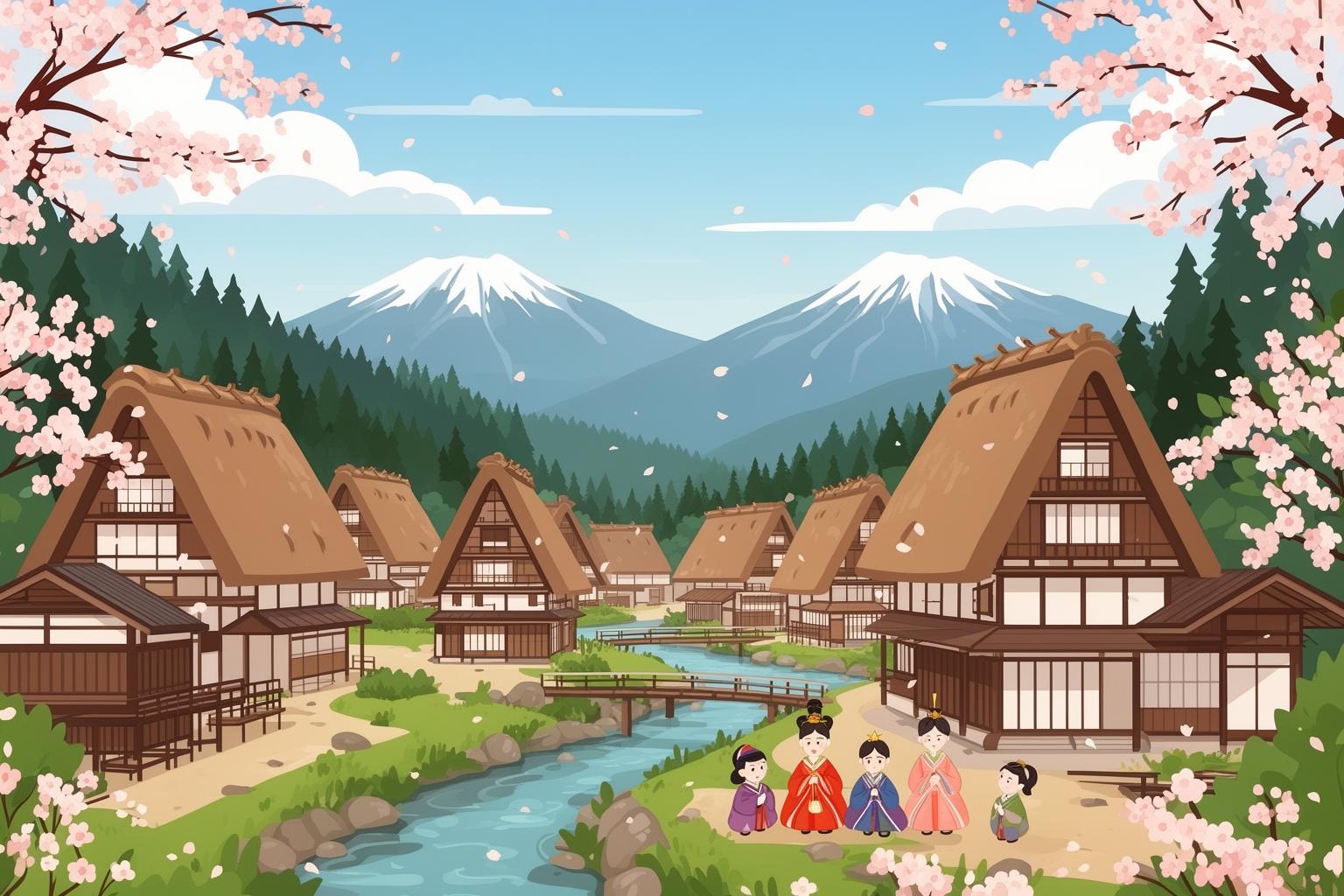
To truly understand Hinamizawa, one must first grasp the significance of Shirakawa-go and its defining architectural wonder. The famed farmhouses here are constructed in a style called Gassho-zukuri, which means “built like praying hands.” Glancing at the steep, sixty-degree angle of the thatched roofs, the name becomes immediately clear. These roofs serve more than an aesthetic purpose; they represent a brilliant engineering solution born out of necessity. As one of the snowiest regions on Earth, the sharply pitched roofs prevent the heavy winter snowfall from causing the buildings to collapse. Massive in size, these roofs are built without a single nail, instead depending on an intricate system of woven straw and flexible wooden beams that provide strength and durability lasting centuries. Constructing and maintaining these roofs is a monumental task—a communal activity called yui, where villagers come together to re-thatch a neighbor’s roof. This communal spirit forms the foundation of Shirakawa-go’s survival and is a cultural treasure as valuable as the homes themselves. The spacious, multi-level attics beneath these roofs weren’t merely for storage; for centuries, they sustained the village’s economy. These airy, dark spaces were ideal for sericulture, the raising of silkworms. This industry enabled the remote mountain community to flourish, creating a self-sufficient world hidden away from bustling urban centers. Entering one of these farmhouses is like stepping into the history of the place—the soft, pleasant aroma of woodsmoke from the central irori hearth, the cool shadows of the upper floors, and the palpable presence of generations who lived, labored, and prayed beneath these very beams.
Echoes of Hinamizawa: A Pilgrim’s Guide to Key Locations
For fans of Higurashi, the true magic of Shirakawa-go is found in recognizing the familiar contours of Hinamizawa carved into the real-world landscape. The series’ creators expertly harnessed the village’s atmosphere of isolation and deep-rooted tradition to craft a world filled with suspense and paranoia. Walking through the village feels like flipping through the anime’s background art, with each turn revealing another iconic location. The experience is surreal, blending worlds where the warm greetings of local shopkeepers mingle with the lingering whispers of the show’s haunting narrative. This is where your pilgrimage truly begins, tracing the footsteps of Keiichi, Rena, Mion, Rika, and Satoko along the very streets and shrines that brought their story to life. It’s a soul-stirring treasure hunt, linking the tangible world with the fictional one that has left such an enduring impression.
The Sacred Ground: Shirakawa Hachiman Shrine
At the heart of Hinamizawa stands the Furude Shrine, home to the shrine maiden Rika Furude and the focal point of the village’s spiritual and supernatural lore. In reality, this is the Shirakawa Hachiman Shrine, a place of quiet dignity nestled among towering, ancient cedar trees. Passing through the stone torii gate and climbing the moss-covered steps, the air grows still and heavy with reverence. It’s instantly recognizable. You can almost see Rika and Satoko sweeping the grounds or rehearsing for the sacred Watanagashi festival. The main shrine building, with its intricate wooden carvings and traditional architecture, feels both welcoming and mysterious. It serves as the perfect real-world counterpart to the anime’s spiritual center. One of the most touching details for fans is discovering the ema, or wooden prayer plaques, hung near the shrine. Alongside prayers for health and success, countless plaques feature beautiful, hand-drawn illustrations of the Higurashi cast, left as tributes by fellow pilgrims from around the globe. This is a powerful testament to the show’s worldwide impact and an emotional display of fan devotion, transforming the shrine into a living gallery honoring the series.
The Wada House: A Historic Stand-in
The imposing building that inspired the model for the Irie Clinic is actually the Wada House. As one of the largest and best-preserved Gassho-zukuri farmhouses in the village, it is designated an Important Cultural Property and open to visitors. Stepping inside feels like entering a time capsule. The ground floor is dominated by the large irori hearth, its smoke having blackened the ceiling beams over centuries—a process that strengthens the wood and protects it from insects. Exploring the upper floors reveals tools and equipment used for sericulture, giving deeper insight into the lives of the people who once inhabited these magnificent homes. Though its role in Higurashi is fictional, the Wada House’s impressive size and commanding presence make it clear why it was chosen. Its grand scale suits the narrative role of a central, important building, and exploring its historic interior adds another layer of appreciation for the setting that inspired the story.
The Iconic Overview: Shiroyama Viewpoint
Anyone who has seen Higurashi can immediately recall the sweeping panoramic shots of Hinamizawa, a cluster of thatched roofs nestled perfectly in a mountain valley, seemingly isolated from the rest of the world. That iconic view is very real and can be experienced from the Shiroyama Viewpoint, also known as the Tenshukaku Observatory. A short, pleasant walk or a quick shuttle bus ride up a winding road leads to this breathtaking overlook. From here, the entire Ogimachi village spreads out below like a detailed miniature model. You can see the Shogawa River winding through the valley, the patchwork of rice paddies, and the Gassho-zukuri houses resembling tiny gingerbread homes. It’s a postcard-perfect scene that perfectly captures the sense of isolation essential to the anime’s plot. From this vantage point, Hinamizawa is more than a village; it’s a contained world, beautiful yet secretive, making its dark mysteries all the more compelling. This view is a must for any visitor, providing a perspective that ties the entire experience together.
The Bridge of Meetings: Deai-bashi
The main entrance to Ogimachi village crosses the Deai-bashi, a long suspension bridge spanning the crystal-clear Shogawa River. For anime fans, this bridge holds great significance, serving as a symbolic threshold into Hinamizawa’s world. Crossing it, you feel a gentle sway beneath your feet, the mountain breeze rustling past as you look down at the water below. It’s a place of meetings and partings in the anime, a landmark appearing in many key scenes. Standing mid-bridge, you sense a tangible connection to the story, as if truly crossing over into the characters’ world. It’s the perfect starting point for your exploration, setting the stage for all the discoveries awaiting within the village itself.
Beyond the Anime: Experiencing the Soul of Shirakawa-go
While the Higurashi connection serves as a strong attraction, Shirakawa-go’s allure goes far beyond its anime fame. To fully appreciate this place, one must also embrace its living culture, seasonal rhythms, and profound bond with the natural world. This is a living community, not merely a film set. The smoke rising from farmhouse chimneys is real, the farmers tending the fields are real, and the traditions they maintain form an unbroken chain stretching back centuries. Taking the time to slow down and experience the village on its own terms unveils a depth and beauty that enrich the journey, turning it from a simple location search into a meaningful cultural immersion. Here, the quiet charm of the real world perfectly complements the thrilling drama of the fictional one.
A Village for All Seasons
Shirakawa-go’s character changes dramatically with the seasons, offering a distinctly different experience with each visit. Each season casts the valley in a new light, creating an atmosphere wholly unique from the others.
Winter’s Embrace
Winter is perhaps Shirakawa-go’s most iconic season. The valley is covered in meters of pristine white snow, transforming the landscape into a breathtaking, monochrome fairy tale. The Gassho-zukuri roofs, weighed down by their snowy blankets, appear even more striking and steadfast. On select weekends in January and February, the village hosts special light-up events, illuminating the farmhouses against the dark winter sky. The scene is utterly magical, drawing large crowds from around the globe. Visiting in winter requires preparation for biting cold and snowy paths, but the payoff is an unparalleled vision of Japan at its most serene and picturesque.
Spring’s Gentle Awakening
As the snow melts, spring breathes fresh life into the valley. Cherry blossoms bloom late in the mountains, usually around late April, offering a stunning contrast of delicate pink against the sturdy, rustic farmhouses. The rice paddies fill with water, reflecting the sky like mirrors. The air is crisp and fresh, filled with the promise of new growth. It is a time of quiet beauty, a chance to witness the village emerge from its winter slumber and burst forth with vibrant color.
Summer’s Verdant Lushness
Summer in Shirakawa-go is a symphony of green. The surrounding mountains are cloaked in dense, lush foliage, and the rice plants grow tall and vibrant in the paddies. Cicadas fill the air with their distinctive song—a sound that Higurashi fans will find both nostalgic and slightly eerie. The days are warm, and the clear waters of the Shogawa River provide a refreshing sight. This season showcases the valley at its most fertile and lively.
Autumn’s Fiery Palette
For many, autumn is the most stunning time to visit. The mountainsides burst into a riot of color, with brilliant reds, oranges, and yellows painting the landscape. The air turns crisp and cool, and the harvest season brings a sense of accomplishment to the village. October hosts the Doburoku Festival, where a unique unfiltered sake is brewed at the shrines and offered to the gods and villagers. This lively, joyous event offers a captivating glimpse into local culture and community spirit. The blend of spectacular foliage and cultural festivities makes autumn an unforgettable time to be in Shirakawa-go.
A Taste of Mountain Life
No trip to the Japanese countryside is complete without savoring the local cuisine, and Shirakawa-go is no exception. The food here is rustic, hearty, and deeply tied to the land. Be sure to try Hida beef, a regional specialty known for its exceptional marbling and flavor, often grilled on a magnolia leaf with miso (Hoba Miso). Gohei Mochi is a popular snack—a skewer of pounded rice coated in a sweet-savory sauce of miso, soy, and sesame, then grilled over an open flame. You’ll also find delicious soba noodles and dishes featuring sansai—wild mountain vegetables—that offer a unique taste of the local terroir. Dining inside one of the Gassho-zukuri restaurants is an experience itself, allowing you to enjoy a meal within the historic atmosphere you’ve been exploring all day.
Practical Pilgrimage: Planning Your Trip to the Hidden Village
A trip to a remote destination like Shirakawa-go requires some planning, but the journey itself is part of the experience. Its seclusion is exactly what has maintained its unique character, so knowing how to get there and where to stay is essential for a smooth and enjoyable visit. Planning ahead allows you to relax and fully immerse yourself in the village’s distinctive ambiance without worrying about the details.
The Journey to the Mountains
Shirakawa-go has no train station; access is only by road, mainly via highway bus. The most common routes are from nearby cities Takayama and Kanazawa, both easily reachable by train from major hubs such as Tokyo, Nagoya, or Osaka. The Nohi Bus company operates regular services from these cities. Booking your bus tickets in advance is crucial, especially during peak times like the winter light shows, Golden Week in spring, or the autumn foliage season. Seats can sell out weeks or even months in advance. The bus ride offers scenic views, winding through mountain tunnels and showcasing the Japanese Alps, building anticipation as you near this hidden valley.
To Stay or to Day Trip?
While a day trip is feasible and allows you to see the main attractions, spending a night in Shirakawa-go provides a uniquely special experience and comes highly recommended. The village can become crowded with tour buses by midday, but as late afternoon approaches, the crowds dwindle, and a deep sense of calm settles over the valley. Staying overnight, often in a minshuku (a family-run guesthouse) within a traditional Gassho-zukuri farmhouse, lets you experience this serene, magical side of Shirakawa-go. You can enjoy a home-cooked meal, sleep on a comfortable futon on tatami mats, and wake to the sight of morning mist rising from the river. This intimate and immersive stay offers a connection to the history and atmosphere of the village, providing a glimpse into a way of life nearly vanished in the rest of Japan.
Navigating the Village
Upon arrival, the main village of Ogimachi is compact and best explored on foot. Wear comfortable walking shoes, as many paths are unpaved and require a fair amount of walking. The trail up to the Shiroyama viewpoint is somewhat steep, but a convenient shuttle bus runs regularly for a small fee if you prefer not to walk. It’s important to be a considerate visitor. While Ogimachi is a tourist spot, it is also a living community where people reside. Stay on public paths, avoid trespassing on private property or rice fields, and be mindful not to disturb the residents. A quiet, respectful attitude will be appreciated and will make your visit more enjoyable for everyone.
A Final Reflection: The Lingering Spirit of the Valley
Leaving Shirakawa-go feels like awakening from a dream. The memory of the place lingers—a perfect blend of breathtaking natural beauty, profound historical significance, and the faint, chilling resonance of a beloved story. The brilliance of Higurashi: When They Cry lay in recognizing that this peaceful, secluded paradise was the ideal setting for a dark tale. The village’s close-knit community, its longstanding traditions, and its physical isolation from the outside world are all genuine aspects of Shirakawa-go that were intricately woven into Hinamizawa’s suspenseful narrative. A pilgrimage here is an exploration of that duality. You stand before the tranquil Shirakawa Hachiman Shrine and recall the intense drama that took place at Furude Shrine. You gaze at the picturesque village from the viewpoint and remember the overwhelming sense of fate that ensnared its fictional residents. Shirakawa-go serves as a reminder of the power of place in storytelling—how the spirit of a real location can inspire a fictional world that feels just as authentic. Whether you visit as a history enthusiast, a culture lover, or a devoted anime pilgrim, you will depart with a profound appreciation for a village that is both a priceless treasure of Japan’s past and a timeless symbol of its modern pop culture.